30 Day Notice For Storage Unit
Description
Get your form ready online
Our built-in tools help you complete, sign, share, and store your documents in one place.
Make edits, fill in missing information, and update formatting in US Legal Forms—just like you would in MS Word.
Download a copy, print it, send it by email, or mail it via USPS—whatever works best for your next step.
Sign and collect signatures with our SignNow integration. Send to multiple recipients, set reminders, and more. Go Premium to unlock E-Sign.
If this form requires notarization, complete it online through a secure video call—no need to meet a notary in person or wait for an appointment.
We protect your documents and personal data by following strict security and privacy standards.

Make edits, fill in missing information, and update formatting in US Legal Forms—just like you would in MS Word.

Download a copy, print it, send it by email, or mail it via USPS—whatever works best for your next step.

Sign and collect signatures with our SignNow integration. Send to multiple recipients, set reminders, and more. Go Premium to unlock E-Sign.

If this form requires notarization, complete it online through a secure video call—no need to meet a notary in person or wait for an appointment.

We protect your documents and personal data by following strict security and privacy standards.
Looking for another form?
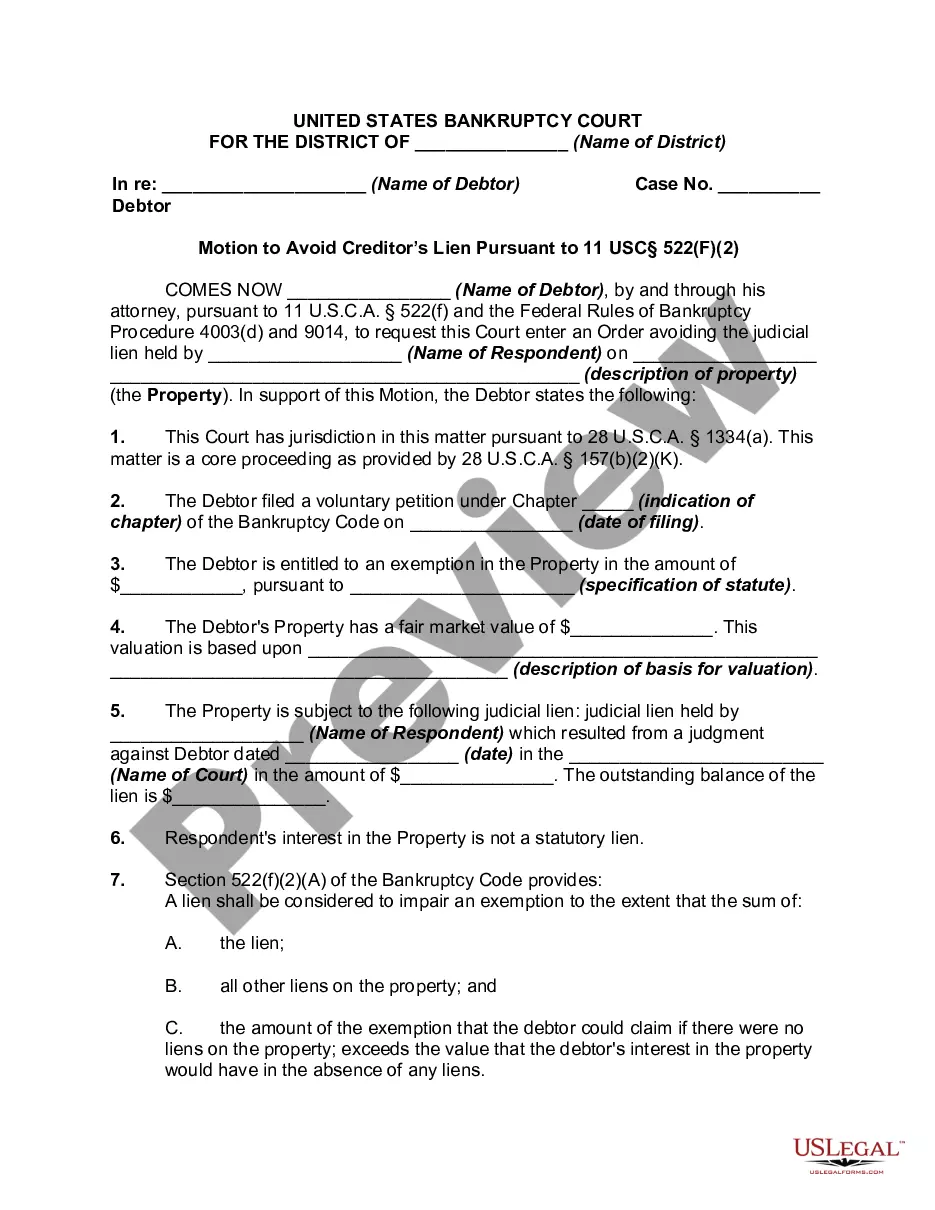





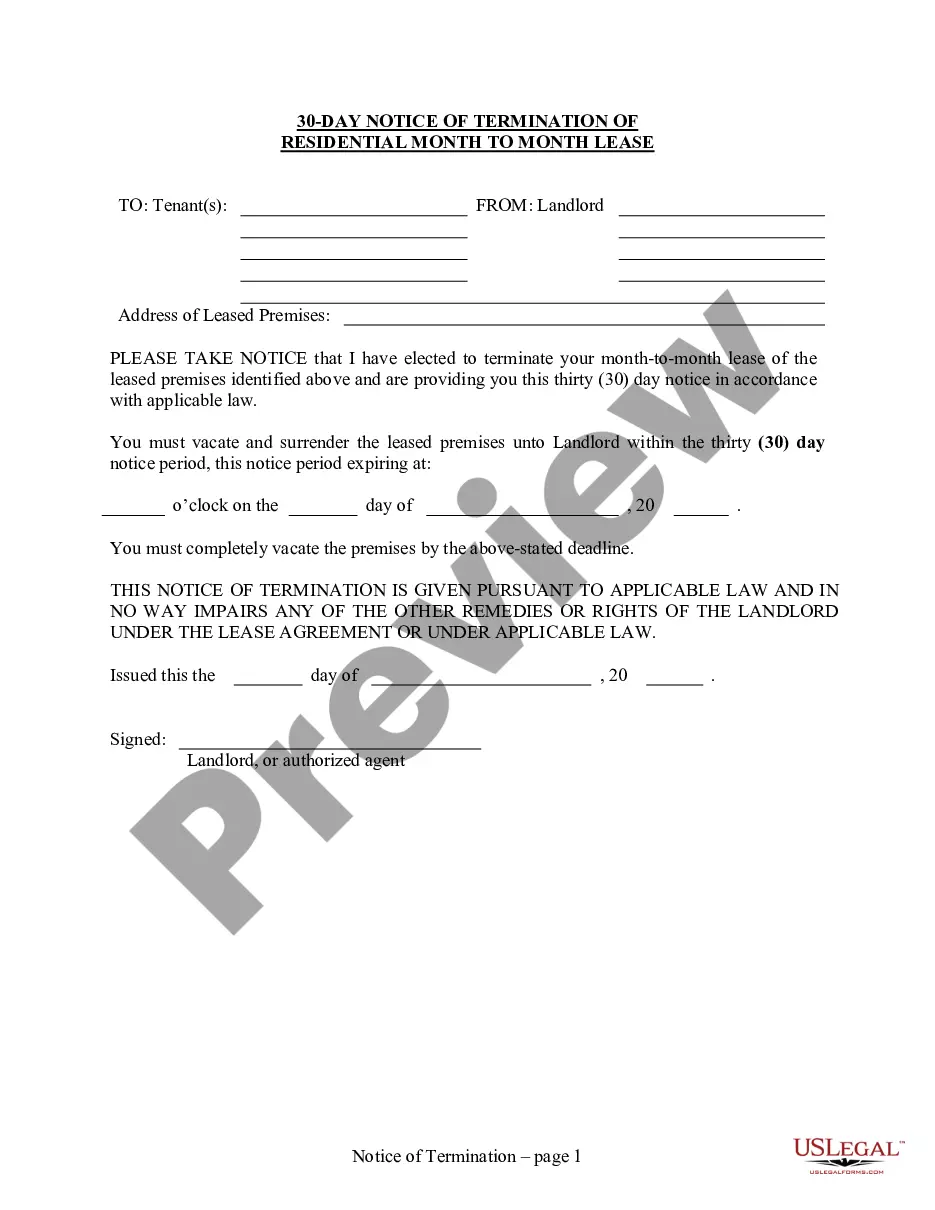
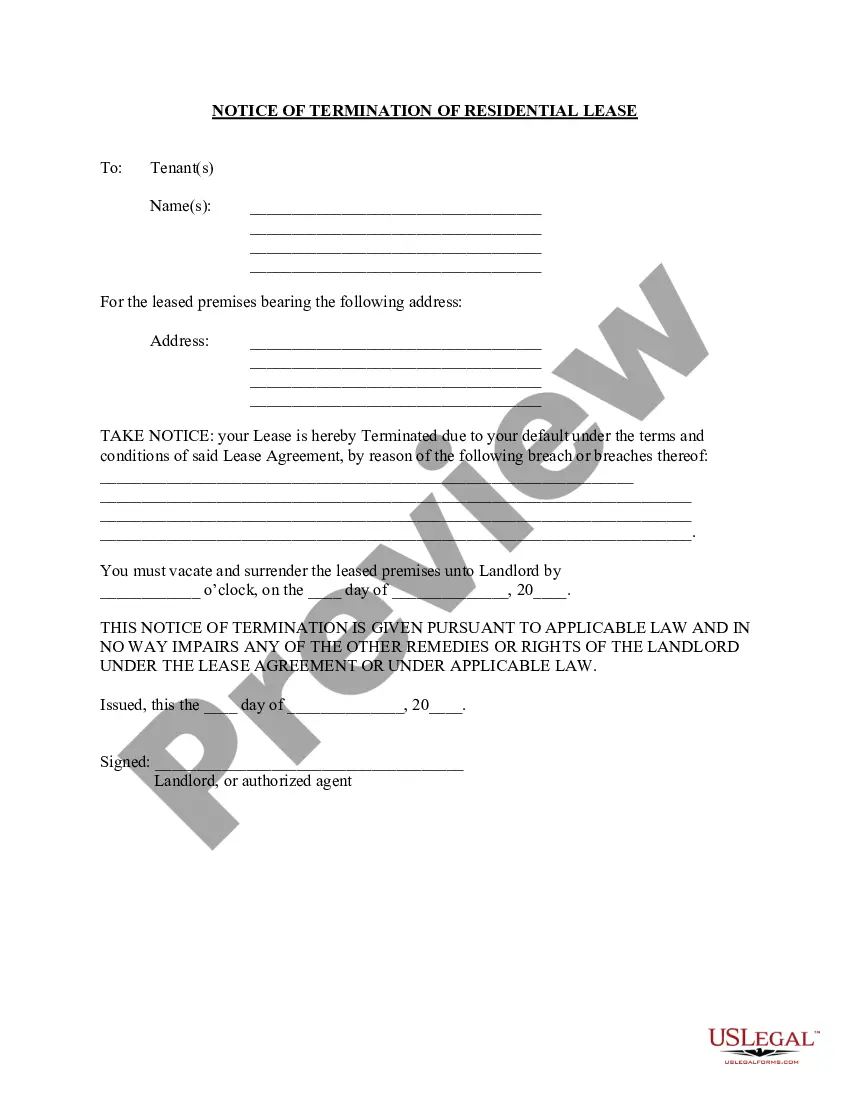
How to fill out Texas 30 Day Notice To Terminate Month To Month Lease - Residential From Landlord To Tenant?
Utilizing legal document templates that adhere to federal and state laws is critical, and the web provides numerous alternatives to choose from.
However, what’s the use of spending valuable time searching for the properly crafted 30 Day Notice For Storage Unit template online when the US Legal Forms online library has already gathered such templates in one location.
US Legal Forms is the premier online legal repository with over 85,000 fillable templates prepared by lawyers for any business and personal situation.
Review the template using the Preview function or the document outline to ensure it meets your criteria. Search for a different sample using the search tool at the top of the page if needed. Click Buy Now when you’ve discovered the right form and select a subscription plan. Create an account or Log In and make a payment using PayPal or a credit card. Choose the format for your 30 Day Notice For Storage Unit and download it. All documents you find through US Legal Forms are reusable. To re-download and complete previously acquired forms, access the My documents section in your account. Take advantage of the most extensive and user-friendly legal document service!
- They are easy to navigate with all documents organized by state and intended use.
- Our specialists keep up with legal updates, ensuring your paperwork is current and compliant when obtaining a 30 Day Notice For Storage Unit from our site.
- Acquiring a 30 Day Notice For Storage Unit is quick and straightforward for both existing and new users.
- If you already possess an account with an active subscription, Log In and download the sample document you require in the appropriate format.
- If you are visiting our site for the first time, follow the instructions below.
Form popularity
FAQ
Typically, a 30-day notice does not have to be notarized to be effective. However, having it notarized can add a layer of verification, should any disputes arise. Always check your specific lease for additional requirements that may apply in your situation. If you seek assistance, platforms like US Legal Forms can help you create the required documents.
Illinois law regulates storage units as personal property storage agreements. Under this law, storage operators must provide clear instructions regarding late fees and repossession. It is also required that operators notify you before auctioning off any items left unpaid. For detailed legal protection and guidance, reviewing your storage agreement is essential.
When it comes to storage units, guidelines vary based on the facility. Generally, you may have a grace period, usually from 5 to 15 days, after which late fees might accrue. If payments continue to be missed, the facility may eventually consider your items abandoned. To ensure you understand your specific rights, check your rental agreement.
Handwriting a 30-day notice can add a personal touch. Begin with your address and date, then write a clear statement of your intention to vacate. Ensure you mention your move-out date to avoid confusion. Keeping it legible is important for effective communication, so be careful with your handwriting.
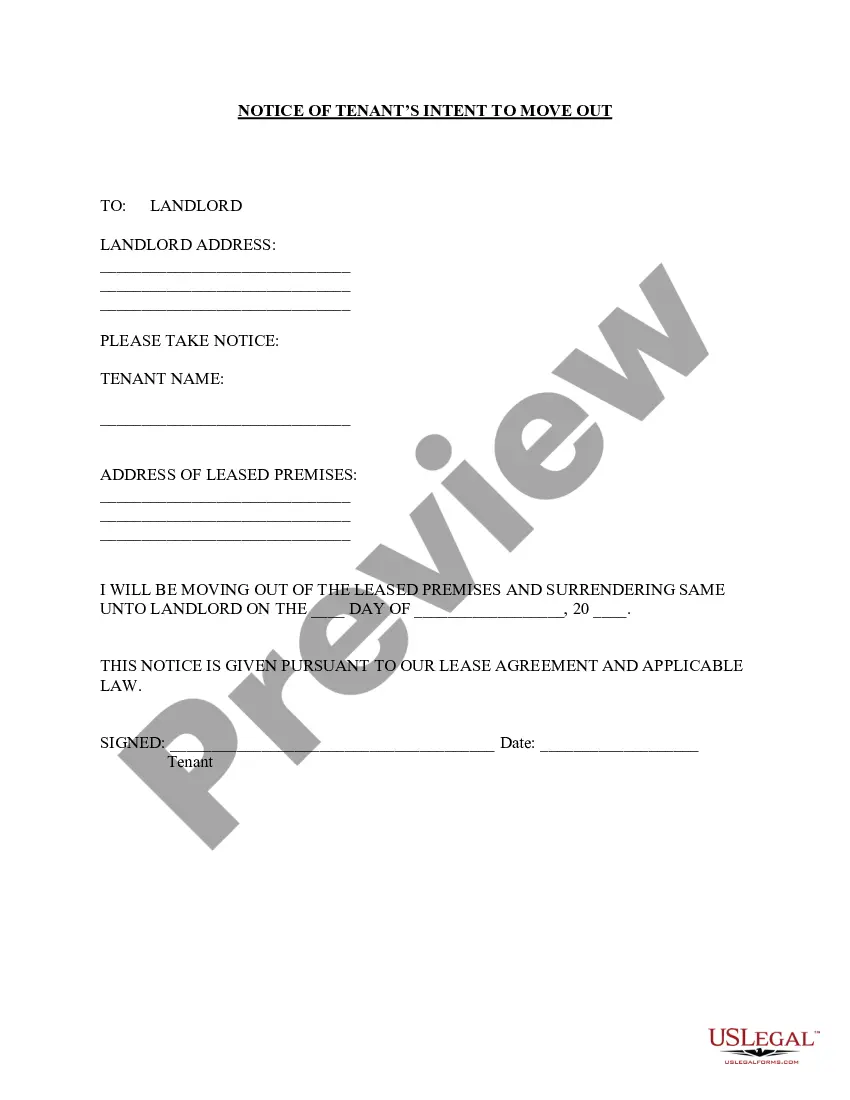
When writing a letter to give notice to your landlord, start with your address and the date at the top. Clearly state your intention to terminate your rental agreement, and include your move-out date. It's courteous to thank your landlord and mention that you will be returning the keys on the specified date. Don’t forget your signature at the end.
Writing a 30-day letter is straightforward. Start with a clear date and a formal greeting. In the body, express your intention to end the lease, specify your move-out date, and thank your landlord for their service. Finally, sign the letter and keep a copy for your personal records.
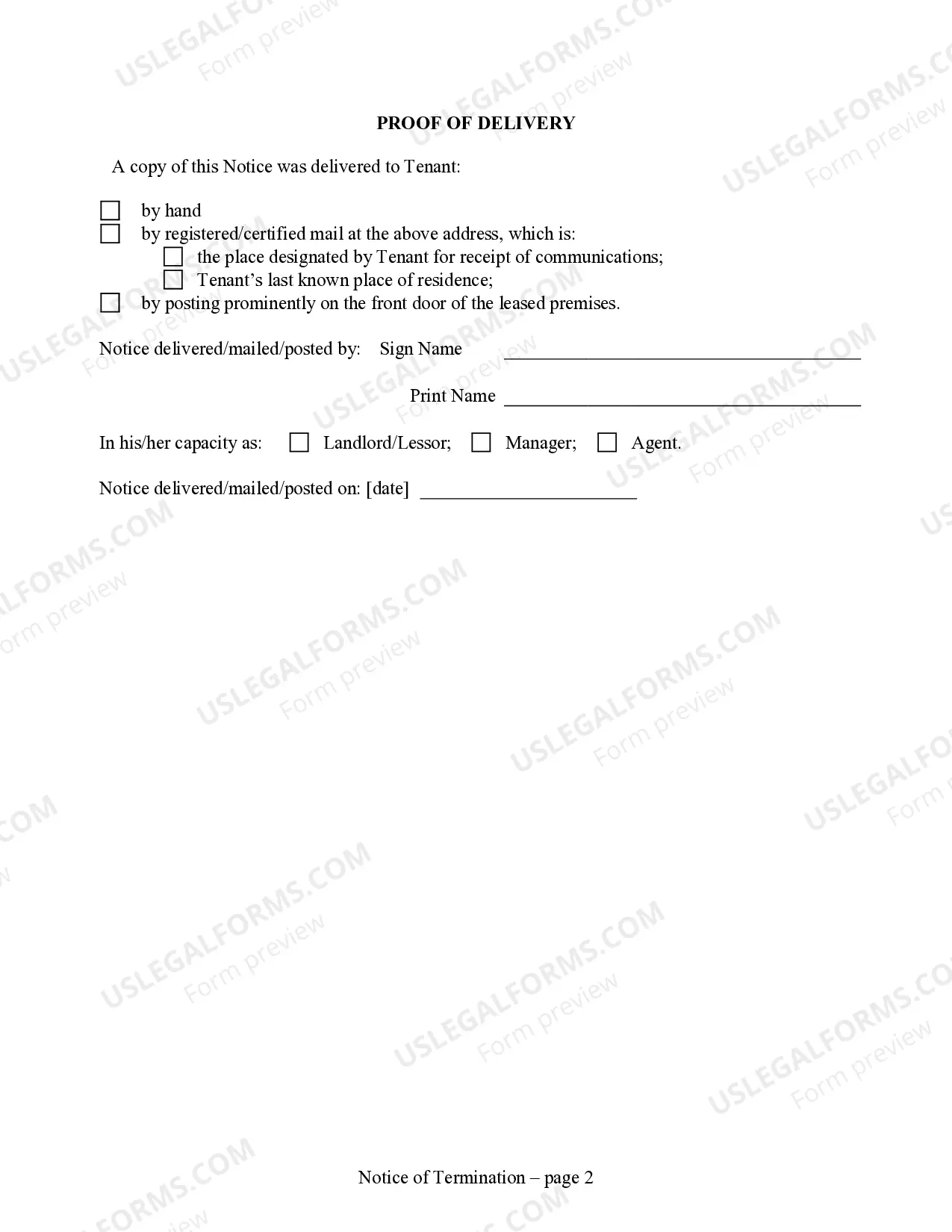
To give a 30 day notice to a landlord, you need to prepare a written notice stating your intent to vacate the rental property. Make sure to include the date you plan to move out and any relevant details about your current lease agreement. You should deliver this notice personally or send it via certified mail to ensure it is received. Keeping a copy for your records is always a smart move.
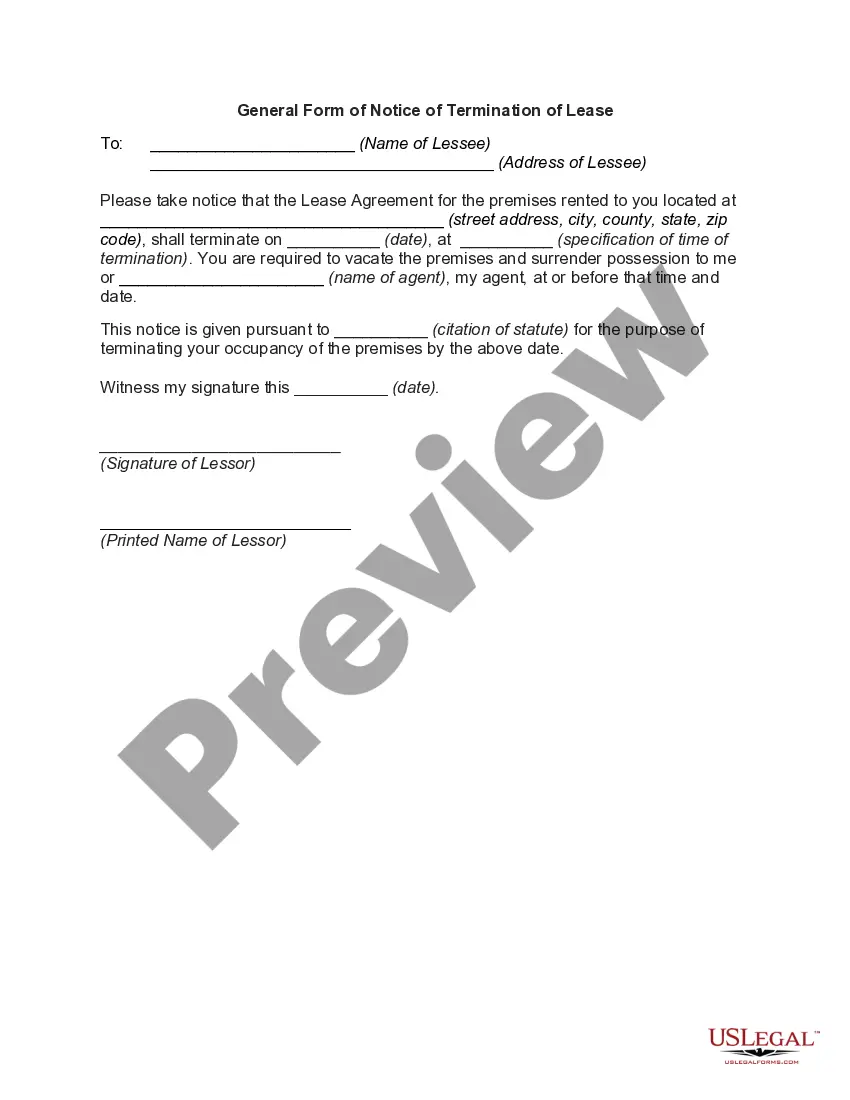
To start a 30-day notice for a storage unit, begin with your name, contact information, and the date of writing. Then, address it to the landlord or storage facility manager, followed by a clear subject line stating '30-Day Notice.' Clearly express your intention to vacate the storage unit by stating your last intended day of use. Utilizing resources from USLegalForms can help ensure your notice is comprehensive and compliant with all necessary guidelines.
To write a 30-day notice sample for a storage unit, start by clearly stating your intent to vacate. Include the date you plan to move out and any specific details about the storage unit, such as its size and location. Make sure to politely notify the landlord or storage facility, as this helps maintain a positive relationship. If you need a template, consider using USLegalForms, which offers various legal documents, including a 30-day notice for storage unit samples.
If you don't give a 30 day notice to your landlord, you may face various penalties. This could include losing your security deposit or incurring additional fees. It's always best to follow the notice requirements to prevent any financial repercussions or issues when vacating your storage unit.