Texas Minimum Standards Ratio
Description
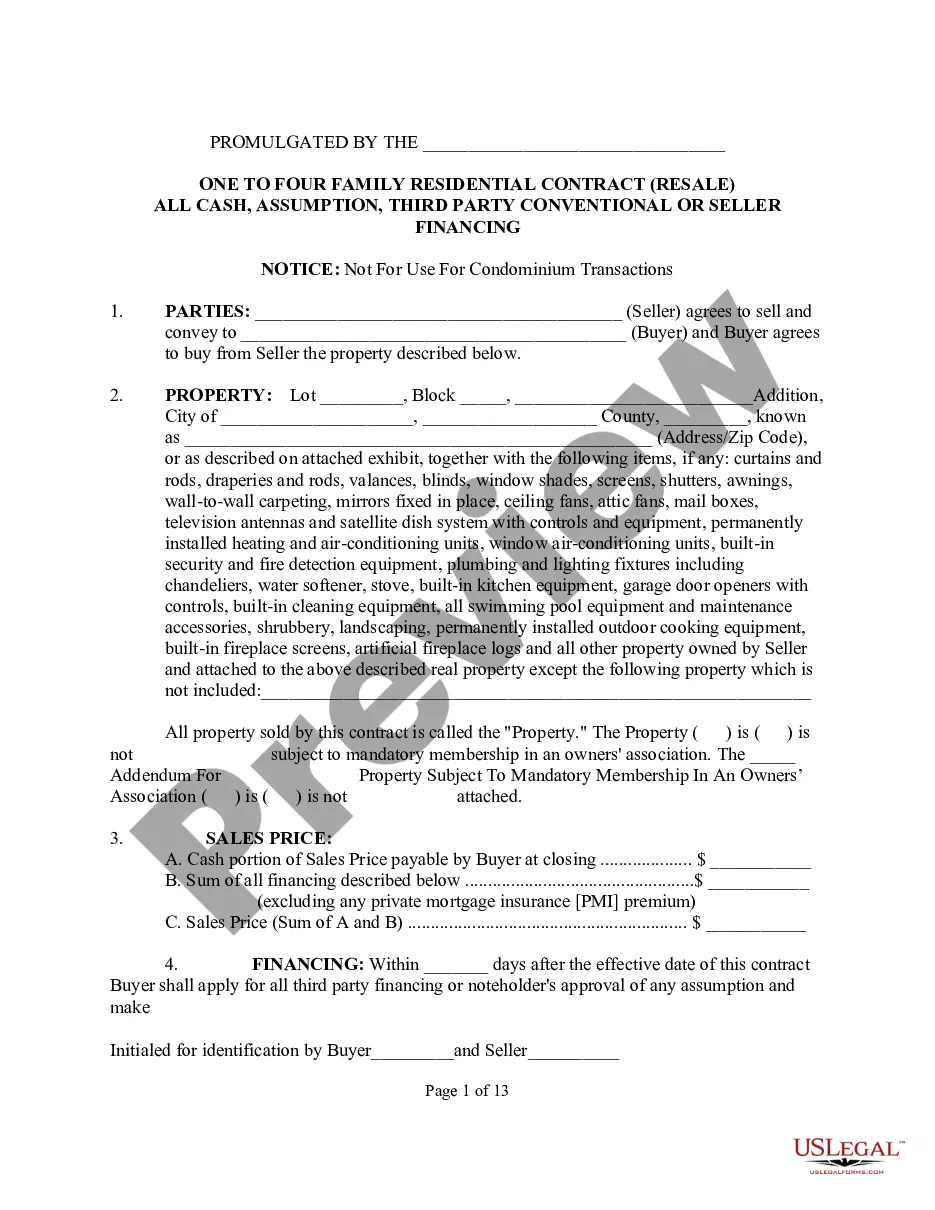
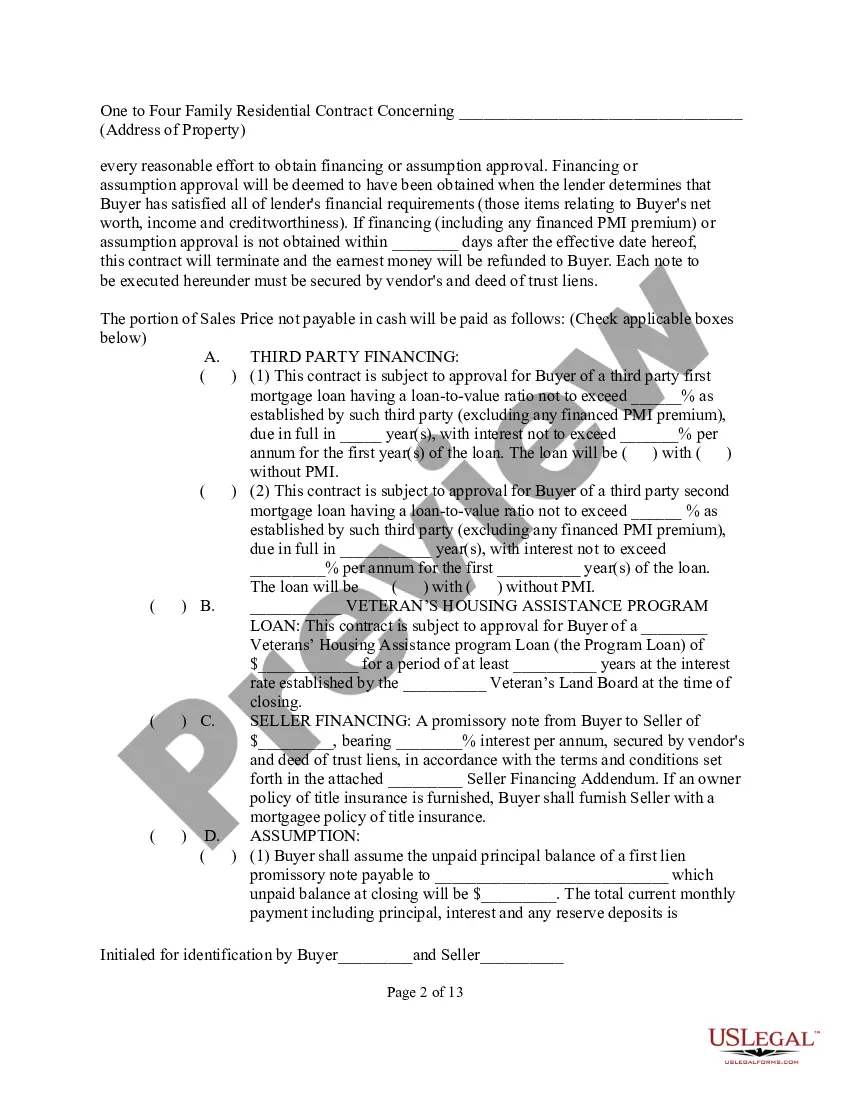
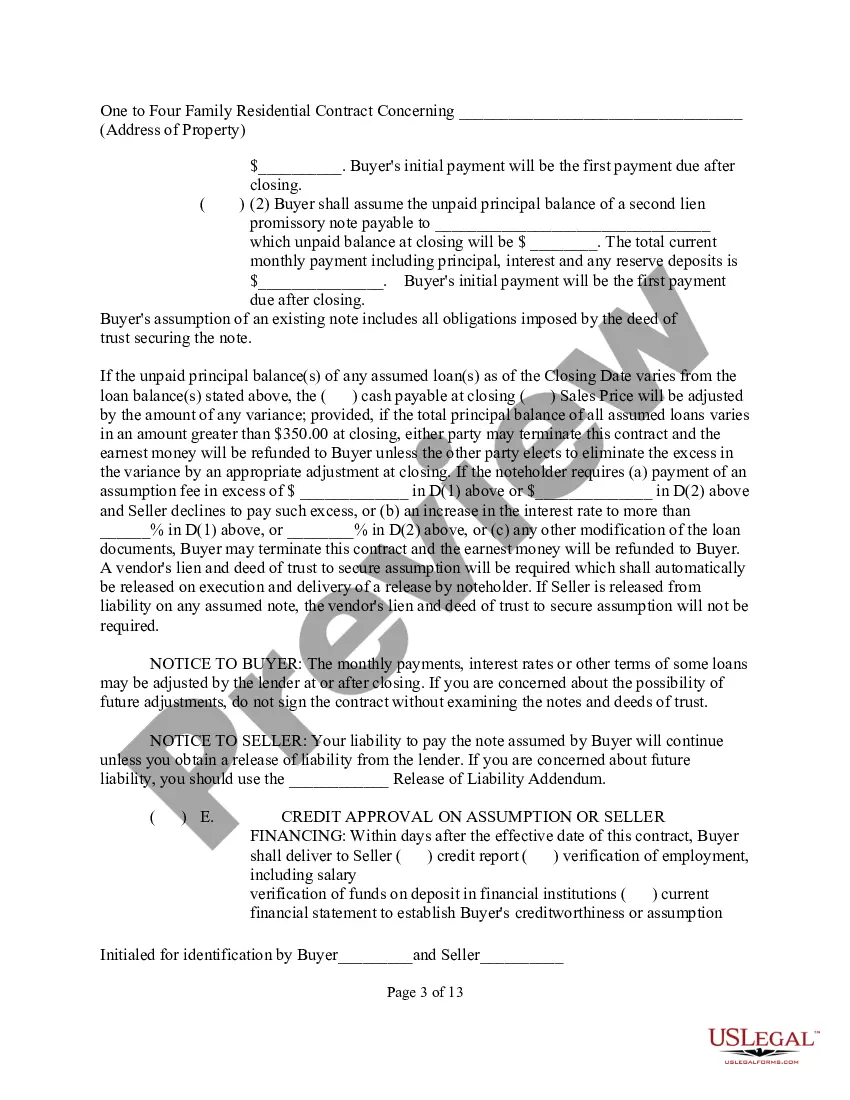
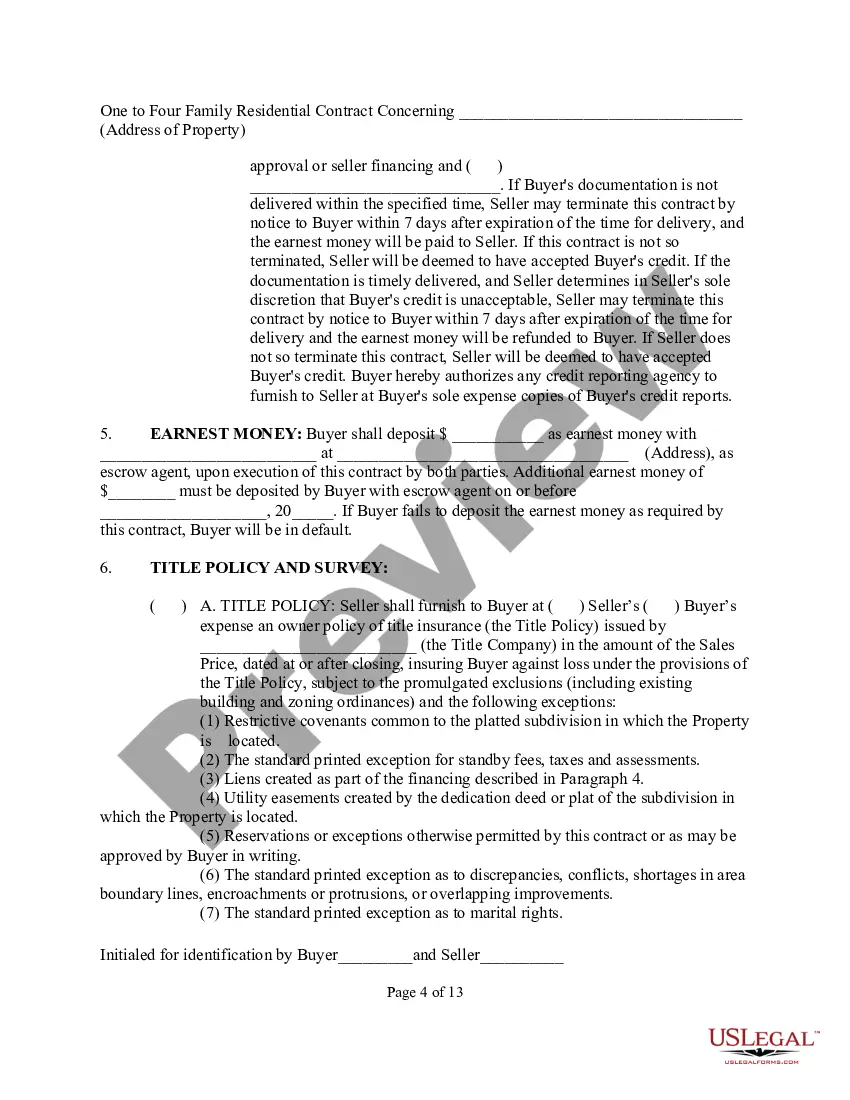

Get your form ready online
Our built-in tools help you complete, sign, share, and store your documents in one place.
Make edits, fill in missing information, and update formatting in US Legal Forms—just like you would in MS Word.
Download a copy, print it, send it by email, or mail it via USPS—whatever works best for your next step.
Sign and collect signatures with our SignNow integration. Send to multiple recipients, set reminders, and more. Go Premium to unlock E-Sign.
If this form requires notarization, complete it online through a secure video call—no need to meet a notary in person or wait for an appointment.
We protect your documents and personal data by following strict security and privacy standards.

Make edits, fill in missing information, and update formatting in US Legal Forms—just like you would in MS Word.

Download a copy, print it, send it by email, or mail it via USPS—whatever works best for your next step.

Sign and collect signatures with our SignNow integration. Send to multiple recipients, set reminders, and more. Go Premium to unlock E-Sign.

If this form requires notarization, complete it online through a secure video call—no need to meet a notary in person or wait for an appointment.

We protect your documents and personal data by following strict security and privacy standards.
Looking for another form?

How to fill out Texas One To Four Family Residential Contract - Resale - All Cash, Assumption, Third Party Conventional Or Seller Financing?
- Log in to your US Legal Forms account if you are a returning user, or register for a new account to get started.
- Browse through the extensive online library to find the form that meets your needs by checking the Preview mode and form descriptions.
- If the form does not meet your requirements, utilize the Search tab to find alternatives that comply with your jurisdiction.
- Once you find the right document, press the Buy Now button and select the subscription plan that fits your needs.
- Complete the payment process using your credit card or PayPal account to secure your chosen subscription.
- Download the form to your device to fill it out, and remember you can access it anytime in the My Forms section of your profile.
By using US Legal Forms, you’re ensuring that your legal documents are precise and compliant with relevant standards. This platform not only provides a comprehensive collection of forms but also connects users with premium experts for assistance, enhancing the overall experience.
Start your journey to hassle-free legal documentation today! Sign up now and explore the benefits of using US Legal Forms.
Form popularity
FAQ
The number of children a daycare can have in Texas varies based on the facility's size, staff qualifications, and the Texas minimum standards ratio. Generally, the ratios stipulate maximum numbers based on age, ensuring adequate supervision. For example, a daycare may care for no more than 12 toddlers at a time. Understanding these regulations is vital for any childcare provider.
In Texas, the staff to child ratio is dictated by age and specific care guidelines. For instance, preschool age groups require a ratio, ensuring sufficient supervision and interaction. Adhering to the Texas minimum standards ratio helps maintain a quality learning environment. Knowing these ratios is beneficial when selecting appropriate childcare options.
The ideal child care ratio varies based on specific needs and age groups but generally falls within the recommendations set by experts. A lower ratio, such as for preschoolers, can enhance interaction and learning experiences. The Texas minimum standards ratio aims to provide guidelines that prioritize the well-being of children. Choosing a daycare that adheres to these ideals ensures a supportive atmosphere for your child.
The child to teacher ratio in Texas varies by age group. For example, toddlers typically have a ratio of , allowing for effective supervision and engagement. These ratios are part of the Texas minimum standards ratio, which emphasize creating a balanced learning environment. Familiarizing yourself with these ratios can help you make informed childcare decisions.
In Texas, the child ratio for daycare depends on the age group of the children. For instance, infants typically require a ratio, meaning one caregiver for every four infants. This standard supports individual attention, promoting healthy development. Understanding these ratios is crucial to ensuring a safe and nurturing environment for your children.
In Texas, the teacher to student ratio for pre-K classrooms is typically one teacher for every 11 students according to the Texas minimum standards ratio. This ensures that children receive quality attention and support during their formative years. Understanding and applying these ratios is essential for pre-K programs to promote effective learning and development.
The child to teacher ratio for daycare in Texas is established by the Texas minimum standards ratio, which mandates specific guidelines based on the age of the children. For example, toddlers require one teacher for every 8 children. Following these guidelines not only meets legal requirements but also creates a nurturing environment for children to thrive.
In Texas, the overall ratio for childcare varies based on the children's ages. The Texas minimum standards ratio ensures that children receive adequate supervision and interaction with caregivers. It is crucial for childcare facilities to understand these ratios to meet licensing requirements and provide effective care for all children.
The Texas minimum standards ratio for a 2-year-old classroom is one caregiver for every 11 children. This ratio helps maintain a safe and engaging environment that fosters learning and social interaction. Adhering to this ratio is essential for providing high-quality care and attention to each child in the classroom.
In Texas, the Texas minimum standards ratio dictates how many children can be in a daycare based on age. For instance, for infants, the standard allows one caregiver for every four children. As the children grow, these ratios change, so it's important for daycare providers to be well-informed about these standards to ensure safety and quality care.