Tenant Landlord Rent With A Deposit
Description
Get your form ready online
Our built-in tools help you complete, sign, share, and store your documents in one place.
Make edits, fill in missing information, and update formatting in US Legal Forms—just like you would in MS Word.
Download a copy, print it, send it by email, or mail it via USPS—whatever works best for your next step.
Sign and collect signatures with our SignNow integration. Send to multiple recipients, set reminders, and more. Go Premium to unlock E-Sign.
If this form requires notarization, complete it online through a secure video call—no need to meet a notary in person or wait for an appointment.
We protect your documents and personal data by following strict security and privacy standards.

Make edits, fill in missing information, and update formatting in US Legal Forms—just like you would in MS Word.

Download a copy, print it, send it by email, or mail it via USPS—whatever works best for your next step.

Sign and collect signatures with our SignNow integration. Send to multiple recipients, set reminders, and more. Go Premium to unlock E-Sign.

If this form requires notarization, complete it online through a secure video call—no need to meet a notary in person or wait for an appointment.

We protect your documents and personal data by following strict security and privacy standards.
Looking for another form?
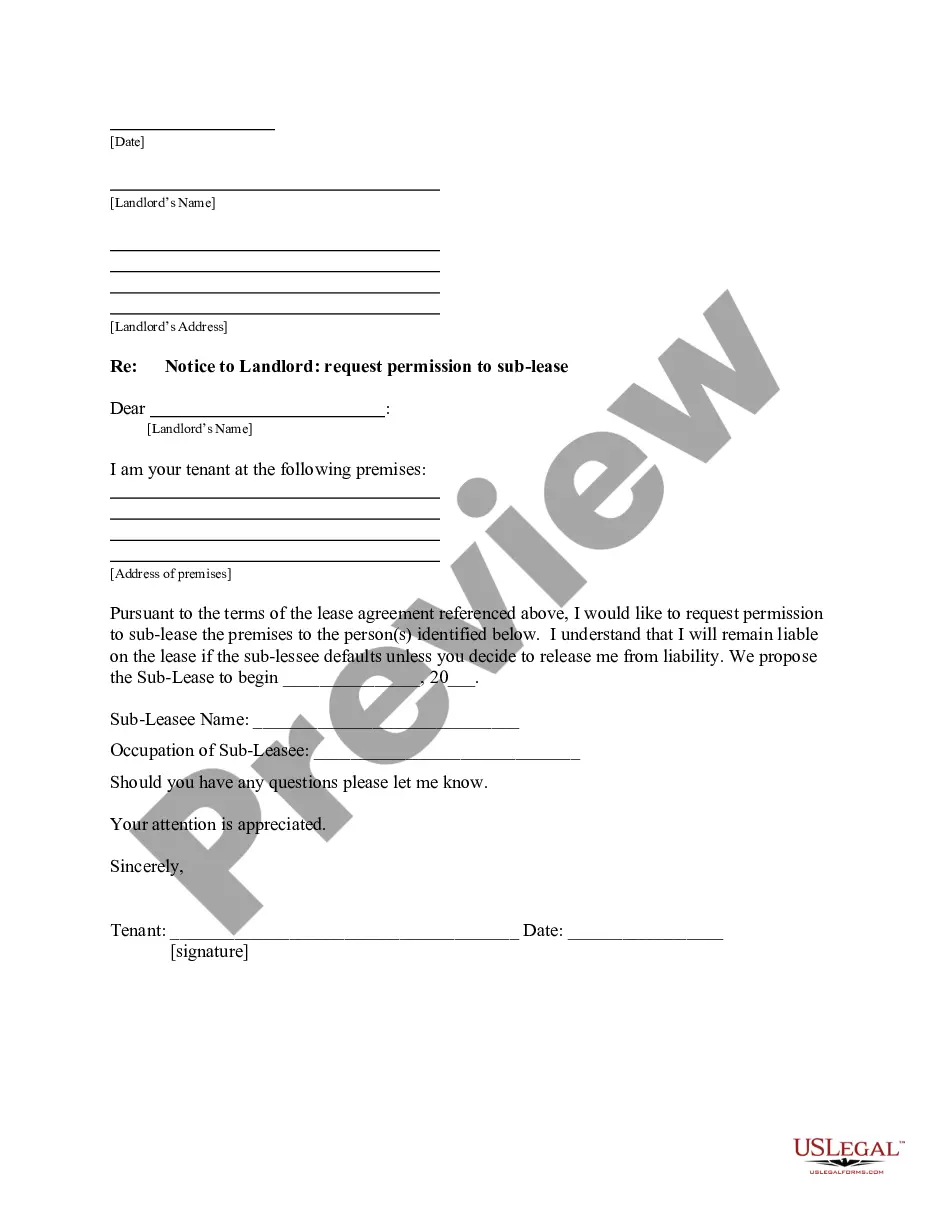


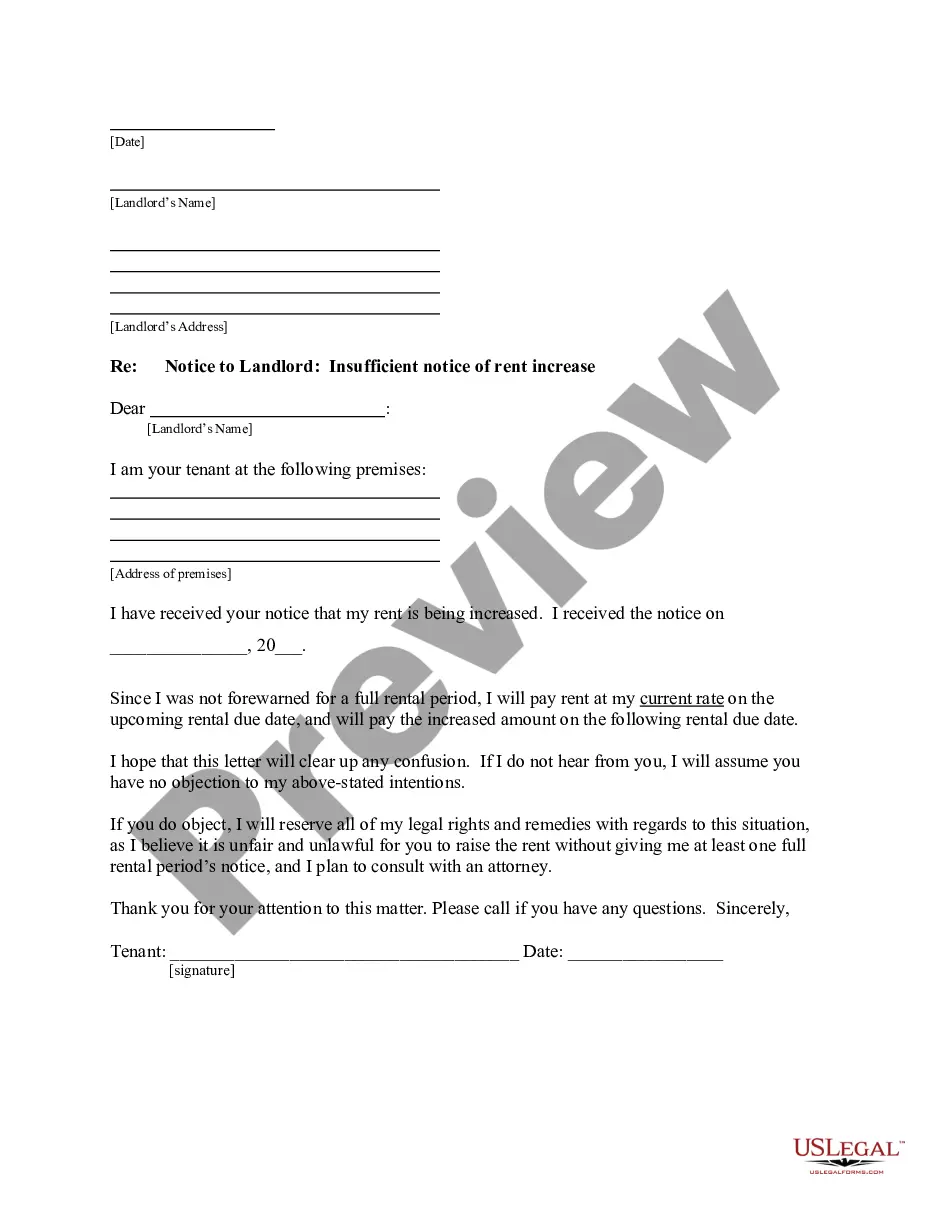
How to fill out Texas Letter From Tenant To Landlord About Insufficient Notice Of Rent Increase?
- Visit US Legal Forms and sign in to your existing account or create a new one if you’re a first-time user.
- Browse or search for the specific form template related to tenant landlord rent with a deposit that aligns with your local jurisdiction’s requirements.
- Use the Preview mode to review the form details. Ensure it meets your needs before proceeding to purchase.
- Select your desired subscription plan by clicking on the Buy Now button. This will grant you access to their extensive library of forms.
- Complete the purchase by entering your payment information, using either a credit card or PayPal to process your transaction.
- Once purchased, download the form to your device. You can always access it later from the My Forms section of your profile.
By following these simple steps, you can effectively manage tenant and landlord agreements with the necessary forms at your disposal. US Legal Forms not only saves you time but also ensures legal compliance, offering peace of mind for both parties involved.
Start your journey with US Legal Forms today and secure the documents necessary for your rental agreements.
Form popularity
FAQ
The Security Deposit Act establishes guidelines for how landlords should manage tenants' security deposits. This act dictates rules on how much can be collected, how it should be stored, and the process for returning the funds. Familiarity with this act helps both landlords and tenants navigate their responsibilities regarding tenant landlord rent with a deposit, promoting a fair rental experience.
The security deposit law in Massachusetts is designed to protect both landlords and tenants. As a landlord, you must return the deposit within 30 days after a tenant leaves or provide a detailed list of any deductions. Understanding these laws is crucial for anyone involved in tenant landlord rent with a deposit, as it ensures proper handling of funds and prevents disputes.
In Ohio, landlords can collect a security deposit typically equal to one month's rent, though they are not legally obligated to do so. This deposit serves to safeguard against damages or unpaid rent. Tenants should be aware of their rights, as the rules governing tenant landlord rent with a deposit can vary by city or county within the state.
Normal wear and tear refers to the expected deterioration that occurs in a rental property over time. In Massachusetts, this could include faded paint, small scuffs on walls, or worn carpet due to everyday use. It's essential for both landlords and tenants to understand that normal wear and tear cannot be charged against the security deposit, thus protecting the tenant landlord rent with a deposit.
In Massachusetts, the law regarding security deposits is primarily outlined in Massachusetts General Laws Chapter 186, Section 15B. This law mandates that a landlord can request a security deposit of no more than one month's rent. Additionally, landlords must provide a receipt and hold the deposit in a separate, interest-bearing account, ensuring tenants feel secure about their tenant landlord rent with a deposit.
A landlord in California can deduct for unpaid rent, repair costs for damages beyond normal wear and tear, and cleaning fees if the property is not returned in the same condition as it was rented. Keeping thorough records and understanding these deductions is crucial for both landlords and tenants. This clarity helps maintain a positive tenant landlord rent with a deposit experience and minimizes disputes.
If a landlord fails to return the security deposit within 21 days after the lease ends, they may lose their right to withhold any part of that deposit. Tenants can take legal action to recover their funds, including small claims court. Understanding the rights surrounding tenant landlord rent with a deposit is crucial to ensure landlords comply with the law and that tenants receive their rightful funds.
Pulling out after paying a holding deposit can lead to losing that deposit, as it serves as a commitment to renting the property. The actions taken after paying a holding deposit depend on the lease terms. It is crucial to understand your obligations as a tenant. If you have questions, platforms like US Legal provide valuable guidance on tenant landlord rent with a deposit and similar issues.
In Colorado, the law states that landlords must return security deposits within one month after the tenant moves out unless deductions are needed for damages or unpaid rent. The maximum amount that can be charged typically equals one month's rent, but it may vary depending on the agreement. Understanding these regulations helps you navigate your responsibilities and those of your landlord. For more information, consider using US Legal Forms for detailed insights.
As a tenant, changing your mind after paying a deposit can be problematic, especially concerning whether the deposit is refundable. The rent agreement usually defines the circumstances under which you can withdraw. Always review the conditions specified in your lease, and consult with US Legal if you need assistance understanding your rights regarding tenant landlord rent with a deposit.