Texas Wife
Description
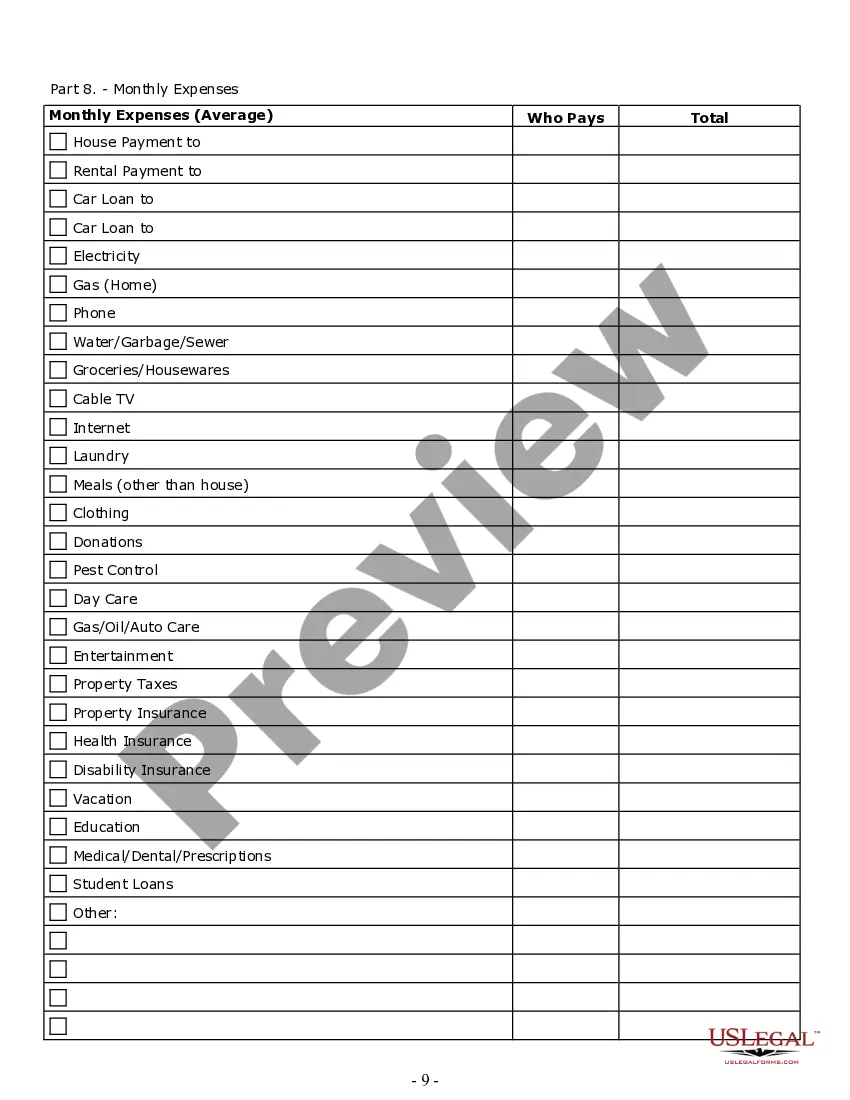
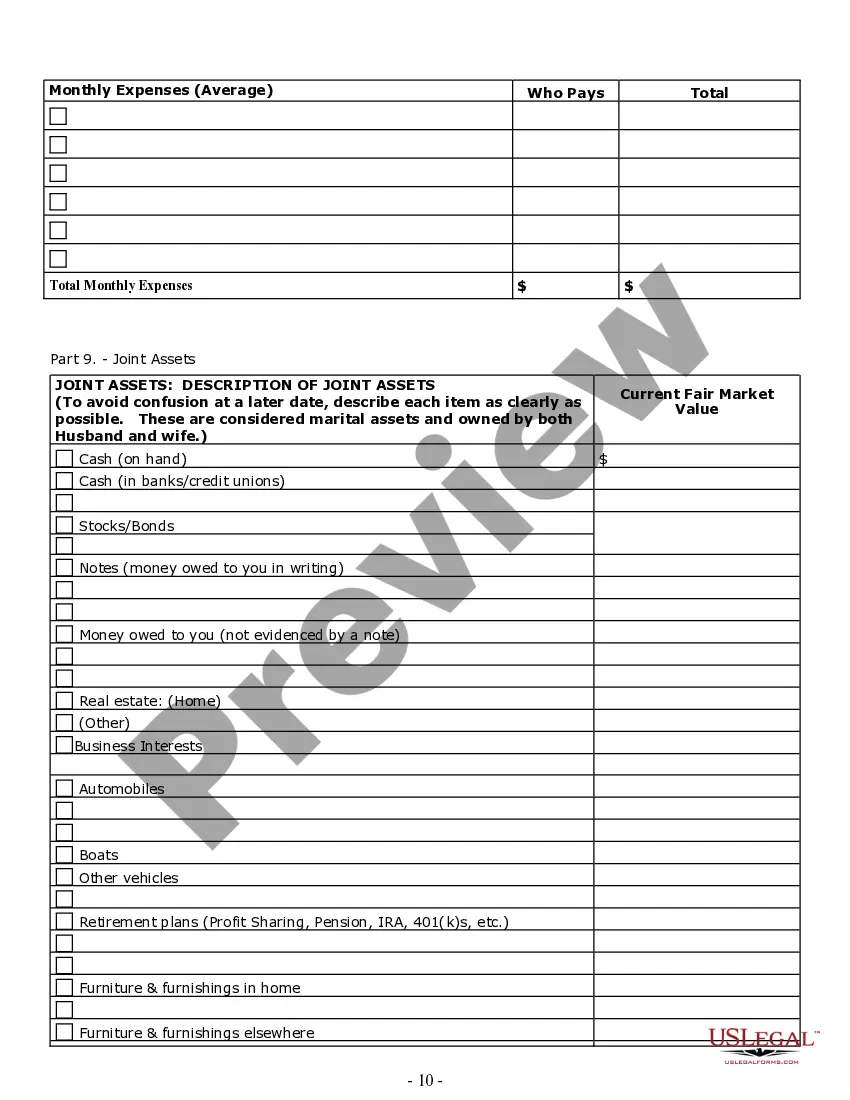

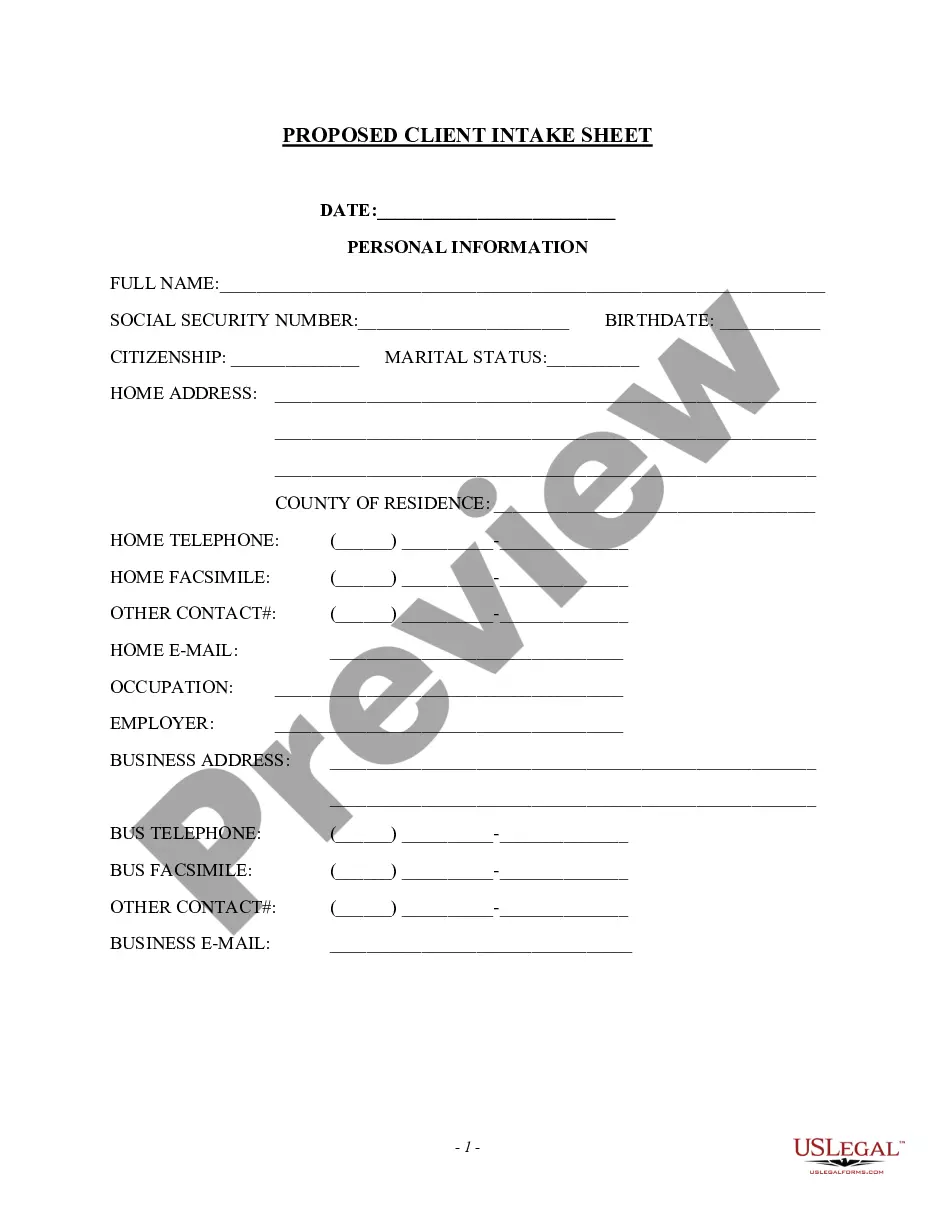
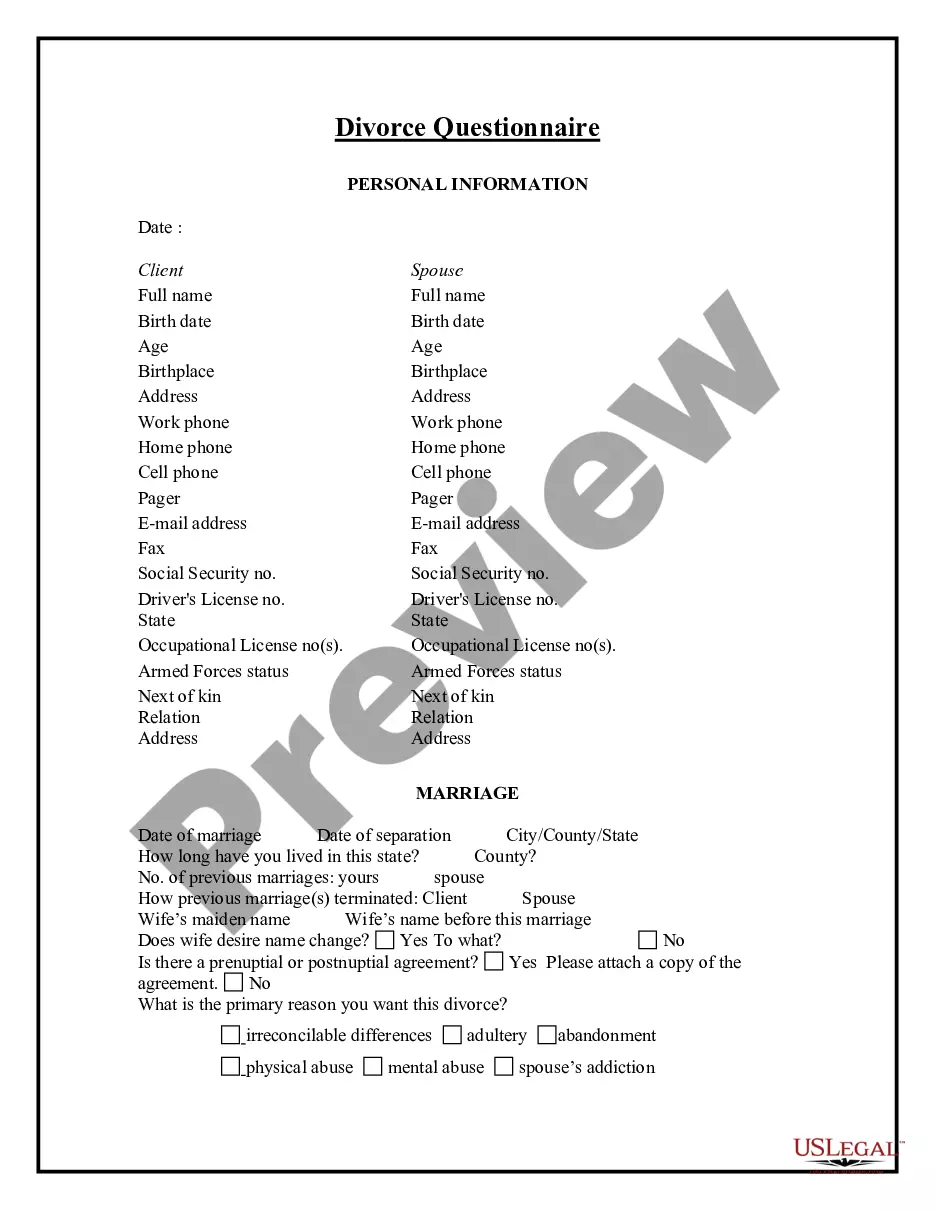

Get your form ready online
Our built-in tools help you complete, sign, share, and store your documents in one place.
Make edits, fill in missing information, and update formatting in US Legal Forms—just like you would in MS Word.
Download a copy, print it, send it by email, or mail it via USPS—whatever works best for your next step.
Sign and collect signatures with our SignNow integration. Send to multiple recipients, set reminders, and more. Go Premium to unlock E-Sign.
If this form requires notarization, complete it online through a secure video call—no need to meet a notary in person or wait for an appointment.
We protect your documents and personal data by following strict security and privacy standards.

Make edits, fill in missing information, and update formatting in US Legal Forms—just like you would in MS Word.

Download a copy, print it, send it by email, or mail it via USPS—whatever works best for your next step.

Sign and collect signatures with our SignNow integration. Send to multiple recipients, set reminders, and more. Go Premium to unlock E-Sign.

If this form requires notarization, complete it online through a secure video call—no need to meet a notary in person or wait for an appointment.

We protect your documents and personal data by following strict security and privacy standards.
Looking for another form?



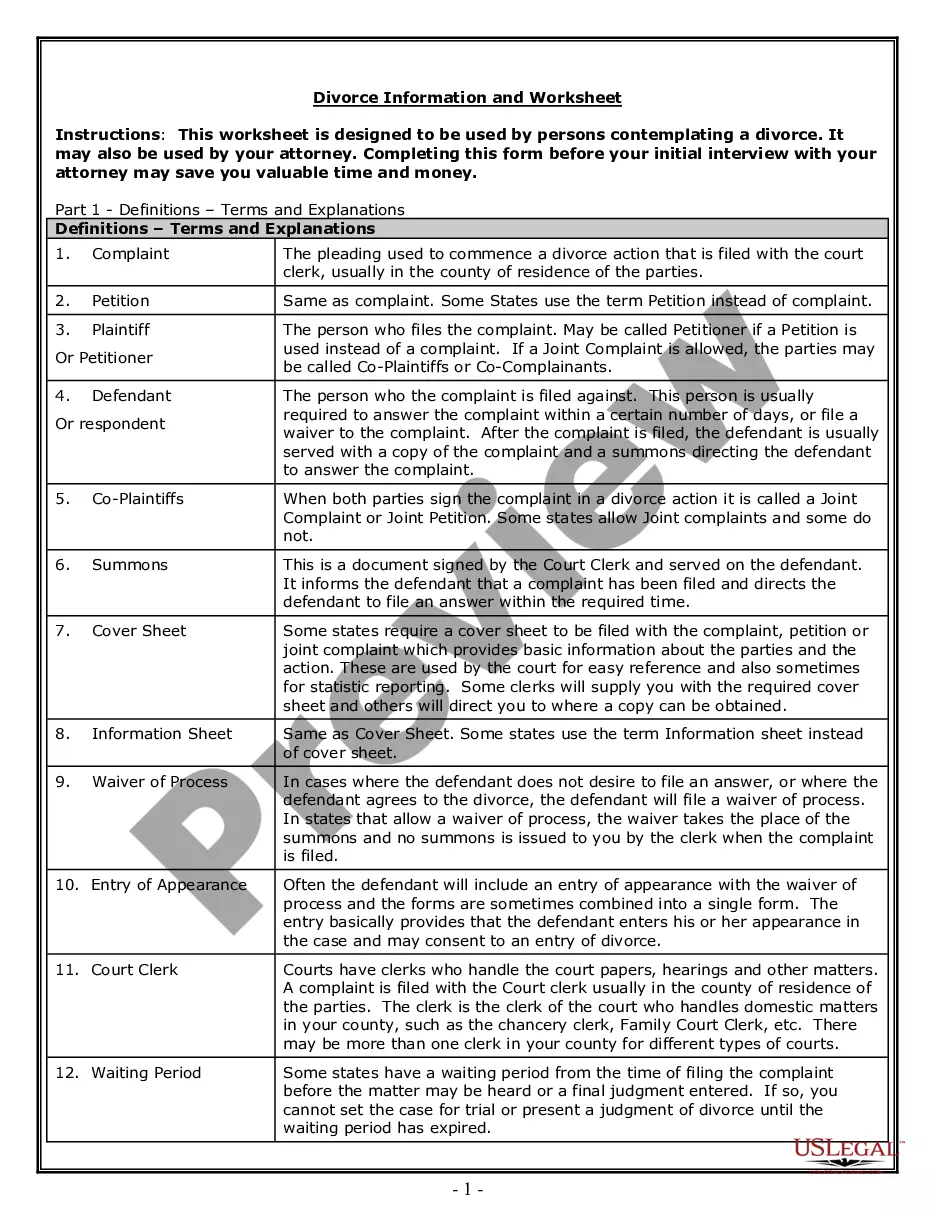
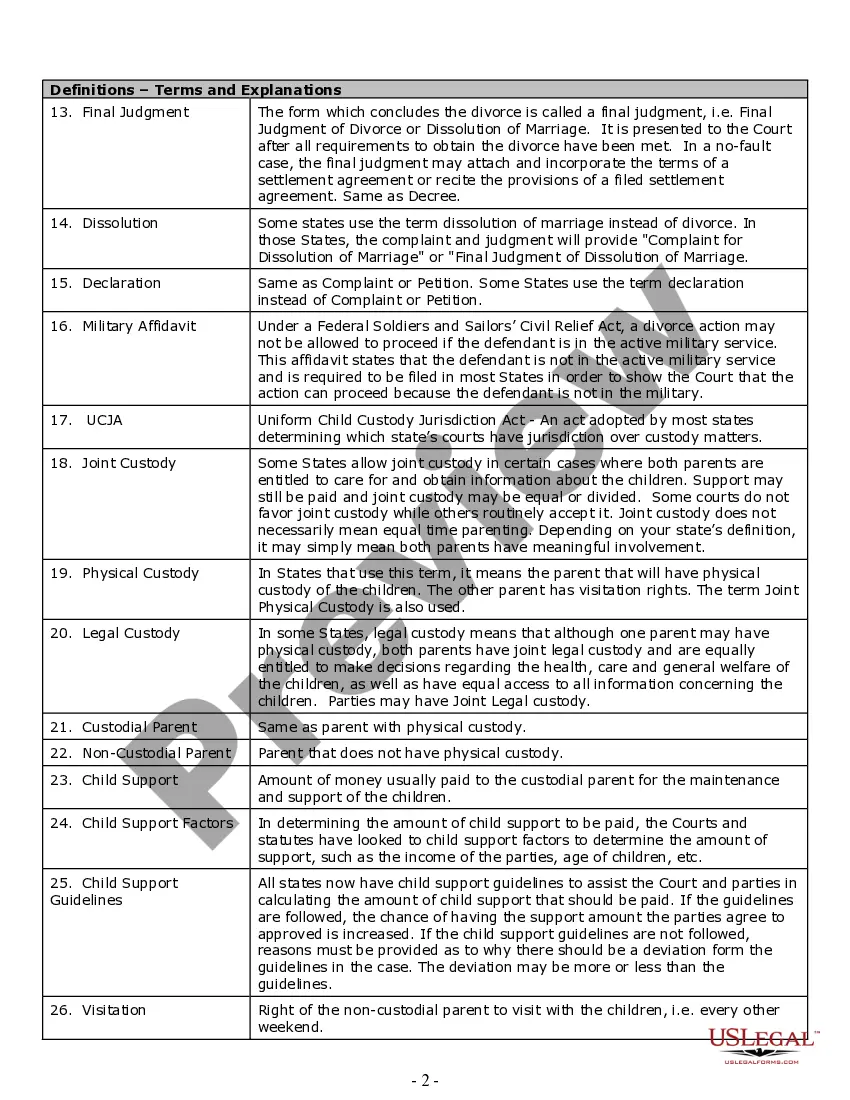
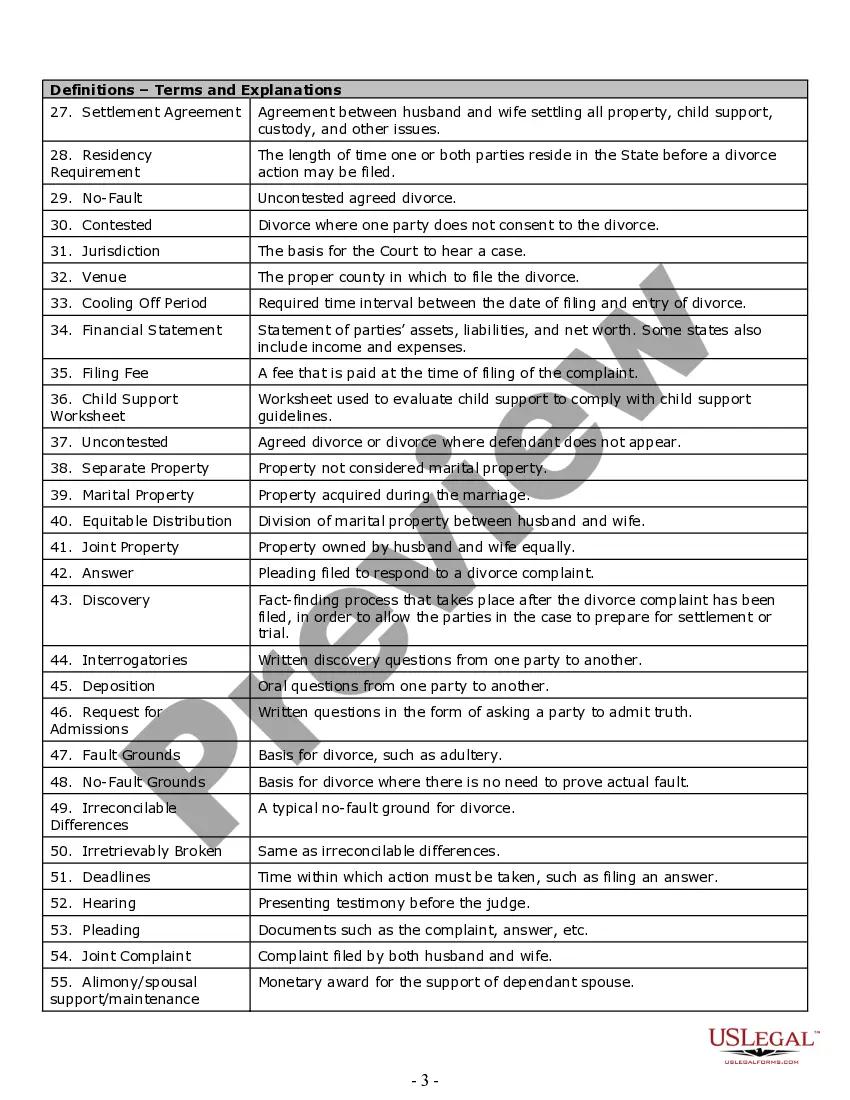
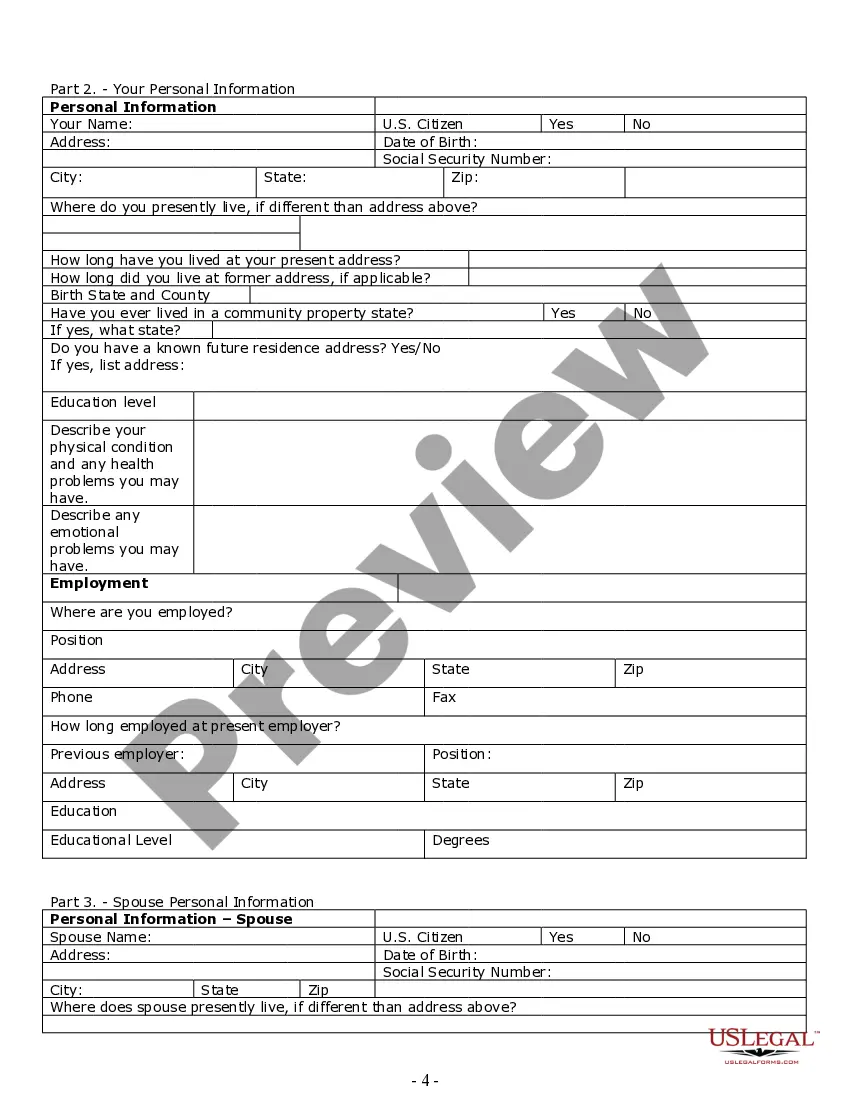
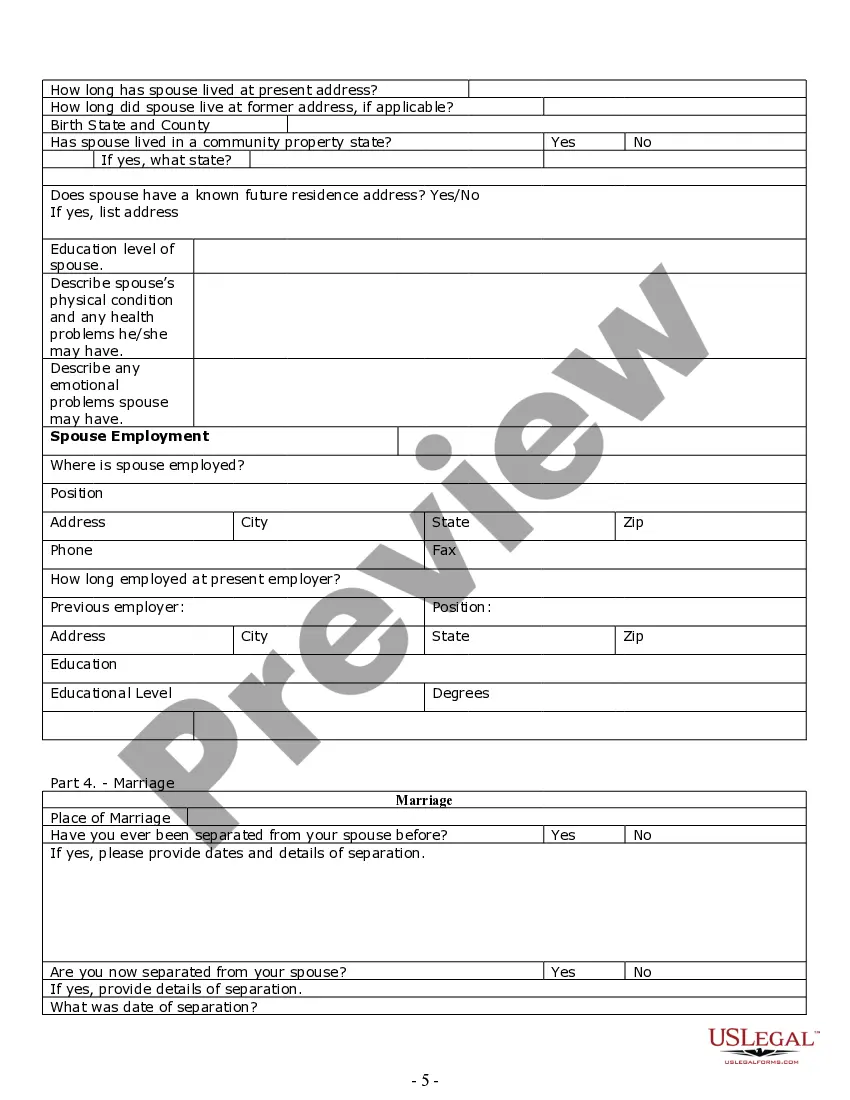
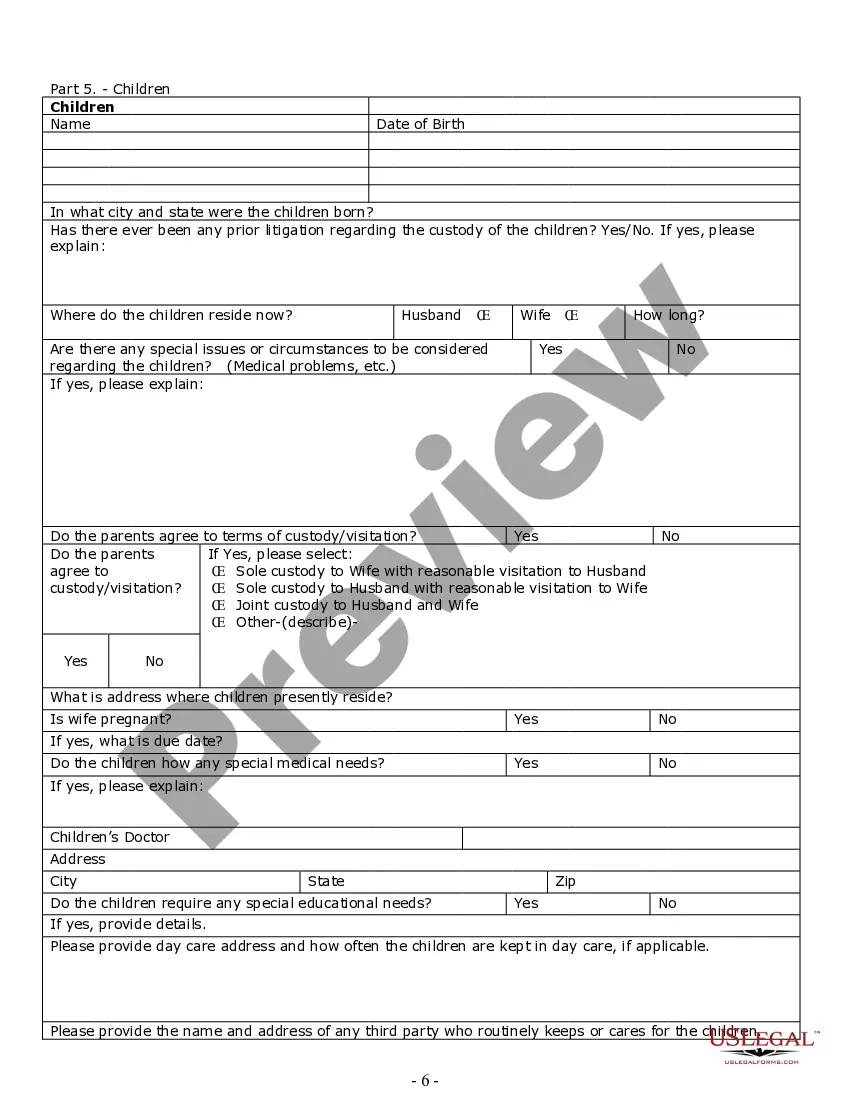
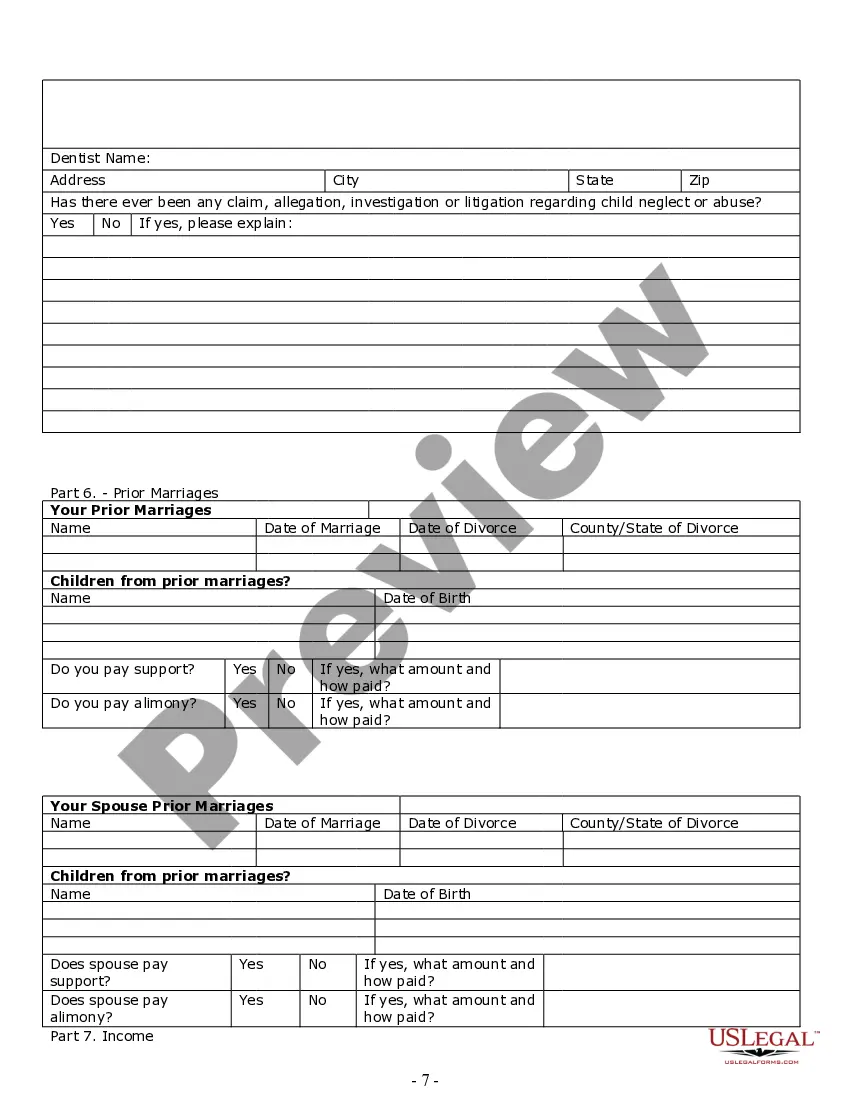
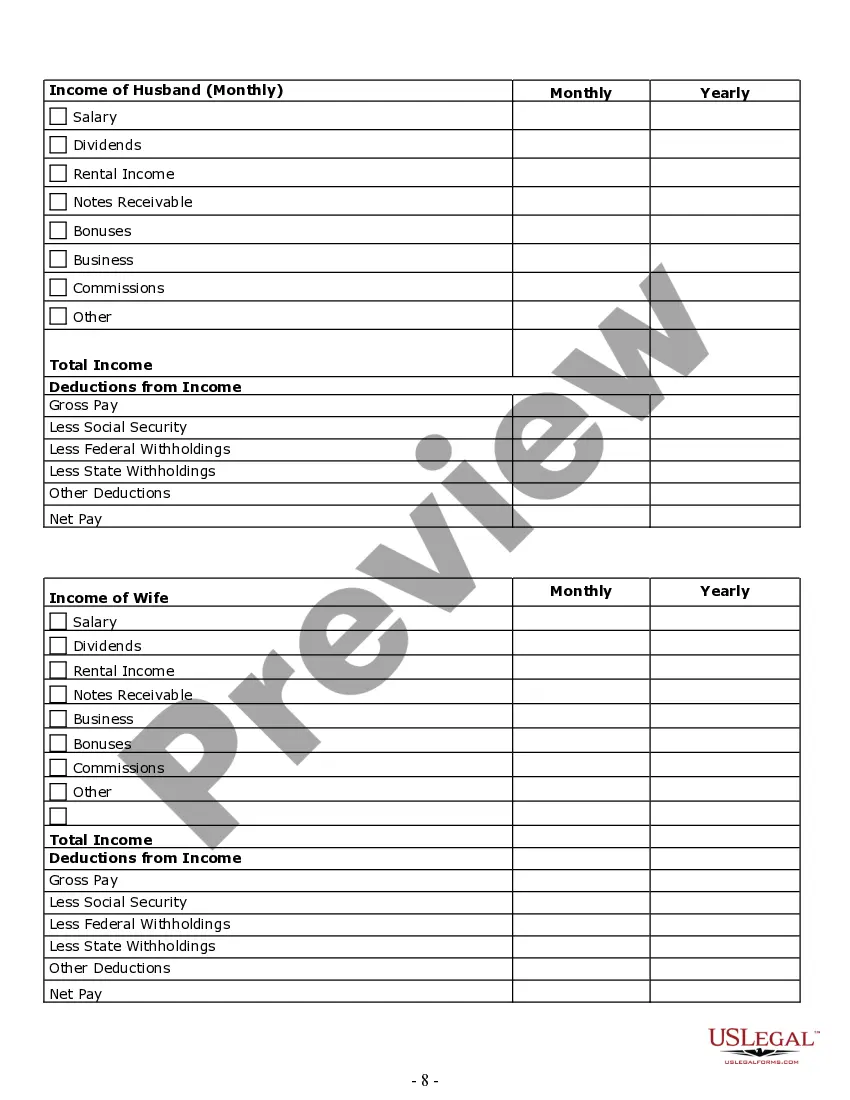
How to fill out Texas Divorce Worksheet And Law Summary For Contested Or Uncontested Case Of Over 25 Pages - Ideal Client Interview Form?
- If you're a returning user, log in to your account and ensure your subscription is active. Download the needed form directly.
- For first-time users, start by exploring the document descriptions and preview modes to find the form that fits your situation. Verify that it adheres to your local jurisdiction.
- If the initial choice doesn't suit your needs, utilize the Search tab to discover other templates that may be more appropriate.
- Once you've identified the correct form, select it and click the Buy Now button. Choose a subscription plan that meets your needs and create an account.
- Proceed to complete your purchase by providing payment details through credit card or PayPal.
- After the transaction, download your form onto your device. You'll also find it later in the My Forms section of your account.
US Legal Forms not only provides a robust collection of legal documents but also offers access to premium expert assistance for completing forms accurately. With over 85,000 fillable and editable legal forms, you can be assured of finding the right document for your needs.
Take control of your legal journey today by exploring US Legal Forms. Start your process now and ensure your documents are handled with care and precision!
Form popularity
FAQ
Filing married filing separately does not generally result in a bigger tax refund for married couples, including Texas wives. In fact, it can reduce potential refunds due to lost deductions and credits. Therefore, it’s crucial to evaluate both filing methods and choose the one that best suits your financial situation before filing your taxes.
In Texas, a wife may qualify for spousal support after being married for at least ten years under certain conditions. The court will consider factors such as the financial needs of each spouse and the ability to earn a living. Understanding the criteria for spousal support can aid Texas wives in planning for their financial future during divorce.
If you are married but choose to file separately in Texas, you will complete your tax return independently. Fill out the standard forms, and make sure to indicate your status as married filing separately. As a Texas wife, it's wise to review your tax situation with a qualified advisor to understand the implications fully.
To file married filing separately in Texas, start by gathering your financial documents, including income statements and expense forms. You can use tax software or complete the necessary tax forms manually, ensuring you mark the correct filing status. Consulting a tax professional can help clarify the nuances involved in this filing choice, ensuring compliance and maximizing your return.
When you opt for married filing separately, as a Texas wife, you may lose several tax benefits. These include a reduced standard deduction, eligibility for certain credits, and potential deductions. Consequently, your overall tax liability could increase compared to filing jointly. It's important to weigh these factors carefully before deciding on your filing status.
As a Texas wife, you have various rights regarding property ownership, financial support, and legal representation. You are entitled to a fair division of community property in the event of a divorce. Additionally, you can seek spousal support, depending on your financial situation and the duration of your marriage. Knowledge of these rights can empower you during legal proceedings.
To file married separately in Texas, you need to choose the married filing separately status during tax filing. This option allows you and your spouse to report your incomes independently. However, as a Texas wife, it's essential to understand the potential tax implications before selecting this option. Seeking assistance from a tax professional can help clarify any concerns.
As a Texas wife, the first step in filing for divorce is to determine your grounds for divorce. Texas allows both no-fault and fault-based grounds. You will need to complete a petition for divorce and file it with the appropriate court. Consider utilizing services like USLegalForms to help you navigate this initial process.
A common law wife in Texas is entitled to rights similar to those of formally married couples, including property rights and possible spousal support. To be recognized, you must have lived together, intended to be married, and presented yourselves as a married couple. Legal documentation can help clarify your entitlements.
Generally, a Texas wife is not held responsible for her husband's individual debts incurred before marriage. However, if the debt was acquired during the marriage or is a shared debt, you may be liable. Understanding these distinctions can help protect you in case of financial difficulties.