Texas Divorce And Child Custody Laws
Description
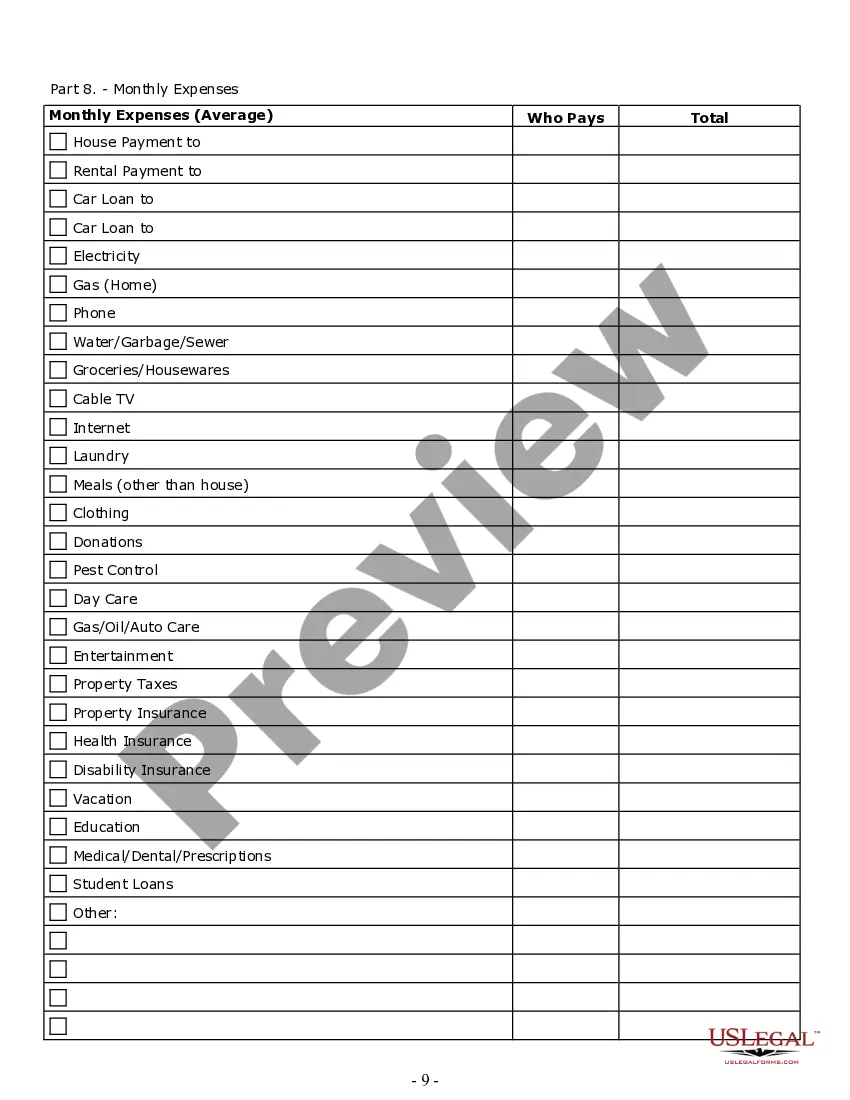
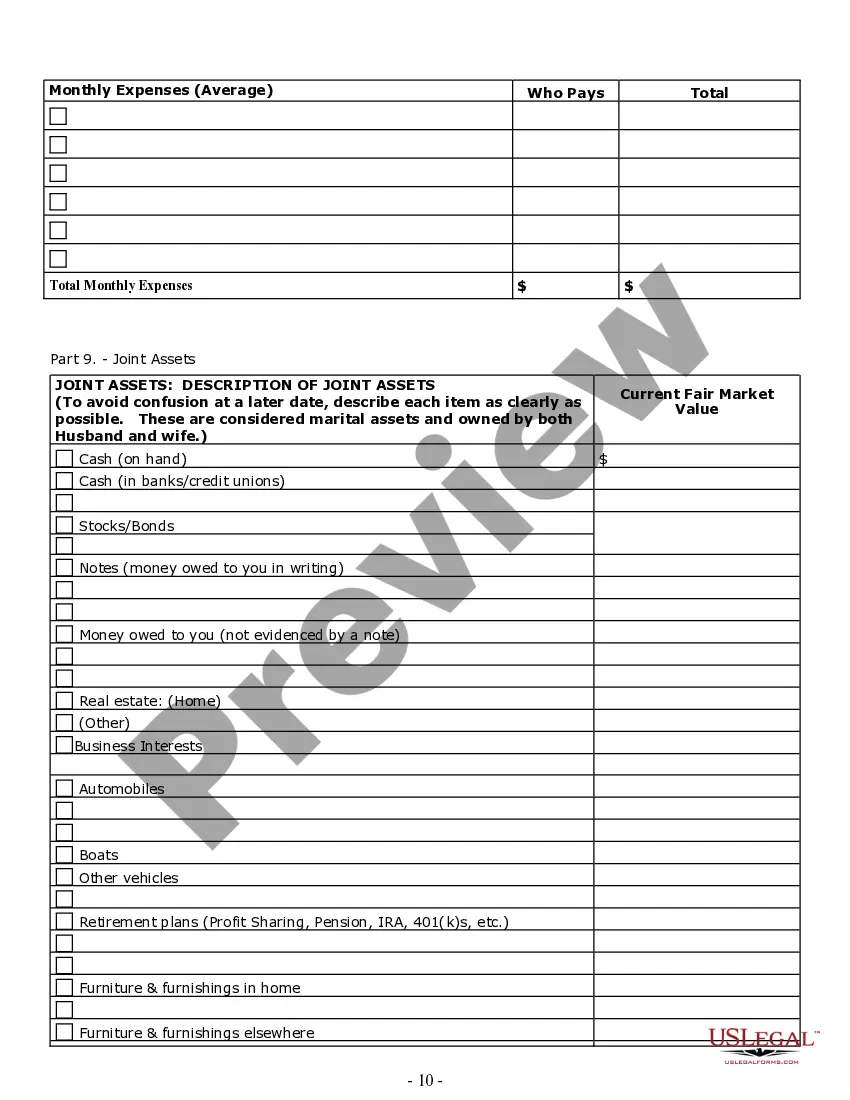

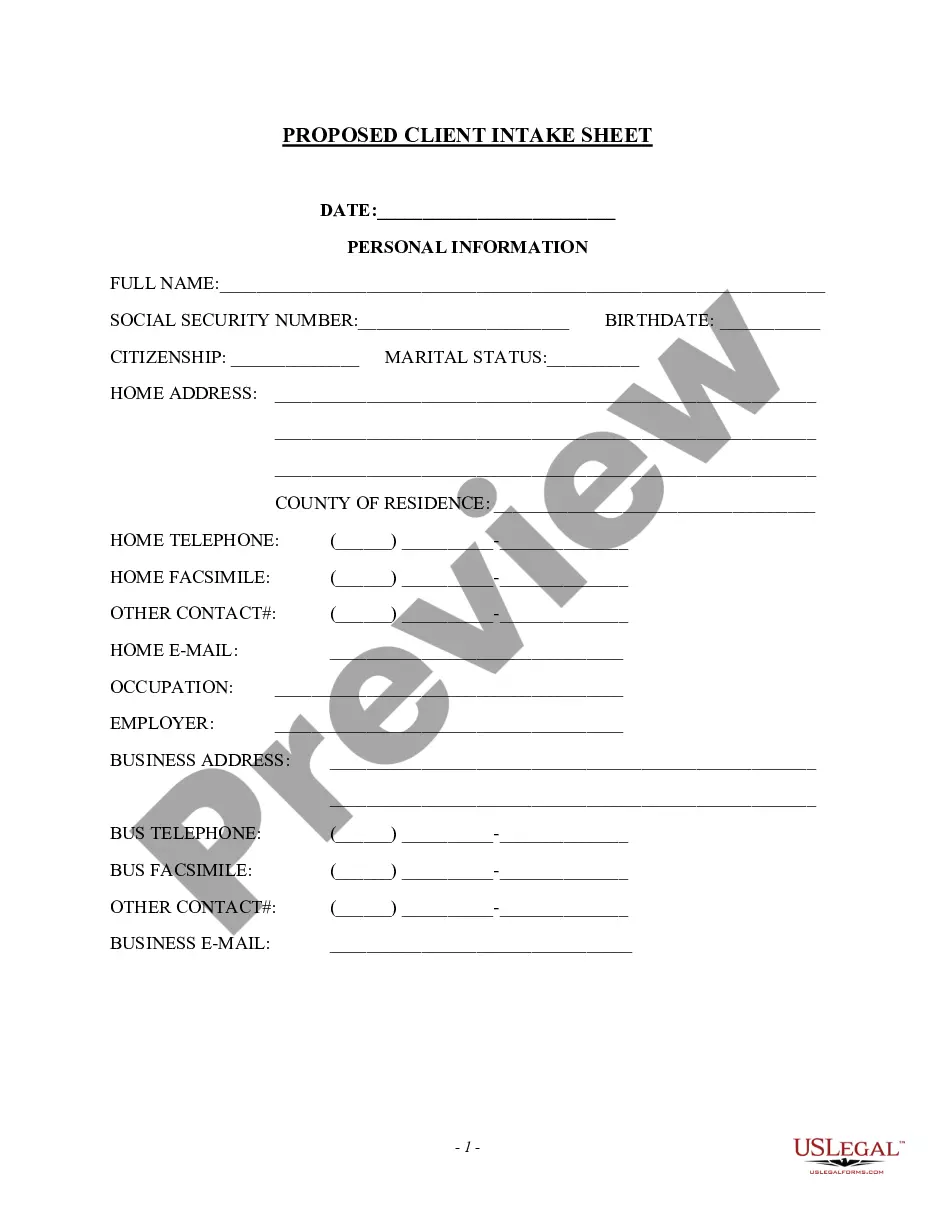
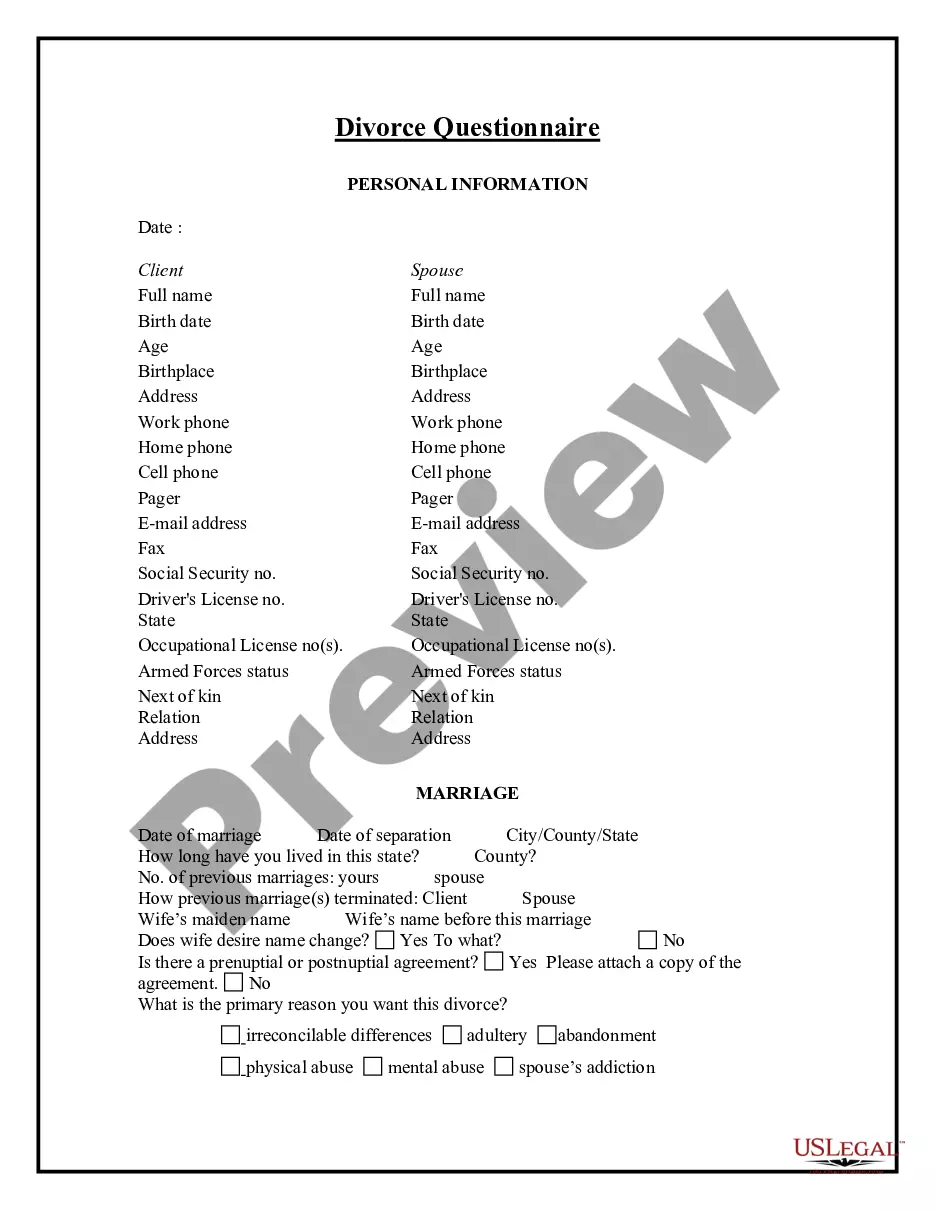

Get your form ready online
Our built-in tools help you complete, sign, share, and store your documents in one place.
Make edits, fill in missing information, and update formatting in US Legal Forms—just like you would in MS Word.
Download a copy, print it, send it by email, or mail it via USPS—whatever works best for your next step.
Sign and collect signatures with our SignNow integration. Send to multiple recipients, set reminders, and more. Go Premium to unlock E-Sign.
If this form requires notarization, complete it online through a secure video call—no need to meet a notary in person or wait for an appointment.
We protect your documents and personal data by following strict security and privacy standards.

Make edits, fill in missing information, and update formatting in US Legal Forms—just like you would in MS Word.

Download a copy, print it, send it by email, or mail it via USPS—whatever works best for your next step.

Sign and collect signatures with our SignNow integration. Send to multiple recipients, set reminders, and more. Go Premium to unlock E-Sign.

If this form requires notarization, complete it online through a secure video call—no need to meet a notary in person or wait for an appointment.

We protect your documents and personal data by following strict security and privacy standards.
Looking for another form?



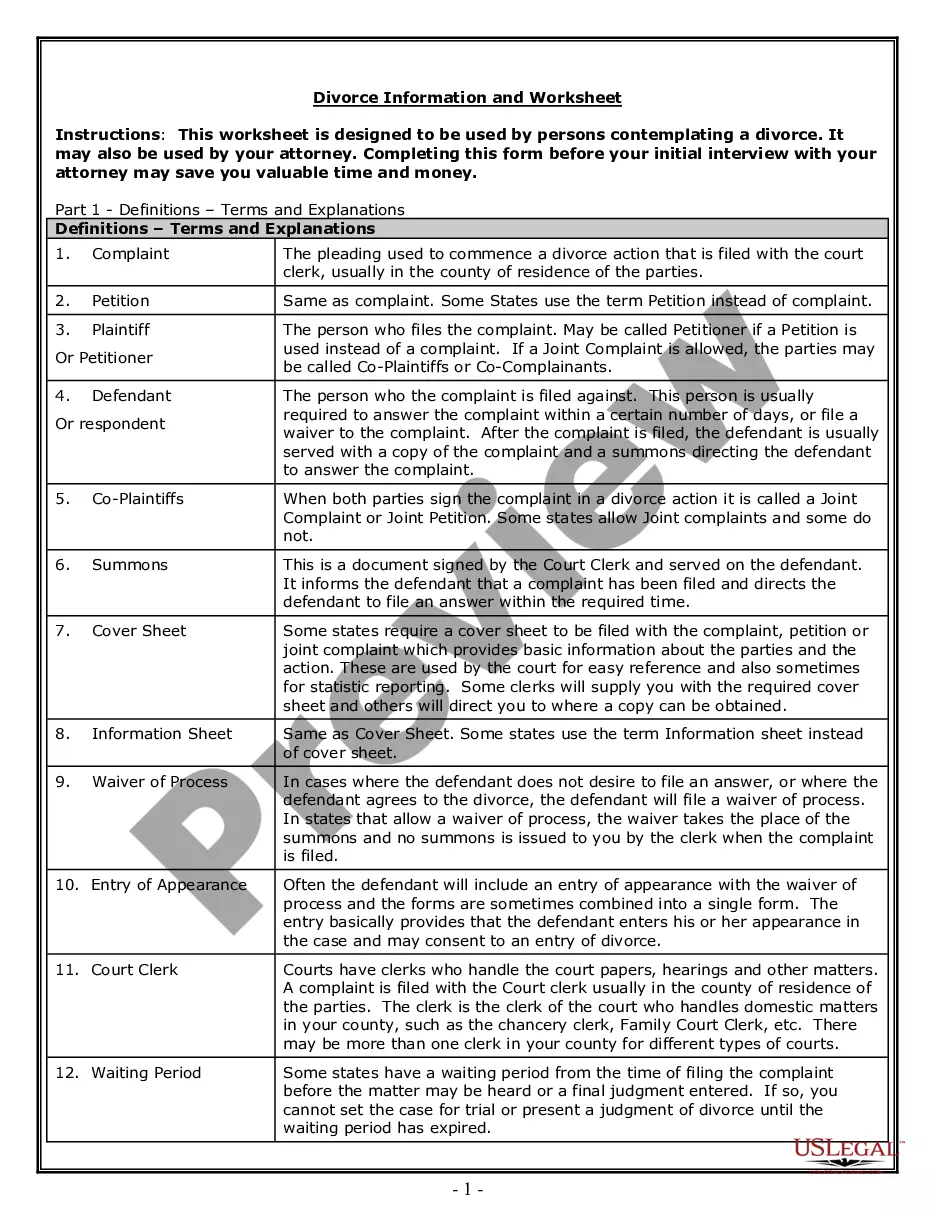
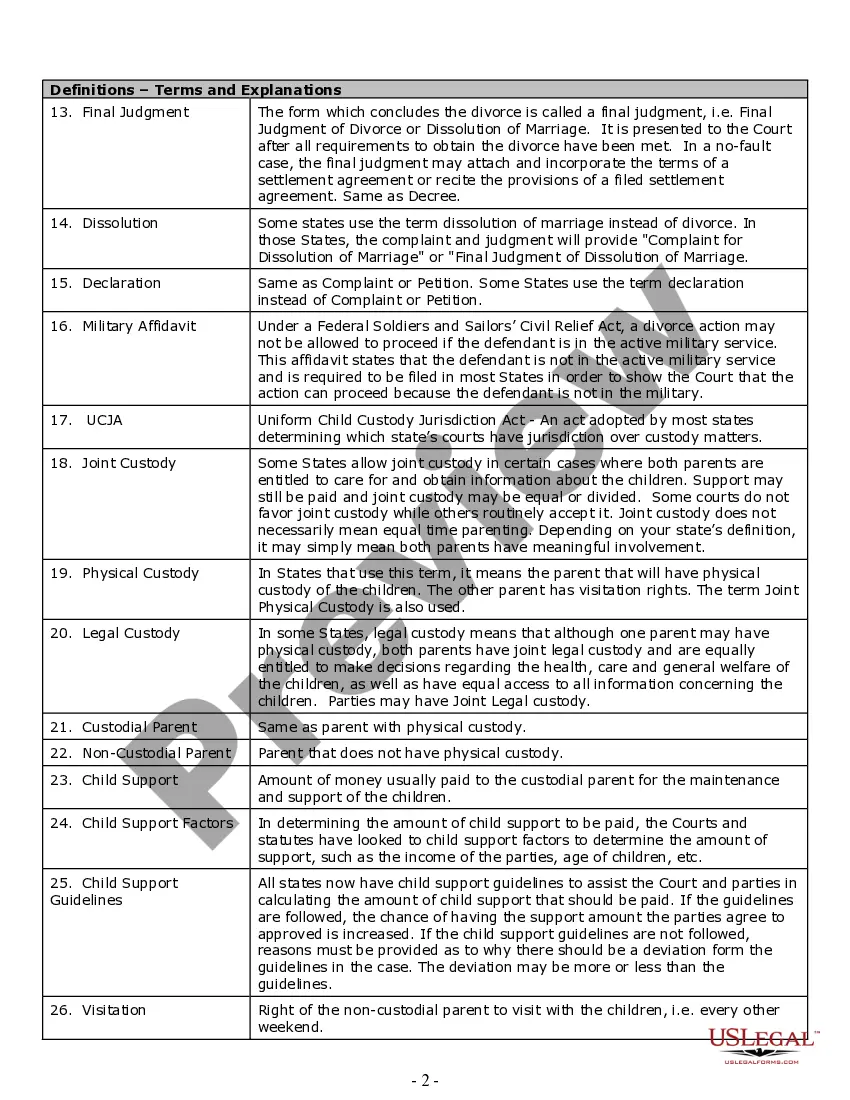
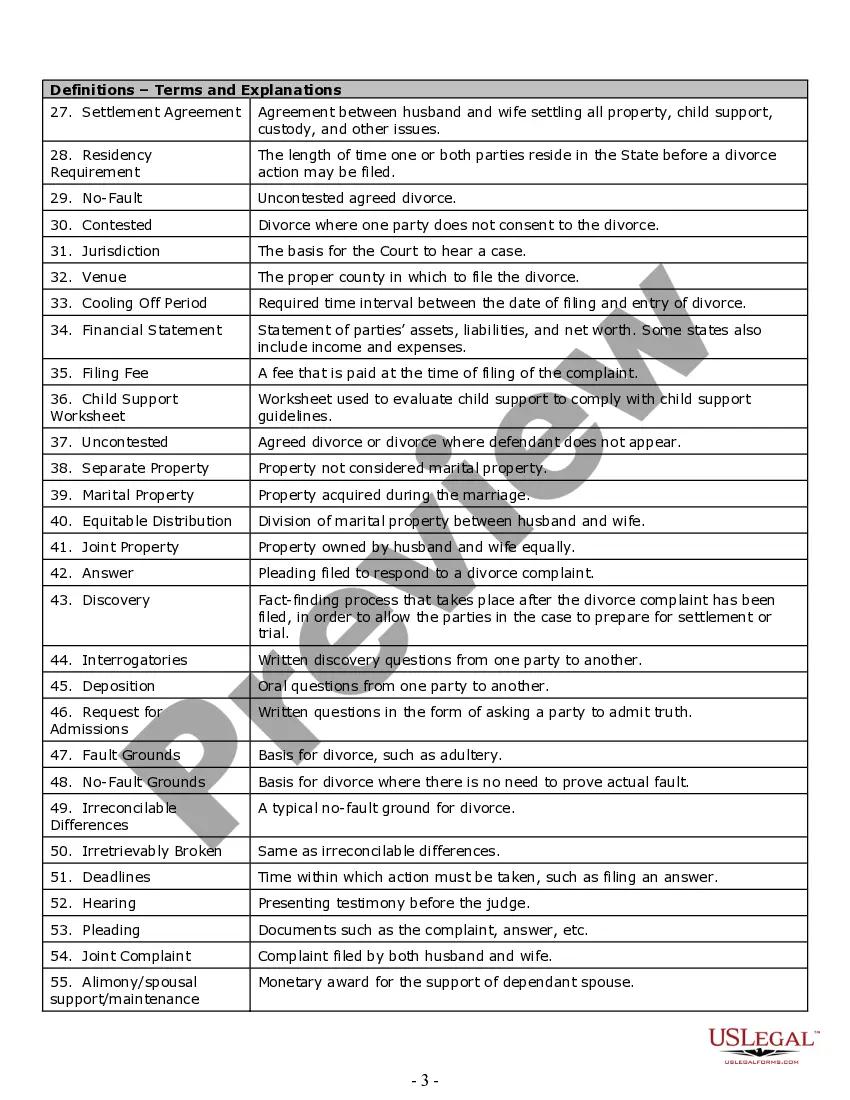
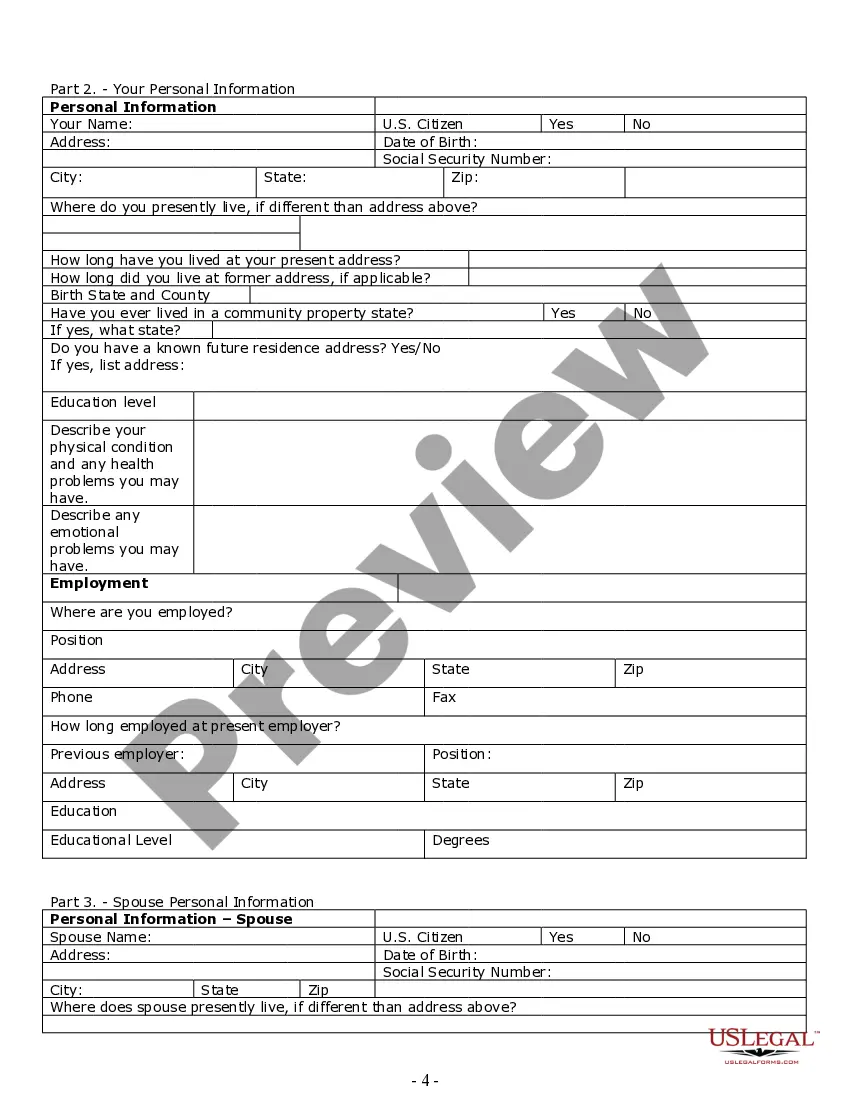
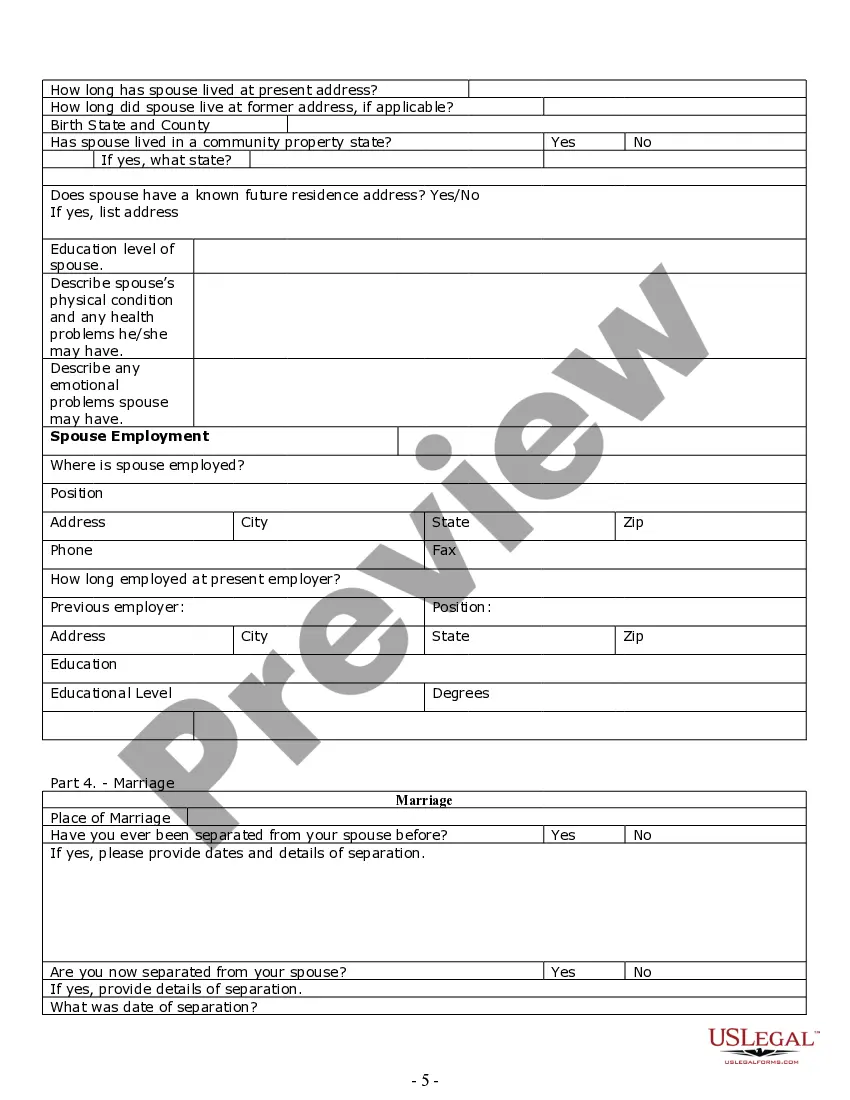
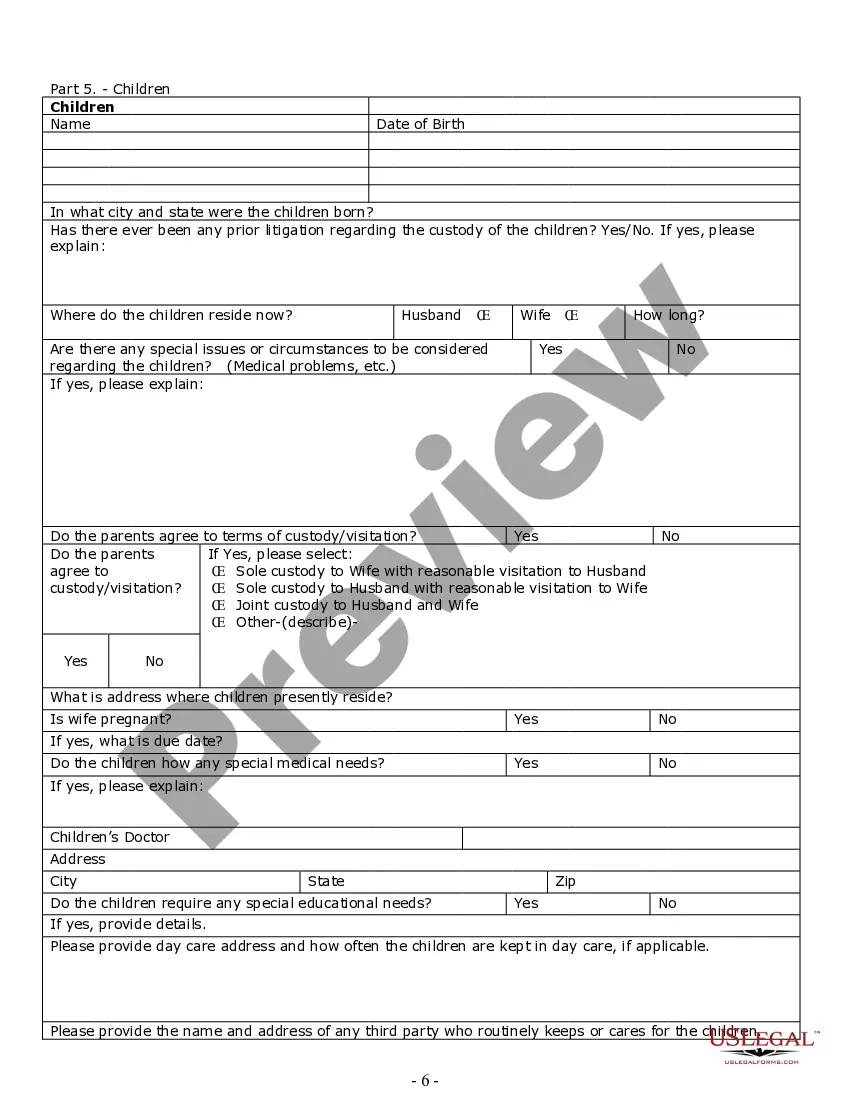
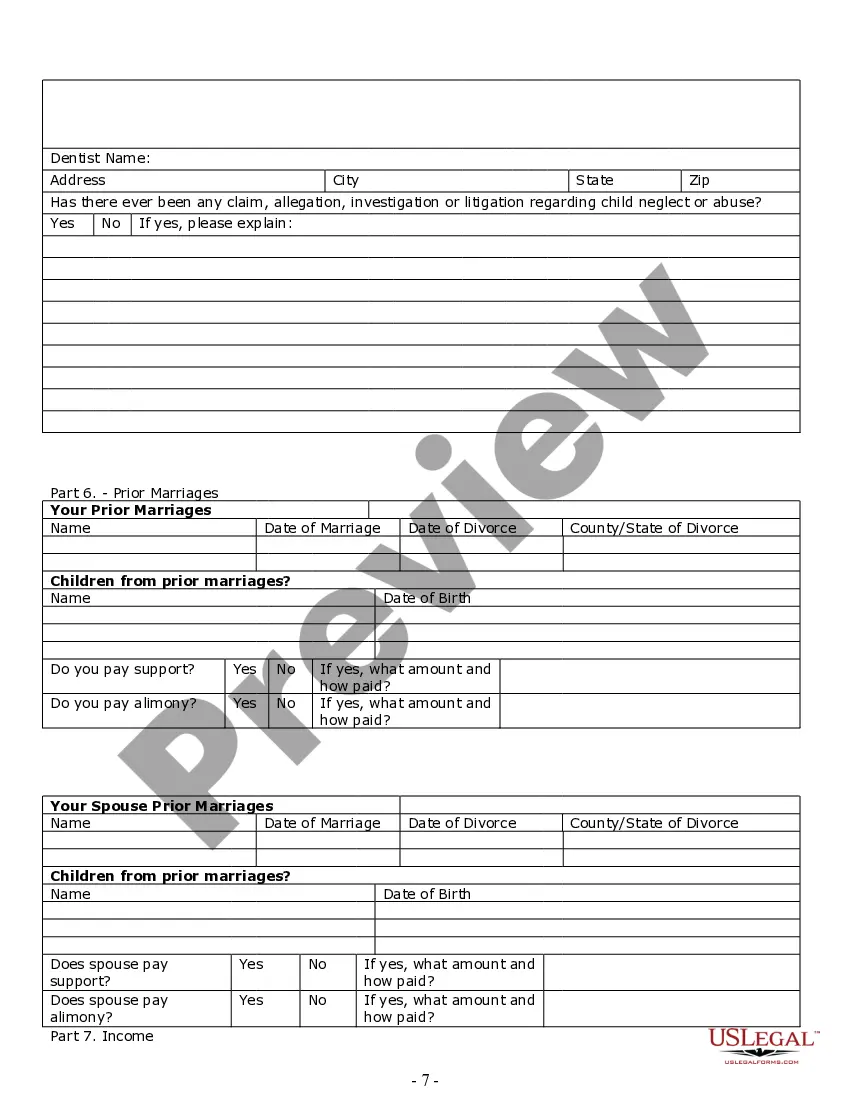
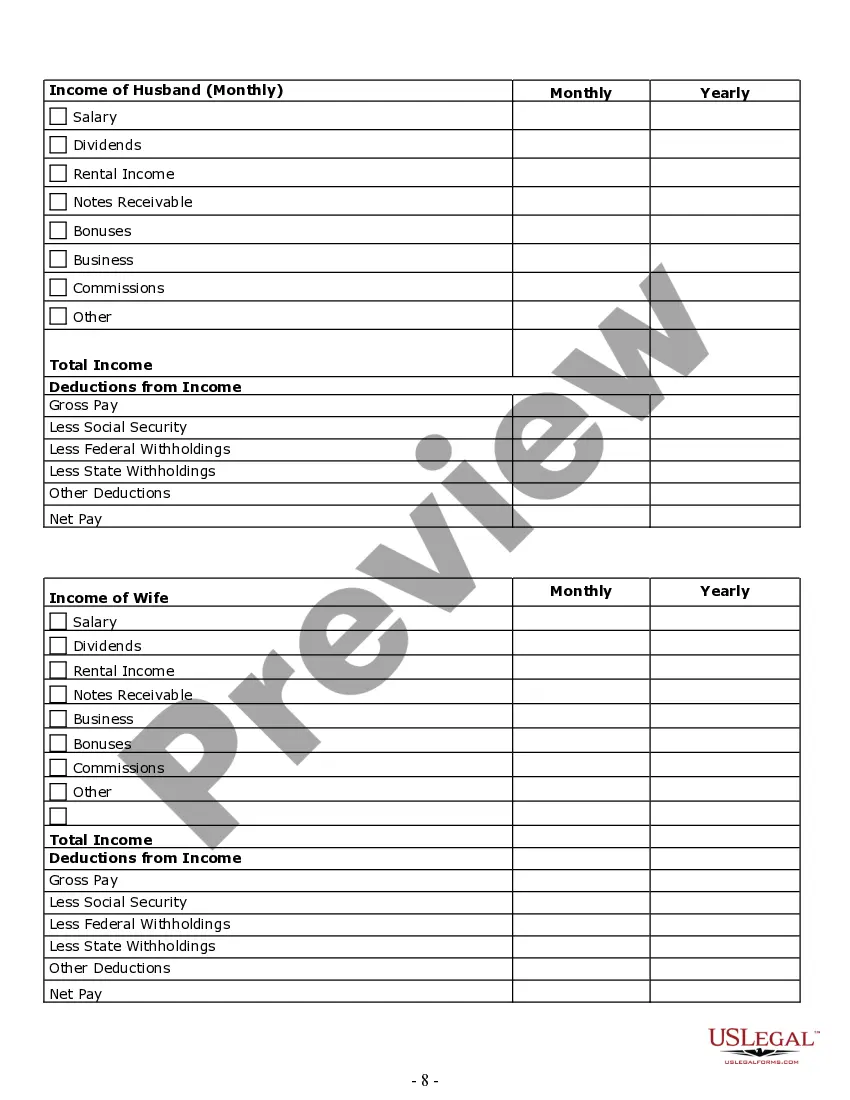
How to fill out Texas Divorce Worksheet And Law Summary For Contested Or Uncontested Case Of Over 25 Pages - Ideal Client Interview Form?
The Texas Divorce and Child Custody Regulations displayed on this page is a reusable legal framework composed by expert attorneys in alignment with federal and state statutes and guidelines.
For over 25 years, US Legal Forms has offered individuals, enterprises, and lawyers access to over 85,000 authenticated, state-specific documents for various business and personal purposes. It’s the fastest, simplest, and most dependable method to acquire the documents you require, as the service ensures bank-grade data protection and anti-malware safeguards.
Register for US Legal Forms to have authenticated legal templates for all of life's situations readily available.
- Search for the document you require and evaluate it.
- Browse the example you found and preview it or review the form description to confirm it meets your needs. If it doesn't, use the search bar to locate the appropriate one. Click Buy Now when you have identified the template you need.
- Register and Log In.
- Select the pricing option that fits you and create an account. Utilize PayPal or a credit card for a swift transaction. If you already possess an account, Log In and check your subscription to continue.
- Obtain the editable template.
- Select the format you prefer for your Texas Divorce and Child Custody Regulations (PDF, Word, RTF) and store the document on your device.
- Fill out and sign the documents.
- Print the template to fill it out manually. Alternatively, use an online multifunctional PDF editor to efficiently and accurately fill out and sign your form with an eSignature.
- Retrieve your documents again.
- Access the same document again at any time needed. Go to the My documents section in your profile to redownload any forms previously acquired.
Form popularity
FAQ
When facing custody issues, it is often beneficial to file for custody first, as it establishes your parental rights and responsibilities. Once custody is determined, child support can then be addressed in accordance with the custody arrangement. This clear sequence can help streamline the legal process. Consulting with a professional knowledgeable in Texas divorce and child custody laws can clarify the best approach for your situation.
One major mistake in a custody battle is failing to prioritize the child's best interests. Emotional decisions can lead to actions that hurt your chances in court. Parents should avoid speaking negatively about each other in front of the child, which can be damaging. Staying informed about Texas divorce and child custody laws can guide you through this challenging time, ensuring you make informed choices.
In Texas, the standard custody order is known as joint managing conservatorship, where both parents share rights and responsibilities. The court encourages parents to cooperate in making decisions for the child’s upbringing. However, one parent may be designated as the primary conservator, primarily responsible for the child's residence and decision-making. Understanding the nuances of Texas divorce and child custody laws can help you navigate this process effectively.
In Texas, it does not significantly impact the outcome of child custody decisions who files for custody first. The court considers the best interests of the child based on various factors, rather than the filing order. However, being the first to file can sometimes set the tone for future proceedings and negotiations. It is wise to consult with an expert in Texas divorce and child custody laws to understand your specific situation better.
In Texas, custody decisions depend on various factors, focusing on the child’s best interests. Typically, courts favor joint custody arrangements but may grant sole custody if a parent's situation warrants it. The judge will evaluate each parent's ability to provide for the child’s physical and emotional needs, in accordance with Texas divorce and child custody laws. Understanding these laws can help you navigate the process more effectively, and uslegalforms can offer practical guidance.
When addressing a judge about custody, focus on your child's best interests. Emphasize your commitment to providing a safe, nurturing environment, and present any evidence of your parenting capabilities. Under Texas divorce and child custody laws, demonstrating your understanding of the child's needs and your willingness to co-parent effectively can significantly influence the outcome. Consider preparing with resources from platforms like uslegalforms to present your case confidently.
In Texas, a father cannot keep a child away from the mother without a court order. Under Texas divorce and child custody laws, both parents have rights to access their child unless there's a legitimate concern for the child's safety. If a dispute arises, it is advisable to seek clarification on custody arrangements through the courts. This ensures that both parents adhere to legal obligations and helps to maintain a stable environment for the child.
In Texas, child custody arrangements are typically categorized as physical custody, which pertains to where the child lives, and legal custody, which regards decision-making authority for the child. Courts prioritize the best interests of the child, often leading to joint custody arrangements under Texas divorce and child custody laws. It's important to present a clear plan that considers the unique needs of your child. Tools like US Legal Forms can help you navigate the necessary documents to establish your custody case.
In divorce court, avoid using derogatory language about your spouse, as it can reflect poorly on you. Additionally, don't make threats or statements that imply retaliatory actions; instead, focus on your perspectives and needs. A clear understanding of Texas divorce and child custody laws will help you present your case effectively. Keeping communication respectful can help maintain a level of professionalism.
In a custody battle, any indication of instability or neglect can severely affect your case. Actions such as substance abuse, unhealthy relationships, or failure to maintain a nurturing environment can raise red flags. Courts reviewing cases under Texas divorce and child custody laws are primarily concerned with safeguarding the child's best interests. Demonstrating reliability and a positive environment is essential.