Correction Deed Form Texas For Death
Description

Get your form ready online
Our built-in tools help you complete, sign, share, and store your documents in one place.
Make edits, fill in missing information, and update formatting in US Legal Forms—just like you would in MS Word.
Download a copy, print it, send it by email, or mail it via USPS—whatever works best for your next step.
Sign and collect signatures with our SignNow integration. Send to multiple recipients, set reminders, and more. Go Premium to unlock E-Sign.
If this form requires notarization, complete it online through a secure video call—no need to meet a notary in person or wait for an appointment.
We protect your documents and personal data by following strict security and privacy standards.

Make edits, fill in missing information, and update formatting in US Legal Forms—just like you would in MS Word.

Download a copy, print it, send it by email, or mail it via USPS—whatever works best for your next step.

Sign and collect signatures with our SignNow integration. Send to multiple recipients, set reminders, and more. Go Premium to unlock E-Sign.

If this form requires notarization, complete it online through a secure video call—no need to meet a notary in person or wait for an appointment.

We protect your documents and personal data by following strict security and privacy standards.
Looking for another form?

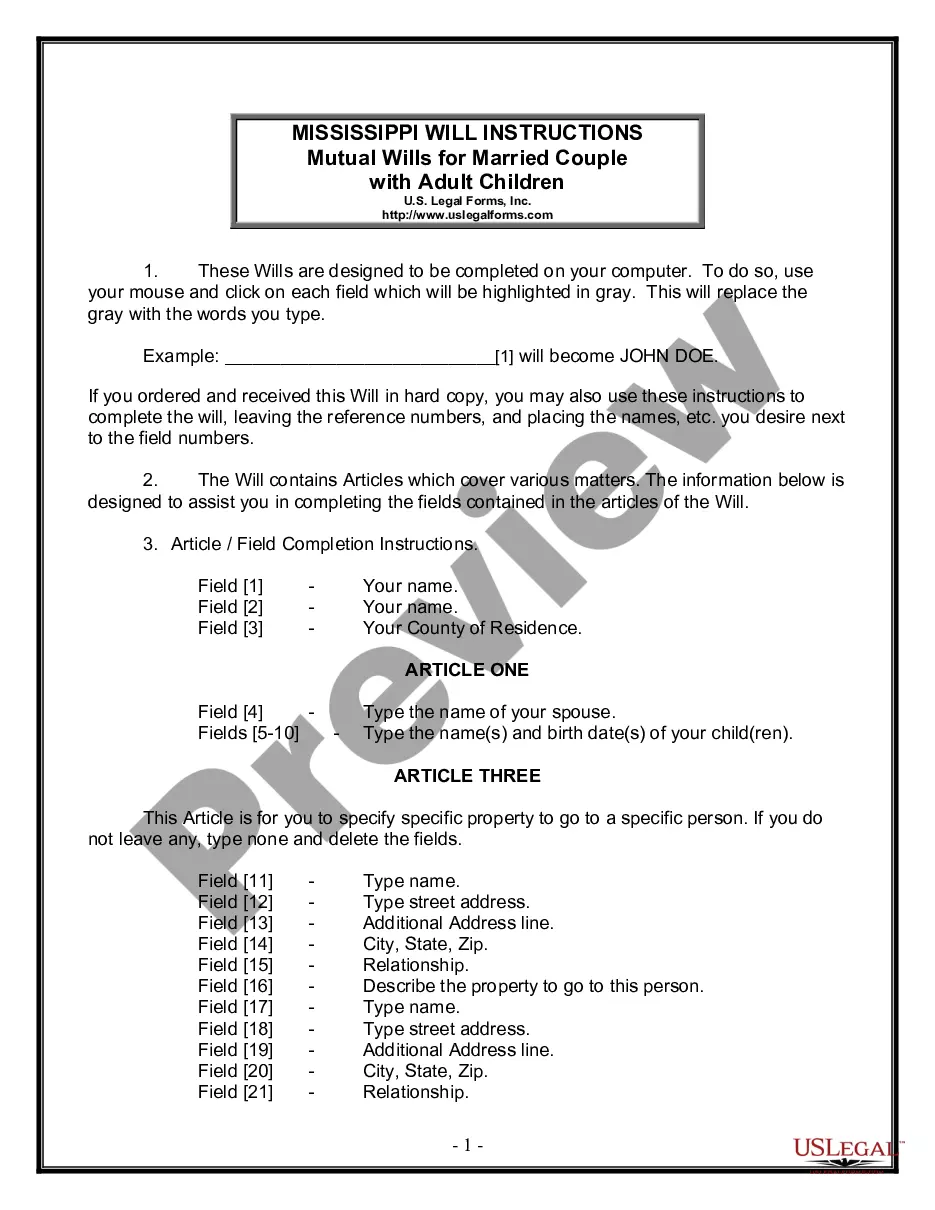
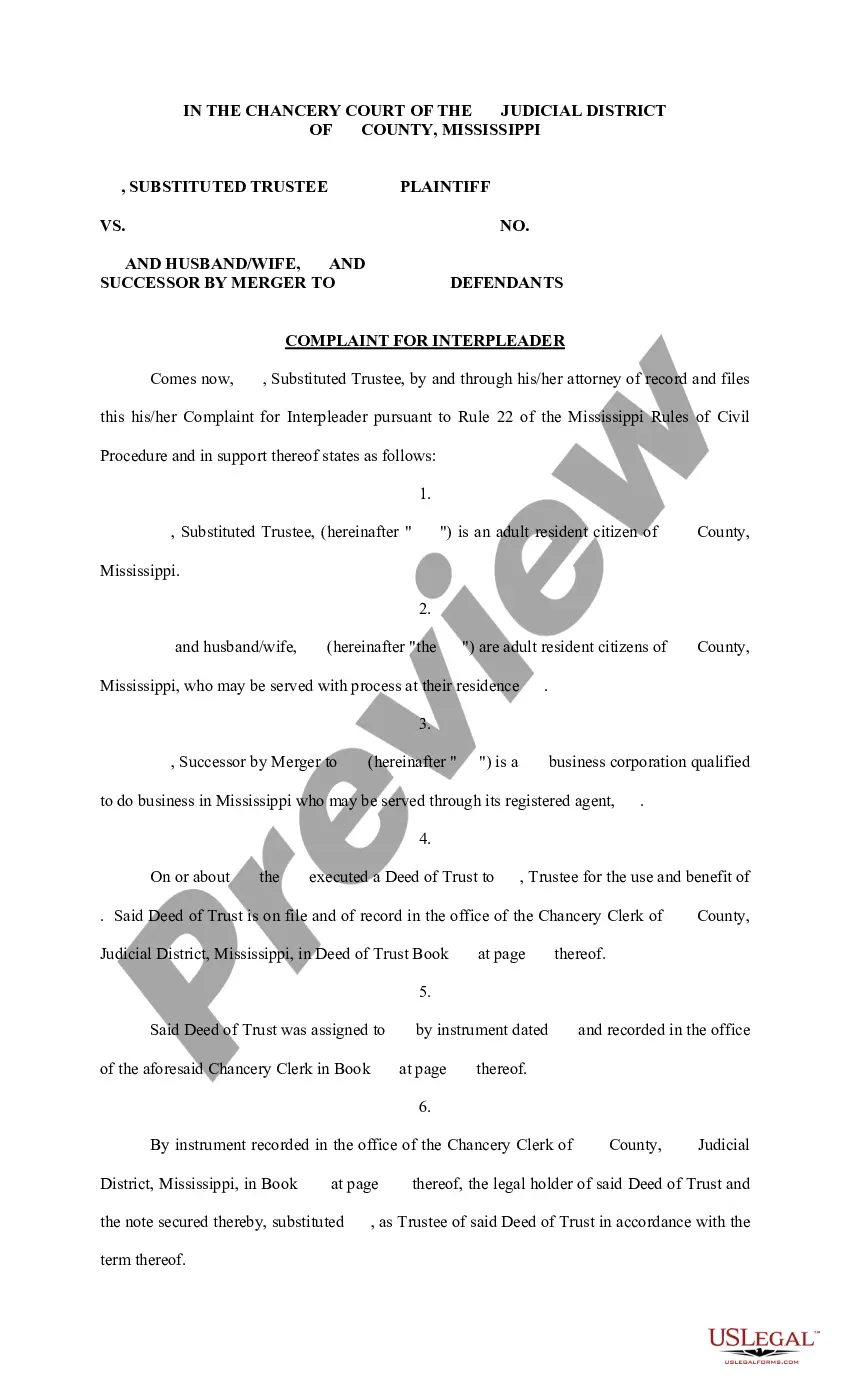
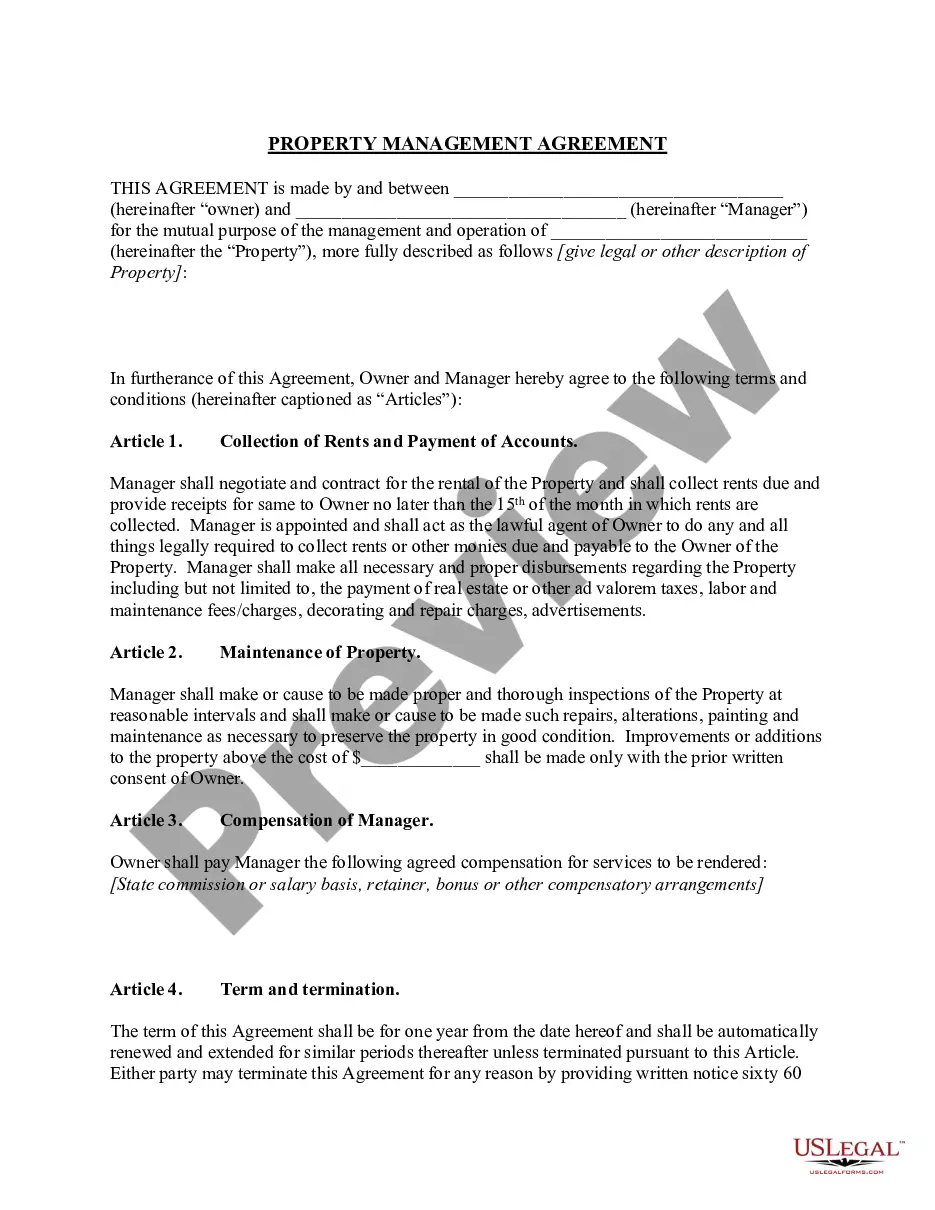
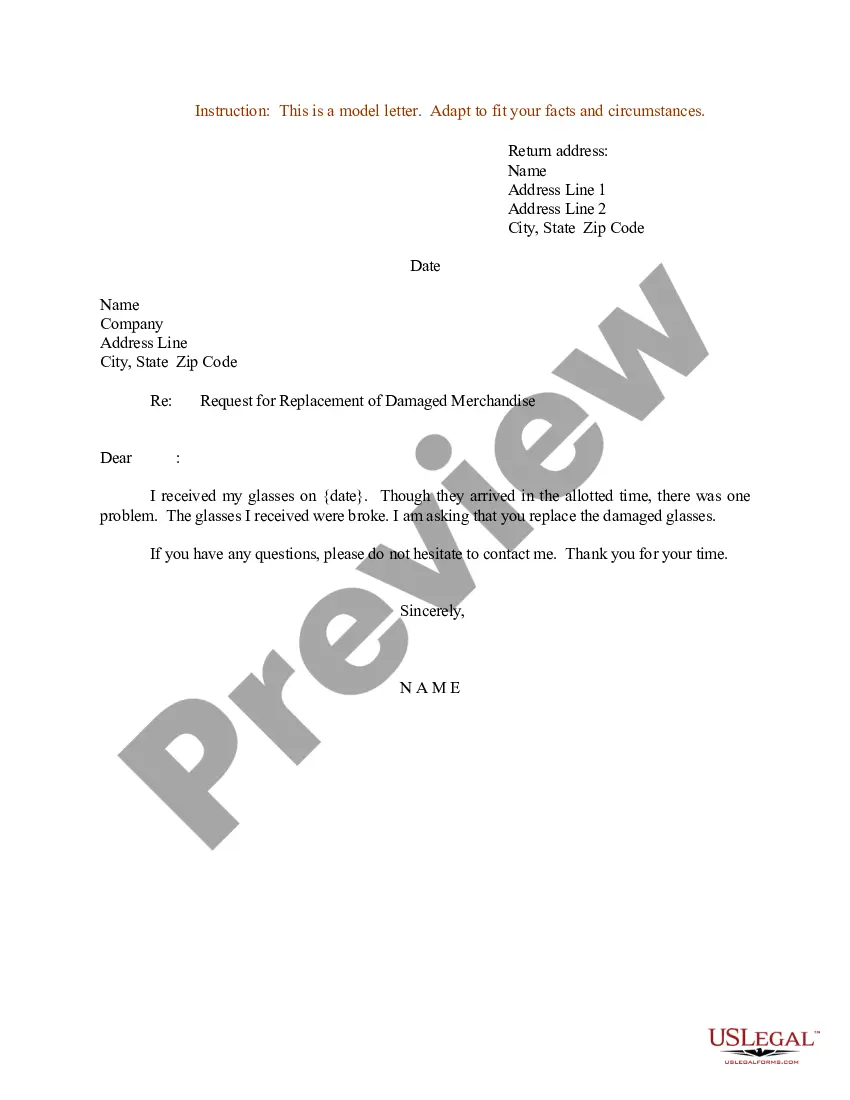

How to fill out Texas Correction Deed - Prior Deed From An Individual To An Individual?
Accessing legal document examples that adhere to federal and local regulations is essential, and the internet provides numerous options to choose from.
However, what's the value of spending time searching for the suitable Correction Deed Form Texas For Death sample online when the US Legal Forms online repository already houses such templates in one location.
US Legal Forms is the largest online legal directory featuring over 85,000 fillable templates created by attorneys for various business and personal scenarios. They are simple to navigate, with all documents organized by state and intended use.
Utilize the search function at the top of the page to locate another sample if needed.
- Our specialists stay updated with legislative changes, ensuring that your documents are current and compliant when obtaining a Correction Deed Form Texas For Death from our site.
- Acquiring a Correction Deed Form Texas For Death is straightforward and quick for both existing and new users.
- If you already possess an account with a valid subscription, Log In and download the document sample you require in the appropriate format.
- For new users, follow the steps below.
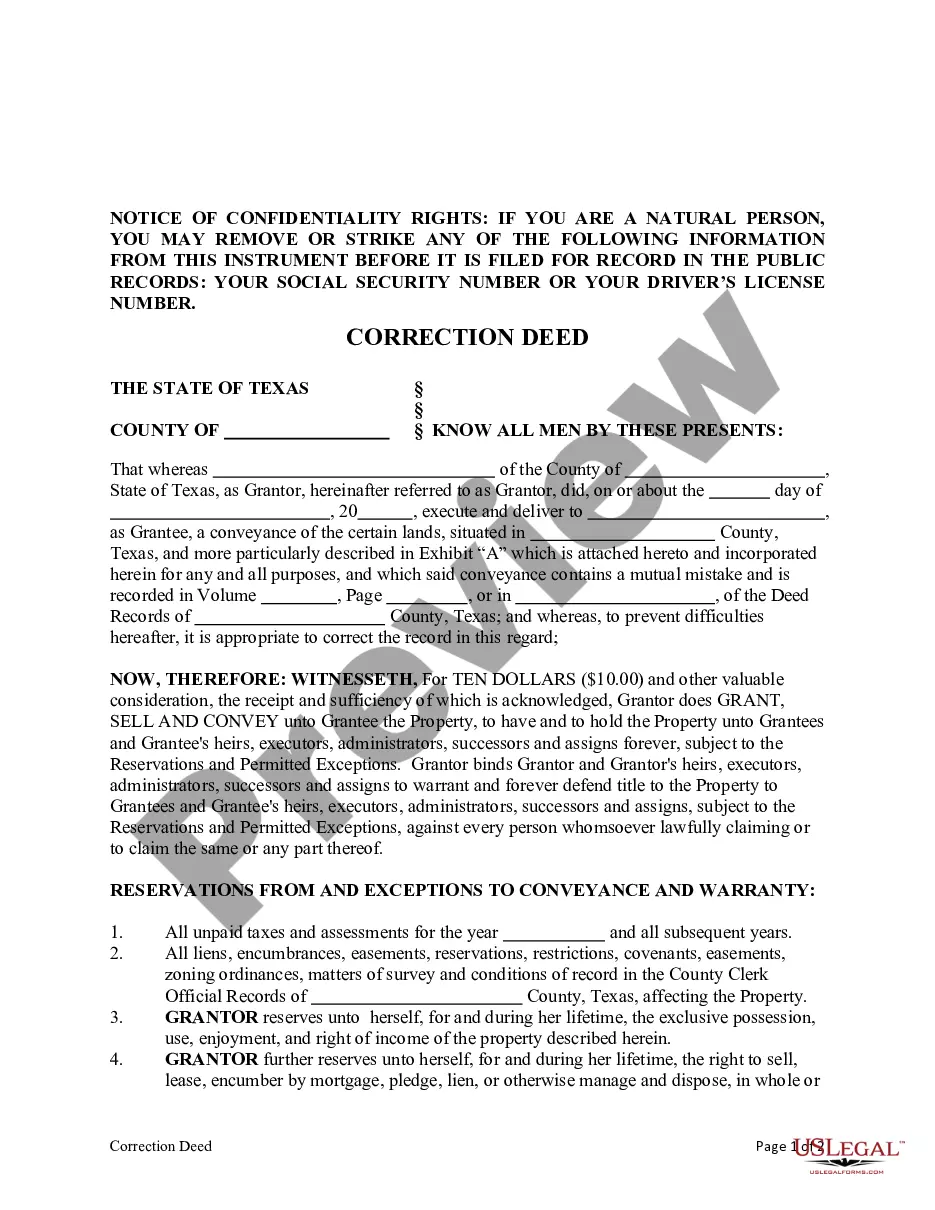
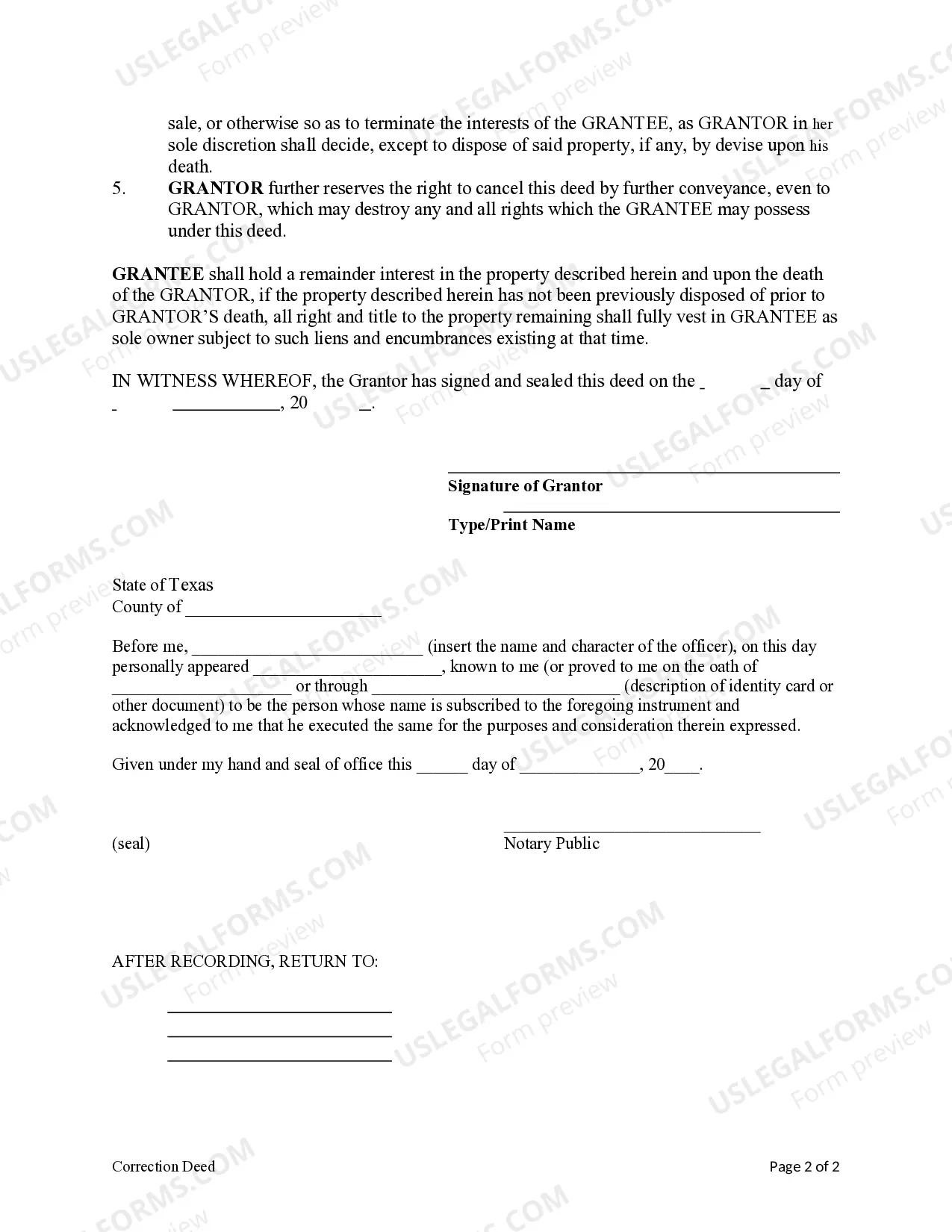
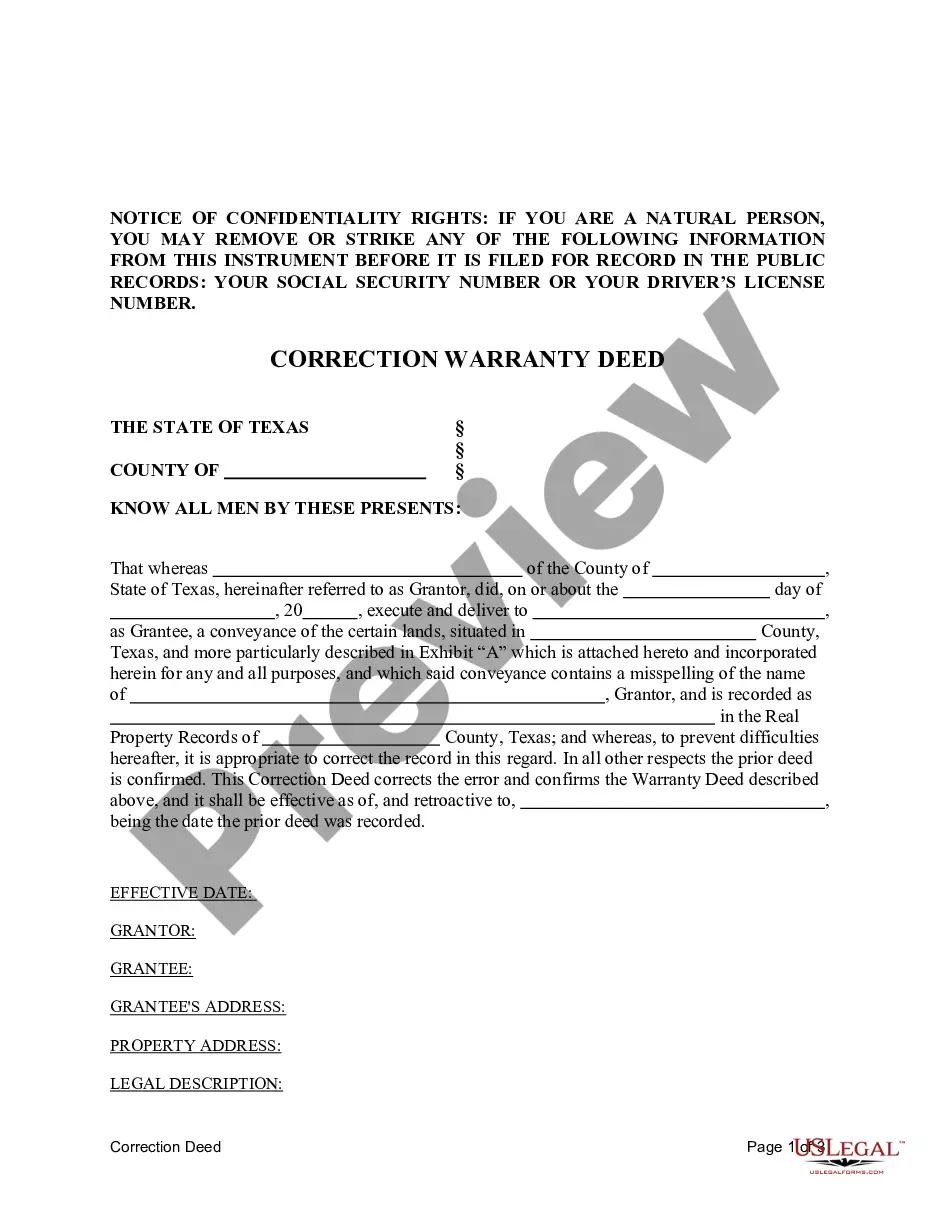
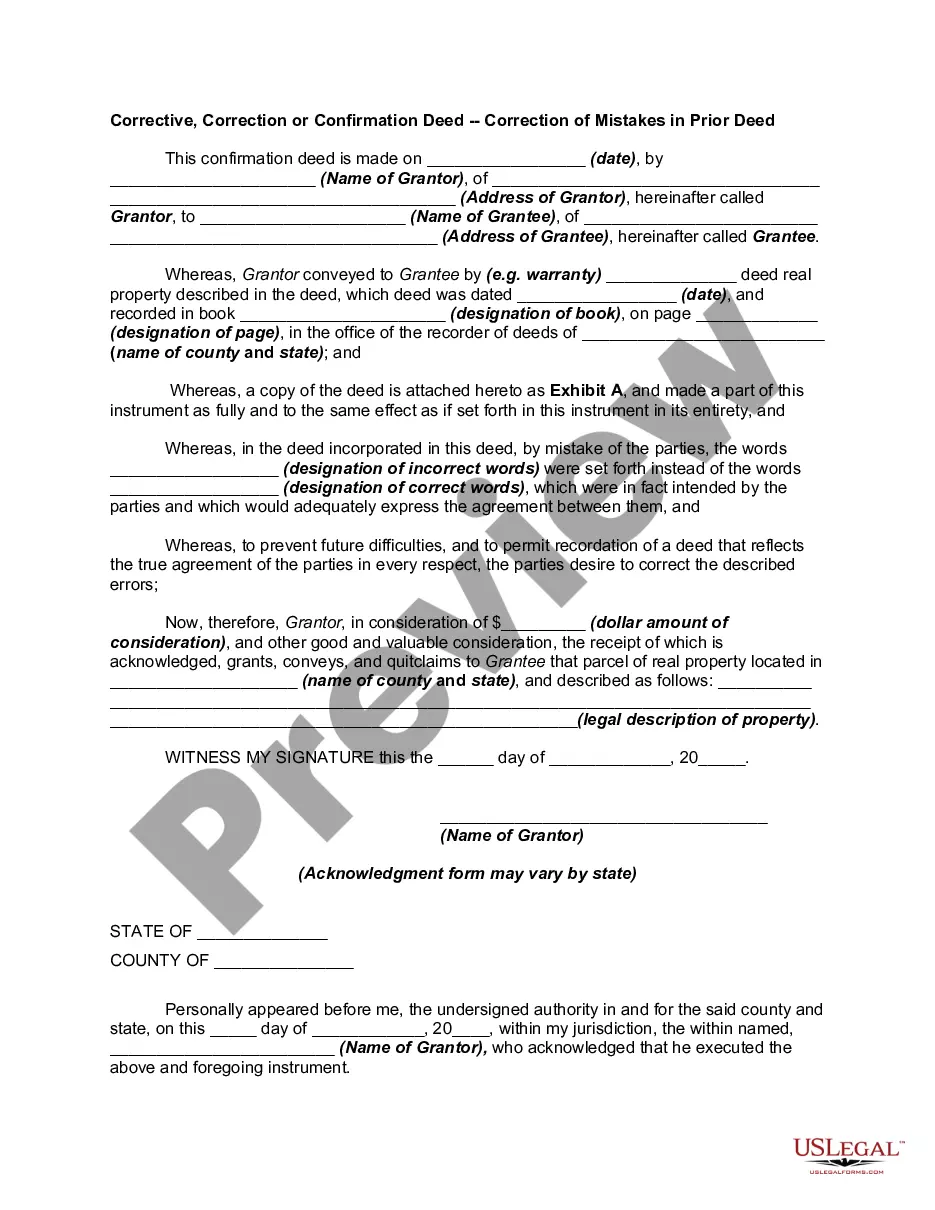
- Review the template using the Preview feature or through the text description to confirm it suits your requirements.
Form popularity
FAQ
To fix a mistake on a death certificate in Texas, you should contact the Vital Statistics office in the state. They provide guidance on submitting a correction request, often requiring supporting documents. It's important to complete this process accurately to avoid future issues. Utilizing a correction deed form Texas for death can also help ensure that any related property documents are updated correctly after the death certificate is amended.
To change the name on property title deeds in Texas after a death, you will need to complete a correction deed form Texas for death. This form allows you to update the title to reflect the new ownership. Ensure you gather necessary documents, such as the original deed and the death certificate. After completing the form, file it with the county clerk's office to make the change official.
To make corrections in a sale deed, you should use the correction deed form in Texas. Fill out the form with the correct details, ensuring that you address any mistakes from the original deed. After notarizing the corrected deed, file it with the county clerk to update the record officially. This process helps maintain clear and accurate property ownership information.
In Texas, the property owner or an authorized representative can file a correction deed. This means that if you're the owner or have power of attorney, you can complete and submit the correction deed form. It's important to ensure that the information is accurate to avoid any complications in the future.
While you can file a transfer on death deed without an attorney, seeking legal advice can be beneficial. An attorney can help ensure that the correction deed form in Texas for death is filled out correctly and meets all legal requirements. This support can prevent potential issues in the future, making the process smoother.
Yes, a correction deed in Texas must be notarized to be valid. Notarization provides a layer of authenticity and ensures that the signatures are legitimate. Once notarized, the correction deed can be filed with the county clerk, making the changes official in the property records.
To file a correction deed, start by obtaining the appropriate correction deed form for Texas. Complete the form with accurate information about the original deed. After signing in front of a notary, submit the document to the county clerk's office for recording. This filing corrects any errors in the original deed and updates the public record.
Changing a deed after death typically involves filing a correction deed form in Texas for death. You must gather necessary documents such as the death certificate and the original deed. If the deceased had a transfer on death deed, it may simplify the process, but consulting a legal expert can guide you through the requirements and ensure compliance.
To file a correction deed in Texas, you first need to obtain the correction deed form specific for Texas. After filling out the form accurately, you should sign it in front of a notary public. Once notarized, file the correction deed with the county clerk's office where the original deed was recorded. This process ensures that the correction is legally recognized.