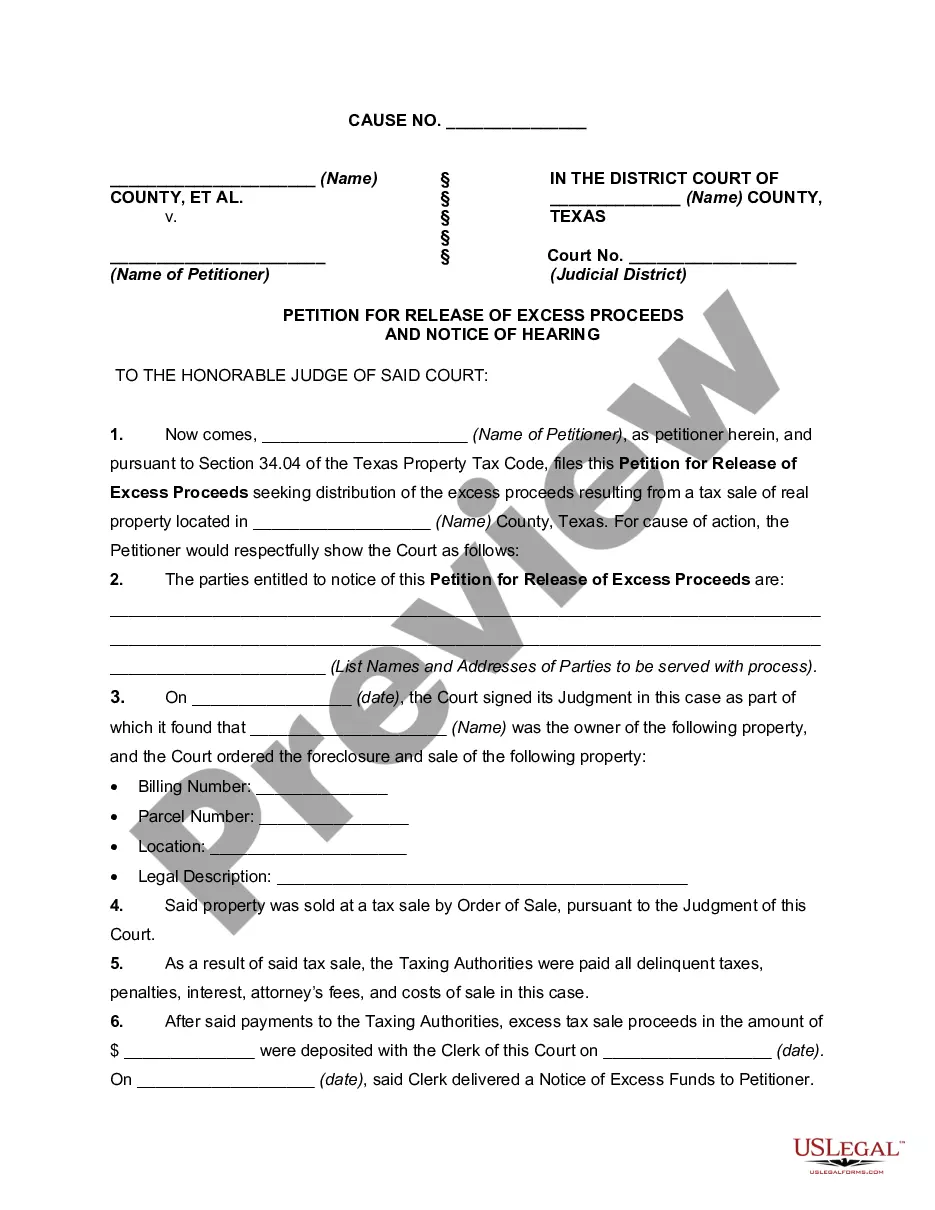
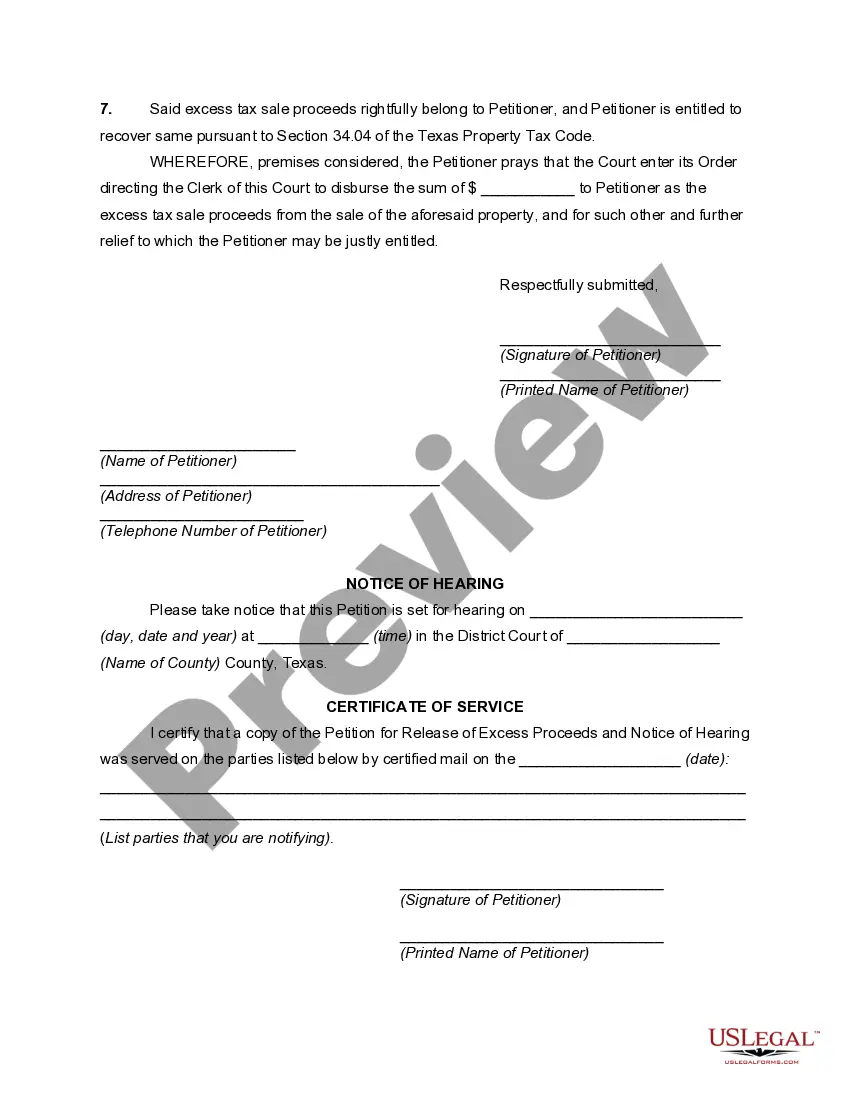
Excess Notice Hearing Within
Description
Get your form ready online
Our built-in tools help you complete, sign, share, and store your documents in one place.
Make edits, fill in missing information, and update formatting in US Legal Forms—just like you would in MS Word.
Download a copy, print it, send it by email, or mail it via USPS—whatever works best for your next step.
Sign and collect signatures with our SignNow integration. Send to multiple recipients, set reminders, and more. Go Premium to unlock E-Sign.
If this form requires notarization, complete it online through a secure video call—no need to meet a notary in person or wait for an appointment.
We protect your documents and personal data by following strict security and privacy standards.

Make edits, fill in missing information, and update formatting in US Legal Forms—just like you would in MS Word.

Download a copy, print it, send it by email, or mail it via USPS—whatever works best for your next step.

Sign and collect signatures with our SignNow integration. Send to multiple recipients, set reminders, and more. Go Premium to unlock E-Sign.

If this form requires notarization, complete it online through a secure video call—no need to meet a notary in person or wait for an appointment.

We protect your documents and personal data by following strict security and privacy standards.
Looking for another form?
How to fill out Texas Petition For Release Of Excess Proceeds And Notice Of Hearing?
The Excess Notice Hearing Within you observe on this page is a versatile legal template crafted by expert attorneys in compliance with federal and local laws and regulations. For over 25 years, US Legal Forms has supplied individuals, organizations, and lawyers with more than 85,000 validated, state-specific documents for any business and personal circumstance. It’s the quickest, simplest, and most reliable method to acquire the paperwork you require, as the service ensures bank-level data security and anti-malware safeguards.
Acquiring this Excess Notice Hearing Within will involve just a few straightforward steps.
Subscribe to US Legal Forms to have verified legal templates for all of life’s situations at your fingertips.
- Search for the document you require and examine it. Browse through the file you sought and preview it or review the form description to ensure it meets your needs. If it does not, use the search bar to locate the correct one. Click Buy Now once you have identified the template you need.
- Subscribe and sign in. Choose the pricing plan that fits you and create an account. Utilize PayPal or a credit card to make a swift payment. If you already possess an account, Log In and check your subscription to continue.
- Obtain the fillable template. Select the format you prefer for your Excess Notice Hearing Within (PDF, DOCX, RTF) and download the sample onto your device.
- Complete and sign the document. Print the template to fill it out by hand. Alternatively, use an online multifunctional PDF editor to swiftly and accurately complete and sign your form with an eSignature.
- Redownload your documents one more time. Utilize the same document again whenever necessary. Open the My documents tab in your profile to redownload any previously saved forms.
Form popularity
FAQ
To fill out a motion for continuance, start by stating the reason for the request clearly and concisely. Include the case information, the date of the scheduled hearing, and any relevant details that support your request. If you are dealing with an excess notice hearing within, emphasizing your need for more time may help the judge understand your situation and grant the continuance.
Filling out a notice of hearing form involves several key steps. You should begin by clearly stating the case title and number, followed by the hearing details, including the time and place. Additionally, if your case involves an excess notice hearing within, make sure to highlight that information so all parties are aware of the significance of the hearing.
The primary purpose of the notice of hearing is to ensure all parties are informed and have the opportunity to present their case. It promotes fairness and transparency in the legal process. For those facing an excess notice hearing within, this notice provides essential information about what to expect and how to prepare.
A notice of hearing in court serves as a formal notification to all parties involved about the scheduled hearing. It outlines the details, including the date, time, and purpose of the hearing. Understanding this notice is crucial, especially if you are dealing with an excess notice hearing within, as it affects your rights and obligations in the legal process.
During a notice of hearing, both parties present their arguments to the judge regarding the matter in question. The judge will review the evidence and may ask questions to clarify any points. If you are involved in an excess notice hearing within, the outcome may significantly impact your case, so it's vital to prepare thoroughly and understand the process.
To fill out a notice of hearing, start by entering the court's name and your case number at the top of the form. Next, include the date, time, and location of the hearing. Be sure to specify the type of hearing, such as an excess notice hearing within. Finally, list the parties involved, and sign the document before submitting it to the court.
Most court hearings typically last anywhere from a few minutes to several hours, depending on the case's complexity. Simple matters may conclude quickly, while intricate cases may require more time for evidence presentation and argument. Being prepared can significantly impact the duration of your hearing. For effective preparation tips, consider using the resources available on USLegalForms.
The time it takes for someone to go to court can vary significantly based on the case type and court schedule. Factors such as legal processes, case complexity, and court availability can all influence this timeframe. Generally, it can take anywhere from weeks to several months. For more insights on managing your timeline, check out USLegalForms for helpful resources.
The timeline for serving a summons before a court date often varies by state and type of case. Typically, a summons should be served at least a few days to several weeks in advance. This allows the recipient enough time to respond. If you need more specific information, USLegalForms offers guidance on the procedures for serving summons effectively.
Notice requirements can differ depending on the jurisdiction and type of case. Generally, the court must provide adequate time for affected parties to prepare for the hearing. This includes specifying the date, time, and location of the hearing. If you have questions about compliance with notice requirements, consider reaching out to USLegalForms for clarification and assistance.