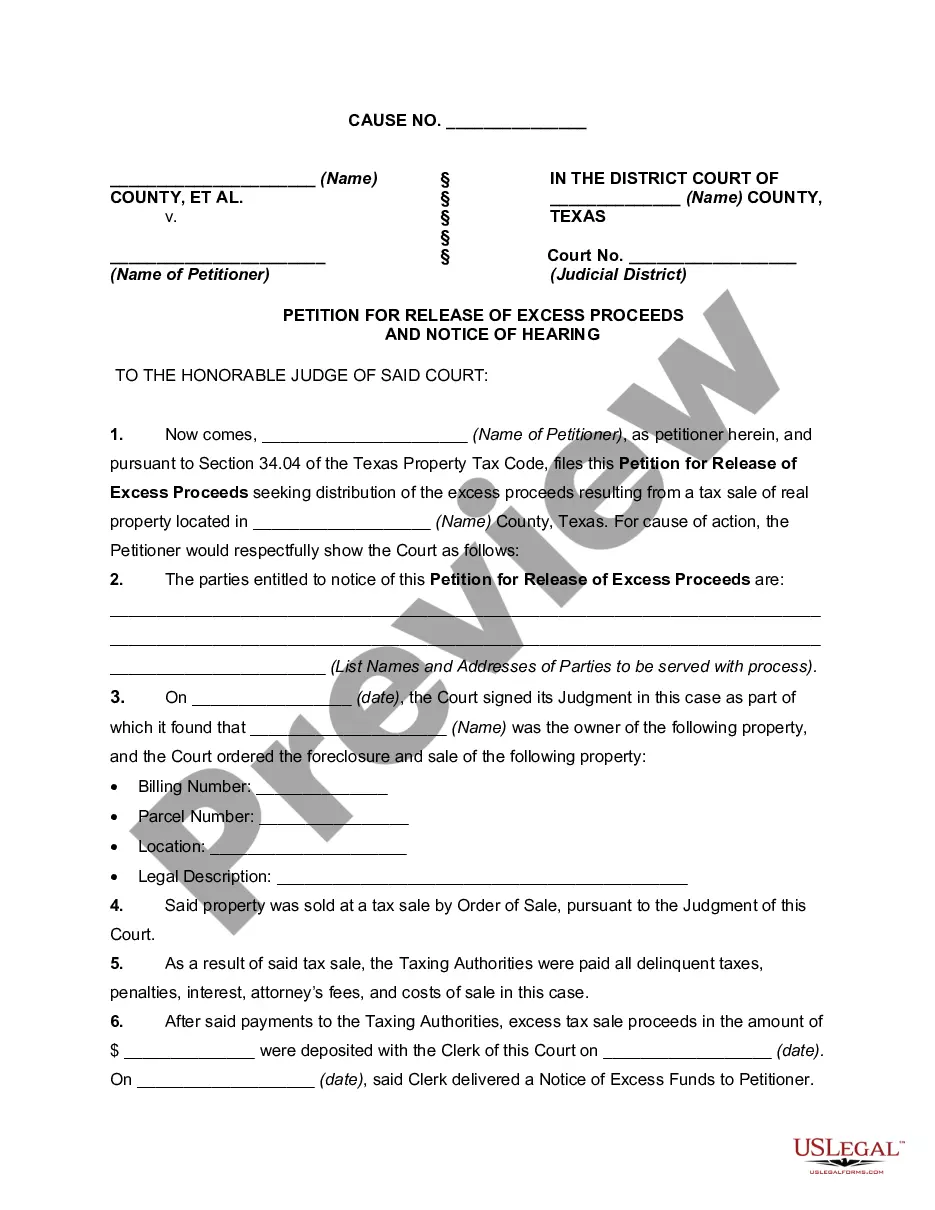
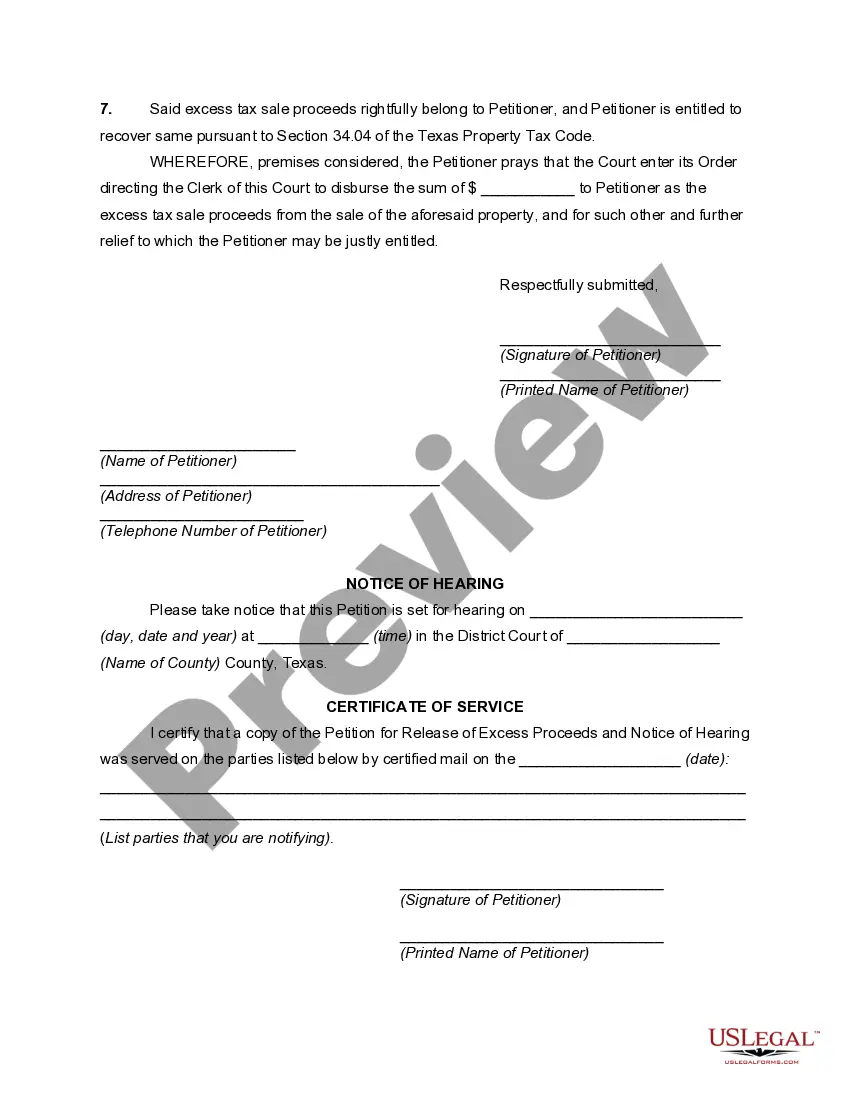
Excess Notice Hearing Format
Description
Get your form ready online
Our built-in tools help you complete, sign, share, and store your documents in one place.
Make edits, fill in missing information, and update formatting in US Legal Forms—just like you would in MS Word.
Download a copy, print it, send it by email, or mail it via USPS—whatever works best for your next step.
Sign and collect signatures with our SignNow integration. Send to multiple recipients, set reminders, and more. Go Premium to unlock E-Sign.
If this form requires notarization, complete it online through a secure video call—no need to meet a notary in person or wait for an appointment.
We protect your documents and personal data by following strict security and privacy standards.

Make edits, fill in missing information, and update formatting in US Legal Forms—just like you would in MS Word.

Download a copy, print it, send it by email, or mail it via USPS—whatever works best for your next step.

Sign and collect signatures with our SignNow integration. Send to multiple recipients, set reminders, and more. Go Premium to unlock E-Sign.

If this form requires notarization, complete it online through a secure video call—no need to meet a notary in person or wait for an appointment.

We protect your documents and personal data by following strict security and privacy standards.
Looking for another form?





How to fill out Texas Petition For Release Of Excess Proceeds And Notice Of Hearing?
It’s clear that you cannot transform into a legal specialist right away, nor can you learn how to swiftly create an Excess Notice Hearing Format without possessing a specialized background.
Drafting legal documents is a lengthy endeavor that necessitates specific education and expertise. So why not entrust the creation of the Excess Notice Hearing Format to the professionals.
With US Legal Forms, one of the most comprehensive legal document repositories, you can discover everything from court documents to templates for internal communication.
You can revisit your forms from the My documents tab at any moment. If you’re an existing customer, you can simply Log In, and find and download the template from the same tab.
Regardless of the reason for your documentation—whether it’s financial, legal, or personal—our website has you covered. Experience US Legal Forms now!
- Uncover the form you require using the search bar at the top of the page.
- Preview it (if this option is available) and review the accompanying description to determine if the Excess Notice Hearing Format is what you need.
- Restart your search if you require any additional template.
- Create a free account and select a subscription plan to purchase the form.
- Click Buy now. Once the payment is finalized, you can download the Excess Notice Hearing Format, complete it, print it, and send or deliver it to the necessary parties or organizations.
Form popularity
FAQ
To fill out a notice of hearing form correctly, start by gathering all necessary information related to the case. Use the excess notice hearing format as a guide to include the case number, names of the parties, and the hearing date and time. Take your time to double-check all entries for accuracy, as this will help avoid any issues that could arise from incomplete or incorrect information.
The purpose of a notice of hearing is to formally inform all parties about the scheduled proceedings regarding a specific matter. This document ensures everyone has the opportunity to prepare and participate. Following the excess notice hearing format helps guarantee that all essential information is included, minimizing confusion and promoting a fair process.
Filling out a notice of hearing involves several key steps. Begin by entering the case information, including the case number and the names of all parties involved. Follow the excess notice hearing format to ensure you include the date, time, and location of the hearing. Be thorough and accurate, as any mistakes could delay the process or lead to complications.
To write a written request for a hearing, start by clearly stating your intention and the reason for the request. Include relevant details such as the case number, names of involved parties, and the desired date for the hearing. The excess notice hearing format should guide you in structuring your request properly, ensuring that you provide all necessary information for the court to consider your application.
During a notice of hearing, parties involved gather to present their arguments and evidence regarding a specific issue. This process is crucial for ensuring that everyone has an opportunity to share their side. The excess notice hearing format typically outlines the procedures and time frames for each party to follow. It's essential to be prepared, as the outcome can significantly impact your case.
A notice of hearing is a formal document that informs parties involved in a legal case about the time and place of a scheduled court hearing. It serves as an essential communication tool, ensuring all relevant parties are aware and can prepare accordingly. In the context of an excess notice hearing format, it is crucial to follow specific guidelines to ensure compliance with legal requirements. Using platforms like US Legal Forms can help you generate accurate and legally sound notice templates, making your court preparation smoother.
Overview Step 1: Calculate your deadline to respond. Step 2: Evaluate your options. Step 3: Prepare a response. Step 4: File your response with the court. Step 5: Give plaintiff a copy of your response. Step 6: Know what to expect next.
For motions on notice, you must serve your documents on the other party. To do this, you must follow Rule 14(11) of the Family Law Rules. The moving party must serve Form 14 and Form 14A on all the other parties not later than six (6) days before the motion.
This is done by filling out a Notice of Motion and Supporting Affidavit form. Contact the clerk of the court to choose a time and date when the court could hear the motion. The clerk of the court will provide a hearing date and time. Put the date and time on the form.
If you want to dispute the claim, you will need to fill out a Defence [Form 9A] and make one copy for yourself and a copy for every plaintiff and defendant listed on the plaintiff's claim. You must serve a copy of your defence on every other party.