Estate Life
Description
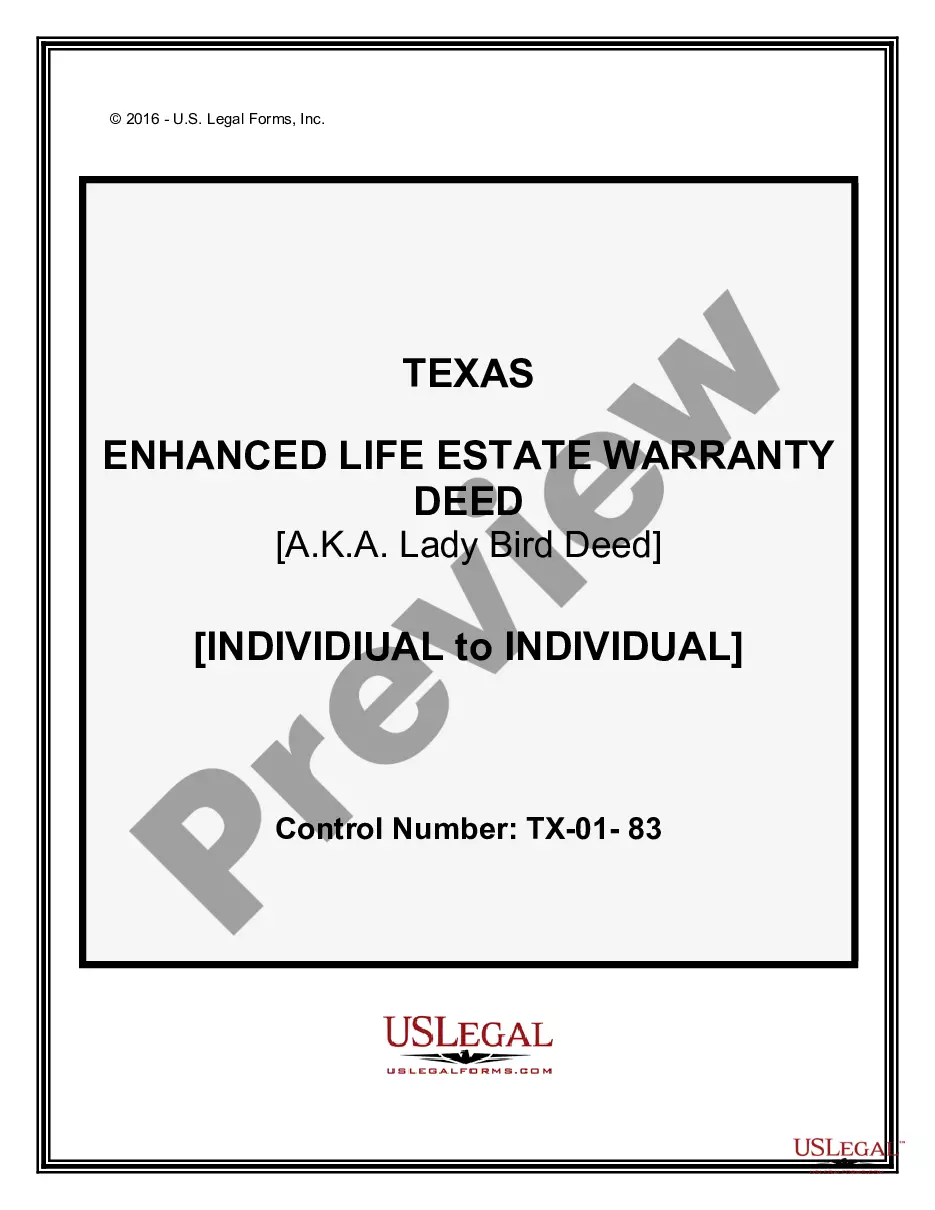
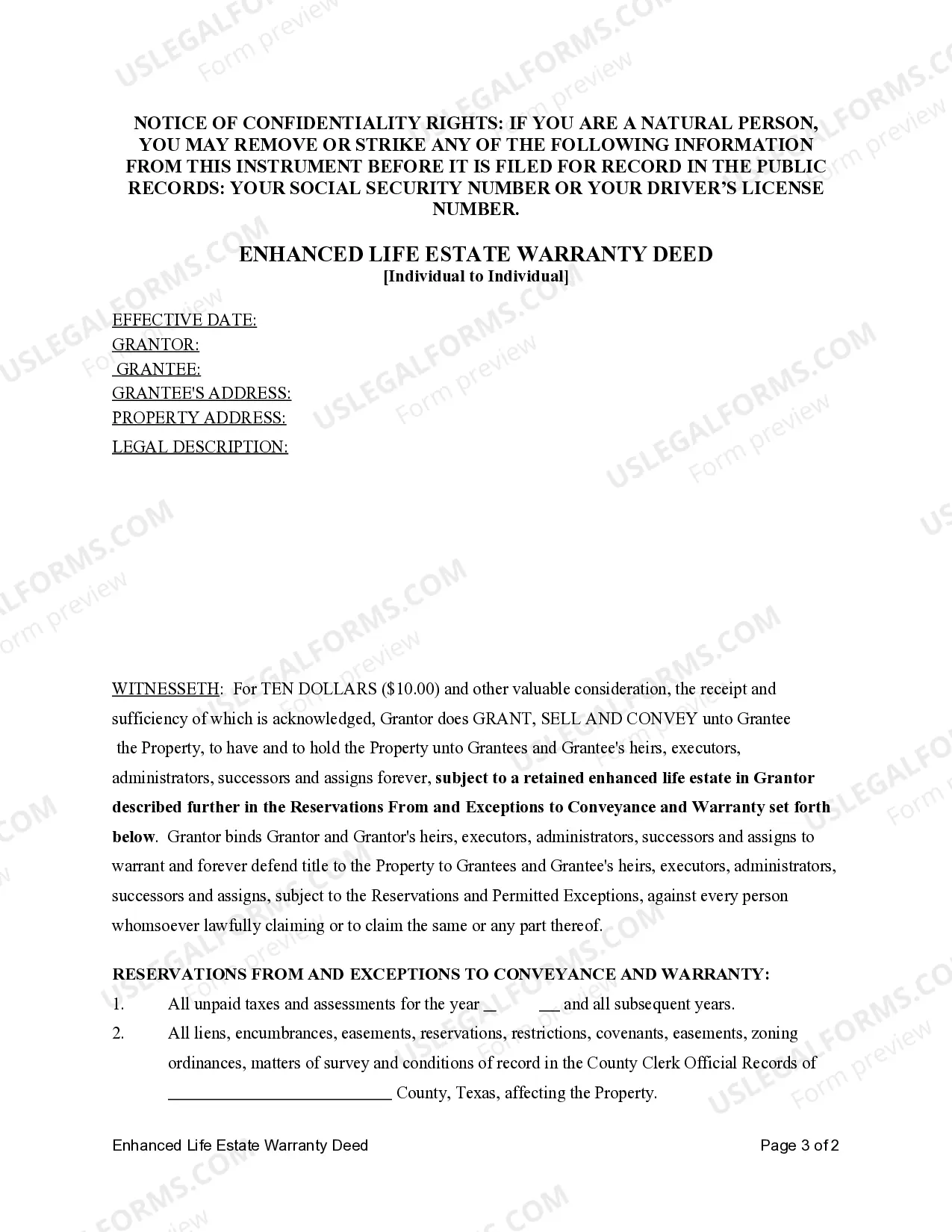
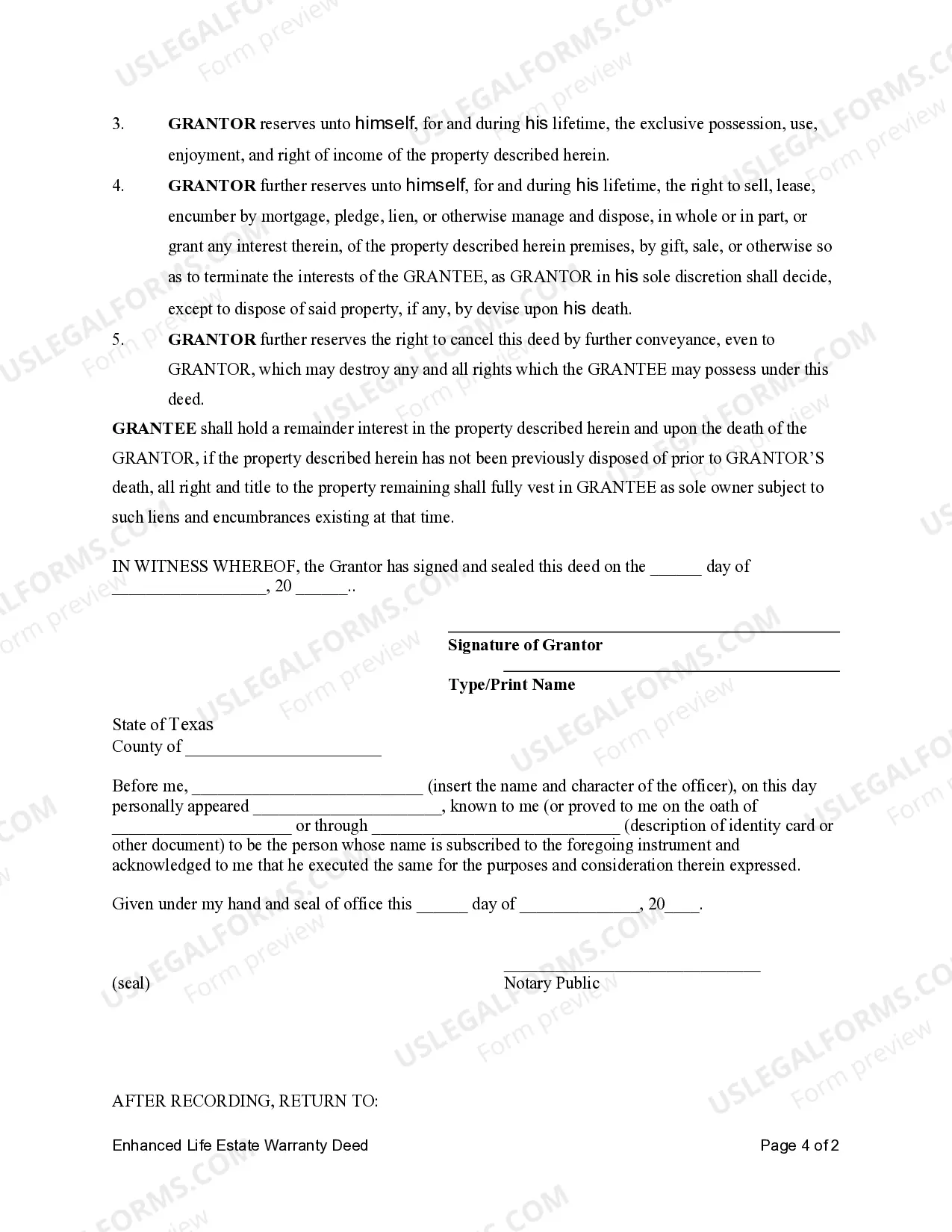
Get your form ready online
Our built-in tools help you complete, sign, share, and store your documents in one place.
Make edits, fill in missing information, and update formatting in US Legal Forms—just like you would in MS Word.
Download a copy, print it, send it by email, or mail it via USPS—whatever works best for your next step.
Sign and collect signatures with our SignNow integration. Send to multiple recipients, set reminders, and more. Go Premium to unlock E-Sign.
If this form requires notarization, complete it online through a secure video call—no need to meet a notary in person or wait for an appointment.
We protect your documents and personal data by following strict security and privacy standards.

Make edits, fill in missing information, and update formatting in US Legal Forms—just like you would in MS Word.

Download a copy, print it, send it by email, or mail it via USPS—whatever works best for your next step.

Sign and collect signatures with our SignNow integration. Send to multiple recipients, set reminders, and more. Go Premium to unlock E-Sign.

If this form requires notarization, complete it online through a secure video call—no need to meet a notary in person or wait for an appointment.

We protect your documents and personal data by following strict security and privacy standards.
Looking for another form?






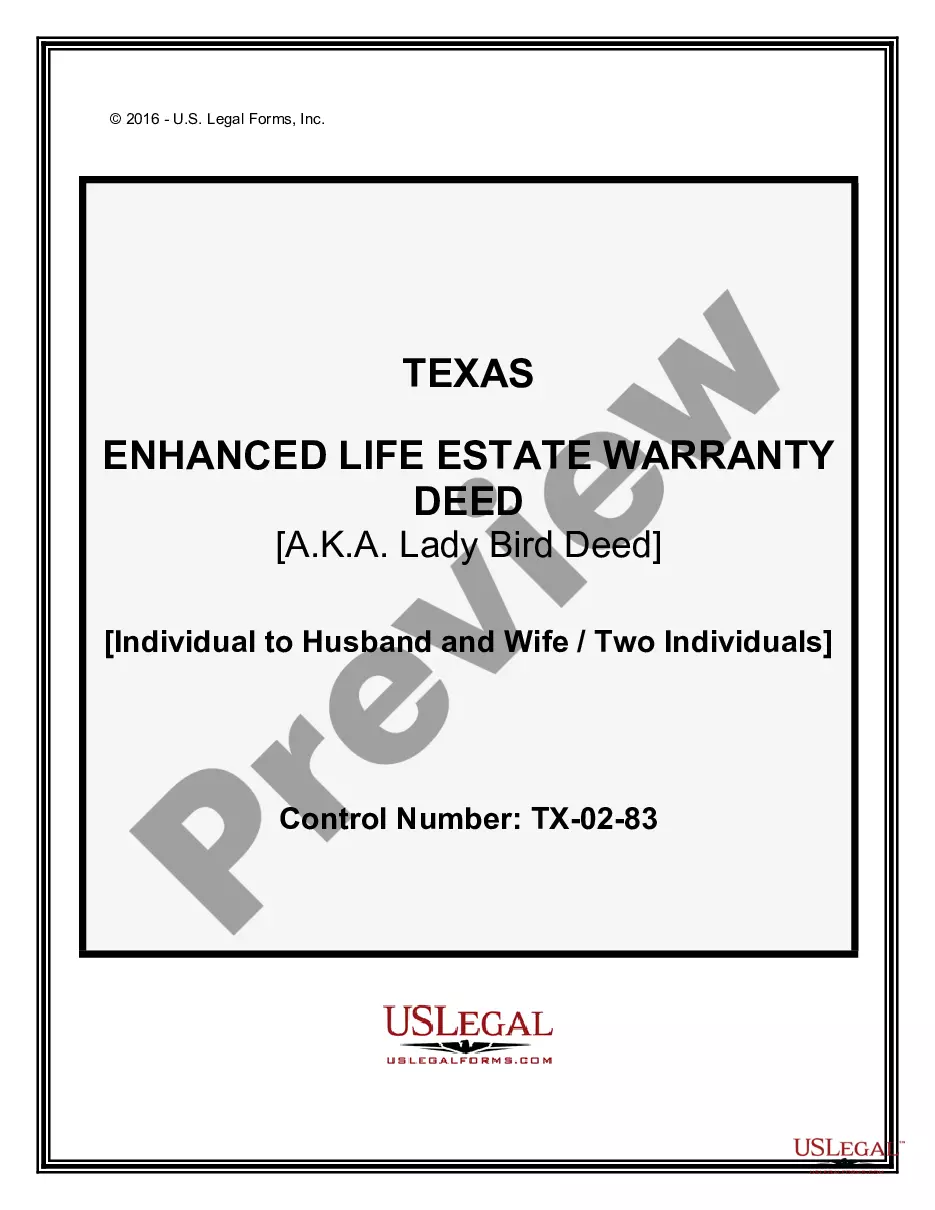
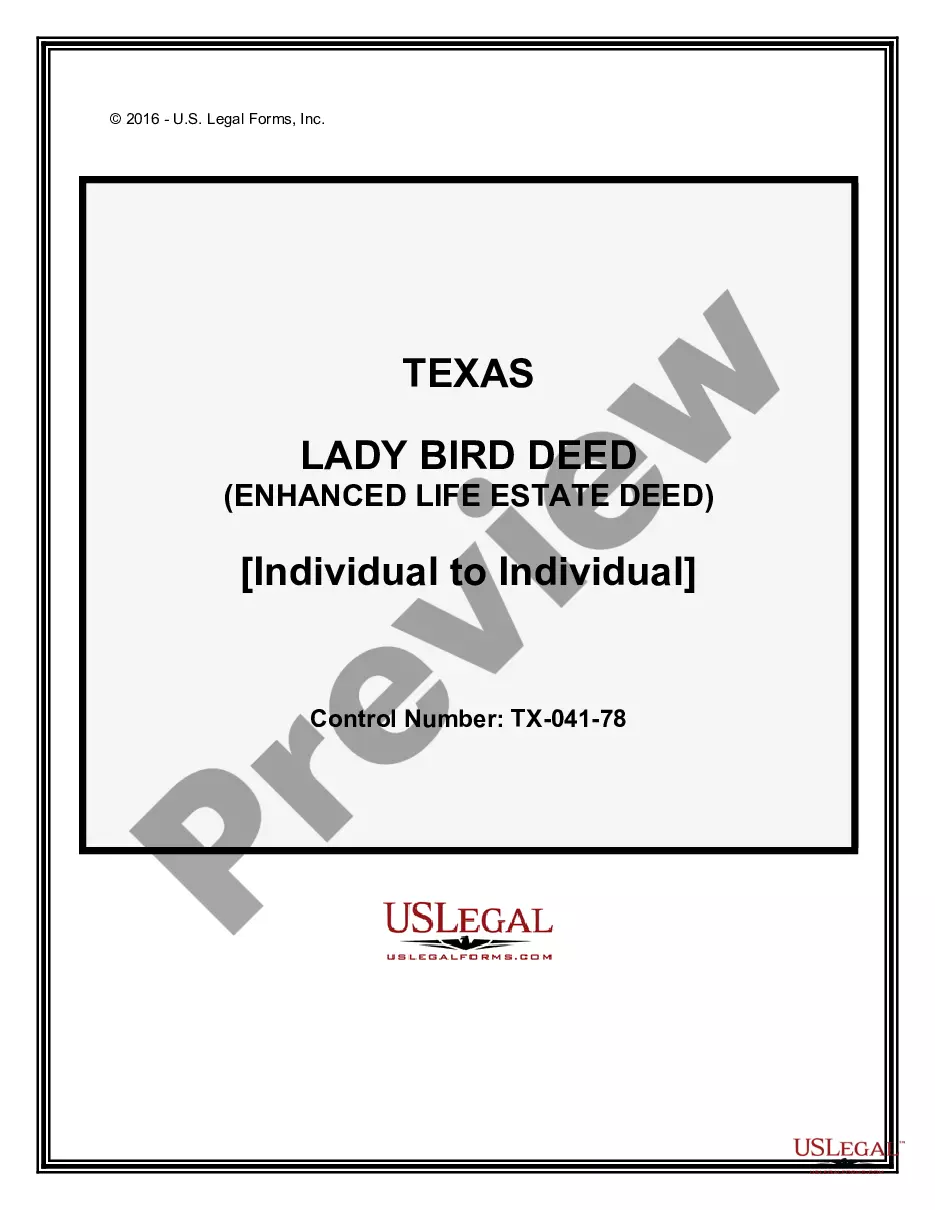
How to fill out Texas Lady Bird Or Enhanced Life Estate Warranty Deed - Individual To Individual?
- If you already have an account, log in and ensure your subscription is active. Download your desired form by clicking the Download button.
- For first-time users, start by checking the Preview mode and form descriptions to select a document that aligns with your needs and local jurisdiction.
- If you need a different template, utilize the Search tab at the top to find the appropriate form.
- Once you find the right document, click on the Buy Now button and choose your preferred subscription plan.
- Complete your purchase by entering your credit card information or paying via PayPal.
- After payment, download your form and save it on your device. You can access it anytime under the My Forms section of your profile.
With US Legal Forms, you benefit from a robust library that exceeds competitors in quantity and quality. Plus, expert assistance is available to ensure your documents are completed accurately.
Start mastering your estate life today with US Legal Forms and take advantage of easy access to essential legal documents. Sign up now and simplify your legal journey!
Form popularity
FAQ
Calculating a life estate involves determining the present value of future ownership rights. This calculation often uses actuarial tables that estimate the life expectancy of the tenant, helping to find an accurate valuation. Resources like uslegalforms can provide valuable tools and guidance to assist you in your estate life calculations.
The duration of a life estate is based strictly on the life of the designated life tenant. This means the estate does not have a predetermined time frame beyond the lifetime of the individual involved. Therefore, the management of estate life needs careful consideration of the life tenant's age and health.
A life estate lasts for the duration of the life tenant's life. Once the life tenant passes away, the property typically transfers to the remainderman, the person or entity designated to receive the property afterwards. Thus, understanding the duration of estate life is crucial in planned estate management.
While a life estate provides certain rights, it can also come with drawbacks. One significant disadvantage is the potential difficulty in selling or conveying the property without the life tenant's consent. Additionally, estate life can complicate your estate planning, so weighing these factors carefully is essential.
To get around a life estate can be complex, but you have options. One approach is to negotiate with the life tenant and address their concerns, possibly arranging a buyout. Alternatively, legal advice may help navigate the intricacies of the estate life and facilitate a potential resolution.
A life estate can typically be sold, but the sale comes with certain limitations. The life tenant can sell their interest, but the buyer only receives the rights for the duration of the life tenant's life. Therefore, any potential buyer must be aware of the life estate implications on the property's future ownership.
There are two primary types of life estate: ordinary life estate and statutory life estate. An ordinary life estate gives a person the right to use property during their lifetime, while a statutory life estate usually arises from state law, often providing rights to a spouse. Understanding these differences is key to managing your estate life effectively.
Preparing a final accounting for an estate requires you to list all assets, liabilities, income, and expenses incurred during the estate administration. This process is crucial for maintaining transparency and providing clarity to all beneficiaries. Using resources like U.S. Legal Forms can simplify the preparation process, offering structured templates to help you present a clear and comprehensive final accounting.
Writing an estate plan involves clearly outlining your wishes regarding asset distribution, guardianship, and health care decisions. Start by assessing your assets and consulting with legal experts to ensure your plan complies with state laws. U.S. Legal Forms offers templates that can assist you in drafting your estate plan efficiently and accurately.
The 3-year rule works by counting back three years from the date of death. Gifts made during this time period must be factored into the total estate value for tax purposes. Understanding this concept is vital for managing estate life properly, and it can clarify your responsibilities when planning your estate.