Birdface
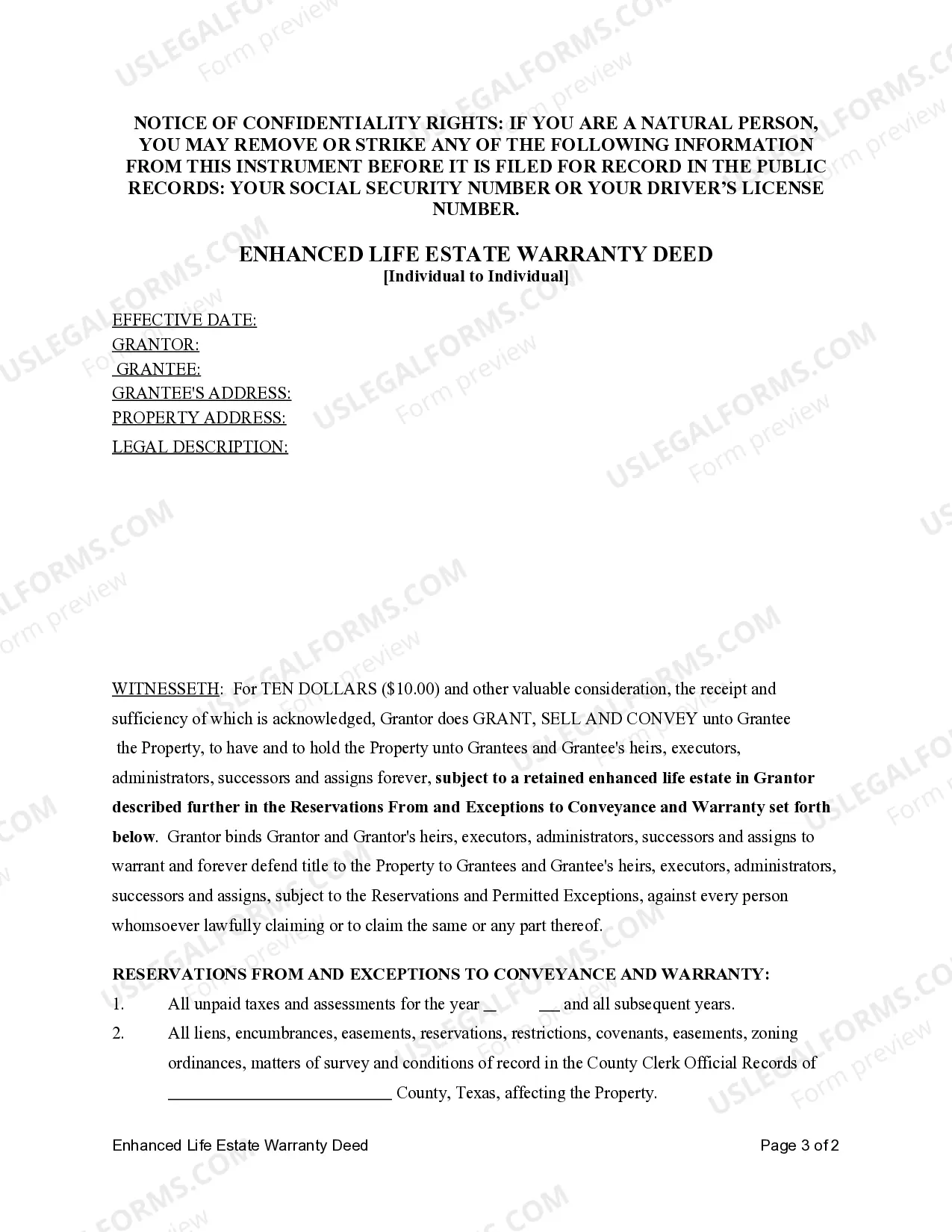
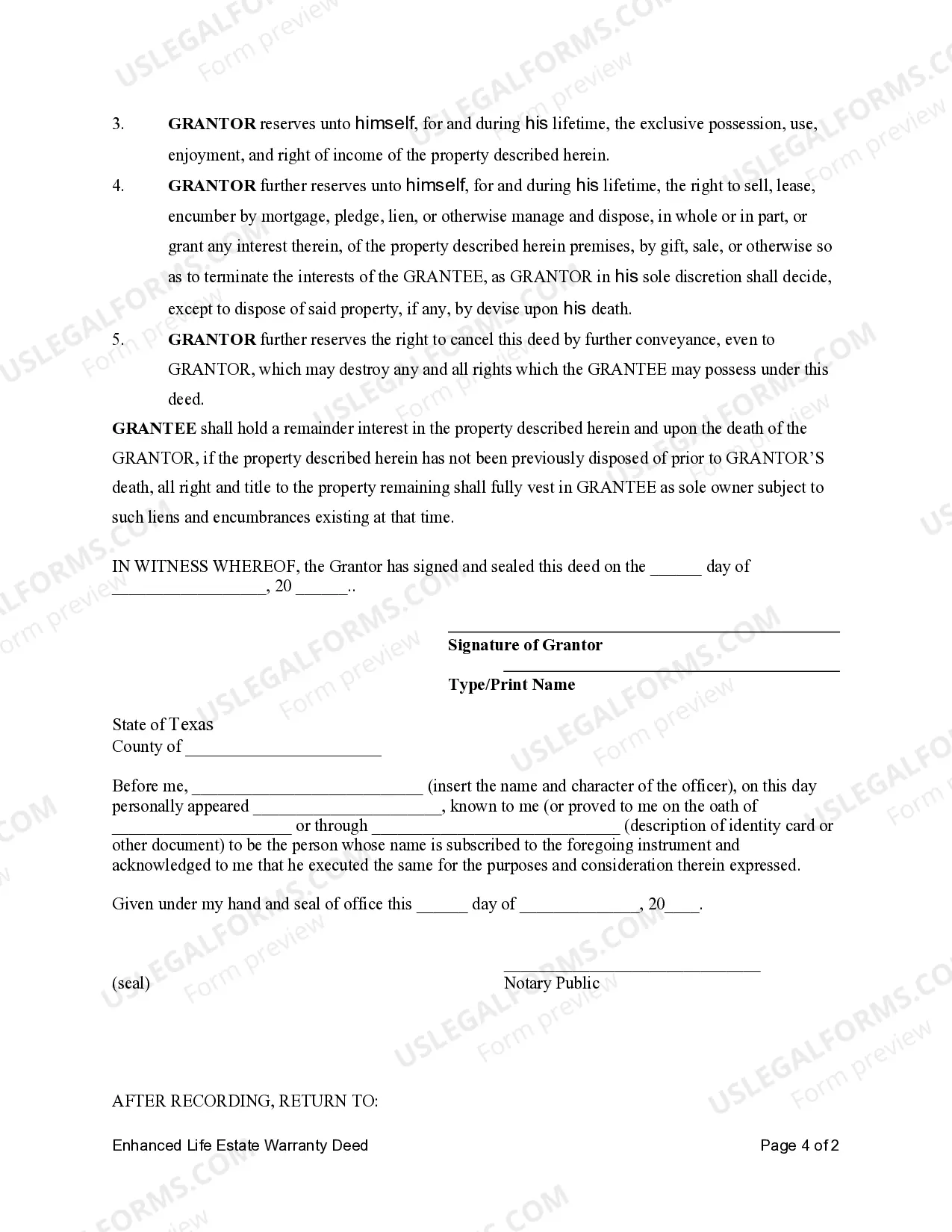
Description


Get your form ready online
Our built-in tools help you complete, sign, share, and store your documents in one place.
Make edits, fill in missing information, and update formatting in US Legal Forms—just like you would in MS Word.
Download a copy, print it, send it by email, or mail it via USPS—whatever works best for your next step.
Sign and collect signatures with our SignNow integration. Send to multiple recipients, set reminders, and more. Go Premium to unlock E-Sign.
If this form requires notarization, complete it online through a secure video call—no need to meet a notary in person or wait for an appointment.
We protect your documents and personal data by following strict security and privacy standards.

Make edits, fill in missing information, and update formatting in US Legal Forms—just like you would in MS Word.

Download a copy, print it, send it by email, or mail it via USPS—whatever works best for your next step.

Sign and collect signatures with our SignNow integration. Send to multiple recipients, set reminders, and more. Go Premium to unlock E-Sign.

If this form requires notarization, complete it online through a secure video call—no need to meet a notary in person or wait for an appointment.

We protect your documents and personal data by following strict security and privacy standards.
Looking for another form?


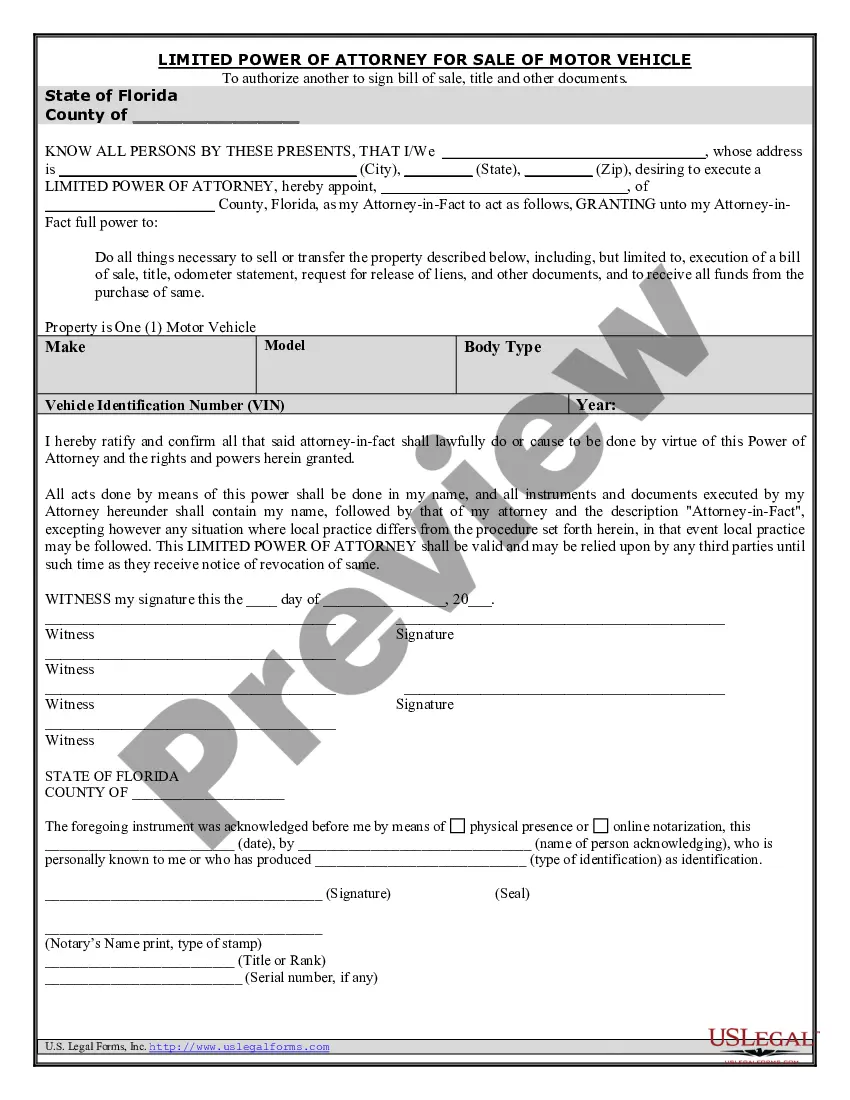
How to fill out Texas Lady Bird Or Enhanced Life Estate Warranty Deed - Individual To Individual?
- Log in to your account if you're an existing user. Validate your subscription and click the Download button for your required form template.
- For first-time users, start by checking the Preview mode and the form description to ensure you've picked the right document that meets your local jurisdiction's requirements.
- If you need a different template, utilize the Search tab to find the right document. Ensure it fits your needs before proceeding.
- Purchase the document by selecting the Buy Now button and choosing your preferred subscription plan. A user account registration is necessary for accessing the full library.
- Complete your purchase by providing your payment details or using PayPal for a seamless transaction.
- Finally, download your completed form to your device. You can also access it anytime through the My Forms section of your profile.
With US Legal Forms, you can easily access a robust collection of legal documents designed to meet various needs. Each step ensures you are receiving reliable and legally sound templates, guided by experts if needed.
Don't wait—start navigating your legal needs with confidence using US Legal Forms today! Visit the website to get started.
Form popularity
FAQ
Fixing an overgrown bird's beak typically involves professional help. A veterinarian can assess the situation and recommend appropriate trimming or grinding methods. Regular check-ups can prevent overgrowth in the future, ensuring your Birdface stays healthy. Education regarding proper bird care can also be found through uslegalforms, helping you maintain your pet's wellbeing.
Filing Form 763 S is straightforward when you have the right information. Begin by gathering necessary details about your Birdface and the specific nature of the filing. Follow the instructions carefully to avoid any mistakes, as accurate filing can prevent delays. For assistance with legal forms, the uslegalforms platform provides comprehensive resources to simplify the process.
Filing down a bird's beak requires a gentle touch and the right tools. Using a fine-grit nail file or a specialized beak file can help you gradually reduce the length. Keep the Birdface relaxed and frequently check that you're not causing any stress. If you're unsure, seek guidance from a vet or an avian specialist.
Grinding down a bird's beak should be approached with caution. You can use a specialized beak grinder, which provides a safe and precise way to reduce the beak's length. It's crucial to keep the Birdface calm during the process, which can be aided by some gentle handling and reassurance. Consulting a professional is advisable for optimal results.
Beak trimming can cause discomfort to birds, similar to how nail trimming can feel for humans. It's important to follow proper procedures to minimize any pain. When done correctly, with care and the right tools, the process can be gentle and safe. Always consult a veterinarian familiar with the Birdface to ensure the best care.
Creating the best Yu-Gi-Oh card deck requires thoughtful planning and strategy. Start by defining your deck's theme and focusing on synergies between cards. Test your deck in various matchups to see what works best, and adjust based on performance. Many players share their insights on building with Birdface, so exploring those resources can enhance your deck-building skills.
In Yu-Gi-Oh, the choice to go first or second significantly impacts gameplay. Going first often allows you to set up your defenses and play powerful cards without immediate threat. On the other hand, going second can enable you to counter your opponent's strategy right away. Understanding the nuances of this choice is essential for successful play in the Birdface realm.
Choosing to go first or second in Magic: The Gathering often hinges on your deck strategy. Going first lets you play your cards more aggressively, establishing board control early. However, being second can allow you better responses to your opponent's moves—especially if your deck relies on counters. Exploring deck strategies with Birdface can refine your decision.
In Pokemon TCG, whether to go first or second depends on your strategy and deck type. Generally, going first allows you to set up your board and establish momentum. Conversely, going second gives you the chance to attack on your first turn. Assessing your deck and aligning your gameplay with Birdface can enhance your performance.
Lost art cards in Yu-Gi-Oh are often available through special promotional events or tournaments. Keep an eye on official announcements and community forums related to Birdface, as these cards can sometimes be rewards for participating in specific events. Staying connected with the Yu-Gi-Oh community can help you discover opportunities to acquire these unique cards.