Executory Document For The Future
Description


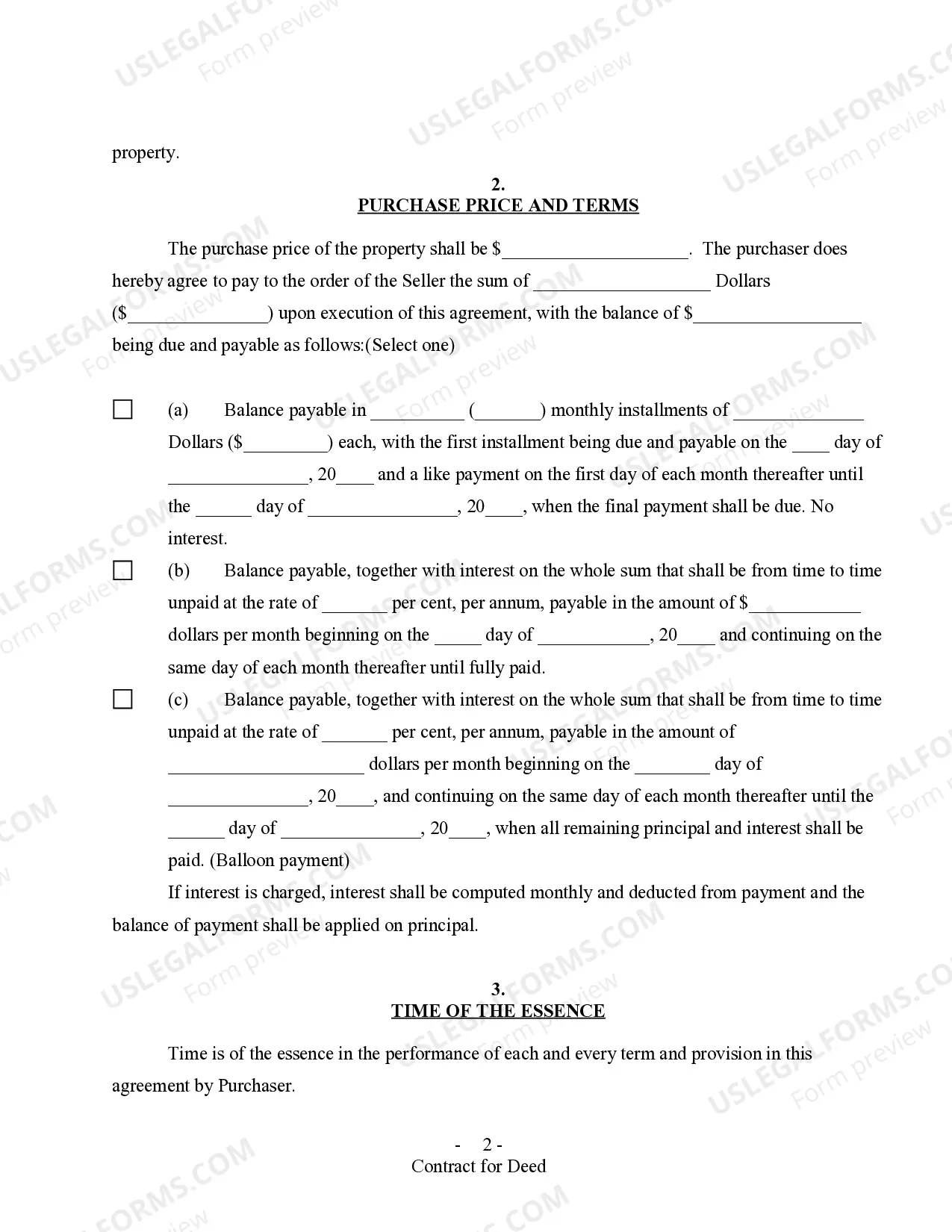
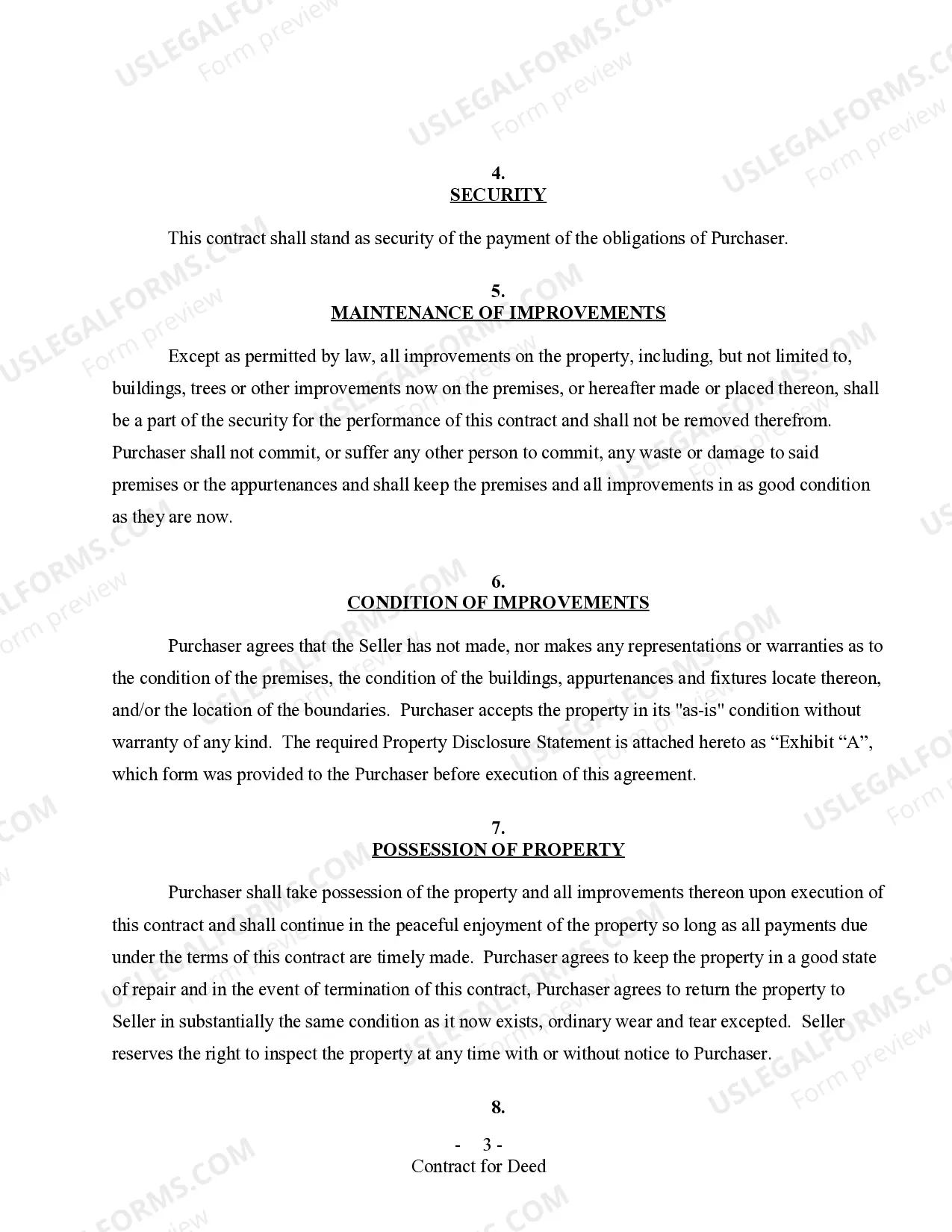
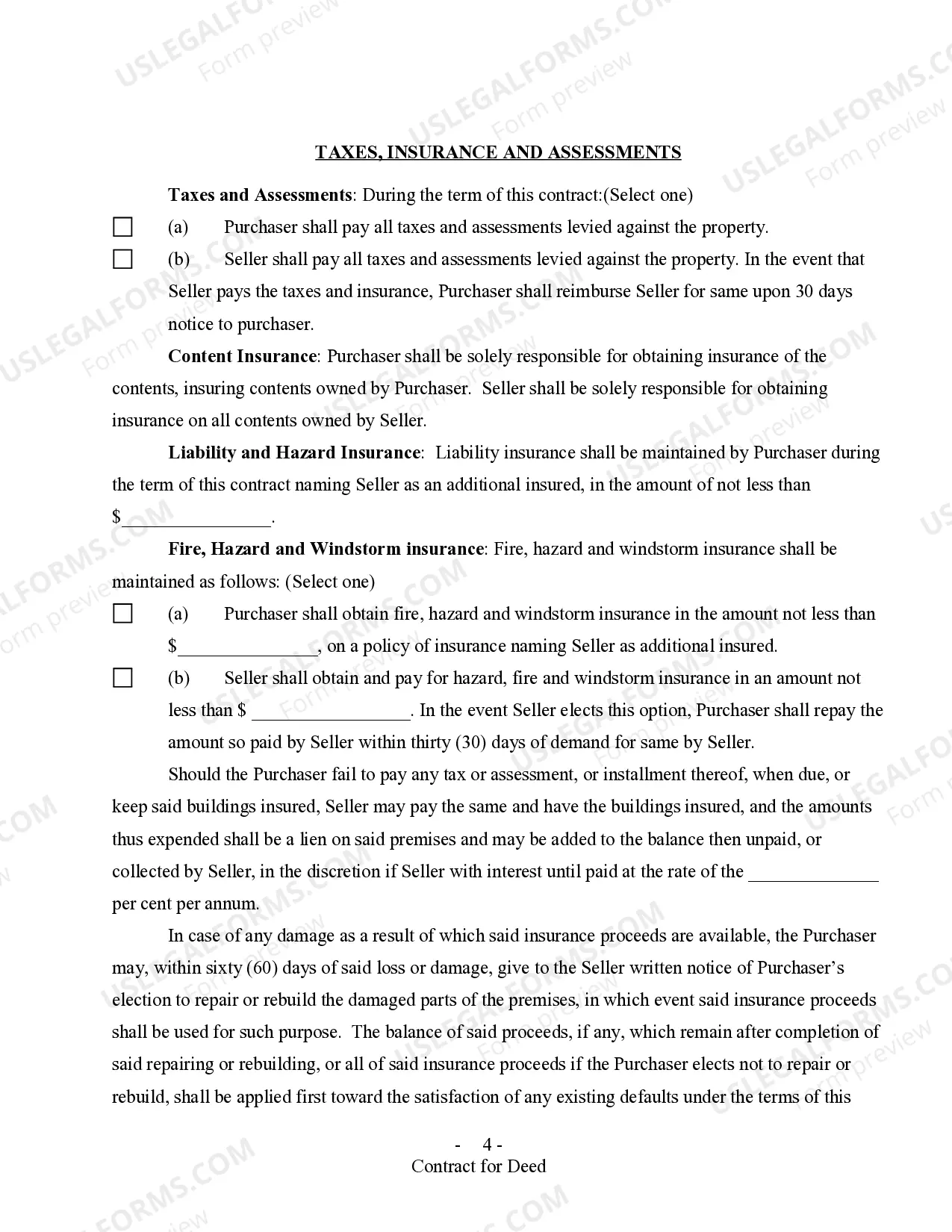
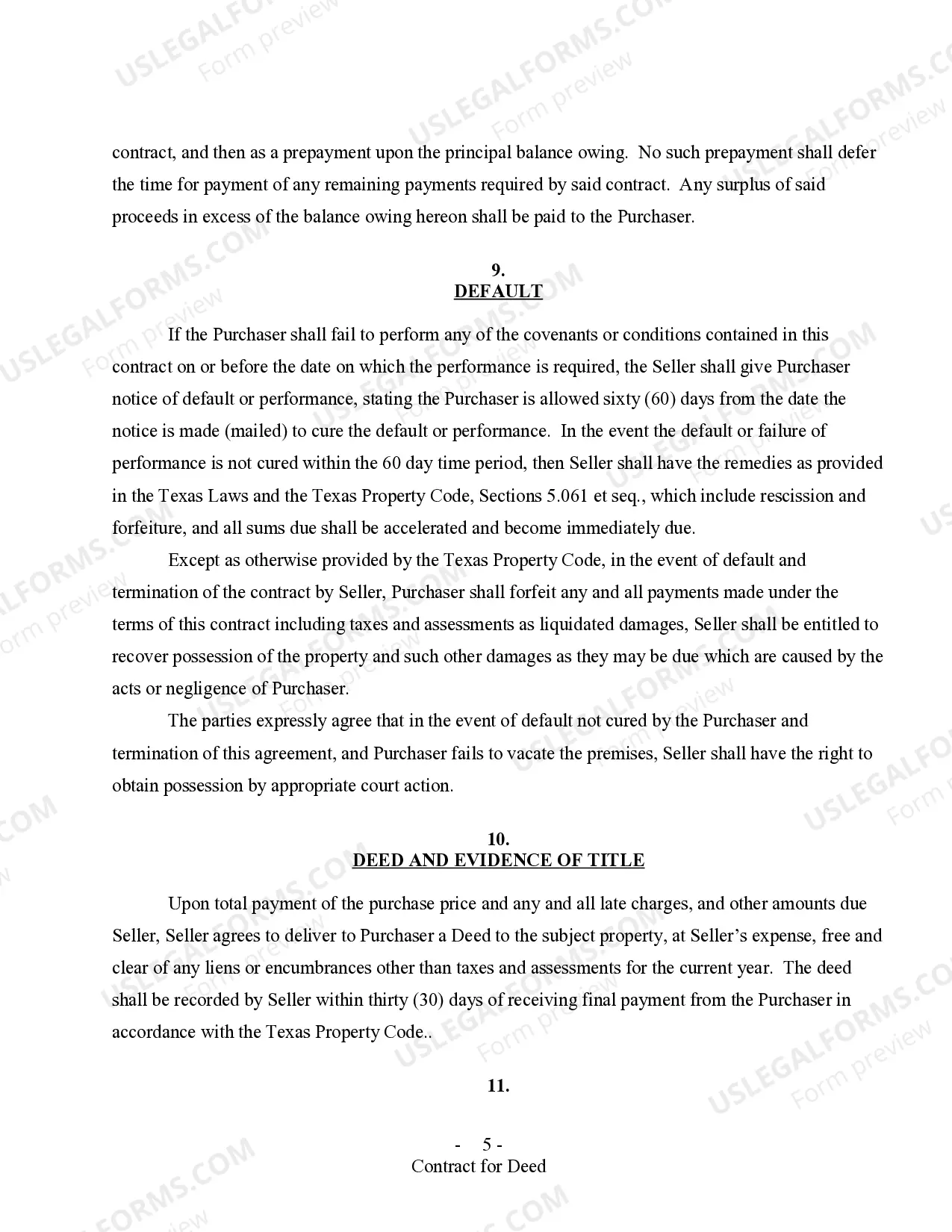



Get your form ready online
Our built-in tools help you complete, sign, share, and store your documents in one place.
Make edits, fill in missing information, and update formatting in US Legal Forms—just like you would in MS Word.
Download a copy, print it, send it by email, or mail it via USPS—whatever works best for your next step.
Sign and collect signatures with our SignNow integration. Send to multiple recipients, set reminders, and more. Go Premium to unlock E-Sign.
If this form requires notarization, complete it online through a secure video call—no need to meet a notary in person or wait for an appointment.
We protect your documents and personal data by following strict security and privacy standards.

Make edits, fill in missing information, and update formatting in US Legal Forms—just like you would in MS Word.

Download a copy, print it, send it by email, or mail it via USPS—whatever works best for your next step.

Sign and collect signatures with our SignNow integration. Send to multiple recipients, set reminders, and more. Go Premium to unlock E-Sign.

If this form requires notarization, complete it online through a secure video call—no need to meet a notary in person or wait for an appointment.

We protect your documents and personal data by following strict security and privacy standards.
Looking for another form?


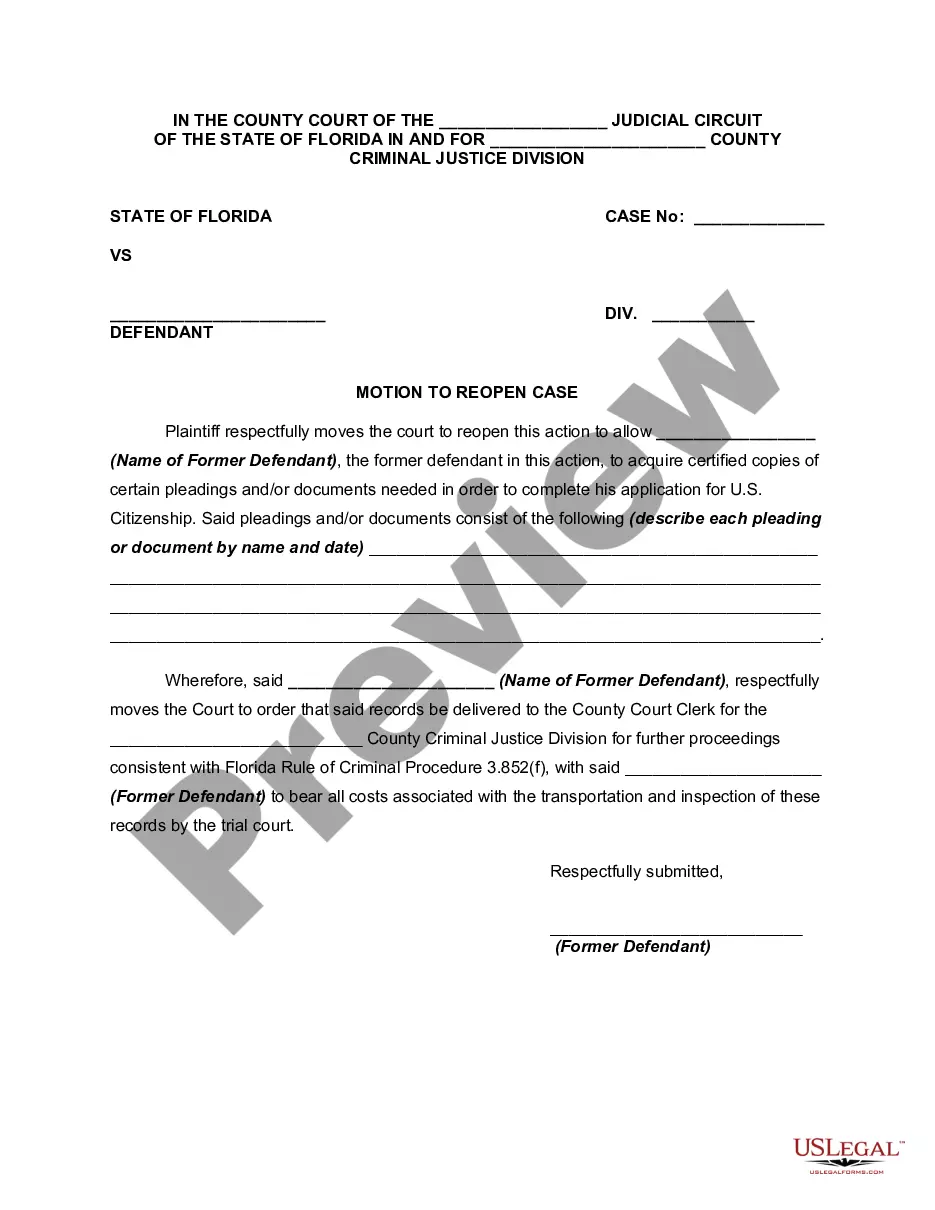
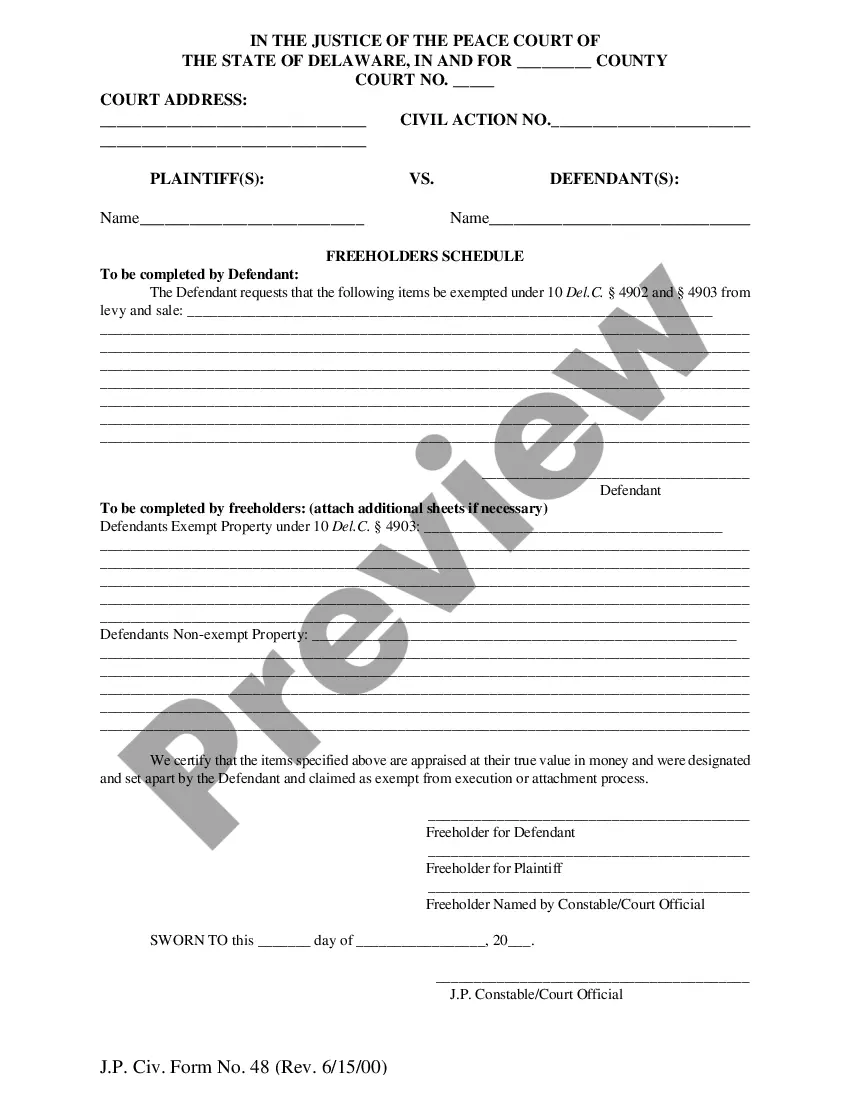
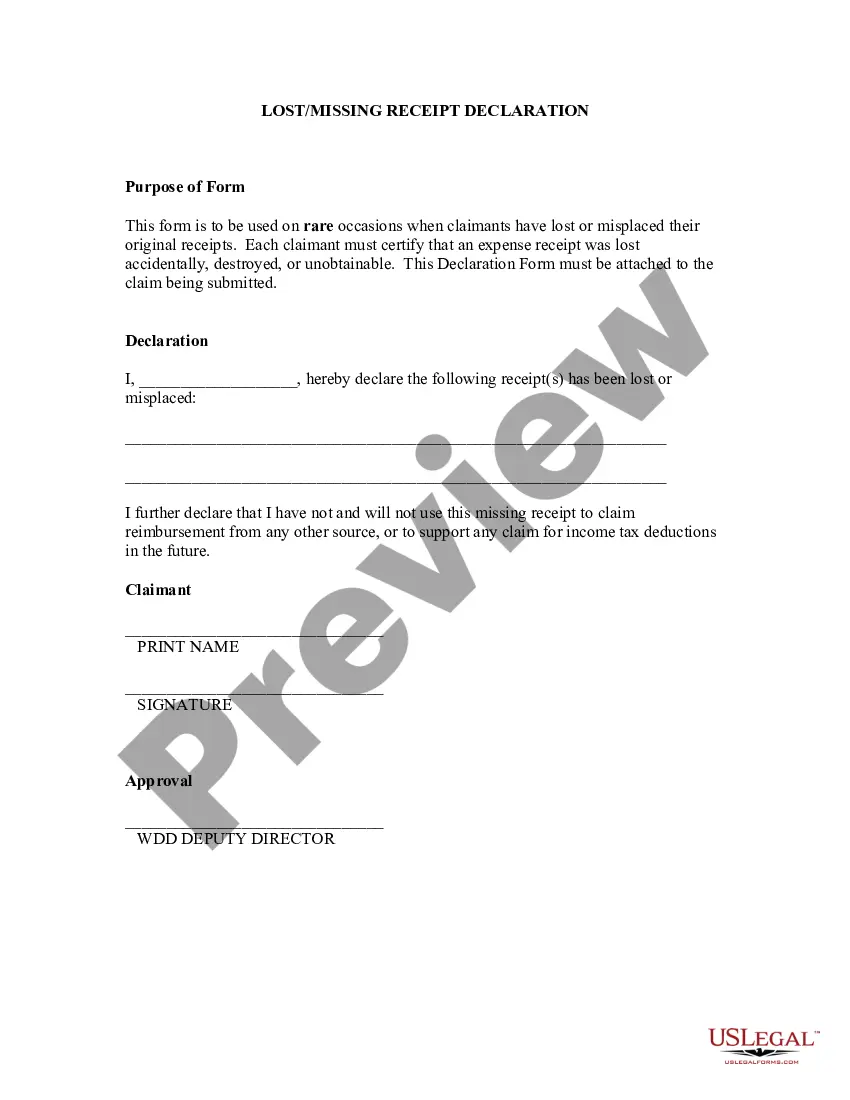


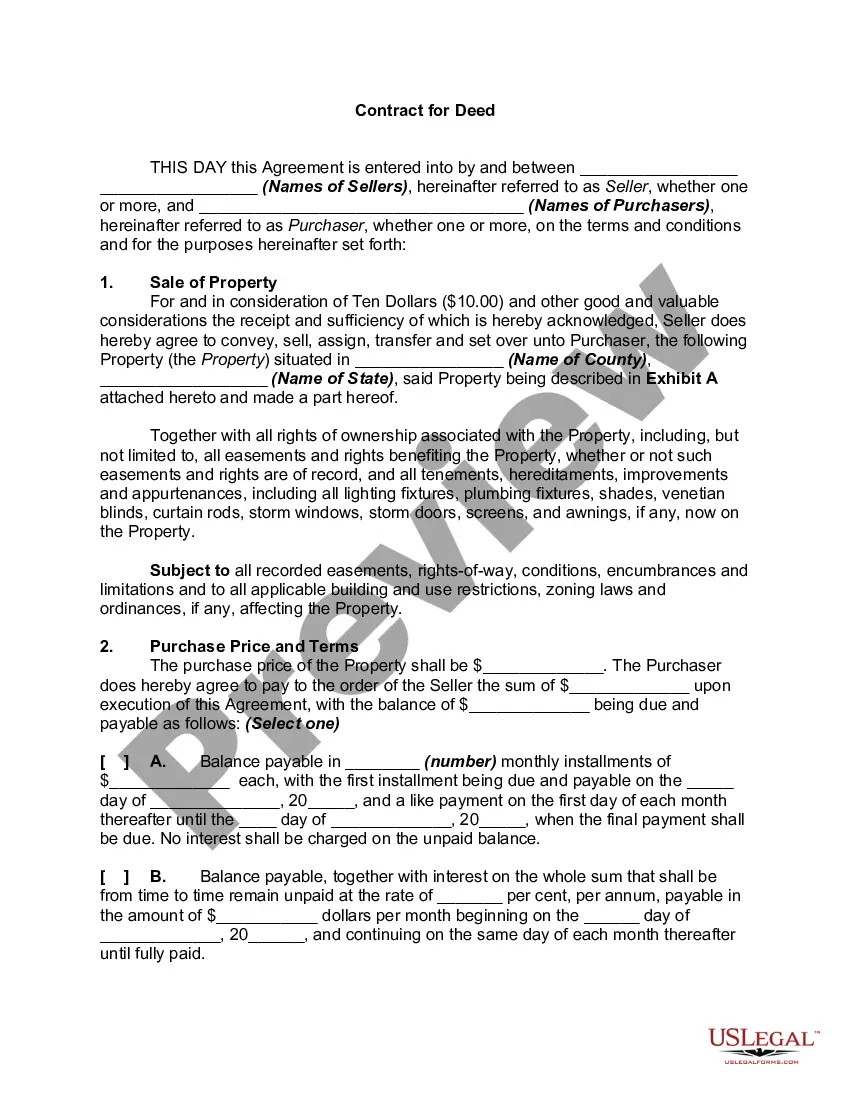
How to fill out All Texas Contract For Deed Forms For Residential Use - Land Contract, Agreement For Deed, Executory Contract?
- If you're a returning user, log in to your account and click the Download button to retrieve your template. Ensure your subscription is active to avoid interruptions.
- For first-time users, start by exploring the Preview mode to review the form description. Ensure that it suits your specific legal requirements and adheres to local jurisdiction regulations.
- If the current template doesn’t meet your needs, utilize the Search tab to locate alternative options that may be more suitable for your situation.
- Once you find the right document, click on the Buy Now button and select your preferred subscription plan. You'll need to create an account to access the library.
- Proceed to complete your purchase using either credit card details or your PayPal account to secure your subscription.
- Finally, download your chosen form onto your device. You can also access it later through the My Forms menu in your profile.
With US Legal Forms, you can take advantage of an extensive collection of over 85,000 fillable and editable legal forms. This ensures that you're not just getting any form, but one that meets your specific needs.
Start using US Legal Forms today to simplify your legal documentation process. Whether for personal or professional purposes, make your legal journey smoother by accessing the right templates and expert guidance.
Form popularity
FAQ
For a contract to be classified as an executory document for the future, it must contain two essential elements: mutual agreement and a performance obligation. Mutual agreement is reached when both parties consent to the terms and conditions laid out in the contract. The performance obligation requires at least one party to undertake a specific action or deliver goods or services at a future date. Understanding these elements ensures that your executory document for the future is legally binding and enforceable.
The three types of consideration include executed consideration, executory consideration, and past consideration. Executed consideration involves a promise fulfilled immediately, while executory involves promises for the future. Understanding these distinctions can help when examining agreements and drafting executory documents for the future, ensuring that all essential elements of a contract are properly addressed.
An executory promise might look like a signed agreement in which one party promises to provide landscaping services in exchange for payment at the end of the service term. In this scenario, both parties have duties to fulfill in the future, highlighting the importance of clarity in executory documents for the future. Such agreements help maintain accountability and ensure expectations are met.
Executory or future consideration is a promise that one party will undertake an action at a later date. This type of consideration is significant in contract law, as it ensures that both parties are aware of their obligations moving forward. When dealing with executory documents for the future, this consideration is vital for establishing clear expectations between contractual partners.
An executory consideration refers to a promise or an obligation in a contract that has yet to be performed. This means that one party agrees to fulfill a commitment in the future, thus creating a binding agreement. Understanding this concept is crucial when dealing with executory documents for the future as they often involve commitments that hinge on future actions.
The meaning of executory refers to agreements or contracts where some obligations remain to be performed. In legal contexts, understanding executory terms helps parties navigate their rights and responsibilities effectively. This knowledge is particularly important when dealing with executory documents for the future. For more detailed guidance, the USLegalForms platform can provide valuable insights and resources.
An example of an executory agreement is a lease contract where one party agrees to provide property for use while the other party agrees to make monthly payments. In this case, the obligations are ongoing, illustrating the nature of executory documents for the future. These agreements become legally binding, making understanding their terms essential. Consider using USLegalForms for templates or further examples.
Yes, an executor may need to file IRS Form 56 to notify the IRS of your fiduciary status. This form is critical for ensuring that the estate complies with tax regulations during the administration process. Filing this timely helps avoid issues down the line, especially related to executory documents for the future. You can find easy templates on USLegalForms to facilitate this filing.
The difference between executed and executory lies in performance: an executed contract is complete, while an executory contract has obligations that remain unfulfilled. Understanding this distinction is vital when dealing with legal agreements, particularly in navigating executory documents for the future. Knowing where each stands can help avoid legal misunderstandings. Seek assistance from USLegalForms for clarity on these terms.
The legal definition of executory describes a contract that has not yet been fully performed. It involves obligations that both parties must still fulfill under the agreement. This concept plays a fundamental role in legal settings, especially when addressing executory documents for the future. For deeper insights, you might explore legal resources from platforms like USLegalForms.