Executors
Description
Get your form ready online
Our built-in tools help you complete, sign, share, and store your documents in one place.
Make edits, fill in missing information, and update formatting in US Legal Forms—just like you would in MS Word.
Download a copy, print it, send it by email, or mail it via USPS—whatever works best for your next step.
Sign and collect signatures with our SignNow integration. Send to multiple recipients, set reminders, and more. Go Premium to unlock E-Sign.
If this form requires notarization, complete it online through a secure video call—no need to meet a notary in person or wait for an appointment.
We protect your documents and personal data by following strict security and privacy standards.

Make edits, fill in missing information, and update formatting in US Legal Forms—just like you would in MS Word.

Download a copy, print it, send it by email, or mail it via USPS—whatever works best for your next step.

Sign and collect signatures with our SignNow integration. Send to multiple recipients, set reminders, and more. Go Premium to unlock E-Sign.

If this form requires notarization, complete it online through a secure video call—no need to meet a notary in person or wait for an appointment.

We protect your documents and personal data by following strict security and privacy standards.
Looking for another form?
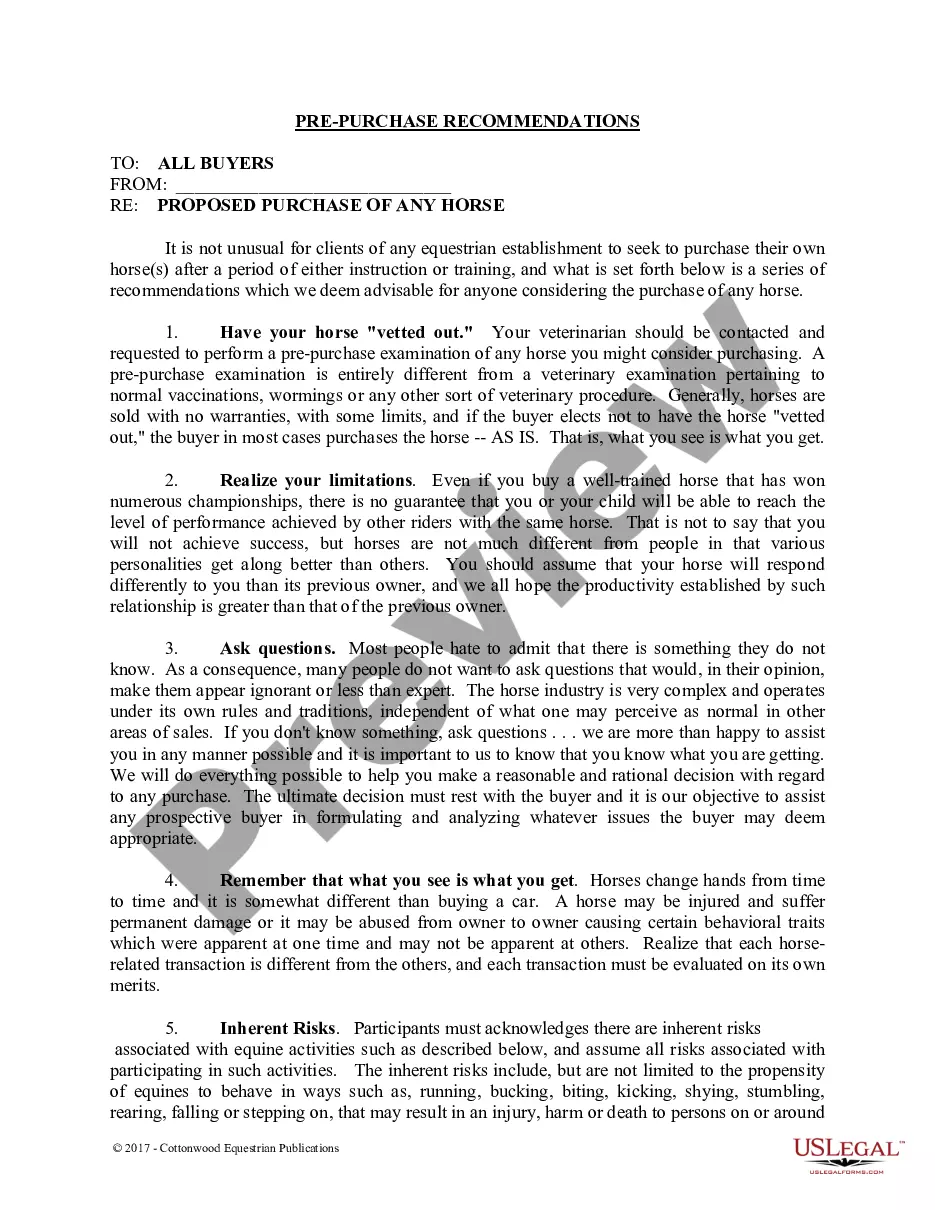
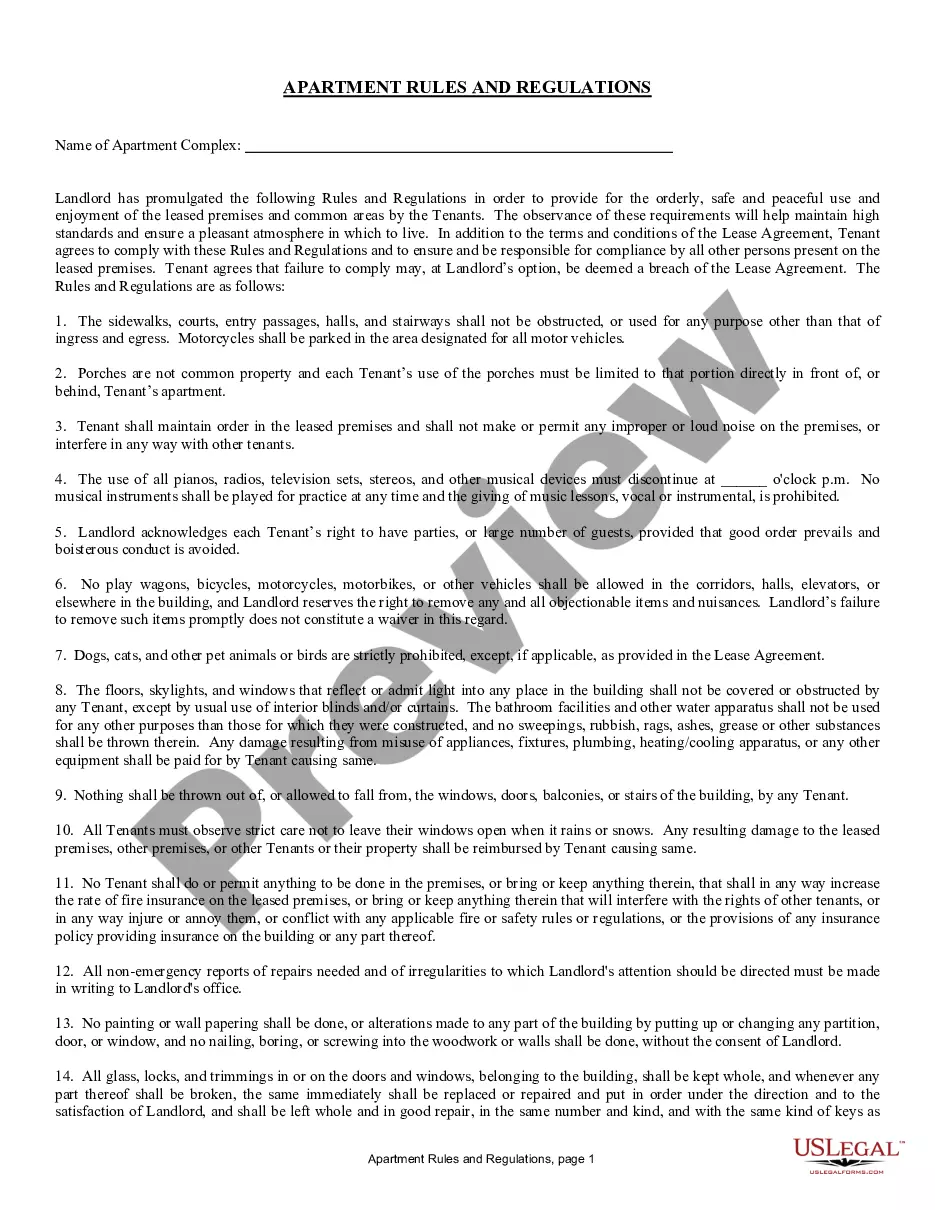
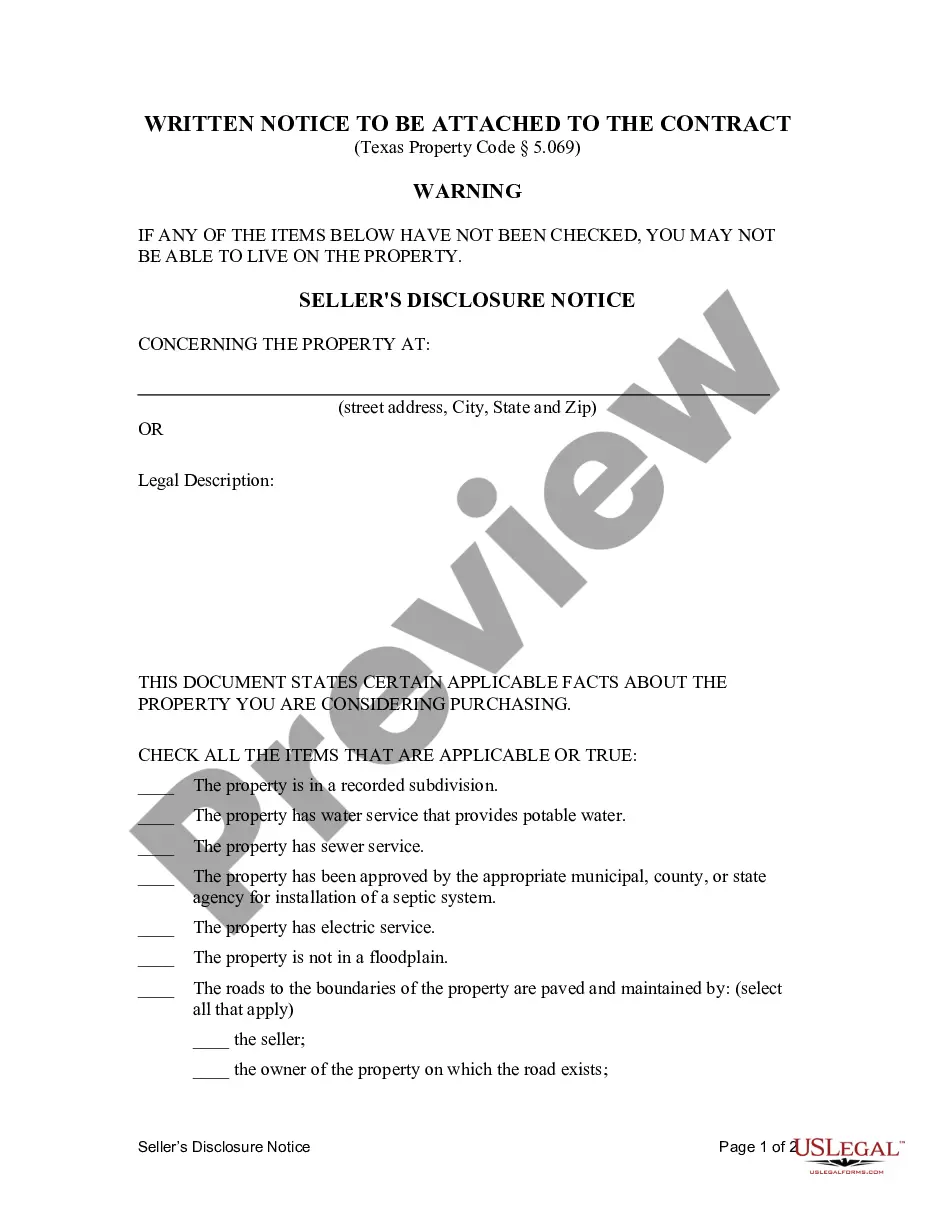
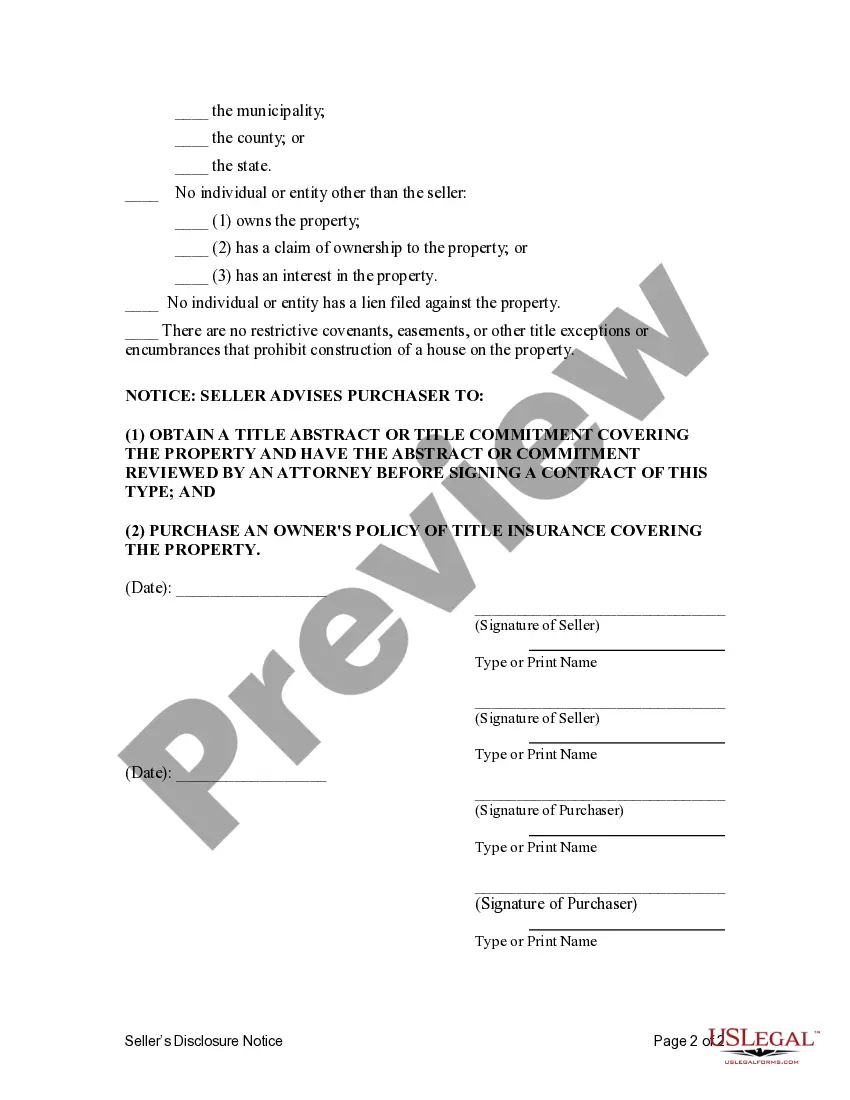
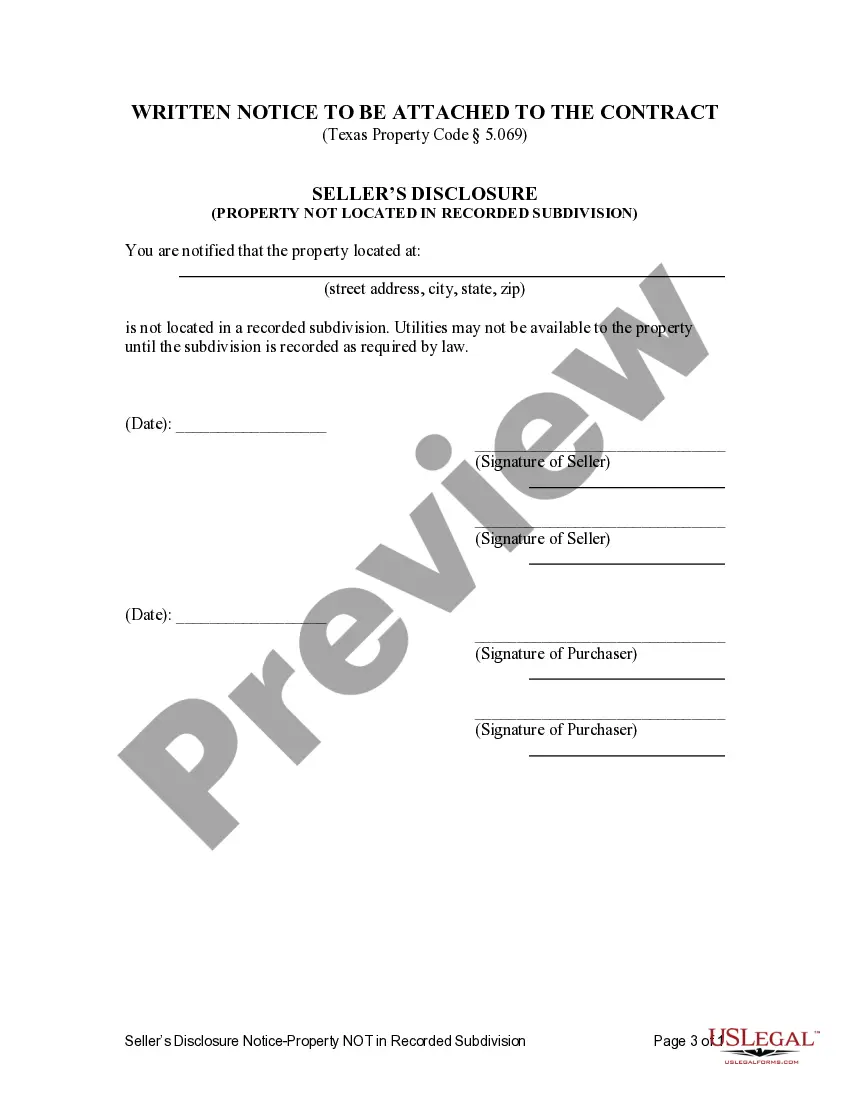
How to fill out Texas Contract For Deed Disclosure Of Property Condition - Residential - Land Contract, Executory Contract?
- Log in to your US Legal Forms account if you're a returning user. Ensure your subscription is active to start downloading forms.
- For new users, begin by checking the Preview mode and the description of your desired form. Verify it meets your specific needs and complies with local jurisdiction requirements.
- If you encounter any discrepancies, utilize the Search tab to find a more suitable template.
- Select the appropriate form, then click on the Buy Now button and choose a subscription plan that fits your needs.
- Complete your purchase by entering your payment details with a credit card or using PayPal.
- Download your chosen form, which can be saved to your device for easy access in the My Forms section of your profile.
With US Legal Forms, Executors can take advantage of a comprehensive resource that empowers them to execute legal documents with confidence and efficiency.
Start the process today and take control of your legal documentation by exploring the vast library of forms at US Legal Forms.
Form popularity
FAQ
Selecting the right executor is vital to ensuring your wishes are respected. The best person often has a good understanding of your financial situation, is trustworthy, and can handle potentially complex tasks. Consider choosing a family member or close friend, but also think about their ability to remain impartial during the process. You may also hire a professional, such as an attorney, if your estate is complicated.
As an executor, your first task is to gather and review important documents, such as the will and financial records. After you have the will, locate the estate's assets and debts to create an inventory. This preparation allows you to understand the estate’s obligations and make informed decisions moving forward. Utilize resources like US Legal Forms to ease your responsibilities and ensure compliance with legal requirements.
You should provide your executor with crucial details about your finances, assets, and debts. This includes information on bank accounts, property deeds, and any pending bills. Additionally, clarify your wishes regarding your estate and funeral plans. By leaving a well-organized document with this information, you empower your executor to manage your estate smoothly.
The first step for executors is to locate the will and verify its authenticity. Once you find the will, you may need to file it with the local probate court. This important action initiates the legal process and allows you to act officially as the executor. It’s crucial to stay organized at this stage to understand the estate’s assets and obligations.
Being an executor involves managing a deceased person's estate and making sure their wishes are carried out. Start by understanding your responsibilities, which include gathering assets, paying debts, and distributing property. You can simplify the process by using online resources like US Legal Forms, which provide templates and guidance on executing wills. This can make the task less daunting and help you fulfill your role effectively.
An executor is essentially the individual responsible for executing a deceased person's will. This means they are tasked with managing the estate, which includes settling debts and distributing assets. Executors serve as the key point of contact for beneficiaries and must act in the best interest of the estate.
The role of the executor is multifaceted, involving various tasks such as locating and valuing assets, paying debts, and ensuring that the estate is settled according to the laws of the state. Executors also communicate with beneficiaries, providing updates and addressing concerns. Their effectiveness directly influences how smoothly the estate administration process unfolds.
An executor is someone designated in a will to manage the estate of the deceased. This individual is responsible for making sure that the deceased's instructions are met regarding asset distribution. It's important that the person chosen is competent and capable of handling the estate's affairs.
In simple terms, an executor is the person appointed to carry out the wishes of someone who has passed away, as specified in their will. Executors manage the deceased's estate by ensuring that all tasks, such as paying debts and distributing assets, are completed correctly. Their role is pivotal in the process of estate administration.
The primary purpose of an executor is to manage a deceased person's estate according to the instructions in their will. This involves collecting assets, paying debts and taxes, and distributing remaining assets to beneficiaries. Executors play a critical role in ensuring that the estate is settled efficiently and in compliance with legal requirements.