Last Will And Testament Template For Pennsylvania
Description
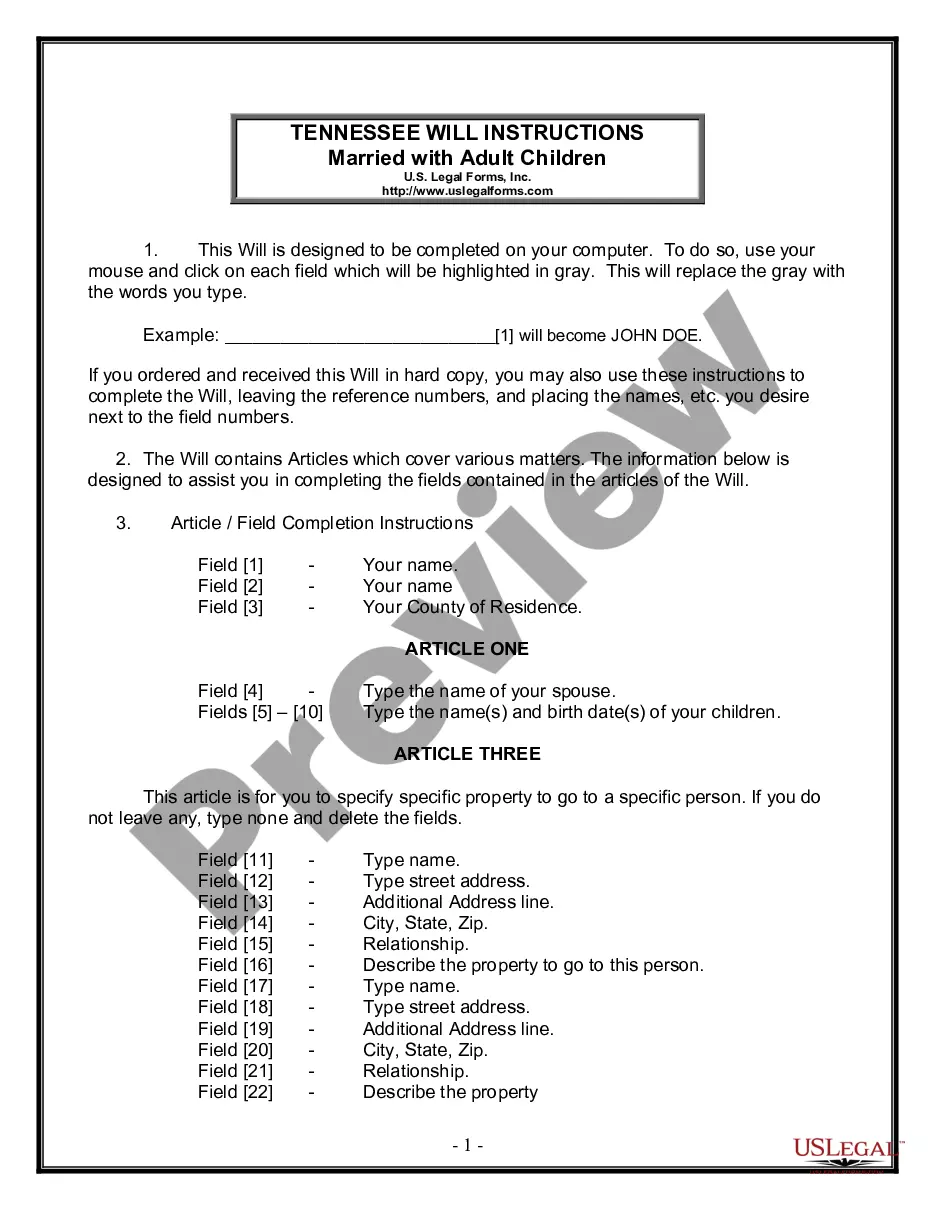
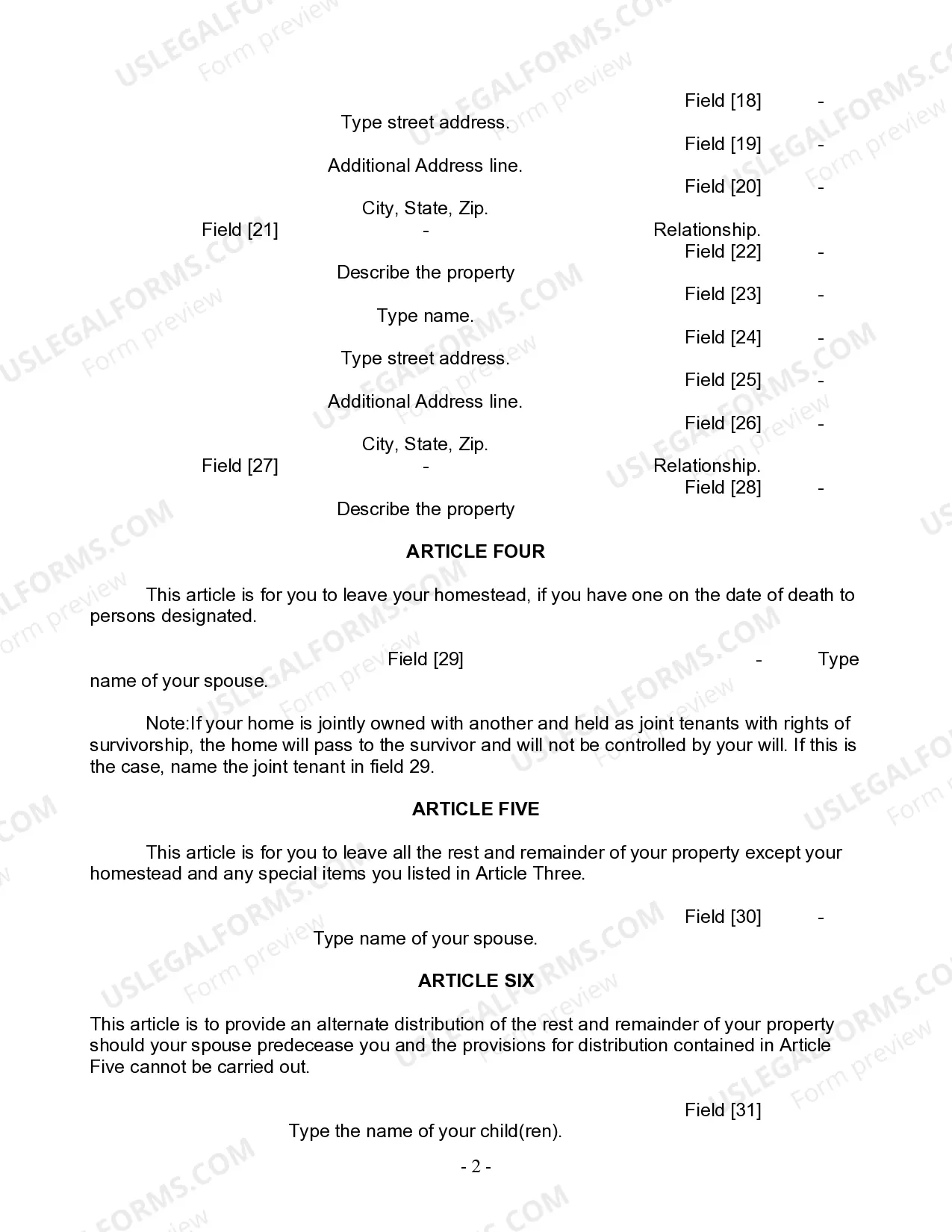
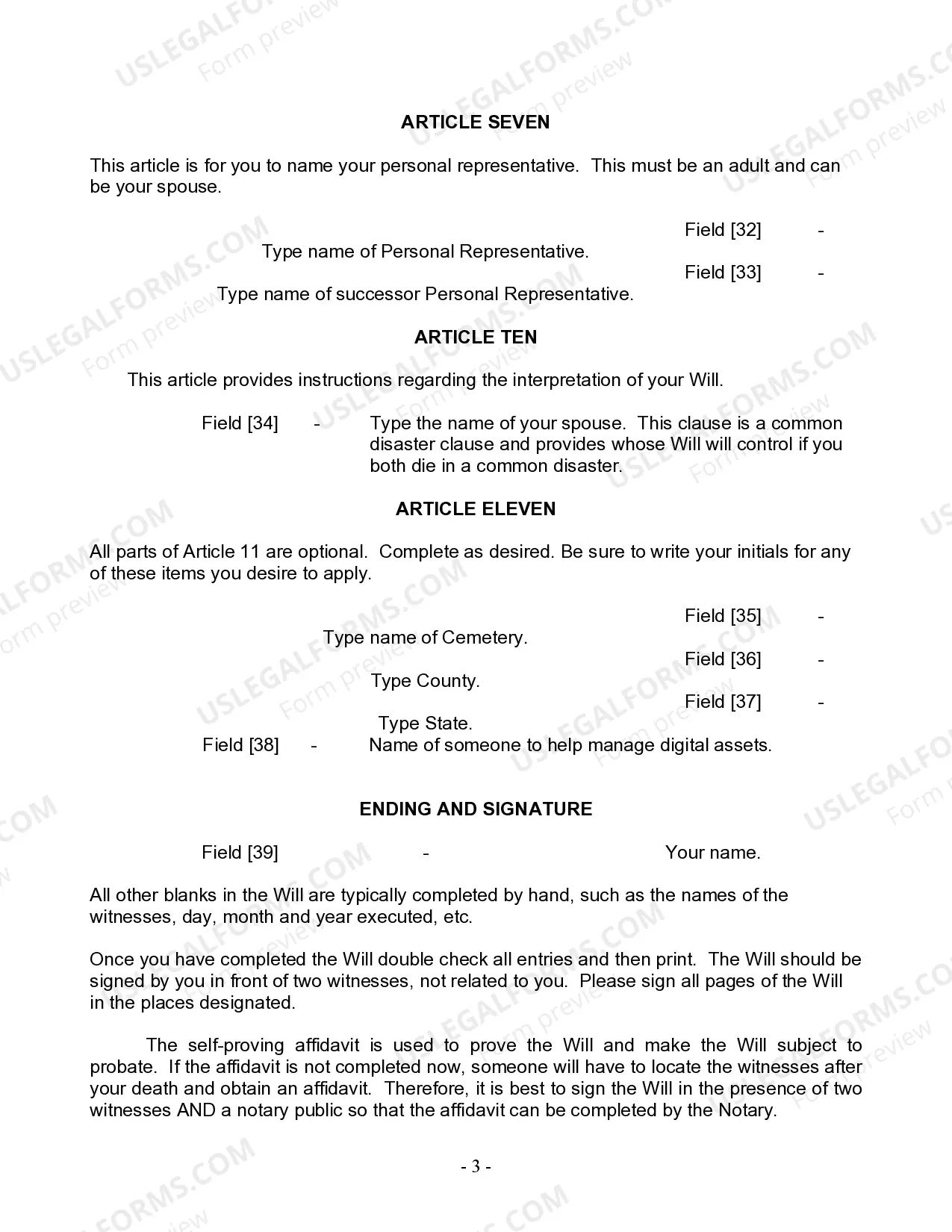

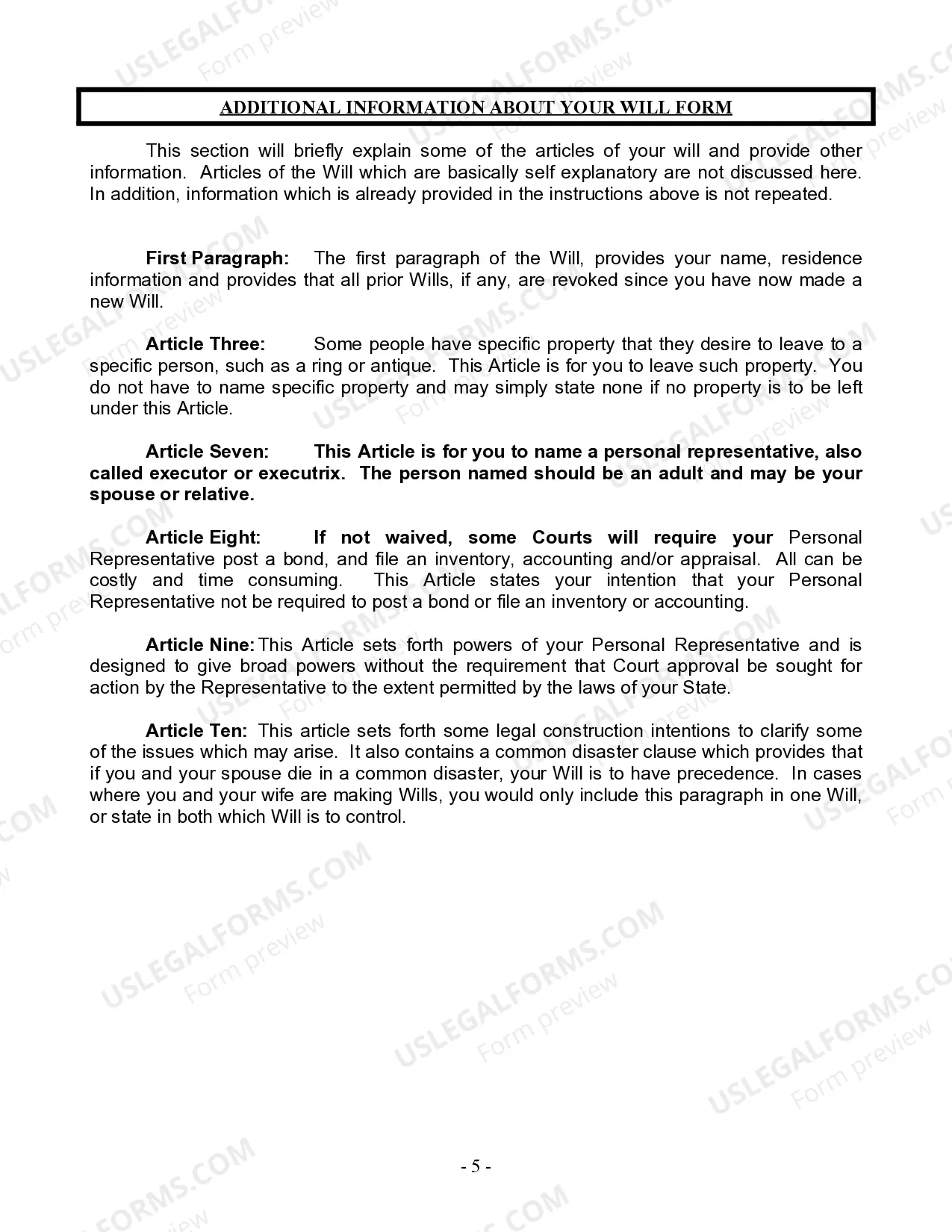
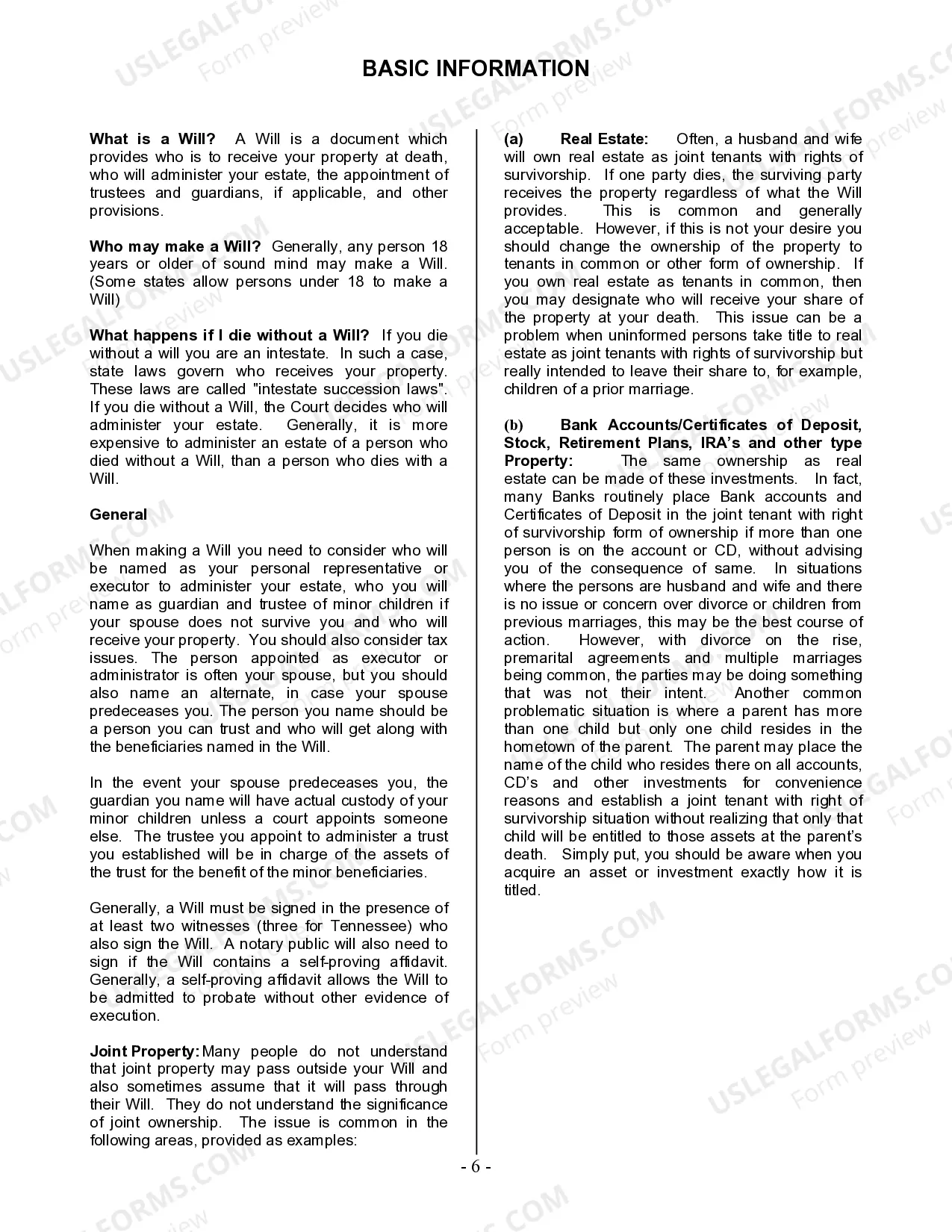
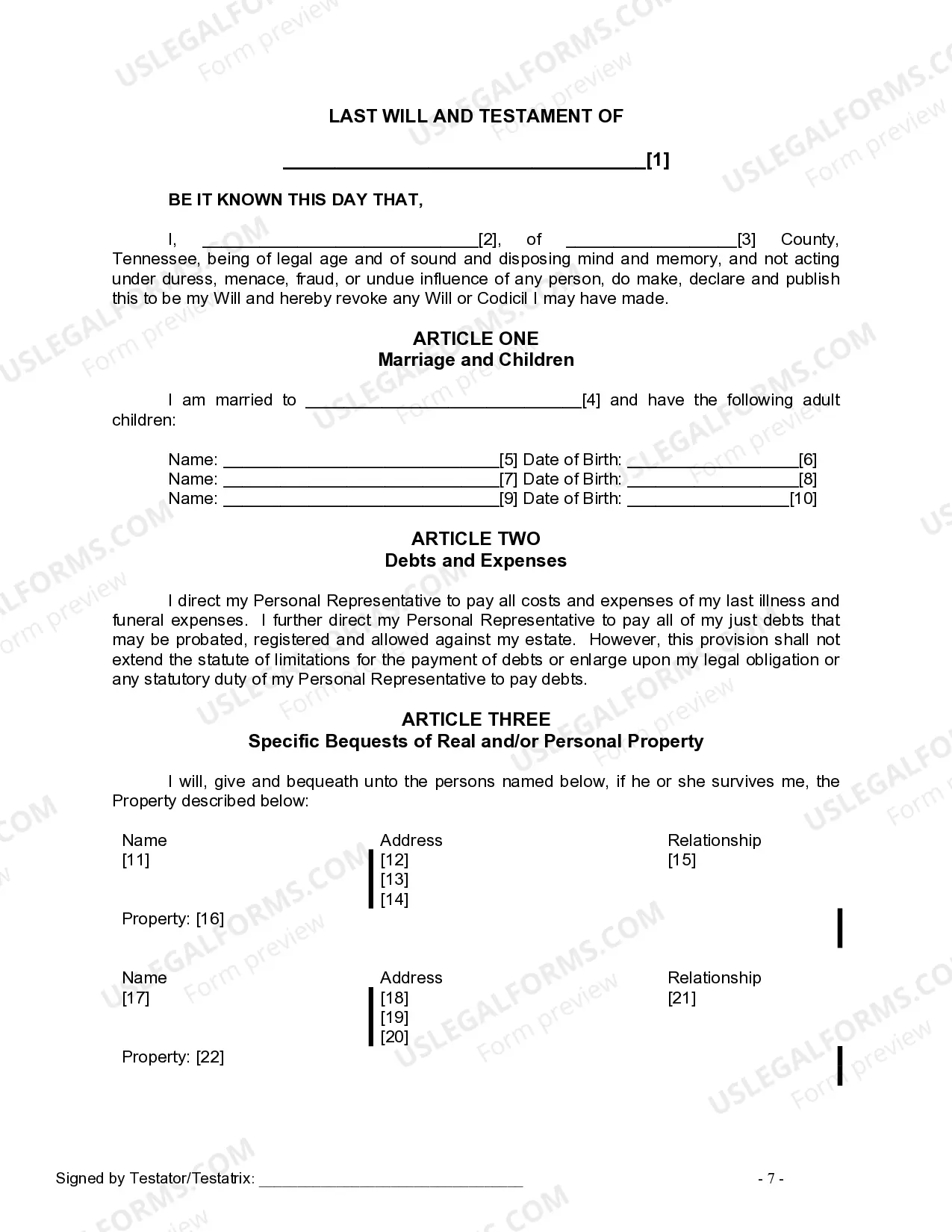
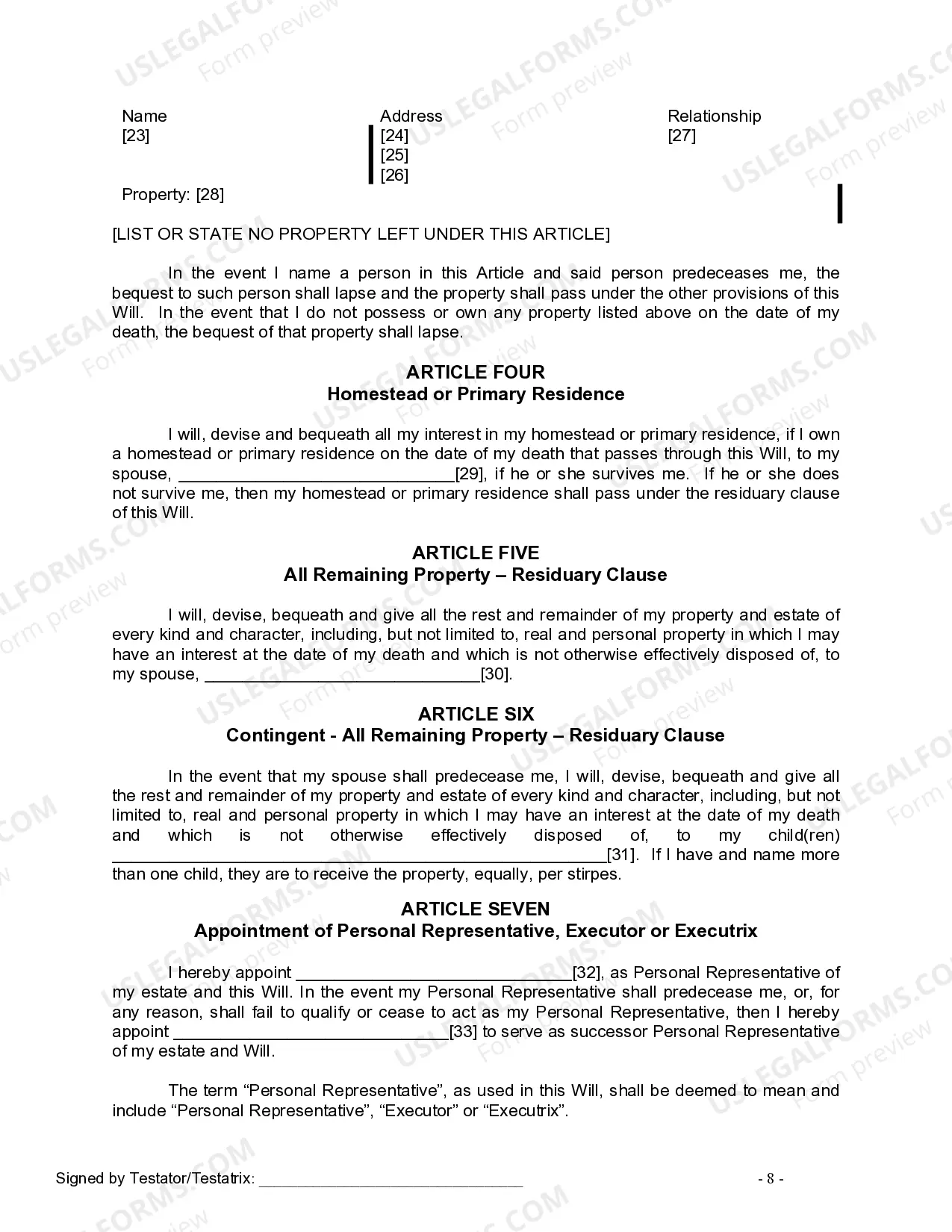





Get your form ready online
Our built-in tools help you complete, sign, share, and store your documents in one place.
Make edits, fill in missing information, and update formatting in US Legal Forms—just like you would in MS Word.
Download a copy, print it, send it by email, or mail it via USPS—whatever works best for your next step.
Sign and collect signatures with our SignNow integration. Send to multiple recipients, set reminders, and more. Go Premium to unlock E-Sign.
If this form requires notarization, complete it online through a secure video call—no need to meet a notary in person or wait for an appointment.
We protect your documents and personal data by following strict security and privacy standards.

Make edits, fill in missing information, and update formatting in US Legal Forms—just like you would in MS Word.

Download a copy, print it, send it by email, or mail it via USPS—whatever works best for your next step.

Sign and collect signatures with our SignNow integration. Send to multiple recipients, set reminders, and more. Go Premium to unlock E-Sign.

If this form requires notarization, complete it online through a secure video call—no need to meet a notary in person or wait for an appointment.

We protect your documents and personal data by following strict security and privacy standards.
Looking for another form?

How to fill out Tennessee Last Will And Testament For Married Person With Adult Children?
It’s clear that you cannot become a legal authority instantly, nor can you comprehend how to swiftly create a Last Will And Testament Template For Pennsylvania without a specialized foundation.
Drafting legal documents is a lengthy endeavor that necessitates specific education and expertise. Therefore, why not entrust the creation of the Last Will And Testament Template For Pennsylvania to professionals.
With US Legal Forms, one of the most comprehensive collections of legal documents available, you can access everything from court forms to templates for internal business communication. We understand how vital it is to comply with both federal and local statutes and regulations. That's why all documents on our platform are tailored to specific locations and are current.
You can access your documents again from the My documents tab at any point. If you are an existing customer, you can simply Log In and find and download the template from the same section.
Regardless of the aim of your paperwork—whether it’s financial and legal, or personal—our website has everything you need. Give US Legal Forms a try today!
- Find the document you need using the search bar at the top of the page.
- Preview it (if this option is available) and read the accompanying description to determine if Last Will And Testament Template For Pennsylvania is what you’re looking for.
- Restart your search if you require a different form.
- Create a free account and select a subscription plan to acquire the template.
- Click Buy now. Once the payment is completed, you can download the Last Will And Testament Template For Pennsylvania, fill it out, print it, and send it or mail it to the necessary individuals or organizations.
Form popularity
FAQ
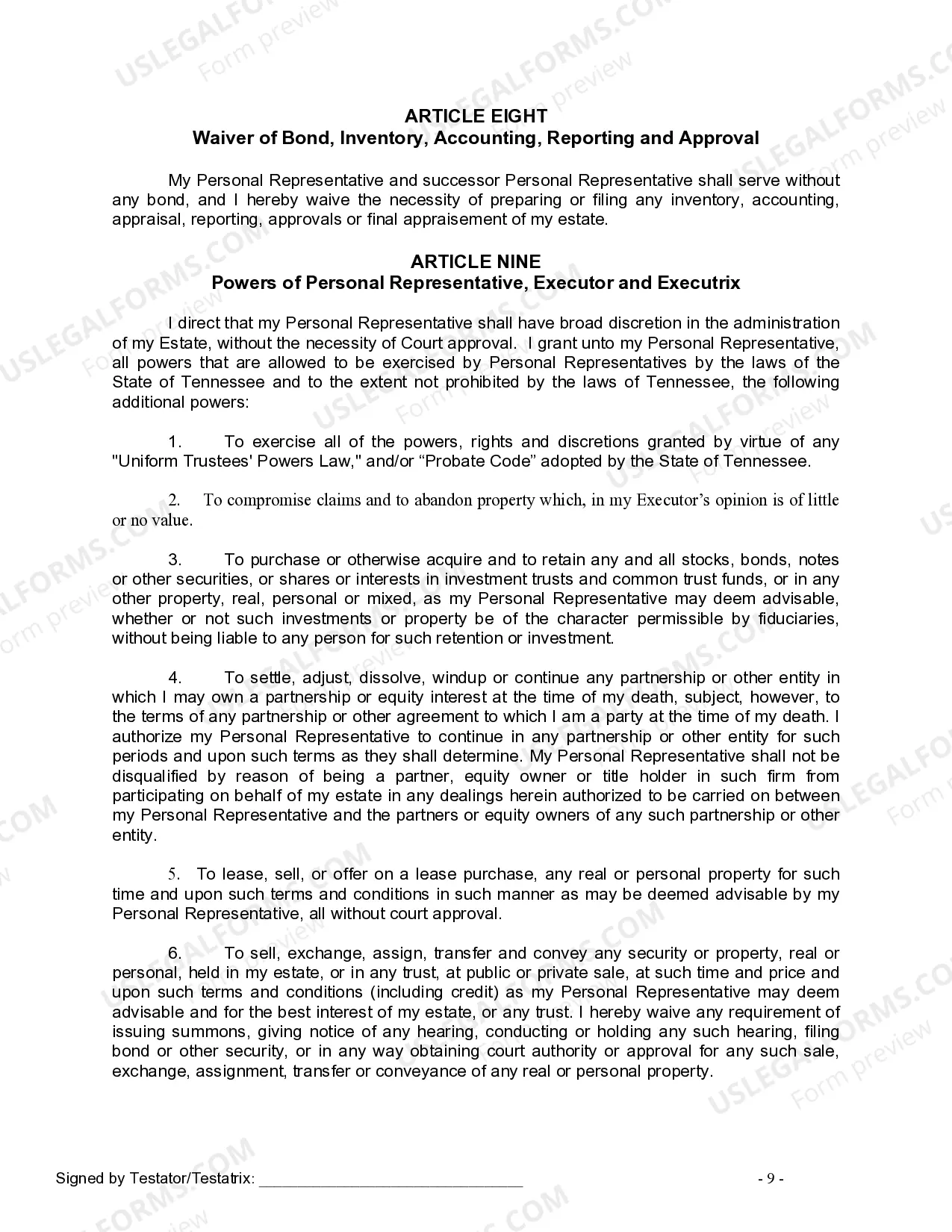
A will is considered self-proving in Pennsylvania if it includes a self-proving affidavit signed by the testator and witnesses in front of a notary public. This affidavit validates the signatures and can expedite the probate process. Incorporating a last will and testament template for Pennsylvania that includes this option can make your estate administration much smoother.
In your will, you may do the following: Name your executor, called a personal representative in Pennsylvania. Distribute your personal property and assets to your beneficiaries. Name guardians for your minor children. Provide care for your pets. Give money to charity.
If you are unable to receive a referral to a pro bono attorney to assist you in writing your will, you may be able to legally write one yourself. It is legal to handwrite a will in Pennsylvania. You should include two witness signatures in the written will, as well as your own signature and date.
Steps to Create a Will in Pennsylvania Decide what property to include in your will. Decide who will inherit your property. Choose an executor to handle your estate. Choose a guardian for your children. Choose someone to manage children's property. Make your will. Sign your will in front of witnesses.
Then you, as the testator (the will creator), and they as witnesses sign affidavits stating who you are and that you signed your will in the presence of witnesses. The process requires a notary who then notarizes your signatures. A self-proving will is readily admitted to probate as valid in Pennsylvania.
Writing a Valid Will in Pennsylvania Be 18 years or older and of sound mind. Create the will on paper. It can be typed or hand-written (aka a holographic will). ... Sign the will. However, there is no legal requirement for the will to be witnessed when signed to be considered valid.