Tennessee Driveway Laws With Speeding
Description
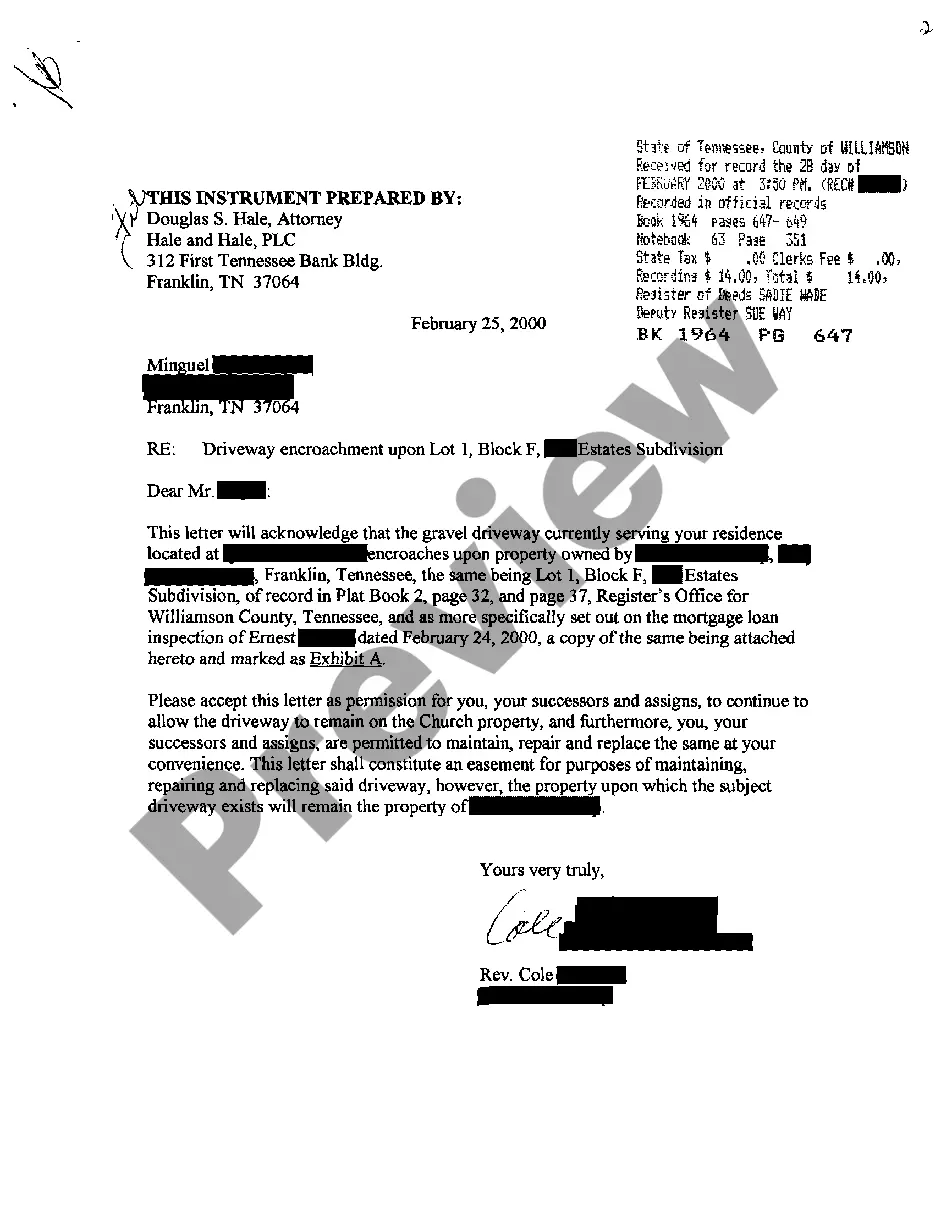
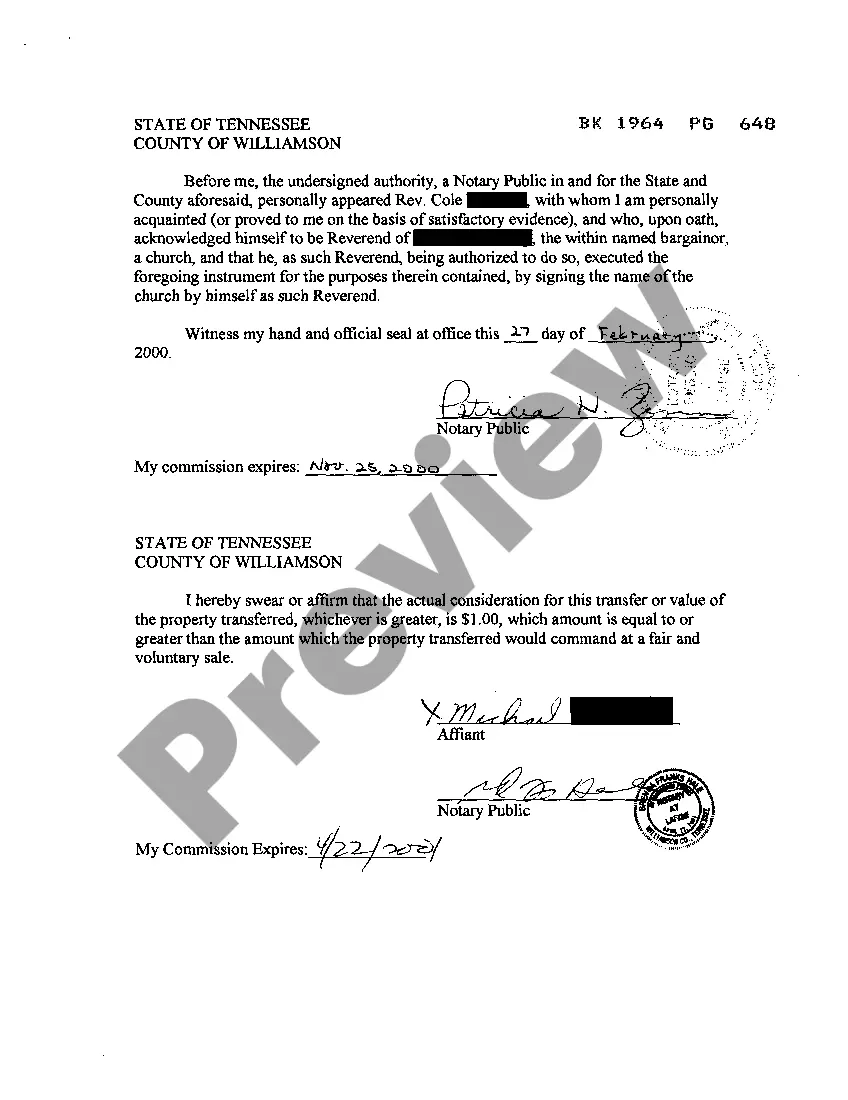
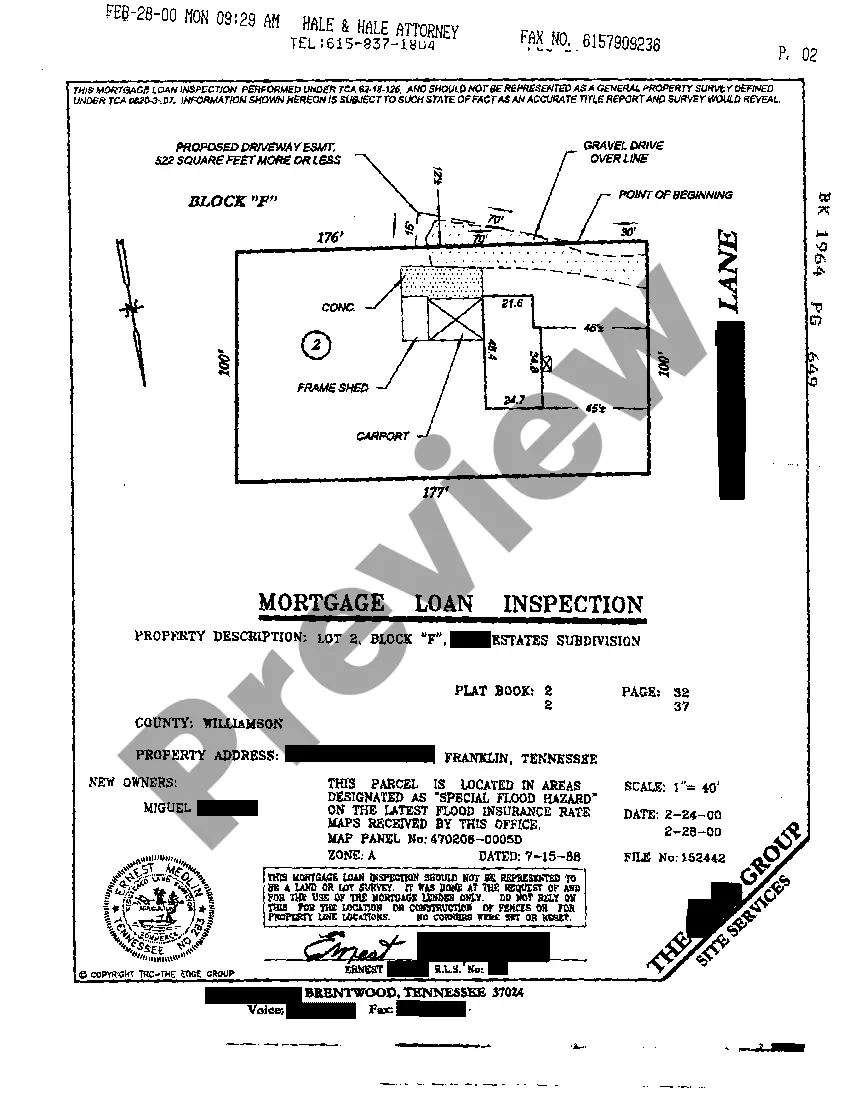
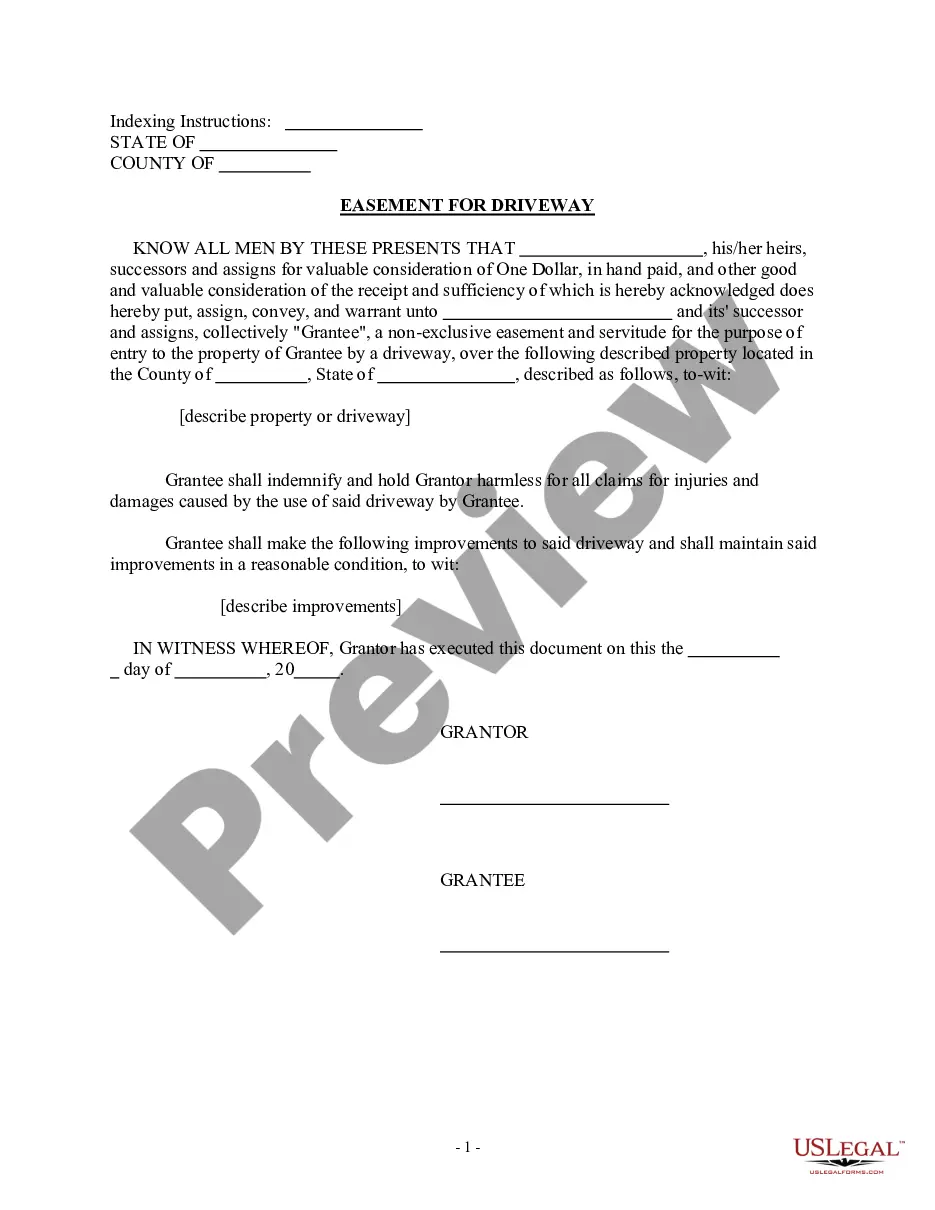
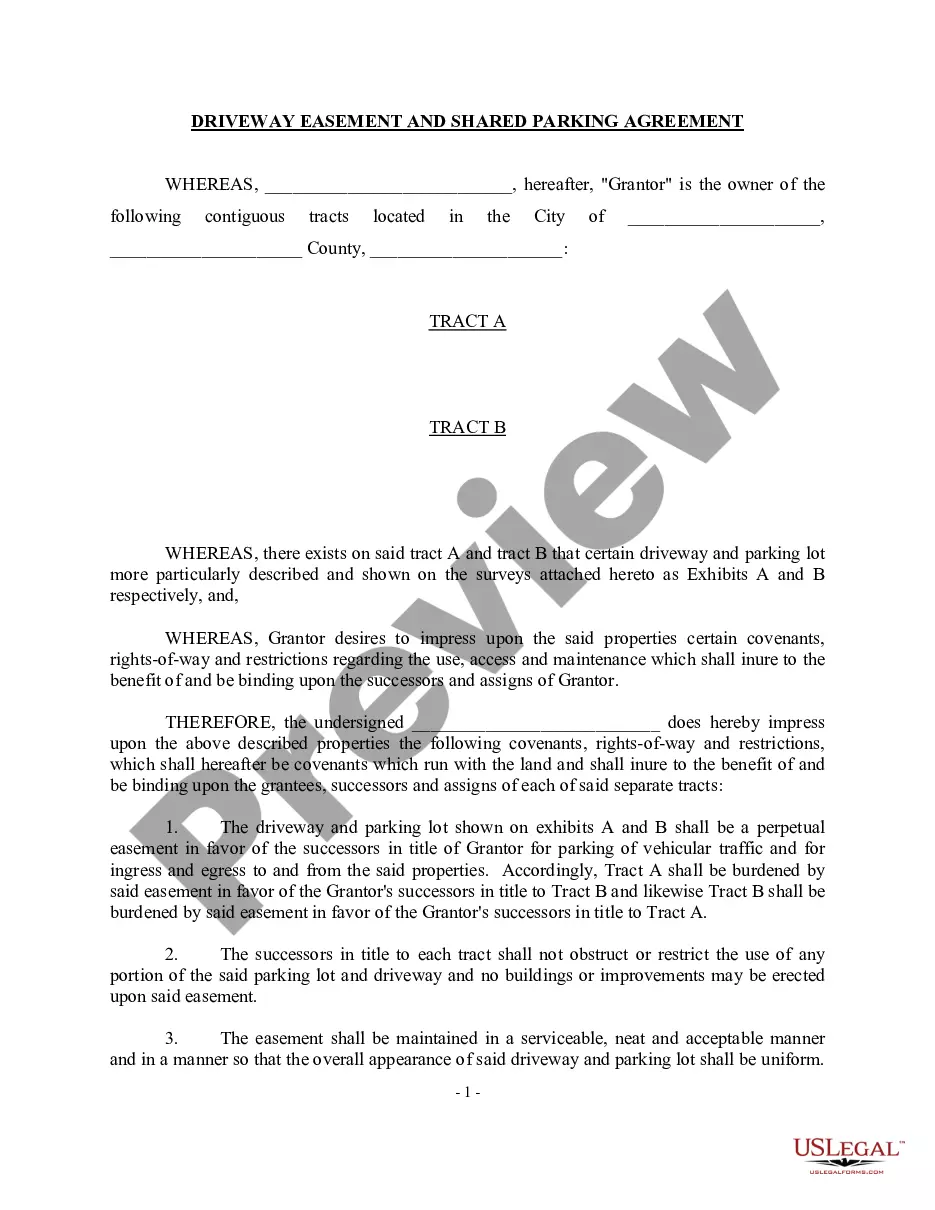








How to fill out Tennessee Driveway Easement?
It’s clear that you cannot transform into a legal authority in a single night, nor can you comprehend how to swiftly prepare Tennessee Driveway Regulations With Speeding without possessing a specialized skill set.
Drafting legal documents is a labor-intensive process necessitating particular education and abilities. Therefore, why not entrust the preparation of the Tennessee Driveway Regulations With Speeding to the experts.
With US Legal Forms, one of the most extensive legal document libraries, you can discover anything from court forms to templates for internal communications. We recognize the significance of compliance and observance of federal and local regulations. That’s why, on our platform, all templates are specific to locations and current.
You can regain access to your documents from the My documents section at any time. If you’re an existing client, you can simply Log In and locate and download the template from the same section.
Regardless of the aim of your documentation—whether it’s financial and legal or personal—our platform has all your needs covered. Experience US Legal Forms today!
- Find the form you require by utilizing the search bar at the top of the page.
- Preview it (if this option is available) and review the supporting description to determine whether Tennessee Driveway Regulations With Speeding is what you need.
- Restart your search if you seek a different form.
- Create a free account and select a subscription plan to acquire the form.
- Click Buy now. Once the payment is finalized, you can obtain the Tennessee Driveway Regulations With Speeding, fill it out, print it, and send it or mail it to the relevant individuals or organizations.
Form popularity
FAQ
Tennessee enforces speed limits strictly to promote road safety. Speed limits are set based on road conditions and traffic patterns, and exceeding them can result in serious consequences. By understanding Tennessee driveway laws with speeding, you can better comply with regulations and avoid penalties. Using resources like USLegalForms can help you stay updated on local laws and ensure you drive within legal limits.
In Tennessee, there is generally no official tolerance for speeding. Law enforcement holds drivers accountable for exceeding the speed limit, regardless of how much they exceed it. Familiarizing yourself with Tennessee driveway laws with speeding is essential, as it helps clarify the consequences of speeding. Remember, even small infractions can lead to fines and points on your driving record.
Tennessee takes speeding seriously, enforcing laws to ensure public safety. If you exceed the speed limit, you may face fines, points on your license, or even more severe penalties for repeat offenses. Understanding Tennessee driveway laws with speeding can help you navigate local regulations and avoid legal trouble. Staying informed about these laws ensures you drive responsibly.
In Tennessee, there is no legal allowance for exceeding the speed limit. It is crucial to adhere strictly to the posted speed limits, especially when navigating areas like driveways where visibility might be limited. Tennessee driveway laws with speeding emphasize safety, and exceeding the limit can lead to fines or penalties. Always drive within the law to ensure safety for everyone.
Driveway requirements in Tennessee may include proper permits, adherence to zoning laws, and compliance with safety regulations. You may need to ensure that your driveway has adequate drainage and is constructed with approved materials. Additionally, it is beneficial to check local building codes to confirm that your design meets all necessary standards. Leveraging the guidance of uslegalforms can simplify your understanding of Tennessee driveway laws with speeding.
When extending your driveway near the property line in Tennessee, it is crucial to adhere to local regulations. Most municipalities allow extensions within the setback limits, often requiring a minimum distance of five feet. Always verify with your local zoning office for specific details and requirements. Understanding the Tennessee driveway laws with speeding will help you avoid potential legal issues.
Setback requirements in Tennessee are determined by local zoning regulations and can vary significantly by area. Typically, residential properties may require a setback of ten to twenty feet from the front property line, but back and side setbacks may differ. Check with your local zoning office for exact requirements in your area to ensure that you meet all necessary standards. Familiarity with Tennessee driveway laws with speeding will aid in planning your driveway design.
The proximity of a driveway to your property line in Tennessee is usually dictated by local zoning laws. In many cases, a driveway must be at least five feet away from the property line, but this can vary depending on the jurisdiction. It is wise to consult your local regulations to ensure compliance. Adhering to Tennessee driveway laws with speeding is vital for a smooth installation process.
In Tennessee, the distance you can build from a property line typically depends on local zoning ordinances. Generally, most residential areas require a setback of at least five to ten feet. However, it is essential to check with your local planning department for specific regulations and any variations in your area. Understanding these Tennessee driveway laws with speeding can help avoid costly mistakes.