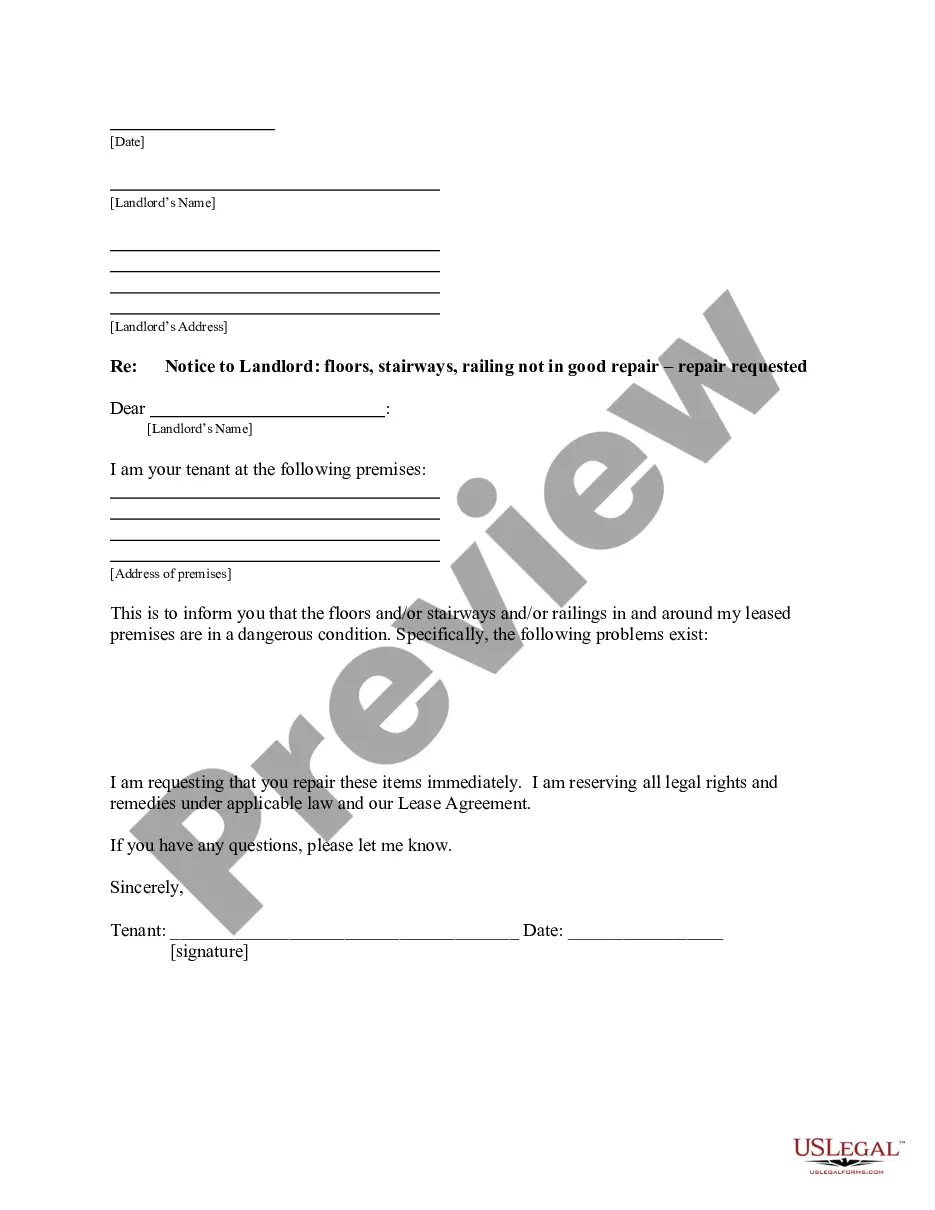
Tenant Landlord Floors With A Landlord
Description



Get your form ready online
Our built-in tools help you complete, sign, share, and store your documents in one place.
Make edits, fill in missing information, and update formatting in US Legal Forms—just like you would in MS Word.
Download a copy, print it, send it by email, or mail it via USPS—whatever works best for your next step.
Sign and collect signatures with our SignNow integration. Send to multiple recipients, set reminders, and more. Go Premium to unlock E-Sign.
If this form requires notarization, complete it online through a secure video call—no need to meet a notary in person or wait for an appointment.
We protect your documents and personal data by following strict security and privacy standards.

Make edits, fill in missing information, and update formatting in US Legal Forms—just like you would in MS Word.

Download a copy, print it, send it by email, or mail it via USPS—whatever works best for your next step.

Sign and collect signatures with our SignNow integration. Send to multiple recipients, set reminders, and more. Go Premium to unlock E-Sign.

If this form requires notarization, complete it online through a secure video call—no need to meet a notary in person or wait for an appointment.

We protect your documents and personal data by following strict security and privacy standards.
Looking for another form?
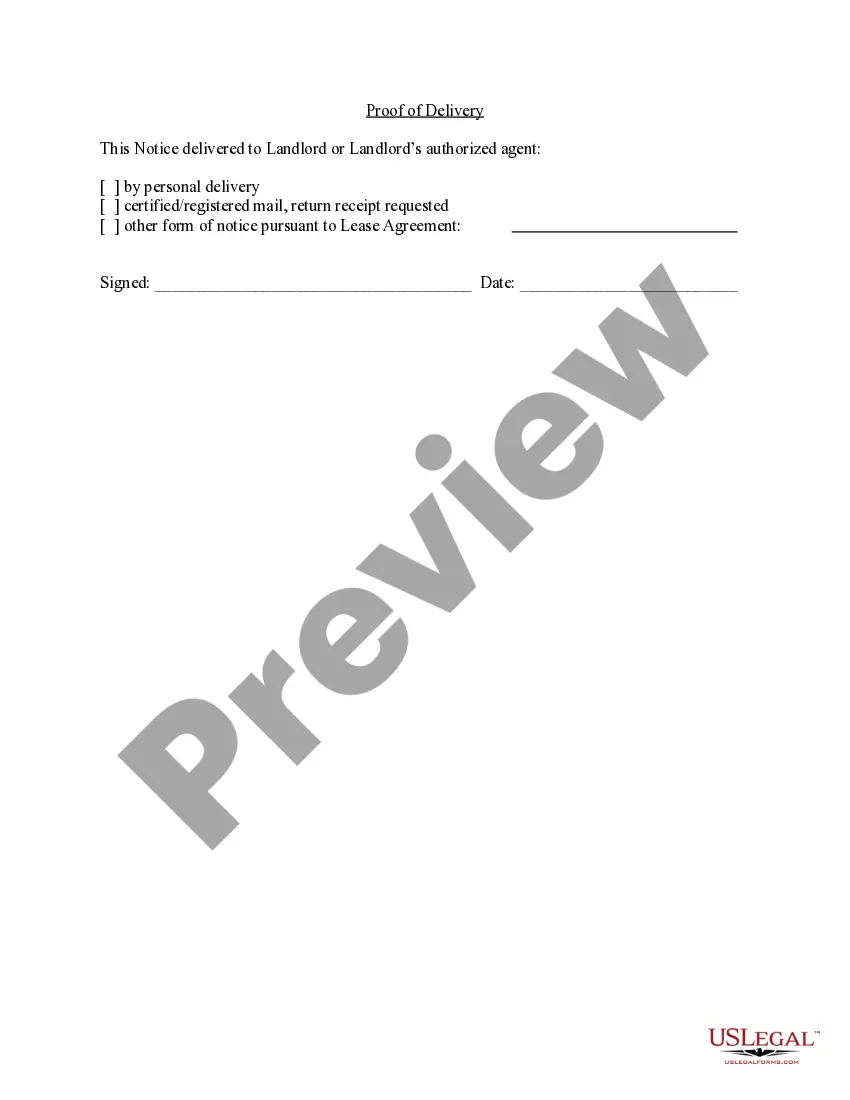
How to fill out Tennessee Letter From Tenant To Landlord With Demand That Landlord Repair Floors, Stairs Or Railings?
- If you're an existing user, log into your account and download the desired form template by clicking the Download button. Verify that your subscription is active; if it's expired, renew it based on your payment plan.
- For first-time users, begin by checking the Preview mode and form description to select the template that aligns with your local jurisdiction requirements and personal needs.
- If needed, explore additional templates. Use the Search tab to find the correct document if there's a mismatch with your requirements.
- Click on the Buy Now button and select your preferred subscription plan. Note that creating an account is necessary for accessing the complete library.
- Complete your purchase using your credit card or PayPal account to secure your subscription.
- Lastly, download your completed form. Save it to your device and access it anytime through the My Forms section in your profile.
US Legal Forms offers an extensive collection of over 85,000 legal documents, allowing users to build precise and legally compliant forms with ease. The platform also provides access to premium experts for assistance, ensuring documents are both comprehensive and tailored to individual situations.
Start your journey with US Legal Forms today for hassle-free legal documentation!
Form popularity
FAQ
Tenant area refers to the specific space a tenant occupies within a property, often described in lease agreements. This area can significantly influence rent calculations and overall living experience. Understanding the tenant area helps both landlords and tenants navigate their agreements effectively. Resources on tenant landlord floors with a landlord can provide insights into these considerations, ensuring clarity for all parties.
In general, landlords hold certain rights regarding property management, such as setting rental terms and enforcing lease agreements. However, tenants have rights too, including the right to a safe and habitable living environment. A balanced understanding of these rights fosters a healthier landlord-tenant relationship. Exploring tenant landlord floors with a landlord can clarify rights and responsibilities for both parties.
GLA, or Gross Leasable Area, pertains specifically to the portion of a building that can be leased to tenants, whereas GFA, or Gross Floor Area, includes all floors of a building, encompassing common areas. For landlords, understanding these distinctions is essential for aligning rent with usable space. This knowledge is beneficial when discussing tenant landlord floors with a landlord, as it influences financial arrangements.
Floor area typically includes all livable spaces that tenants can legally occupy. This encompasses rooms and spaces inside the rental unit, but it excludes walls, balconies, and utilities. Accurately measuring the floor area avoids disputes and helps establish fair rent. When discussing tenant landlord floors with a landlord, clarity about these definitions is crucial.
In Pennsylvania, landlords cannot evict tenants without proper notice or cause. They also cannot retaliate against tenants for exercising their rights, such as filing complaints about safety issues. Landlords must respect privacy and cannot enter leased spaces without permission. Understanding the rights surrounding tenant landlord floors with a landlord can help both parties ensure fair treatment.
The floor area of a residence is the total space measured within the walls of a building, typically calculated in square feet. This measurement includes all livable spaces and is essential for real estate transactions and lease agreements. Knowing the floor area helps both landlords and tenants gauge appropriate rental prices. Familiarizing yourself with tenant landlord floors with a landlord can aid in making informed agreements.
The tenant floor area refers to the space occupied by tenants in a rental property. This measurement is crucial for calculating rent and understanding lease agreements. It includes the areas tenants can access, such as living rooms, bedrooms, and bathrooms, but excludes walls and stairways. When negotiating terms, understanding tenant landlord floors with a landlord helps clarify spatial considerations.
Landlords usually need to replace floors based on wear and tear, but it generally varies from five to ten years. Factors affecting this include the quality of the materials, foot traffic, and maintenance practices. A proactive landlord should plan replacements before significant damage occurs, ensuring tenant safety and satisfaction. Explore resources on tenant landlord floors with a landlord to determine local guidelines.
Yes, landlords typically have floor plans for their properties, especially if they manage multiple units. These floor plans help landlords efficiently market their rental spaces and showcase the layout to potential tenants. If you are interested in a specific apartment, don't hesitate to ask your landlord for the floor plan to understand the layout better.
To find the floor plan of any apartment, start by checking the landlord's or property management's website for available documents. Many landlords provide floor plans as part of their online listings. If not available, you can ask the landlord directly, as they may have detailed information about the tenant landlord floors with a landlord.