Tenant Landlord Plumbing For Dummies
Description
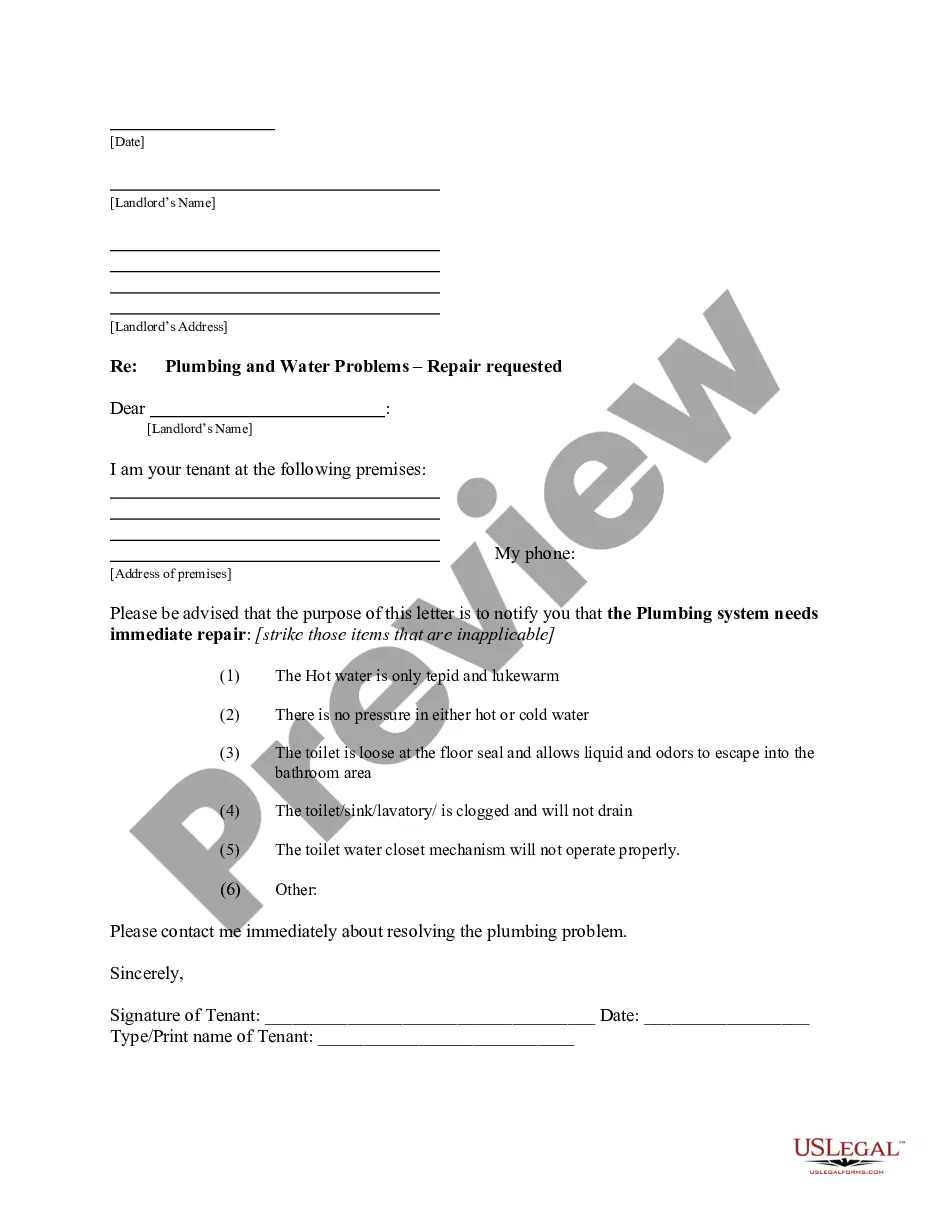
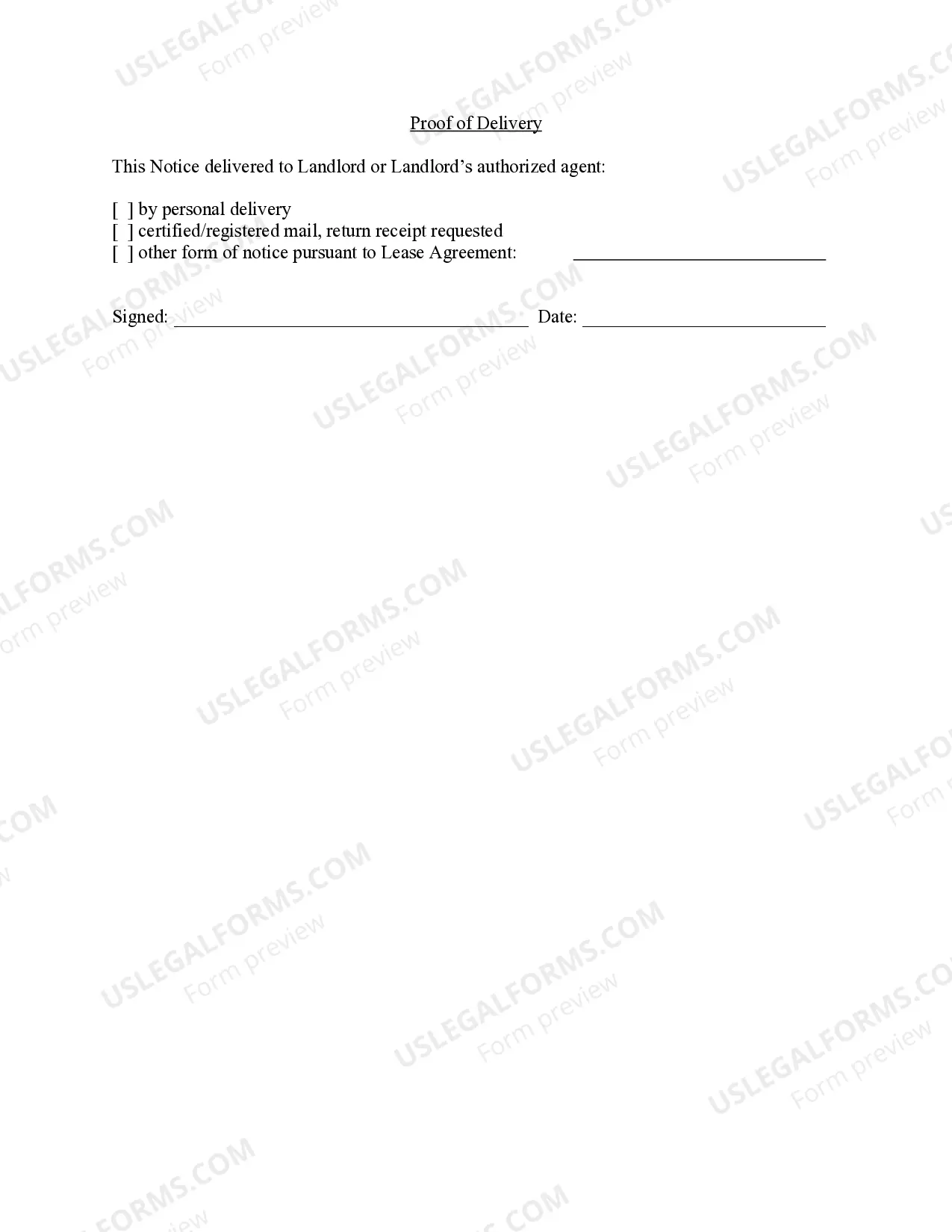


Get your form ready online
Our built-in tools help you complete, sign, share, and store your documents in one place.
Make edits, fill in missing information, and update formatting in US Legal Forms—just like you would in MS Word.
Download a copy, print it, send it by email, or mail it via USPS—whatever works best for your next step.
Sign and collect signatures with our SignNow integration. Send to multiple recipients, set reminders, and more. Go Premium to unlock E-Sign.
If this form requires notarization, complete it online through a secure video call—no need to meet a notary in person or wait for an appointment.
We protect your documents and personal data by following strict security and privacy standards.

Make edits, fill in missing information, and update formatting in US Legal Forms—just like you would in MS Word.

Download a copy, print it, send it by email, or mail it via USPS—whatever works best for your next step.

Sign and collect signatures with our SignNow integration. Send to multiple recipients, set reminders, and more. Go Premium to unlock E-Sign.

If this form requires notarization, complete it online through a secure video call—no need to meet a notary in person or wait for an appointment.

We protect your documents and personal data by following strict security and privacy standards.
Looking for another form?





How to fill out Tennessee Letter From Tenant To Landlord With Demand That Landlord Repair Plumbing Problem?
- Log in to your account at US Legal Forms if you’re a returning user, and ensure your subscription is active. If it’s expired, follow the prompts to renew based on your selected payment plan.
- For first-time users, begin by browsing the extensive library. Utilize the preview options and descriptions to find a form that meets your tenant-landlord plumbing needs and adheres to your local regulations.
- If you spot a discrepancy, make use of the search function to find other templates that may be more suitable before moving forward.
- Select your document by clicking on the Buy Now button and choose a subscription plan that fits your requirements. You will need to create an account for full library access.
- Complete your purchase using credit card information or PayPal. Make sure all information is correct to avoid issues.
- Finally, download the document. You can always revisit it in the 'My Forms' section of your account for future reference.
By following these steps, you can easily access all the legal forms you need for smooth tenant-landlord plumbing management.
Empower yourself today with US Legal Forms to ensure all your legal documentation is precise and hassle-free. Start your journey now!
Form popularity
FAQ
Generally, tenants are not responsible for significant plumbing issues that arise from age or misuse by previous occupants. However, they could be held accountable for problems they cause, like a clogged drain from improper disposal of items. To better understand these nuances between tenant and landlord responsibilities, consulting tenant landlord plumbing for dummies can provide clarity on who handles what in a rental agreement.
Tenants are usually responsible for minor maintenance tasks, such as keeping the plumbing system clean and reporting issues promptly. This includes taking care of clogs they may have caused or handling leaks that develop due to basic wear. Understanding these responsibilities can be enhanced by referring to tenant landlord plumbing for dummies, which helps tenants navigate their obligations effectively.
In most cases, the landlord is responsible for unclogging a toilet as part of their duty to ensure the property is livable. This includes dealing with any plumbing issues that arise from typical usage. Unless a tenant caused the blockage through improper practices, landlords should intervene and resolve these issues promptly. Resources like tenant landlord plumbing for dummies can guide both parties on their rights and duties.
Yes, in general, it is the landlord's responsibility to maintain plumbing systems, which includes unclogging toilets. If the clog is due to regular use, the landlord should take care of it. However, if tenants have caused the blockage through misuse, responsibility may shift back to them. Understanding tenant landlord plumbing for dummies can help clarify such responsibilities.
In New York, landlords are generally responsible for repairs that affect essential services like heat, water, and plumbing. This responsibility includes addressing any plumbing leaks, ensuring hot water availability, and maintaining the overall safety of the plumbing system. For a deeper understanding of these responsibilities, our guide on tenant landlord plumbing for dummies can provide you with valuable details. Understanding your rights helps tenants navigate the repair process with confidence.
In Kansas, tenants can report landlords to local housing authorities or health departments. These agencies can investigate claims related to unsanitary conditions or failures to make necessary repairs. For further guidance, the tenant landlord plumbing for dummies resource offers steps on how to effectively report violations. Knowing your rights will empower you to take appropriate action.
Tenants are generally responsible for plumbing issues that arise from their misuse or neglect. However, landlords typically must maintain the plumbing system to ensure it is functional and safe. If you’re unsure about responsibilities, our material on tenant landlord plumbing for dummies provides insights into common scenarios. Understanding your role can simplify communication between tenants and landlords when plumbing problems occur.
Suing a tenant for damages can be worth it if the damages significantly exceed the security deposit. It's essential to gather solid evidence of the damages and any repair costs incurred. Our resource on tenant landlord plumbing for dummies outlines the necessary steps for both landlords and tenants in such situations. Consider exploring this guide to inform your decision effectively.
Yes, you can sue your landlord for bad water if it violates local health or safety codes. Bad water conditions can pose serious health risks, making it crucial to document any plumbing issues. For those unfamiliar with tenant and landlord laws, our guide on tenant landlord plumbing for dummies can help you understand your rights and obligations. Consulting with a legal expert can also provide clarity on the best course of action.
Typically, the landlord is responsible for maintaining and repairing plumbing issues unless otherwise stated in the lease agreement. As a tenant, you must keep the plumbing fixtures clean and report any problems promptly. If a plumbing issue arises, understanding the basics of tenant landlord plumbing for dummies can guide you in addressing the situation with your landlord. Always refer to your lease and local regulations for clarity.