Renunciation Property Intestate With Us Citizenship
Description
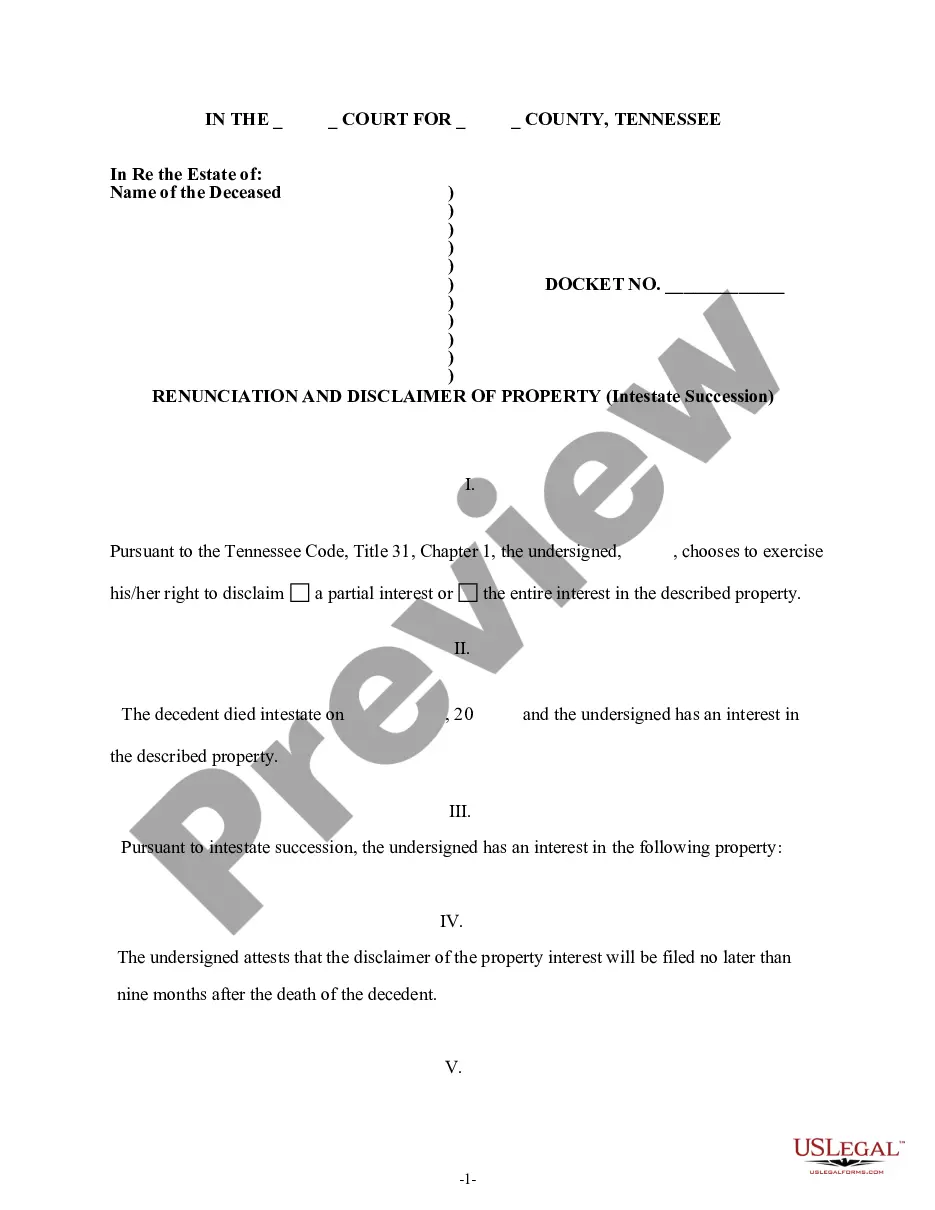


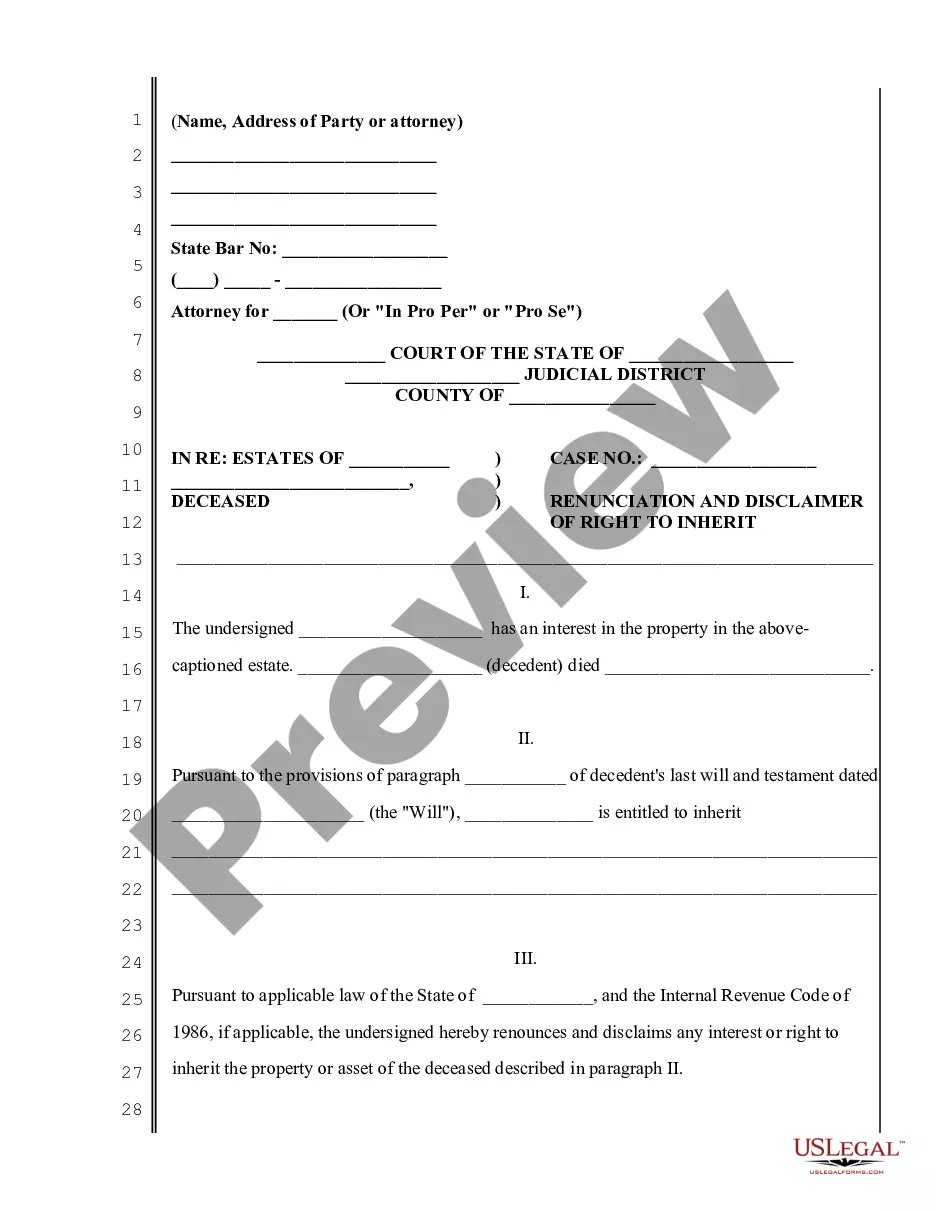
Get your form ready online
Our built-in tools help you complete, sign, share, and store your documents in one place.
Make edits, fill in missing information, and update formatting in US Legal Forms—just like you would in MS Word.
Download a copy, print it, send it by email, or mail it via USPS—whatever works best for your next step.
Sign and collect signatures with our SignNow integration. Send to multiple recipients, set reminders, and more. Go Premium to unlock E-Sign.
If this form requires notarization, complete it online through a secure video call—no need to meet a notary in person or wait for an appointment.
We protect your documents and personal data by following strict security and privacy standards.

Make edits, fill in missing information, and update formatting in US Legal Forms—just like you would in MS Word.

Download a copy, print it, send it by email, or mail it via USPS—whatever works best for your next step.

Sign and collect signatures with our SignNow integration. Send to multiple recipients, set reminders, and more. Go Premium to unlock E-Sign.

If this form requires notarization, complete it online through a secure video call—no need to meet a notary in person or wait for an appointment.

We protect your documents and personal data by following strict security and privacy standards.
Looking for another form?

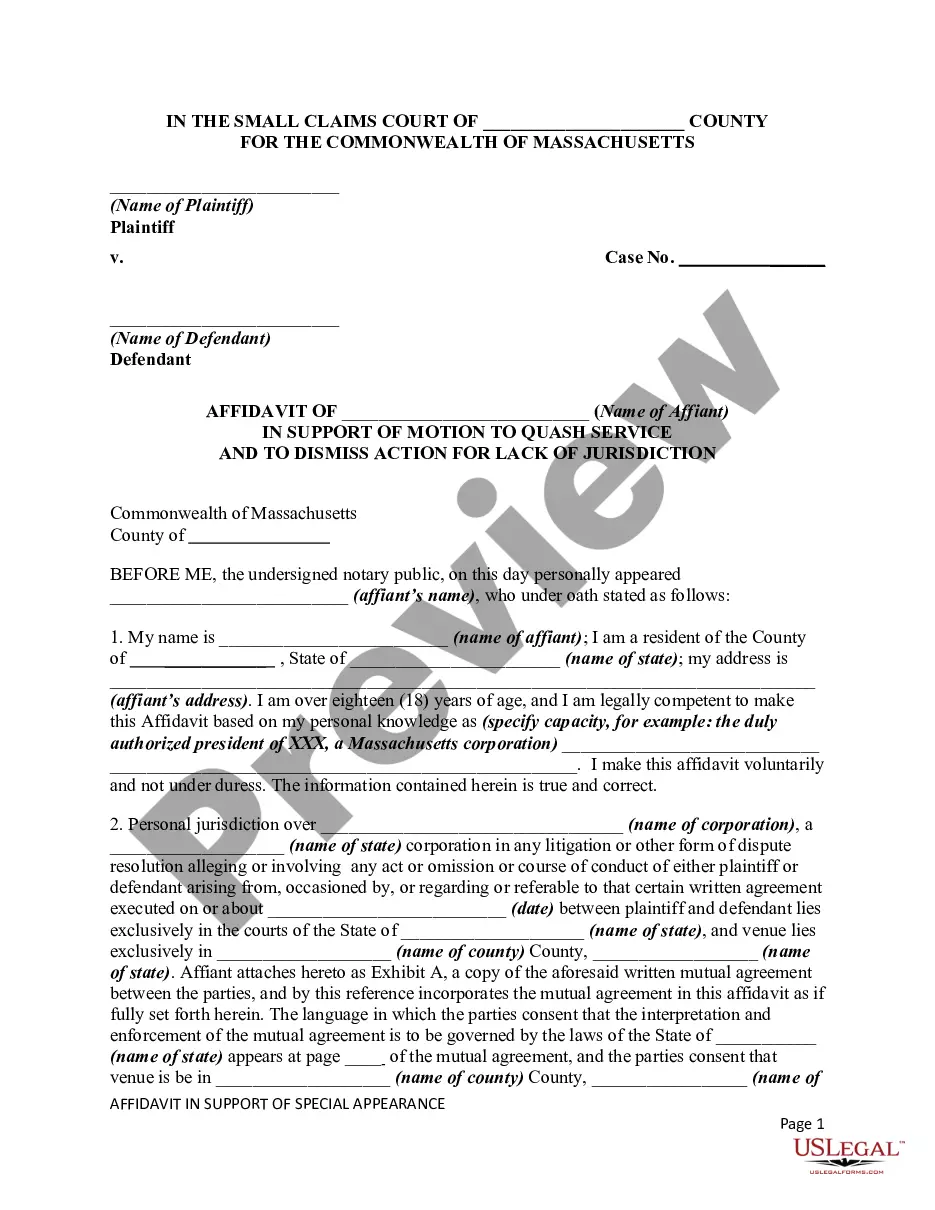

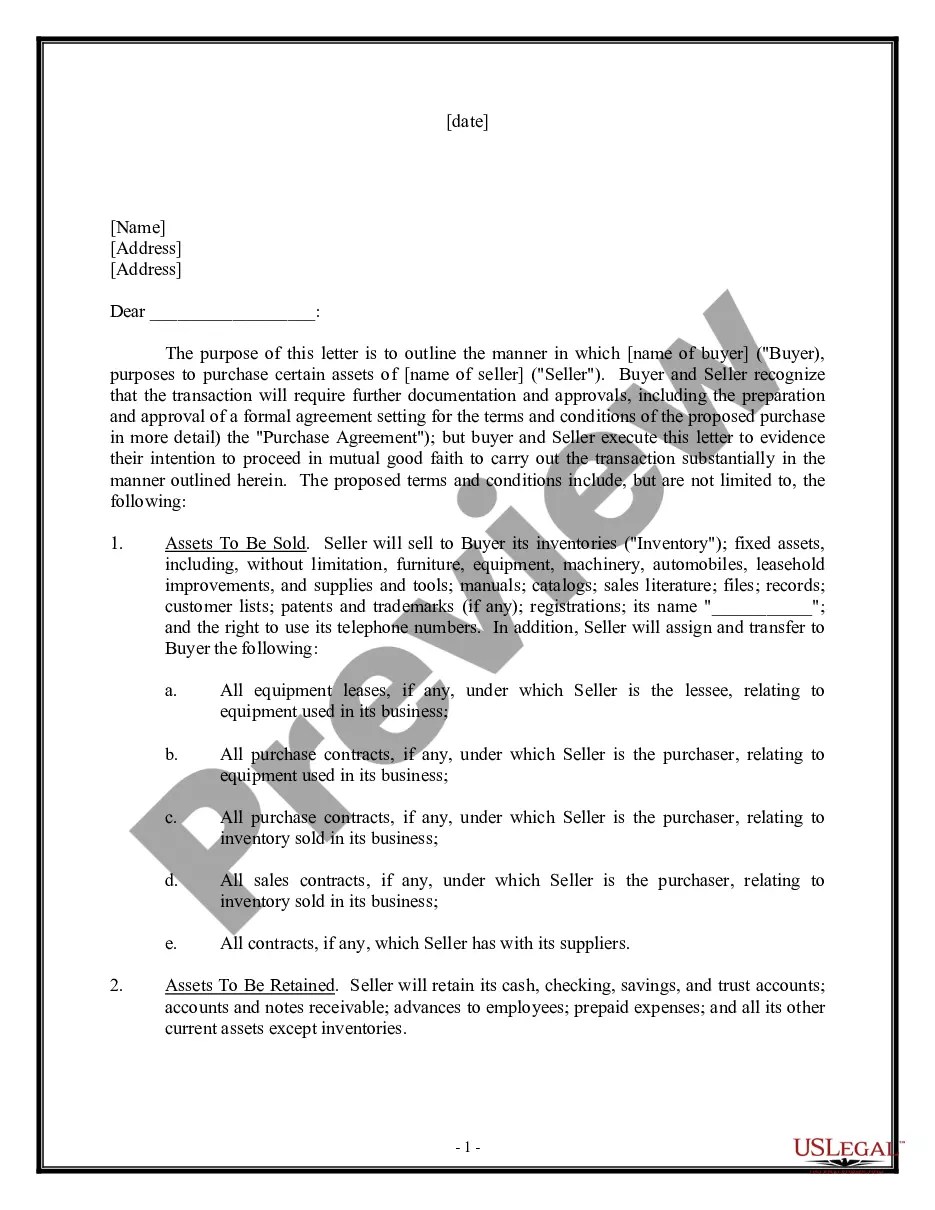
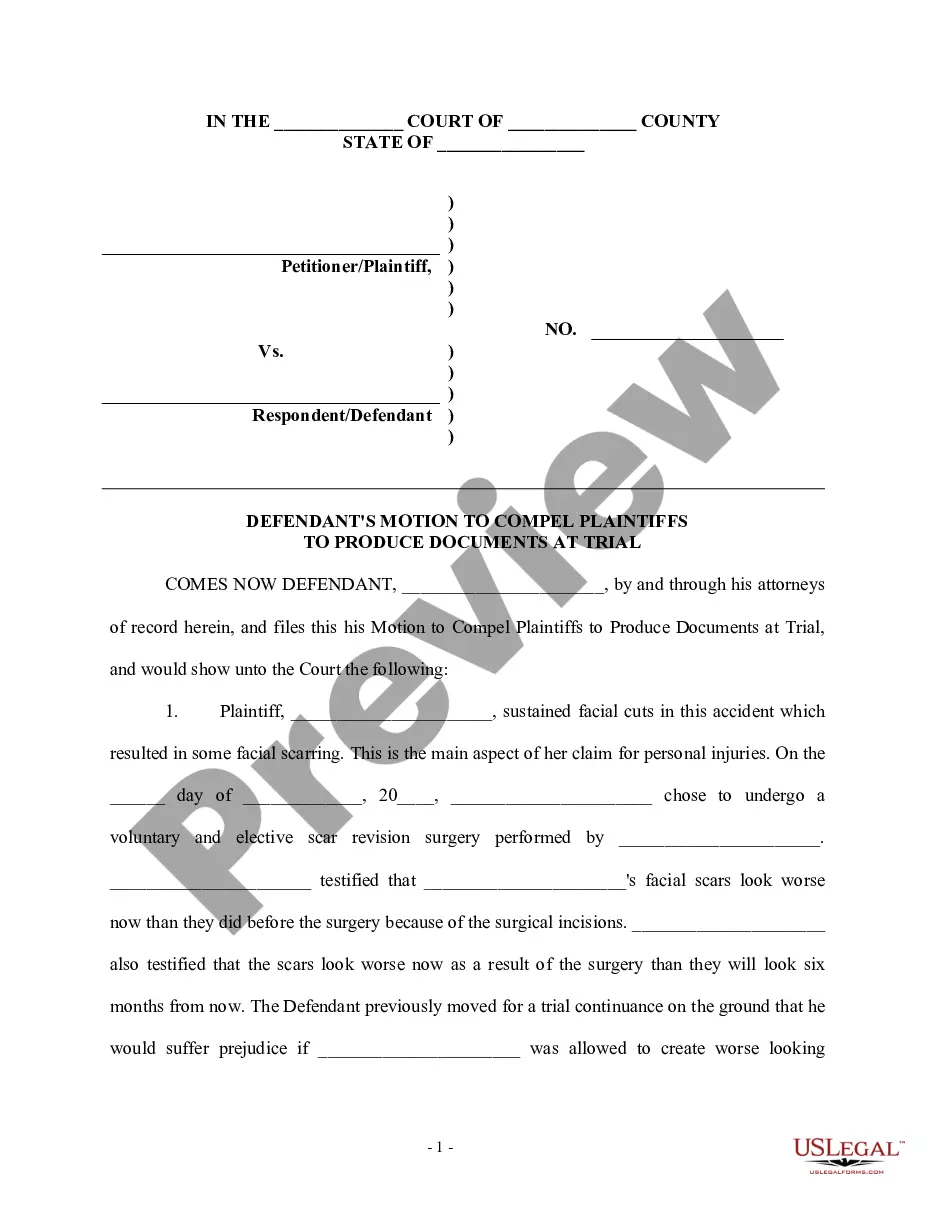



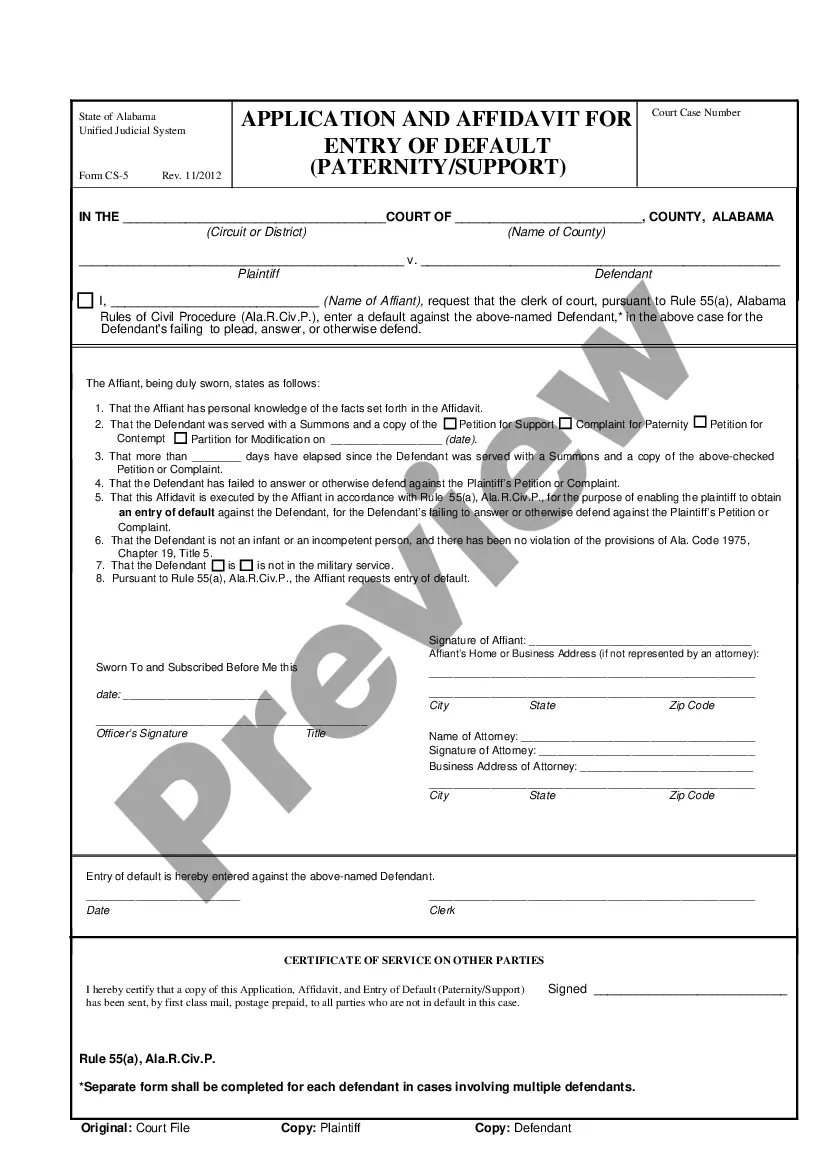
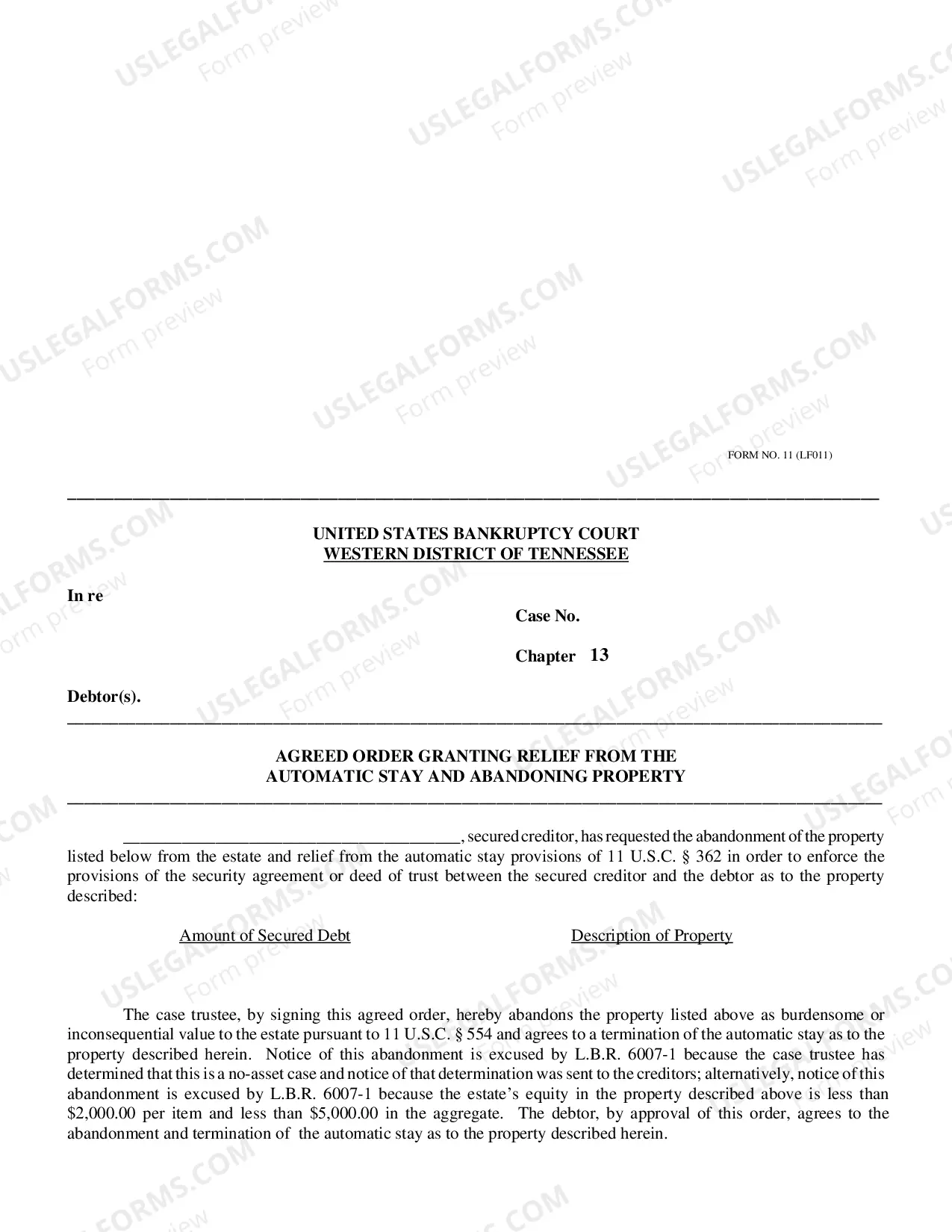
How to fill out Tennessee Renunciation And Disclaimer Of Property Received By Intestate Succession?
- If you’re a returning user, simply log in to your account and select the document you need by clicking the Download button. Ensure your subscription is active; if not, renew based on your payment plan.
- For first-time users, start by reviewing the Preview mode and form description to select the correct document that aligns with your local requirements.
- Should you find inconsistencies, use the Search feature to locate the appropriate template that fulfills your needs.
- Once your document is identified, click the Buy Now button to choose your desired subscription plan; creating an account is necessary for accessing extensive resources.
- Proceed to complete your purchase by entering payment details via credit card or PayPal.
- Finally, download your completed form and save it on your device. You can revisit it anytime through the My Forms menu on your profile.
Utilizing US Legal Forms not only streamlines your documentation process but also provides access to over 85,000 editable legal forms, empowering you to execute your legal tasks efficiently.
Don't navigate legal complexities alone; explore our extensive library at US Legal Forms today and take control of your legal documentation needs.
Form popularity
FAQ
Renouncing your U.S. citizenship can be streamlined into two primary steps. First, schedule an appointment with a U.S. embassy or consulate to initiate the process by completing the required forms. Second, attend the appointment for an interview where you will formally declare your intention. This process directly affects aspects such as renunciation property intestate with U.S. citizenship, so consider using US Legal Forms for expert guidance and to simplify the documentation needed for a successful renunciation.
To renounce U.S. citizenship, you must visit a U.S. embassy or consulate, where you will complete necessary paperwork detailing your intent. It’s vital to prepare for an interview, where consular officials will discuss the implications of renouncing citizenship. Additionally, ensure you address any tax obligations and understand how renunciation affects your property, particularly in the context of renunciation property intestate with U.S. citizenship. Using the US Legal Forms platform can provide the essential documents and guidance you need throughout this process.
The renunciation process involves several steps that require careful attention. Initially, you must schedule an appointment at a U.S. embassy or consulate, where you will submit your request officially. After that, you may need to address tax implications and the potential impact on your property status, especially if it concerns renunciation property intestate with U.S. citizenship. Using a service like US Legal Forms can ensure you navigate this process smoothly.
You may indeed receive social security benefits even after renouncing U.S. citizenship. Typically, benefits accrued from your work history continue, but there are exceptions based on residency and tax obligations. Evaluating your situation is vital, particularly with regard to renunciation property intestate with U.S. citizenship. Utilizing resources from platforms like US Legal Forms can provide necessary guidance.
Renouncing your U.S. citizenship can lead to unintended consequences. You may face challenges in traveling back to the U.S., as your rights as a citizen are forfeited. Additionally, the renunciation process involves legal complexities that might affect your property and financial standing. Therefore, carefully consider how renunciation property intestate with U.S. citizenship impacts your long-term plans.
There are several negatives associated with renouncing U.S. citizenship, including the end of your rights as a U.S. citizen and potential challenges in re-entering the country. You may also face complex tax liabilities on your worldwide income, particularly concerning renunciation property intestate with U.S. citizenship. Additionally, understanding the emotional and social ramifications of this decision can be crucial, so consider seeking expert advice.
Renouncing U.S. citizenship results in the loss of various rights and privileges, including the right to vote in U.S. elections and access to certain government services. Furthermore, you may face restrictions on travel and potential taxation issues relating to renunciation property intestate with U.S. citizenship. It's important to be fully aware of the consequences to make an informed choice.
People may decide to give up their U.S. citizenship for various reasons, including personal, legal, or financial considerations. For example, expatriates may find the tax obligations too burdensome, or they may wish to embrace the citizenship of another country fully. Additionally, renunciation property intestate with U.S. citizenship can simplify estate management for those living abroad. Understanding these motivations can help clarify the decision's implications.
Renouncing US citizenship involves formally declaring the intention to give it up, usually through a legal process, while relinquishing typically occurs when a person voluntarily acts in a way that demonstrates their intent to give up their citizenship. Both processes can create issues related to the renunciation property intestate with US citizenship, which can affect how your assets are treated in the event of death. It's important to understand these distinctions to make informed decisions about your legal status.
Generally, once you renounce US citizenship, it is a permanent action that cannot be easily reversed. Reapplying for citizenship can be a lengthy and complicated process, especially if you have been living outside the country. If you face intestate issues related to property, the nuances of renunciation property intestate with US citizenship can add more complexity to recovery efforts. Always consult legal experts before proceeding with renunciation.