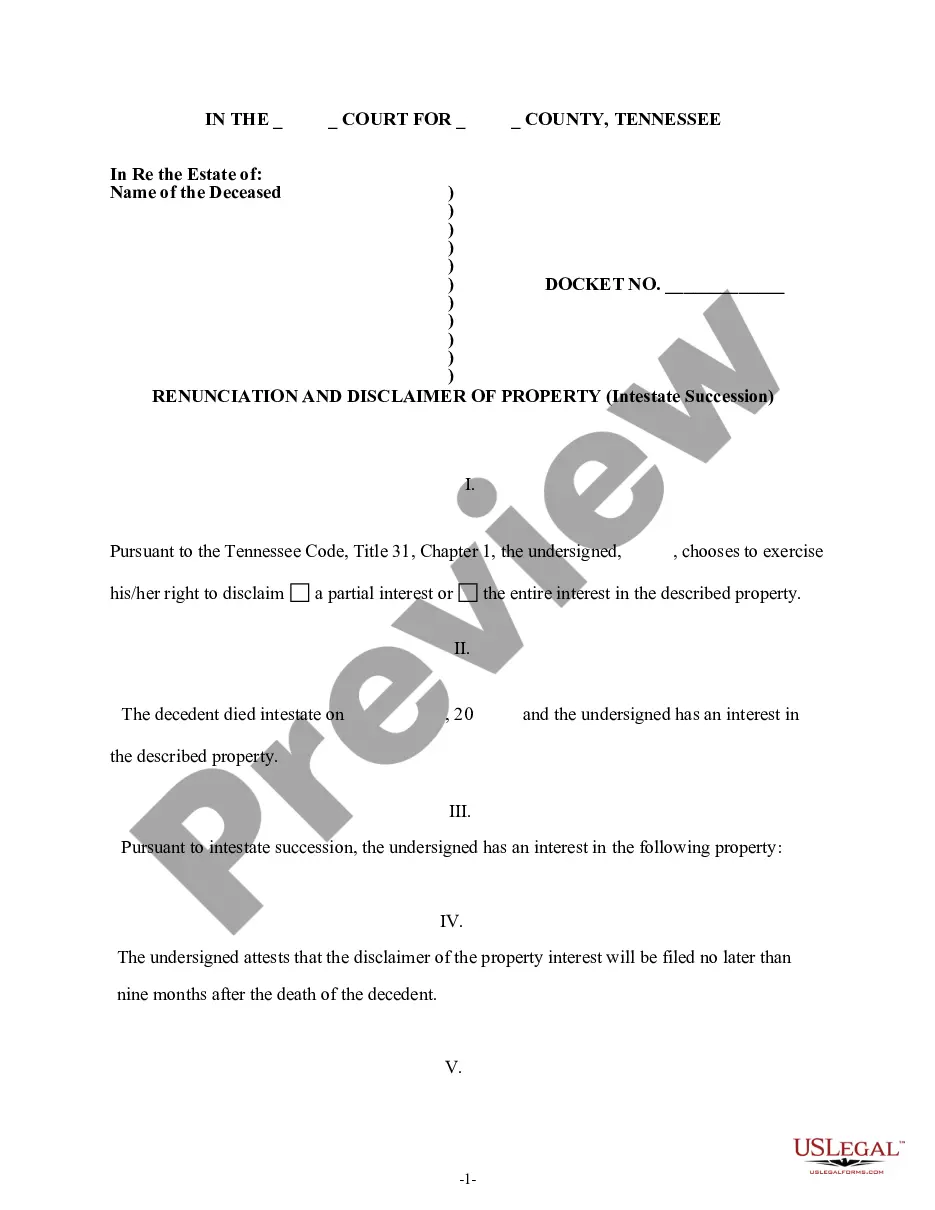
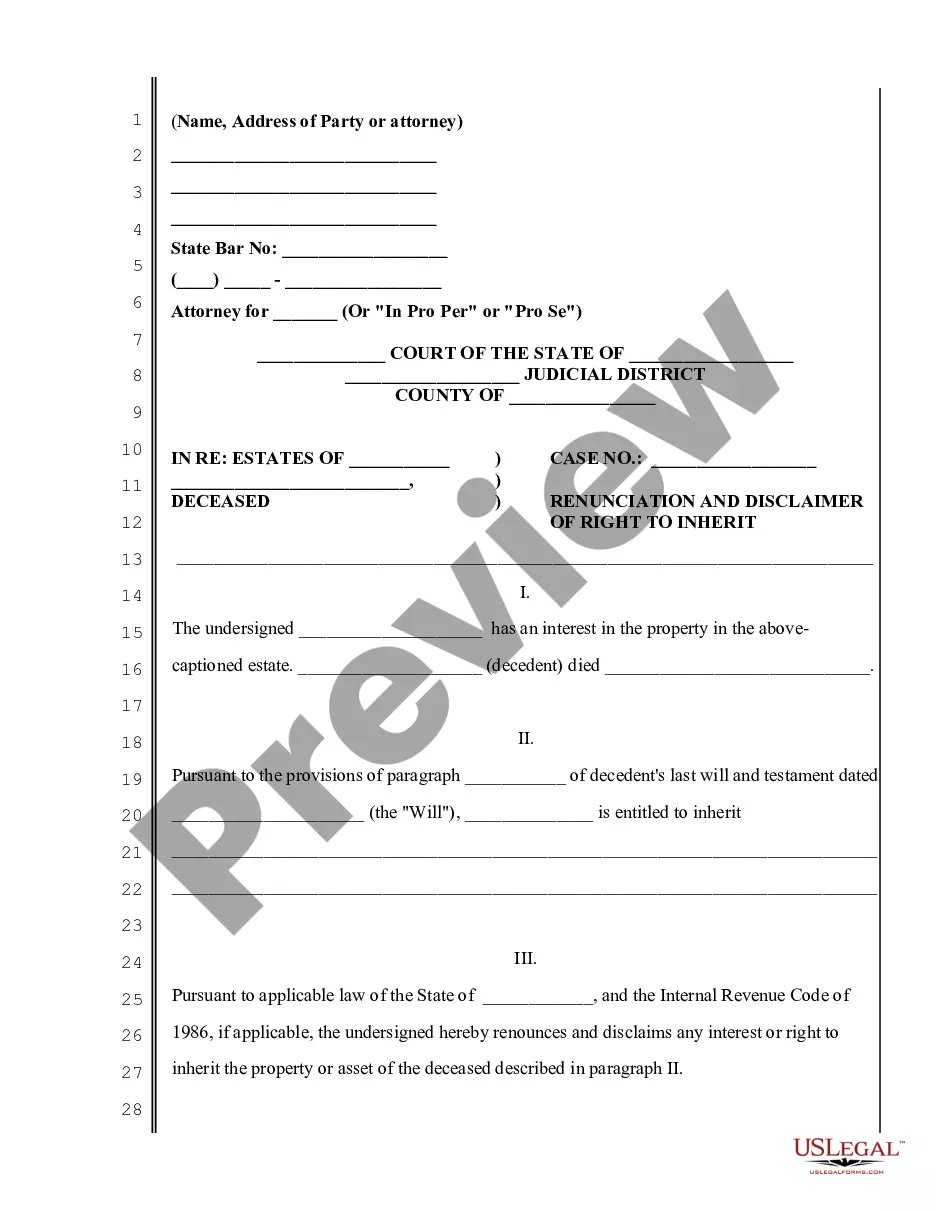
Renunciation Property Intestate For Us Citizen
Description


Get your form ready online
Our built-in tools help you complete, sign, share, and store your documents in one place.
Make edits, fill in missing information, and update formatting in US Legal Forms—just like you would in MS Word.
Download a copy, print it, send it by email, or mail it via USPS—whatever works best for your next step.
Sign and collect signatures with our SignNow integration. Send to multiple recipients, set reminders, and more. Go Premium to unlock E-Sign.
If this form requires notarization, complete it online through a secure video call—no need to meet a notary in person or wait for an appointment.
We protect your documents and personal data by following strict security and privacy standards.

Make edits, fill in missing information, and update formatting in US Legal Forms—just like you would in MS Word.

Download a copy, print it, send it by email, or mail it via USPS—whatever works best for your next step.

Sign and collect signatures with our SignNow integration. Send to multiple recipients, set reminders, and more. Go Premium to unlock E-Sign.

If this form requires notarization, complete it online through a secure video call—no need to meet a notary in person or wait for an appointment.

We protect your documents and personal data by following strict security and privacy standards.
Looking for another form?


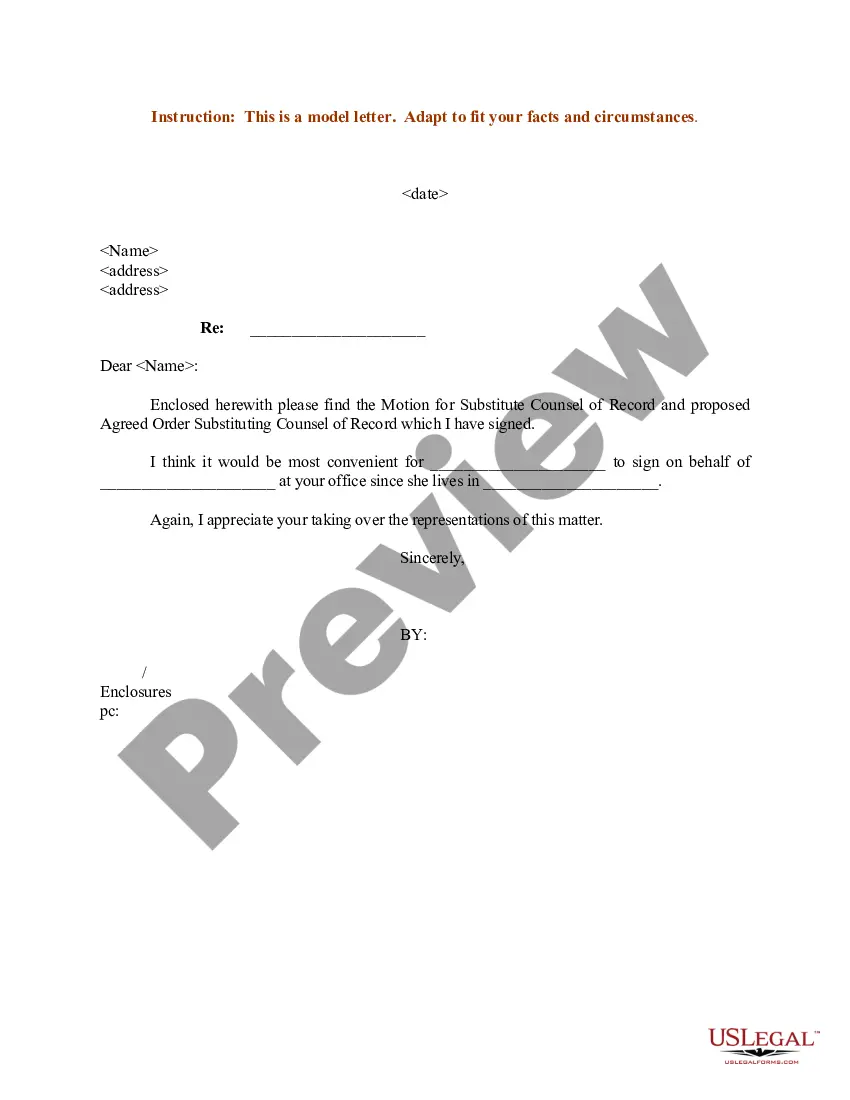
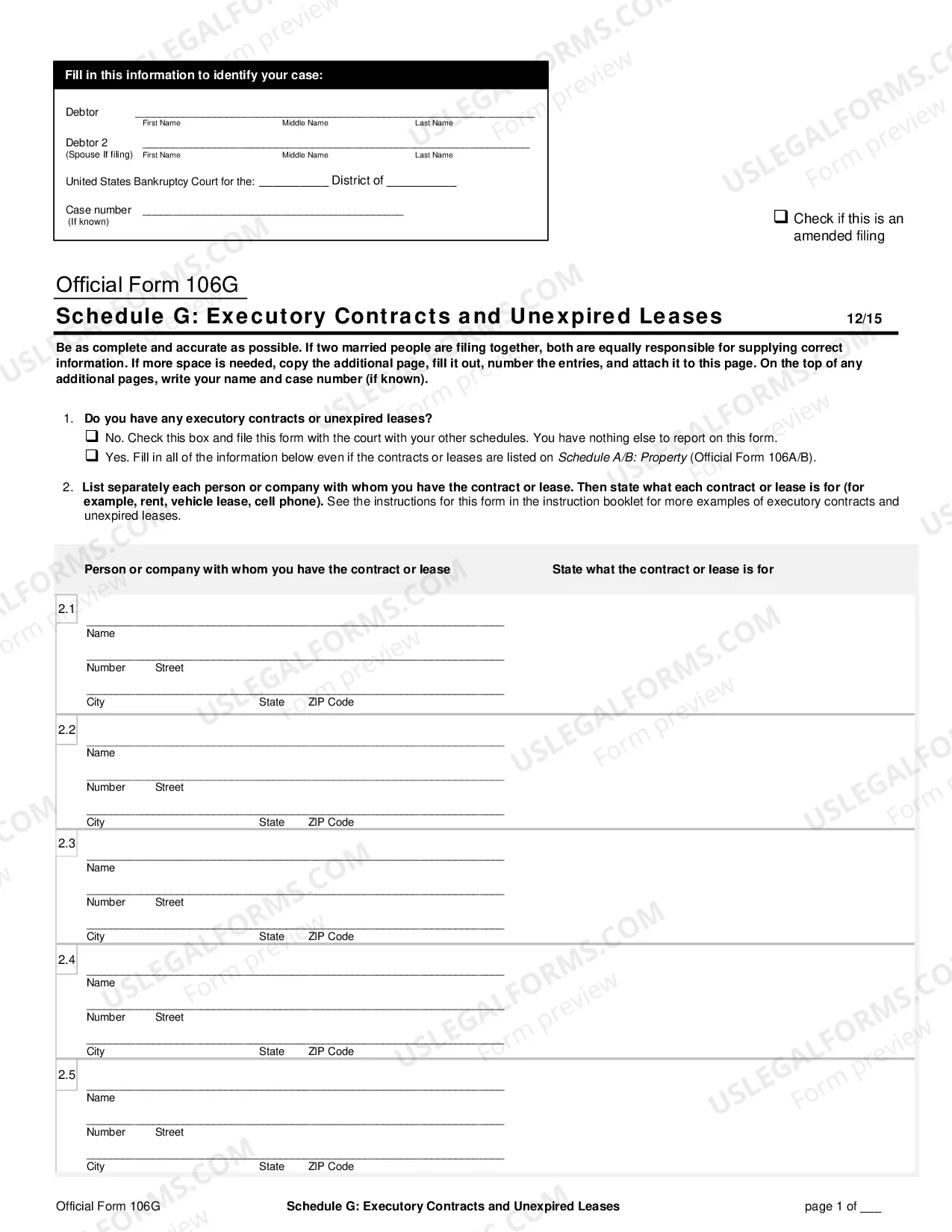
How to fill out Tennessee Renunciation And Disclaimer Of Property Received By Intestate Succession?
- If you're a returning user, log in to your account and ensure your subscription is active. Click the Download button to save your preferred form template.
- For first-time users, start by exploring the Preview mode to understand the form's content. Ensure it meets your local jurisdiction requirements.
- If the form does not fulfill your needs, utilize the Search tab to find an appropriate template. It's essential that the document suits your specific situation.
- Once you've selected the correct form, click the Buy Now button and choose among the available subscription plans. Registration is required for access to the full library.
- Complete your purchase using your credit card or PayPal account, ensuring the transaction is processed successfully.
- After your purchase, download the form to your device. You can access it anytime from the My Forms section of your profile.
In conclusion, US Legal Forms empowers users with the tools and resources required to navigate legal documents effortlessly. The extensive library is designed to facilitate easy access and expert assistance, ensuring accuracy in your filings.
Start your experience today and simplify the legal process with US Legal Forms!
Form popularity
FAQ
When there is no heir, the house and property may pass to the state under intestate succession laws. This process is known as escheat, meaning the government takes ownership of the property. For US citizens dealing with renunciation property intestate, understanding these outcomes can clarify the importance of estate planning.
In New York State, the order of next of kin typically prioritizes the surviving spouse and children, followed by parents, siblings, and their descendants. This order helps determine who is legally entitled to inherit. For US citizens, knowing the next of kin order is important when considering renunciation property intestate scenarios.
New York intestacy laws specify that the estate is divided among the surviving spouse and children first. If none exist, other relatives such as parents or siblings may inherit. A clear understanding of these laws is vital for any US citizen facing renunciation property intestate situations.
The order of priority for intestate succession generally starts with the surviving spouse and children, followed by parents, siblings, and more distant relatives. This structured hierarchy determines who will inherit the estate in the absence of a will. For US citizens dealing with renunciation property intestate, understanding this order can aid in managing legal matters effectively.
In New York, intestate succession laws dictate that the surviving spouse and children are the primary heirs to an estate. If there are no spouse or children, parents, siblings, and more distant relatives may inherit. Knowing these laws is essential for US citizens facing the intricacies of renunciation property intestate.
If a US citizen dies without a will, their assets will be distributed according to the intestacy laws of their state. This process is known as intestate succession, which identifies heirs based on familial relationships. Familiarizing yourself with these laws can be beneficial for managing any renunciation property intestate.
Settling an estate without a will in New York can be a lengthy process. It often takes several months to over a year, depending on the size and complexity of the estate. For US citizens dealing with renunciation property intestate, utilizing resources like US Legal Forms can expedite understanding the required procedures.
In New Jersey, if a person dies without a will, their estate will be distributed according to state intestacy laws. Typically, the surviving spouse and children inherit first, but if there are no direct descendants, parents or siblings may inherit. Understanding these laws is crucial, especially for a US citizen navigating renunciation property intestate.
When you renounce U.S. citizenship, you may still collect social security benefits if you have earned enough work credits. However, your benefits might change depending on your residency and the agreements between countries. It is essential to consider how renunciation impacts your estate and any property left intestate, particularly for U.S. citizens. Consulting an expert can help you navigate these legalities seamlessly.
Yes, there may be an exit tax assessed on individuals who renounce their U.S. citizenship, particularly if their net worth exceeds a certain threshold or if they fail to meet specific tax filing requirements. It's crucial to consult with a tax professional to understand your obligations. For assistance with paperwork related to renunciation property intestate for US citizens, platforms like USLegalForms can offer valuable resources.