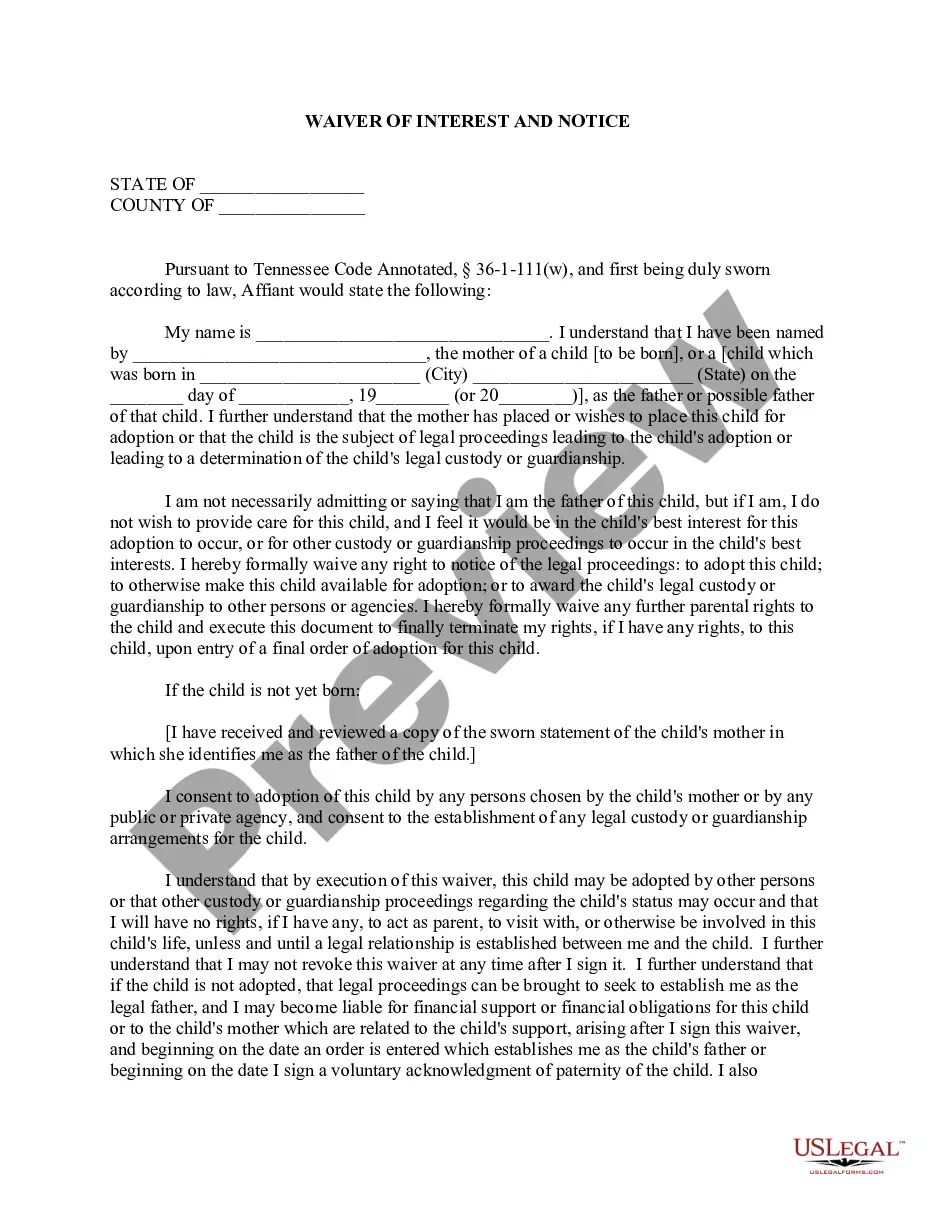
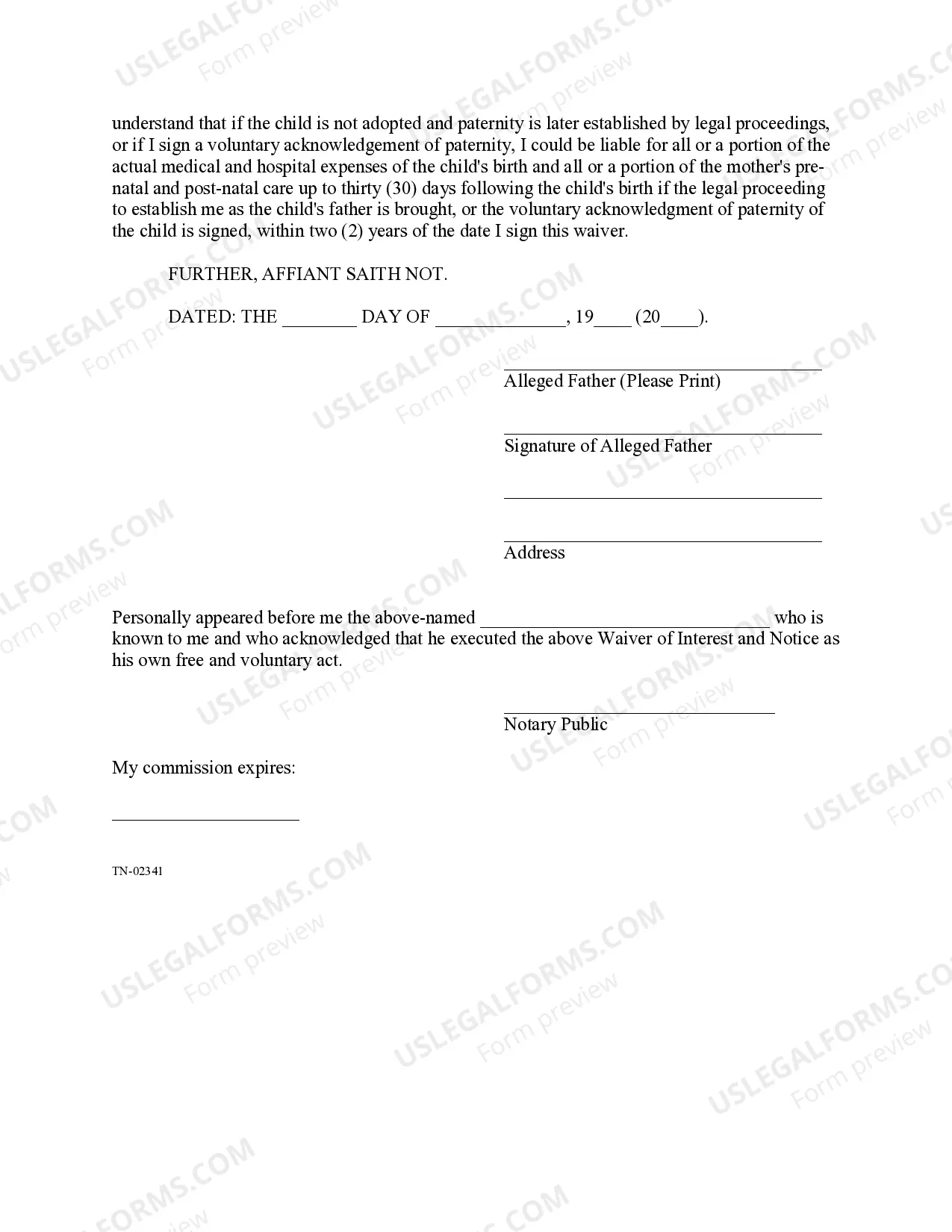
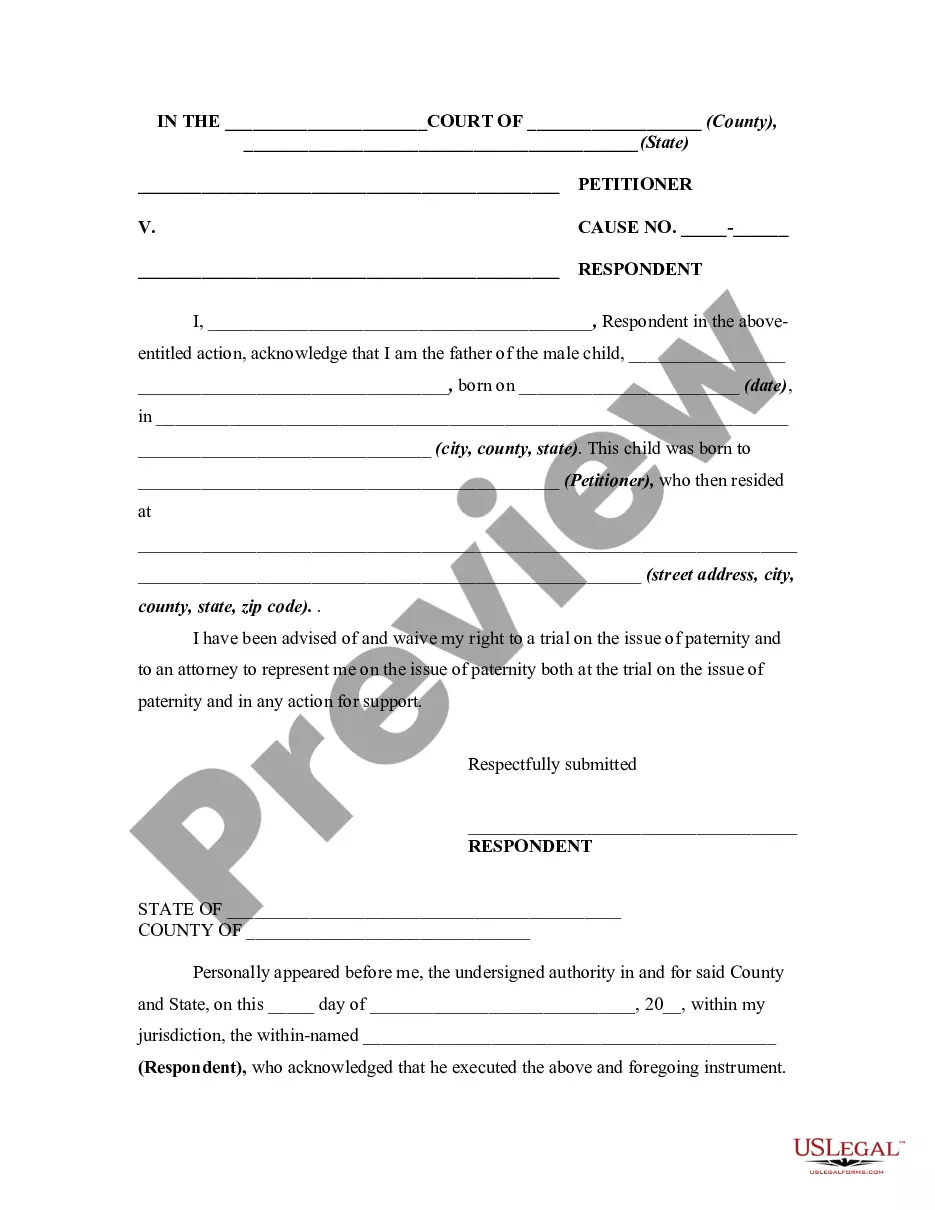
Parental Rights Waiver Without Custody
Description
Get your form ready online
Our built-in tools help you complete, sign, share, and store your documents in one place.
Make edits, fill in missing information, and update formatting in US Legal Forms—just like you would in MS Word.
Download a copy, print it, send it by email, or mail it via USPS—whatever works best for your next step.
Sign and collect signatures with our SignNow integration. Send to multiple recipients, set reminders, and more. Go Premium to unlock E-Sign.
If this form requires notarization, complete it online through a secure video call—no need to meet a notary in person or wait for an appointment.
We protect your documents and personal data by following strict security and privacy standards.

Make edits, fill in missing information, and update formatting in US Legal Forms—just like you would in MS Word.

Download a copy, print it, send it by email, or mail it via USPS—whatever works best for your next step.

Sign and collect signatures with our SignNow integration. Send to multiple recipients, set reminders, and more. Go Premium to unlock E-Sign.

If this form requires notarization, complete it online through a secure video call—no need to meet a notary in person or wait for an appointment.

We protect your documents and personal data by following strict security and privacy standards.
Looking for another form?







Form popularity
FAQ
No, full custody and giving up parental rights are fundamentally different concepts. Full custody gives one parent exclusive rights and responsibilities for the child but does not automatically terminate the other parent's rights. When a parent relinquishes parental rights, they lose all legal rights related to the child's upbringing. This distinction is vital to understand, especially when navigating the parental rights waiver without custody.
Signing over custody means that a parent legally transfers their custodial rights to another person. This process can significantly affect the parent's ability to make decisions regarding the child's life. It is essential to carefully consider the implications of signing any agreements, as this can include the parental rights waiver without custody. Legal assistance, such as what US Legal Forms provides, can guide you through this complex process.
Rights refer to the legal authority a parent has concerning a child's upbringing, including education and health care. On the other hand, custody involves physical care and where the child resides. Parents may have rights without having custody and vice versa. It is important to understand the distinction, especially when considering a parental rights waiver without custody.
One of the biggest mistakes in a custody battle is failing to communicate effectively. Poor communication can lead to misunderstandings and negatively impact your case. Parents should focus on maintaining a cooperative attitude, as this facilitates a more constructive relationship with the other parent and can improve outcomes. Using tools and resources like US Legal Forms can help document agreements and protect your interests.
No, signing over rights does not equal full custody. When a parent signs a parental rights waiver without custody, they relinquish their rights to make decisions for the child but do not obtain custody themselves. This means another guardian may be responsible for the child's day-to-day care and major life decisions. Understanding these differences is crucial for any parent contemplating this decision.
To terminate parental rights in Iowa, you need to file a petition with the court, providing valid grounds for your request. You must also attend a hearing where evidence will be presented regarding the child's best interests. Seeking assistance from a legal platform, such as USLegalForms, can streamline this process and help ensure that all necessary documentation aligns with state requirements for a parental rights waiver without custody.
To prove abandonment of a child in Iowa, you must demonstrate that the parent has not been involved in the child's life for a significant period. Documenting missed visits, lack of financial support, and absence from the child's life plays a critical role in your case. Utilizing the expertise of a legal professional can help guide you through the intricacies of a parental rights waiver without custody.
In Iowa, grounds for termination of parental rights may include abandonment, neglect, or substance abuse. Each case is evaluated based on its specific circumstances, so gathering evidence supporting your claim is vital. If you’re considering a parental rights waiver without custody, consulting with a legal expert can provide clarity on applicable grounds in your situation.
Winning a termination of parental rights case often requires clear evidence that the child’s best interests are served by the termination. You can benefit from seeking legal guidance, as they can help you gather the necessary documentation. Understanding the criteria for parental rights waivers without custody in your state can strengthen your case significantly.
Typically, the biological parent, a legal guardian, or an authorized agency can file a petition to terminate parental rights. It is important to consult with an attorney familiar with parental rights waivers without custody to understand who qualifies to initiate this process. This ensures that the petition is filed correctly and adheres to state laws.