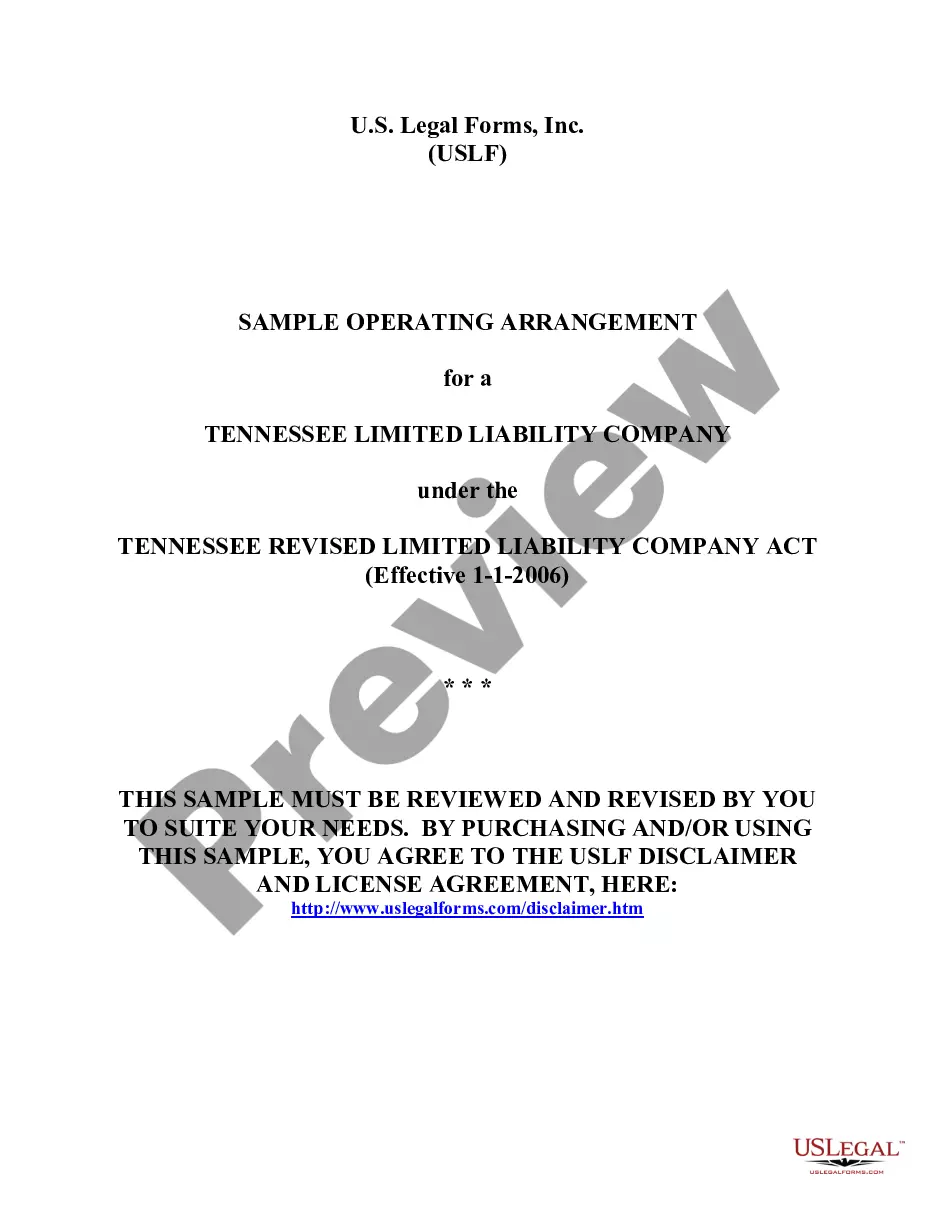
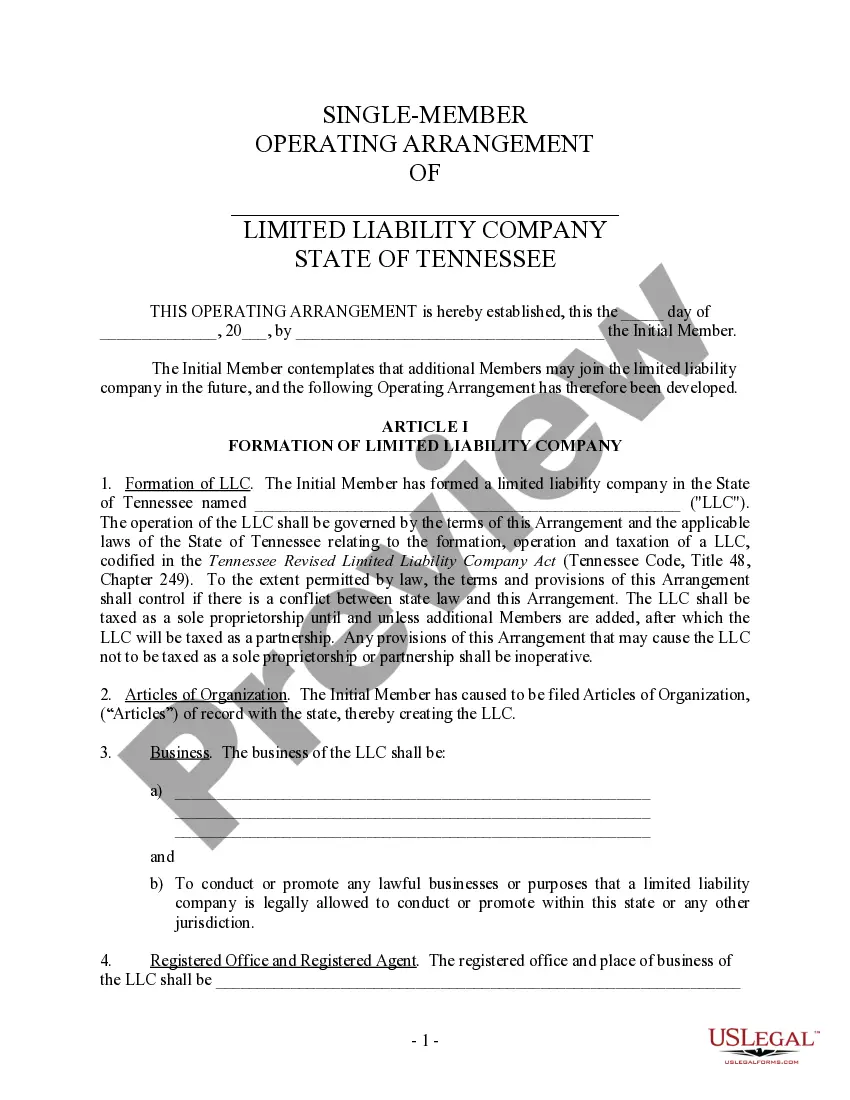
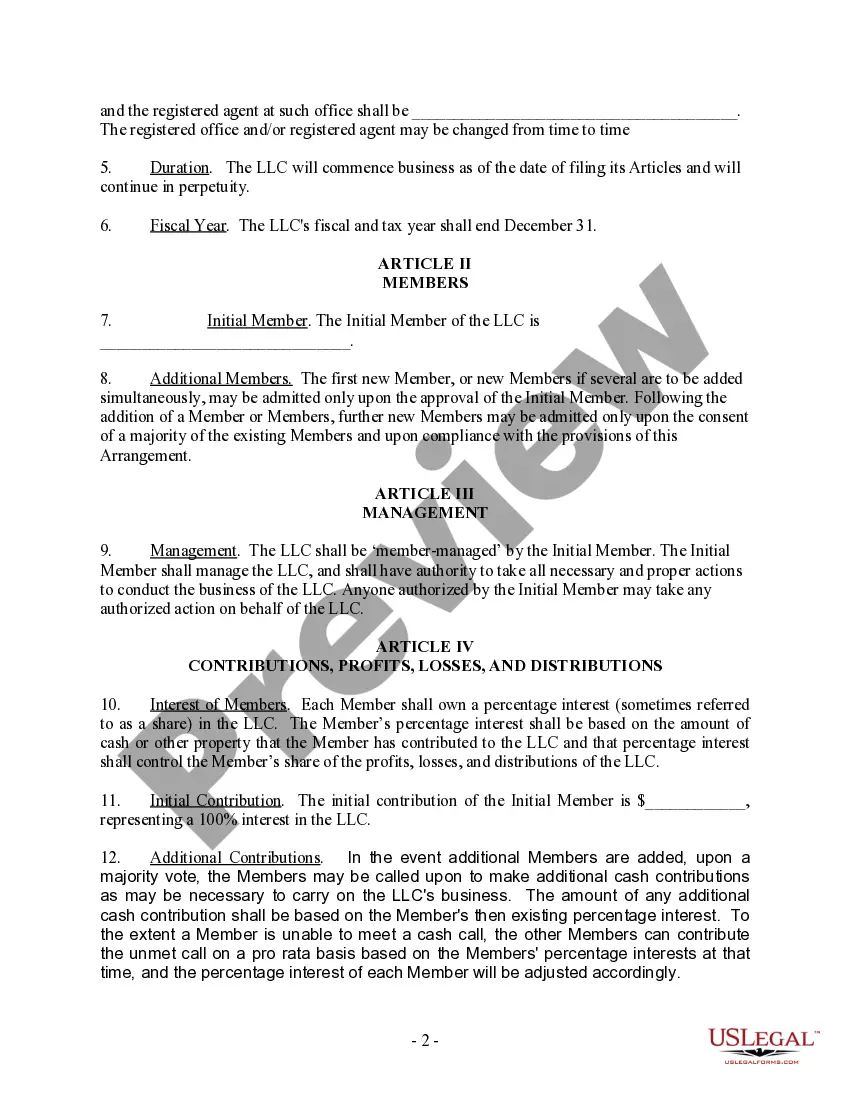
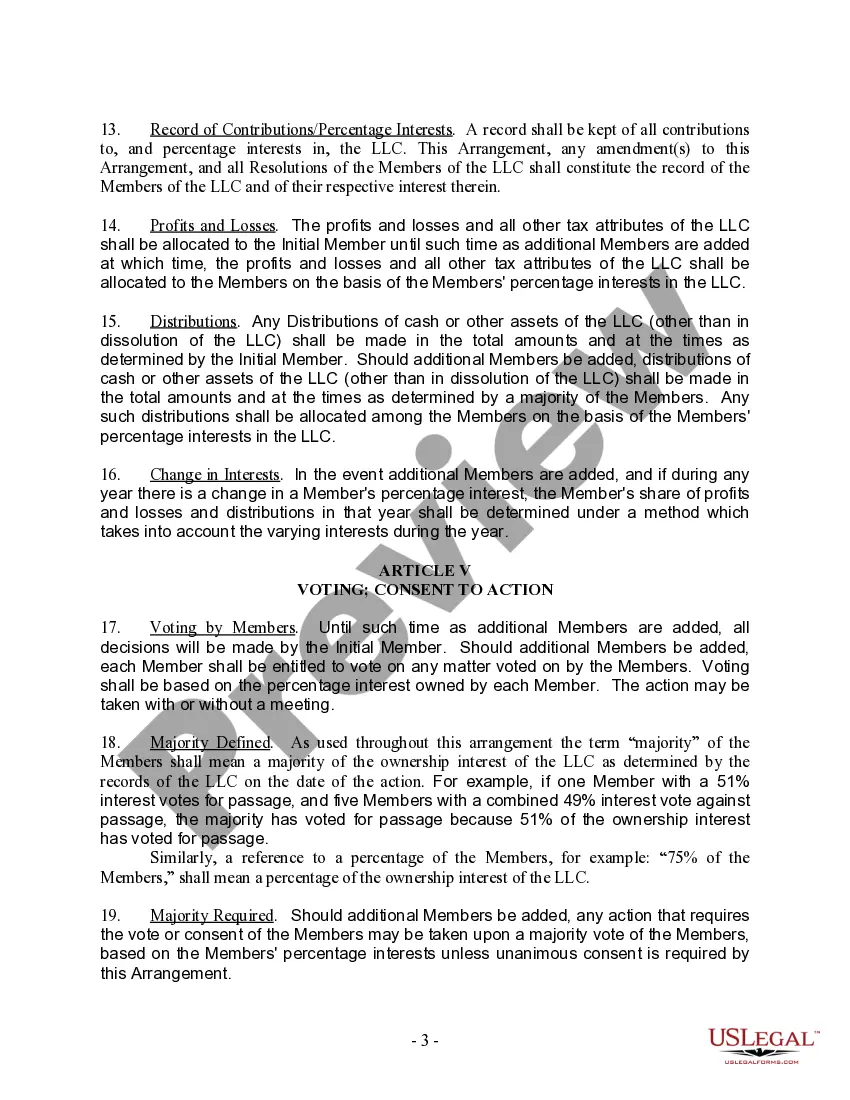
Tennessee Llc Operating Agreement With Preferred Return
Description
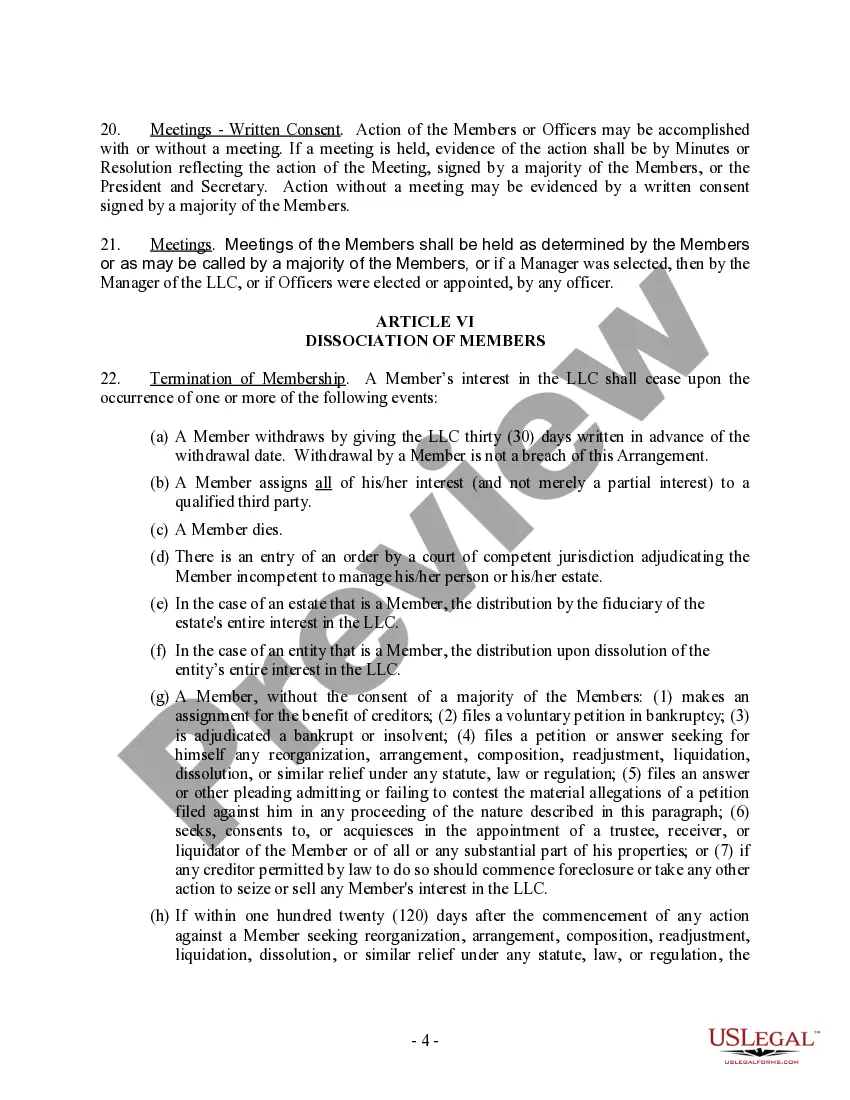
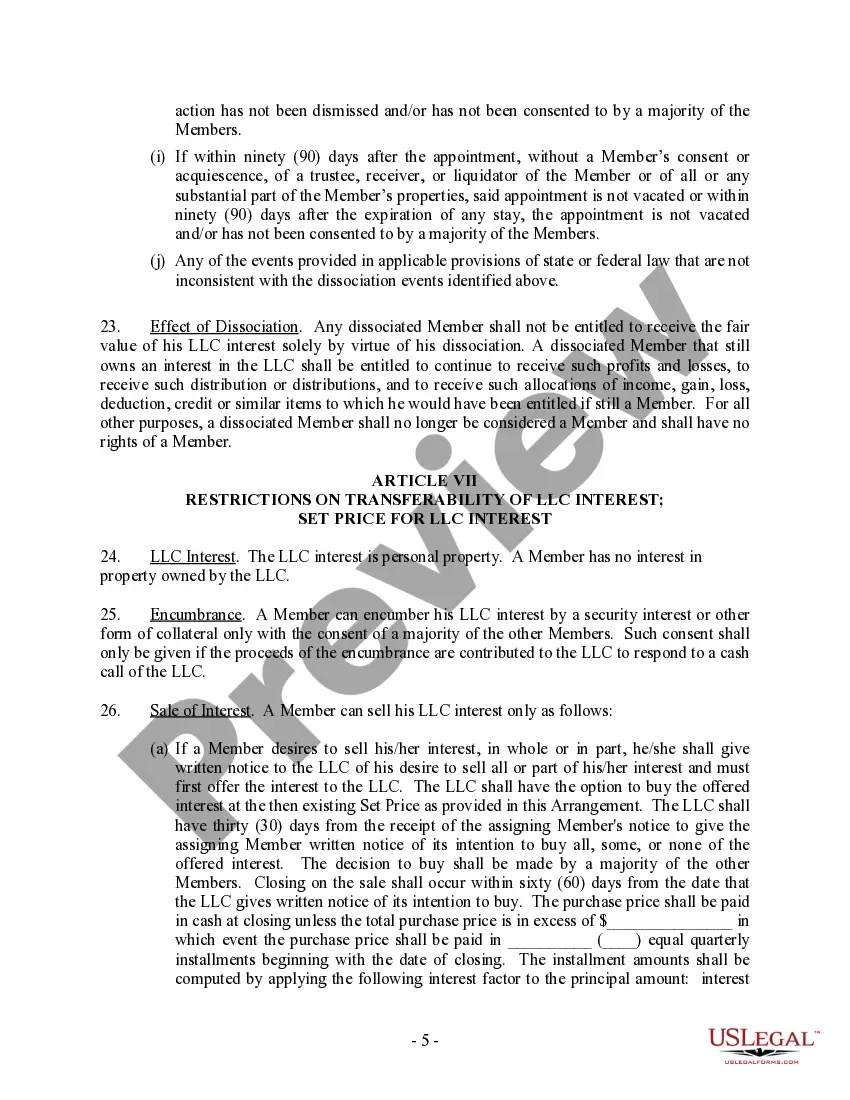
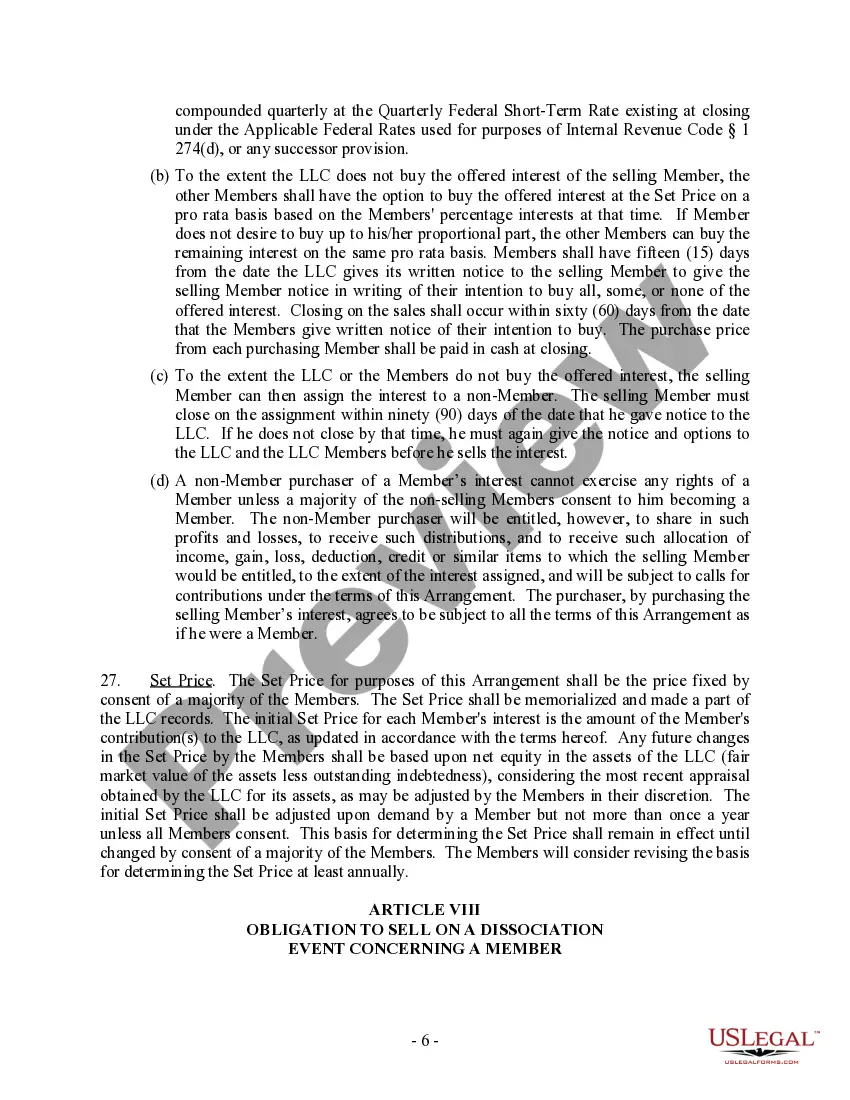
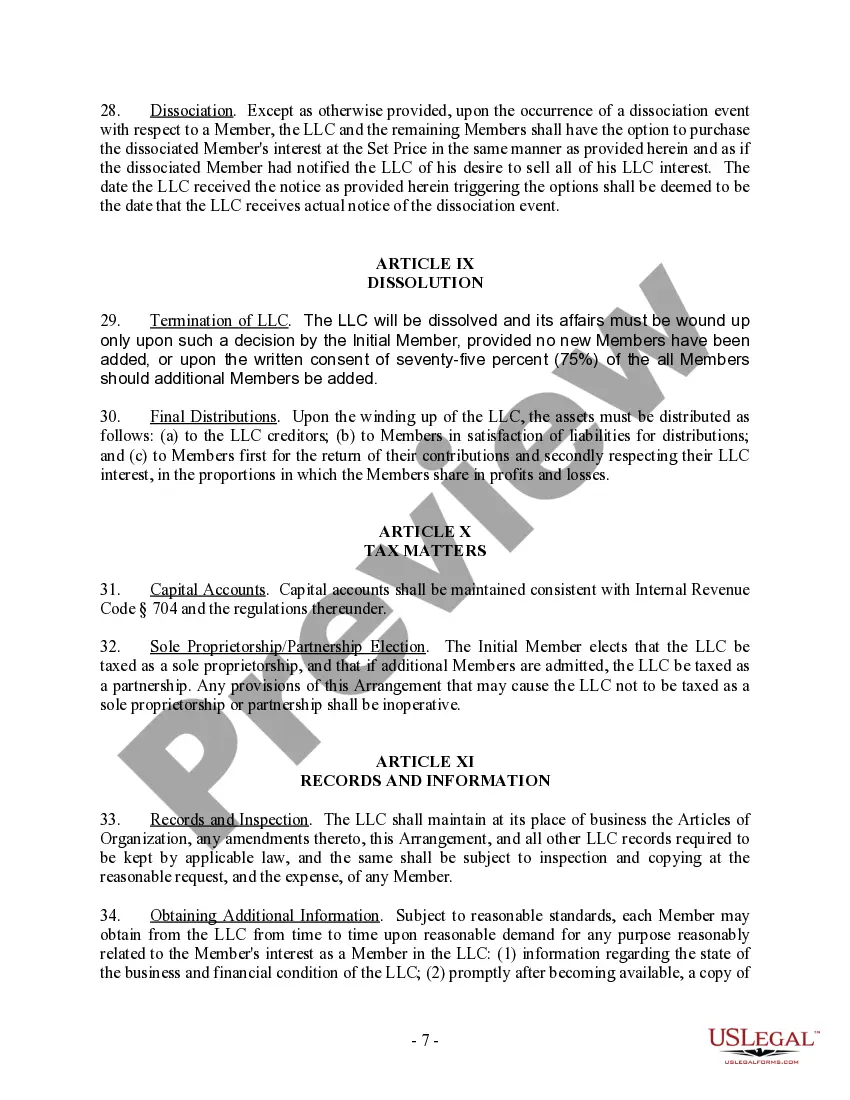
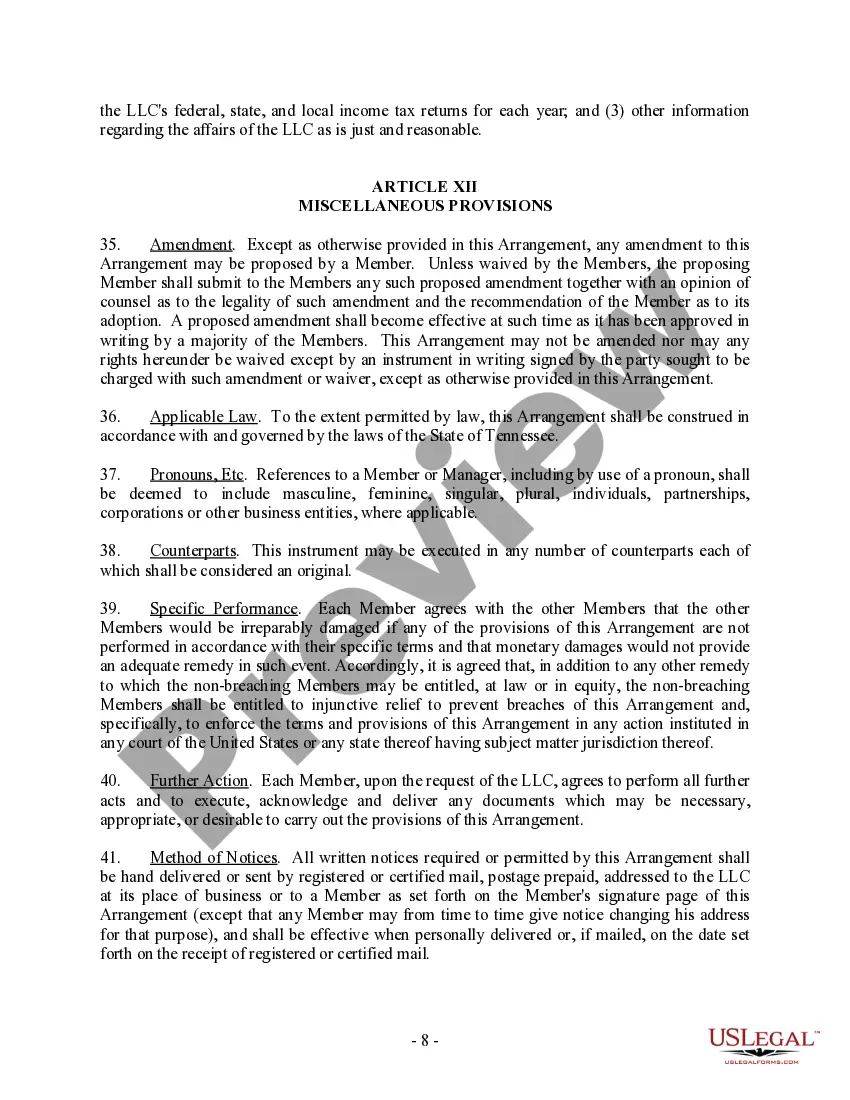
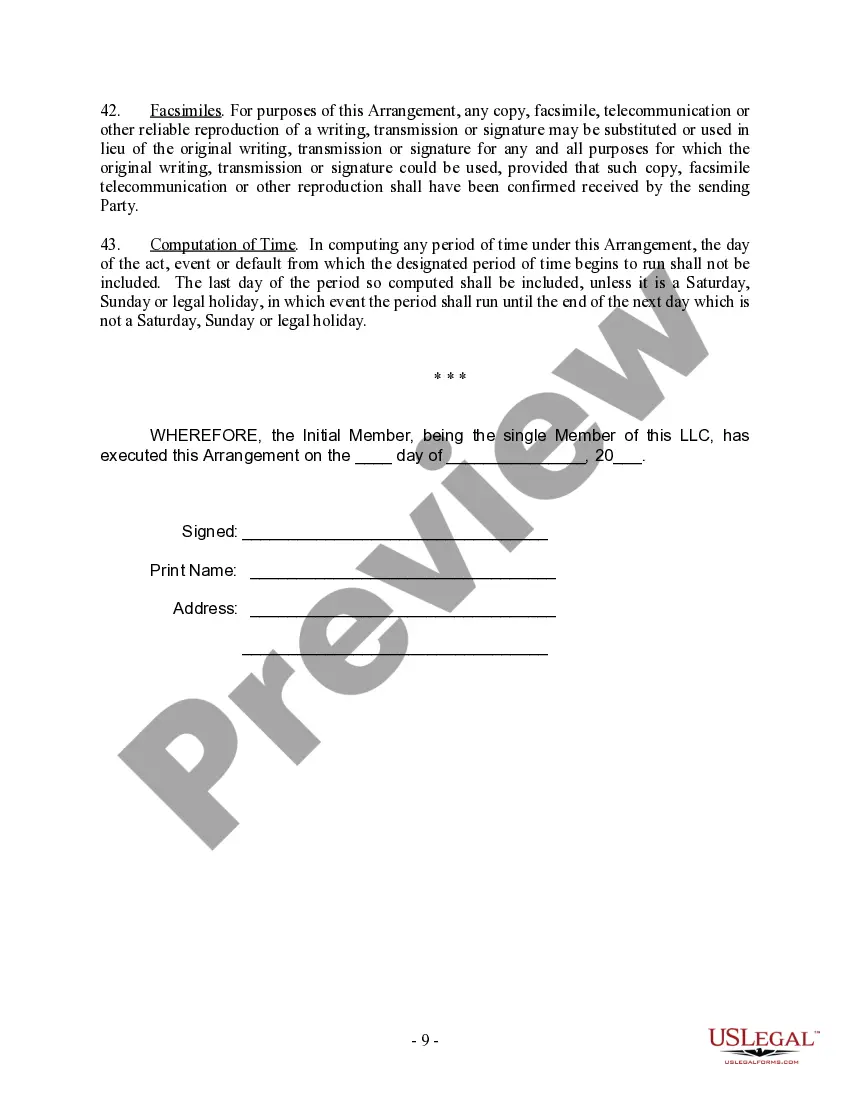
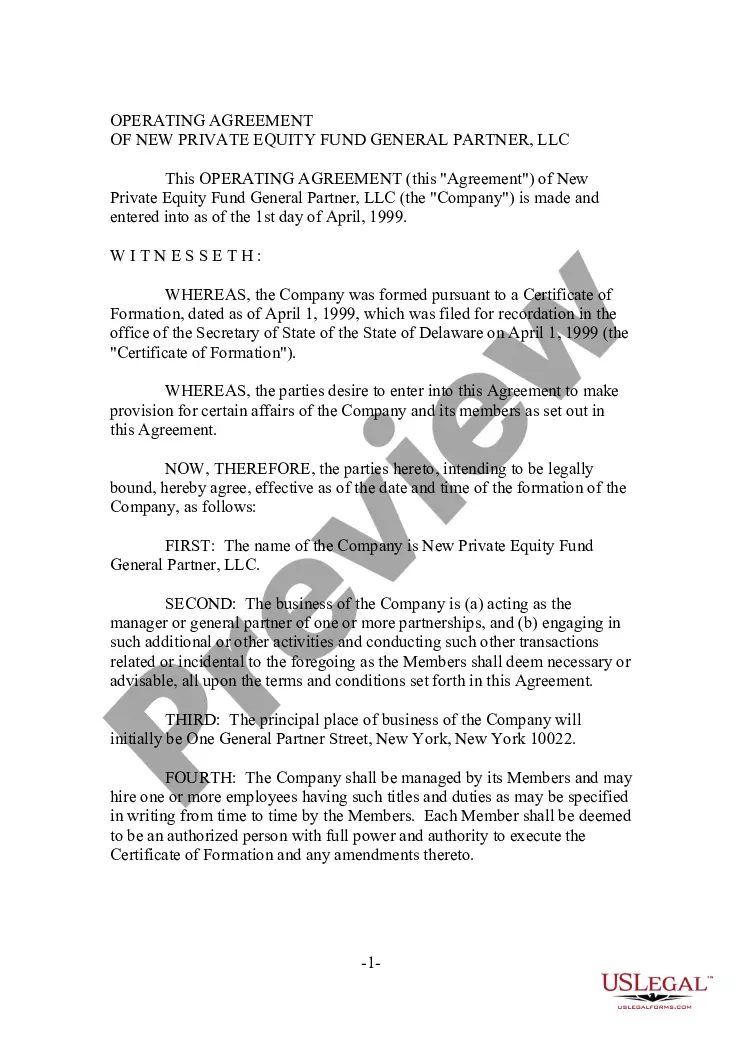
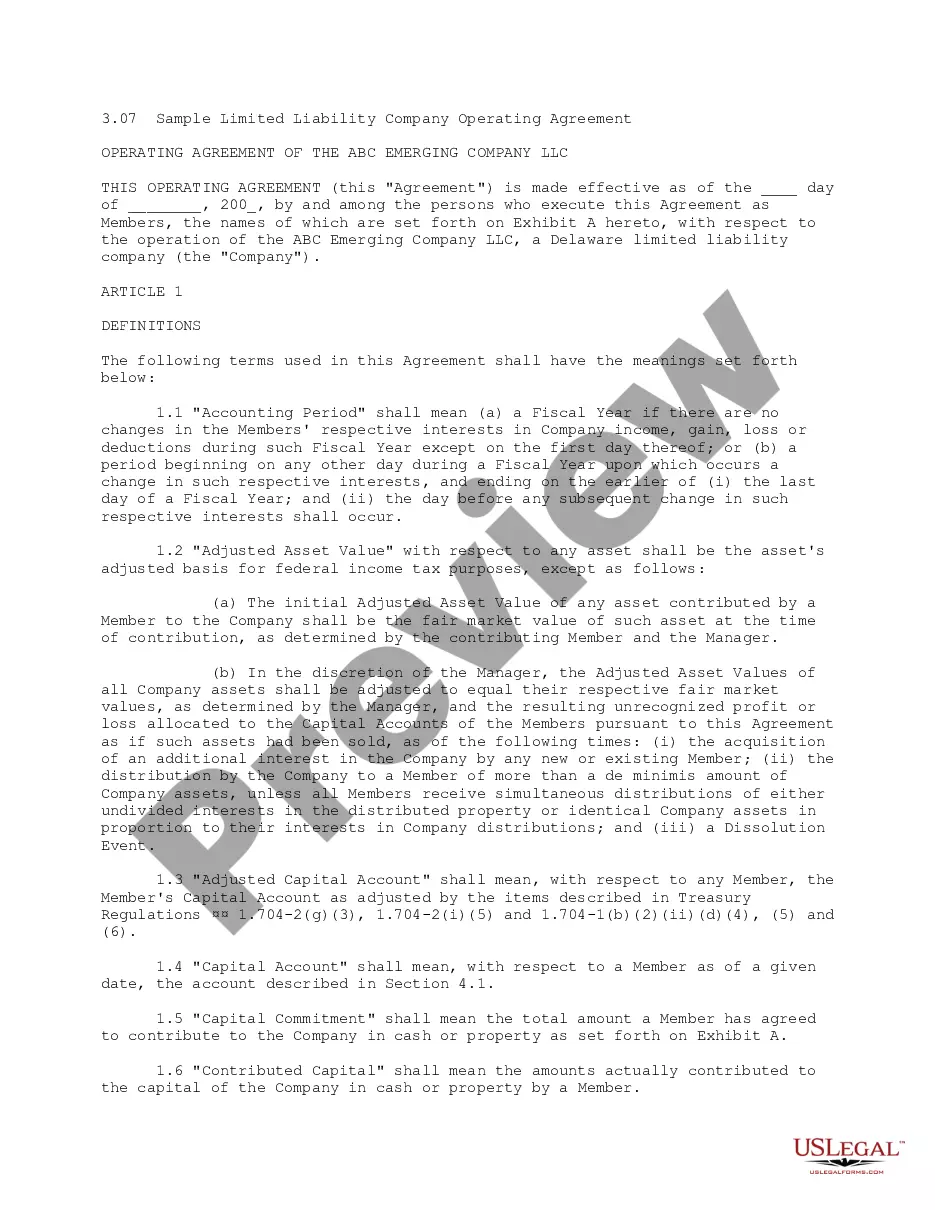
Get your form ready online
Our built-in tools help you complete, sign, share, and store your documents in one place.
Make edits, fill in missing information, and update formatting in US Legal Forms—just like you would in MS Word.
Download a copy, print it, send it by email, or mail it via USPS—whatever works best for your next step.
Sign and collect signatures with our SignNow integration. Send to multiple recipients, set reminders, and more. Go Premium to unlock E-Sign.
If this form requires notarization, complete it online through a secure video call—no need to meet a notary in person or wait for an appointment.
We protect your documents and personal data by following strict security and privacy standards.

Make edits, fill in missing information, and update formatting in US Legal Forms—just like you would in MS Word.

Download a copy, print it, send it by email, or mail it via USPS—whatever works best for your next step.

Sign and collect signatures with our SignNow integration. Send to multiple recipients, set reminders, and more. Go Premium to unlock E-Sign.

If this form requires notarization, complete it online through a secure video call—no need to meet a notary in person or wait for an appointment.

We protect your documents and personal data by following strict security and privacy standards.
Looking for another form?







How to fill out Tennessee Single Member Limited Liability Company LLC Operating Agreement?
Individuals commonly link legal documentation with a certain level of intricacy that solely a professional can handle.
In some respects, this is accurate, since composing a Tennessee LLC Operating Agreement With Preferred Return requires considerable knowledge of topic standards, including state and municipal regulations.
Nonetheless, with the US Legal Forms, circumstances have improved: ready-to-use legal documents for any life and business event pertinent to state laws are compiled in a singular online directory and are now accessible to all.
Print your document or upload it to an online editor for a quicker completion. All templates in our collection are reusable: once acquired, they remain stored in your profile. You can access them any time needed via the My documents tab. Discover all the benefits of using the US Legal Forms platform. Subscribe today!
- US Legal Forms offers over 85,000 current forms classified by state and usage area, so searching for a Tennessee LLC Operating Agreement With Preferred Return or any other specific template only takes a few minutes.
- Previously registered users with a valid subscription must sign in to their account and select Download to obtain the form.
- Those new to the platform will first need to create an account and subscribe before they can store any documents.
- Here is a detailed guide on how to obtain the Tennessee LLC Operating Agreement With Preferred Return.
- Carefully examine the page content to ensure it meets your needs.
- Review the form description or view it using the Preview option.
- If the previous one is not suitable, search for another template using the Search field above.
- When you identify the appropriate Tennessee LLC Operating Agreement With Preferred Return, click Buy Now.
- Select a pricing plan that aligns with your needs and budget.
- Create an account or Log In to proceed to the payment page.
- Complete the subscription payment through PayPal or with a credit card.
- Choose the format for your template and click Download.
Form popularity
FAQ
A written operating agreement is not legally required for most Tennessee LLCs (the exception being director-managed LLCs). Even so, having a written operating agreement is essential for opening a business bank account, heading off disagreements between members, and bolstering your limited liability status.
Nope, Tennessee law doesn't require you to file your operating agreement with the state. Your operating agreement is an internal document your LLC should keep on record.
Get together with your co-owners and a lawyer, if you think you should (it's never a bad idea), and figure out what you want to cover in your agreement. Then, to create an LLC operating agreement yourself, all you need to do is answer a few simple questions and make sure everyone signs it to make it legal.
Most LLC operating agreements are short and sweet, and they typically address the following five points:Percent of Ownership/How You'll Distribute Profits.Your LLC's Management Structure/Members' Roles And Responsibilities.How You'll Make Decisions.What Happens If A Member Wants Out.More items...?
How to Write an Operating Agreement Step by StepStep One: Determine Ownership Percentages.Step Two: Designate Rights, Responsibilities, and Compensation Details.Step Three: Define Terms of Joining or Leaving the LLC.Step Four: Create Dissolution Terms.Step Five: Insert a Severability Clause.
