Pa Attorney Real Estate Withdrawal
Description
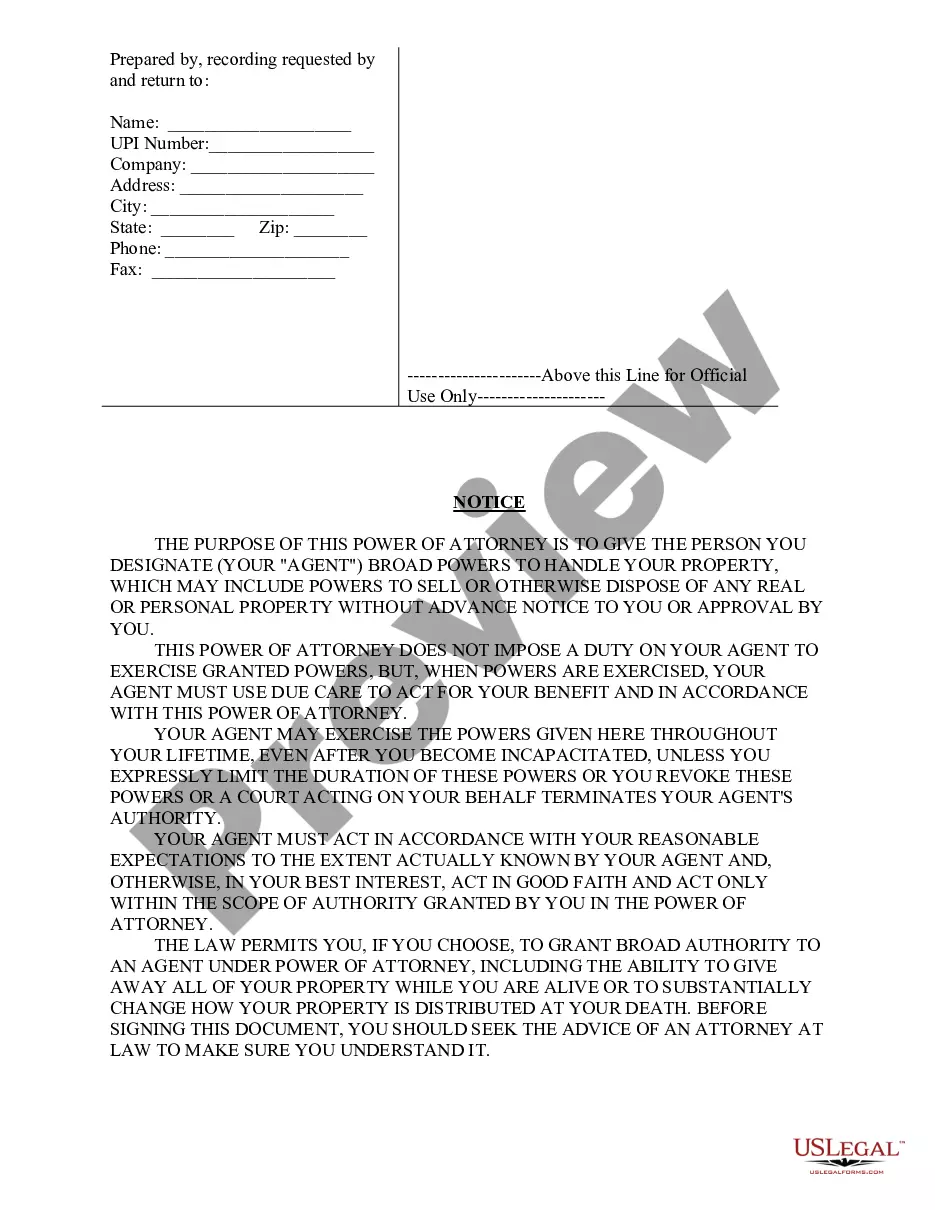
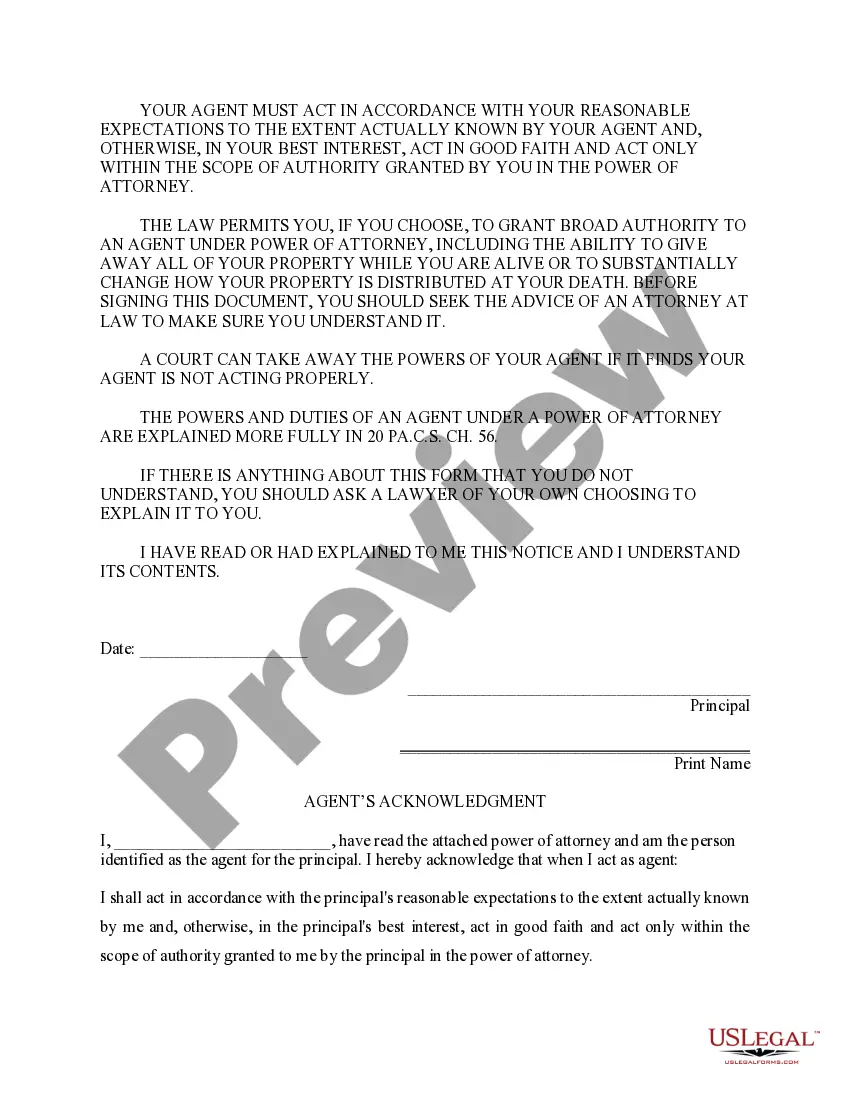
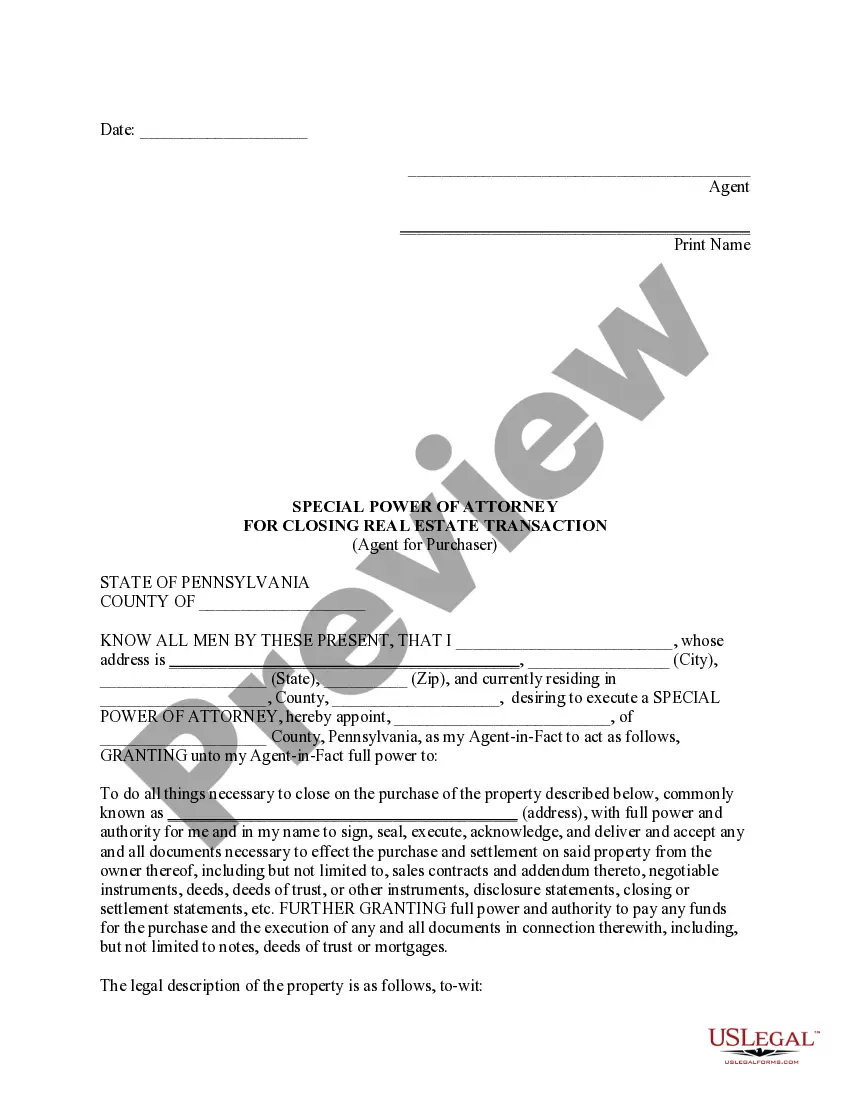
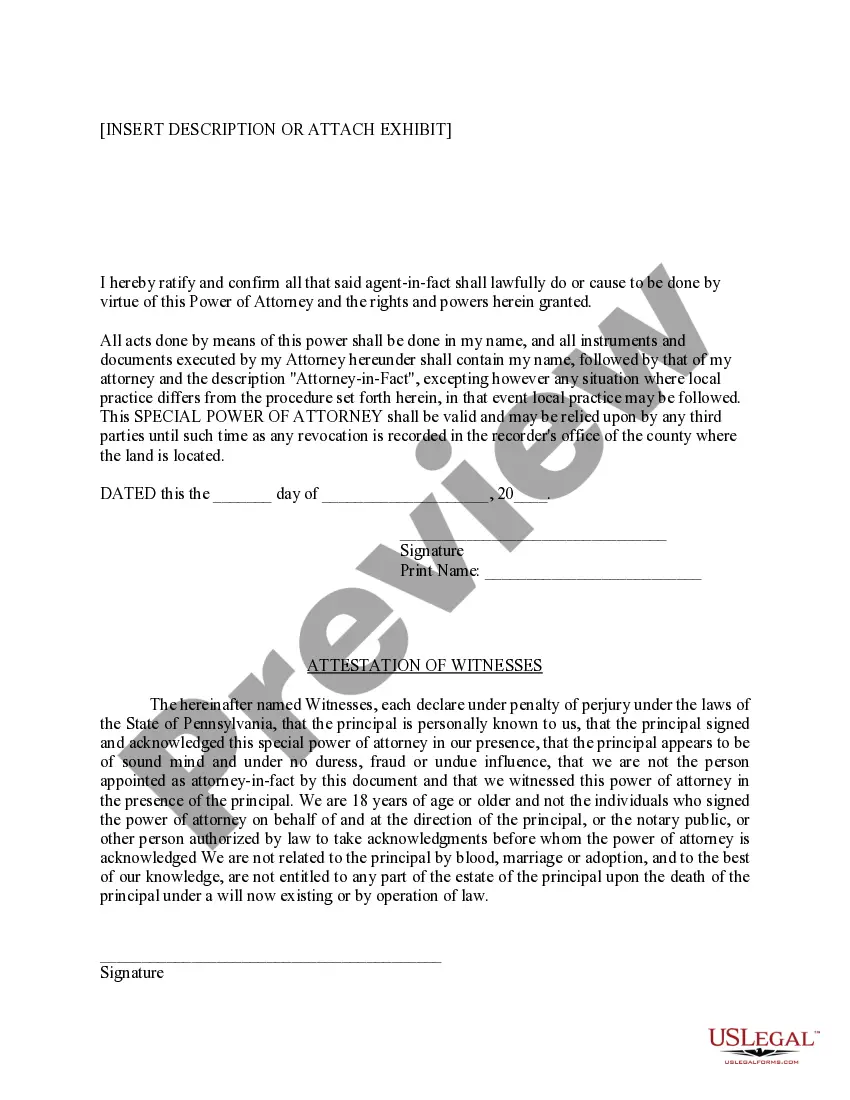
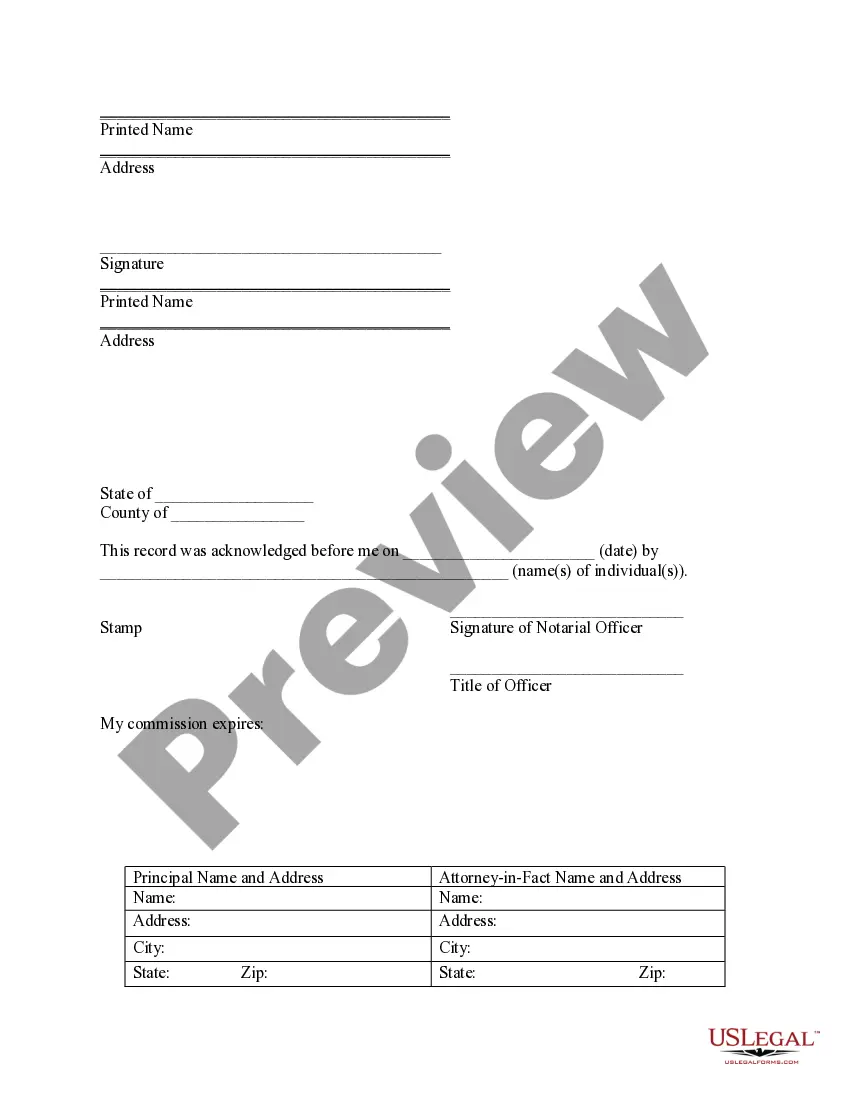

How to fill out Pennsylvania Special Or Limited Power Of Attorney For Real Estate Purchase Transaction By Purchaser?
Managing legal documents and processes can be a labor-intensive addition to your whole day.
Pa Attorney Real Estate Withdrawal and similar forms frequently require you to look for them and navigate the optimal way to fill them out accurately.
Thus, whether you are handling financial, legal, or personal issues, having a comprehensive and accessible online repository of forms readily available will be immensely beneficial.
US Legal Forms is the premier online hub for legal templates, featuring more than 85,000 state-specific documents and various tools that assist you in completing your paperwork swiftly.
Simply Log In to your account, locate Pa Attorney Real Estate Withdrawal, and obtain it instantly in the My documents section. You can also access previously saved forms.
- Explore the collection of suitable documents available to you with just one click.
- US Legal Forms provides state- and county-specific documents accessible at all times for download.
- Safeguard your document management processes with high-quality support that enables you to create any form within minutes without incurring extra or hidden charges.
Form popularity
FAQ
In Pennsylvania, a lawyer typically charges a percentage of the estate's value when settling an estate. This percentage usually ranges from 3% to 5%, but it can vary based on the complexity of the estate and the services provided. It's important to discuss fees upfront with your attorney to understand what to expect. If you need assistance navigating the estate settlement process, consider using a platform like uslegalforms that offers resources to help you find the right PA attorney for real estate withdrawal and estate matters.
A withdrawal letter from a lawyer is a formal document that informs clients and relevant parties that the lawyer is ceasing representation in a particular case or matter. In the context of a Pa attorney real estate withdrawal, this letter serves to clarify the lawyer's exit from ongoing transactions or legal obligations. It provides all involved parties with clear notice, ensuring that no misunderstandings arise about the lawyer's role. Using a platform like USLegalForms can help you draft a professional withdrawal letter, saving time and ensuring compliance with legal standards.
Ending a relationship with an attorney can be a straightforward process. Start with a direct conversation, then follow up with a written notice expressing your desire to terminate the relationship. This form of communication helps clarify your needs and expectations, particularly in issues surrounding Pa attorney real estate withdrawal.
Withdrawing from representing a client involves several steps, including preparing and sending a formal letter of withdrawal. You must communicate any consequences of the withdrawal, such as deadlines looming or upcoming court dates. Thorough documentation is crucial in cases of Pa attorney real estate withdrawal, ensuring all parties understand the transition.
A letter of termination of representation formally communicates your decision to stop representing a client. This letter should include the reasons for termination and any necessary next steps for their case. In the context of Pa attorney real estate withdrawal, such a letter helps manage expectations and clarify the next phases for the client.
To write a letter of withdrawal, begin with the date and add your information, followed by your client's information. Clearly state your intention to withdraw and provide the reasons if appropriate. Lastly, express your willingness to assist during the transition, ensuring a smooth process for the client regarding the Pa attorney real estate withdrawal.
A sample letter to withdraw from representation typically includes your contact information, your client's details, and the reason for withdrawal. Clearly state that you are officially withdrawing from the case. This process ensures transparency and keeps your professional standards intact while addressing the Pa attorney real estate withdrawal situation.
After you submit a notice of withdrawal as a Pa attorney in real estate matters, your client will receive notification. They may have an opportunity to respond or ask questions. Furthermore, you should ensure any pending obligations are resolved, and keep the lines of communication open until the withdrawal is finalized.
An attorney may withdraw from a case for several reasons, including a conflict of interest, non-payment of fees, or a breakdown in communication with the client. Additionally, if a client acts unethically or poses risks to the attorney's reputation, withdrawal may be necessary. Understanding these potential reasons can help you navigate the complexities of legal representation. If you're facing a PA attorney real estate withdrawal, being aware of these factors supports better decision-making.
Informing an attorney that you no longer need their services can be done through a direct, straightforward conversation or a written notice. Clearly state your intent and reasons if you feel comfortable sharing. If your situation involves real estate matters, ensure you handle this professionally to avoid complications. For those navigating a PA attorney real estate withdrawal, maintaining clear communication is vital.