Pennsylvania Estate Form With Land
Description
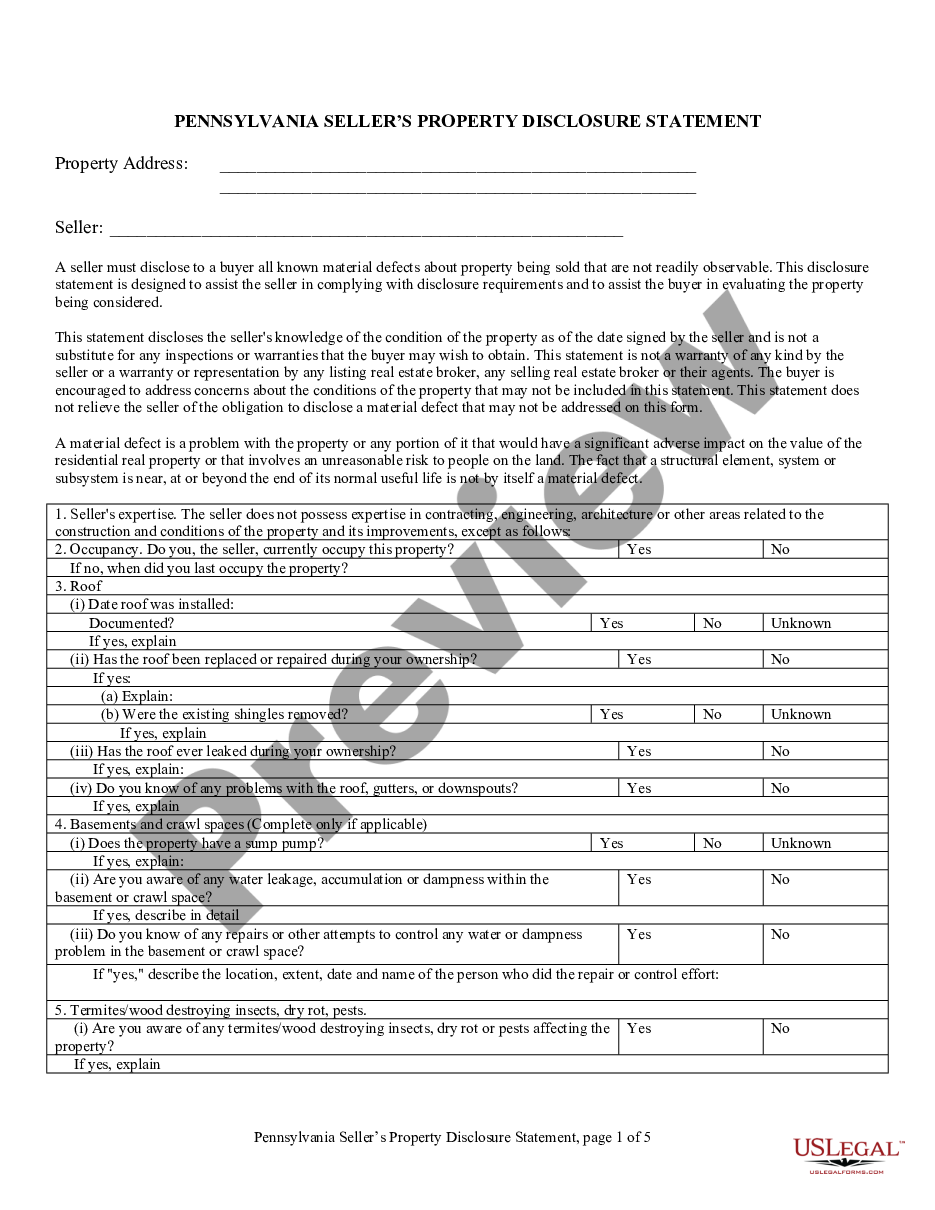
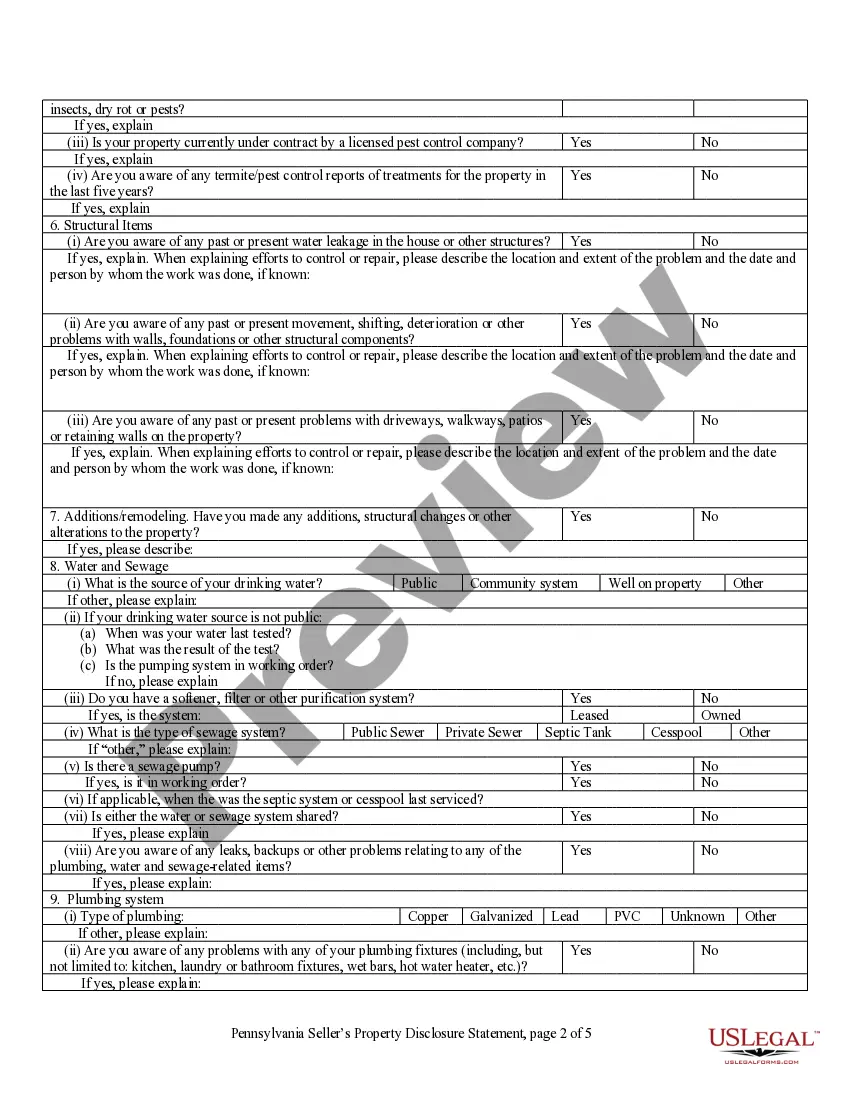
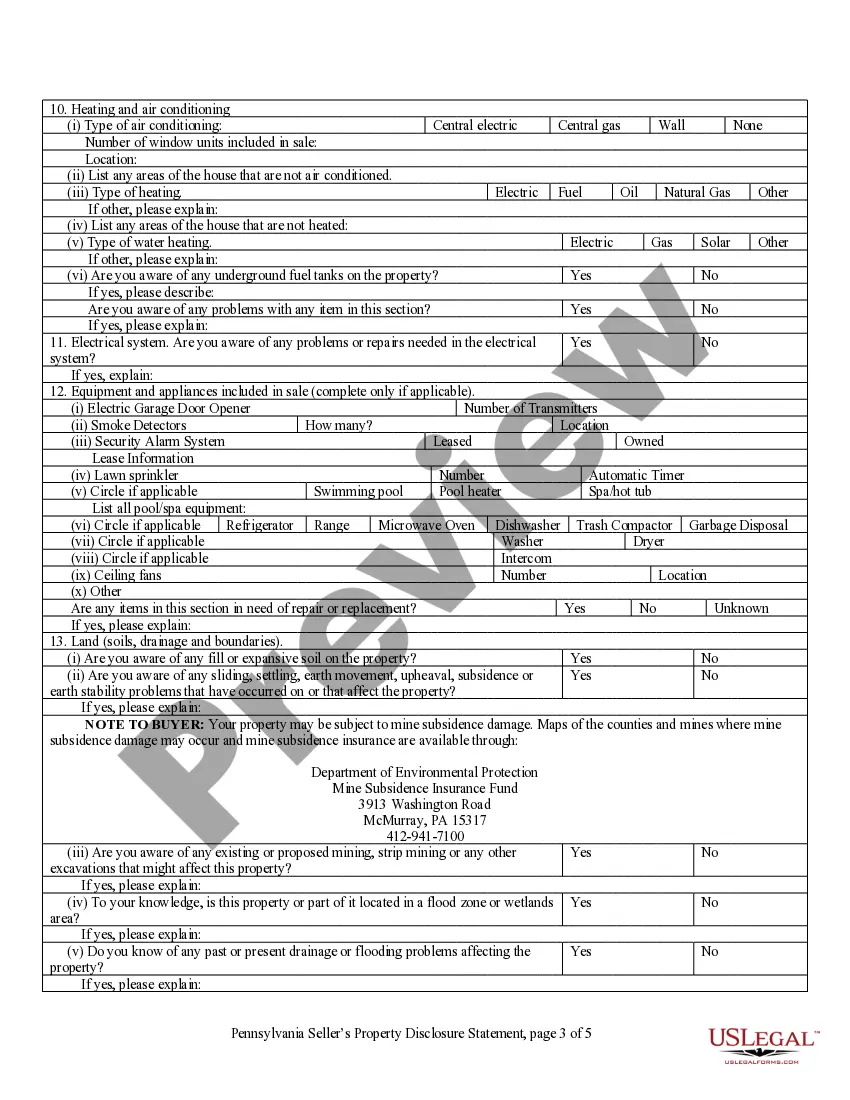
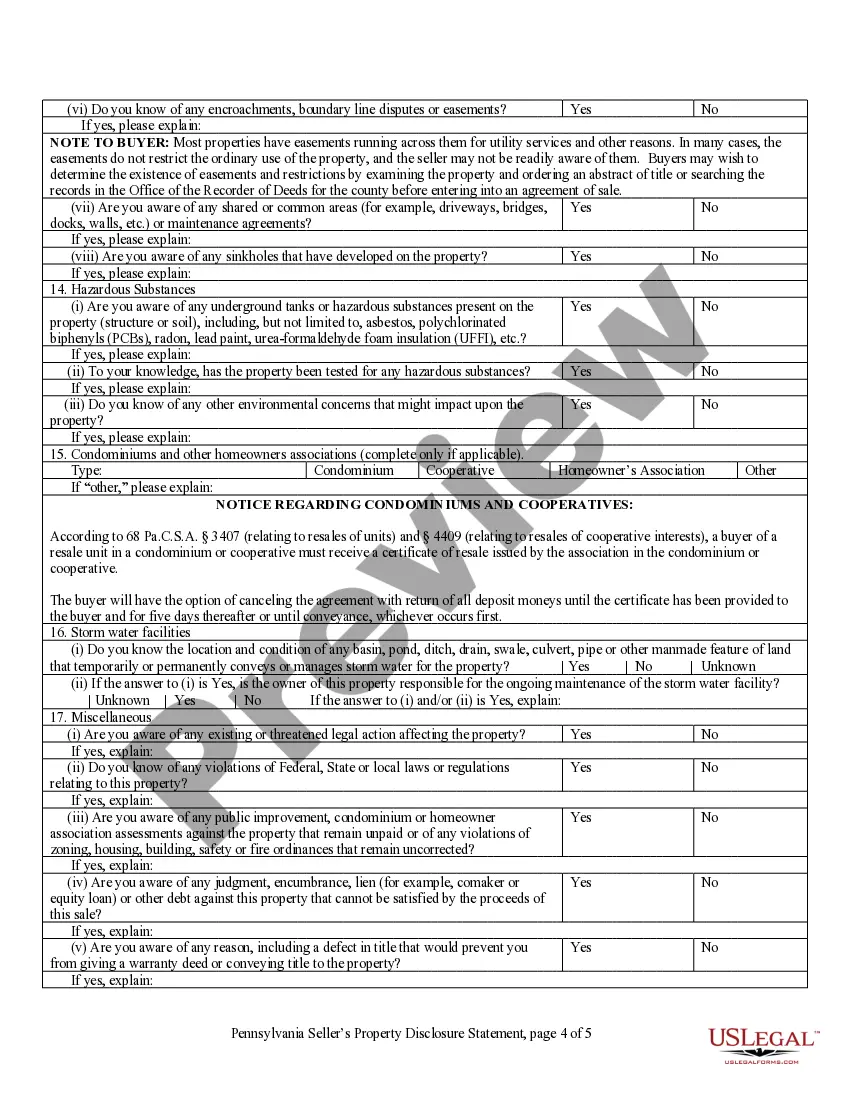
Get your form ready online
Our built-in tools help you complete, sign, share, and store your documents in one place.
Make edits, fill in missing information, and update formatting in US Legal Forms—just like you would in MS Word.
Download a copy, print it, send it by email, or mail it via USPS—whatever works best for your next step.
Sign and collect signatures with our SignNow integration. Send to multiple recipients, set reminders, and more. Go Premium to unlock E-Sign.
If this form requires notarization, complete it online through a secure video call—no need to meet a notary in person or wait for an appointment.
We protect your documents and personal data by following strict security and privacy standards.

Make edits, fill in missing information, and update formatting in US Legal Forms—just like you would in MS Word.

Download a copy, print it, send it by email, or mail it via USPS—whatever works best for your next step.

Sign and collect signatures with our SignNow integration. Send to multiple recipients, set reminders, and more. Go Premium to unlock E-Sign.

If this form requires notarization, complete it online through a secure video call—no need to meet a notary in person or wait for an appointment.

We protect your documents and personal data by following strict security and privacy standards.
Looking for another form?
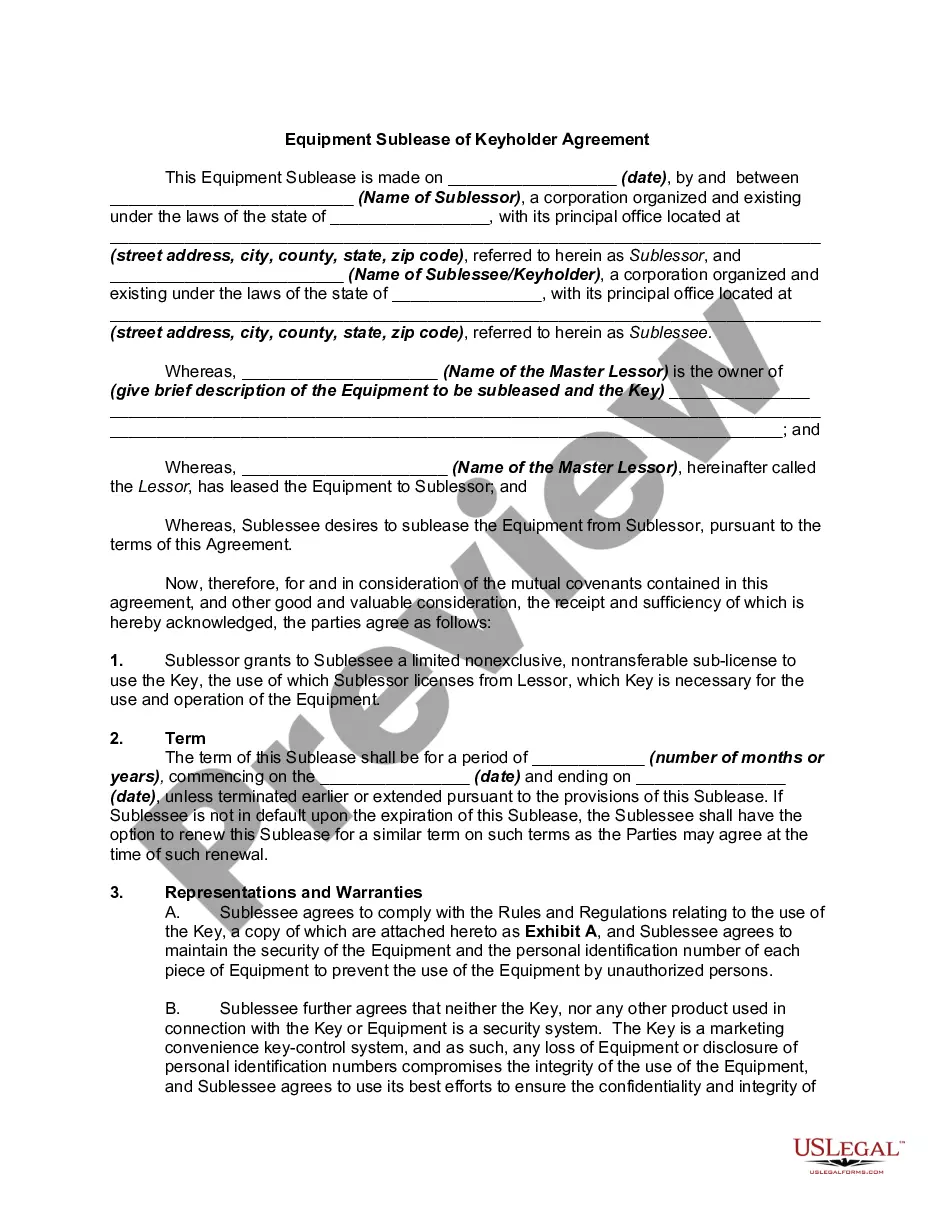
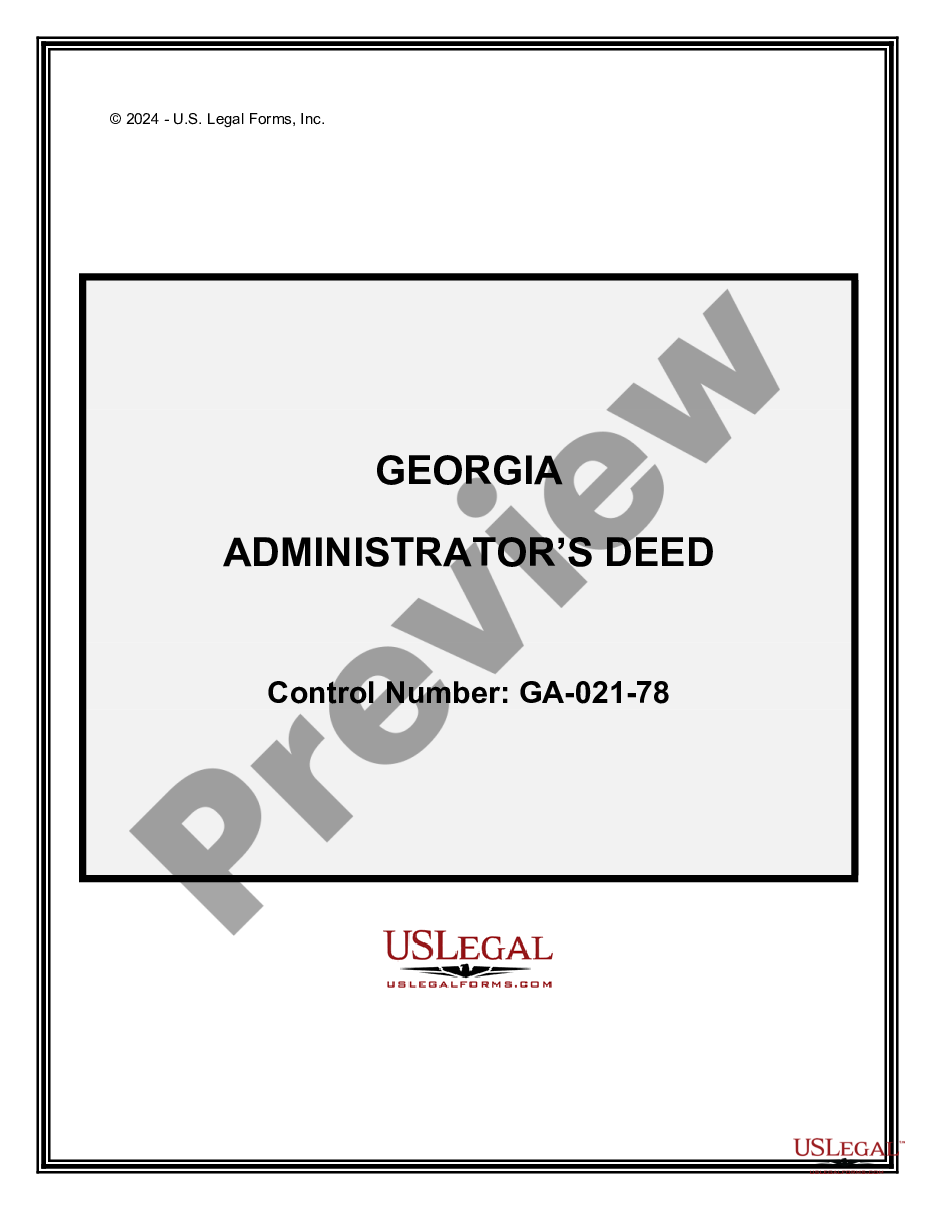

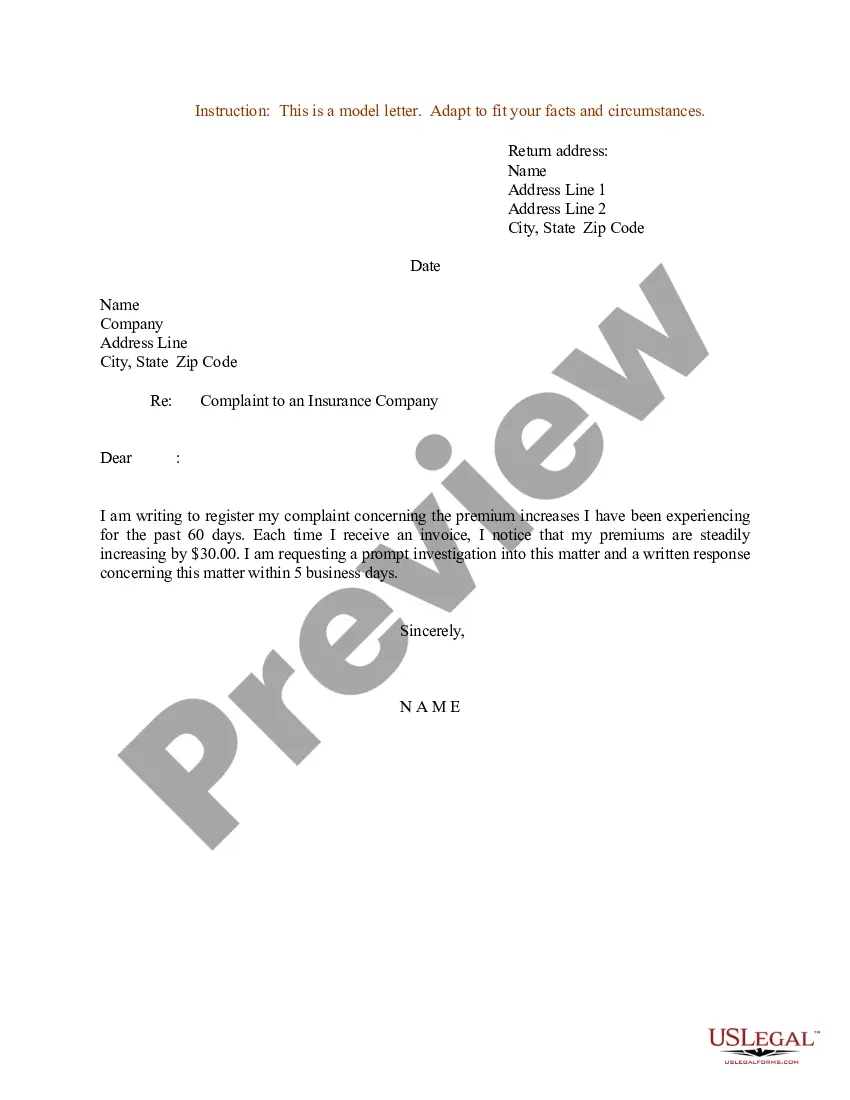


How to fill out Pennsylvania Residential Real Estate Sales Disclosure Statement?
Regardless of whether it is for corporate reasons or personal issues, everyone must handle legal matters at some point in their life.
Completing legal documentation necessitates meticulous care, starting from selecting the appropriate template.
Once it is downloaded, you can complete the form using editing software or print it out and finish it by hand. With an extensive US Legal Forms catalog available, you do not have to waste time searching for the correct sample online. Utilize the library’s simple navigation to find the suitable form for any situation.
- For instance, if you select an incorrect version of the Pennsylvania Estate Form With Land, it will be denied upon submission.
- Thus, it is crucial to have a reliable source of legal documents like US Legal Forms.
- If you wish to acquire a Pennsylvania Estate Form With Land template, adhere to these straightforward steps.
- Locate the sample you require using the search bar or catalog navigation.
- Review the form’s description to confirm it aligns with your circumstances, state, and county.
- Click on the form’s preview to examine it.
- If it is not the correct document, return to the search feature to find the Pennsylvania Estate Form With Land sample you need.
- Obtain the template when it meets your requirements.
- If you possess a US Legal Forms account, click Log in to access previously saved documents in My documents.
- If you do not have an account yet, you can acquire the form by clicking Buy now.
- Select the appropriate pricing option.
- Fill out the account registration form.
- Choose your payment method: you can utilize a credit card or PayPal account.
- Select the document format you desire and download the Pennsylvania Estate Form With Land.
Form popularity
FAQ
In Pennsylvania, an estate must typically exceed $50,000 in value to require probate. This limit applies to the total value of the deceased's assets, including real estate and personal property. If you are dealing with a Pennsylvania estate form with land, understanding this threshold is vital for determining whether probate is necessary. Utilizing resources like USLegalForms can simplify this process and ensure compliance with state requirements.
The 10.5 rule in Pennsylvania relates to the inheritance tax rate applied to estates. In Pennsylvania, the tax rate is 4.5% for direct descendants, but it increases to 10.5% for siblings and 15% for other heirs. When preparing a Pennsylvania estate form with land, this rule is crucial, as it affects how much tax your estate may incur. Being aware of these rates can help you strategize your estate planning to reduce tax burdens.
The 3 year rule for estate refers to the period during which a decedent's estate may be subject to tax obligations in Pennsylvania. Specifically, any property transferred within three years of death may be included in the taxable estate. This means that when filling out a Pennsylvania estate form with land, it's essential to consider any gifts made in that timeframe. Understanding this rule can help you plan your estate effectively and minimize potential tax liabilities.
In Pennsylvania, assets subject to inheritance tax include real estate, bank accounts, and personal property. This tax applies to the total value of the estate, including land and other significant assets. Understanding which assets are taxable helps in planning your estate effectively, so using a Pennsylvania estate form with land can provide clarity on tax obligations and streamline the process.
If you do not file Pennsylvania inheritance tax, you may face penalties and interest on the amount due. The state can also pursue collection actions against the estate, which complicates the distribution of assets. To avoid these issues, it's crucial to file the necessary forms, including the Pennsylvania estate form with land, to ensure compliance and protect your estate.
Yes, an estate can be settled without probate in Pennsylvania under certain conditions. For example, if the estate's value is below the probate threshold, or if assets are held in joint tenancy or have designated beneficiaries, probate may not be necessary. It's important to use a Pennsylvania estate form with land to ensure that all assets are accounted for, helping to facilitate a smoother settlement without probate.
In Pennsylvania, an estate typically must be worth more than $50,000 to enter probate. However, this threshold can vary based on the type of assets involved. For estates with land, the value may be assessed differently. Utilizing a Pennsylvania estate form with land can help clarify the probate process and assess your estate's worth effectively.