Rental Increase Letter For Month To Month Tenant
Description

Get your form ready online
Our built-in tools help you complete, sign, share, and store your documents in one place.
Make edits, fill in missing information, and update formatting in US Legal Forms—just like you would in MS Word.
Download a copy, print it, send it by email, or mail it via USPS—whatever works best for your next step.
Sign and collect signatures with our SignNow integration. Send to multiple recipients, set reminders, and more. Go Premium to unlock E-Sign.
If this form requires notarization, complete it online through a secure video call—no need to meet a notary in person or wait for an appointment.
We protect your documents and personal data by following strict security and privacy standards.

Make edits, fill in missing information, and update formatting in US Legal Forms—just like you would in MS Word.

Download a copy, print it, send it by email, or mail it via USPS—whatever works best for your next step.

Sign and collect signatures with our SignNow integration. Send to multiple recipients, set reminders, and more. Go Premium to unlock E-Sign.

If this form requires notarization, complete it online through a secure video call—no need to meet a notary in person or wait for an appointment.

We protect your documents and personal data by following strict security and privacy standards.
Looking for another form?
Form popularity
FAQ
When explaining a rent increase to a tenant, clarity is essential. You can draft a rental increase letter for month to month tenant that details the reasons for the increase, any improvements made to the property, and how the adjustment aligns with market rates. This transparent approach helps build trust between you and your tenant.
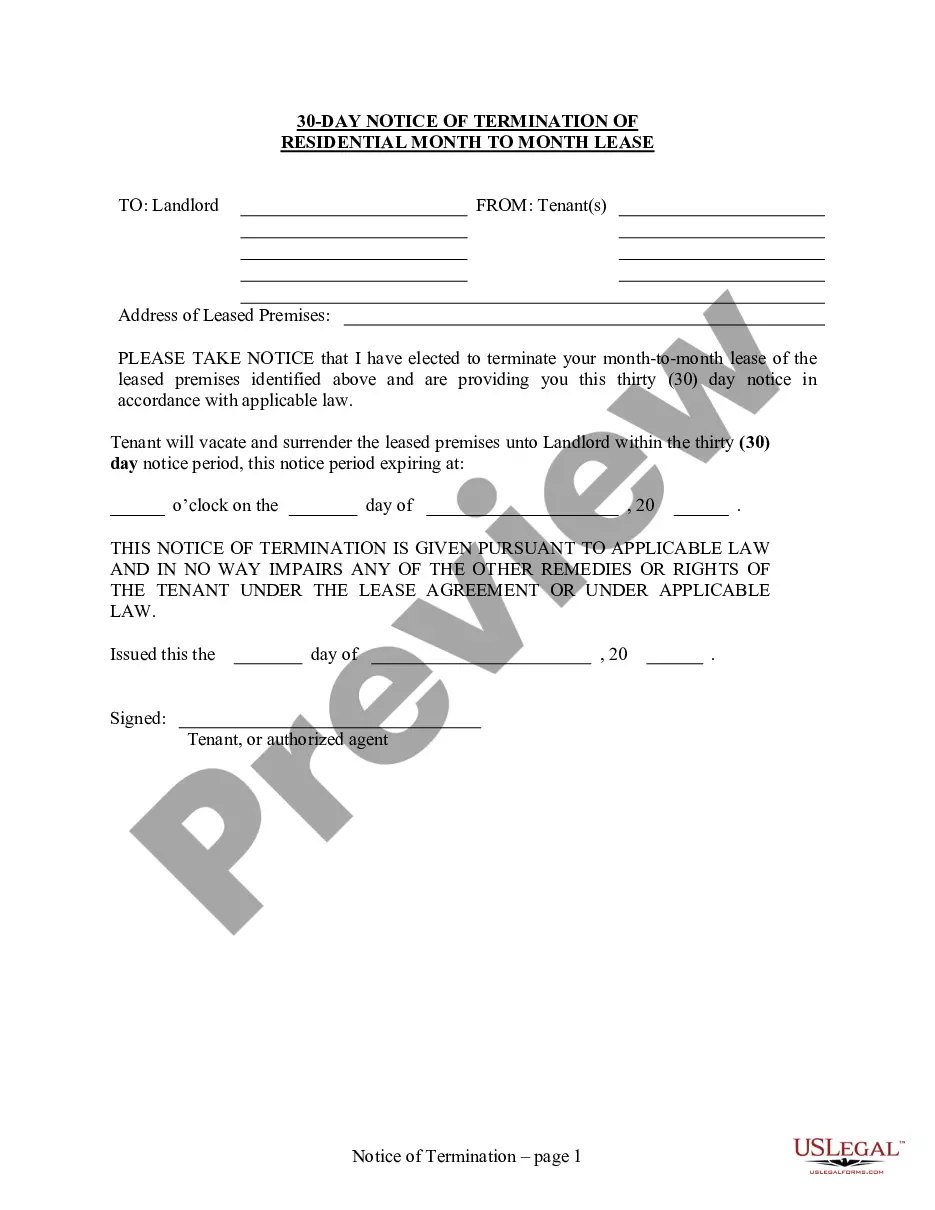
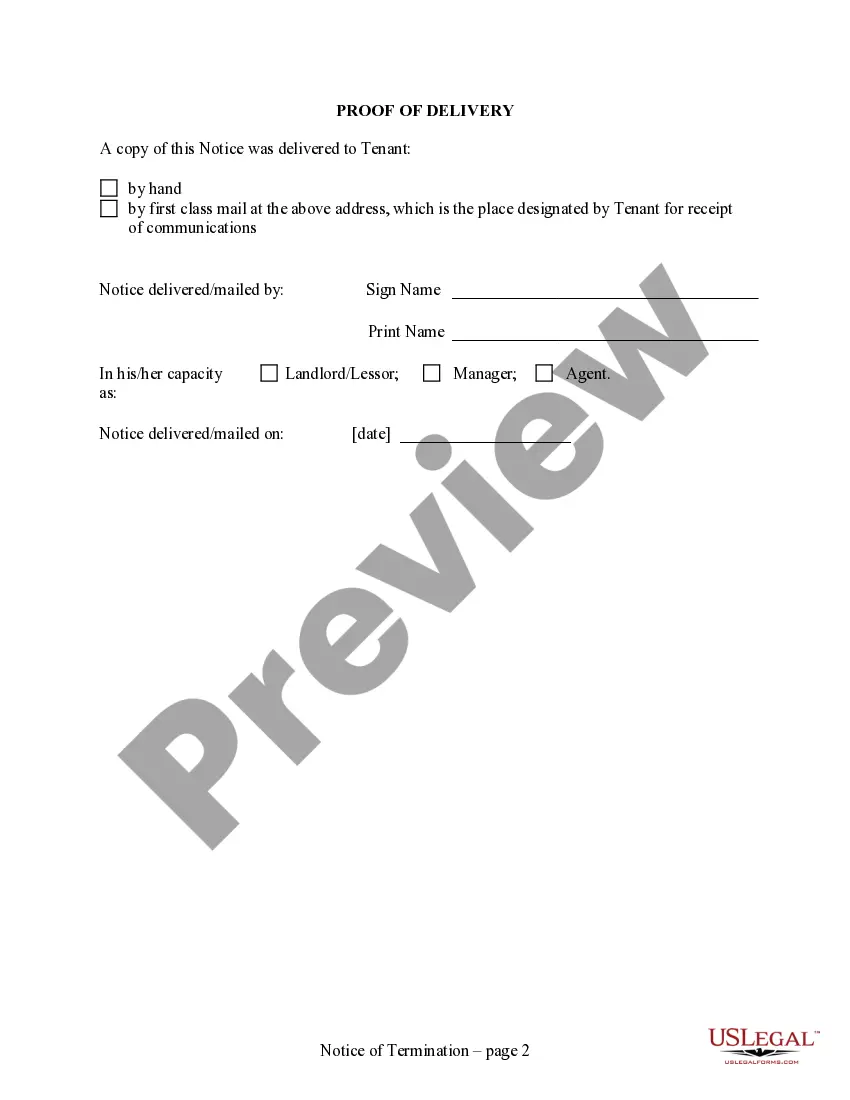
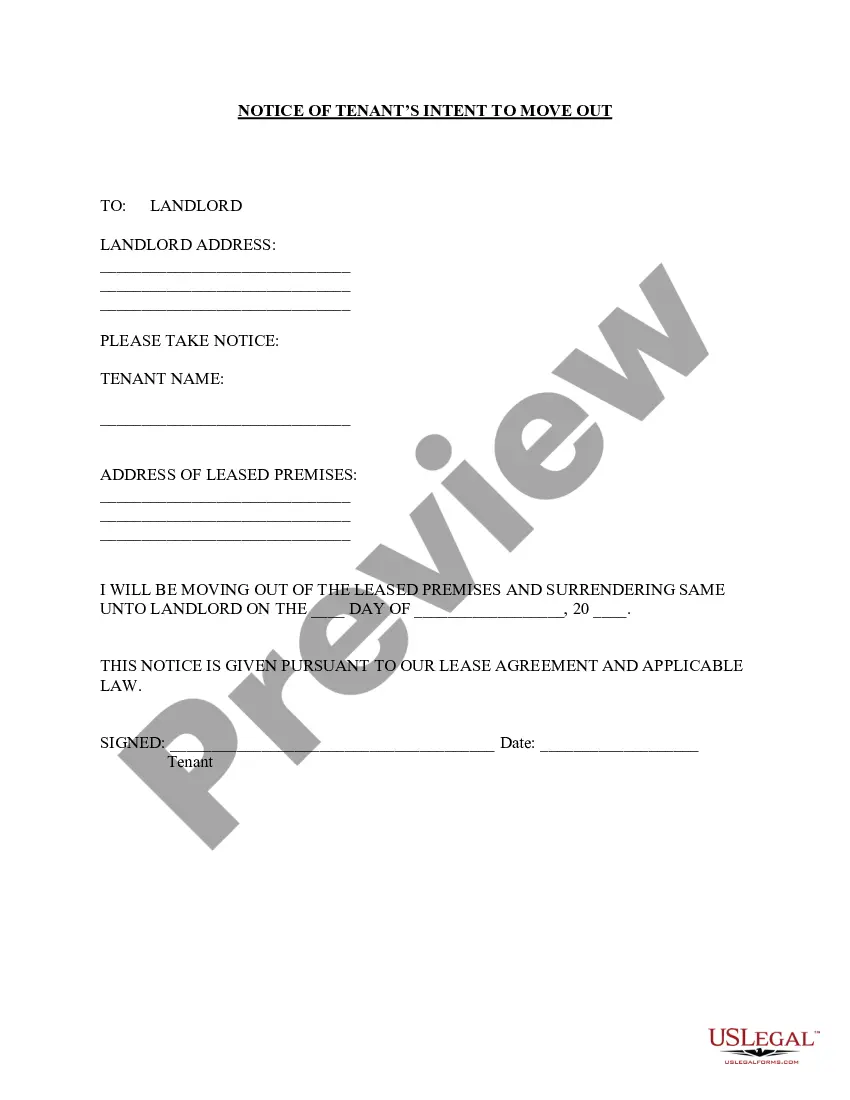
To write a two-month notice letter to a landlord, begin with a formal greeting and state your intent to vacate the rental property. Make sure to follow it with the intended move-out date, and any relevant details about the condition of the property. A rental increase letter for month to month tenant can serve as a helpful format to structure your notice.
An addendum to a rent increase is a document that modifies the terms of an existing lease agreement. This document should outline the new rent amount and any other changes due to the increase. Including a rental increase letter for month to month tenant will help clarify the changes and ensure both parties understand and agree to the new terms.
The best letter for a rent increase clearly communicates the new terms while being respectful and professional. A rental increase letter for month to month tenant should specify the new rent amount, the effective date of the increase, and any relevant lease terms. Additionally, it’s beneficial to express appreciation for the tenant’s residency, fostering goodwill.
In New York City, the notice period for a rent increase can vary based on the length of the tenant's occupancy. Typically, landlords must provide at least 30 days' notice for tenants who have lived in the unit for less than one year and 60 days for those who have lived there for more than a year. Adhering to these timelines is essential for a proper rental increase letter for month to month tenant. Utilizing platforms like US Legal Forms can streamline this process and ensure compliance.
Writing a rent increase letter to a tenant requires clarity and professionalism. Start by addressing the tenant and stating the current rent amount, followed by the new rent amount and the effective date of the increase. Provide a brief explanation for the increase, and ensure the letter aligns with local regulations. A well-crafted rental increase letter for month to month tenant can help maintain a good landlord-tenant relationship.
The maximum amount a landlord can increase your rent depends on state and local laws. Generally, there are regulations in place that limit how much a landlord can raise rent in a given period. For month-to-month tenants, it is crucial to review lease agreements and local housing codes. It's wise to consult a rental increase letter for month to month tenant to ensure compliance and clarity.
In writing a letter to society regarding a new tenant, clarity is essential. Start with a formal introduction, then state the name of the new tenant and the unit they will occupy. Include details such as the move-in date and their contact information, if applicable. By notifying the community in this way, you help ensure smooth interactions and maintain the harmony of your living space, while also setting the stage for any future discussions about rental agreements or a rental increase letter for month to month tenant.
When you need to write a notice letter for moving out, provide specific details to avoid any confusion. Begin with your address and the date, then state your intention to vacate the premises and include the expected move-out date. Be sure to mention any final inspections or agreements regarding your security deposit as well. Communicating this in a structured manner prepares both you and your landlord for the transition, especially if a rental increase letter for month to month tenant is involved.
Writing a letter to a tenant involves clarity and respect. Start with a formal greeting and state the purpose of the letter clearly, whether it’s about lease terms, maintenance updates, or a rental increase letter for month to month tenant. Use a friendly yet professional tone, and ensure you include all necessary details, such as dates and expectations. Finally, close with an invitation for any questions they may have, showing that you value their input.
