Life Estate For House
Description
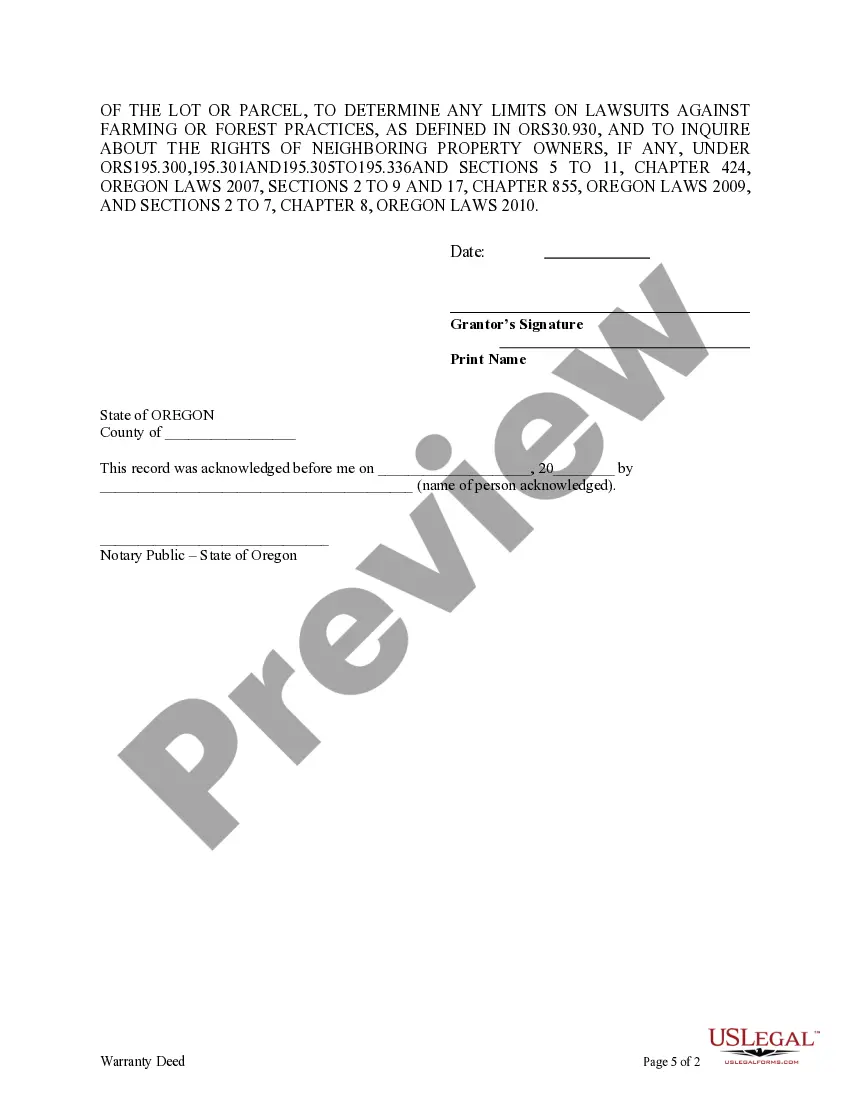


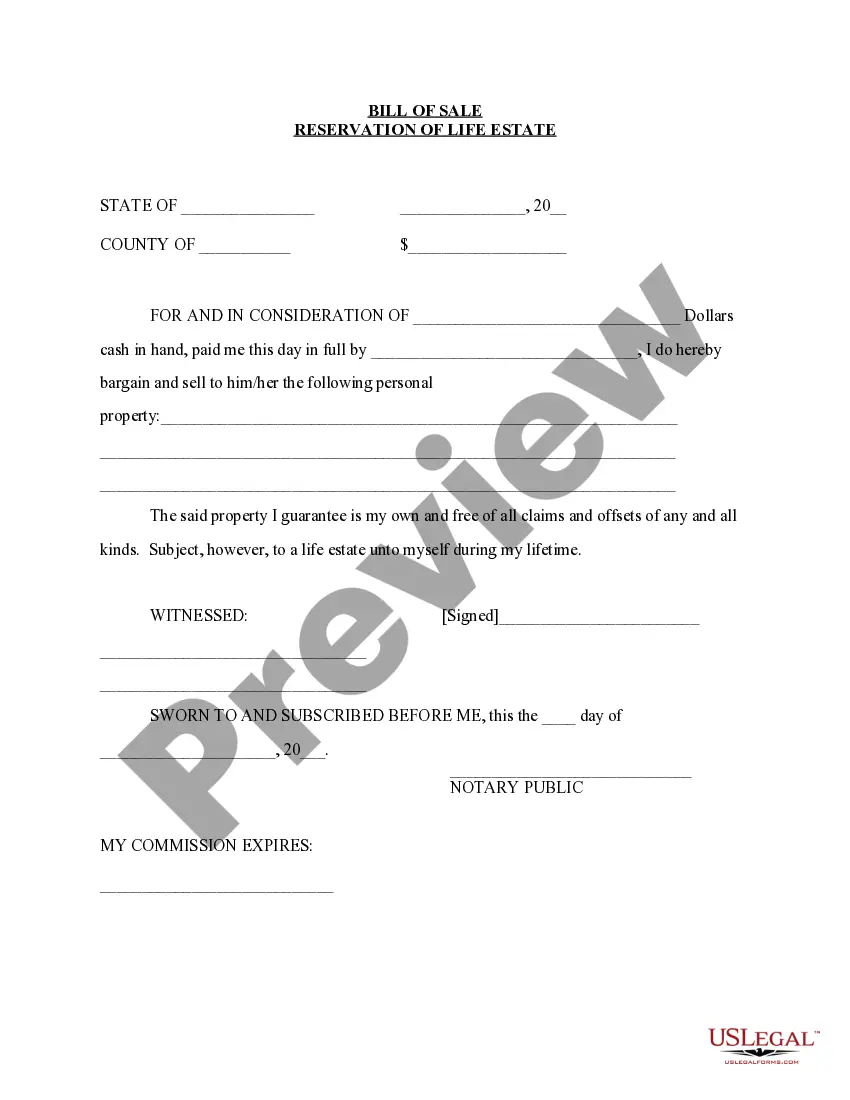
Get your form ready online
Our built-in tools help you complete, sign, share, and store your documents in one place.
Make edits, fill in missing information, and update formatting in US Legal Forms—just like you would in MS Word.
Download a copy, print it, send it by email, or mail it via USPS—whatever works best for your next step.
Sign and collect signatures with our SignNow integration. Send to multiple recipients, set reminders, and more. Go Premium to unlock E-Sign.
If this form requires notarization, complete it online through a secure video call—no need to meet a notary in person or wait for an appointment.
We protect your documents and personal data by following strict security and privacy standards.

Make edits, fill in missing information, and update formatting in US Legal Forms—just like you would in MS Word.

Download a copy, print it, send it by email, or mail it via USPS—whatever works best for your next step.

Sign and collect signatures with our SignNow integration. Send to multiple recipients, set reminders, and more. Go Premium to unlock E-Sign.

If this form requires notarization, complete it online through a secure video call—no need to meet a notary in person or wait for an appointment.

We protect your documents and personal data by following strict security and privacy standards.
Looking for another form?





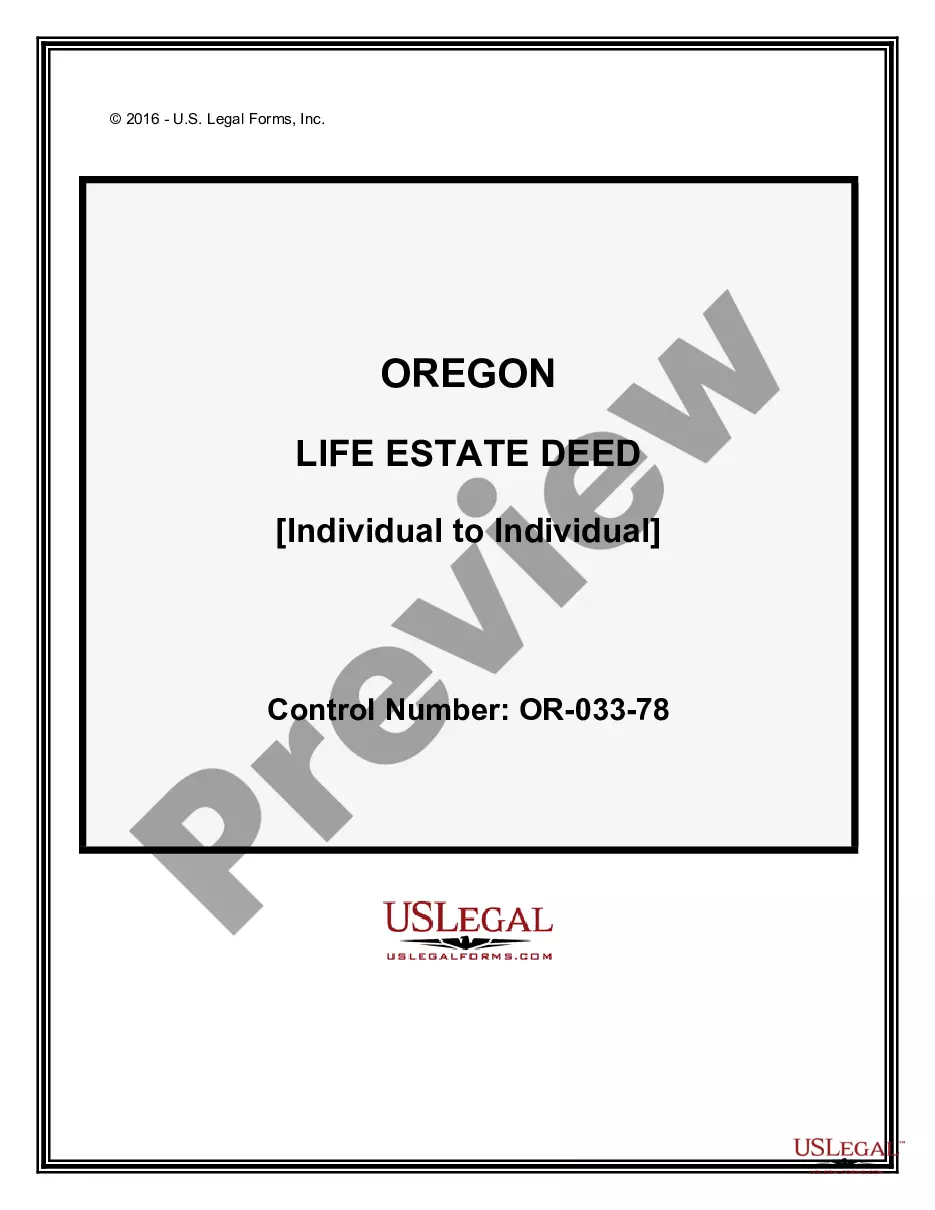
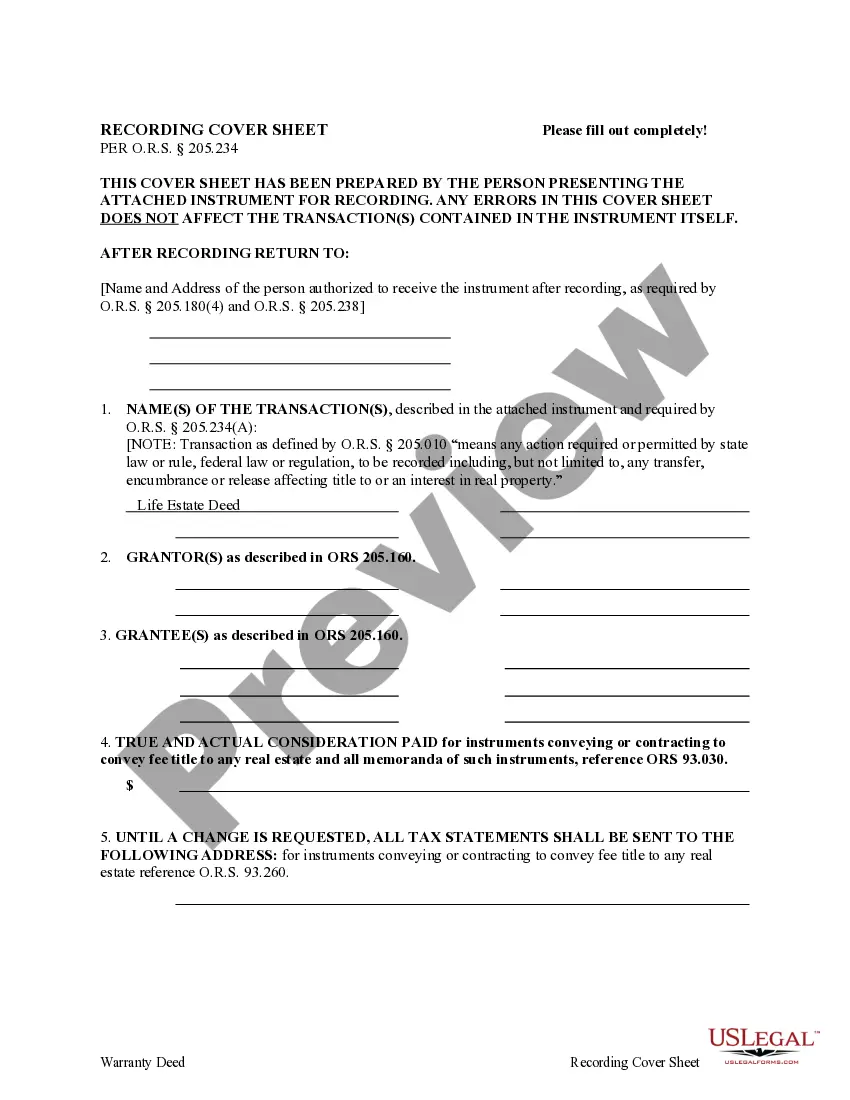
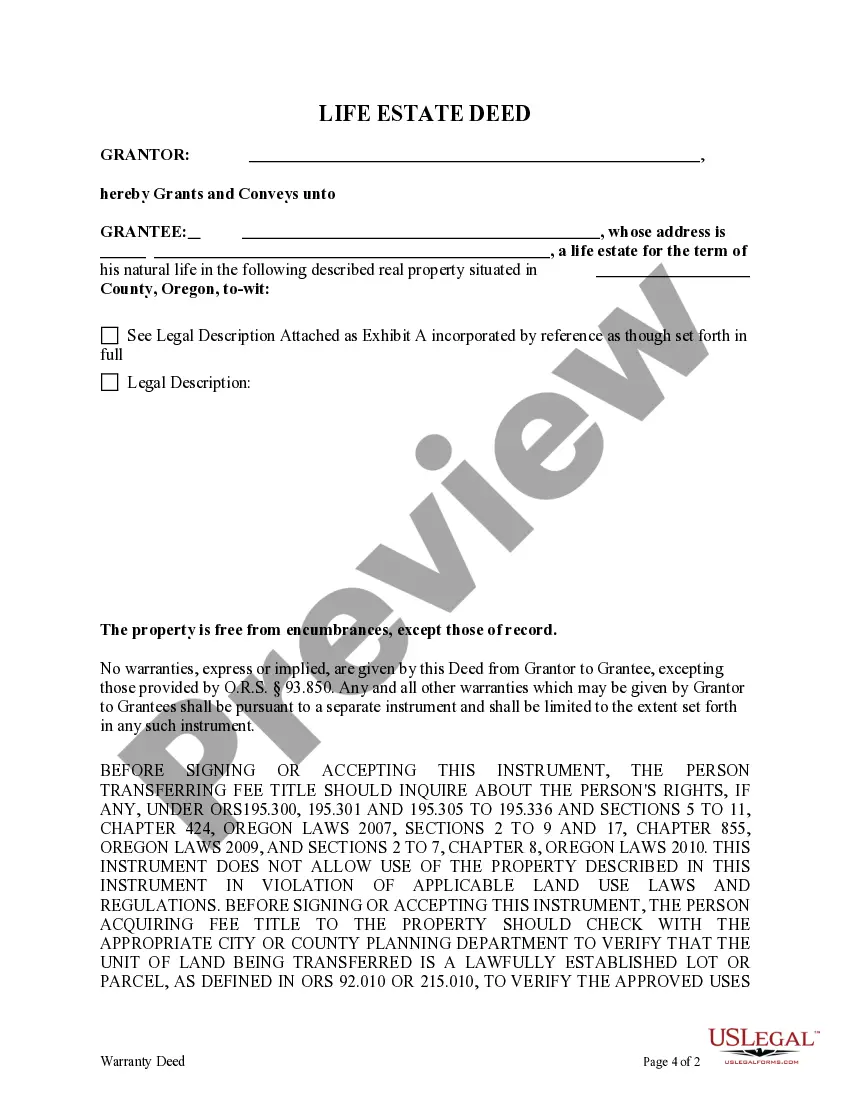
How to fill out Oregon Life Estate Deed From An Individual To An Individual.?
- If you're a returning user, simply log into your account and ensure your subscription is active. Download the required form by clicking the Download button.
- For first-time users, start by exploring the Preview mode and reviewing the form descriptions to choose the right document that aligns with your local jurisdiction.
- In case you need a different template, utilize the Search tab above to locate the appropriate document that matches your requirements.
- Once you find the correct form, select the Buy Now button and choose the subscription plan that suits you. You'll need to create an account to gain access to our comprehensive library.
- Proceed with your purchase by entering your credit card details or opting for PayPal to complete your subscription.
- After purchasing, download and save your form on your device. You can access it anytime from the My Forms section in your profile.
By following these steps, you can effortlessly navigate through acquiring your legal documents. US Legal Forms offers more than just a collection of templates; it provides peace of mind that your documents are accurate and legally compliant.
Don’t wait any longer, take control of your estate planning today with US Legal Forms!
Form popularity
FAQ
No, a will generally cannot override a life estate deed, as the property ownership terms are established by the deed itself. Once the life estate is in place, it dictates what happens after the life tenant passes away. For clarity and legal insight regarding life estates, resources like USLegalForms can provide essential guidance.
People often choose a life estate for house because it allows them to retain living rights while benefiting others after their death. This arrangement can simplify estate planning and avoid probate. A life estate can provide peace of mind in knowing that your wishes for the property's future are secured.
You can sell a house within a life estate, but it requires the consent of the remainderman. The sale proceeds would typically be shared according to the terms of the life estate agreement. Therefore, if you're considering a life estate for house, ensure you understand these selling dynamics.
The downside of a life estate lies in the restrictions it places on property usage. Upon the death of the life tenant, the property automatically transfers to the remainderman, which can lead to disputes among heirs. It’s wise to think about these implications when contemplating a life estate for house.
One significant negative of a life estate for house is that the life tenant cannot modify or sell the property without the consent of the remainderman. Additionally, life estates can complicate the inheritance process and limit financial flexibility. Be sure to weigh these factors carefully when considering a life estate.
The two primary types of life estate are ordinary life estates and pur autre vie life estates. An ordinary life estate allows the owner to reside in the property for their lifetime, while a pur autre vie life estate grants rights based on the lifetime of another individual. Both types serve unique purposes when considering how to structure ownership of a life estate for house.
Yes, creditors can potentially pursue a life estate for claims against the owner. While the life tenant retains rights to the property during their lifetime, the estate itself could still be subject to debt collection. Therefore, it's essential to understand how a life estate for house might impact your financial obligations and liabilities.
Certain factors can render a life estate for a house invalid, such as improper execution of the deed or failure to meet legal requirements. If the deed does not clearly designate the life tenant or lacks necessary signatures, the life estate may not hold up in court. Additionally, if the life tenant is not competent at the time of the deed's execution, it could challenge the validity. To prevent these issues, consult legal resources like US Legal Forms, which can help you create valid documents.
The responsibility for paying property tax on a life estate falls to the life tenant. Since they occupy the property and enjoy its benefits, it is their duty to handle any tax obligations during their lifetime. This arrangement ensures that the property remains in good standing while the life tenant resides there. For further guidance on managing taxes in a life estate scenario, check out US Legal Forms.
The remainderman in a life estate for a house cannot sell the property while the life tenant is still alive. Their ownership rights begin only after the life tenant's death. However, the remainderman can sell their future interest, which may affect the life tenant's living situation. For assistance with legal documents related to this matter, US Legal Forms can be a valuable resource.