Life Estate For Farm Land
Description
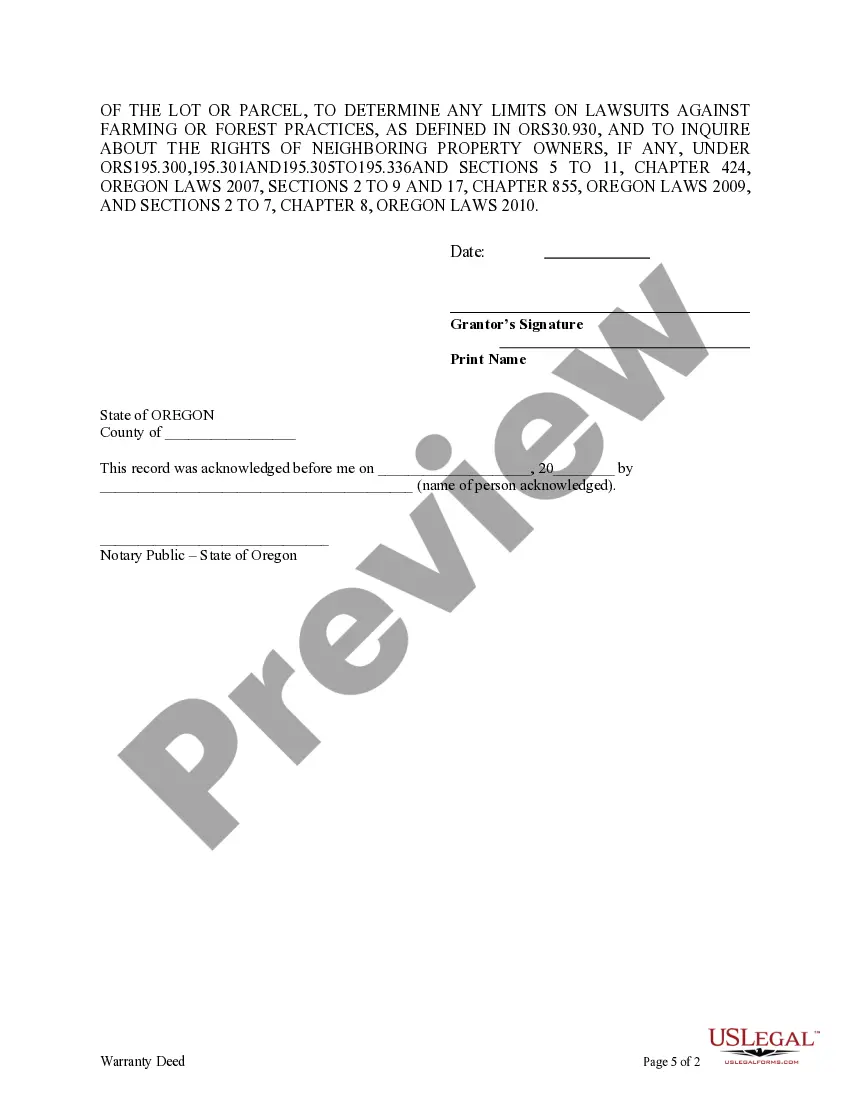



Get your form ready online
Our built-in tools help you complete, sign, share, and store your documents in one place.
Make edits, fill in missing information, and update formatting in US Legal Forms—just like you would in MS Word.
Download a copy, print it, send it by email, or mail it via USPS—whatever works best for your next step.
Sign and collect signatures with our SignNow integration. Send to multiple recipients, set reminders, and more. Go Premium to unlock E-Sign.
If this form requires notarization, complete it online through a secure video call—no need to meet a notary in person or wait for an appointment.
We protect your documents and personal data by following strict security and privacy standards.

Make edits, fill in missing information, and update formatting in US Legal Forms—just like you would in MS Word.

Download a copy, print it, send it by email, or mail it via USPS—whatever works best for your next step.

Sign and collect signatures with our SignNow integration. Send to multiple recipients, set reminders, and more. Go Premium to unlock E-Sign.

If this form requires notarization, complete it online through a secure video call—no need to meet a notary in person or wait for an appointment.

We protect your documents and personal data by following strict security and privacy standards.
Looking for another form?








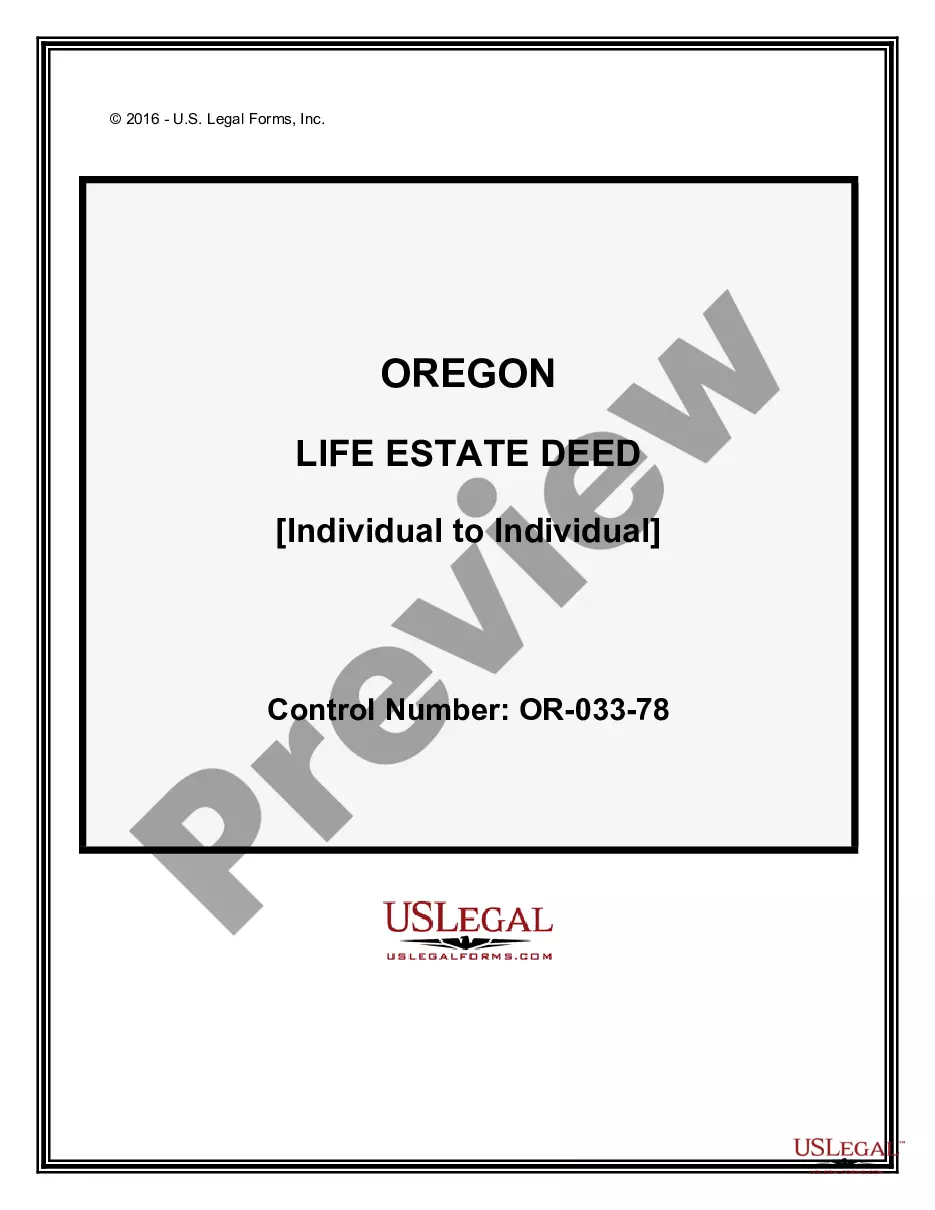
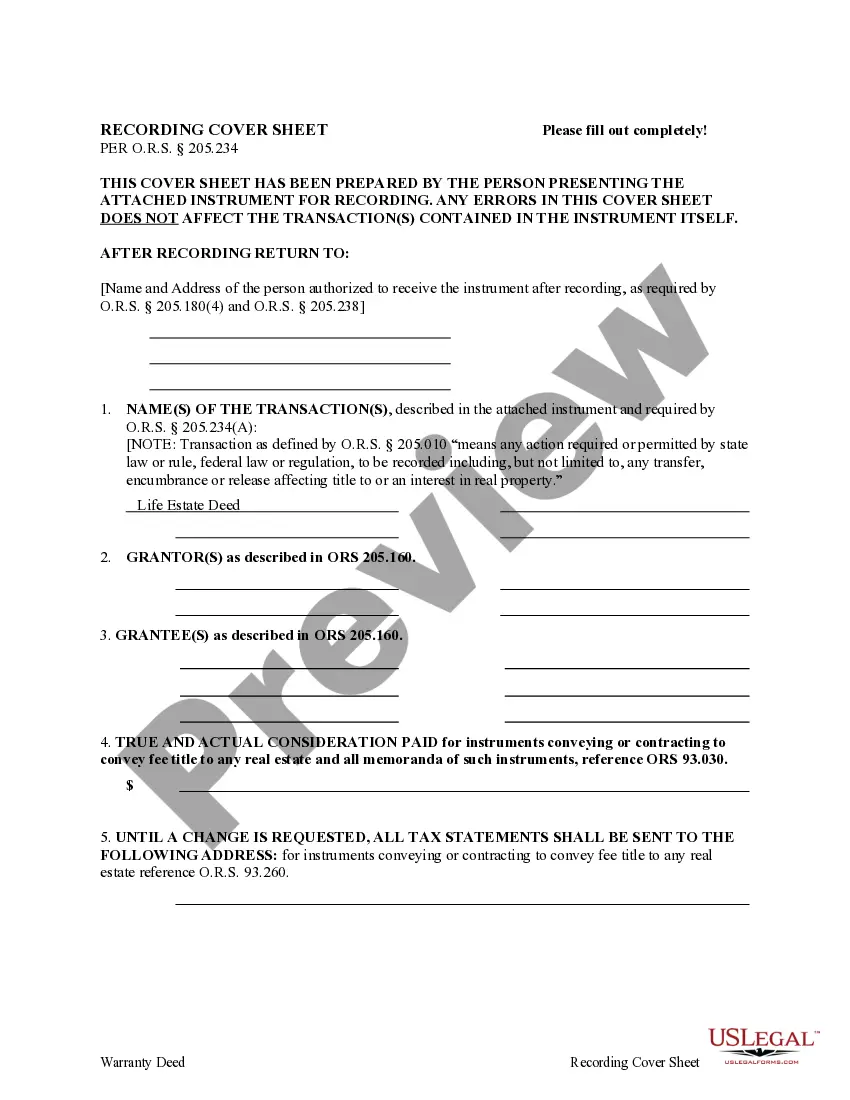
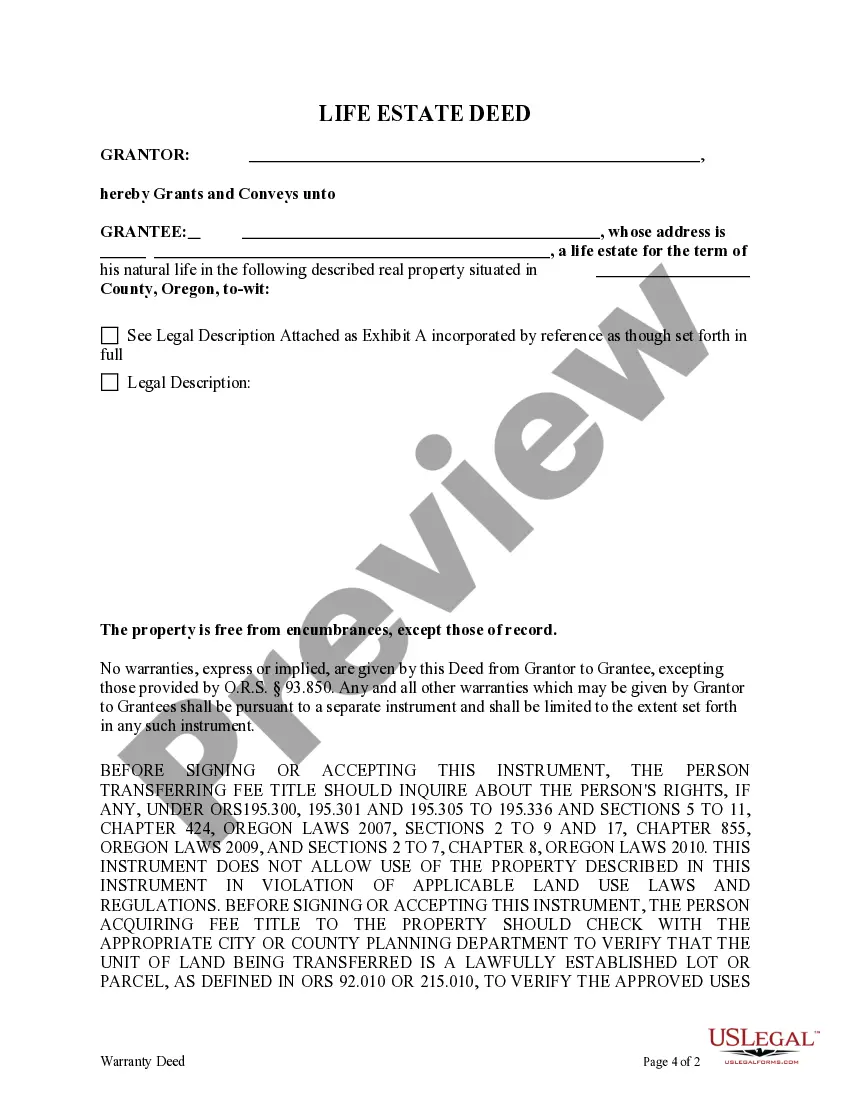
How to fill out Oregon Life Estate Deed From An Individual To An Individual.?
The Life Estate for Agricultural Land displayed on this page is a versatile, formal document format created by expert attorneys in compliance with federal and state statutes and regulations.
For over 25 years, US Legal Forms has offered individuals, organizations, and legal practitioners more than 85,000 verified, state-specific forms for any business and personal situations. It’s the fastest, easiest, and most reliable method to secure the documents you need, as the service provides bank-level data encryption and anti-malware safeguards.
Register for US Legal Forms to have dependable legal templates for all of life's situations at your fingertips.
- Search for the document you require and review it.
- Browse the sample you located and preview it or examine the form description to ensure it meets your needs. If it doesn’t, utilize the search function to identify the correct one. Click Buy Now after you have found the document you need.
- Subscribe and Log In.
- Select the pricing option that fits your needs and create an account. Use PayPal or a credit card to make a quick payment. If you already possess an account, Log In and verify your subscription to continue.
- Obtain the fillable document.
- Choose the format you desire for your Life Estate for Agricultural Land (PDF, Word, RTF) and download the template to your device.
- Fill out and sign the document.
- Print the template to complete it by hand. Alternatively, utilize an online multifunction PDF editor to swiftly and accurately fill in and sign your form with a legally-binding electronic signature.
- Download your documents again.
- Use the same document anytime it's needed. Go to the My documents section in your profile to redownload any previously purchased forms.
Form popularity
FAQ
To set up a life estate for farm land, you begin by drafting a life estate deed, which outlines who the life tenant is and who the remainderman will be. It's essential to clearly specify the rights and responsibilities of the life tenant, including how the land can be used and maintained. Additionally, consider consulting with a legal expert. They can ensure that the deed complies with local laws and properly reflects your intentions for the life estate on your farm land.
When it comes to a life estate for farm land, the life tenant, or the person holding the life estate, generally pays property taxes during their lifetime. This responsibility includes the payment of any local property taxes and upkeep of the land. However, the remainderman may have some obligations after the life tenant's passing. Understanding these tax responsibilities can help you plan effectively for the future of your farm.
A life estate for farm land provides significant benefits, allowing you to enjoy the property during your lifetime while passing it to heirs afterward. You can manage the land, grow crops, or even lease it for income. However, keep in mind that you cannot sell the property without consent from the remainderman, the person who receives it after your death. This arrangement helps ensure your wishes are respected while providing financial stability for future generations.
To reduce or avoid estate tax on farm land, consider utilizing a life estate for farm land. This arrangement allows you to retain life use of the property while transferring ownership upon death, potentially lowering your taxable estate. Engage with a knowledgeable estate planner to explore options like gifting the property to heirs before your death, or placing it in a trust. Implementing these strategies early can help safeguard your farm from hefty estate taxes.
A life estate for farm land can indeed have tax implications. Generally, as a life tenant, you remain responsible for property taxes, which can impact your finances. However, once the life estate ends, the remainderman usually assumes the tax responsibility. Always consider consulting a tax professional to understand how this arrangement affects your specific situation.
Yes, you can certainly establish a life estate for farm land. This arrangement allows you to remain the occupant of the property while designating its future owners. It's a straightforward way to ensure that the land you’ve cultivated will continue within your family. Using platforms like uslegalforms can simplify the legal process of creating such an estate.
One downside of a life estate for farm land is that it may complicate your financial decisions. If you need to sell or refinance your land, both parties must agree, which may not always be possible. Another issue could arise regarding maintenance costs, as both the life tenant and the remainderman may have differing opinions on property upkeep. Addressing these potential conflicts early on is crucial.
A life estate for farm land can be more effective than a will in specific circumstances. Unlike a will, a life estate bypasses probate, which can be a lengthy and costly process. This method ensures that your property transfers smoothly to your heirs upon your passing. However, which option is better can depend on individual circumstances, so it’s wise to consult with an expert.
While a life estate for farm land offers benefits, it also comes with some drawbacks. The property cannot be sold or mortgaged without the consent of both the life tenant and the remainderman. Additionally, the life estate may limit your ability to make future changes to the property, which could affect your plans down the road. Therefore, understanding these limitations is essential before proceeding.
Creating a life estate for farm land allows individuals to retain control over their property during their lifetime while ensuring it passes directly to heirs. This arrangement simplifies the transfer process and can help avoid probate. Additionally, a life estate provides peace of mind, knowing the land will remain within the family. It's a strategic choice for those considering estate planning.