Trust Or Llc For Real Estate
Description
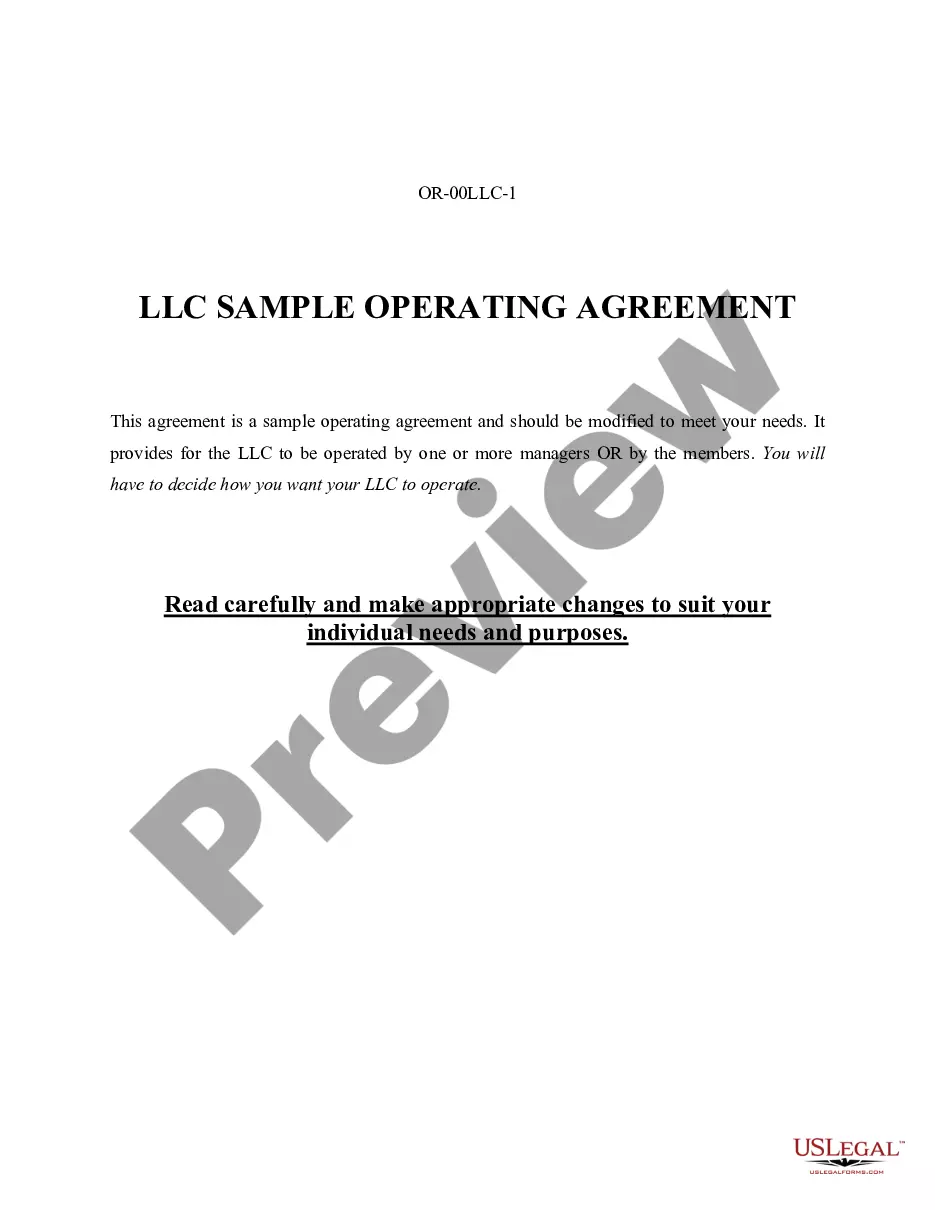
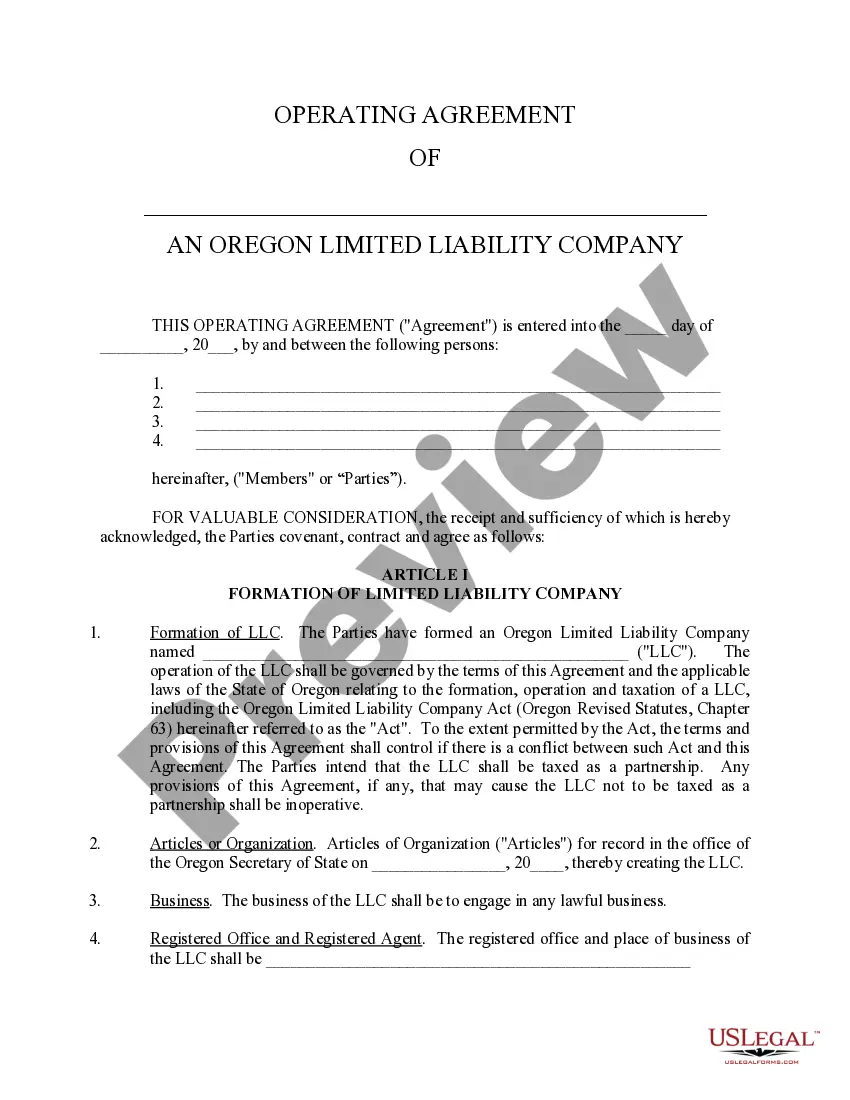
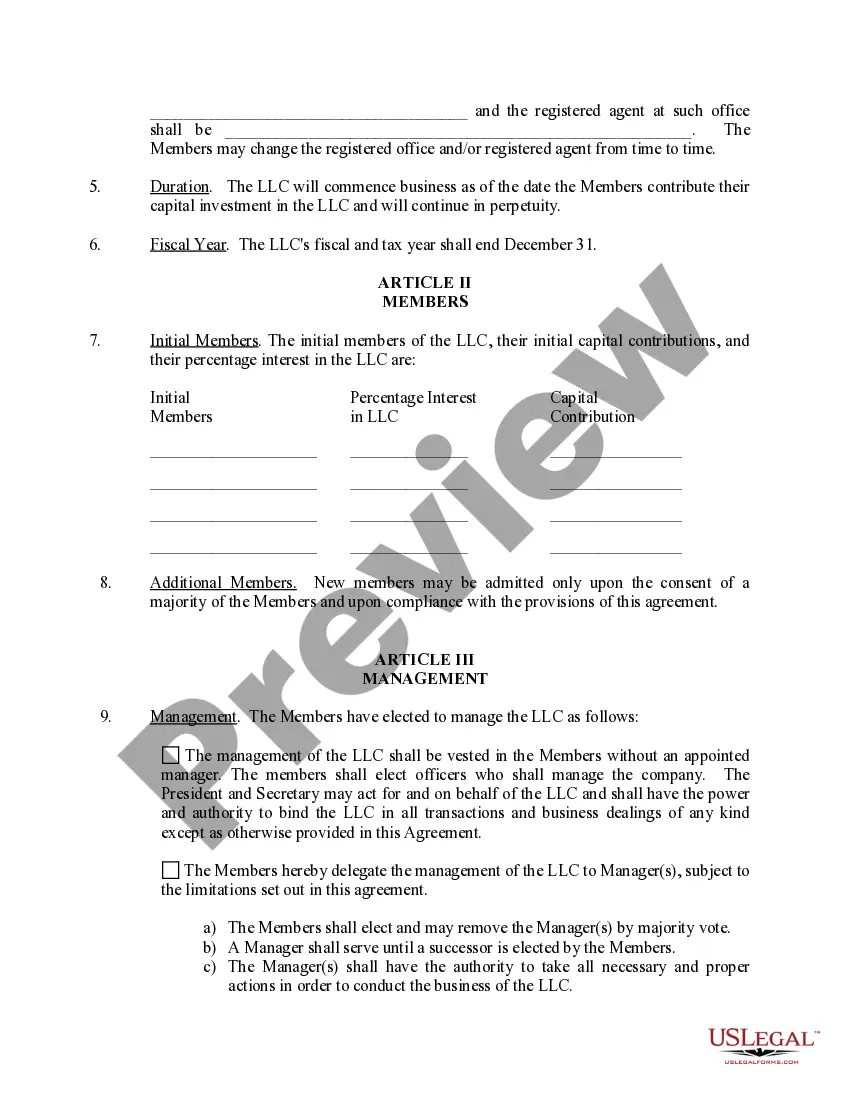
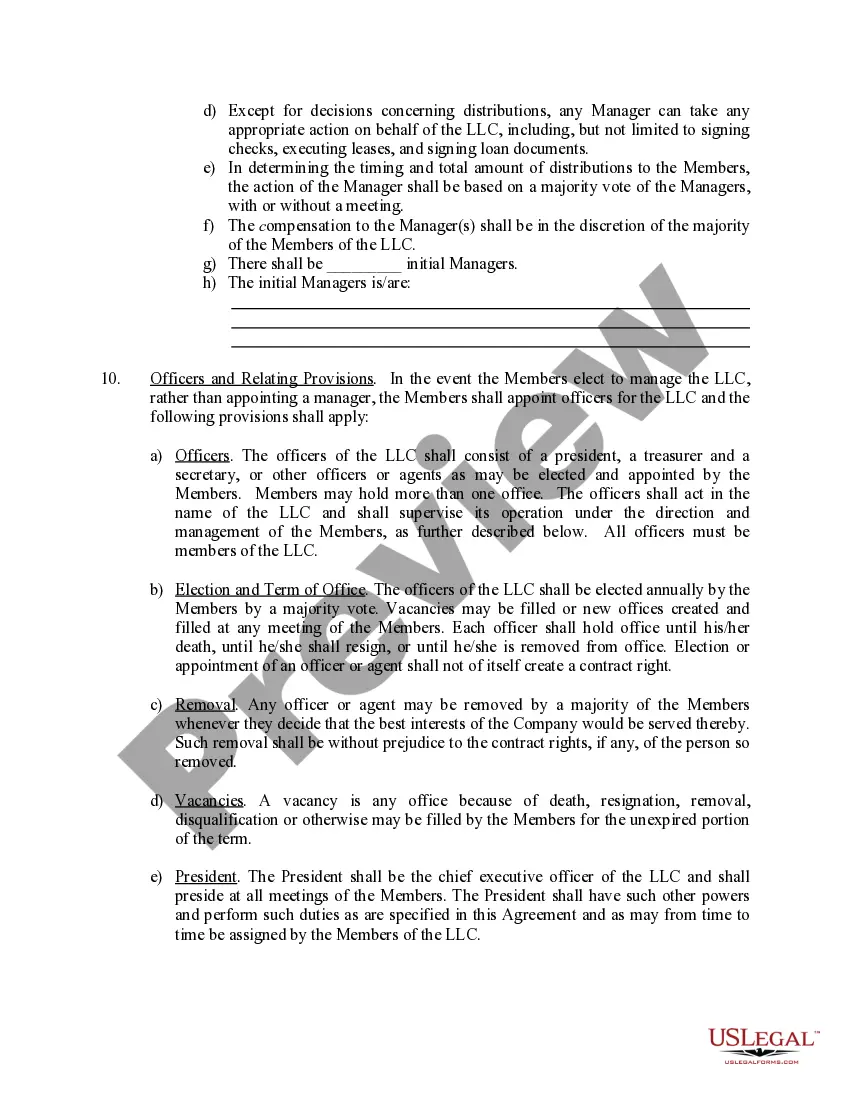

Get your form ready online
Our built-in tools help you complete, sign, share, and store your documents in one place.
Make edits, fill in missing information, and update formatting in US Legal Forms—just like you would in MS Word.
Download a copy, print it, send it by email, or mail it via USPS—whatever works best for your next step.
Sign and collect signatures with our SignNow integration. Send to multiple recipients, set reminders, and more. Go Premium to unlock E-Sign.
If this form requires notarization, complete it online through a secure video call—no need to meet a notary in person or wait for an appointment.
We protect your documents and personal data by following strict security and privacy standards.

Make edits, fill in missing information, and update formatting in US Legal Forms—just like you would in MS Word.

Download a copy, print it, send it by email, or mail it via USPS—whatever works best for your next step.

Sign and collect signatures with our SignNow integration. Send to multiple recipients, set reminders, and more. Go Premium to unlock E-Sign.

If this form requires notarization, complete it online through a secure video call—no need to meet a notary in person or wait for an appointment.

We protect your documents and personal data by following strict security and privacy standards.
Looking for another form?


How to fill out Oregon Limited Liability Company LLC Operating Agreement?
Managing legal documents and procedures can be a lengthy addition to your entire day.
Count on Trust Or Llc For Real Estate and similar documents often require you to search for them and comprehend how to fill them out accurately.
As a result, if you are dealing with financial, legal, or personal issues, having a thorough and straightforward online repository of documents readily available will greatly assist.
US Legal Forms is the premier online resource for legal templates, providing over 85,000 state-specific documents and a range of tools to help you complete your paperwork effortlessly.
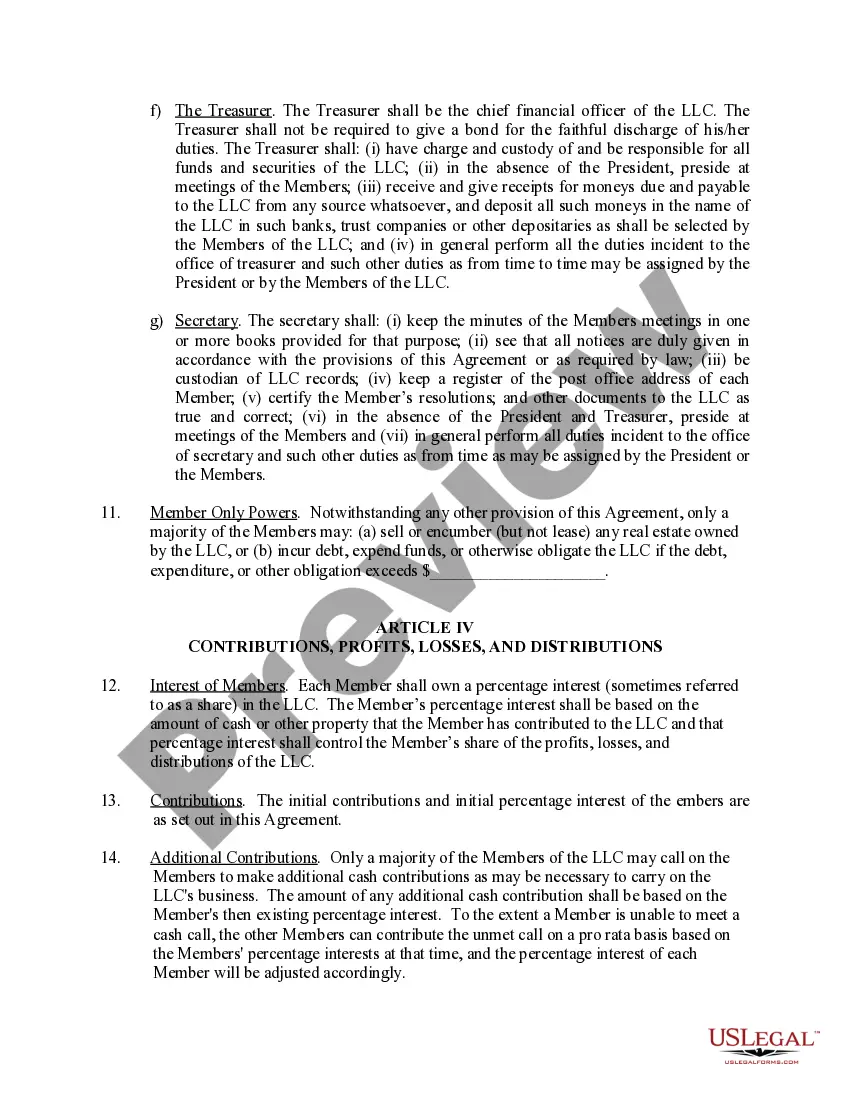
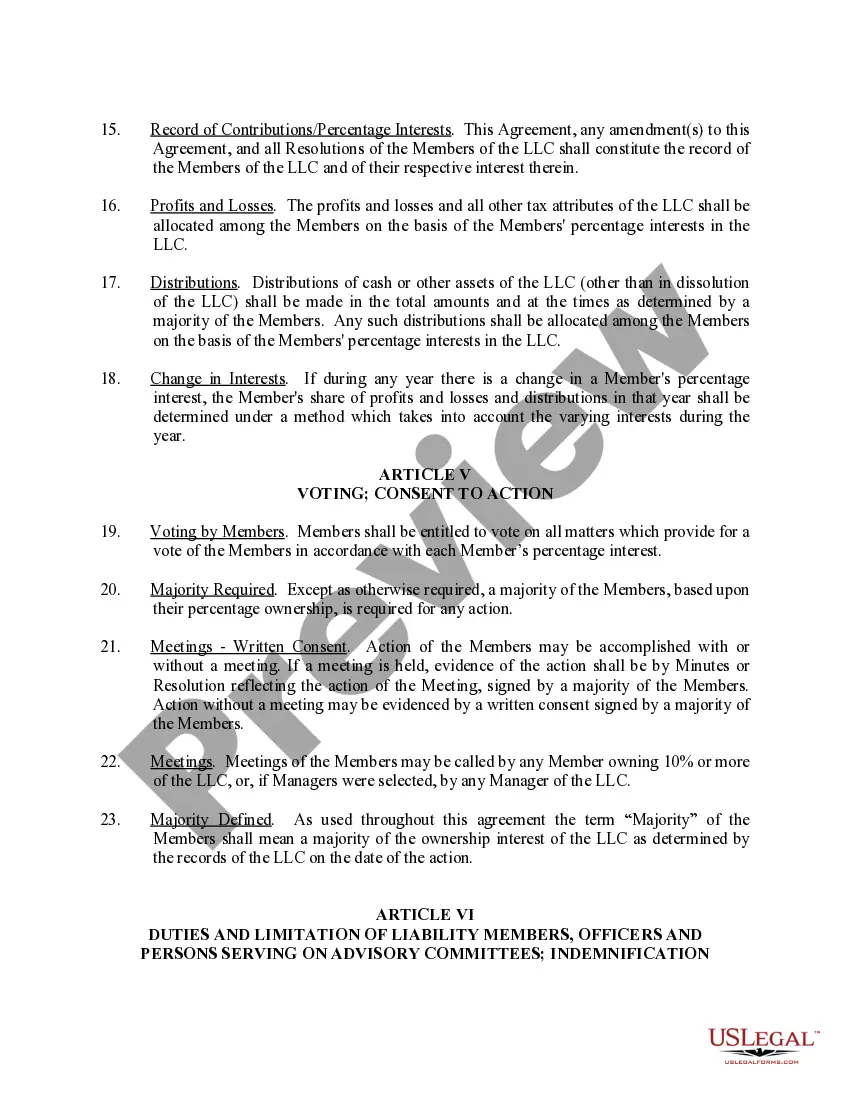
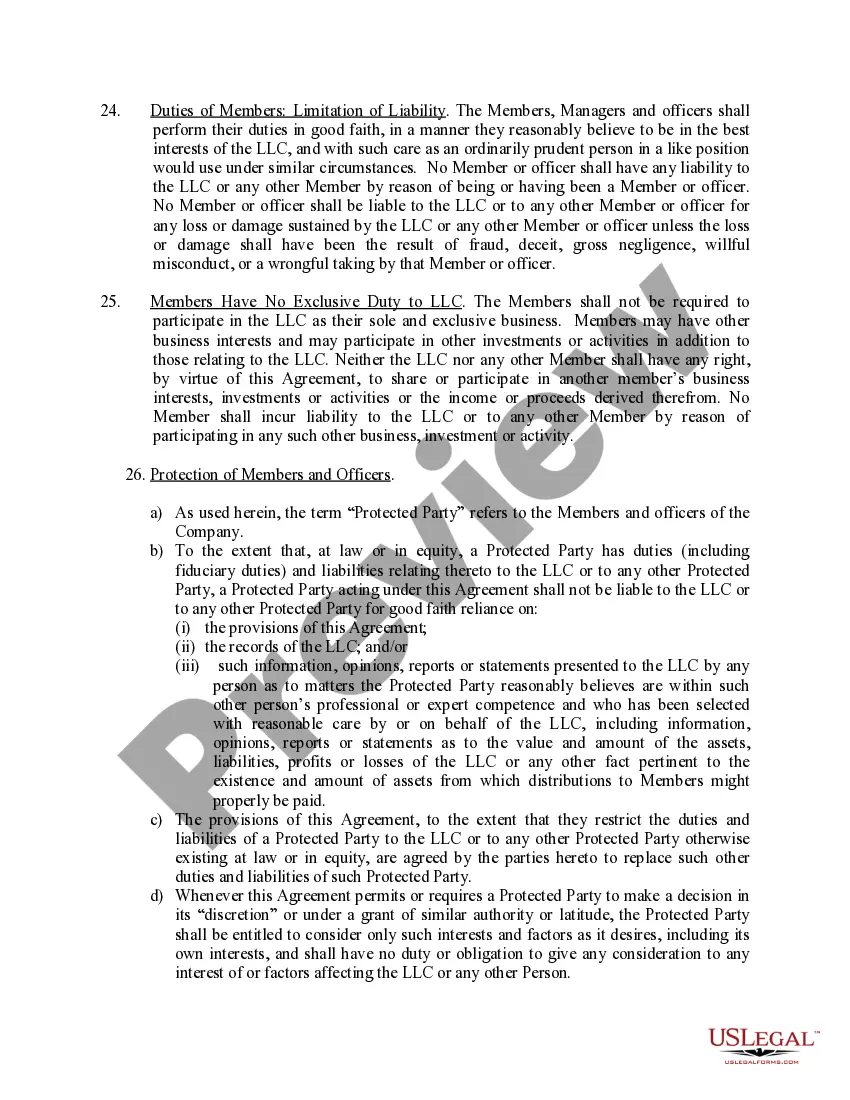
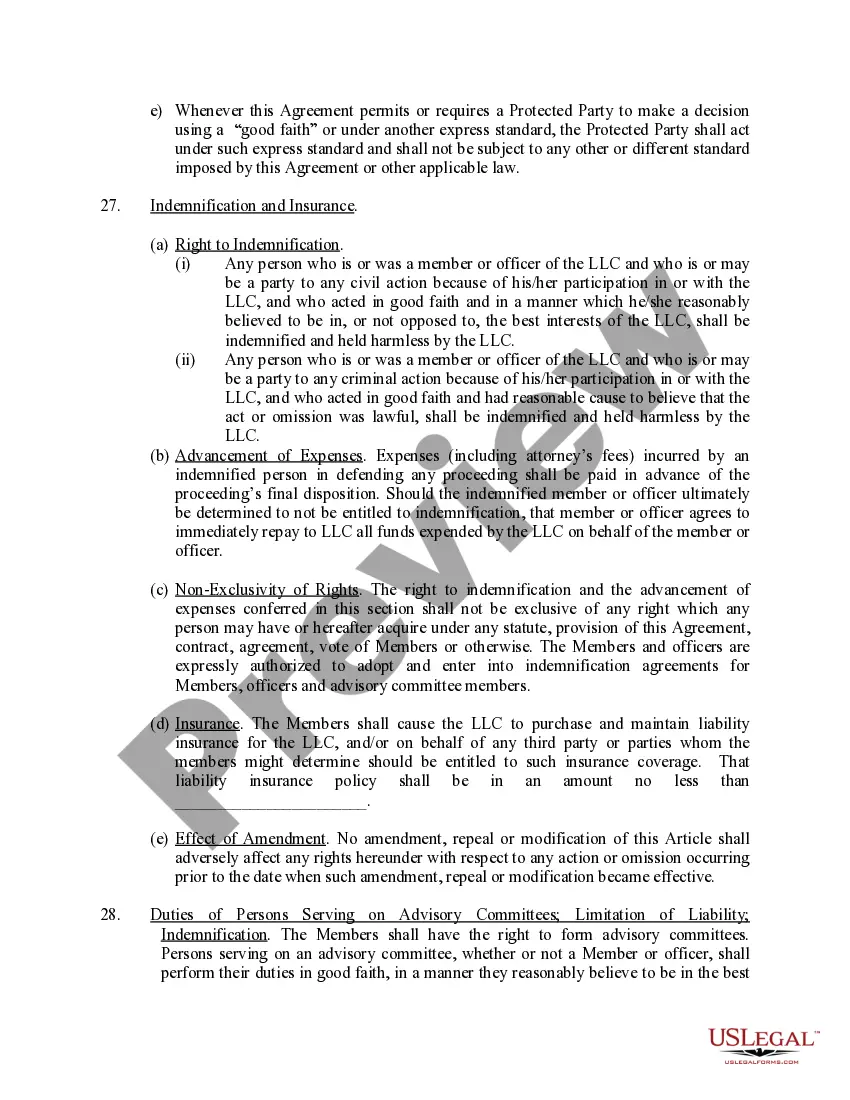
Is this your first time using US Legal Forms? Sign up and create an account in a few minutes, giving you access to the document library and Trust Or Llc For Real Estate. Then, follow the steps below to complete your document: Ensure you have located the correct document using the Preview function and reviewing the document description. Select Buy Now when ready, and choose the monthly subscription plan that suits your requirements. Click Download, then fill out, eSign, and print the document. US Legal Forms has 25 years of experience helping clients manage their legal documents. Find the document you need today and streamline any process with ease.
- Explore the collection of relevant documents accessible to you with just a single click.
- US Legal Forms gives you state- and county-specific documents available anytime for download.
- Safeguard your document management processes with high-quality support that enables you to create any document in minutes without additional or hidden fees.
- Simply Log In to your account, find Trust Or Llc For Real Estate, and download it immediately from the My documents section.
- You can also retrieve previously downloaded documents.
Form popularity
FAQ
Disadvantages of LLCs for Rental Property 1 Disadvantages of LLCs for Rental Property. 2 Tax Complexity. 3 Setup Challenges. 4 Transferred Tax Obligations. 5 Asset Protection Not Guaranteed. 6 Financing Challenges. 7 Increasing Expenses. 8 Considerations and Conclusion.
Disadvantages of LLCs for Rental Property 1 Disadvantages of LLCs for Rental Property. 2 Tax Complexity. 3 Setup Challenges. 4 Transferred Tax Obligations. 5 Asset Protection Not Guaranteed. 6 Financing Challenges. 7 Increasing Expenses. 8 Considerations and Conclusion.
Anyone can hold a trust, provided that they are over the age of 18. There are multiple types of trust, each applicable to certain scenarios. All trusts must be set up with a trustor (the person setting up the trust), trustee (the person responsible for the trust), and a beneficiary (the person benefiting from a trust).
Benefits of a Trust There are many types of trusts, but the revocable living trust is probably the most common and useful for holding title to real estate. The major benefit from holding property in a trust is that the property avoids probate after your death.
REITs are required to distribute at least 90% of their annual ordinary taxable income to investors, ensuring a regular income stream for shareholders. LLCs have more flexibility in distributing profits and can adapt to the specific needs and preferences of the owners.