Trust Or Llc For Asset Protection
Description
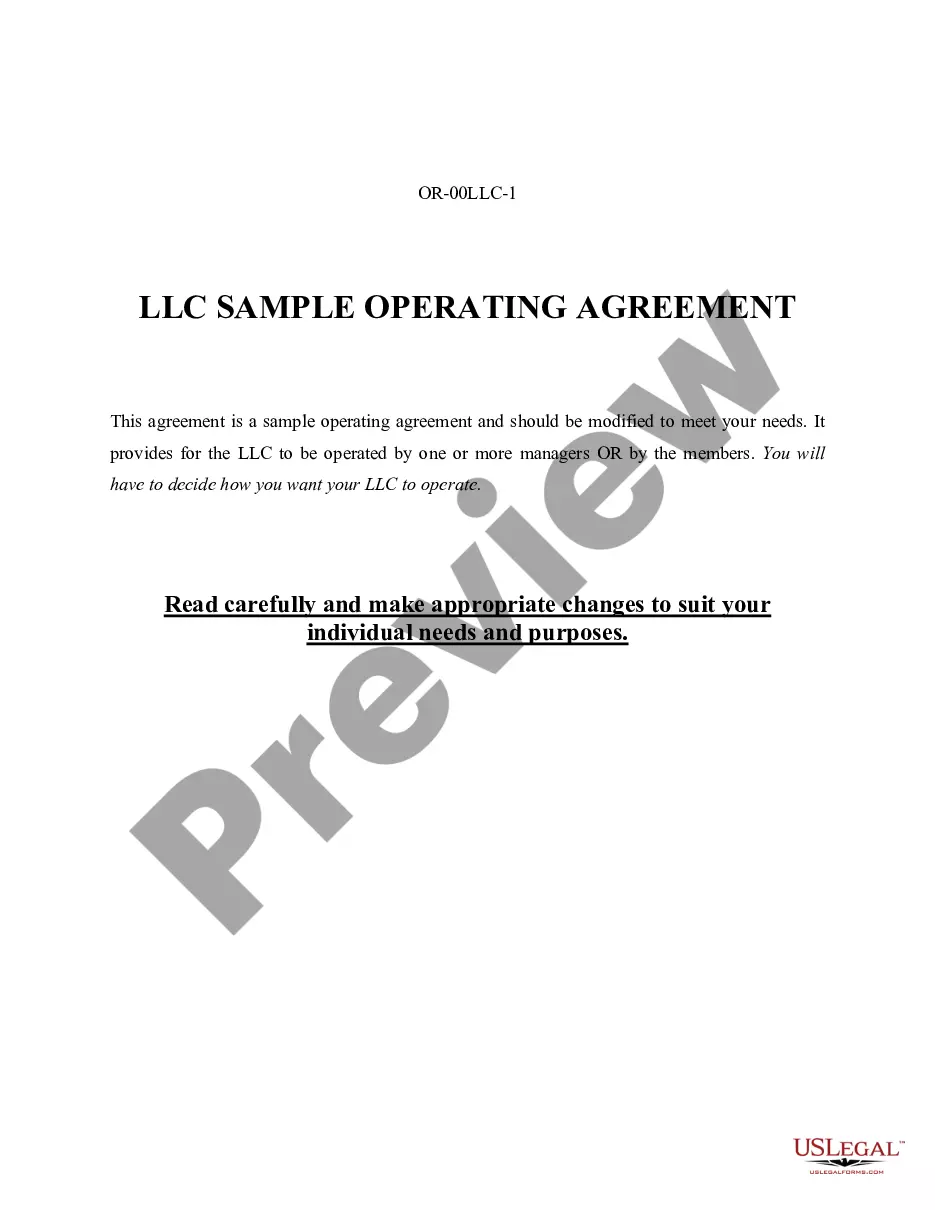
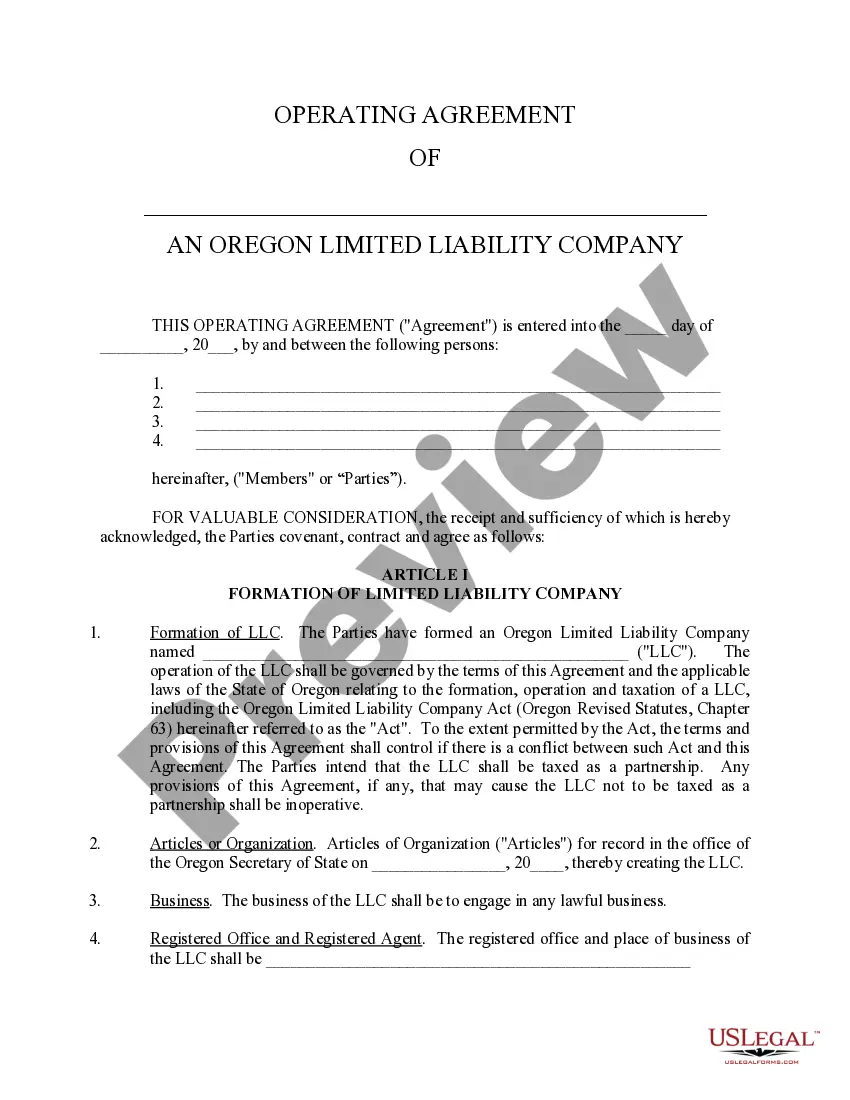
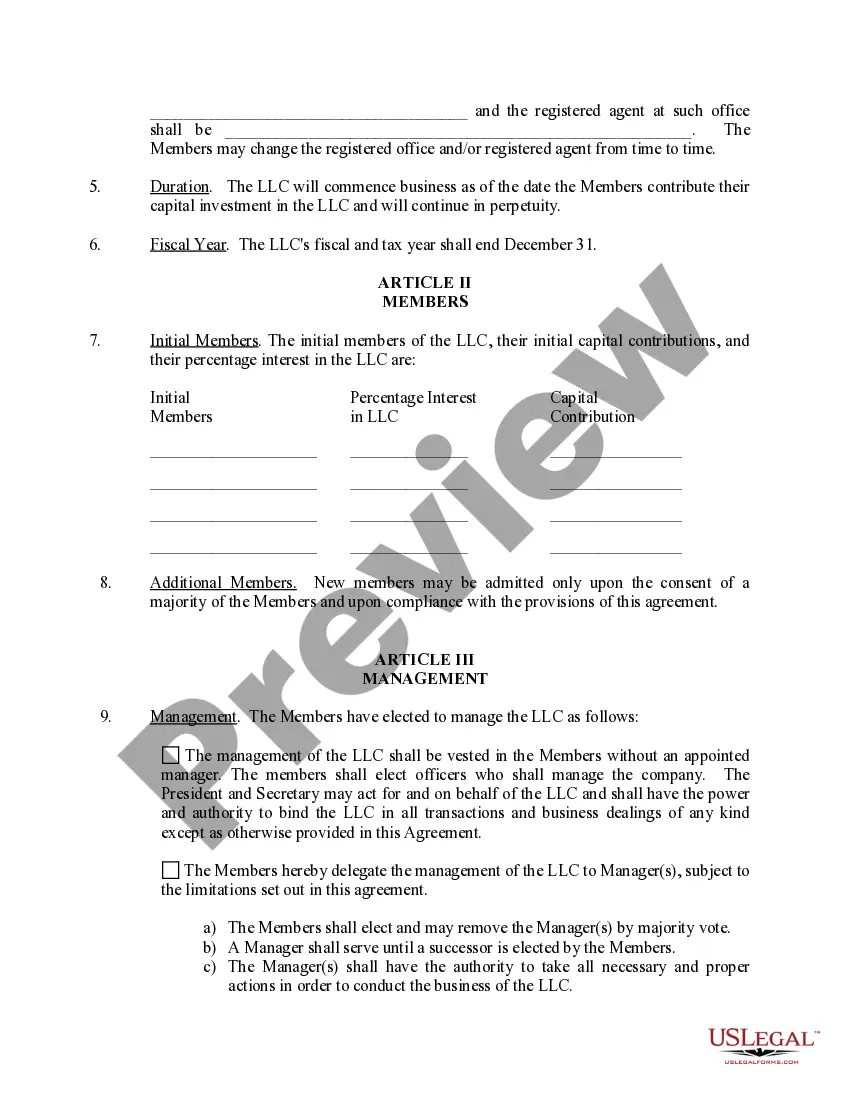
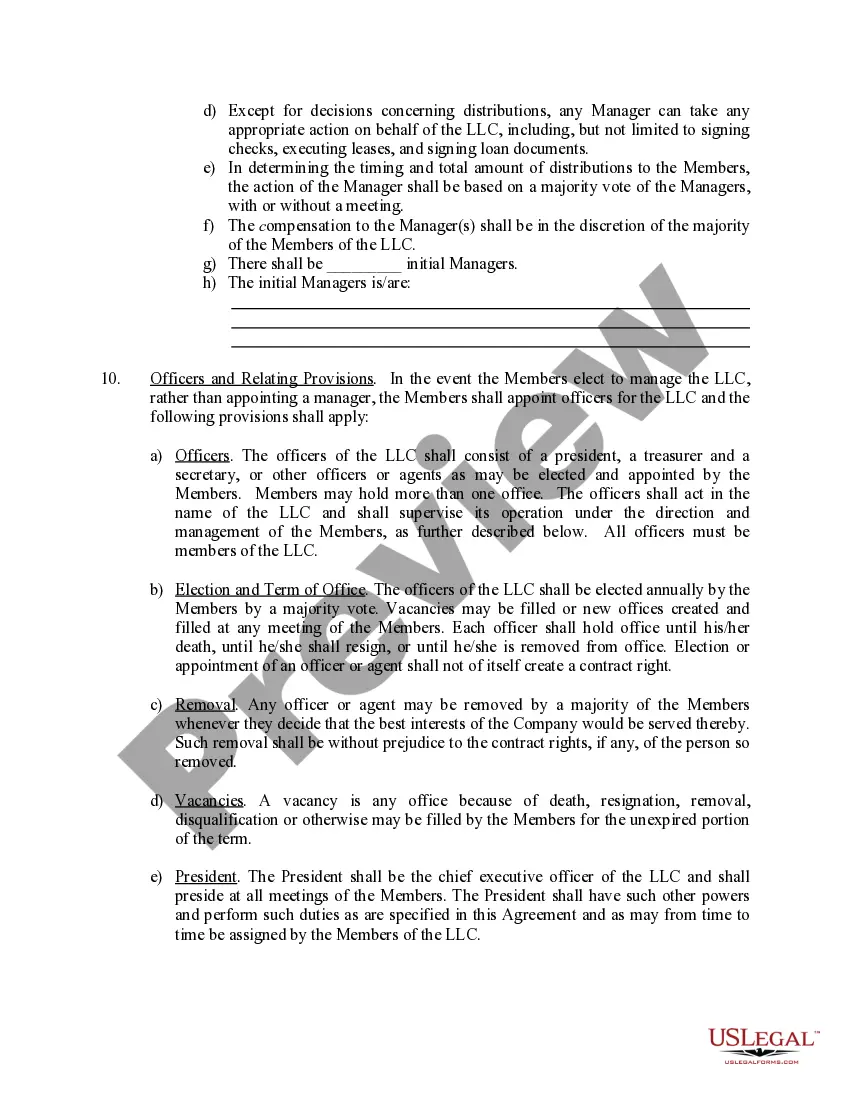
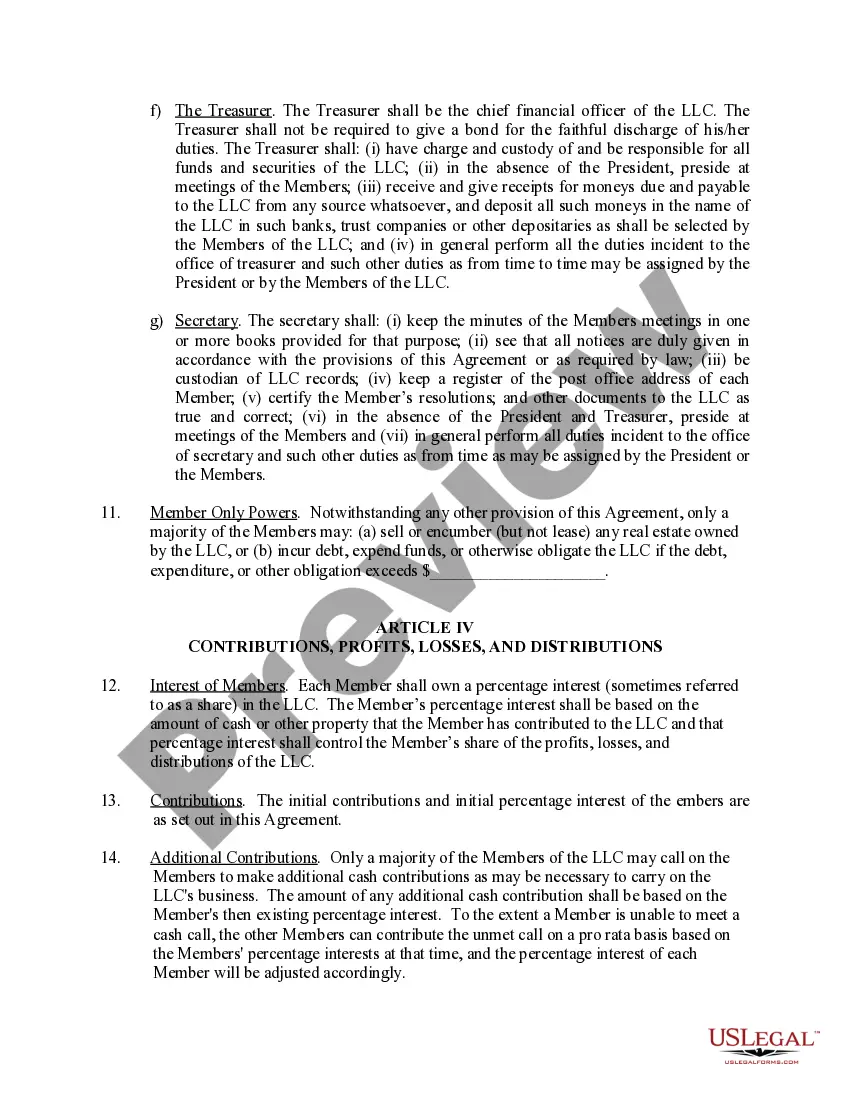
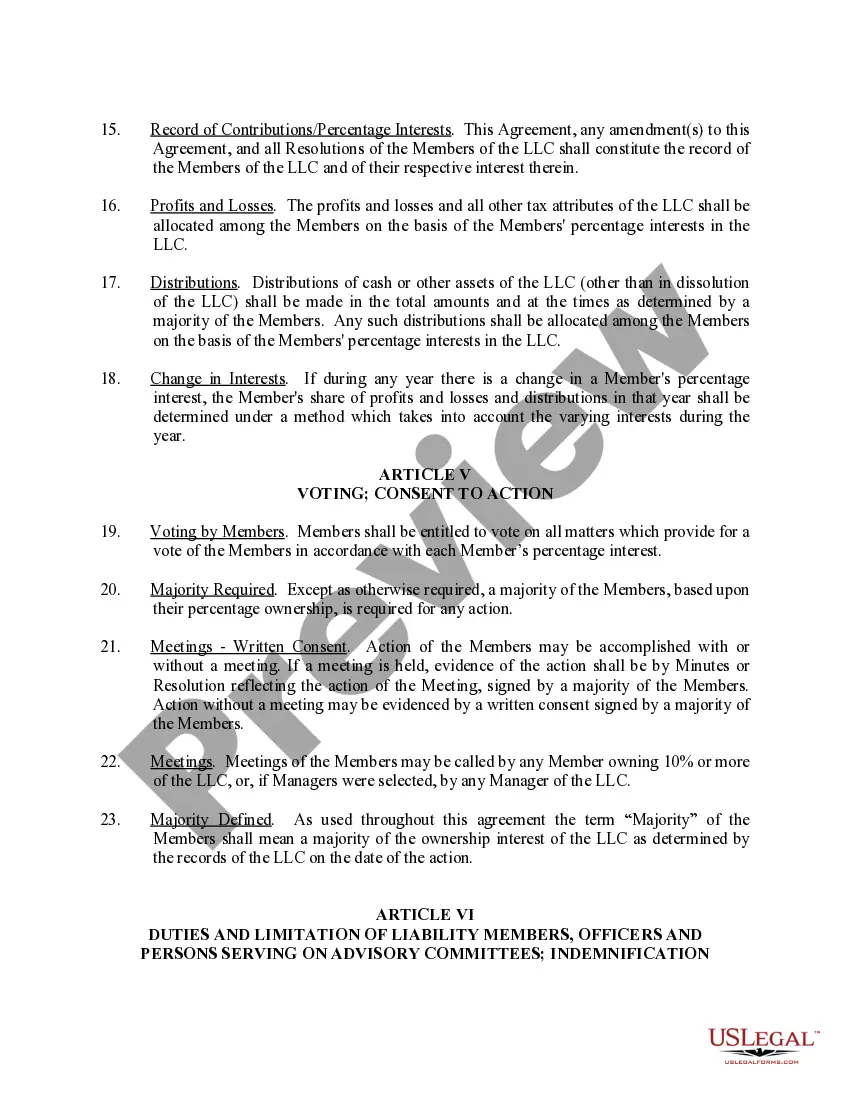
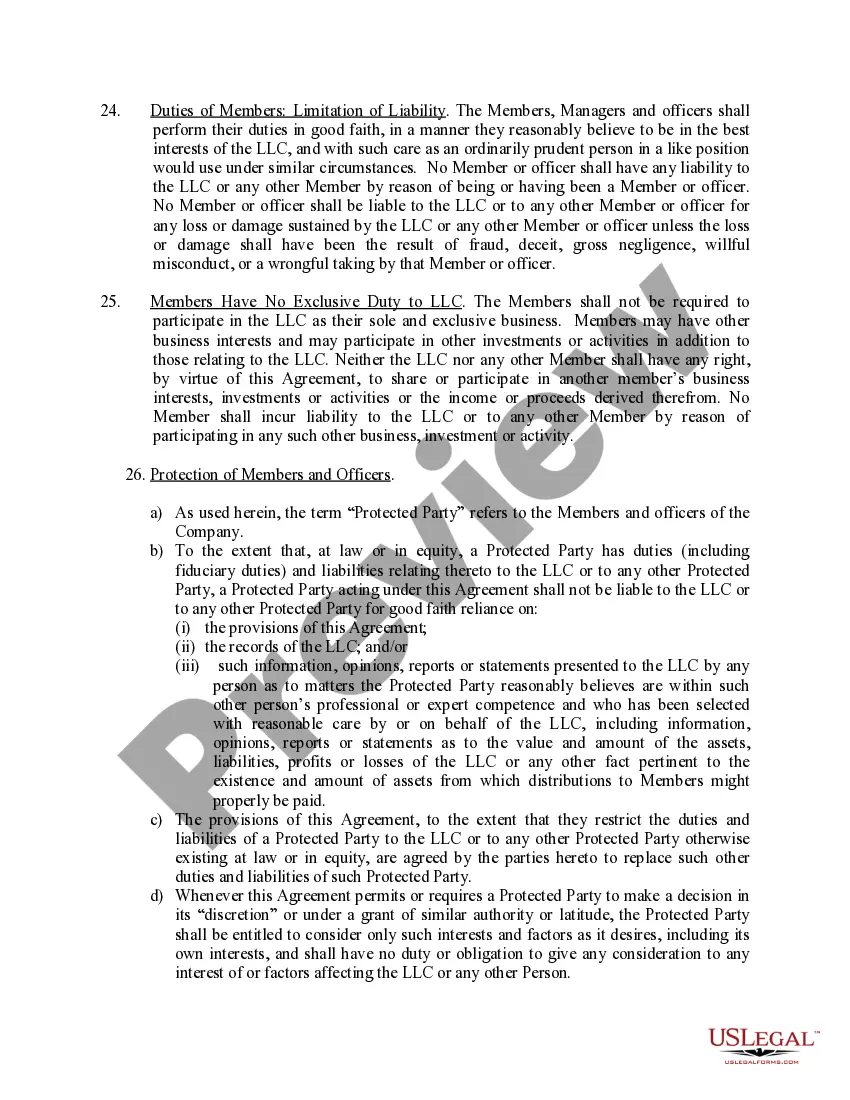
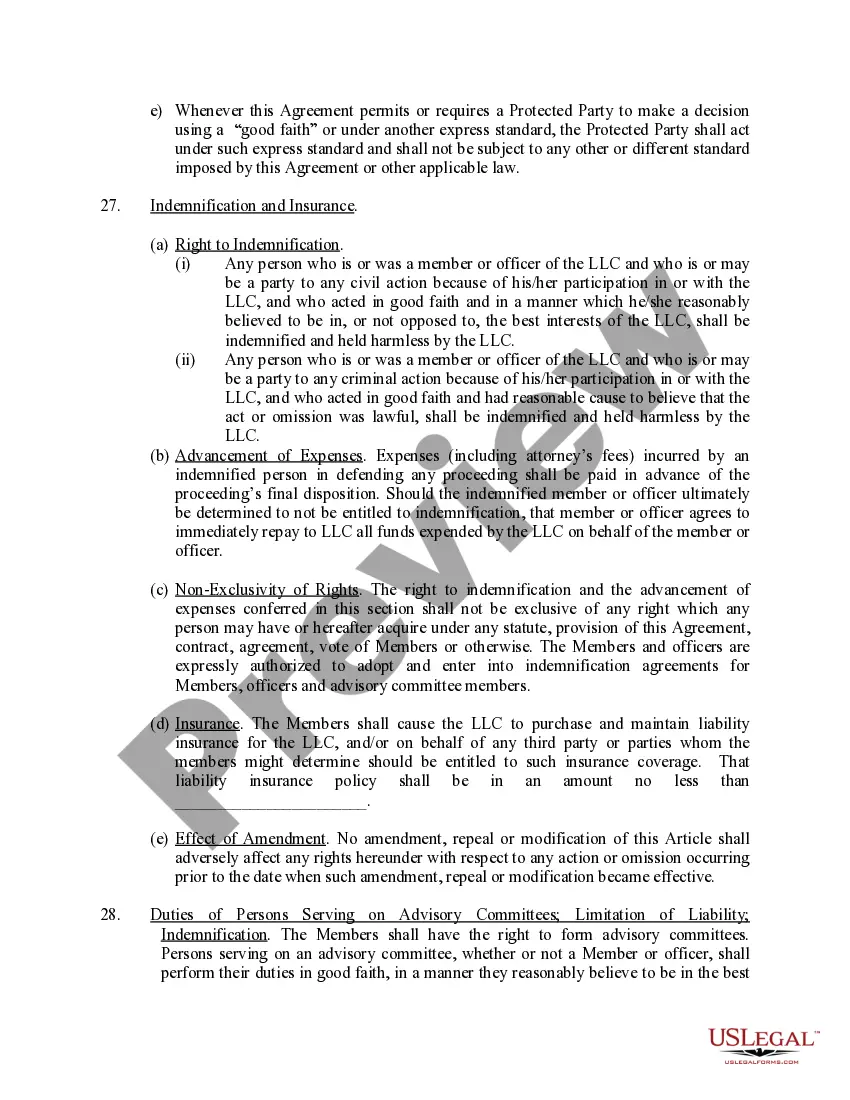
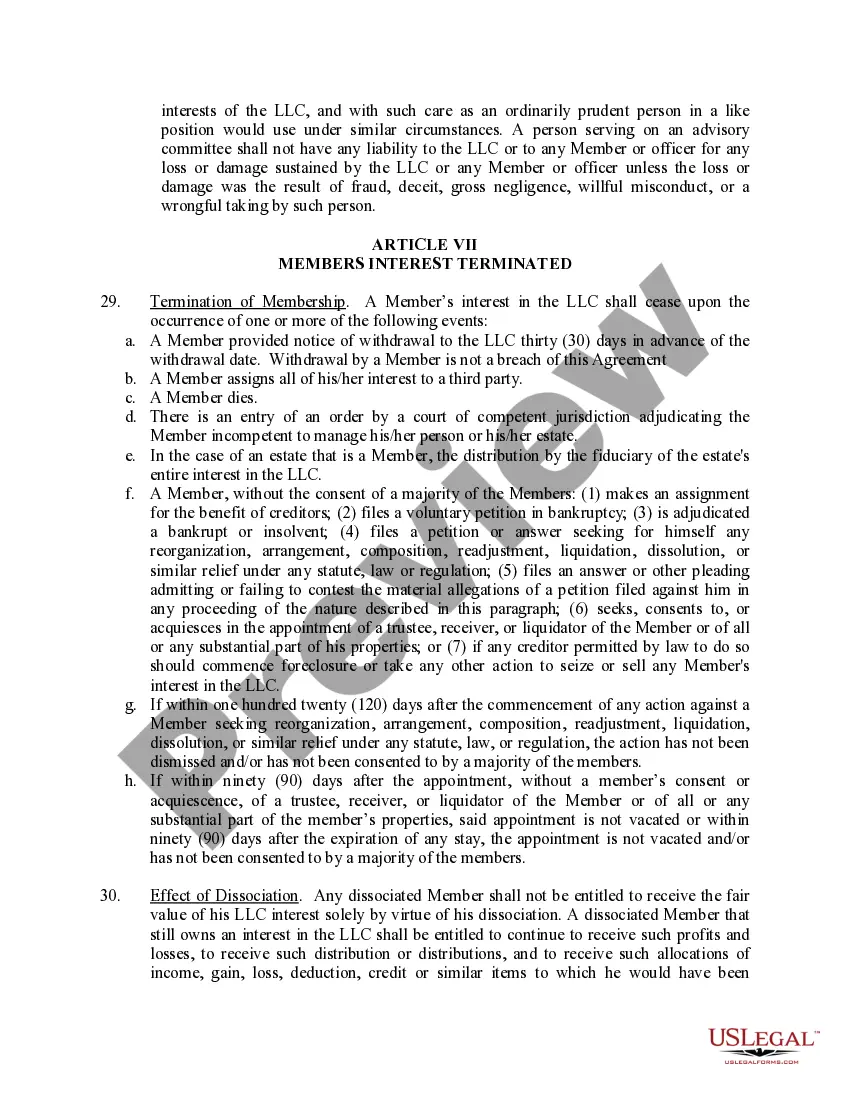
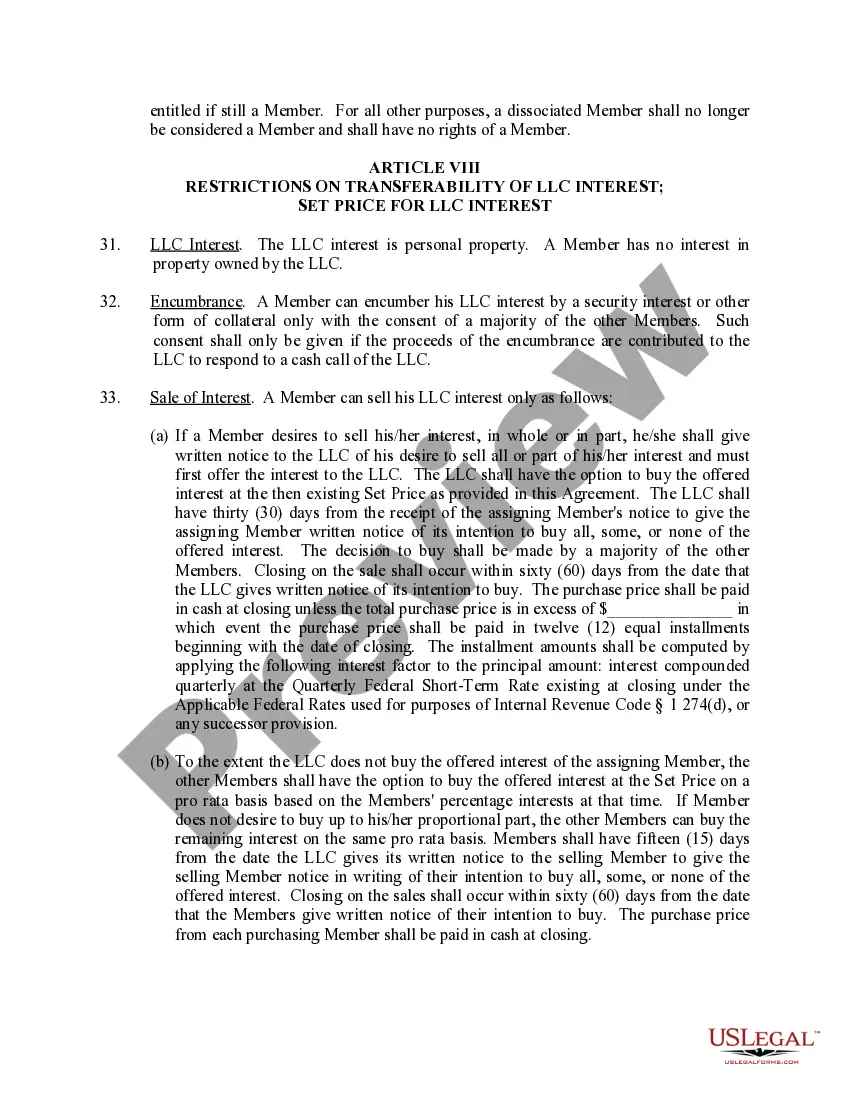

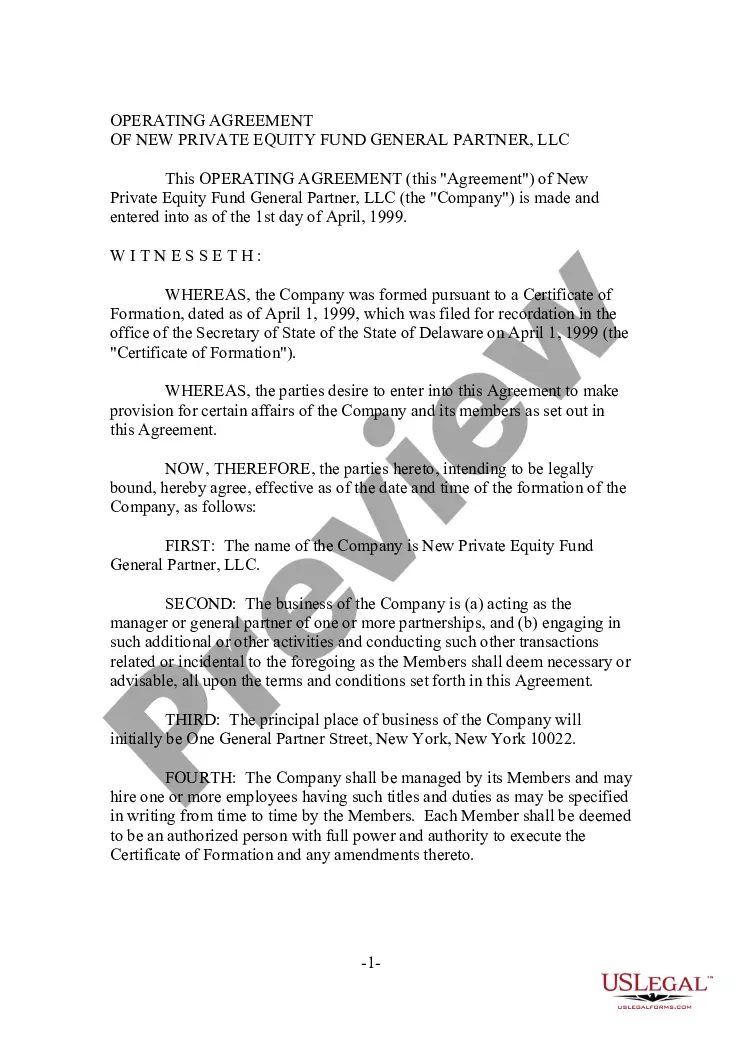
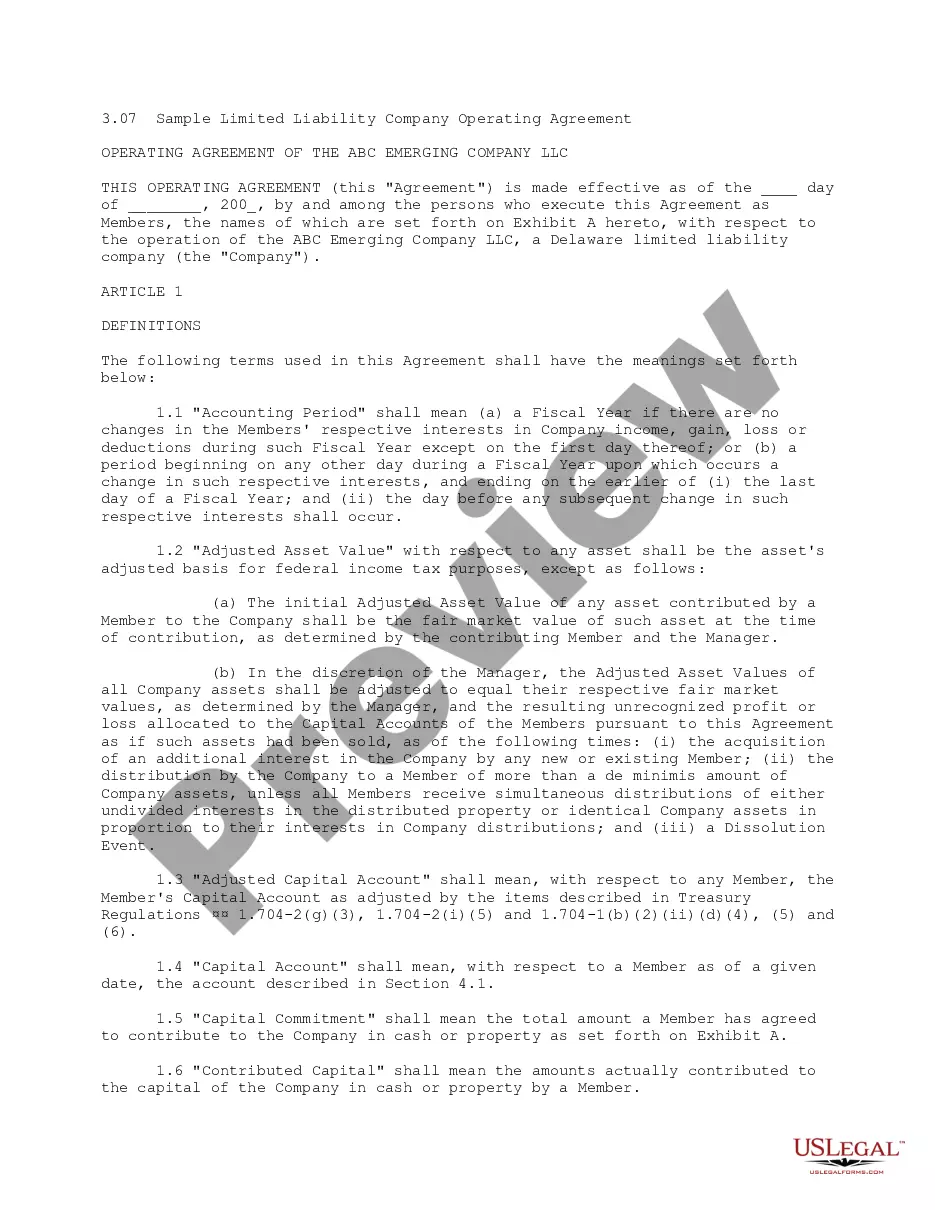
Get your form ready online
Our built-in tools help you complete, sign, share, and store your documents in one place.
Make edits, fill in missing information, and update formatting in US Legal Forms—just like you would in MS Word.
Download a copy, print it, send it by email, or mail it via USPS—whatever works best for your next step.
Sign and collect signatures with our SignNow integration. Send to multiple recipients, set reminders, and more. Go Premium to unlock E-Sign.
If this form requires notarization, complete it online through a secure video call—no need to meet a notary in person or wait for an appointment.
We protect your documents and personal data by following strict security and privacy standards.

Make edits, fill in missing information, and update formatting in US Legal Forms—just like you would in MS Word.

Download a copy, print it, send it by email, or mail it via USPS—whatever works best for your next step.

Sign and collect signatures with our SignNow integration. Send to multiple recipients, set reminders, and more. Go Premium to unlock E-Sign.

If this form requires notarization, complete it online through a secure video call—no need to meet a notary in person or wait for an appointment.

We protect your documents and personal data by following strict security and privacy standards.
Looking for another form?









How to fill out Oregon Limited Liability Company LLC Operating Agreement?
It’s clear that you cannot become a legal expert instantly, nor can you learn how to swiftly prepare Trust Or Llc For Asset Protection without possessing a specialized skill set.
Drafting legal documents is a lengthy task that necessitates specific training and expertise. So why not leave the establishment of the Trust Or Llc For Asset Protection to the experts.
With US Legal Forms, one of the most extensive legal document repositories, you can find anything from court papers to templates for internal communication.
You can regain access to your documents from the My documents tab at any time. If you’re an existing client, you can simply Log In, and find and download the template from the same tab.
Regardless of the purpose of your forms—whether they’re financial and legal, or personal—our website has you covered. Try US Legal Forms today!
- Identify the form you require using the search bar at the top of the page.
- Preview it (if this option is available) and read the accompanying description to see if Trust Or Llc For Asset Protection matches your needs.
- If you need a different form, begin your search again.
- Create a free account and choose a subscription plan to purchase the template.
- Click Buy now. After the payment is processed, you can download the Trust Or Llc For Asset Protection, complete it, print it, and send it or mail it to the required individuals or entities.
Form popularity
FAQ
An LLC creates a shield between business liabilities and personal assets. This means, in most cases, a lender can't force the owner to repay a loan taken out by the business. Nor can someone awarded damages in a lawsuit against the business require the owner to make good on it.
As a rule, a single-member LLC is considered a separate legal entity from its owner. This means that the owner's personal assets are shielded from any debts and liabilities incurred by your LLC. However, there are some exceptions to this rule under state and federal law.
The assets you cannot put into a trust include the following: Medical savings accounts (MSAs) Health savings accounts (HSAs) Retirement assets: 403(b)s, 401(k)s, IRAs. Any assets that are held outside of the United States. Cash. Vehicles.
An asset protection trust is a self-settled spendthrift trust. This means it is a trust that an individual creates for themselves that is protected from creditors. Asset protection trusts are normally found outside of the United States.
Complexity and Cost Establishing and maintaining a trust can be complex and expensive. Trusts require legal expertise to draft, and ongoing management by a trustee may involve administrative fees. Additionally, some trusts require regular tax filings, adding to the overall cost.