Spousal Support Child Support
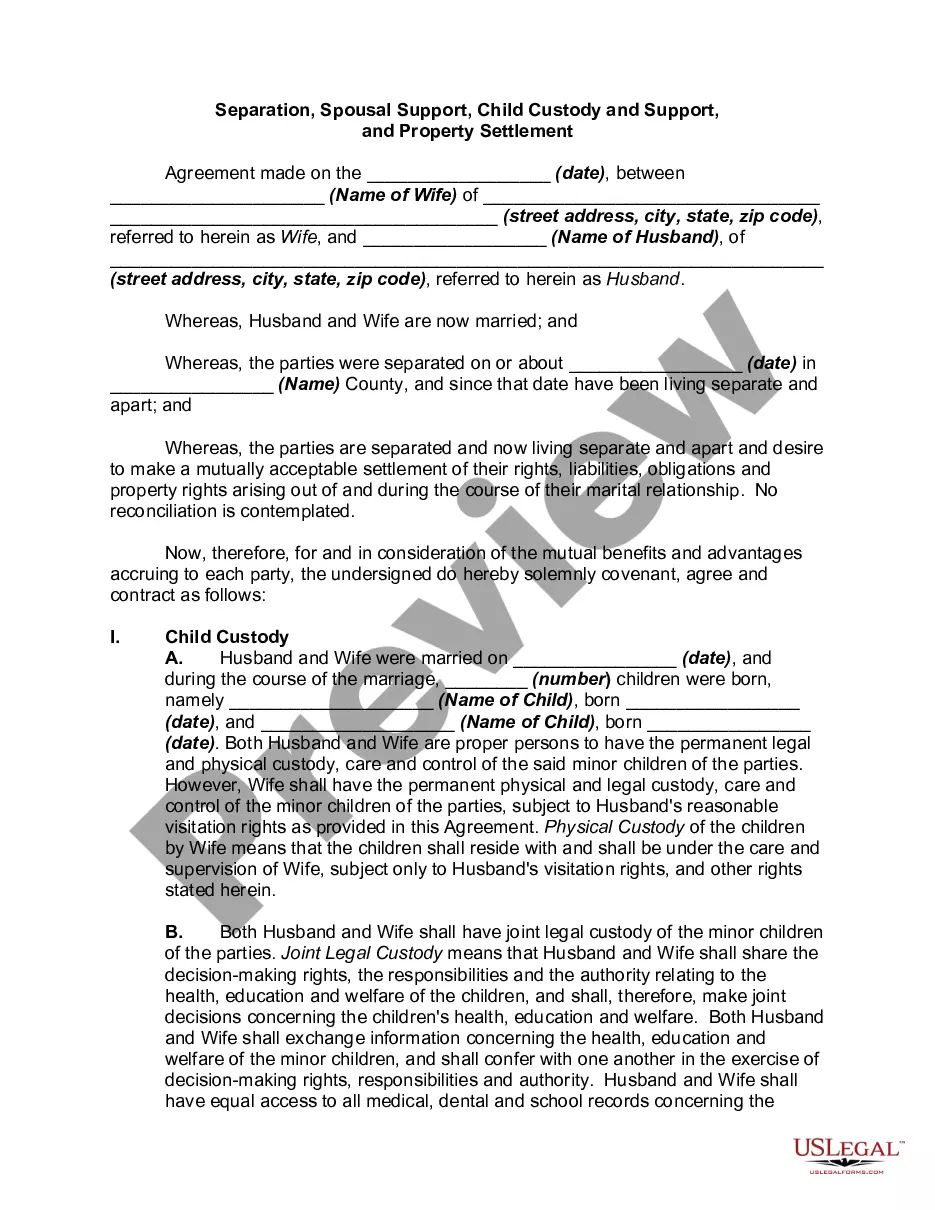
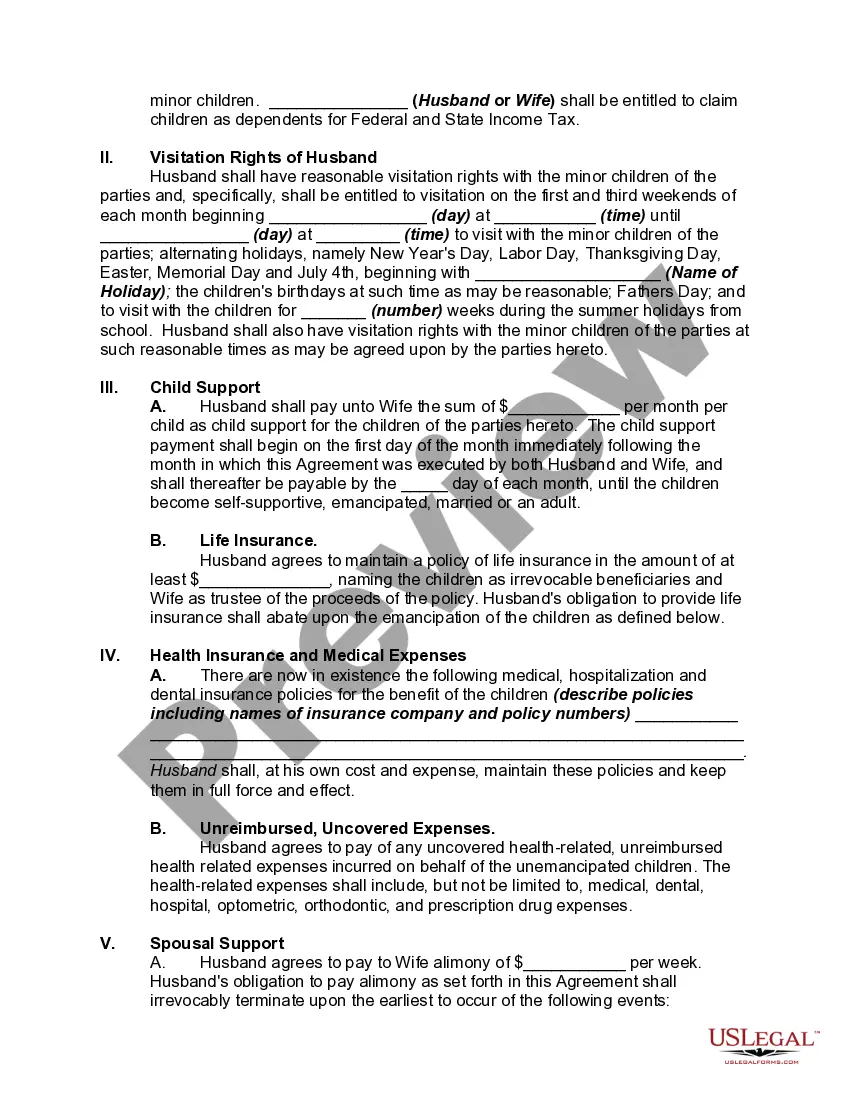
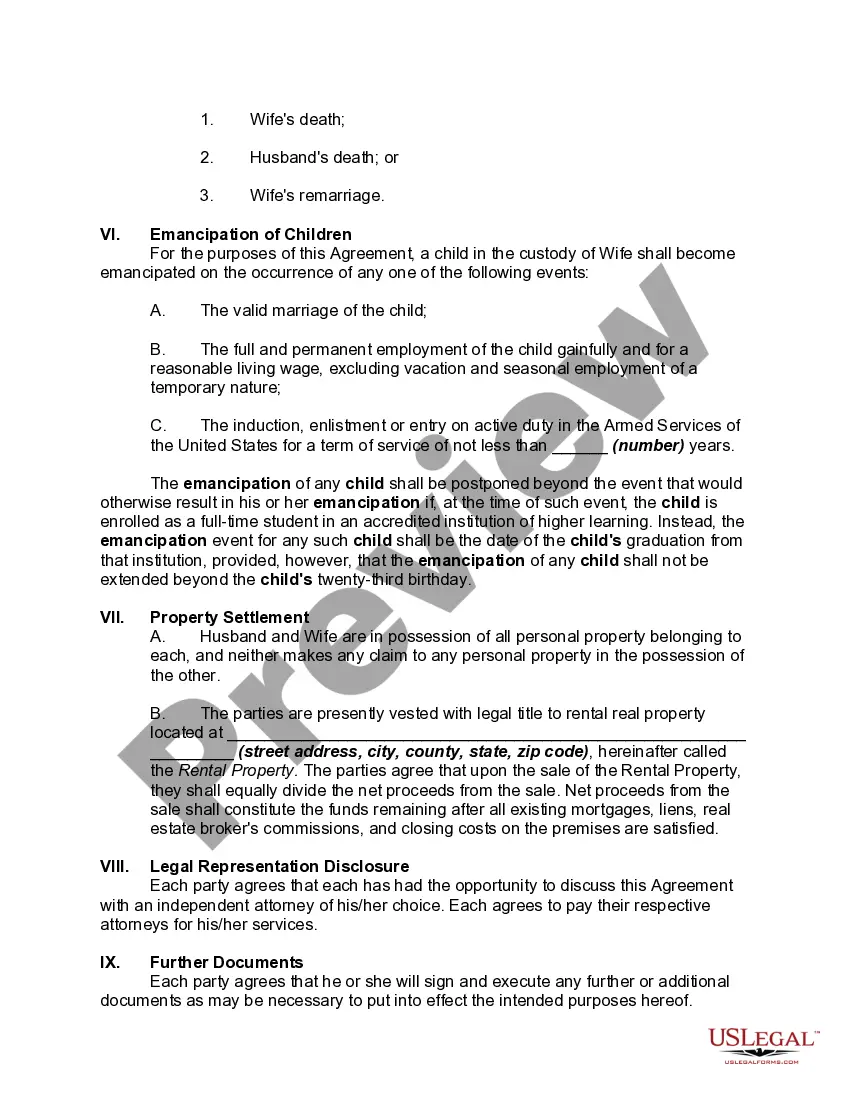
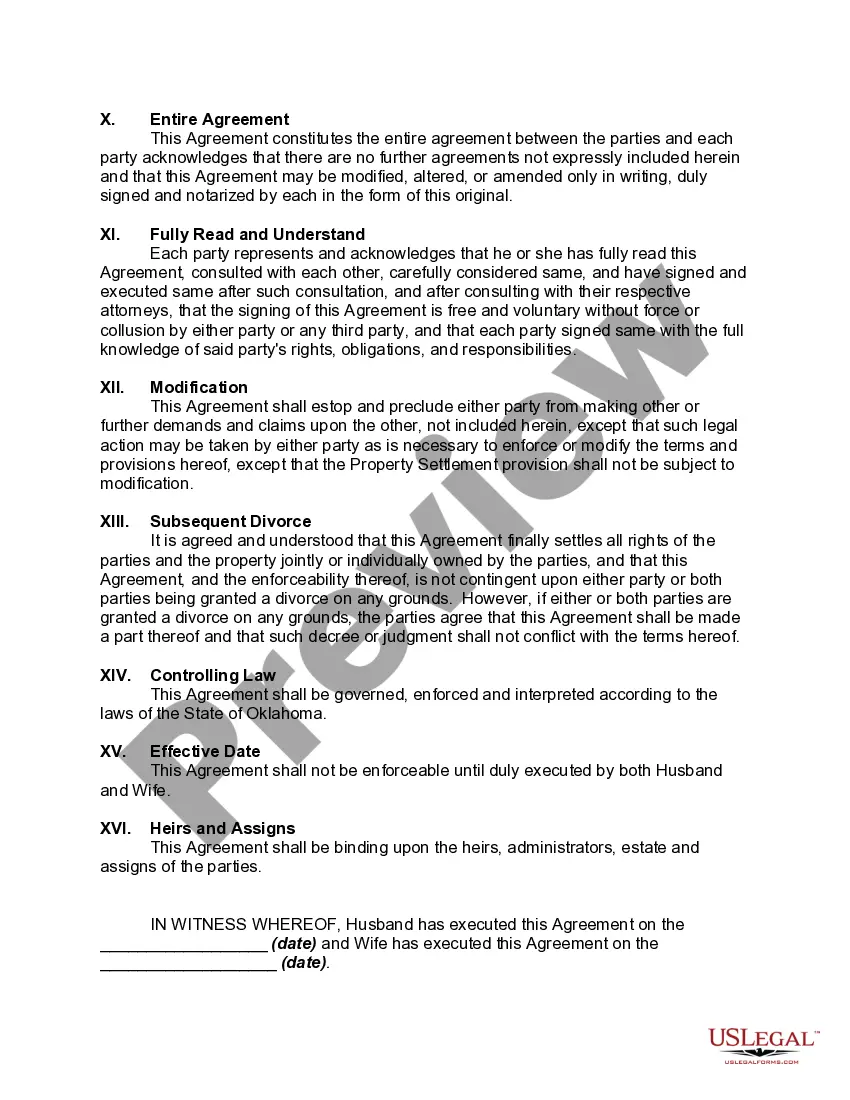
Description
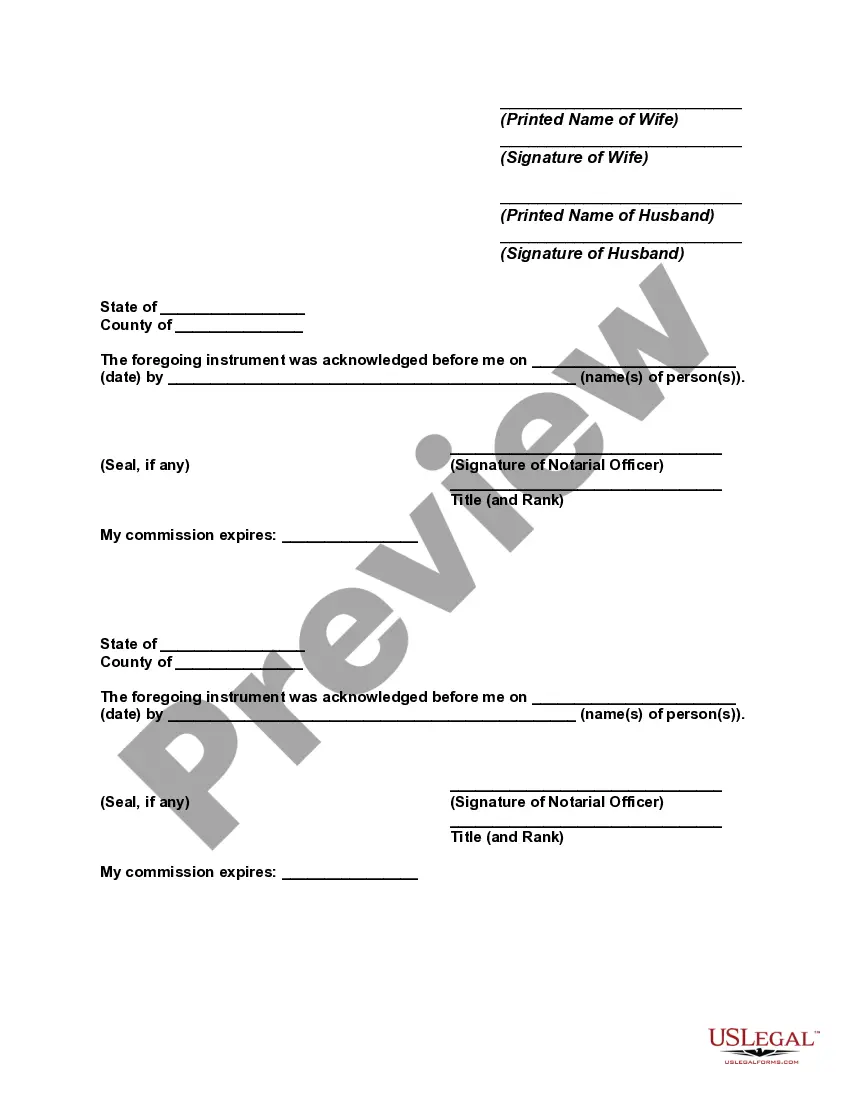
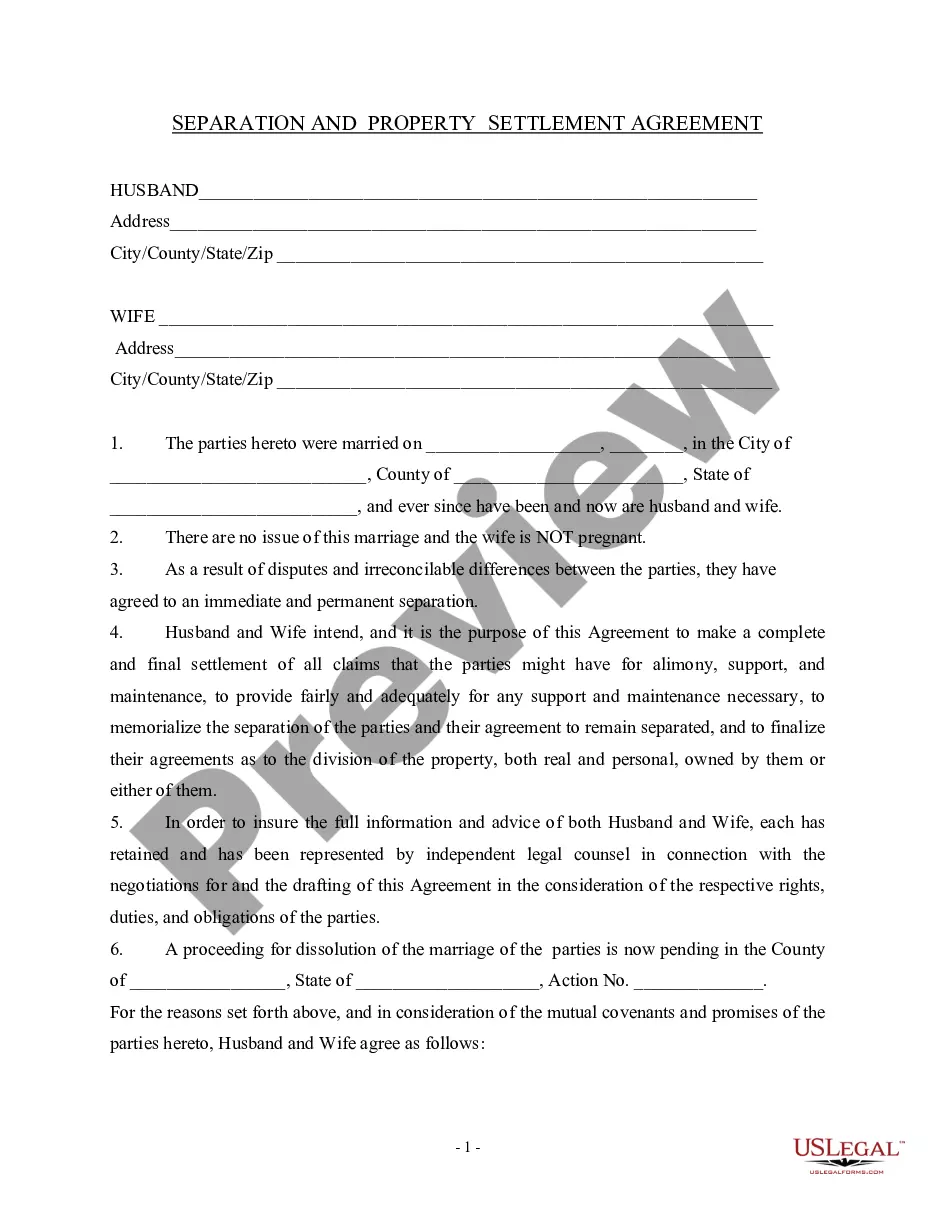
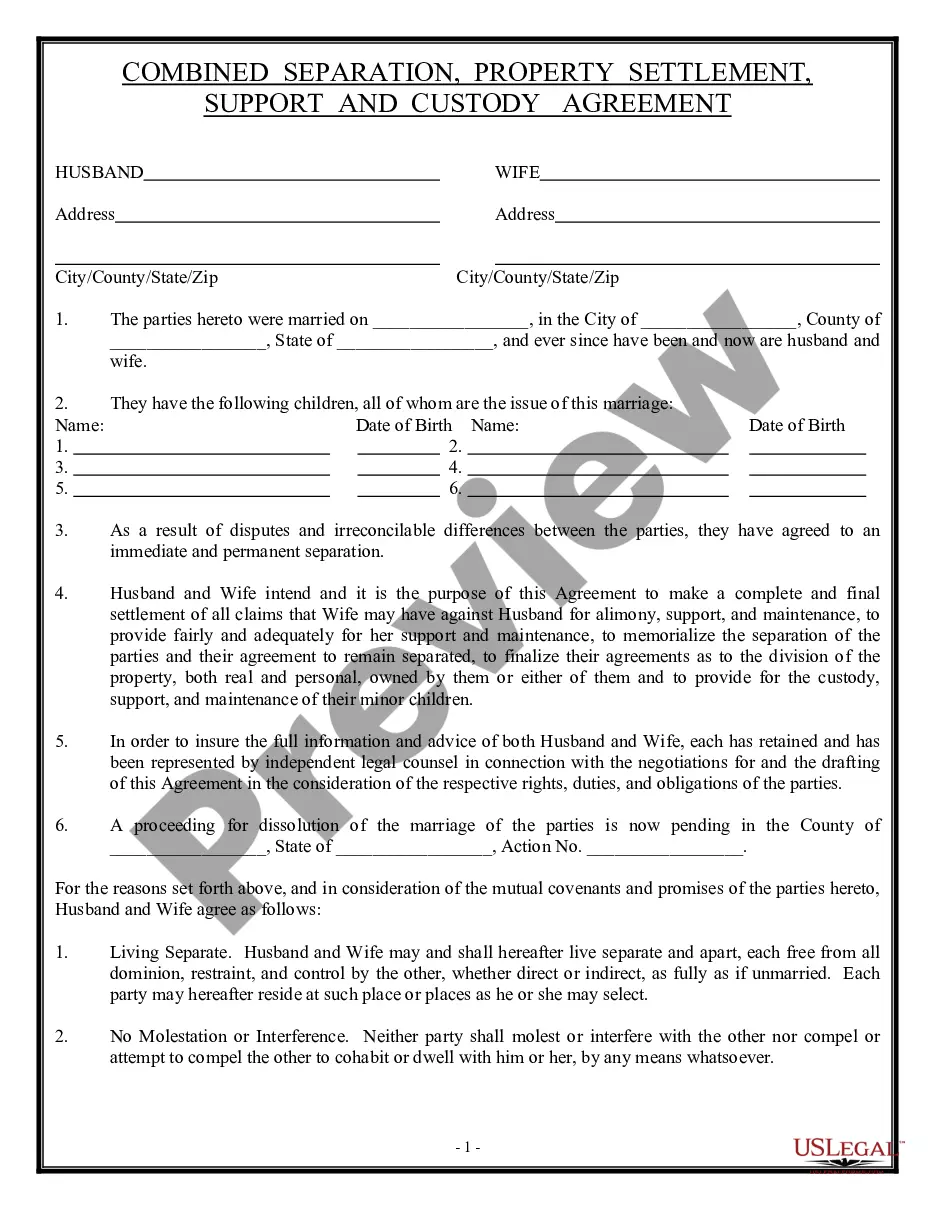
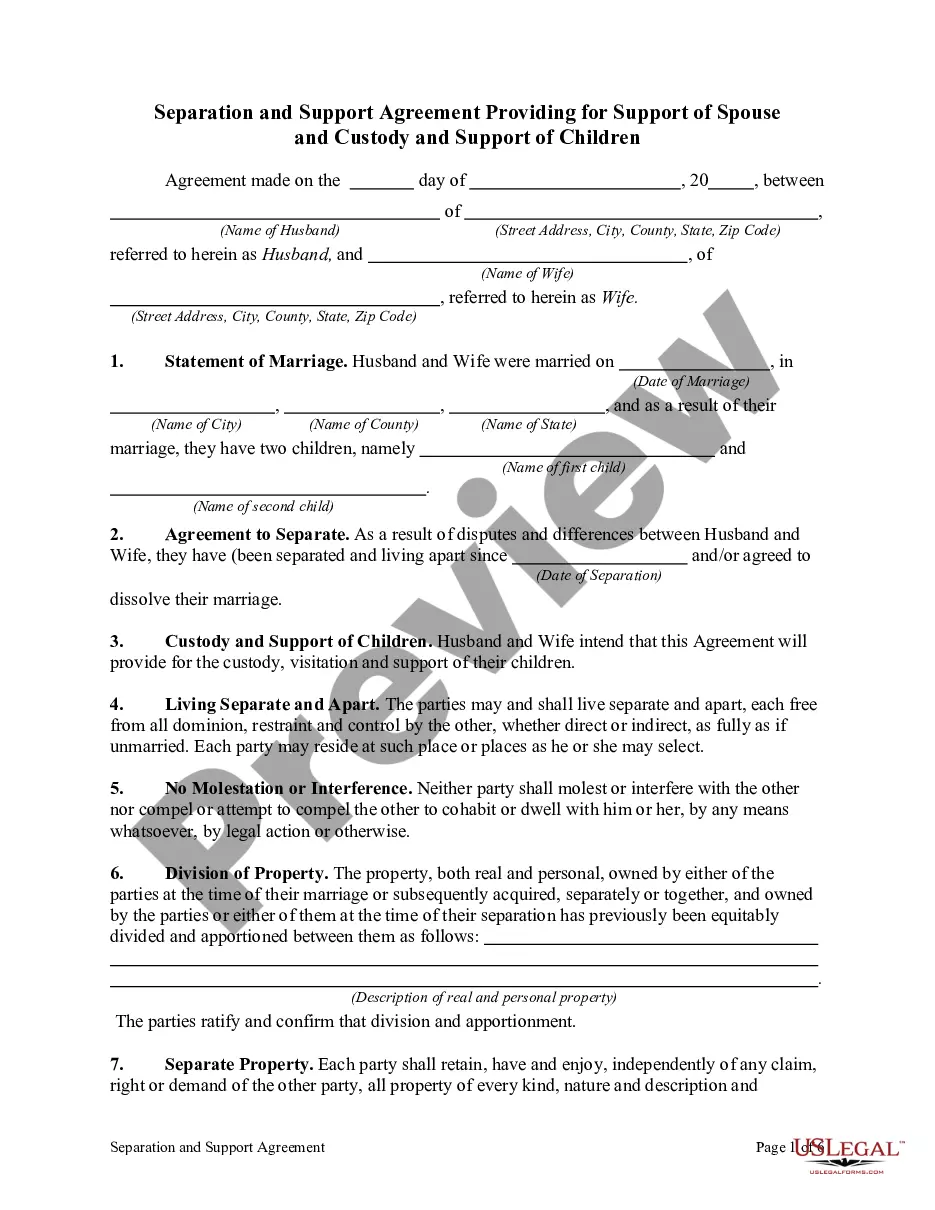
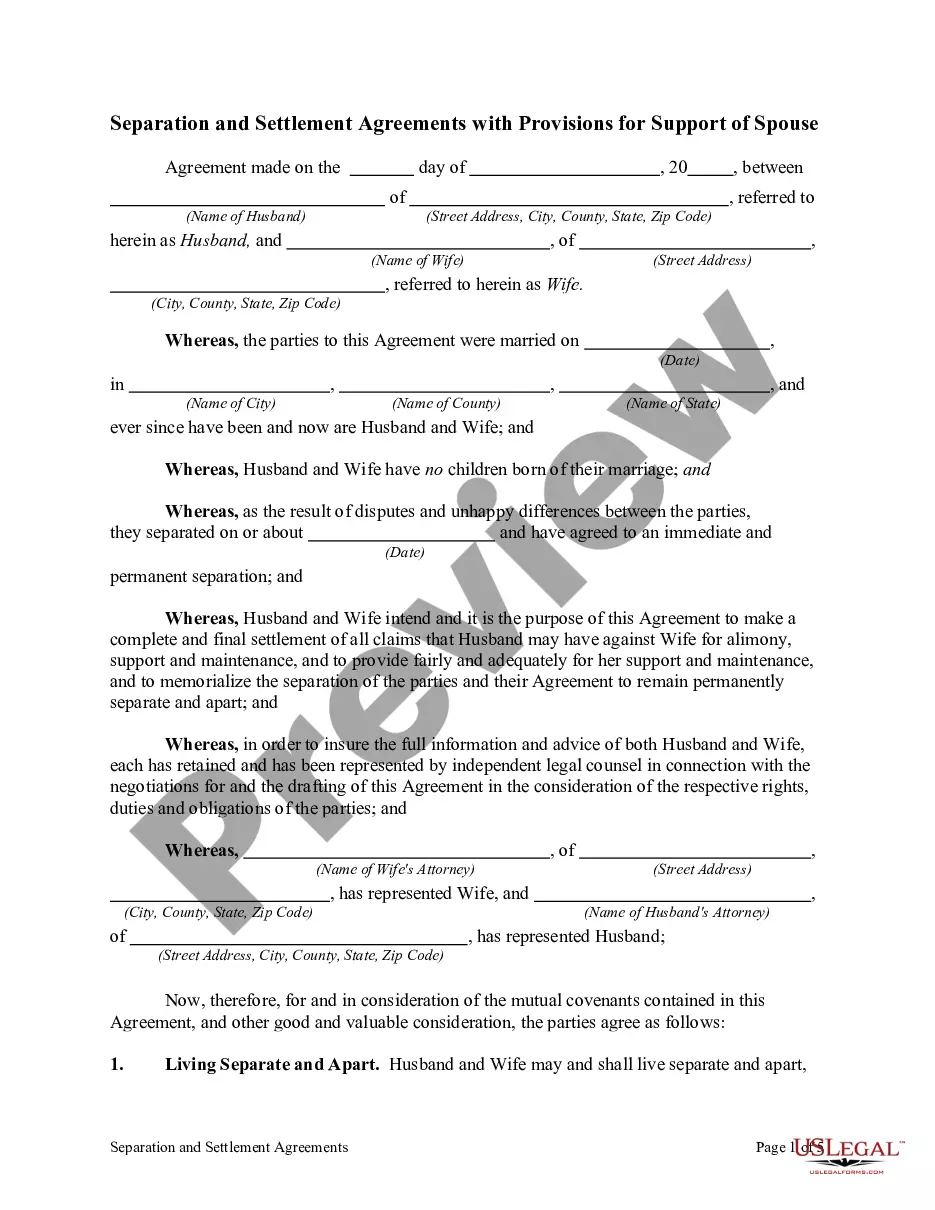
Get your form ready online
Our built-in tools help you complete, sign, share, and store your documents in one place.
Make edits, fill in missing information, and update formatting in US Legal Forms—just like you would in MS Word.
Download a copy, print it, send it by email, or mail it via USPS—whatever works best for your next step.
Sign and collect signatures with our SignNow integration. Send to multiple recipients, set reminders, and more. Go Premium to unlock E-Sign.
If this form requires notarization, complete it online through a secure video call—no need to meet a notary in person or wait for an appointment.
We protect your documents and personal data by following strict security and privacy standards.

Make edits, fill in missing information, and update formatting in US Legal Forms—just like you would in MS Word.

Download a copy, print it, send it by email, or mail it via USPS—whatever works best for your next step.

Sign and collect signatures with our SignNow integration. Send to multiple recipients, set reminders, and more. Go Premium to unlock E-Sign.

If this form requires notarization, complete it online through a secure video call—no need to meet a notary in person or wait for an appointment.

We protect your documents and personal data by following strict security and privacy standards.
Looking for another form?
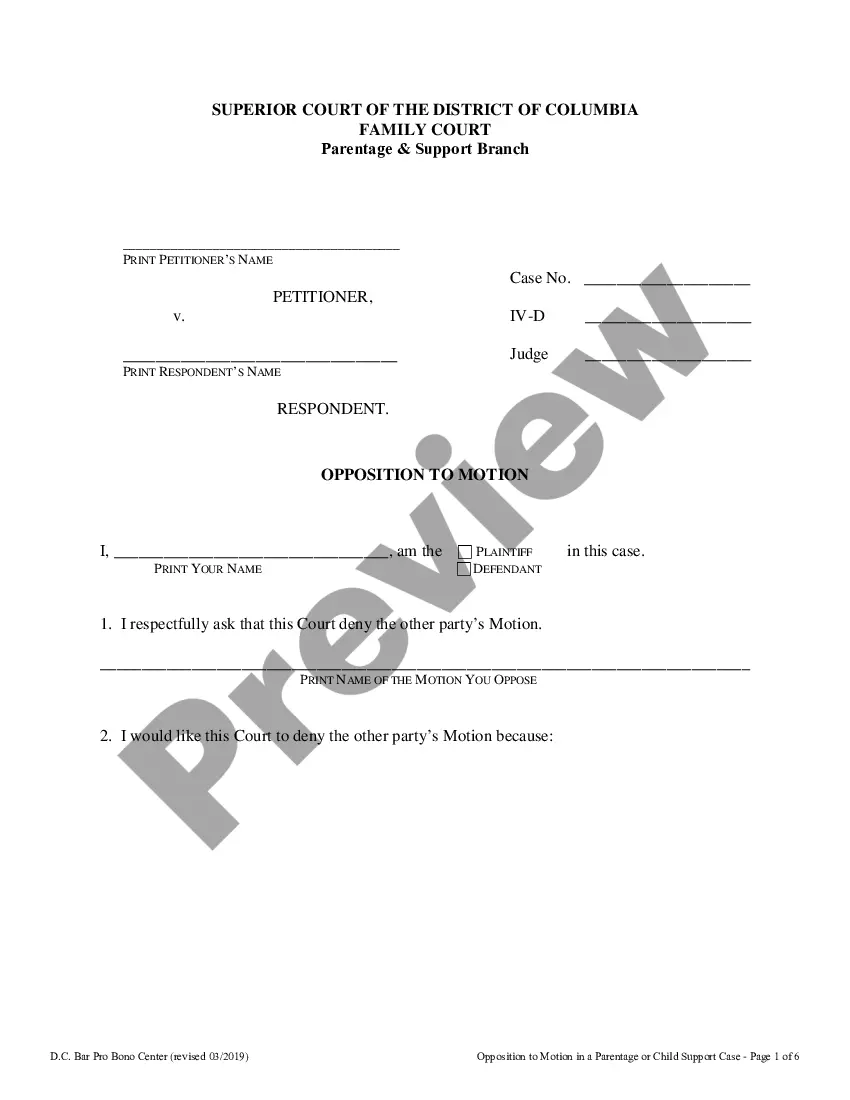


How to fill out Oklahoma Separation, Spousal Support, Child Custody And Support, And Property Settlement?
- If you're a returning user, access your account and verify your subscription status. Download the required form template directly from your dashboard by selecting the Download button.
- For new users, first, preview the forms available. Carefully read the form descriptions to ensure you choose one that aligns with your needs and falls within local jurisdictional guidelines.
- If you need to search for additional templates, utilize the search bar to find the right documentation. Confirm that the form suits your requirements before proceeding.
- Select your desired document by clicking on the Buy Now button. Choose a suitable subscription plan and create an account to unlock full access to the form library.
- Complete your purchase by entering your payment details via credit card or PayPal to secure your subscription.
- Finally, download the form onto your device. You can also access it anytime through the My Forms section in your profile for convenient retrieval.
With US Legal Forms, you gain access to a vast collection of over 85,000 customizable legal documents, ensuring you find precisely what you need without unnecessary hassle.
Ready to start your documentation process? Visit US Legal Forms today to streamline your legal needs and ensure accuracy in every document!
Form popularity
FAQ
The rules for spousal support in California vary based on individual cases but generally aim to provide financial assistance to the lower-earning spouse. Factors considered include the length of the marriage and each spouse's income and earning potential. Understanding spousal support child support rules is crucial, as these guidelines help determine the duration and amount of support. For personalized assistance, resources like US Legal Forms can provide key insights and documentation to support your case.
Alimony may stop due to several factors, including the recipient's remarriage or cohabitation. Additionally, a court may modify support obligations when either party reaches a specific age or financial stability. To ensure your rights are protected, consider using resources like US Legal Forms that clarify the rules surrounding spousal support and child support.
Alimony and child support serve different purposes, but they can impact each other in some situations. While spousal support does not directly reduce child support, a court might consider overall financial obligations when determining either payment. Understanding these interactions can help you navigate your responsibilities more effectively.
Alimony duration varies widely, often depending on marriage length and financial situations. Generally, spousal support lasts several months to several years, especially if the marriage was long or one spouse needs to regain financial independence. Consulting with legal resources like US Legal Forms can provide clarity on your specific situation.
If your ex-husband intentionally lowers his income to avoid fulfilling alimony obligations, courts can consider this an act of bad faith. You may need to gather evidence to demonstrate that he has the capacity to earn more. It’s crucial to connect with legal experts who can guide you through the process of enforcing spousal support and child support agreements.
Permanent alimony is not common in all states, but some jurisdictions recognize this type of support under certain conditions. States like California and Florida may grant permanent alimony based on marriage length and financial disparities between spouses. Researching your local laws or using tools from US Legal Forms can help you navigate these complex regulations.
The age at which you stop paying alimony often depends on the terms your divorce agreement outlines, which may include specific milestones such as remarriage or reaching a certain age. It's essential to consult with a legal professional to understand how spousal support and child support intersect with these milestones. Courts can modify these payments based on changes in life circumstances.
The duration of spousal support varies based on several factors, including the length of the marriage and each spouse's financial situation. In many cases, temporary spousal support may continue until you reach a settlement. Understanding your specific obligations can be overwhelming, but resources such as US Legal Forms can simplify the process.
In general, child support obligations fall on the biological or legal parents. However, if your ex-husband tries to evade his responsibilities, the courts may consider the new spouse’s financial contributions in calculating support. For situations like this, seeking legal advice can clarify your options related to spousal support and child support.
Typically, child support is separate from alimony, as they serve different purposes. Child support specifically addresses expenses for the child, while alimony assists a spouse in maintaining their financial stability post-divorce. However, both can significantly impact overall financial arrangements. It's advisable to clarify any concerns through tools and documents available on USLegal.