Shareholder Agreement For S Corp
Description
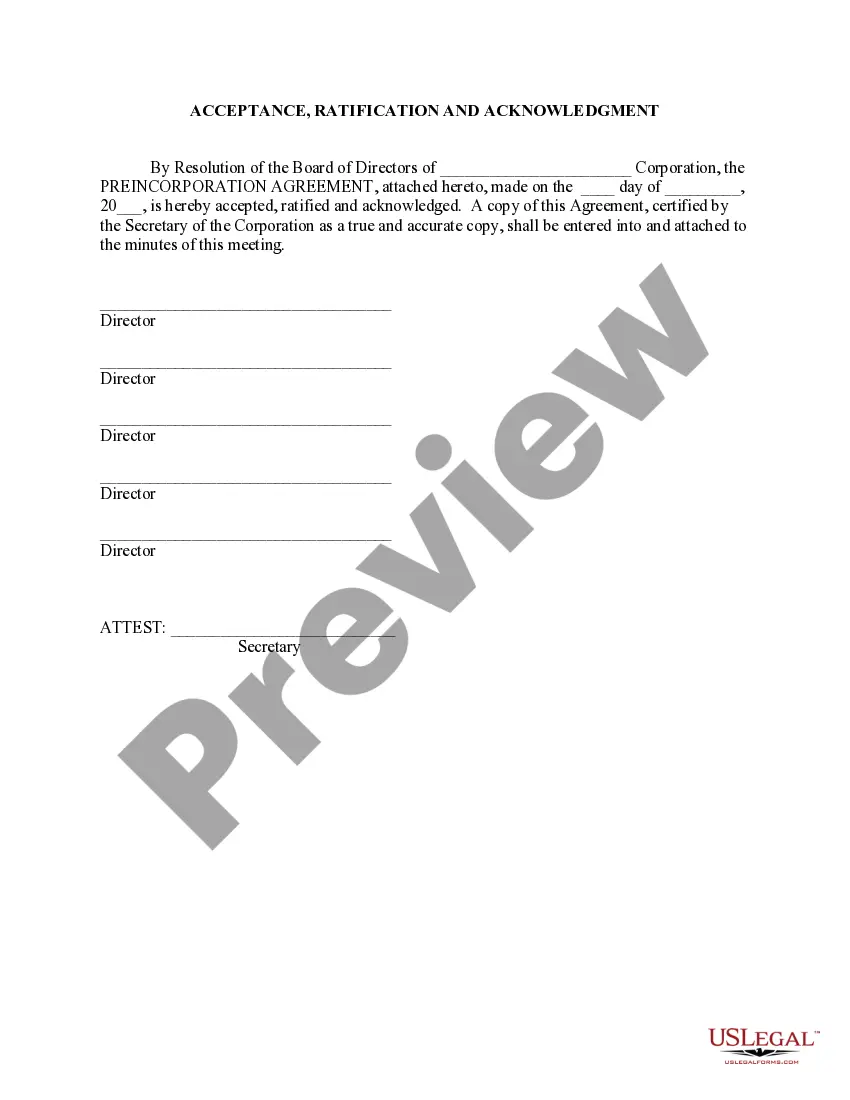
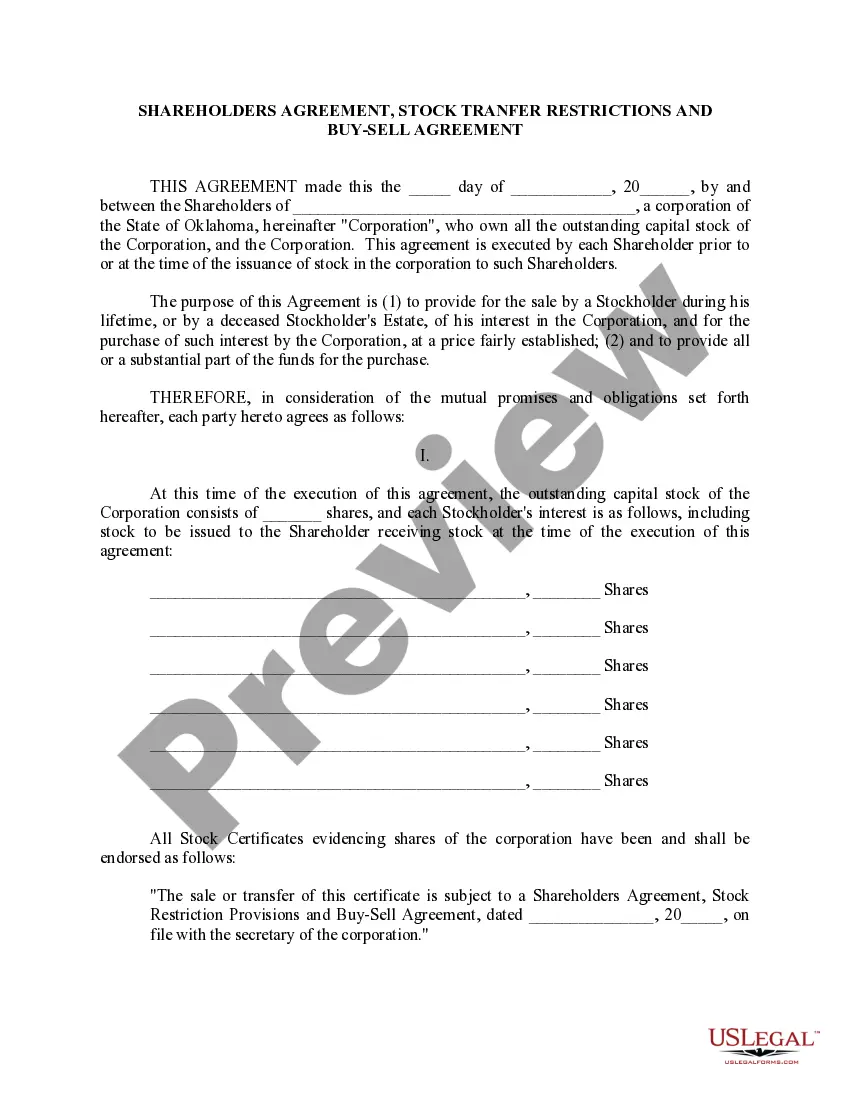

Get your form ready online
Our built-in tools help you complete, sign, share, and store your documents in one place.
Make edits, fill in missing information, and update formatting in US Legal Forms—just like you would in MS Word.
Download a copy, print it, send it by email, or mail it via USPS—whatever works best for your next step.
Sign and collect signatures with our SignNow integration. Send to multiple recipients, set reminders, and more. Go Premium to unlock E-Sign.
If this form requires notarization, complete it online through a secure video call—no need to meet a notary in person or wait for an appointment.
We protect your documents and personal data by following strict security and privacy standards.

Make edits, fill in missing information, and update formatting in US Legal Forms—just like you would in MS Word.

Download a copy, print it, send it by email, or mail it via USPS—whatever works best for your next step.

Sign and collect signatures with our SignNow integration. Send to multiple recipients, set reminders, and more. Go Premium to unlock E-Sign.

If this form requires notarization, complete it online through a secure video call—no need to meet a notary in person or wait for an appointment.

We protect your documents and personal data by following strict security and privacy standards.
Looking for another form?
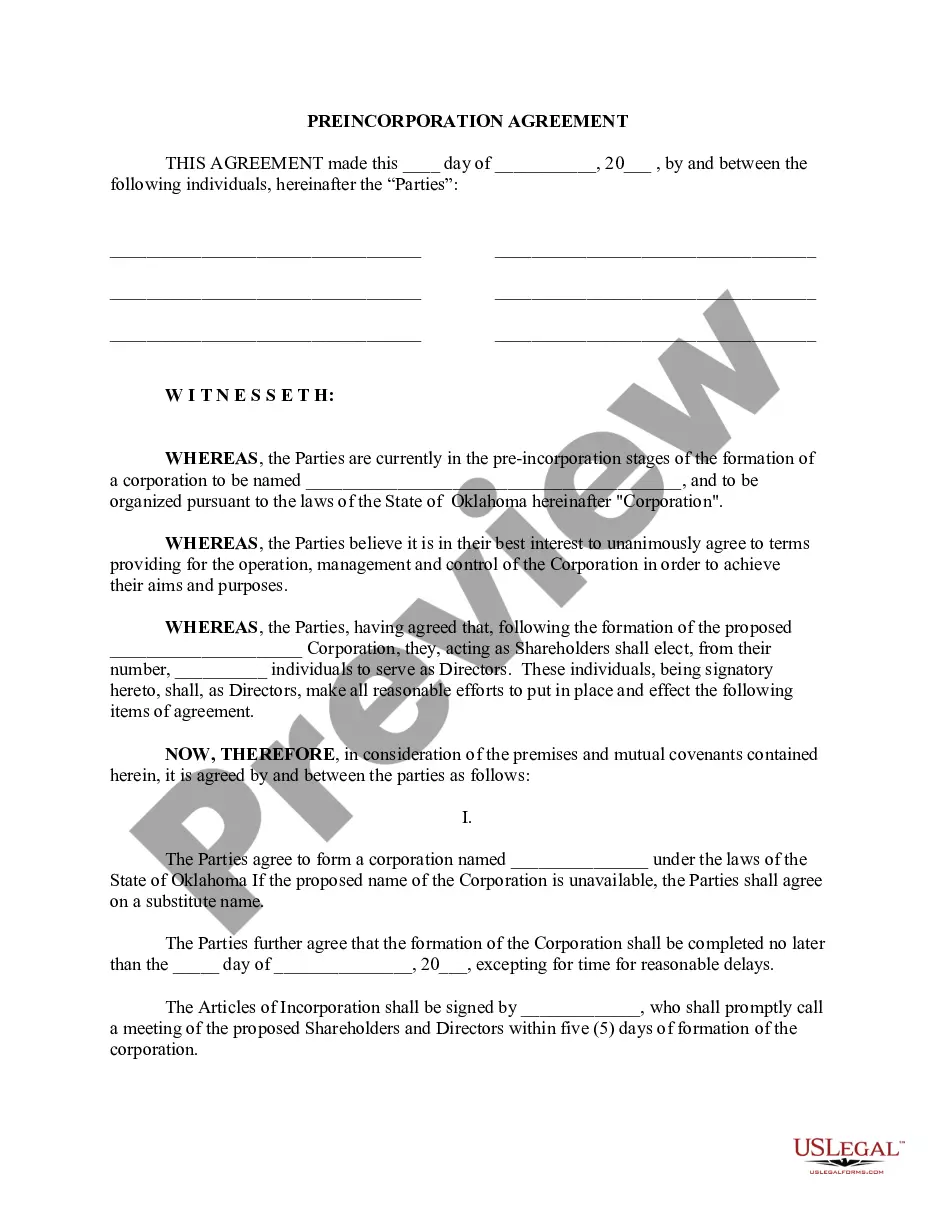
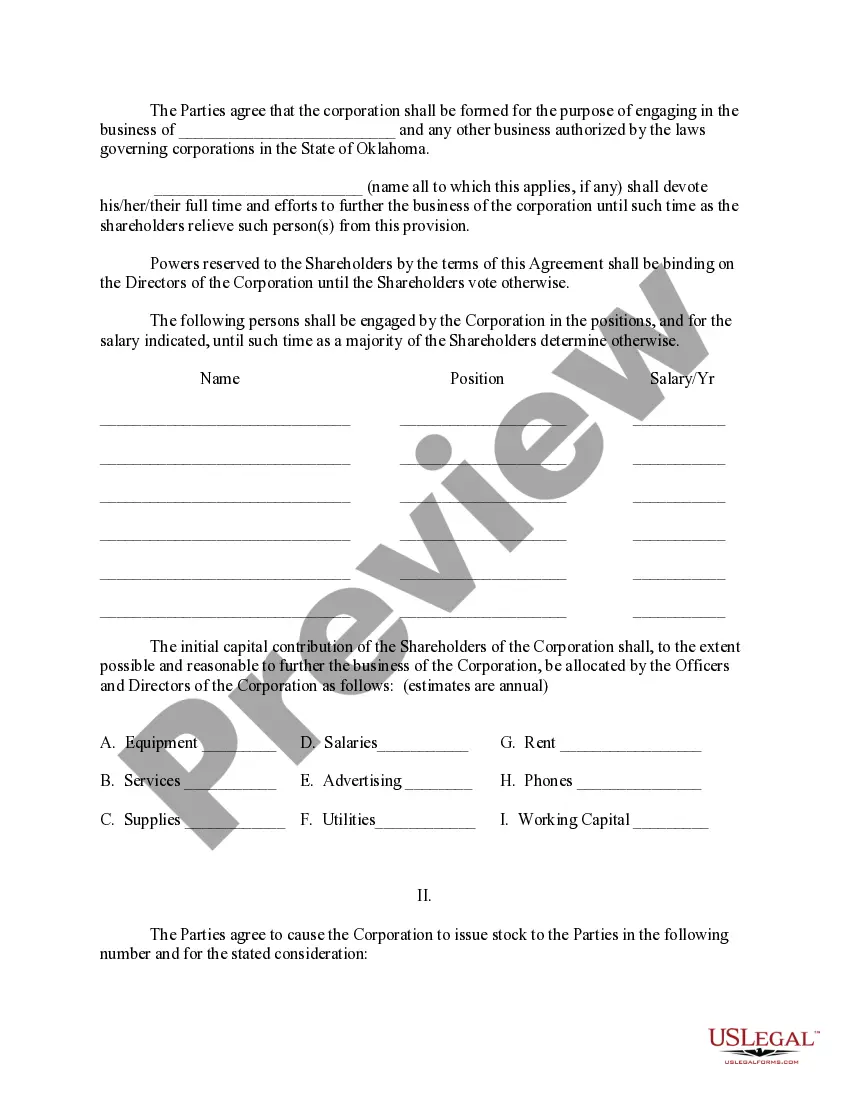
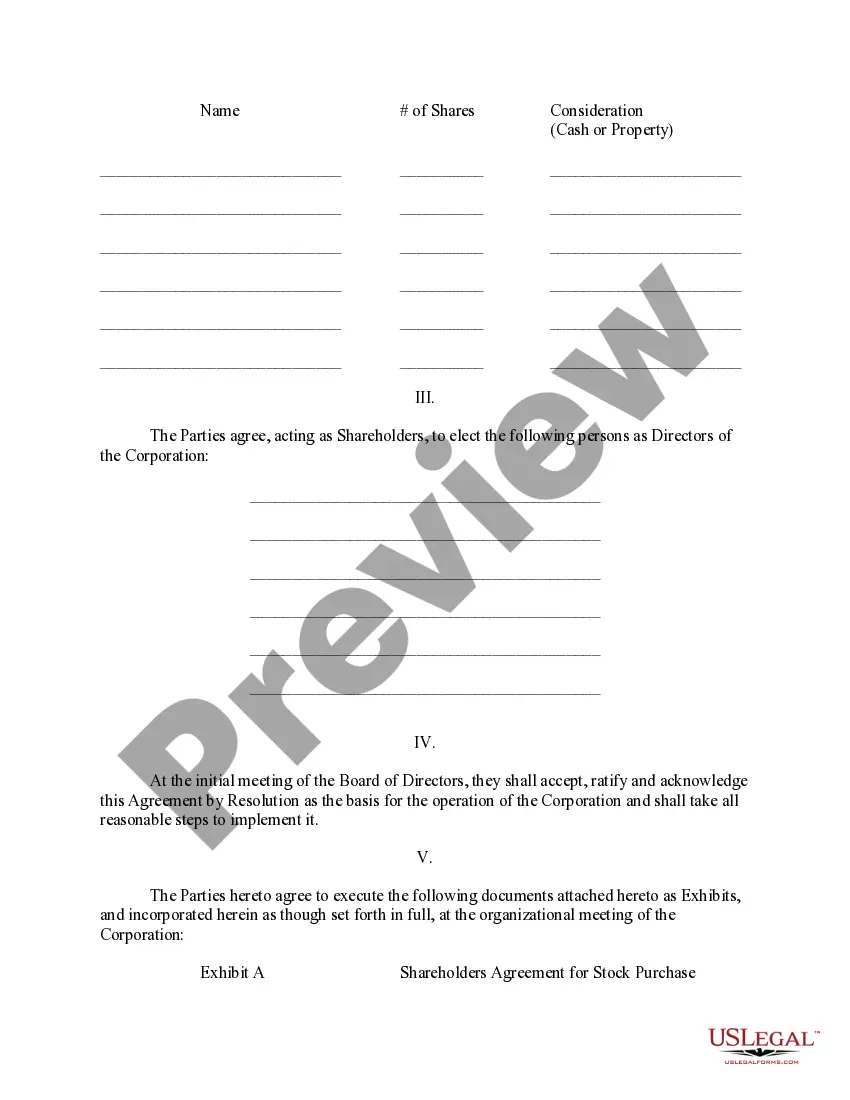
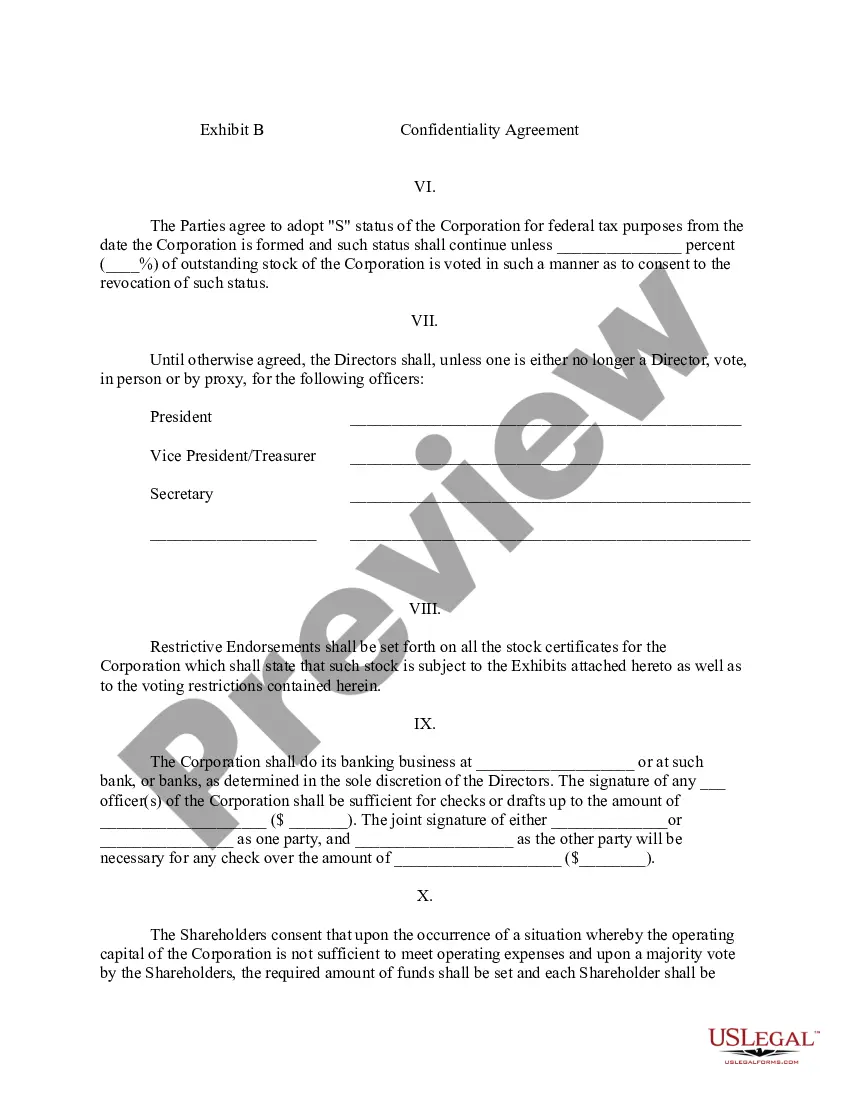
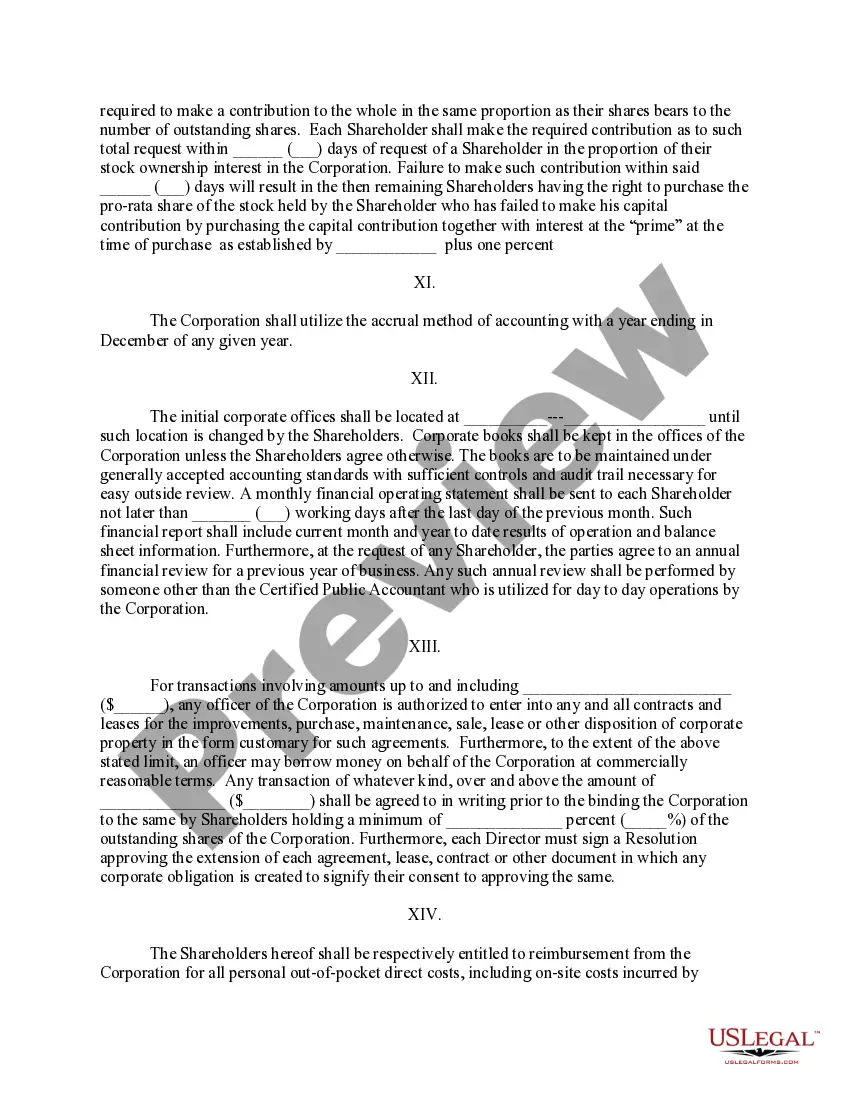
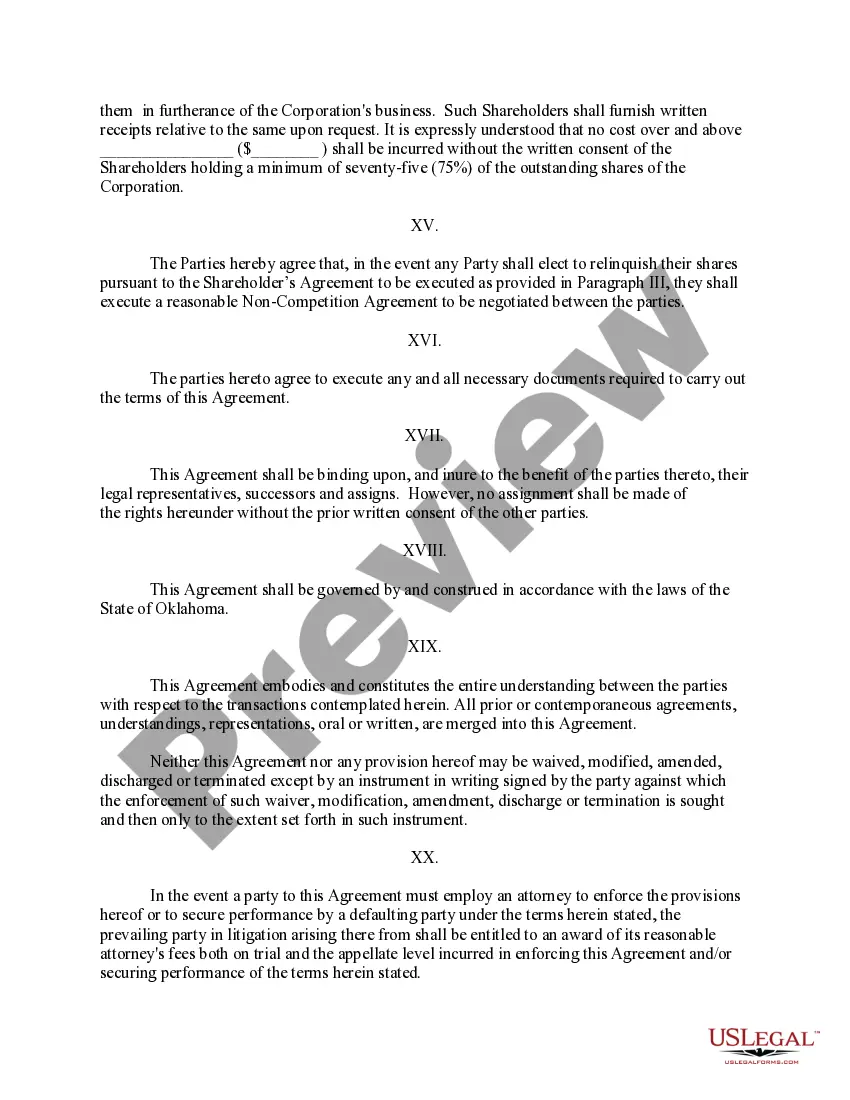
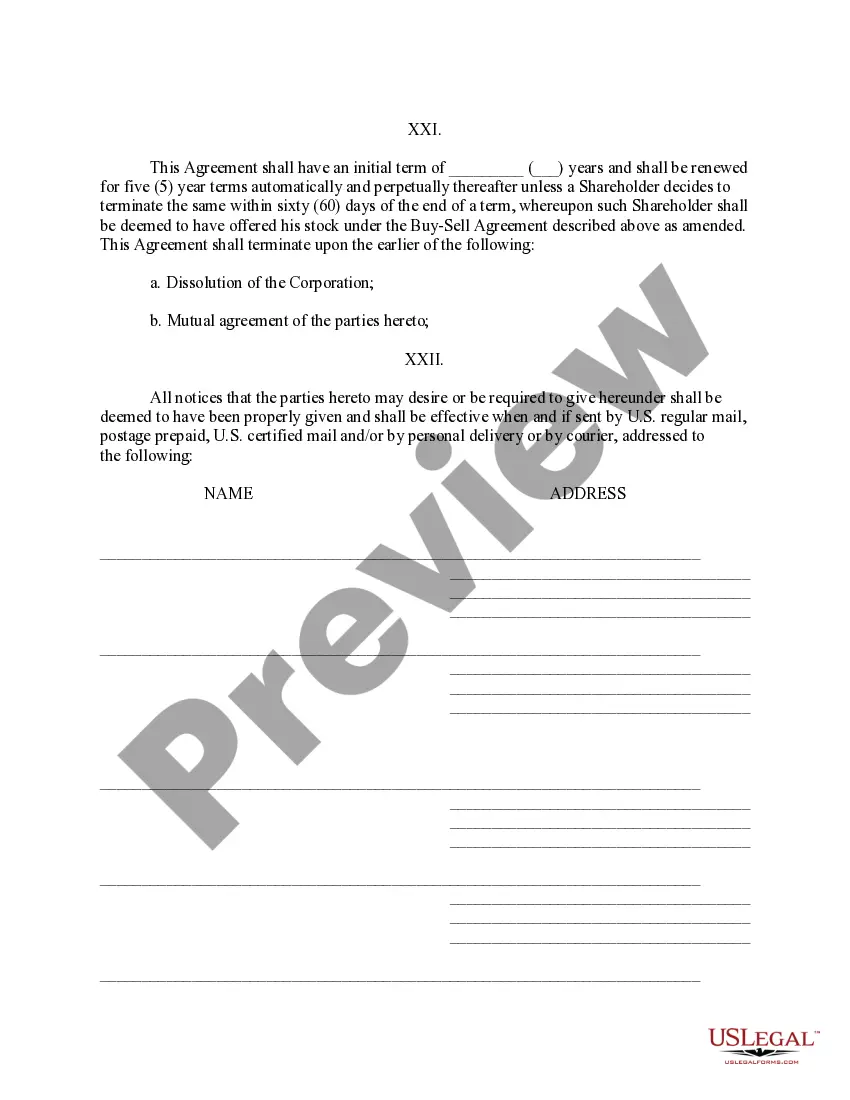
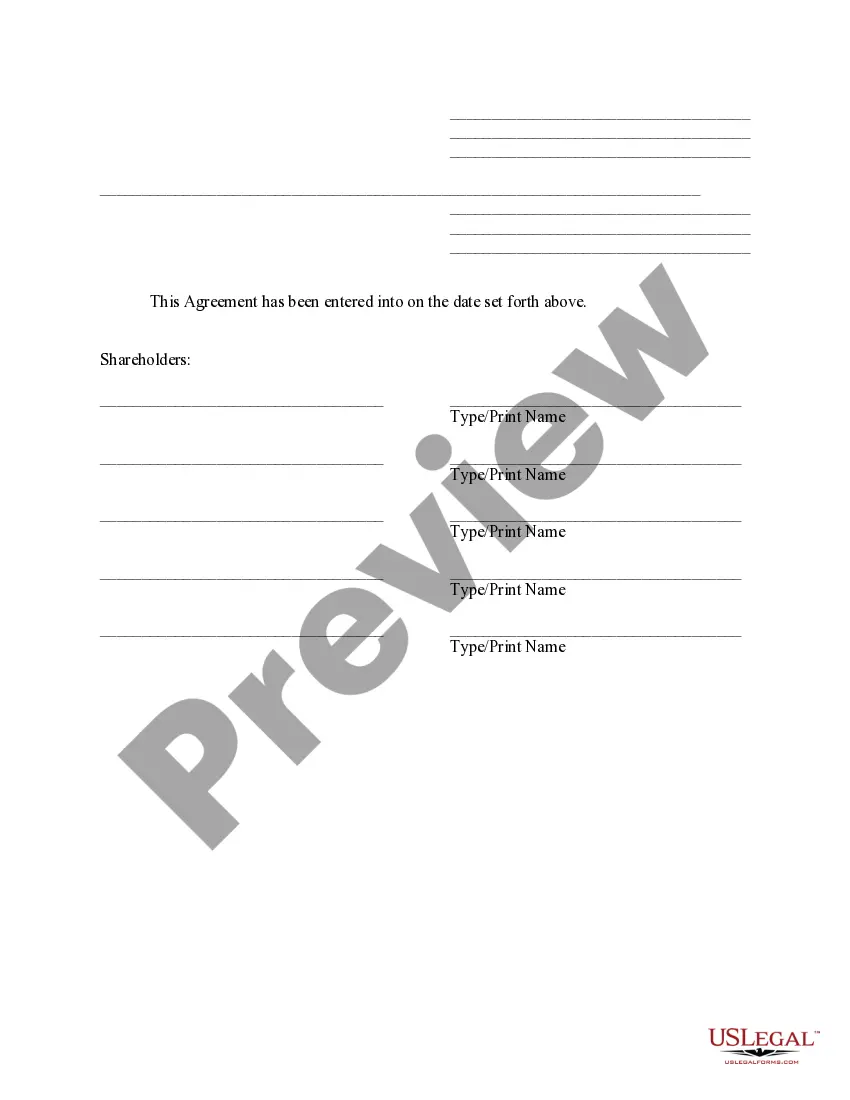
How to fill out Oklahoma Pre-Incorporation Agreement, Shareholders Agreement And Confidentiality Agreement?
Individuals typically link legal documents with something complicated that solely a specialist can handle.
In a certain sense, this is correct, as creating a Shareholder Agreement for S Corp requires profound understanding of subject matter, encompassing state and local laws.
Nevertheless, with the US Legal Forms, everything has turned more straightforward: premade legal templates for any personal and business scenario specific to state legislation are gathered in a single online catalog and are now accessible to all.
All templates in our collection are reusable: once obtained, they remain saved in your profile. You can access them anytime needed through the My documents tab. Explore all the advantages of utilizing the US Legal Forms platform. Subscribe today!
- Scrutinize the page content thoroughly to confirm it suits your requirements.
- Examine the form summary or review it through the Preview option.
- Seek another example via the Search field above if the previous option doesn’t meet your needs.
- Click Buy Now once you identify the suitable Shareholder Agreement for S Corp.
- Choose a subscription plan that fulfills your needs and budget.
- Create an account or Log In to move to the payment page.
- Make your payment via PayPal or using your credit card.
- Select the format for your document and click Download.
- Print your file or upload it to an online editor for quicker completion.
Form popularity
FAQ
The number of shares that a company needs to have in order to form an S-corporation is essentially determined by the owners of the business. An S-corporation owner can choose to have as little as 10,000 shares of stock, or as many as a million shares of stock.
What to Think about When You Begin Writing a Shareholder Agreement.Name Your Shareholders.Specify the Responsibilities of Shareholders.The Voting Rights of Your Shareholders.Decisions Your Corporation Might Face.Changing the Original Shareholder Agreement.Determine How Stock can be Sold or Transferred.More items...
The S corp shareholder agreement is a contract between the shareholders of an S corporation. The contents of the shareholder agreement differ from one S corporation to another. The shareholders are also able to decide what goes into the shareholder agreement, which is also referred to as the stockholder agreement.
The company isn't required to issue all the shares that are authorized to sell. An S corporation can be authorized to issue 50,000 shares, but the boards of directors can decide to give out 10,000 shares instead of 50,000.
A shareholders' agreement includes a date; often the number of shares issued; a capitalization table that outlines shareholders and their percentage ownership; any restrictions on transferring shares; pre-emptive rights for current shareholders to purchase shares to maintain ownership percentages (for example, in the