Ohio Lien Waiver Form
Description
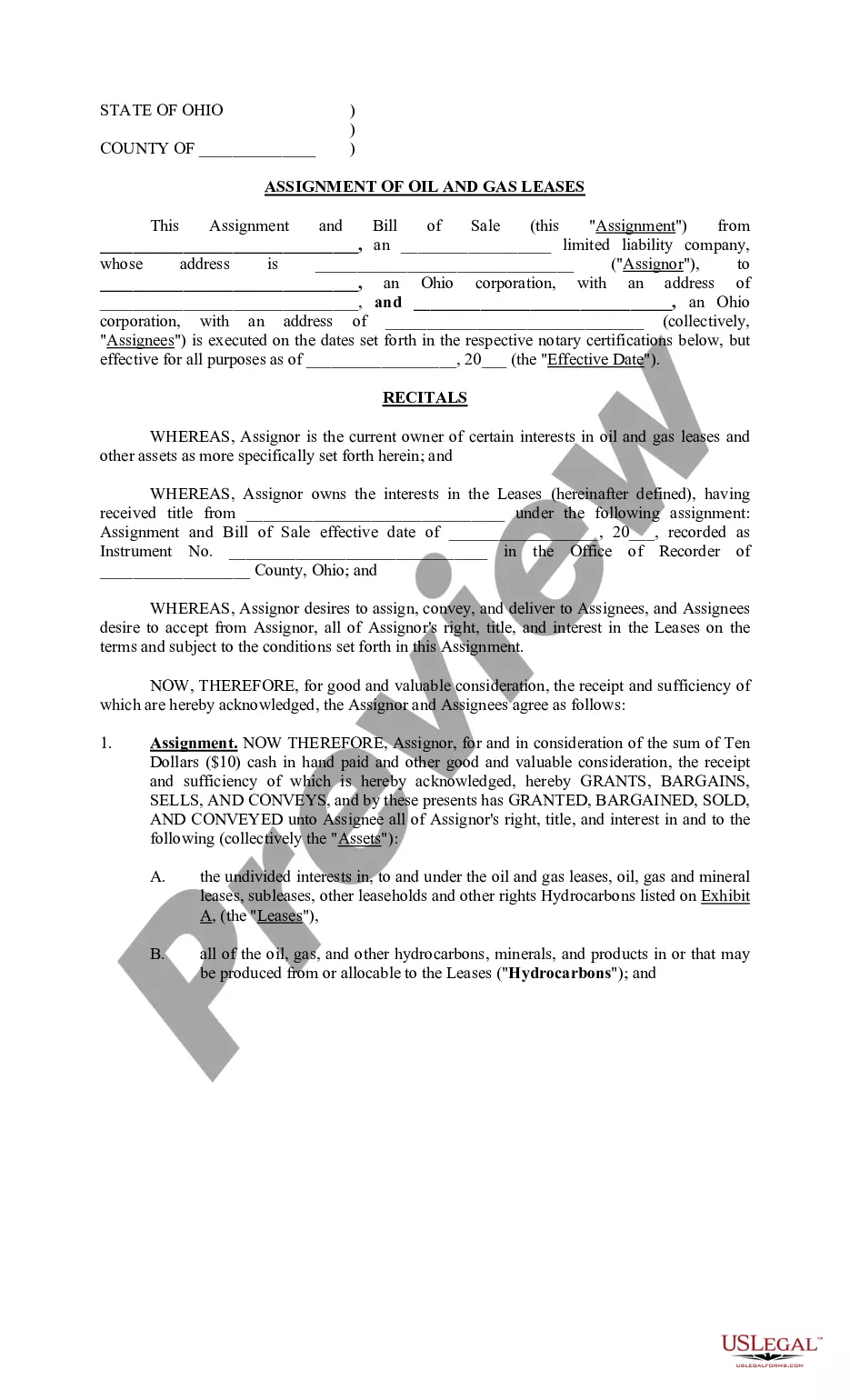
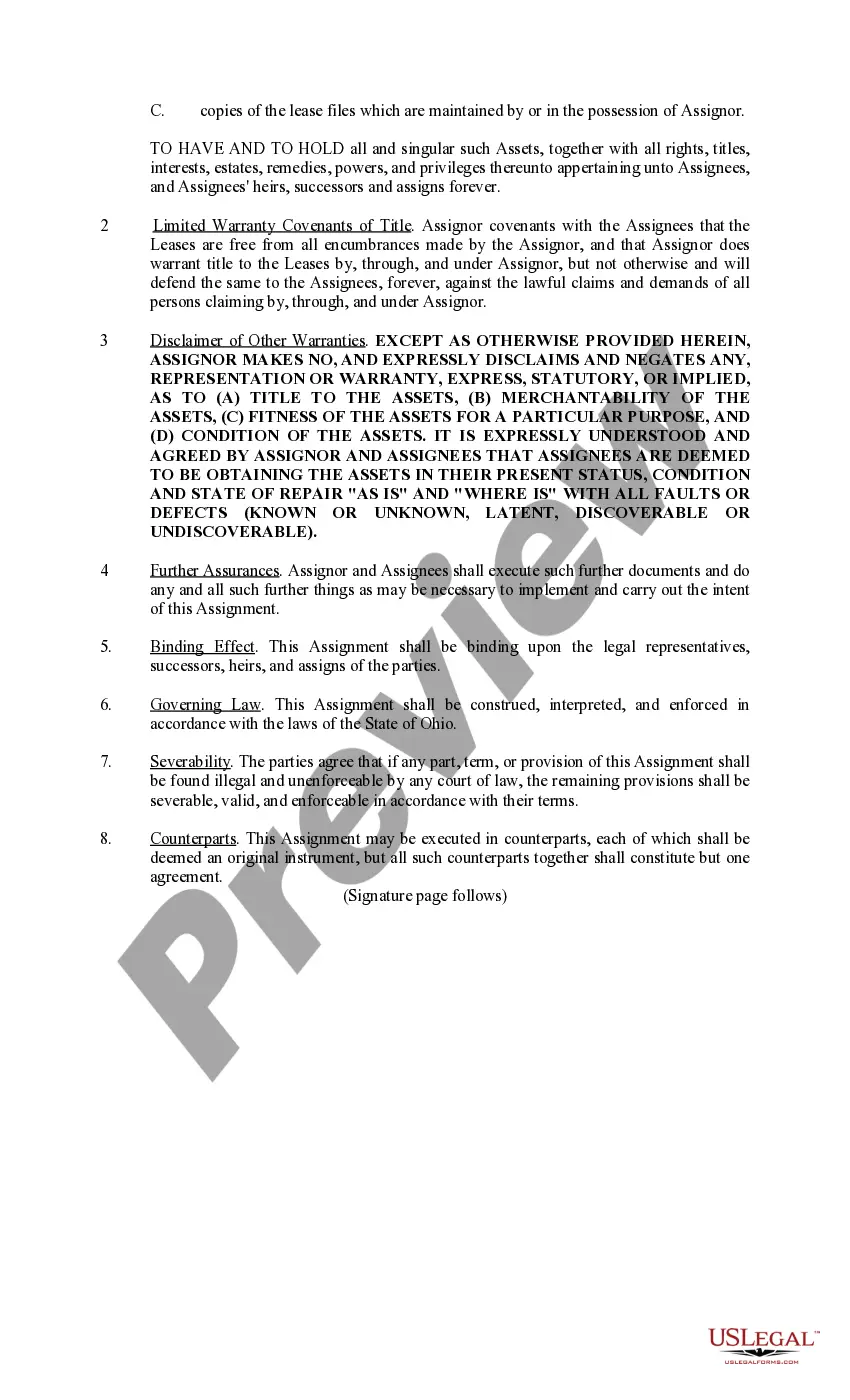
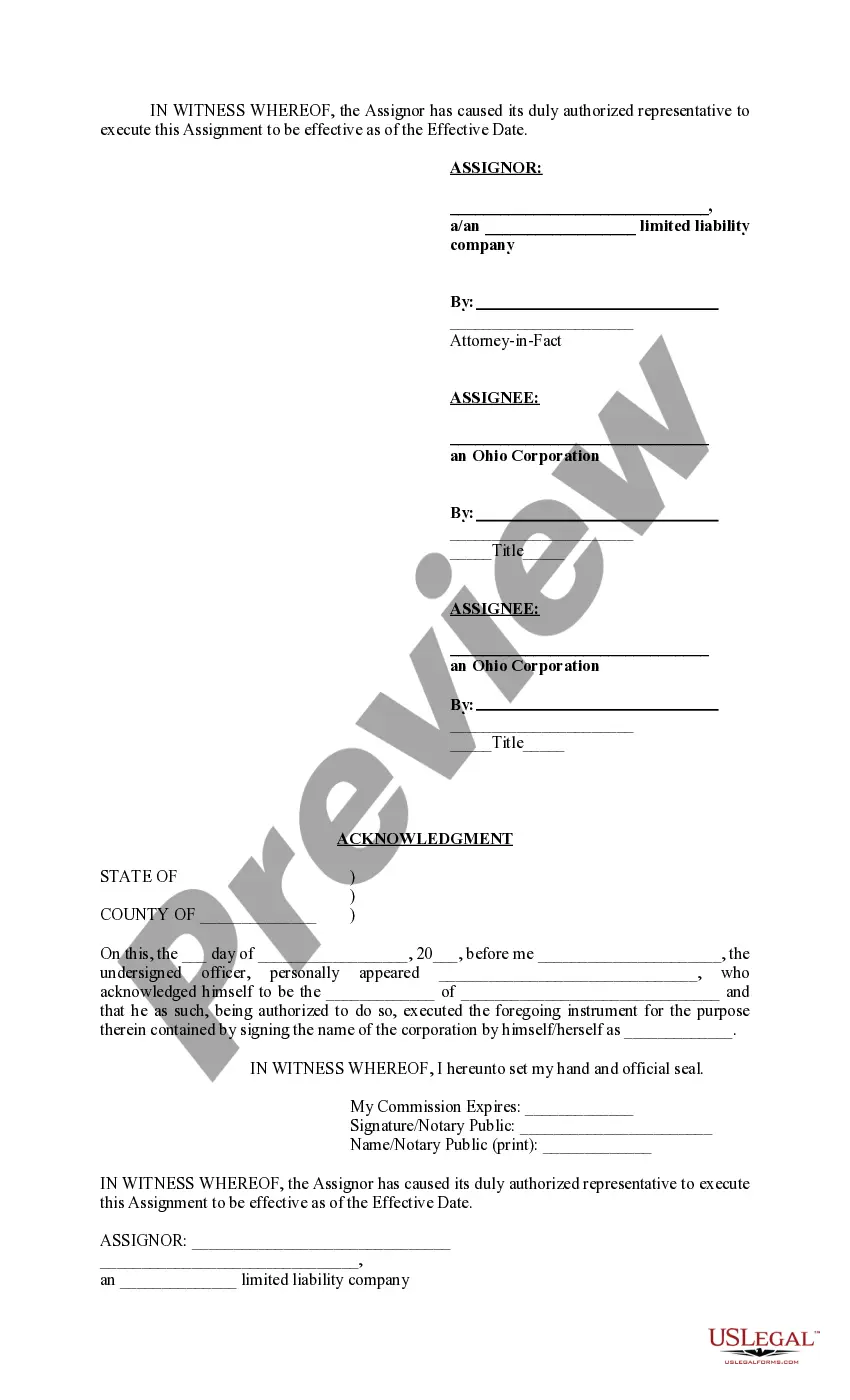
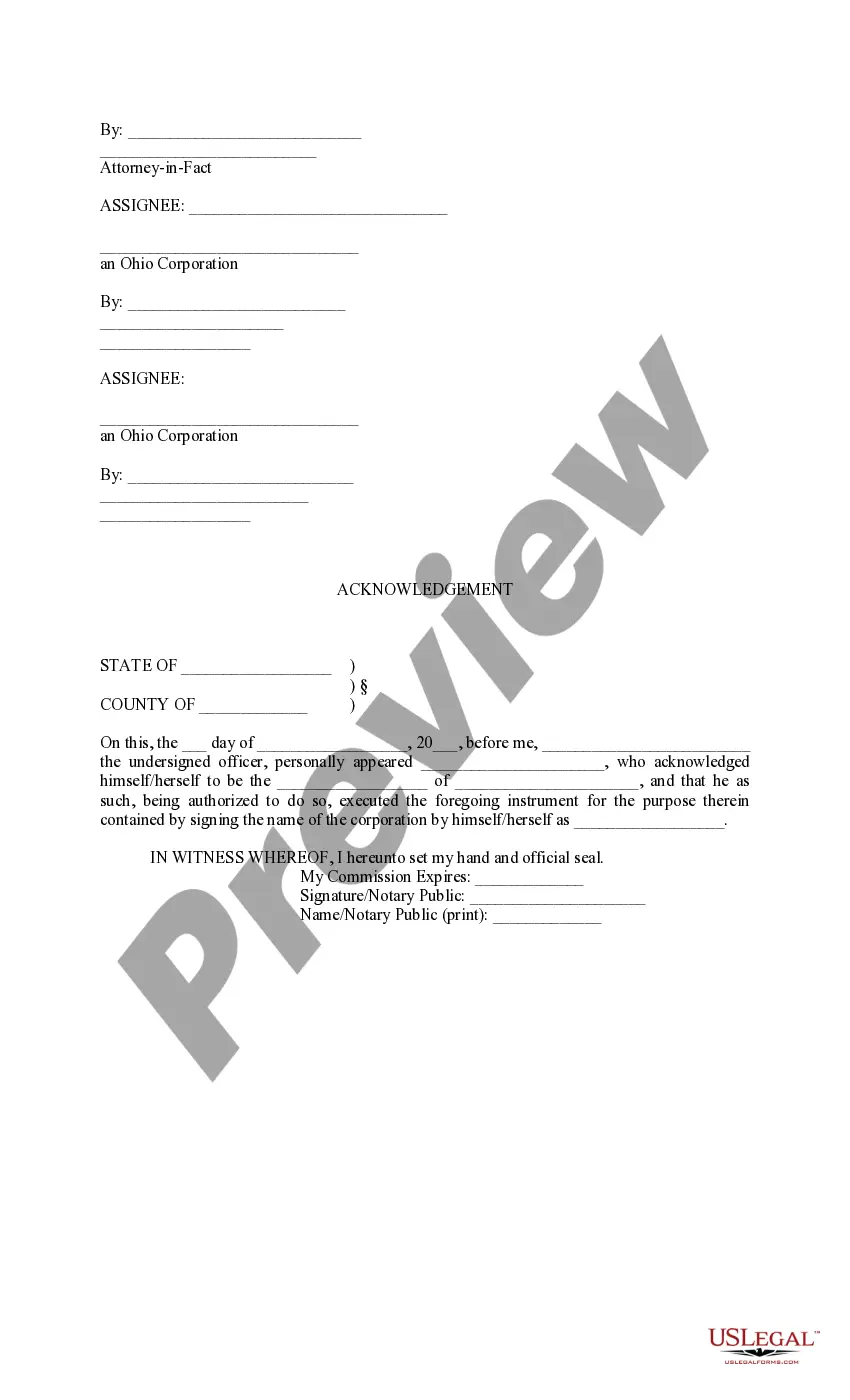

Get your form ready online
Our built-in tools help you complete, sign, share, and store your documents in one place.
Make edits, fill in missing information, and update formatting in US Legal Forms—just like you would in MS Word.
Download a copy, print it, send it by email, or mail it via USPS—whatever works best for your next step.
Sign and collect signatures with our SignNow integration. Send to multiple recipients, set reminders, and more. Go Premium to unlock E-Sign.
If this form requires notarization, complete it online through a secure video call—no need to meet a notary in person or wait for an appointment.
We protect your documents and personal data by following strict security and privacy standards.

Make edits, fill in missing information, and update formatting in US Legal Forms—just like you would in MS Word.

Download a copy, print it, send it by email, or mail it via USPS—whatever works best for your next step.

Sign and collect signatures with our SignNow integration. Send to multiple recipients, set reminders, and more. Go Premium to unlock E-Sign.

If this form requires notarization, complete it online through a secure video call—no need to meet a notary in person or wait for an appointment.

We protect your documents and personal data by following strict security and privacy standards.
Looking for another form?








Form popularity
FAQ
Filing a lien in Ohio involves several steps to ensure compliance with state laws. First, you must complete the necessary lien documents, including the Ohio lien waiver form if applicable. Next, file the lien with the county recorder in the county where the property is located. Finally, make sure to notify the property owner, as this step solidifies your claim and protects your rights.
In North Carolina, there are generally two main types of lien waivers: conditional and unconditional waivers. Conditional waivers depend on receiving payment, while unconditional waivers do not. Both types serve important roles in managing payments and protecting the rights of parties involved in a construction project. For those tackling similar issues in Ohio, an Ohio lien waiver form can simplify the process.
An unconditional release is a legal document that confirms the release of a lien without any conditions attached. Once signed, it acknowledges that the lien claimant relinquishes all rights to pursue claims against the property, regardless of payment status. This release can provide peace of mind to property owners, knowing that no further claims will arise. Consider using an Ohio lien waiver form to facilitate this process.
The most common type of lien on property is a mortgage lien. This type of lien secures the lender's interest in a property, ensuring that they can recover their investment if the borrower defaults. Additionally, mechanics liens often arise in construction-related transactions, adding complexity to property ownership. Utilizing an Ohio lien waiver form can help manage these liens effectively.
The primary difference between conditional and unconditional lien waivers lies in the requirements for their validity. A conditional lien waiver becomes effective only after the payment is received, providing protection until the transaction is completed. In contrast, an unconditional lien waiver releases the right to claim a lien immediately, regardless of payment status. When using an Ohio lien waiver form, it's essential to understand these distinctions to choose the appropriate waiver for your situation.
A final waiver of lien in Ohio serves as an official document stating that a contractor or subcontractor has received full payment for their services. By signing this waiver, the right to claim a lien against the property is relinquished. Using the correct Ohio lien waiver form can facilitate this essential step in project closure.
Yes, you can waive lien rights in Ohio, typically through a lien waiver form. This process involves formally agreeing not to pursue a lien claim for services or materials provided. Having the appropriate Ohio lien waiver form ensures clarity between both parties involved.
To file a lien in Ohio, you will need to provide a detailed description of the service or materials provided, the amount due, and the property owner’s information. Additionally, you should ensure you have the correct Ohio lien waiver form to facilitate the process. Filing promptly before deadlines is crucial to protecting your rights.
Property owners should consider using a final waiver of lien for the best protection once projects are completed. This waiver confirms that all payments have been made and waives the right to file future liens for that project. The appropriate Ohio lien waiver form can help secure your interests as a property owner.
In Ohio, a lien is generally valid for six months from the date it is filed. However, if a lawsuit is filed to enforce the lien, it can remain valid for an extended period, depending on various factors. Being aware of this timeframe is essential for effectively using an Ohio lien waiver form when negotiating payments.
