Ohio Law For Child In Front Seat
Description




Get your form ready online
Our built-in tools help you complete, sign, share, and store your documents in one place.
Make edits, fill in missing information, and update formatting in US Legal Forms—just like you would in MS Word.
Download a copy, print it, send it by email, or mail it via USPS—whatever works best for your next step.
Sign and collect signatures with our SignNow integration. Send to multiple recipients, set reminders, and more. Go Premium to unlock E-Sign.
If this form requires notarization, complete it online through a secure video call—no need to meet a notary in person or wait for an appointment.
We protect your documents and personal data by following strict security and privacy standards.

Make edits, fill in missing information, and update formatting in US Legal Forms—just like you would in MS Word.

Download a copy, print it, send it by email, or mail it via USPS—whatever works best for your next step.

Sign and collect signatures with our SignNow integration. Send to multiple recipients, set reminders, and more. Go Premium to unlock E-Sign.

If this form requires notarization, complete it online through a secure video call—no need to meet a notary in person or wait for an appointment.

We protect your documents and personal data by following strict security and privacy standards.
Looking for another form?
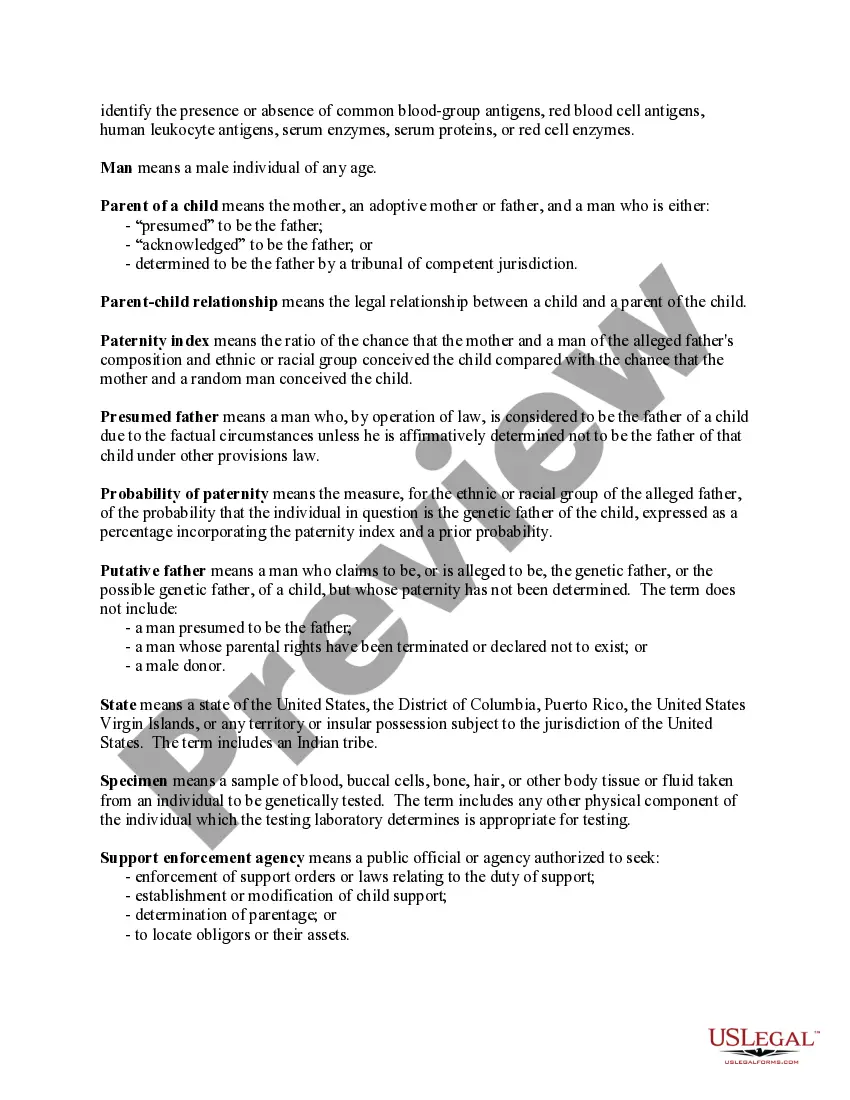
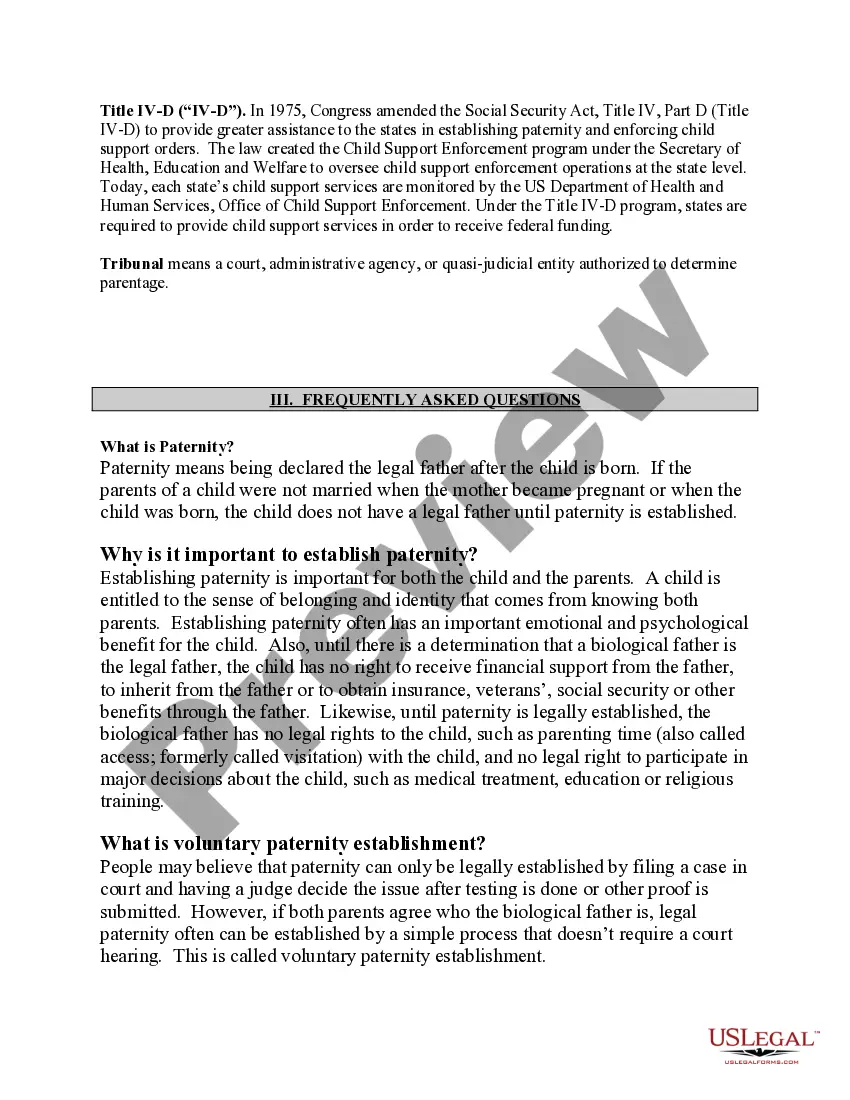
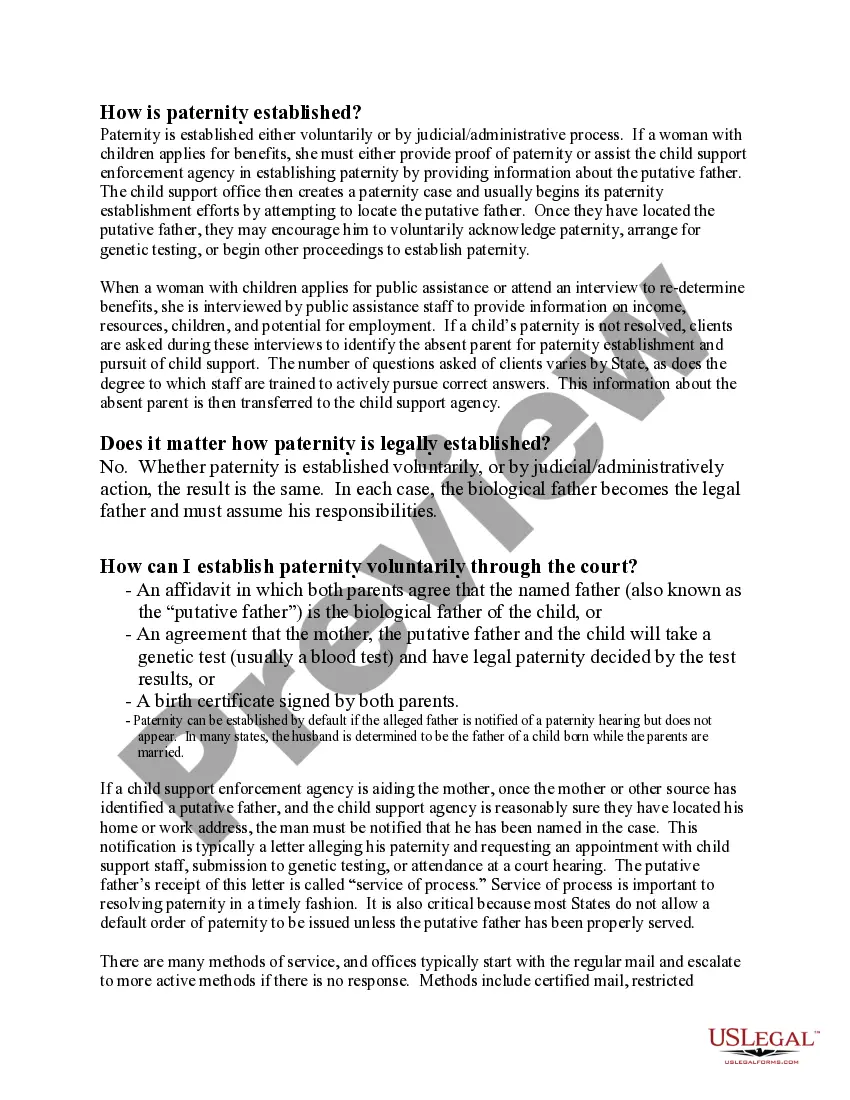
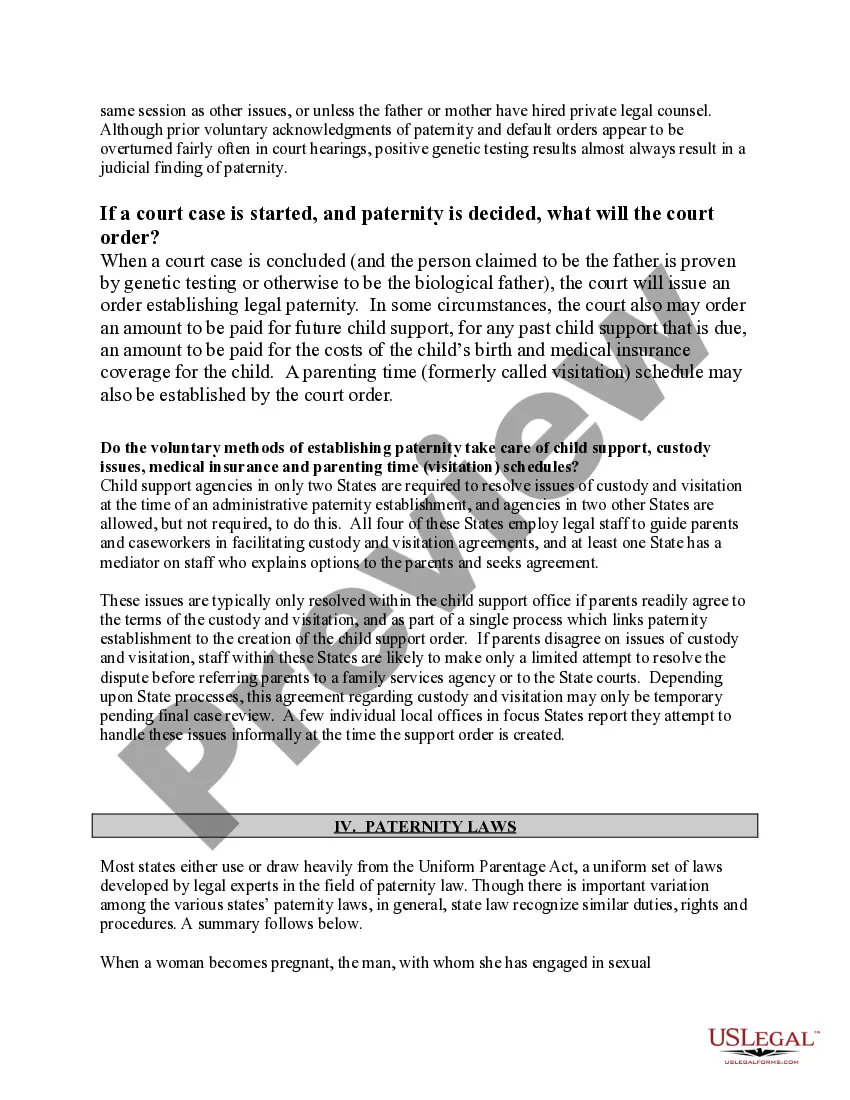
How to fill out Ohio Paternity Law And Procedure Handbook?
There's no longer a necessity to waste time looking for legal documents to comply with your local state requirements. US Legal Forms has assembled all of them in a single location and enhanced their accessibility.
Our platform offers more than 85k templates for any business and personal legal situations organized by state and area of application. All forms are properly drafted and verified for authenticity, ensuring you receive an up-to-date Ohio Law For Child In Front Seat.
If you are acquainted with our platform and already possess an account, ensure your subscription is active before acquiring any templates. Log In to your account, select the document, and click Download. You can also revisit all saved documents at any time by accessing the My documents tab in your profile.
Print your form to complete it manually or upload the template if you prefer to do it using an online editor. Preparing official documents under federal and state laws is swift and simple with our library. Explore US Legal Forms now to maintain your records organized!
- If you're new to our platform, the procedure will require additional steps to finalize.
- Here's how new users can find the Ohio Law For Child In Front Seat in our collection.
- Examine the page content carefully to ensure it includes the sample you need.
- To do this, utilize the form description and preview options, if available.
- Use the Search field above to search for another template if the current one doesn't suit your needs.
- Click Buy Now adjacent to the template title when you identify the correct one.
- Choose the preferred subscription plan and create an account or Log In.
- Make payment for your subscription using a credit card or via PayPal to proceed.
- Select the file format for your Ohio Law For Child In Front Seat and download it to your device.
Form popularity
FAQ
Ohio law for child in front seat states that children aged 8 and older, or those who weigh at least 80 pounds, can legally sit in the front seat. However, it is still recommended to keep children in the back seat until they reach at least 13 years of age for safety reasons. Understanding these guidelines can help you protect your child's well-being while traveling. If you have more questions about child passenger safety, consider visiting UsLegalForms for reliable resources and assistance.
While it may not be illegal for a 10-year-old to sit in the front seat, it is not recommended unless they meet specific safety requirements such as size and proper seat belt fit. Ohio law for child in front seat suggests using appropriate gear until a child reaches sufficient age and stature. Prioritizing your child's safety category ensures compliance as well as peace of mind. For any concerns, UsLegalForms offers resources to clarify child safety laws.
A child in Ohio can legally sit in the front seat at the age of 13. However, it is advisable to wait until the child is bigger and can use the seat belt correctly. Monitoring safety guidelines helps promote safe travel for everyone in the vehicle. Understanding Ohio law for child in front seat is crucial for ensuring compliance and safety.
While Ohio law does not specify a weight limit for sitting in the front seat, it is crucial that a child weighs at least 40 pounds and uses a suitable booster seat until they fit the seat belt properly. Proper seat belt fit ensures maximum protection during a crash. Remember, enforcement of safety measures is important alongside Ohio law for child in front seat. Always place safety first.
In Ohio, the law states that a child can legally sit in the front seat when they are at least 13 years old. However, it is essential to consider their size and weight as well. Always ensure that the seat belt fits properly and that the child can sit comfortably against the back of the seat. These factors contribute to safety, aligning with Ohio law for child in front seat.
In most parts of America, including Ohio, a 10-year-old should not sit in the front seat as the law typically requires children to be at least 13 years old. This rule aims to enhance the safety of young passengers. Parents should prioritize safe seating arrangements to protect their children during drives. For help navigating these laws, you can find useful information on uslegalforms.
Under Ohio law for child in front seat, it is not recommended for a 10-year-old to sit in the front seat due to safety concerns. Children under 13 face risks from airbags and should remain in the back seat. It is crucial to follow safety guidelines to ensure a child's protection during travel. If you need further assistance understanding these rules, uslegalforms can be a good resource.
In America, the general guideline is that children can sit in the front seat when they turn 13 years old, although this can vary by state. Many states, including Ohio, emphasize the importance of safety measures, so it's best to follow local laws. Always evaluate whether a child's size and maturity level warrant sitting in the front seat. For state-specific regulations, uslegalforms offers reliable access to legal information.
A child can legally sit in the front seat in Ohio when they are 13 years old or older. However, parents should assess their child's size and maturity level as well. It's essential to ensure that the seat belt fits properly and is used correctly. For more details and safety recommendations, resources like uslegalforms can be helpful.
According to Ohio law for child in front seat, a child must be at least 13 years old and weigh the appropriate amount to sit in the front seat safely. Additionally, children should use a seat belt or booster seat that is suitable for their size. Always check for any specific guidelines about seat positions and safety equipment. For further information and resources, uslegalforms can provide comprehensive guidance.
