Ohio Divorce And Child Custody Laws
Description
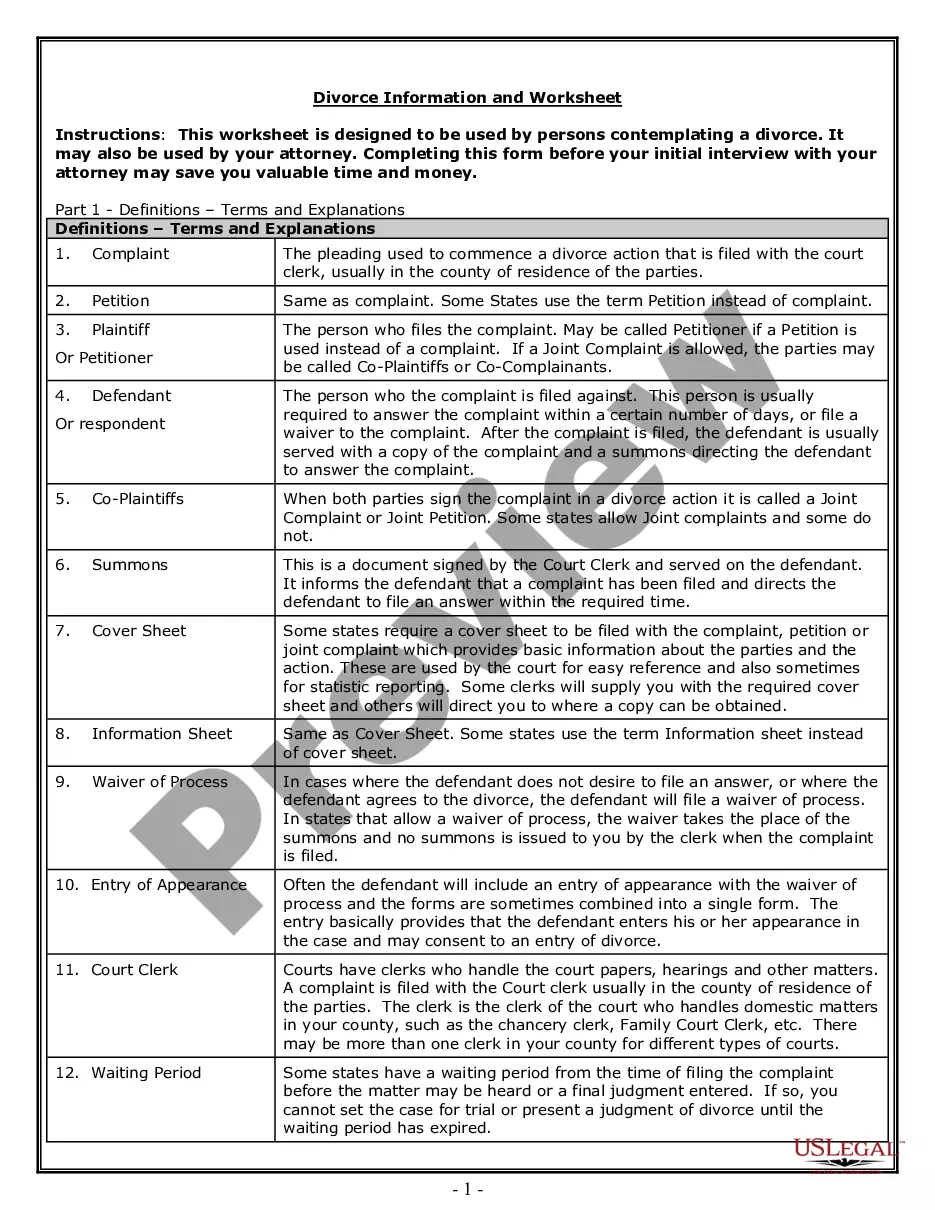










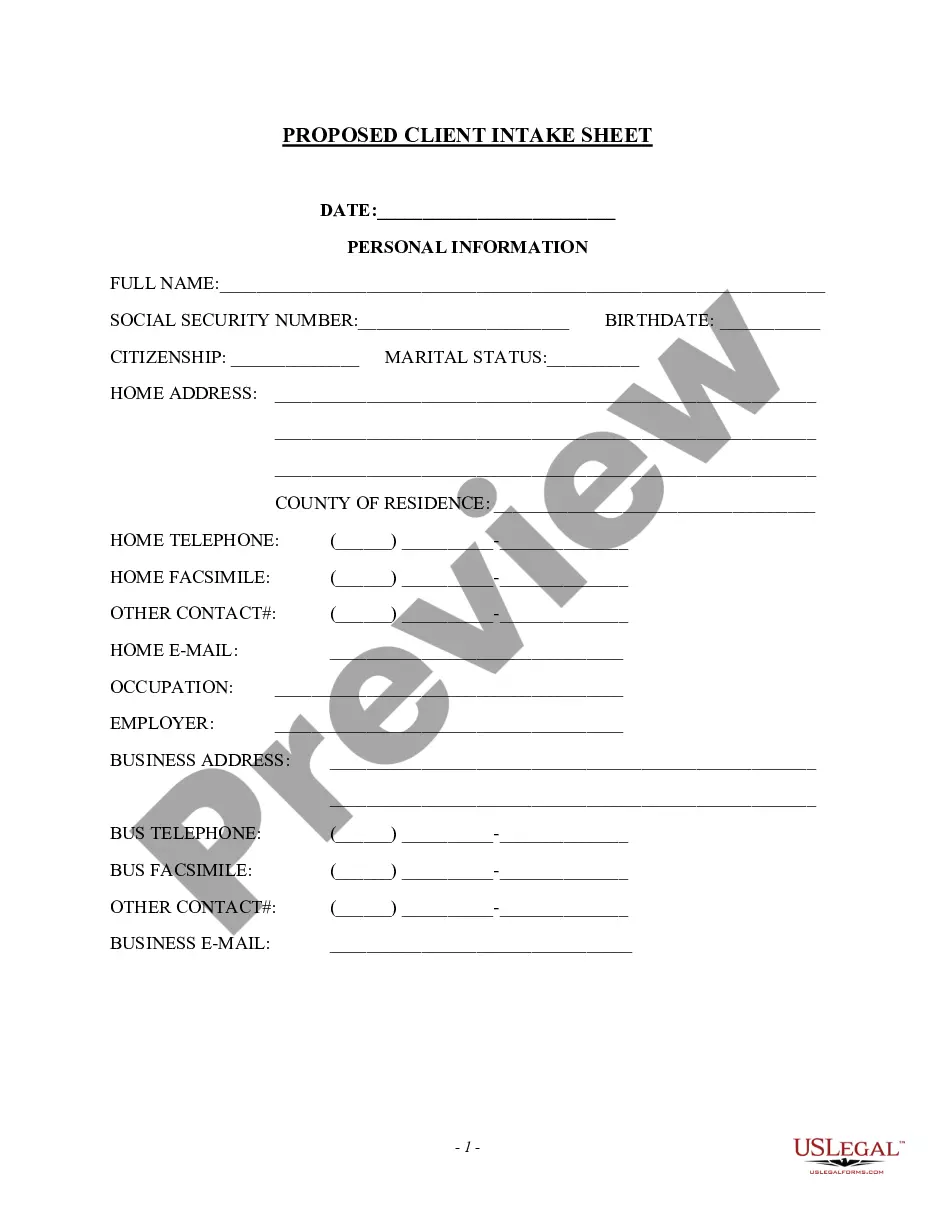


Get your form ready online
Our built-in tools help you complete, sign, share, and store your documents in one place.
Make edits, fill in missing information, and update formatting in US Legal Forms—just like you would in MS Word.
Download a copy, print it, send it by email, or mail it via USPS—whatever works best for your next step.
Sign and collect signatures with our SignNow integration. Send to multiple recipients, set reminders, and more. Go Premium to unlock E-Sign.
If this form requires notarization, complete it online through a secure video call—no need to meet a notary in person or wait for an appointment.
We protect your documents and personal data by following strict security and privacy standards.

Make edits, fill in missing information, and update formatting in US Legal Forms—just like you would in MS Word.

Download a copy, print it, send it by email, or mail it via USPS—whatever works best for your next step.

Sign and collect signatures with our SignNow integration. Send to multiple recipients, set reminders, and more. Go Premium to unlock E-Sign.

If this form requires notarization, complete it online through a secure video call—no need to meet a notary in person or wait for an appointment.

We protect your documents and personal data by following strict security and privacy standards.
Looking for another form?









Form popularity
FAQ
The duration of custody court proceedings in Ohio can vary based on several factors, such as the complexity of your case and the court's schedule. Generally, custody cases may take several weeks to several months to resolve. Key aspects include mediation sessions and court hearings, which all contribute to the timeline. Understanding Ohio divorce and child custody laws can help set your expectations and prepare you for what lies ahead.
Filing a motion for custody in Ohio requires you to draft a formal motion that outlines your request and supporting reasons. Ensure you include all relevant documents, such as previous custody orders or communication records. Next, file your motion with the court where your initial custody case was handled. For guidance, consider referring to Ohio divorce and child custody laws, or explore resources from uslegalforms to simplify the process.
The first step to file for divorce in Ohio involves determining the proper court. You typically need to file in the county where either spouse lives. Prepare the necessary documents, including a complaint for divorce, and file them with the court. Familiarizing yourself with Ohio divorce and child custody laws can make this step easier and more efficient.
Ohio does not automatically make custody decisions that favor a 50/50 split between parents. Instead, the court evaluates the unique circumstances of each case to determine custody arrangements. The guiding principle remains the best interests of the child. Knowledge of Ohio divorce and child custody laws will aid in navigating custody discussions.
The outcome of custody battles often depends on each parent's ability to demonstrate their commitment to the child's welfare. Courts prioritize the best interests of the child, considering several factors. Generally, neither parent is guaranteed to win; rather, it is about who can provide a stable environment. Understanding Ohio divorce and child custody laws can enhance your position in custody disputes.
To file for custody in Ohio, you typically need to complete and submit several forms, including a Motion for Custody and Affidavit of Income. Additional documents may be required depending on your situation. Consulting resources that explain Ohio divorce and child custody laws can provide clarity on the required paperwork.
At the first custody hearing in Ohio, both parents present their case to the judge. The judge will listen to both sides and may ask questions to understand the child's needs better. This hearing helps establish temporary custody arrangements. Familiarity with Ohio divorce and child custody laws can prepare you for this important step.
In Ohio, a father cannot unilaterally take a child away from the mother without a custody agreement or court order. Both parents have legal rights to their children. If custody has not been legally established, it is critical to seek legal advice. Understanding Ohio divorce and child custody laws will guide you in resolving custody disputes.
Child custody in Ohio is determined based on what is best for the child, as outlined in Ohio divorce and child custody laws. Courts consider several factors, including the child’s relationship with each parent, the parents' ability to meet the child's needs, and any history of domestic violence. For personalized guidance through the custody process, resources like UsLegalForms can provide valuable legal aid and documentation tailored to your situation.
In Grey's Anatomy, the custody battle focuses on emotional narratives rather than strict adherence to reality, especially regarding Ohio divorce and child custody laws. The storylines often highlight the complexities of parental rights and responsibilities but should be viewed as fictional interpretations rather than legal precedents. It's important to consult a legal professional when facing real-life custody conflicts.
