Foreclosure With Equity
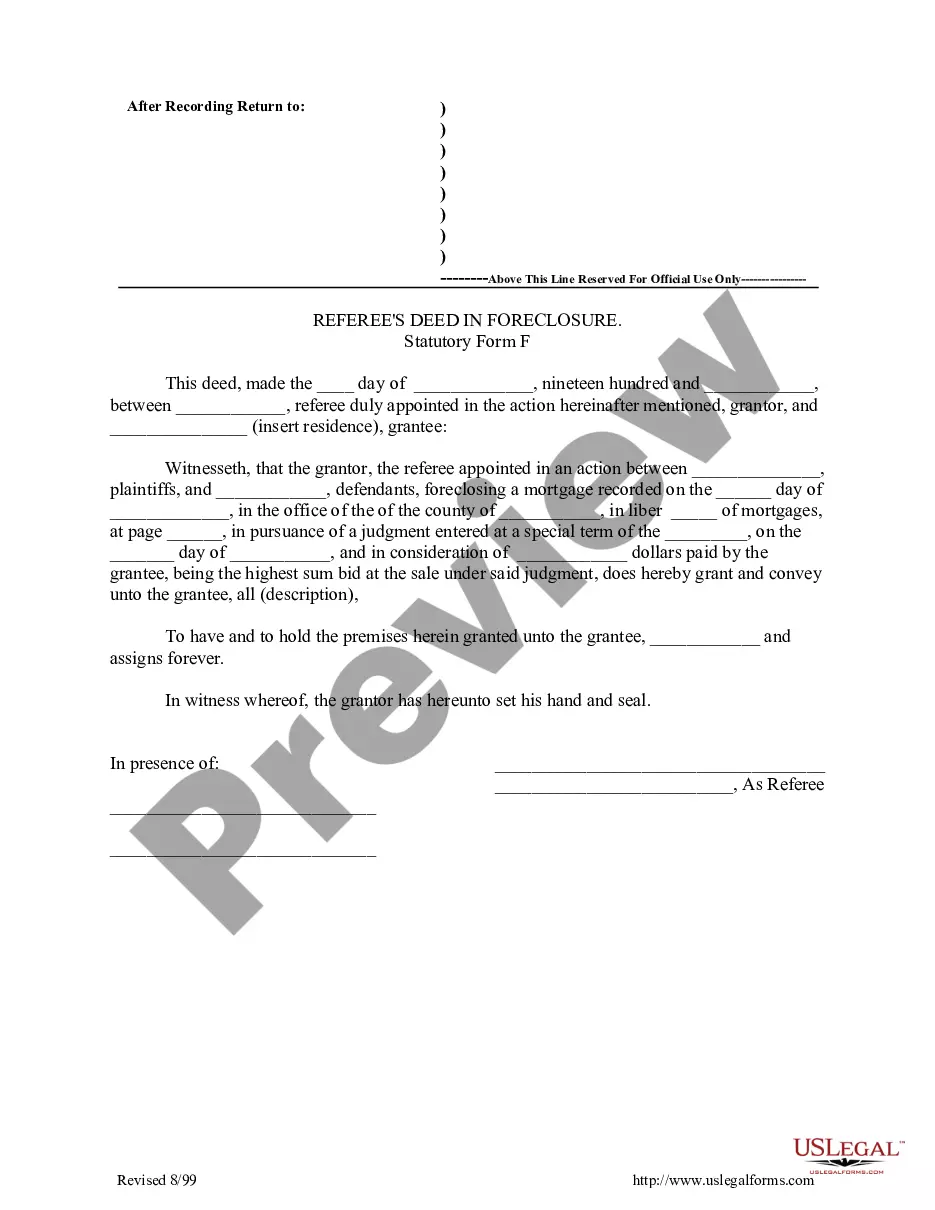
Description

Get your form ready online
Our built-in tools help you complete, sign, share, and store your documents in one place.
Make edits, fill in missing information, and update formatting in US Legal Forms—just like you would in MS Word.
Download a copy, print it, send it by email, or mail it via USPS—whatever works best for your next step.
Sign and collect signatures with our SignNow integration. Send to multiple recipients, set reminders, and more. Go Premium to unlock E-Sign.
If this form requires notarization, complete it online through a secure video call—no need to meet a notary in person or wait for an appointment.
We protect your documents and personal data by following strict security and privacy standards.

Make edits, fill in missing information, and update formatting in US Legal Forms—just like you would in MS Word.

Download a copy, print it, send it by email, or mail it via USPS—whatever works best for your next step.

Sign and collect signatures with our SignNow integration. Send to multiple recipients, set reminders, and more. Go Premium to unlock E-Sign.

If this form requires notarization, complete it online through a secure video call—no need to meet a notary in person or wait for an appointment.

We protect your documents and personal data by following strict security and privacy standards.
Looking for another form?






How to fill out New York Referee's Deed In Foreclosure?
- Log in to your US Legal Forms account if you’re a returning user. Ensure your subscription is current; if not, renew it according to your plan.
- Review the Preview mode and form description. Confirm that the chosen template meets your needs and adheres to local jurisdiction requirements.
- If you can't find the right form, use the Search tab at the top to locate an appropriate alternative.
- Once you've found the correct document, click the Buy Now button and select your preferred subscription plan. Make sure to create an account to access the resources.
- Complete your purchase by entering your payment details via credit card or through PayPal.
- Download the form directly to your device for immediate use. You can always access it later in the My Forms section of your profile.
In conclusion, US Legal Forms stands out with its extensive collection of over 85,000 legal forms, ensuring you have access to everything you need for the foreclosure process. By following these steps, you can efficiently secure your legal documents and feel confident in managing your options.
Explore US Legal Forms today and take the first step in securing your future!
Form popularity
FAQ
When a foreclosure with equity occurs, the fate of your personal belongings changes. Typically, you must vacate the property, and any possessions left behind may be considered abandoned. Depending on state laws, the bank or new owner may discard, auction, or store your items for a limited time. It's vital to clear out your personal property before the foreclosure process completes.
Foreclosure is considered an equitable remedy as it involves court intervention to resolve a dispute between a borrower and lender. Courts often seek to balance the interests of both parties when deciding foreclosure cases. This aspect adds complexity to foreclosure with equity cases, making expert legal guidance essential for navigating the process. Consulting professionals can help you understand your rights and options.
The equitable mortgage rule emphasizes fairness in mortgage transactions. This rule allows certain agreements, even if not in writing, to be recognized as mortgages based on the intent of the parties involved. Understanding this rule is vital in cases of foreclosure with equity, as it affects how courts interpret borrower-lender agreements. Seeking legal assistance can clarify how this rule may apply to your situation.
During foreclosure, the owner's equity is typically at risk. If the home sells for less than the owed mortgage amount, the homeowner may lose the equity they had built up over time. It is essential to understand your options and to act quickly to protect your foreclosure with equity, possibly consulting with professionals like US Legal Forms for guidance.
In a foreclosure situation, the lender often retains the rights to the equity, especially if the home sells for less than the outstanding mortgage amount. However, if there is remaining equity after selling the home, it may revert to the homeowner. Understanding how foreclosure with equity works can help you protect your rights in such scenarios.
In foreclosure, homeowners typically endure the most significant hardships, facing loss of their property and potential financial instability. Families may also feel the impact, as losing a home can disrupt living situations and emotional well-being. This situation showcases the importance of understanding how to protect your foreclosure with equity and explore options that can minimize losses.