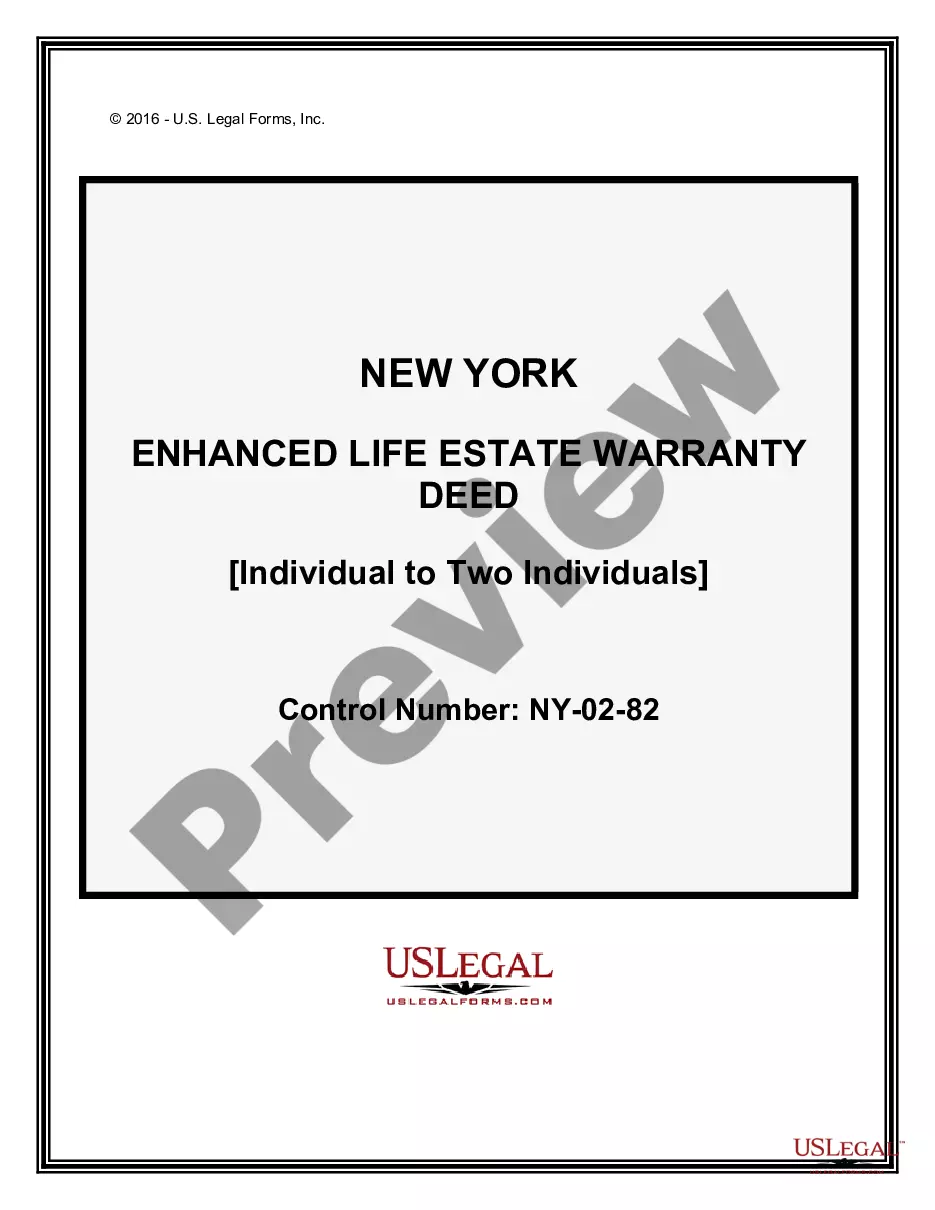
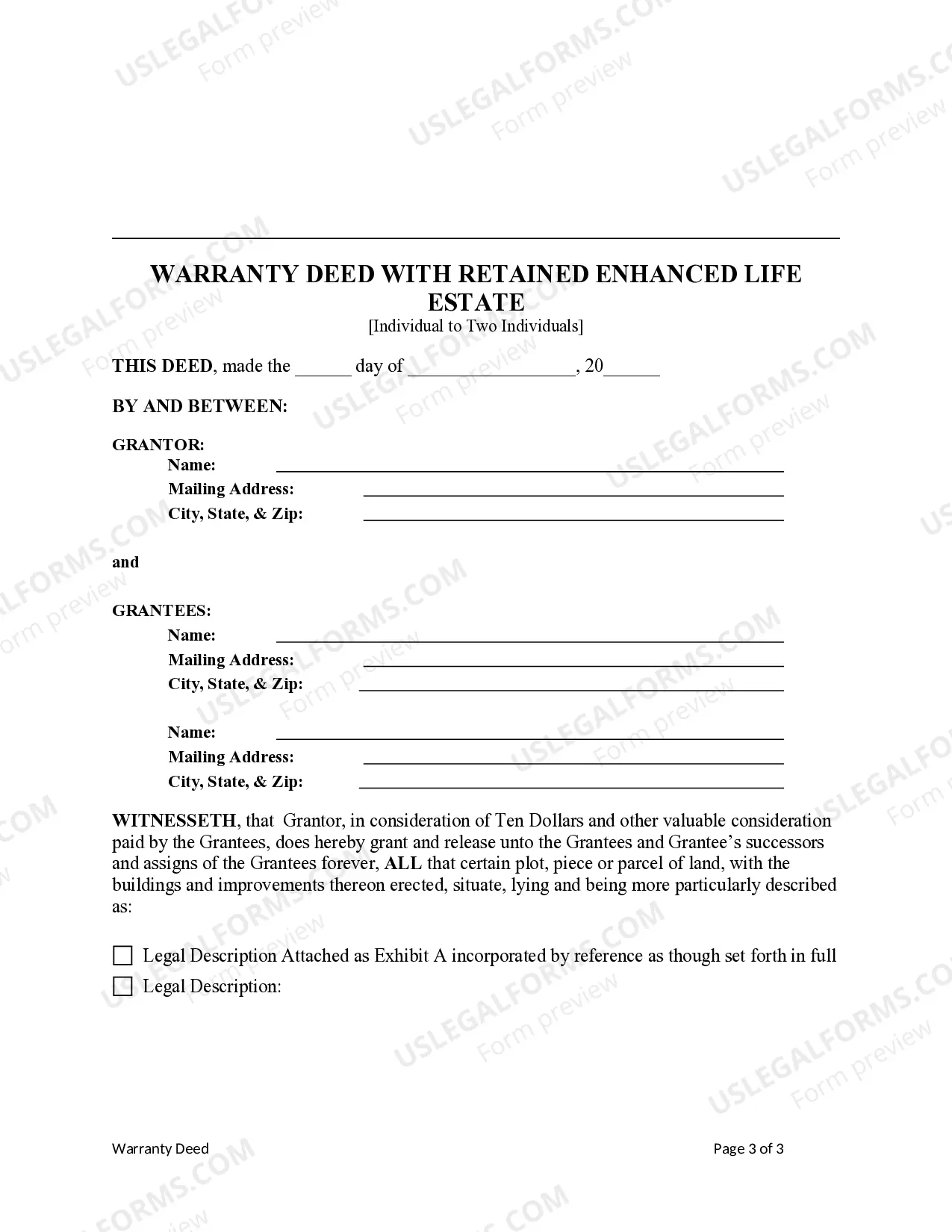
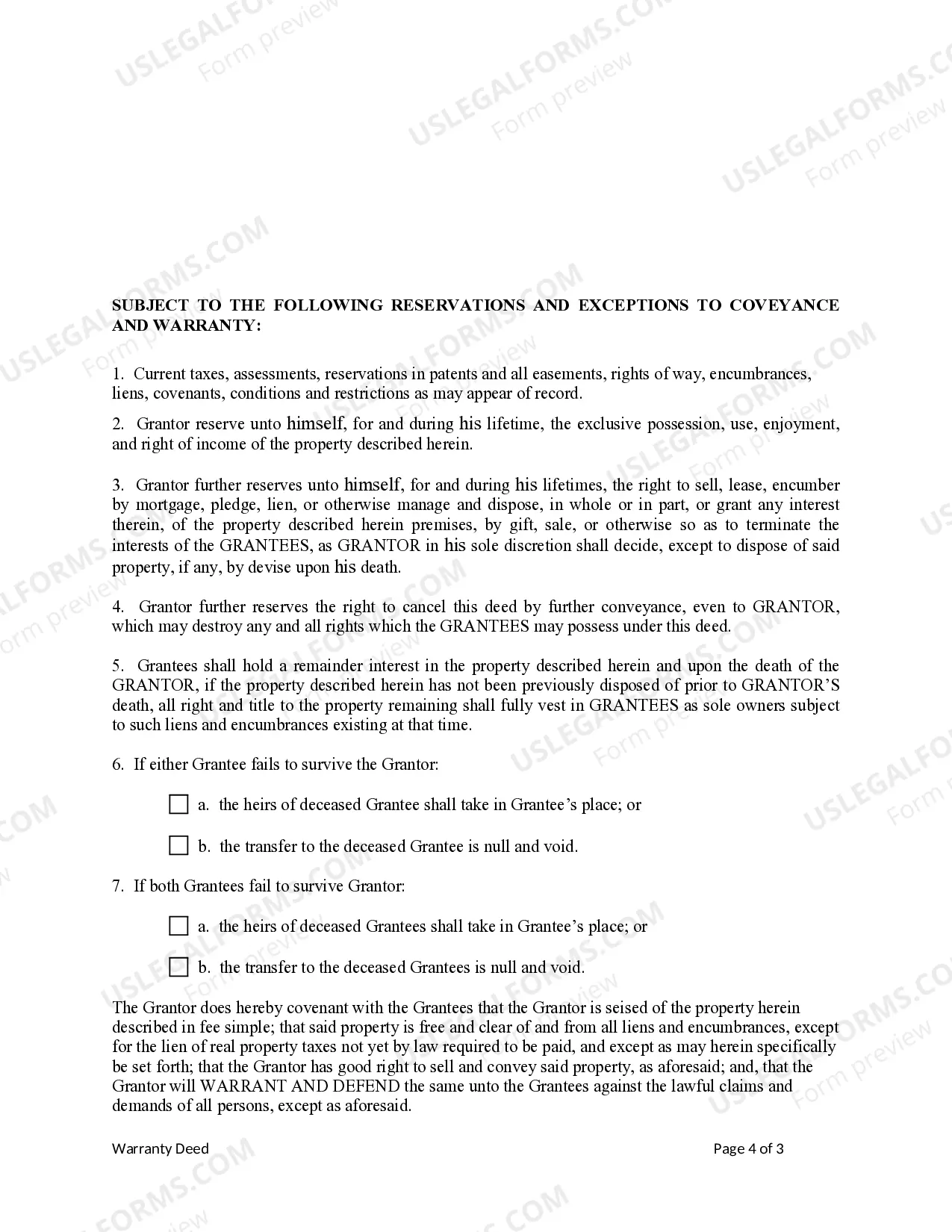
Ny Warranty Individual With Full Covenants
Description
Get your form ready online
Our built-in tools help you complete, sign, share, and store your documents in one place.
Make edits, fill in missing information, and update formatting in US Legal Forms—just like you would in MS Word.
Download a copy, print it, send it by email, or mail it via USPS—whatever works best for your next step.
Sign and collect signatures with our SignNow integration. Send to multiple recipients, set reminders, and more. Go Premium to unlock E-Sign.
If this form requires notarization, complete it online through a secure video call—no need to meet a notary in person or wait for an appointment.
We protect your documents and personal data by following strict security and privacy standards.

Make edits, fill in missing information, and update formatting in US Legal Forms—just like you would in MS Word.

Download a copy, print it, send it by email, or mail it via USPS—whatever works best for your next step.

Sign and collect signatures with our SignNow integration. Send to multiple recipients, set reminders, and more. Go Premium to unlock E-Sign.

If this form requires notarization, complete it online through a secure video call—no need to meet a notary in person or wait for an appointment.

We protect your documents and personal data by following strict security and privacy standards.
Looking for another form?



How to fill out New York Enhanced Life Estate Or Lady Bird Warranty Deed From Individual To Two Individuals?
Whether for commercial reasons or for individual affairs, everyone must deal with legal matters at some stage in their lives.
Completing legal documents demands meticulous attention, beginning with selecting the appropriate form template.
Once it is saved, you can complete the form using editing software or print it out and finish it by hand. With a comprehensive US Legal Forms catalog available, you do not need to waste time searching for the right template online. Utilize the library’s user-friendly navigation to find the appropriate template for any circumstance.
- For example, if you select an incorrect version of a Ny Warranty Individual With Full Covenants, it will be denied when submitted.
- Thus, it is essential to have a dependable resource for legal documents like US Legal Forms.
- If you need to obtain a Ny Warranty Individual With Full Covenants template, follow these straightforward steps.
- Retrieve the template you require by using the search bar or catalog browsing.
- Review the form’s description to confirm its suitability for your circumstances, state, and county.
- Click on the form’s preview to inspect it.
- If it is the wrong form, return to the search tool to find the Ny Warranty Individual With Full Covenants sample you need.
- Acquire the file if it fulfills your requirements.
- If you already possess a US Legal Forms account, simply click Log in to access previously saved documents in My documents.
- If you do not have an account yet, you can download the form by clicking Buy now.
- Choose the suitable pricing option.
- Complete the account sign-up form.
- Select your payment method: use a credit card or PayPal account.
- Choose the document format you prefer and download the Ny Warranty Individual With Full Covenants.
Form popularity
FAQ
*A general warrant deed contains five covenants to include Covenant of Seisin, Covenant of Quiet Enjoyment, Covenant Against Encumbrances, Covenant of Further Assurance, and Covenant of a Warranty Forever. There is no Covenant of Exceptions and Reservations included.
A deed is a formal document conveying an interest in real property from one party to another. A covenant is most typically going to refer to a condition that is part of either of those transactions, such as a contractual covenant not to compete or a deed covenant to use property in a certain way.
The guarantees of a general warranty deed are known as covenants. Traditionally, there are six covenants of title which can be divided into present covenants and future covenants.
If a defect in the title arises years before the grantor owned the property, then the grantor is still liable under the covenants for title. General warranty deeds guarantee to the grantee that the property is being transferred free and clear, or without any encumbrances or limitations.
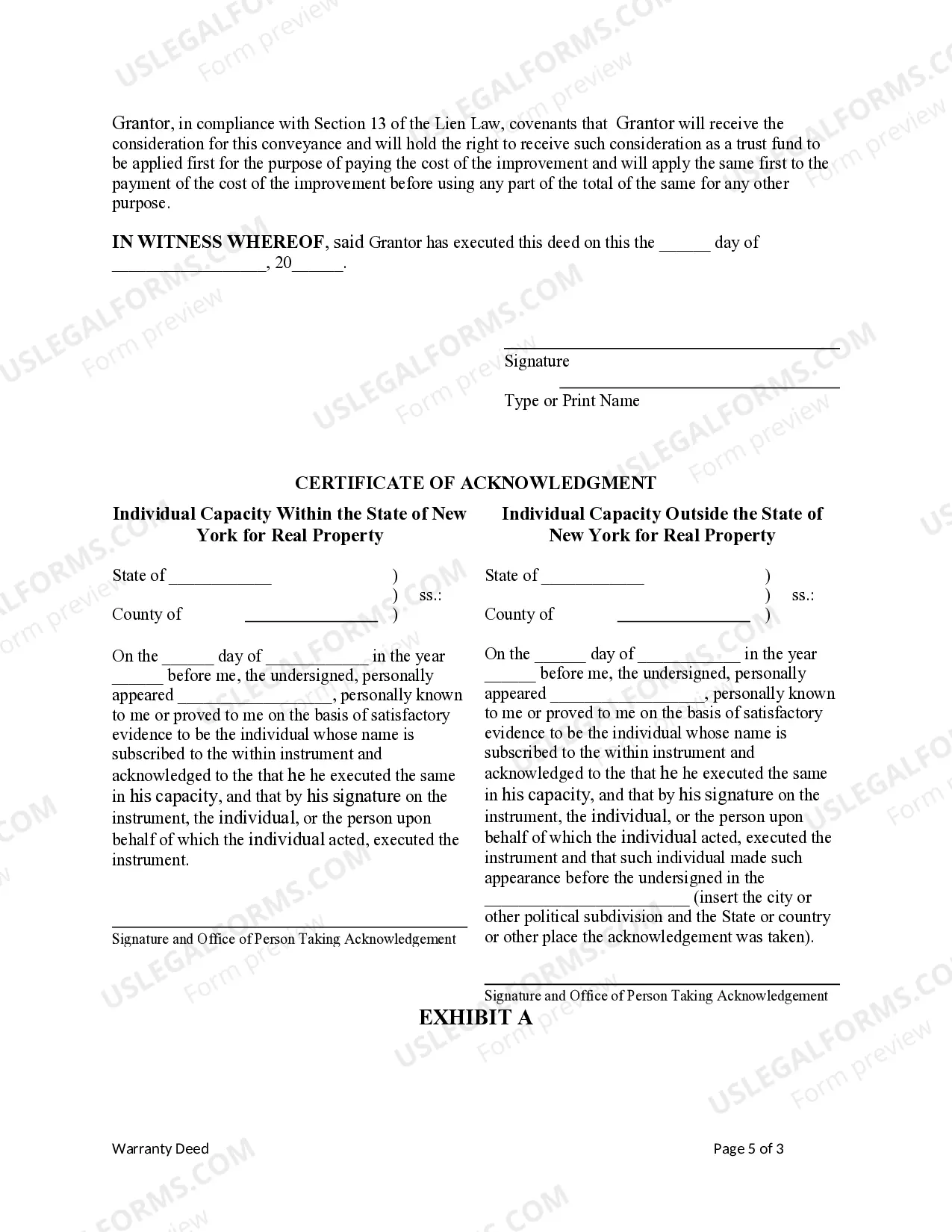
In New York, a full covenant and warranty deed provides the grantee with general covenants made by the grantor and the covenant under Section 13 of the New York Lien Law. This Standard Document has integrated notes with important explanations and drafting tips for both grantors and grantees.