Enhanced Estate Lady With The Dog
Description
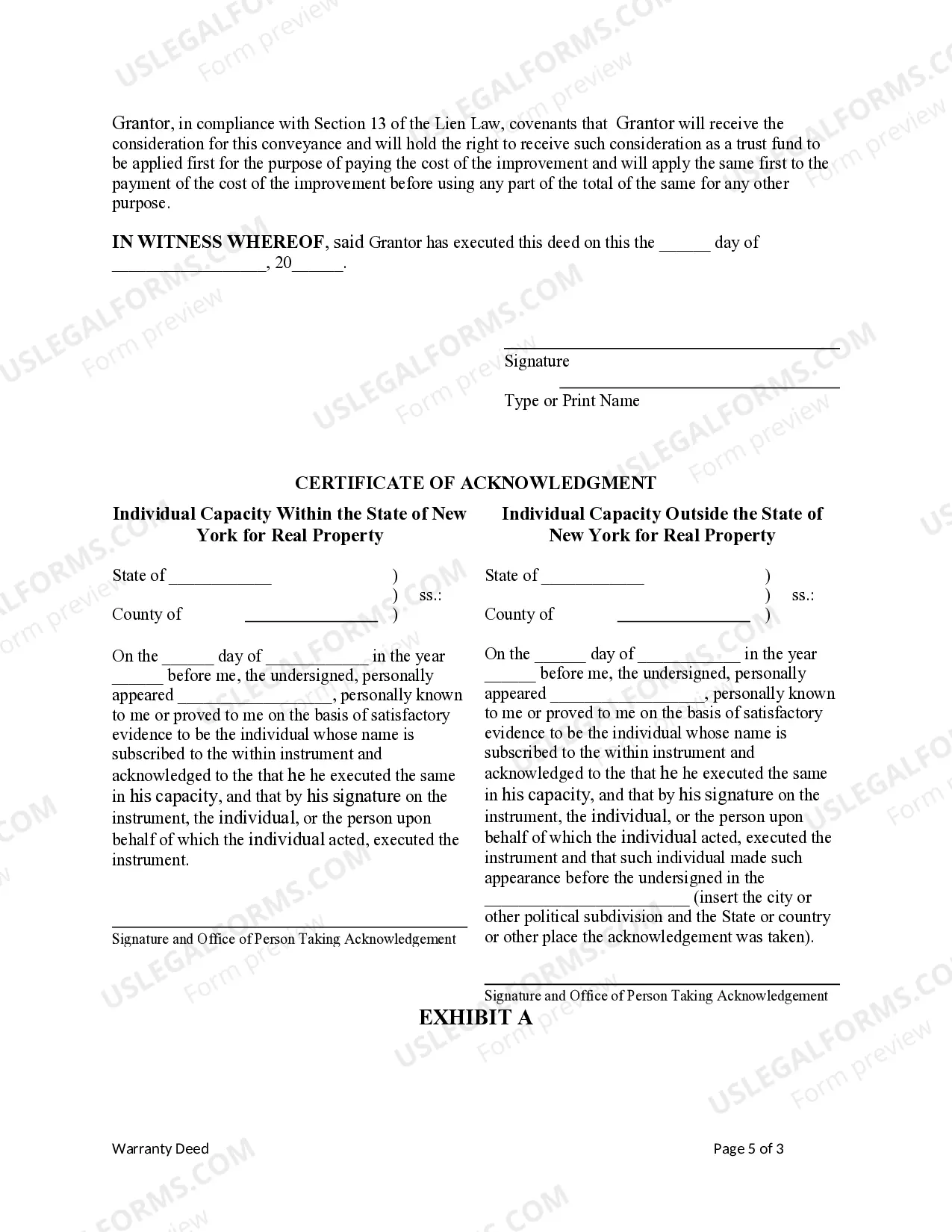
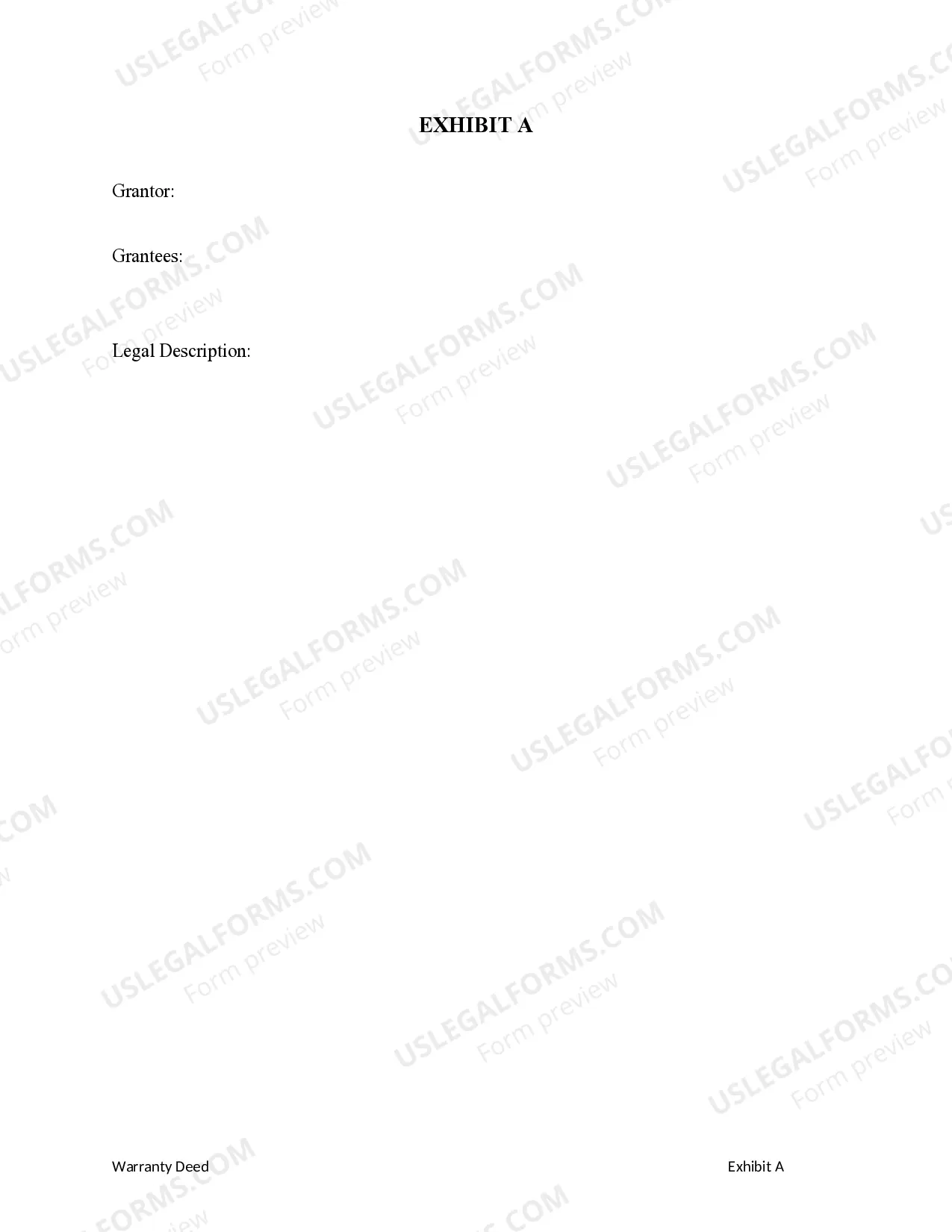
Get your form ready online
Our built-in tools help you complete, sign, share, and store your documents in one place.
Make edits, fill in missing information, and update formatting in US Legal Forms—just like you would in MS Word.
Download a copy, print it, send it by email, or mail it via USPS—whatever works best for your next step.
Sign and collect signatures with our SignNow integration. Send to multiple recipients, set reminders, and more. Go Premium to unlock E-Sign.
If this form requires notarization, complete it online through a secure video call—no need to meet a notary in person or wait for an appointment.
We protect your documents and personal data by following strict security and privacy standards.

Make edits, fill in missing information, and update formatting in US Legal Forms—just like you would in MS Word.

Download a copy, print it, send it by email, or mail it via USPS—whatever works best for your next step.

Sign and collect signatures with our SignNow integration. Send to multiple recipients, set reminders, and more. Go Premium to unlock E-Sign.

If this form requires notarization, complete it online through a secure video call—no need to meet a notary in person or wait for an appointment.

We protect your documents and personal data by following strict security and privacy standards.
Looking for another form?

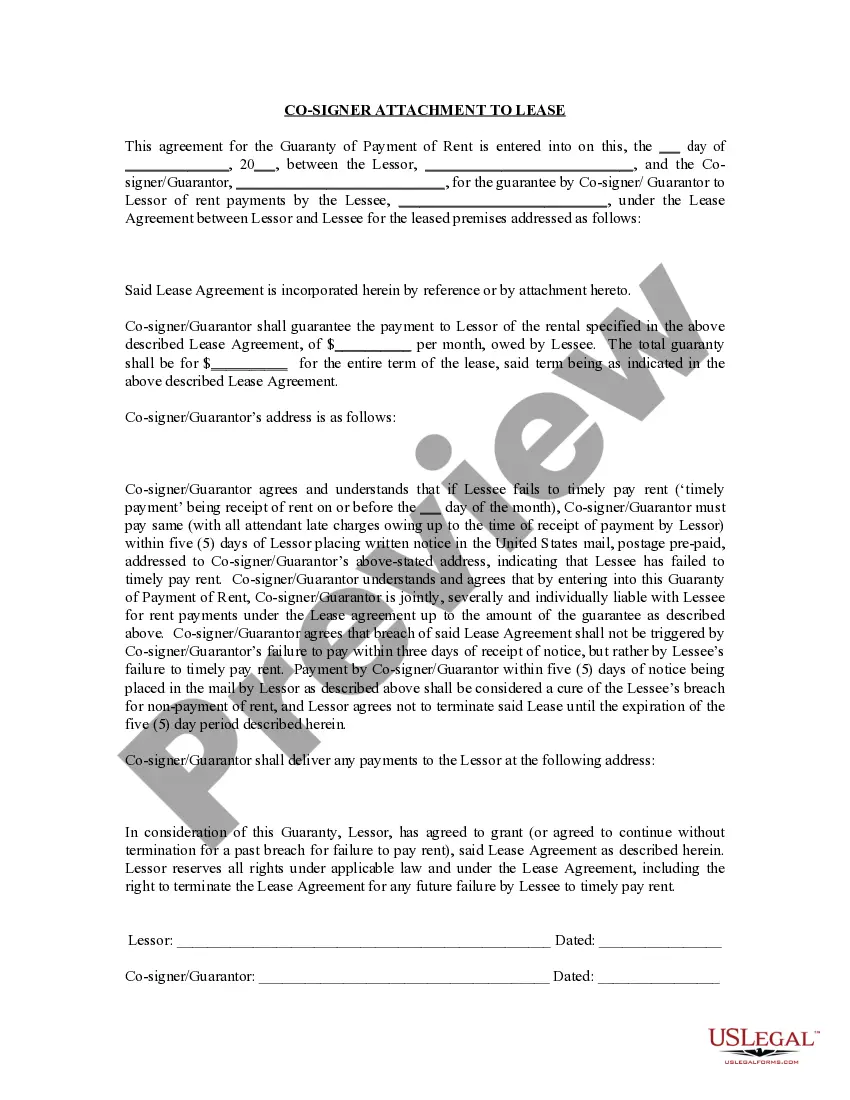



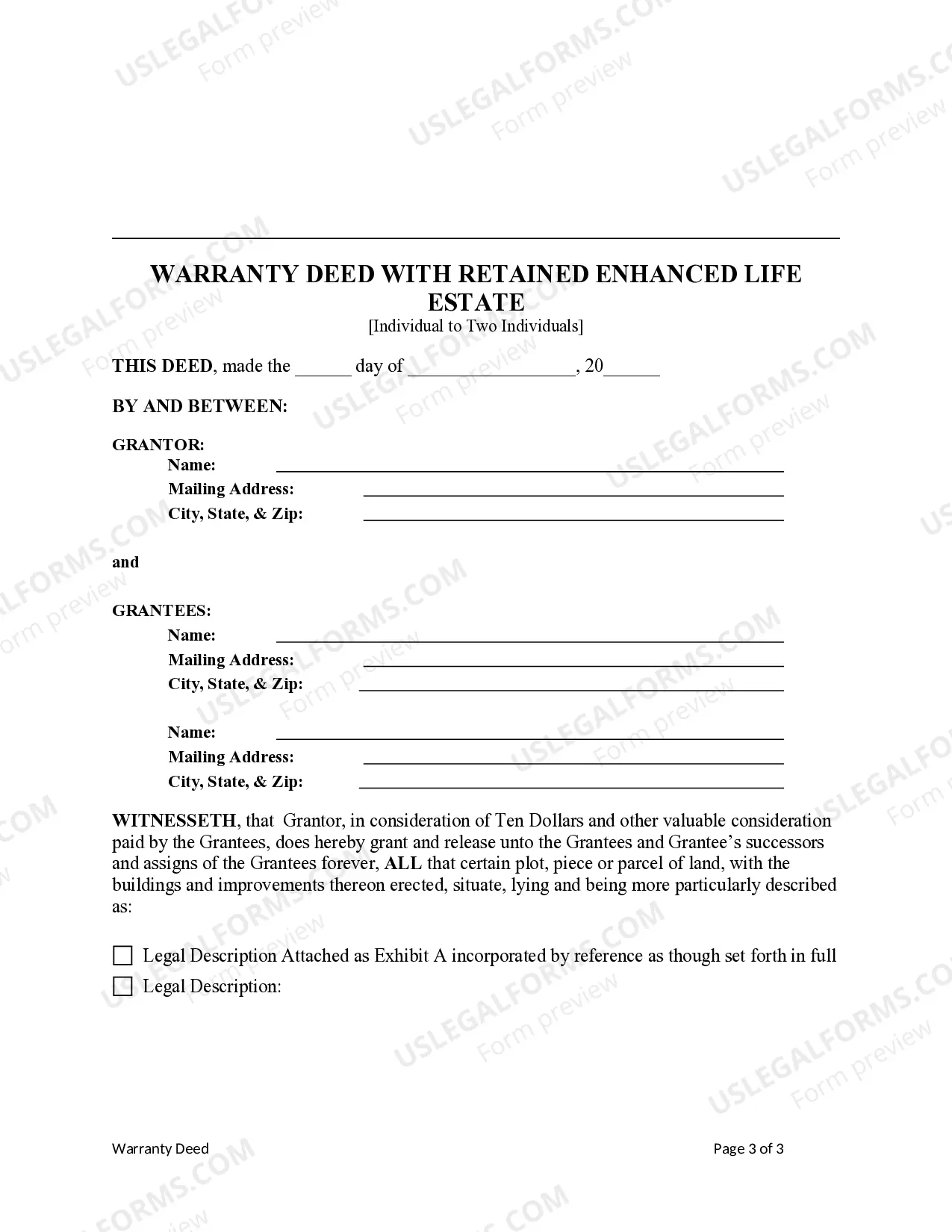
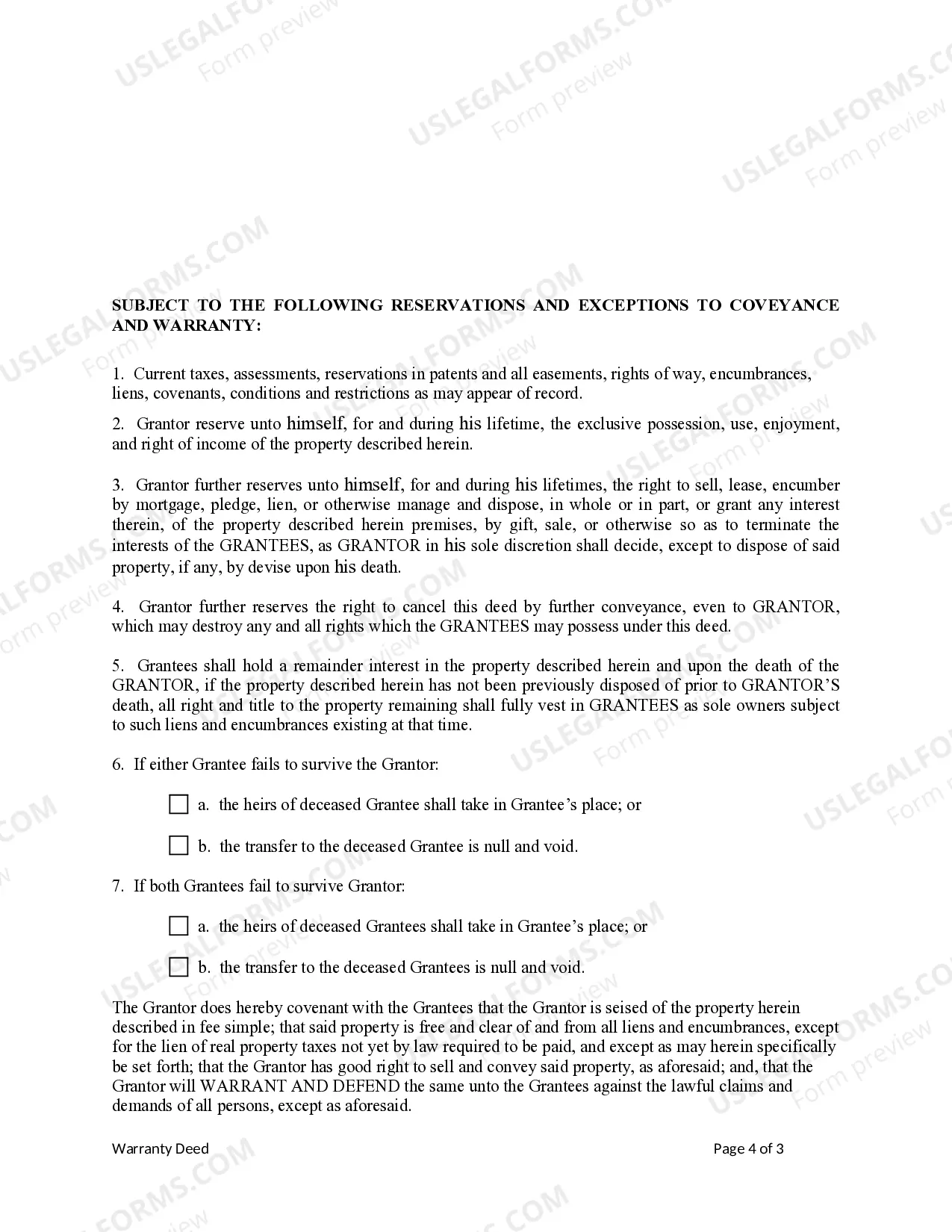
How to fill out New York Enhanced Life Estate Or Lady Bird Warranty Deed From Individual To Two Individuals?
- Log in to your US Legal Forms account and check your subscription status to ensure it is valid. If not, renew it as needed.
- Browse the online library and utilize the Preview mode to select the relevant form that meets your jurisdiction requirements.
- If the desired form doesn't fit your needs, use the search feature to find an alternative template.
- Once you locate the correct document, click the 'Buy Now' button and choose your preferred subscription plan.
- Complete the payment process by entering your credit card details or using your PayPal account.
- After your purchase, download the form to your device, where it can be accessed anytime from the 'My Forms' section of your profile.
Leveraging US Legal Forms ensures you gain access to a robust collection of over 85,000 fillable and editable legal documents designed for various needs. Each step outlined above enables seamless navigation through the platform.
Start optimizing your legal form preparation today! Don’t hesitate to explore US Legal Forms and leverage their resources for effective document management.
Form popularity
FAQ
The two main types of life estates include traditional life estates and enhanced life estates. Traditional life estates provide limited control during the holder's lifetime, while enhanced life estates, often encapsulated in the enhanced estate lady with the dog, grant greater autonomy and flexibility. Understanding these types can aid in making informed decisions about property management and estate planning.
The enhanced life estate deed in Florida allows property owners to retain their rights to the property for life while also enabling them to make decisions regarding the property, such as selling it without remaindermen's consent. This deed primarily helps in estate planning, ensuring that the property can pass to designated heirs without going through probate. This approach simplifies the transfer process, making it appealing for those considering an enhanced estate lady with the dog.
A life estate deed establishes a right to use the property during one's lifetime, but it typically lacks the flexibility to sell or transfer without restrictions. In contrast, an enhanced life estate deed in Florida, often referred to as the enhanced estate lady with the dog, permits the owner to sell the property while retaining full control over it until death. This option provides a more adaptable solution for managing estate matters.
The primary distinction lies in the ownership rights and flexibility. A life estate grants the holder the right to use the property for their lifetime, while an enhanced life estate provides additional benefits, including the ability to sell the property without the consent of remaindermen. Essentially, the enhanced estate lady with the dog allows for greater control, enabling property owners to manage their estate more effectively.
One major disadvantage of a lady bird deed, particularly the enhanced estate lady with the dog, is that it does not provide probate protection for the property. If the grantor faces financial difficulties, creditors may potentially claim the home despite the intentions stated in the deed. Additionally, should the property be sold, unexpected capital gains taxes can arise. Understanding these implications ensures better estate planning.
When you create a lady bird deed, it generally does not affect your mortgage directly. You retain the right to live in and manage the property, ensuring that mortgage obligations remain in your name. However, it's important to inform your lender about changes in ownership to avoid complications, ensuring a smoother experience as you benefit from this enhanced estate lady with the dog.
Deciding between a trust and a lady bird deed often depends on your unique circumstances. Trusts provide more comprehensive control and can include various assets, while a lady bird deed specifically addresses real estate. Each option allows you to achieve the security of an enhanced estate lady with the dog, so consider your specific needs before choosing.
While lady bird deeds have positive aspects, there are downsides as well. One issue is that they may not be recognized in all states, potentially causing conflicts in legal situations. It's important to consult with a professional to ensure that using an enhanced estate lady with the dog aligns with your goals and local laws.
To minimize capital gains tax when selling inherited property, consider using a lady bird deed. This allows the heir to benefit from a stepped-up basis, which resets the property's value to the market value at the time of inheritance. Proper planning with tools like an enhanced estate lady with the dog can help you navigate these transactions smoothly.
A lady bird deed does not directly avoid capital gains tax, but it can help lessen the tax impact upon the sale of a property. When you transfer your home through this deed, the property receives a stepped-up basis, reducing the capital gains tax liability for your heirs. Thus, utilizing an enhanced estate lady with the dog can optimize estate planning, helping you manage taxes effectively.