Tenant Landlord Shut With Eviction
Description
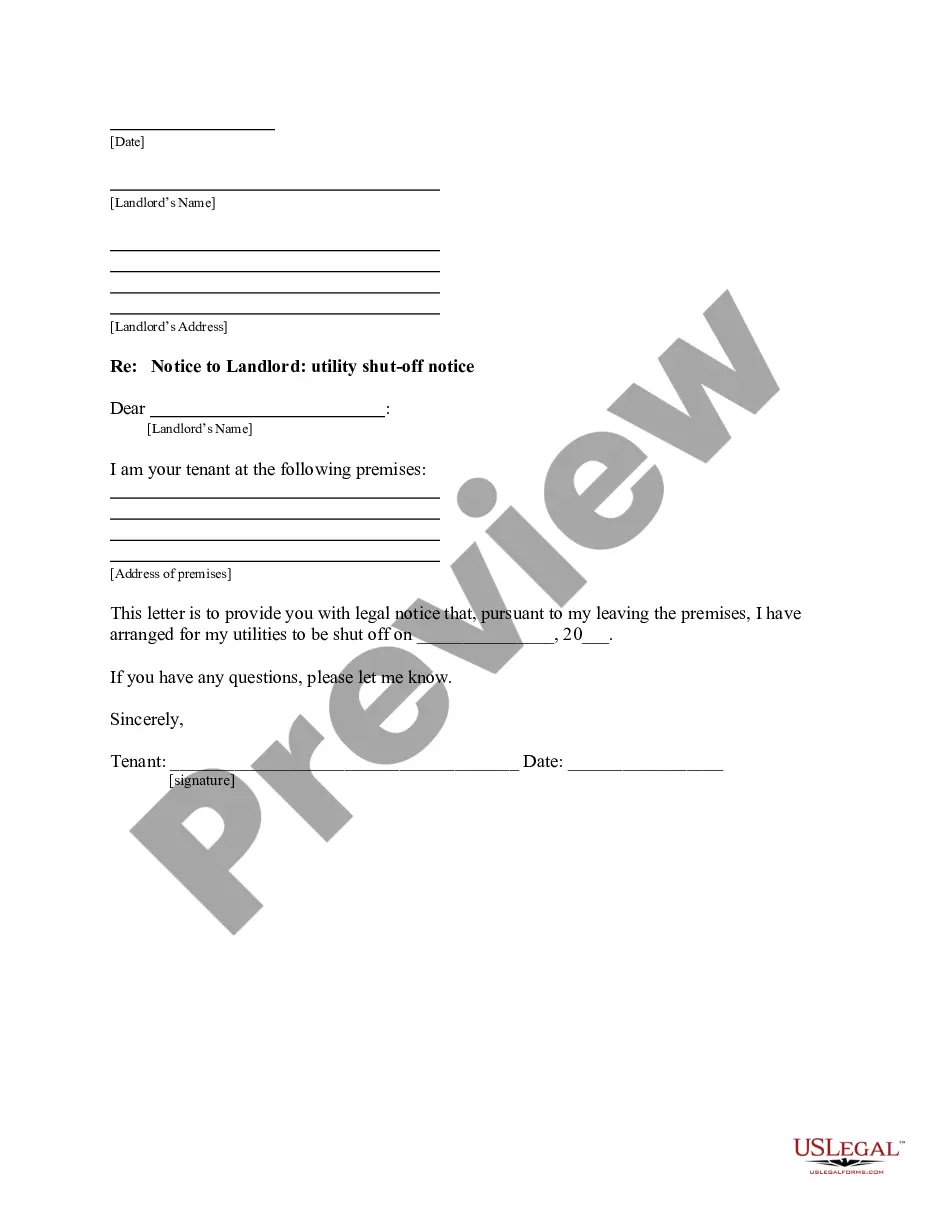
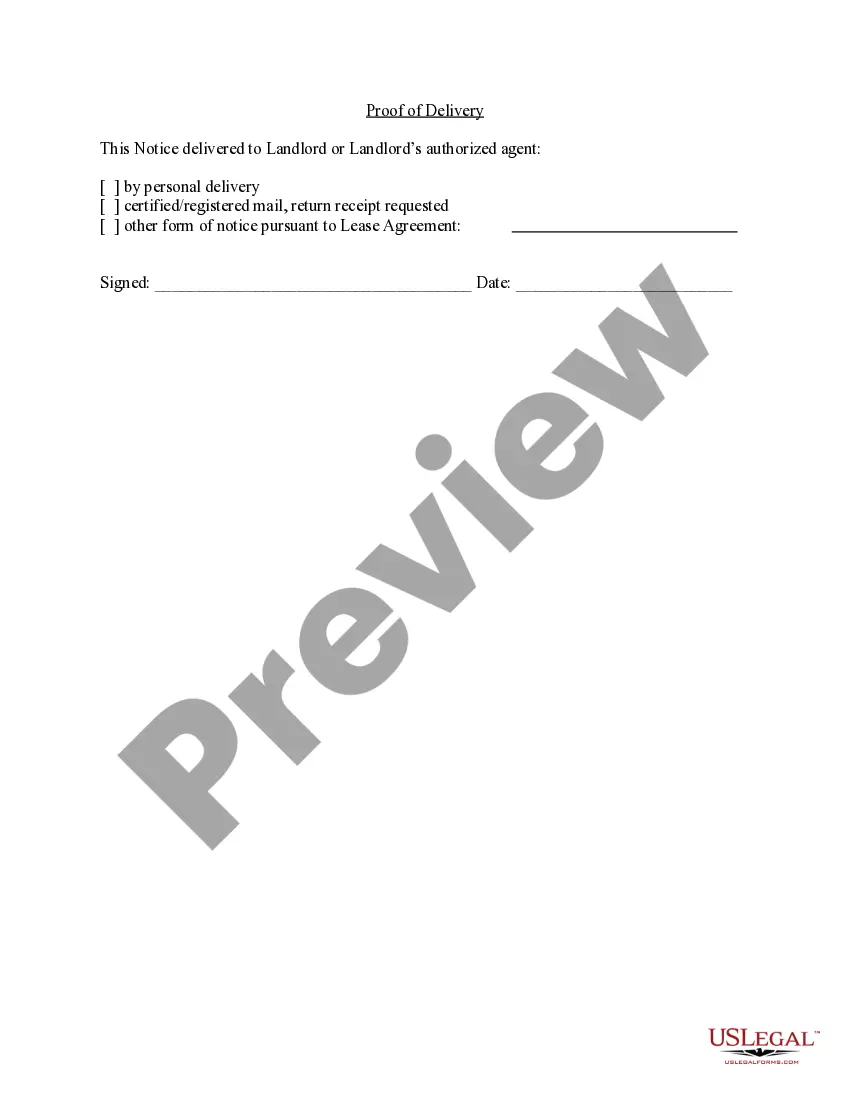

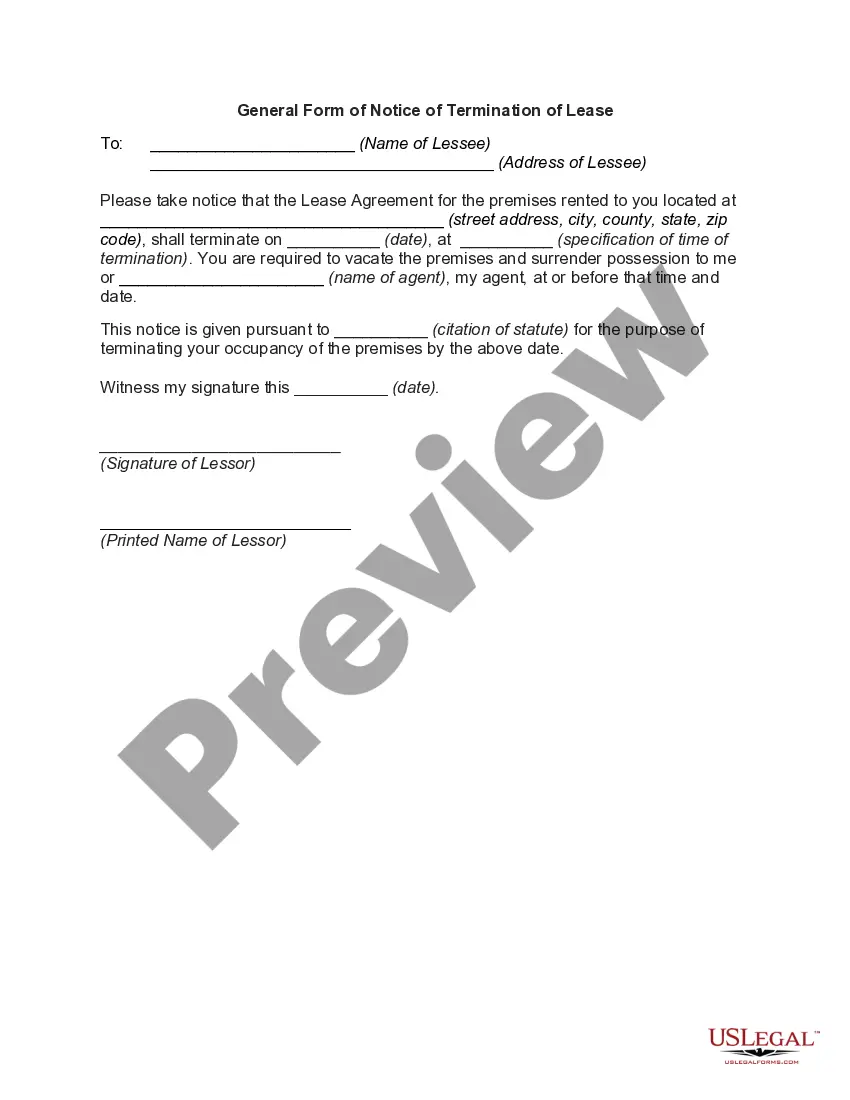
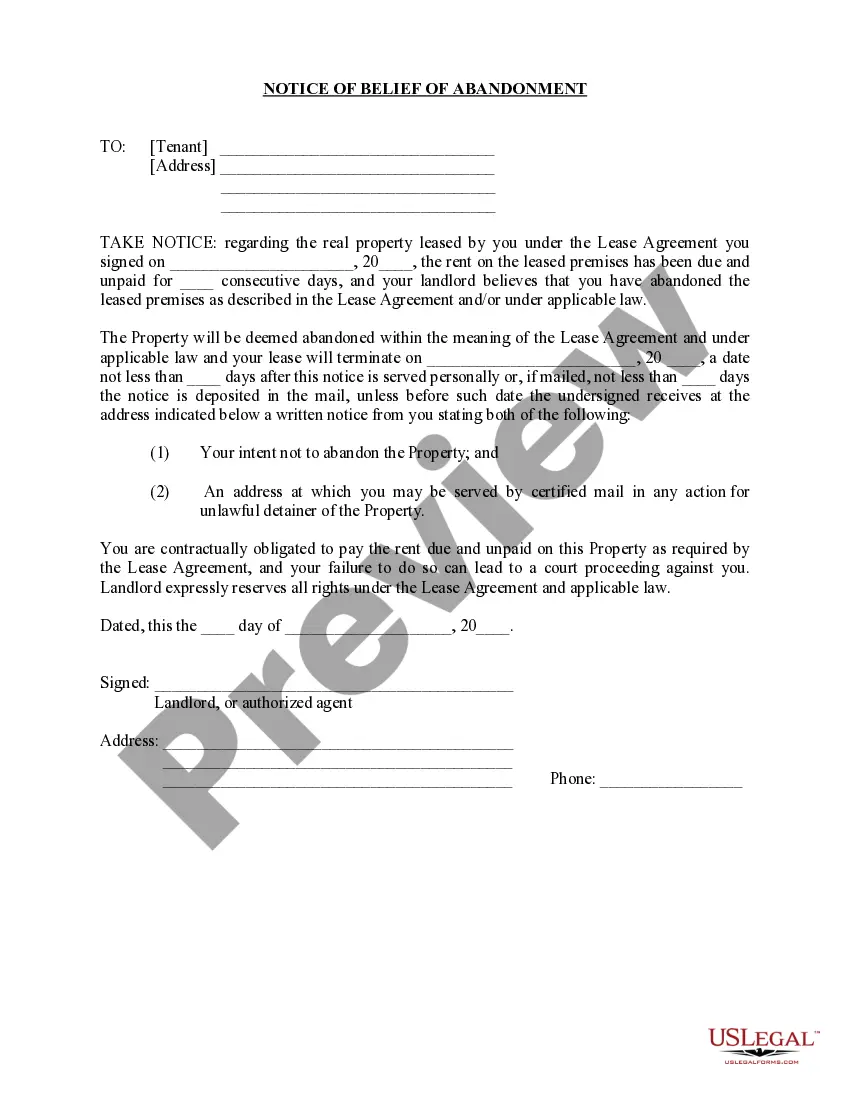

Get your form ready online
Our built-in tools help you complete, sign, share, and store your documents in one place.
Make edits, fill in missing information, and update formatting in US Legal Forms—just like you would in MS Word.
Download a copy, print it, send it by email, or mail it via USPS—whatever works best for your next step.
Sign and collect signatures with our SignNow integration. Send to multiple recipients, set reminders, and more. Go Premium to unlock E-Sign.
If this form requires notarization, complete it online through a secure video call—no need to meet a notary in person or wait for an appointment.
We protect your documents and personal data by following strict security and privacy standards.

Make edits, fill in missing information, and update formatting in US Legal Forms—just like you would in MS Word.

Download a copy, print it, send it by email, or mail it via USPS—whatever works best for your next step.

Sign and collect signatures with our SignNow integration. Send to multiple recipients, set reminders, and more. Go Premium to unlock E-Sign.

If this form requires notarization, complete it online through a secure video call—no need to meet a notary in person or wait for an appointment.

We protect your documents and personal data by following strict security and privacy standards.
Looking for another form?
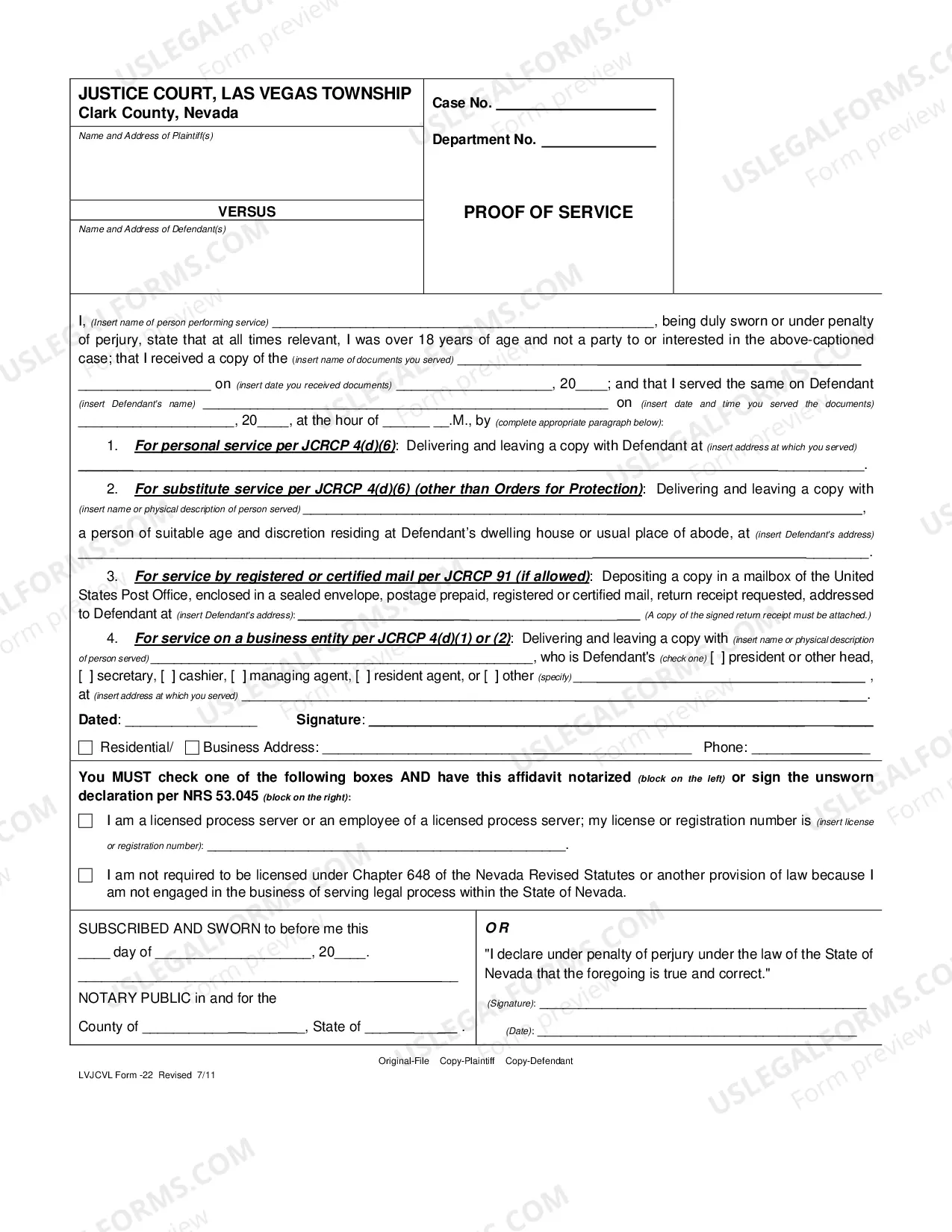
How to fill out Nevada Letter From Tenant To Landlord - Utility Shut Off Notice To Landlord Due To Tenant Vacating Premises?
- For returning users, log in to your account and ensure your subscription is active. Simply click the Download button to get your required form template.
- If you’re new to US Legal Forms, start by checking the Preview mode and form description to confirm you have the right document that fits your needs and complies with your local jurisdiction.
- In case of discrepancies, utilize the Search tab to find the correct template. If you find one that meets your specifications, proceed to the following step.
- Purchase the document by clicking the Buy Now button and selecting your preferred subscription plan. You'll need to create an account for full access to the resources.
- Complete your payment using a credit card or PayPal to finalize the subscription.
- Download your chosen form and save it to your device. You can easily access it later in the My Forms section of your profile.
To summarize, US Legal Forms simplifies the process of acquiring legal documents, offering an extensive library of over 85,000 fillable forms and packages. Plus, their premium support ensures you have expert assistance for accurate form completion.
Start your journey with US Legal Forms today to manage your legal needs effectively!
Form popularity
FAQ
In California, a landlord cannot legally evict a tenant without going through the court system. Any eviction must be processed formally, ensuring that the tenant has the opportunity to present their case. Tenants facing eviction should know their rights, and tools available through platforms like uslegalforms can aid in navigating tenant landlord shut with eviction challenges.
In California, a landlord typically must give a tenant at least 30 days' notice for a month-to-month rental agreement. For leases of one year or more, a 60-day notice is usually required. Understanding these guidelines can help tenants prepare and respond effectively in tenant landlord shut with eviction matters.
To write a letter stopping an eviction, clearly state your request to halt the eviction, provide your reasons, and include any relevant documentation. Be respectful and assertive in your tone, and request a response. Platforms like uslegalforms can provide templates and insights to help you effectively address tenant landlord shut with eviction situations.
The new California renter law, effective in 2025, aims to protect tenants from unchecked rent increases and unjust evictions. It limits rent hikes to a certain percentage and enhances protections for renters. This law is designed to create a fairer environment for tenants, making issues of tenant landlord shut with eviction less frequent.
Currently, evictions in California can take several weeks to months, depending on the court's schedule and the specifics of each case. Factors such as tenant responses and legal challenges can extend the process. For tenants facing eviction, understanding their rights can be crucial, and resources like uslegalforms can offer guidance to navigate tenant landlord shut with eviction situations.
The new law on eviction in California emphasizes tenant rights, making it harder for landlords to arbitrarily evict tenants. It introduces greater oversight and mandates that landlords provide just cause for eviction. This aims to balance the power between tenants and landlords, ensuring that tenant landlord shut with eviction scenarios are handled fairly.
Yes, an eviction notice can be retracted if both you and your landlord agree to resolve the underlying issues. This could involve settling unpaid rent or modifying lease terms. It’s crucial to have clear documentation of any agreements made. For assistance, consider using US Legal to navigate the complexities of retracting an eviction notice.
The speed at which you can get an eviction off your record varies based on state laws and specific circumstances. Typically, evictions may remain on your record for several years, but you can take steps such as paying off the debt or seeking a judgment reversal. Always check local laws for precise timelines. US Legal forms can assist you in understanding and expediting this process.
You can overcome an eviction through various strategies, such as negotiating with your landlord or paying any overdue rent. Depending on your situation, you might also explore legal avenues to challenge the eviction in court. Staying proactive and informed about your rights as a tenant can significantly help your case. Platforms like US Legal can offer necessary resources to better navigate eviction challenges.
Your landlord can indeed cancel an eviction under the right circumstances. This typically occurs when you resolve any breaches of your lease agreement or when both parties agree to continue the tenancy. Maintaining clear communication with your landlord is key. Consider referring to US Legal forms for guidance on this process.