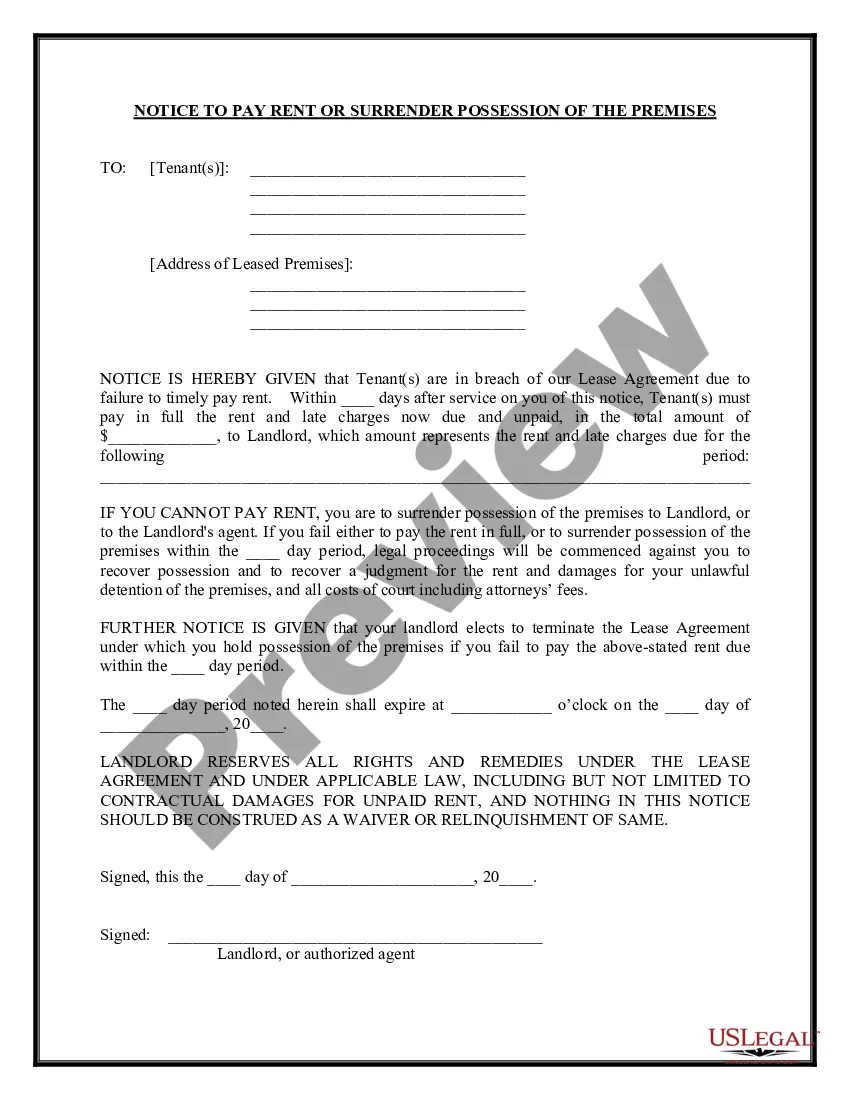
Nevada Tenant Landlord For Eviction
Description

Get your form ready online
Our built-in tools help you complete, sign, share, and store your documents in one place.
Make edits, fill in missing information, and update formatting in US Legal Forms—just like you would in MS Word.
Download a copy, print it, send it by email, or mail it via USPS—whatever works best for your next step.
Sign and collect signatures with our SignNow integration. Send to multiple recipients, set reminders, and more. Go Premium to unlock E-Sign.
If this form requires notarization, complete it online through a secure video call—no need to meet a notary in person or wait for an appointment.
We protect your documents and personal data by following strict security and privacy standards.

Make edits, fill in missing information, and update formatting in US Legal Forms—just like you would in MS Word.

Download a copy, print it, send it by email, or mail it via USPS—whatever works best for your next step.

Sign and collect signatures with our SignNow integration. Send to multiple recipients, set reminders, and more. Go Premium to unlock E-Sign.

If this form requires notarization, complete it online through a secure video call—no need to meet a notary in person or wait for an appointment.

We protect your documents and personal data by following strict security and privacy standards.
Looking for another form?
Form popularity
FAQ
A landlord cannot evict you immediately in Nevada; they must follow specific legal steps. The eviction process requires providing notice and obtaining approval from the court, which includes a waiting period. It is important for both landlords and tenants to familiarize themselves with the Nevada tenant landlord for eviction procedures to avoid misunderstandings and ensure compliance with the law.
No, a landlord cannot legally evict you without a court order in Nevada. The law requires landlords to follow a specific legal process, including providing notice and obtaining a judgment from the court before proceeding with eviction. Understanding the procedures as a Nevada tenant landlord for eviction can help you protect your rights and avoid unlawful evictions.
An illegal eviction in Nevada occurs when a landlord removes a tenant from a rental property without following the proper legal procedures. This means that the eviction did not go through the court system, which protects both parties under state law. For Nevada tenant landlord for eviction cases, it is vital to understand these legal rights to ensure fair treatment during the eviction process.
To evict a tenant in Nevada, a landlord must first provide a written notice that details the reason for eviction. If the tenant does not comply, the landlord can file an eviction lawsuit in the local court. Following court proceedings, if the landlord wins, the court will issue an eviction order. For assistance and forms related to this process, platforms like UsLegalForms can assist landlords and tenants alike navigating Nevada tenant landlord for eviction.
In Nevada, obtaining an eviction can happen relatively quickly, often within a month from the start of the process. After serving an eviction notice, the landlord can file for an eviction, and if unchallenged, the court may issue a judgment soon after. However, if you respond with an answer, this can extend the timeline as court proceedings will follow. It's vital to stay informed if you are navigating a Nevada tenant landlord for eviction situation.
While getting around an eviction is not straightforward, exploring options like negotiating a payment plan with your landlord may help. It's important to communicate openly with your landlord to show your willingness to resolve any issues. Using resources from UsLegalForms can provide insights into your rights and alternatives under Nevada tenant landlord for eviction laws. Taking proactive steps can potentially lead to a favorable outcome.
The eviction process in Nevada typically takes about three weeks, provided there are no complications. After the initial notice, landlords can file for eviction, and the court hearing usually occurs within a few weeks. Factors such as the response time from tenants and court schedules can impact this timeline. Understanding these steps can prepare you if you're facing a Nevada tenant landlord for eviction situation.
When you receive an eviction notice in Nevada, responding promptly is crucial. You should prepare a written answer that addresses the claims made by your landlord, citing any defenses you may have. Utilizing resources like UsLegalForms can simplify this process by providing the appropriate templates. Your response should be submitted to the court as part of the Nevada tenant landlord for eviction procedure.
To stop an eviction in Nevada, you may have options such as negotiating with your landlord or filing a counterclaim if you have legal grounds. Engaging with platforms like UsLegalForms can provide you with the right forms and guidance tailored to Nevada tenant landlord for eviction disputes. Understanding your rights can empower you to take effective action. Always seek legal advice if necessary.
Yes, you can file an answer to an eviction online in Nevada. The court system provides options for electronic filing, making the process more accessible for Nevada tenant landlords for eviction. This online capability allows you to respond promptly and keep track of your case efficiently. Be sure to follow the necessary guidelines to ensure your answer is filed correctly.
