Limited Company Meaning
Description
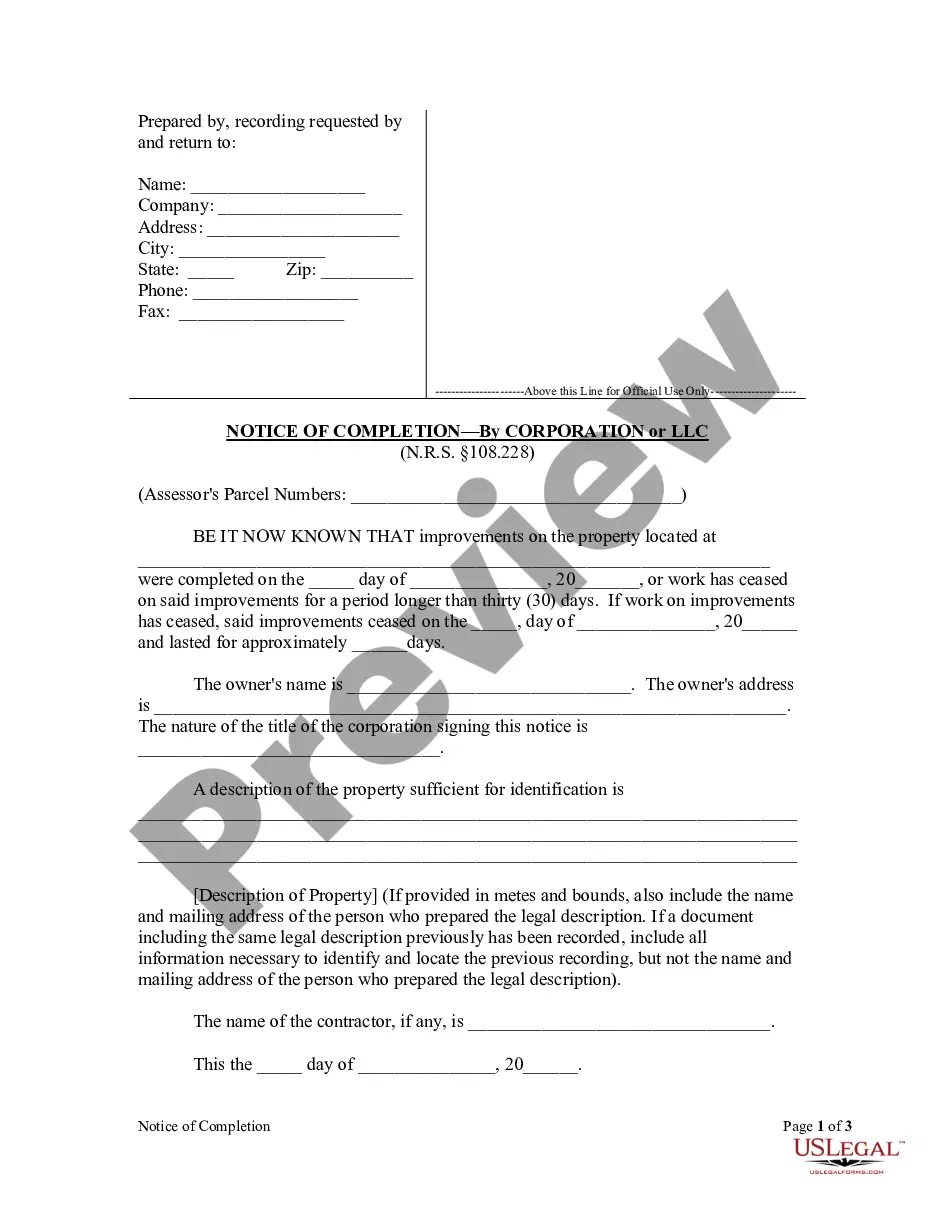
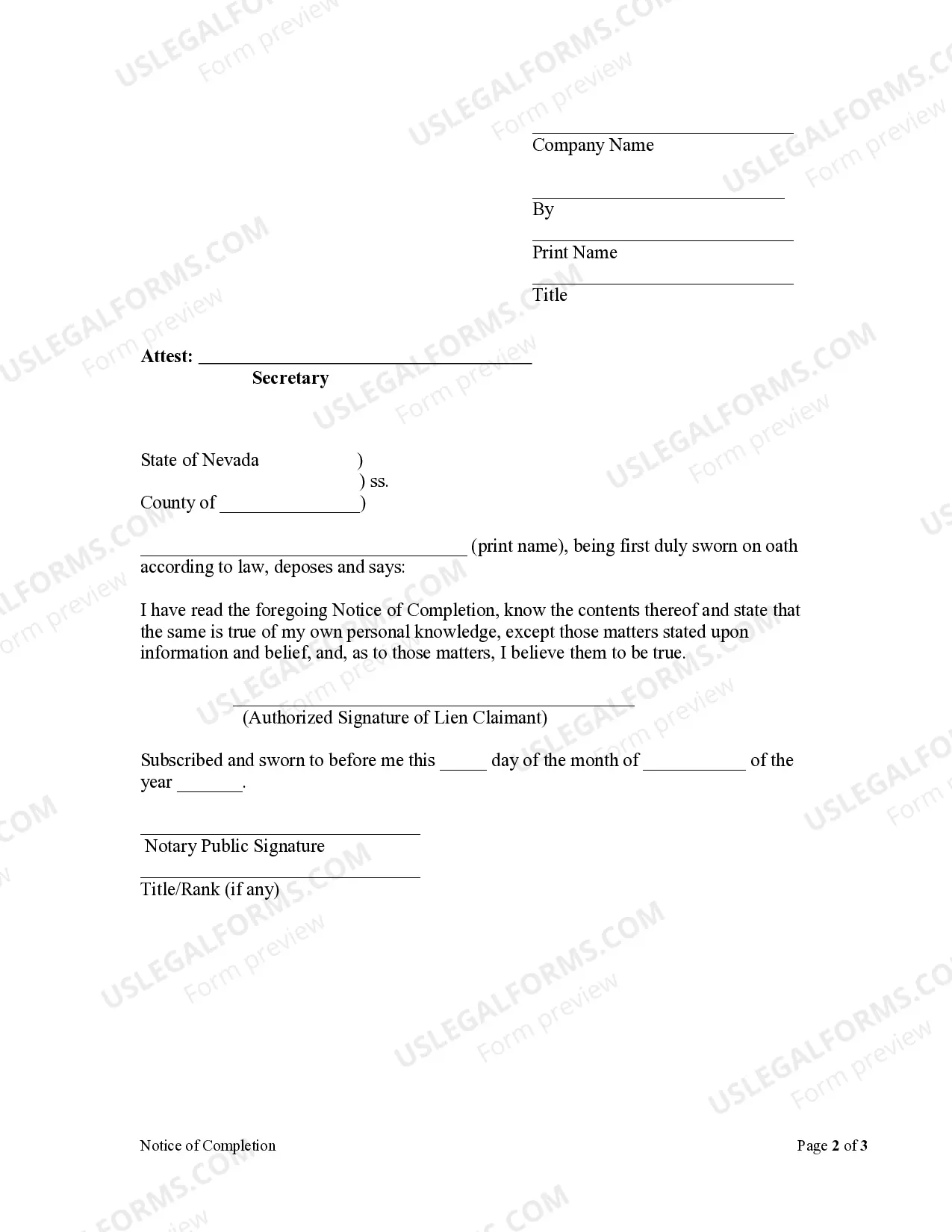
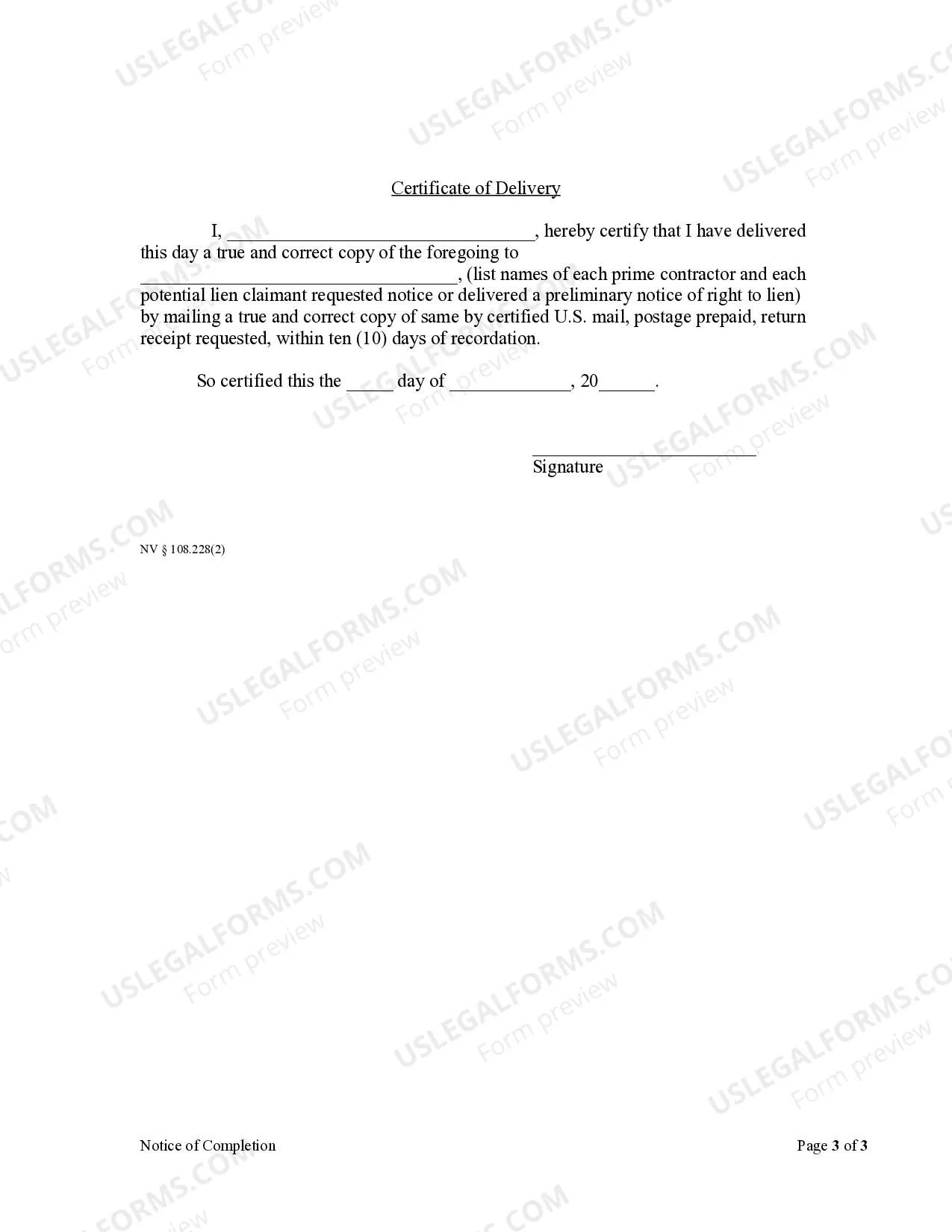
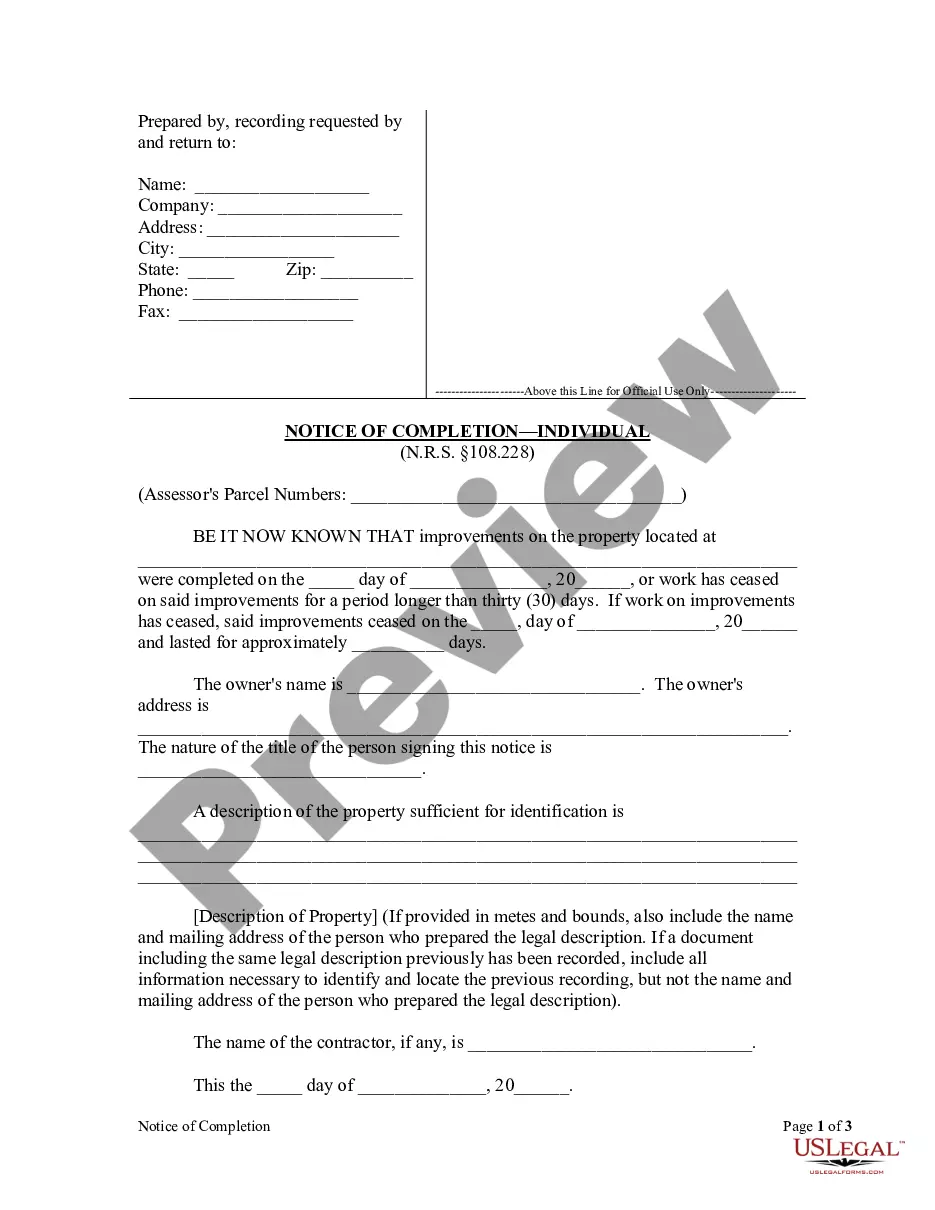
Get your form ready online
Our built-in tools help you complete, sign, share, and store your documents in one place.
Make edits, fill in missing information, and update formatting in US Legal Forms—just like you would in MS Word.
Download a copy, print it, send it by email, or mail it via USPS—whatever works best for your next step.
Sign and collect signatures with our SignNow integration. Send to multiple recipients, set reminders, and more. Go Premium to unlock E-Sign.
If this form requires notarization, complete it online through a secure video call—no need to meet a notary in person or wait for an appointment.
We protect your documents and personal data by following strict security and privacy standards.

Make edits, fill in missing information, and update formatting in US Legal Forms—just like you would in MS Word.

Download a copy, print it, send it by email, or mail it via USPS—whatever works best for your next step.

Sign and collect signatures with our SignNow integration. Send to multiple recipients, set reminders, and more. Go Premium to unlock E-Sign.

If this form requires notarization, complete it online through a secure video call—no need to meet a notary in person or wait for an appointment.

We protect your documents and personal data by following strict security and privacy standards.
Looking for another form?






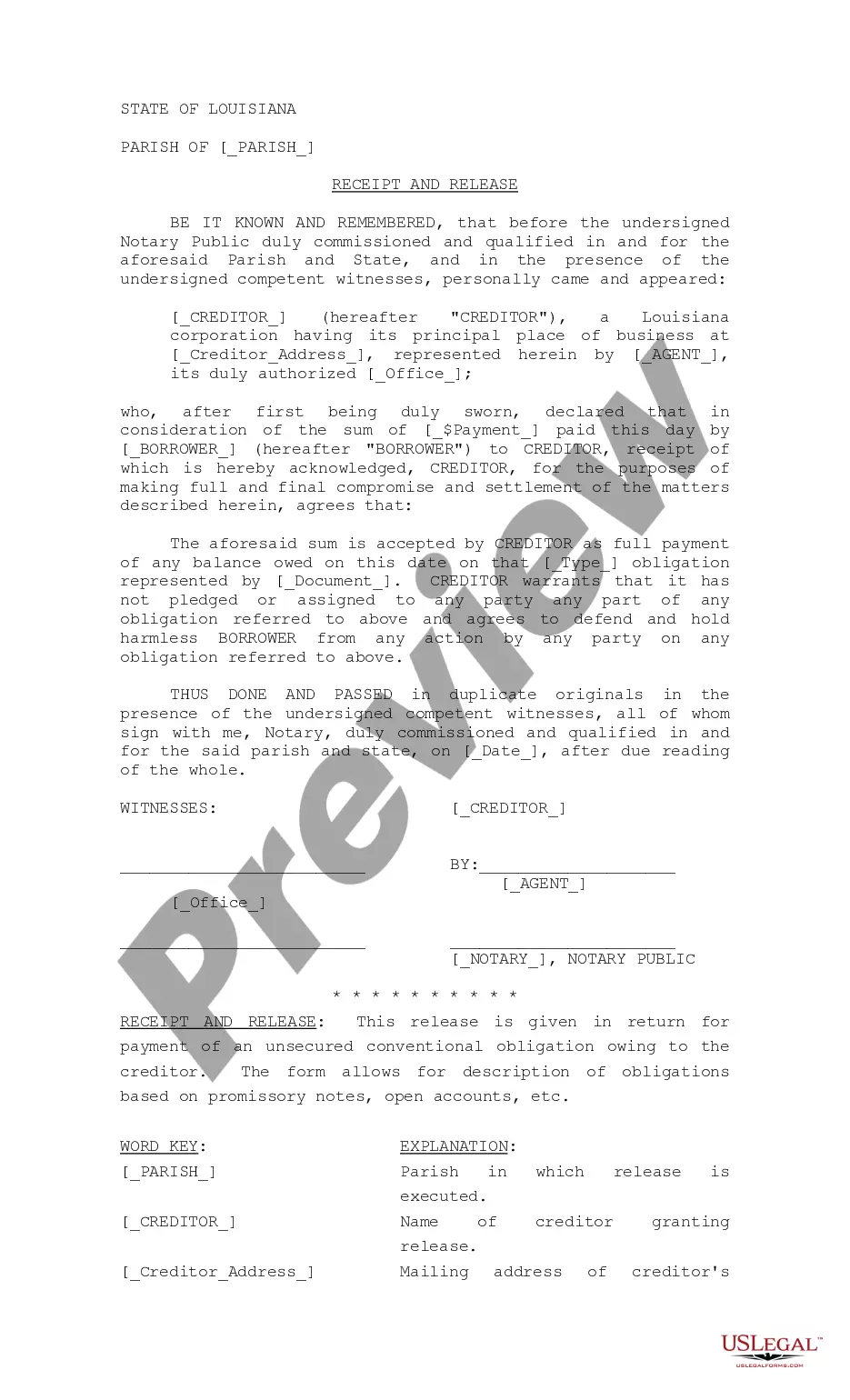


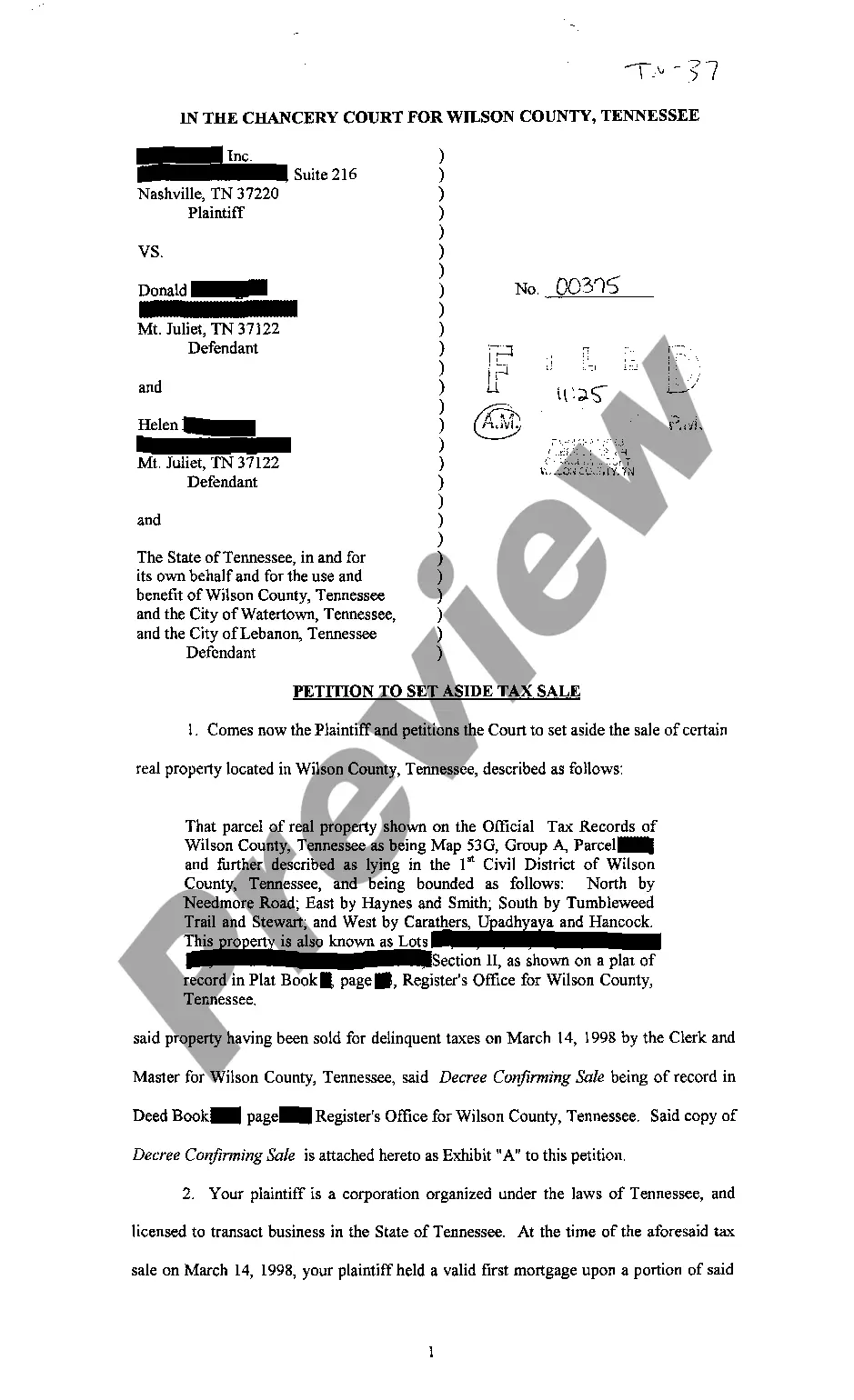
How to fill out Nevada Notice Of Completion - Corporation?
- If you are a returning user, log into your account and select the required form template by clicking the Download button. Ensure your subscription is active; if it has lapsed, renew it as per your payment plan.
- For first-time users, start by reviewing the Preview mode and the form description to verify that you have selected the right document that conforms to your local jurisdiction requirements.
- If you need an alternative template, use the Search bar to find other forms. Always ensure the selected document matches your needs before moving forward.
- Proceed to purchase by clicking the Buy Now button, where you can choose a suitable subscription plan. Account registration is required for access to our extensive library.
- Complete your purchase by entering your payment information via credit card or PayPal for the subscription.
- Download the completed form and save it on your device. You can also access it anytime from the My Forms section of your profile.
By utilizing US Legal Forms, you benefit from a robust collection of over 85,000 legal forms, more than many competitors offer for similar costs. This extensive library, combined with access to premium experts, ensures that your documents are accurate and legally sound.
In conclusion, understanding the limited company meaning and utilizing US Legal Forms can streamline your business documentation process. Explore the platform today and ensure your business is built on a solid legal foundation.
Form popularity
FAQ
The simple definition of a limited company is a business organization that protects its owners from personal liability concerning the company's debts. This means that the financial risk of starting and running the business is limited to the amount invested. Such a structure not only provides security but also fosters growth potential. Familiarizing yourself with the limited company meaning allows you to leverage the benefits while navigating the legal requirements confidently.
The primary difference between a limited company and an LLC lies in their legal frameworks and operational structures. A limited company, often referred to as a corporation, can issue shares to the public, thereby allowing for more extensive investment opportunities. In contrast, an LLC, or limited liability company, offers more flexibility in management and tax options. Knowing the distinct features of each can help you choose the best structure for your business needs while understanding the limited company meaning.
Being a limited company means that your business operates as a separate legal entity from its owners. This separation provides liability protection, so the owners are not personally responsible for the company’s debts. Additionally, a limited company can raise funds more easily through issuing shares. Embracing the limited company meaning can significantly affect your business operations and financial growth.
A limited company is a type of business entity that limits the liability of its owners to the amount they invested in the company. In simpler terms, if the company faces financial trouble, the personal assets of the owners remain protected. This structure is appealing because it enhances credibility and can also provide tax advantages, making it an attractive option for many entrepreneurs. Understanding the limited company meaning helps you make informed decisions for your business.
life example of a limited liability company (LLC) could be a small local coffee shop that operates under this structure. In this case, the owners enjoy personal liability protection, which means their personal finances are shielded from the shop's debts. This advantage makes LLCs a popular choice for many small business owners. Gaining clarity on the limited company meaning is essential for selecting the best structure for your business.
Limited companies include private limited companies (Ltd) and public limited companies (PLC). Both types provide limited liability to their shareholders, ensuring personal assets remain safe in case of business failure. They differ primarily in share trading; private companies do not sell shares publicly, while public ones do. Understanding the limited company meaning can guide your choice between these options.
A limited company can take various forms, including private or public entities. A private limited company shares ownership among a small group of investors, while a public limited company sells shares to the general public. Regardless of the type, all limited companies share the common trait of limited liability, which protects owners from personal loss. Learning about the limited company meaning will enhance your understanding of these business forms.
Yes, Apple is a limited company. More specifically, it operates as a corporation, allowing it to benefit from limited liability while attracting investment. This means Apple's shareholders are not personally responsible for the company's debts beyond their investment in shares. Recognizing the limited company meaning helps clarify this business structure's advantages and protections.
A limited company is a business structure where the owners share limited liability. For example, if you start a limited company for your bakery, your personal assets are protected from business debts. This separation provides peace of mind, as your financial risk is confined to the amount you invest in the business. In this context, understanding the limited company meaning is crucial for aspiring entrepreneurs.
The purpose of a limited company encompasses providing a framework for businesses to operate efficiently while protecting the owners' personal assets. This structure fosters credibility with potential clients and investors, enhancing business growth opportunities. Understanding limited company meaning helps entrepreneurs leverage this structure for stability and success in their ventures.