Asset Protection With A Trust
Description
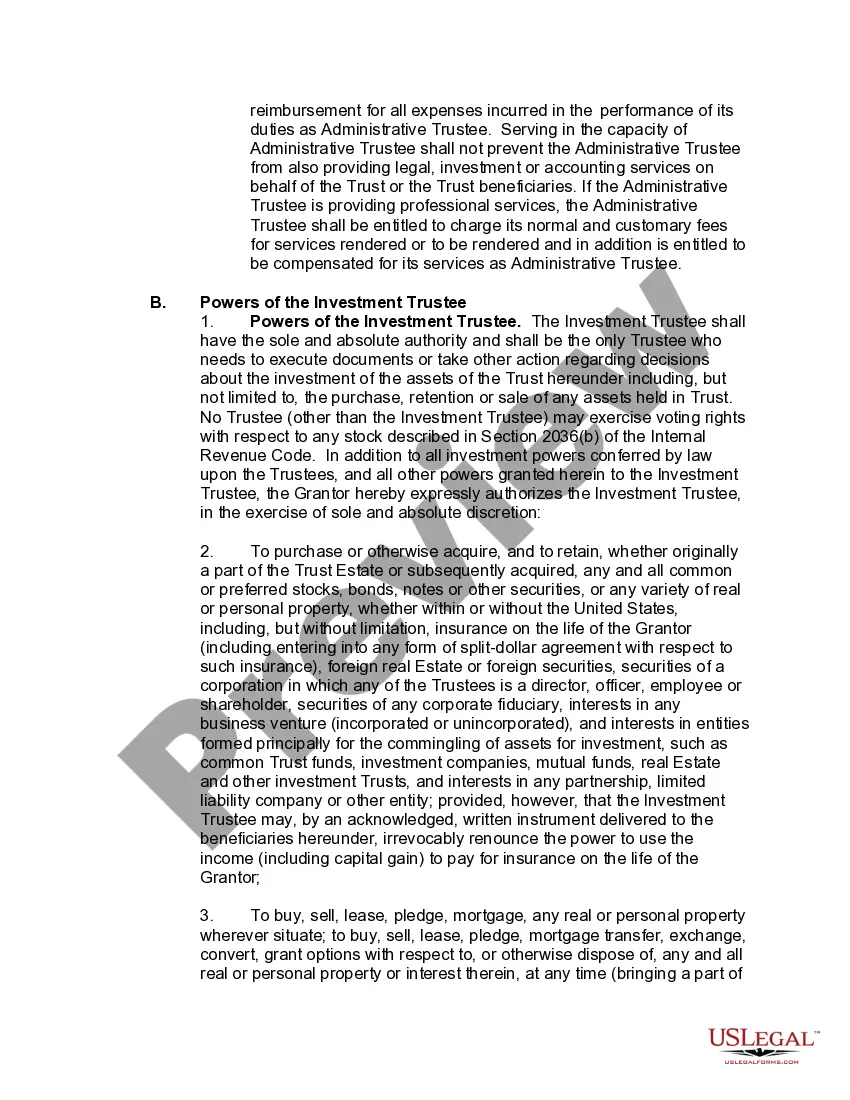
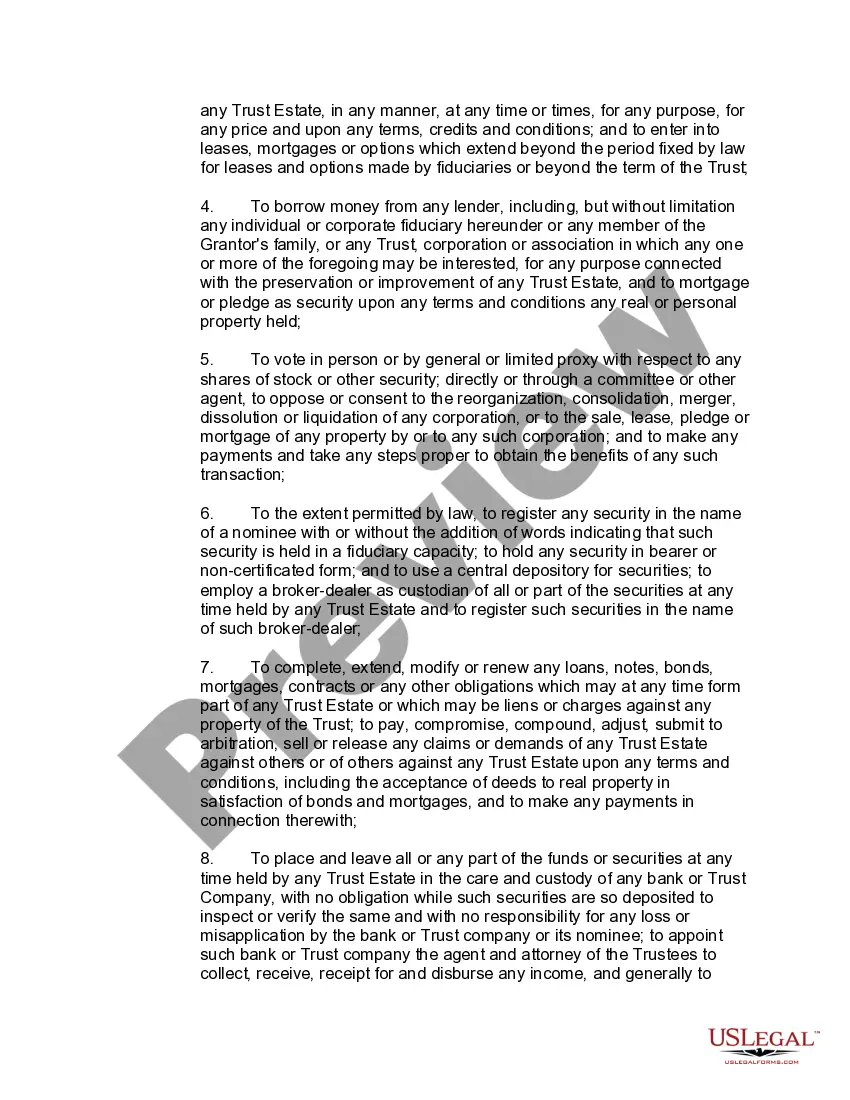
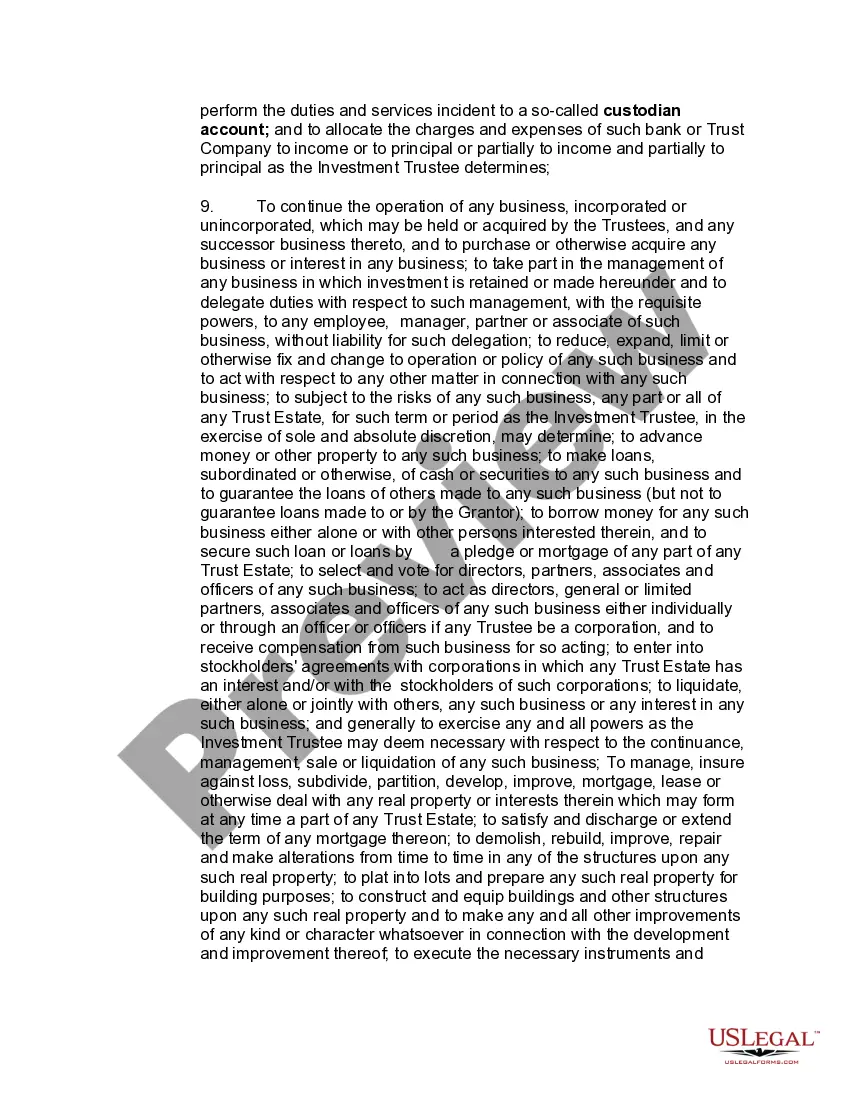
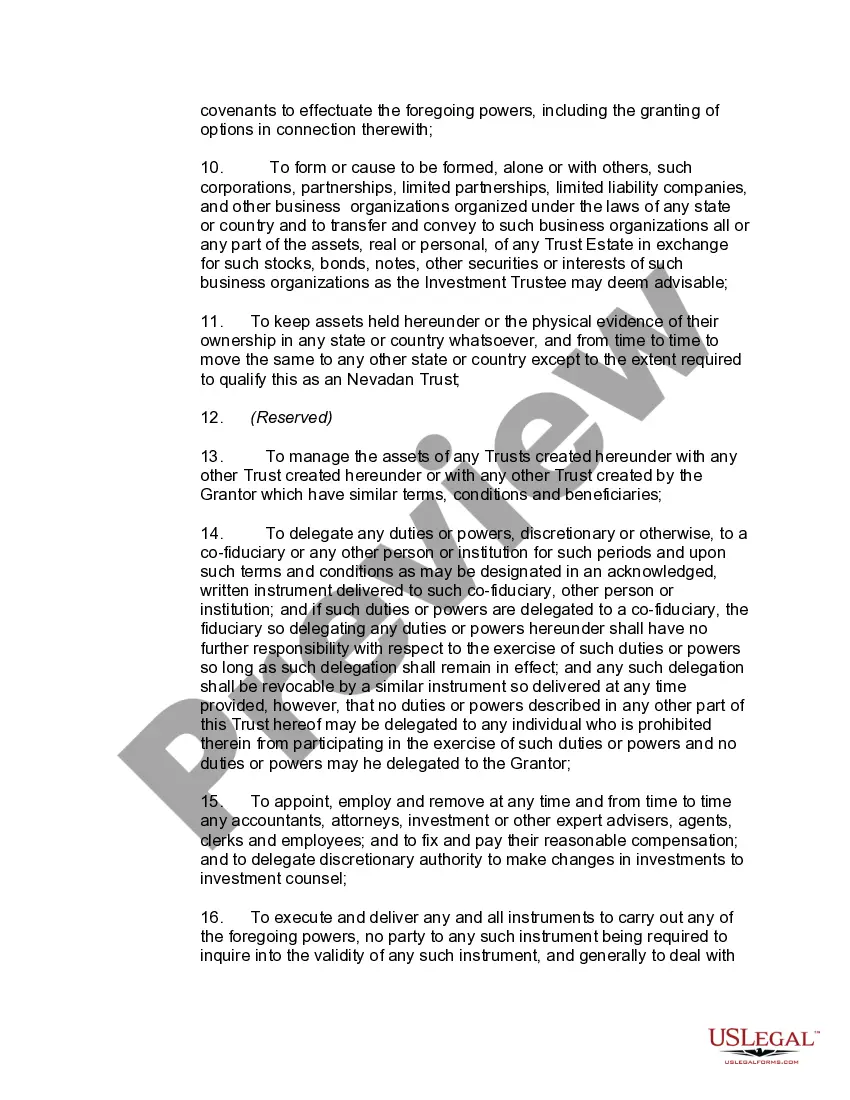
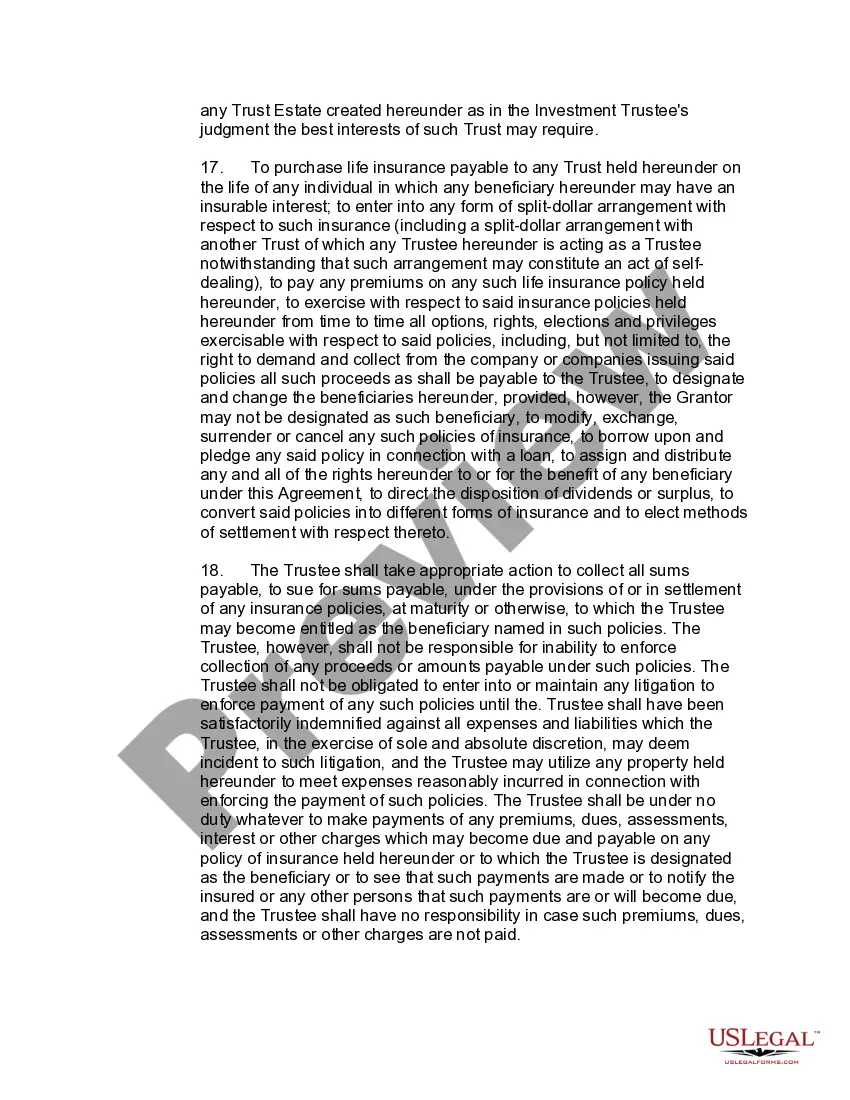
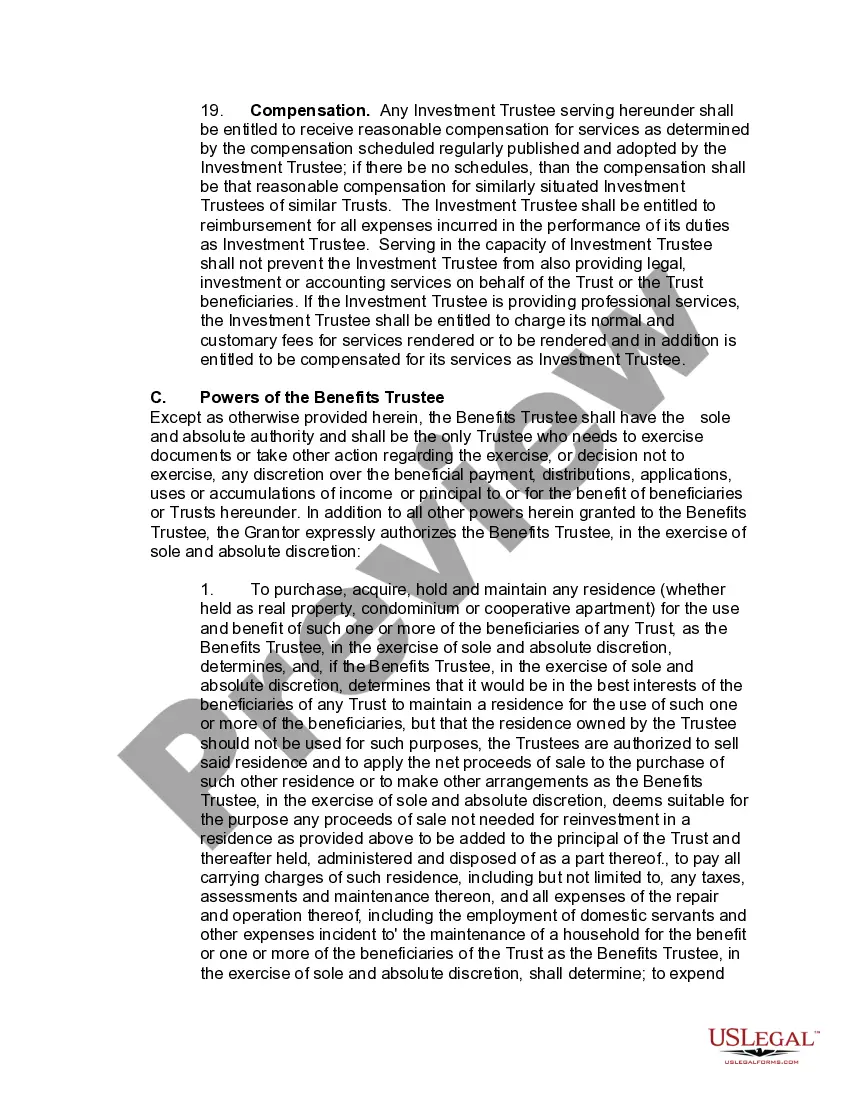

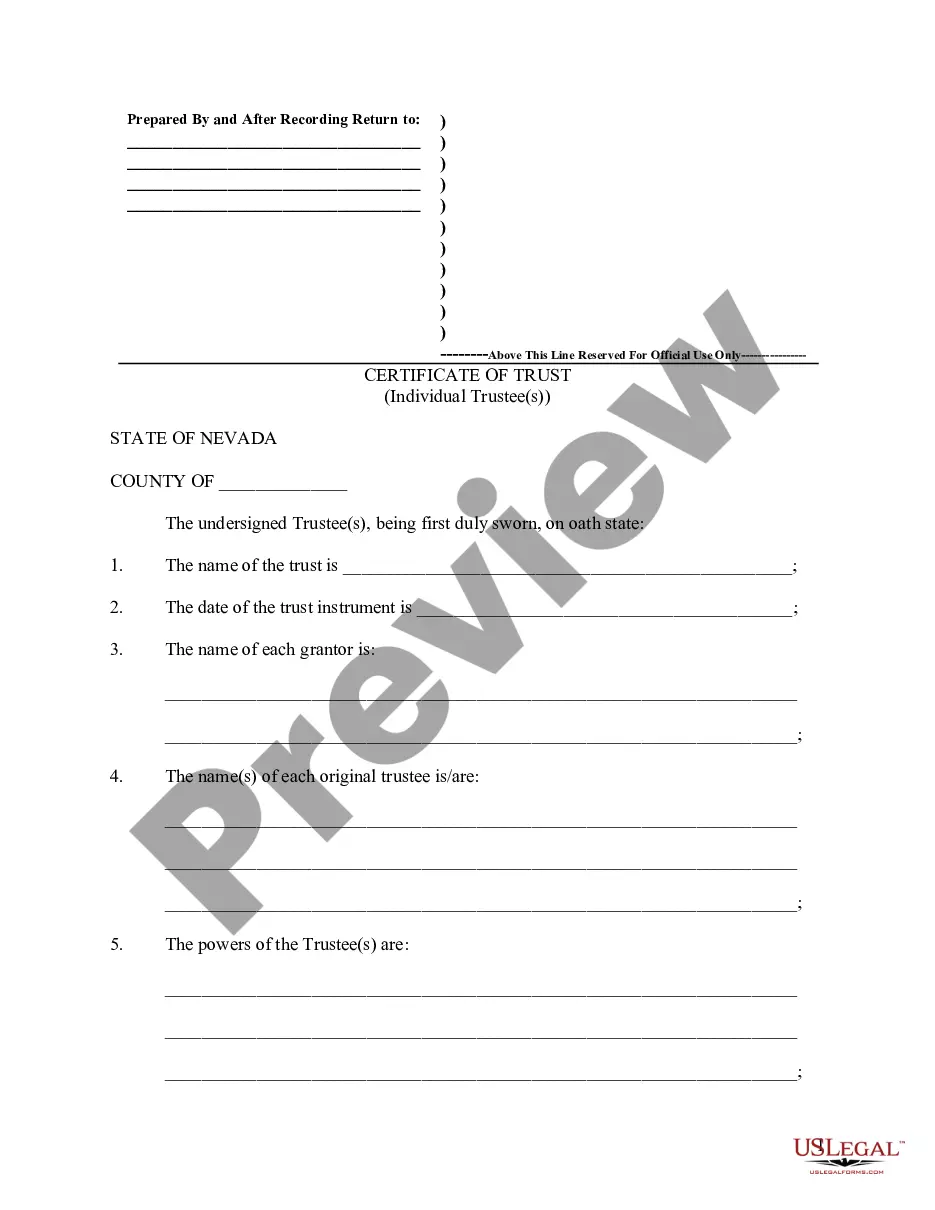
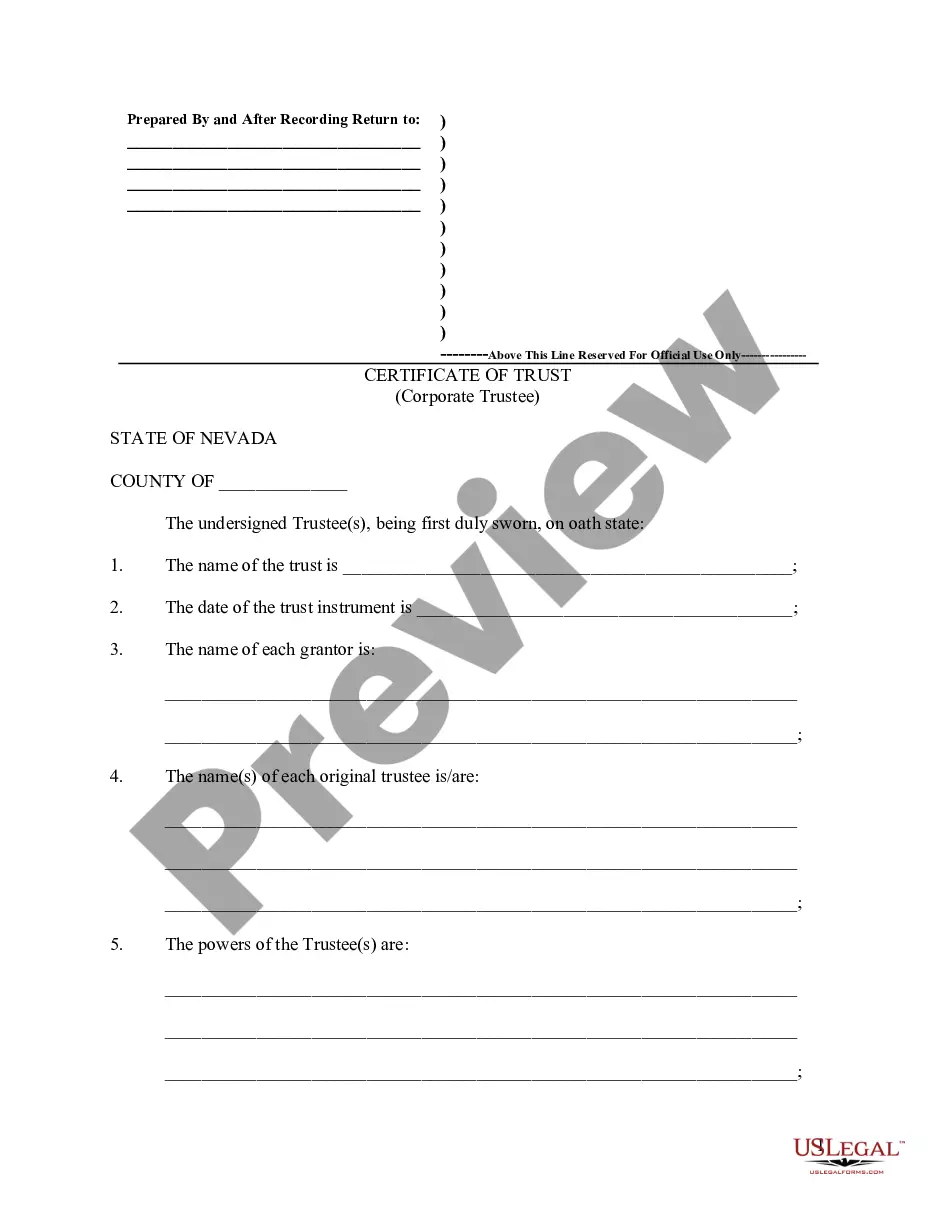
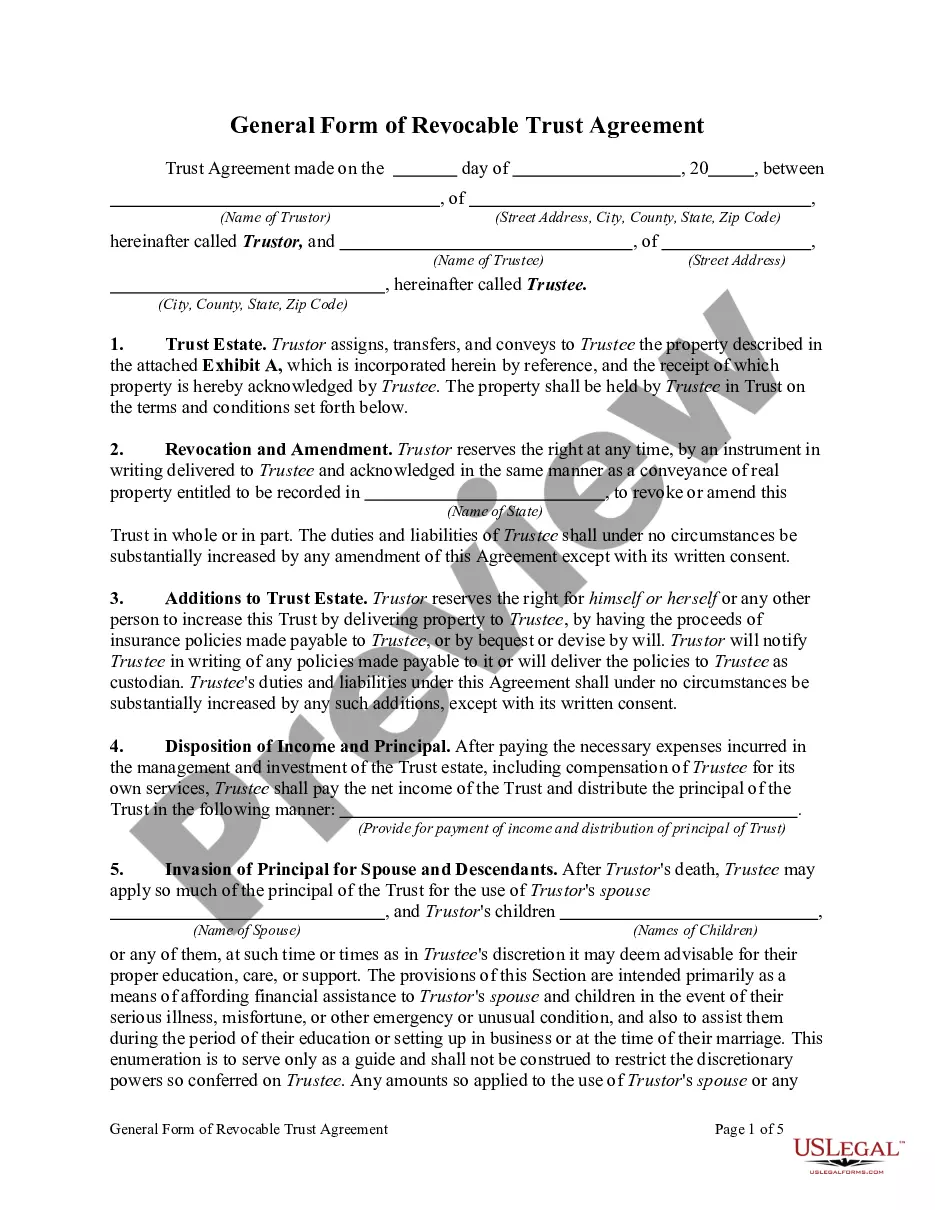
Get your form ready online
Our built-in tools help you complete, sign, share, and store your documents in one place.
Make edits, fill in missing information, and update formatting in US Legal Forms—just like you would in MS Word.
Download a copy, print it, send it by email, or mail it via USPS—whatever works best for your next step.
Sign and collect signatures with our SignNow integration. Send to multiple recipients, set reminders, and more. Go Premium to unlock E-Sign.
If this form requires notarization, complete it online through a secure video call—no need to meet a notary in person or wait for an appointment.
We protect your documents and personal data by following strict security and privacy standards.

Make edits, fill in missing information, and update formatting in US Legal Forms—just like you would in MS Word.

Download a copy, print it, send it by email, or mail it via USPS—whatever works best for your next step.

Sign and collect signatures with our SignNow integration. Send to multiple recipients, set reminders, and more. Go Premium to unlock E-Sign.

If this form requires notarization, complete it online through a secure video call—no need to meet a notary in person or wait for an appointment.

We protect your documents and personal data by following strict security and privacy standards.
Looking for another form?

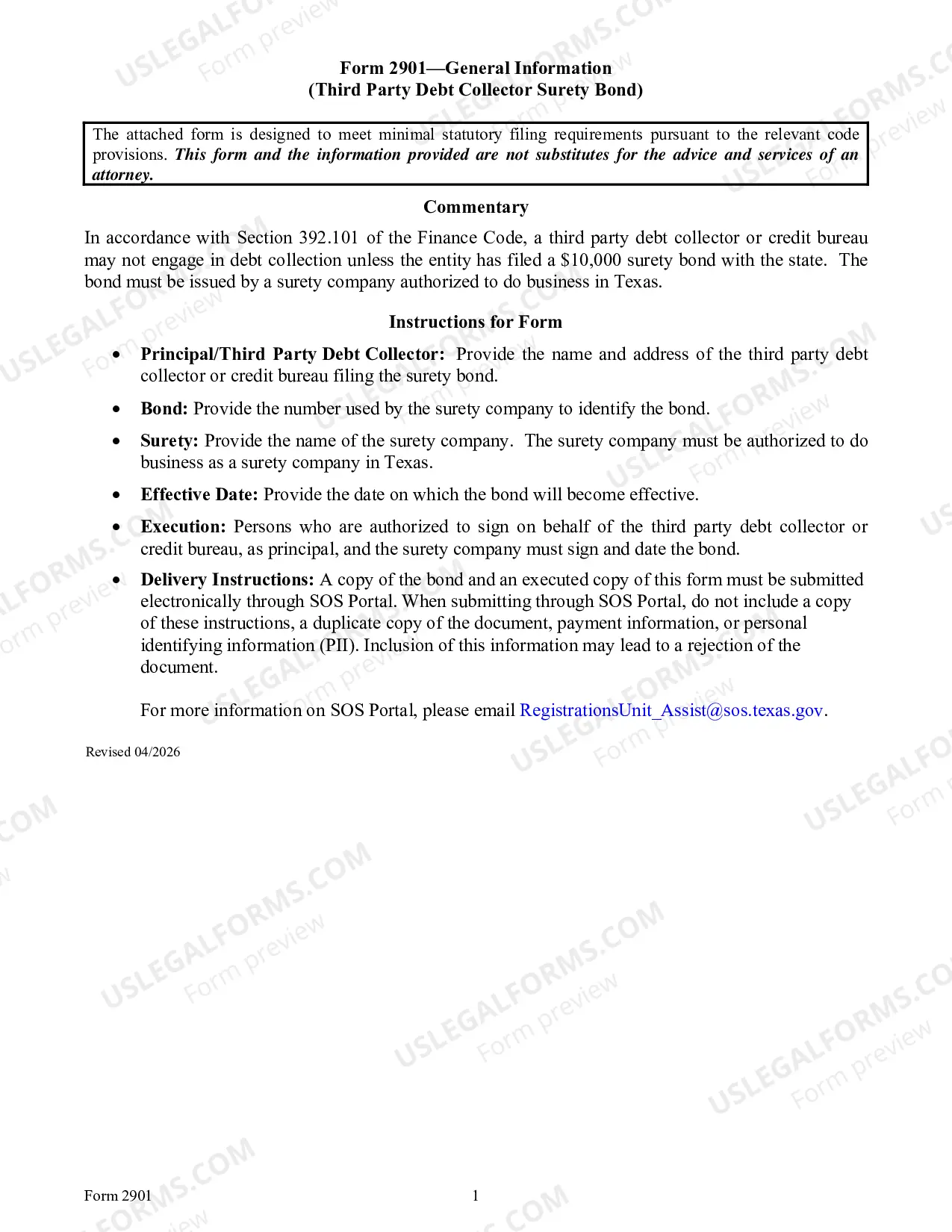






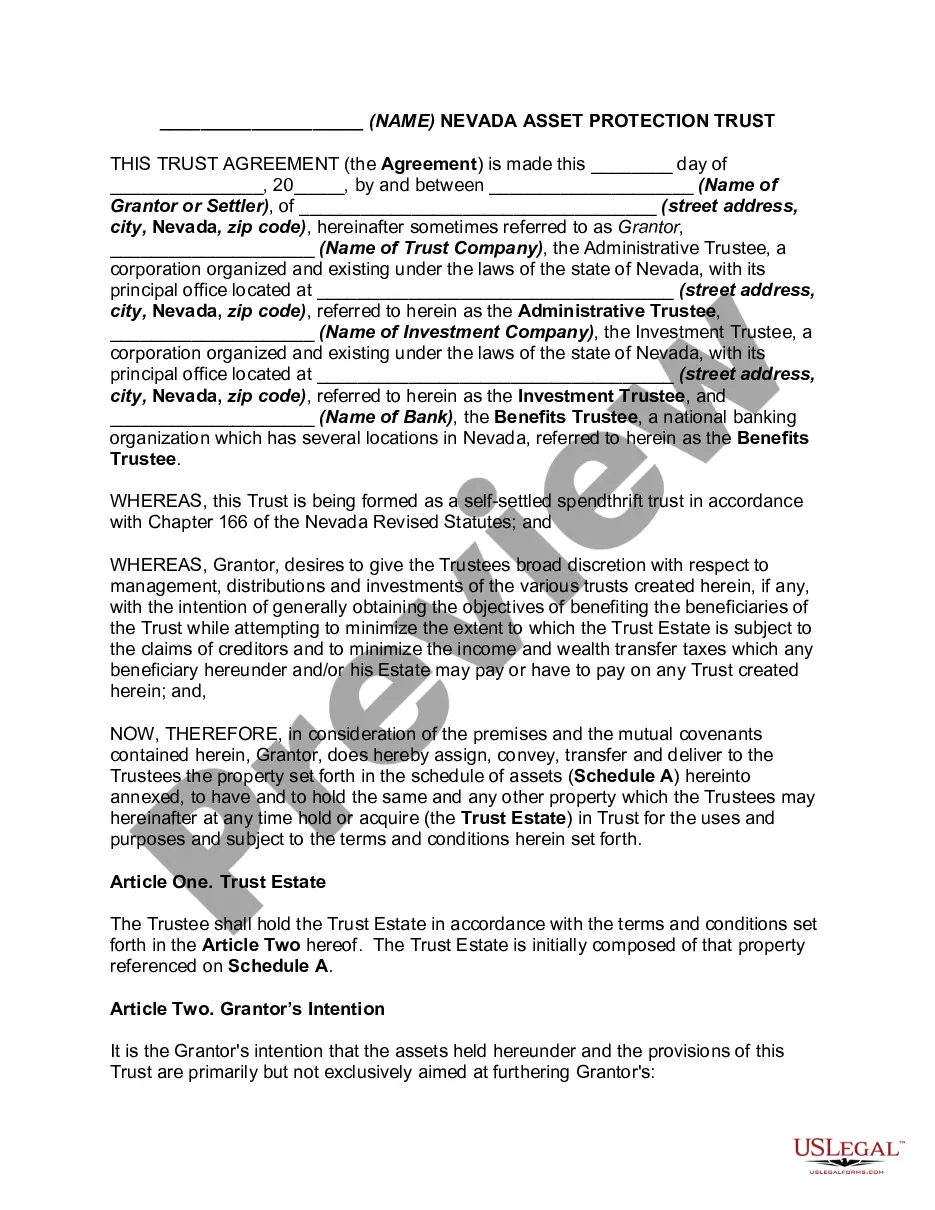
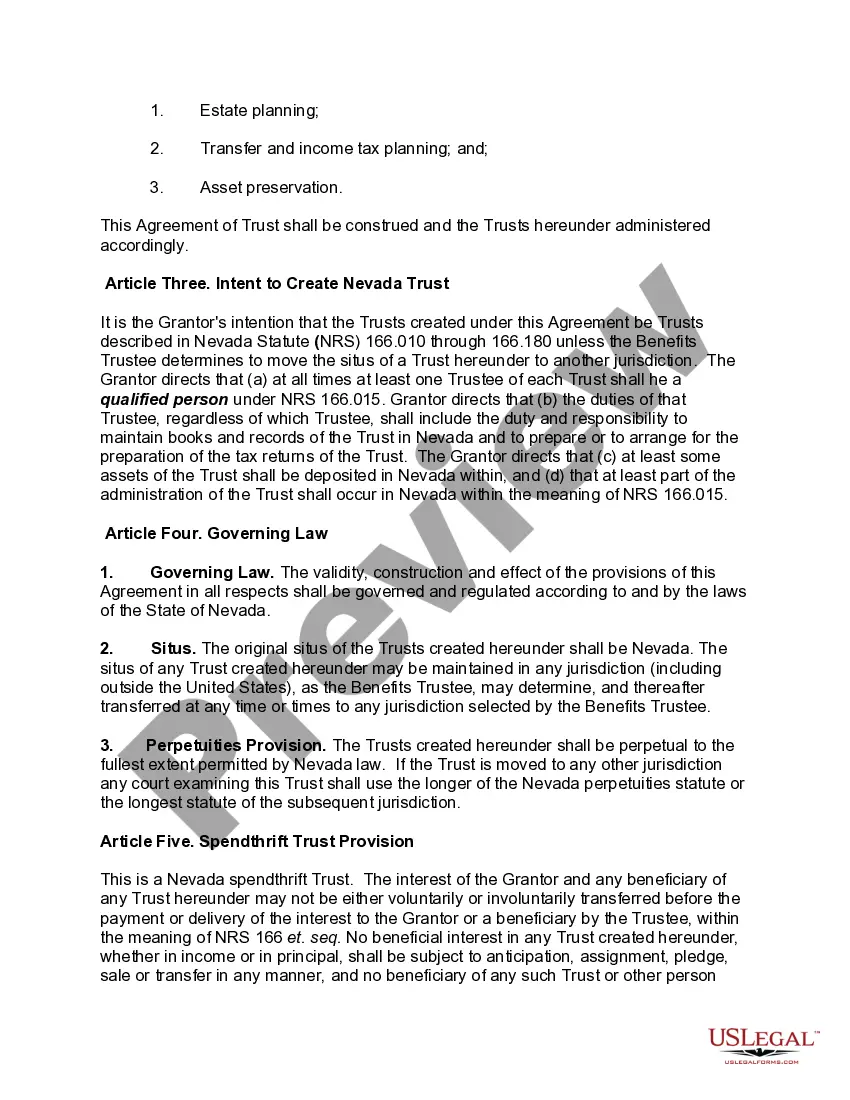
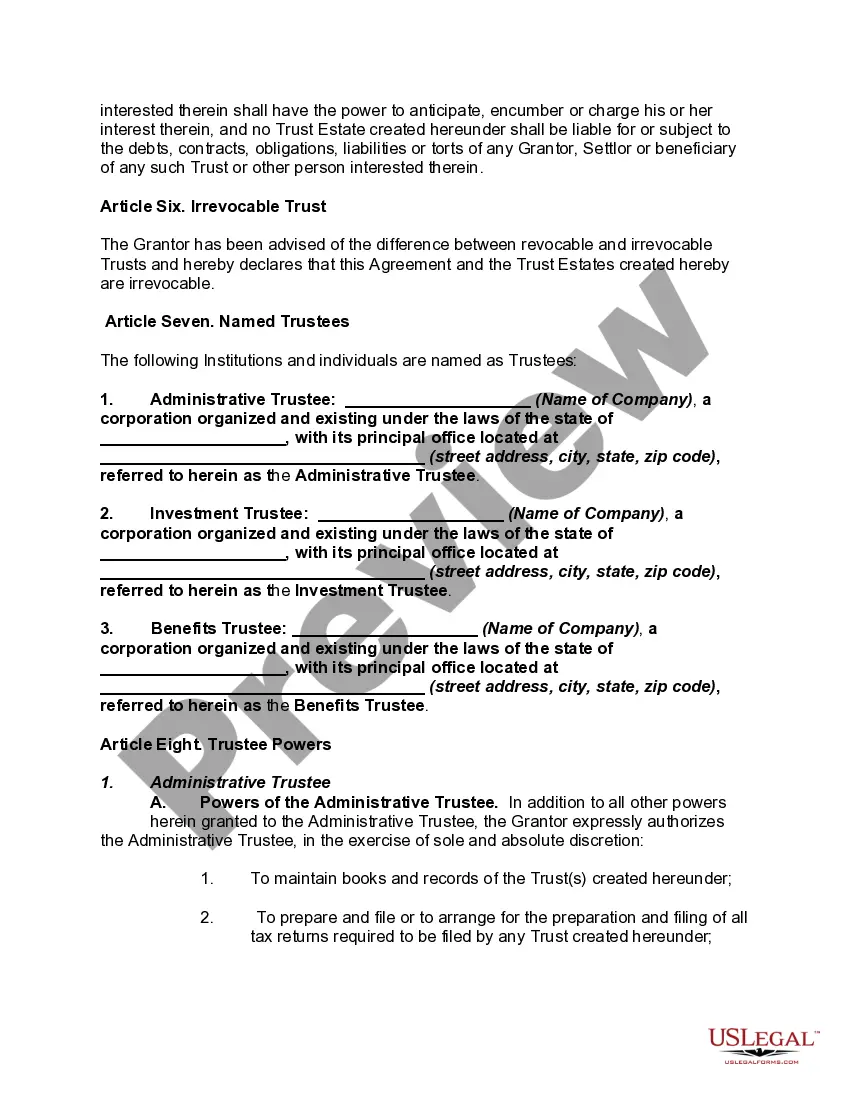
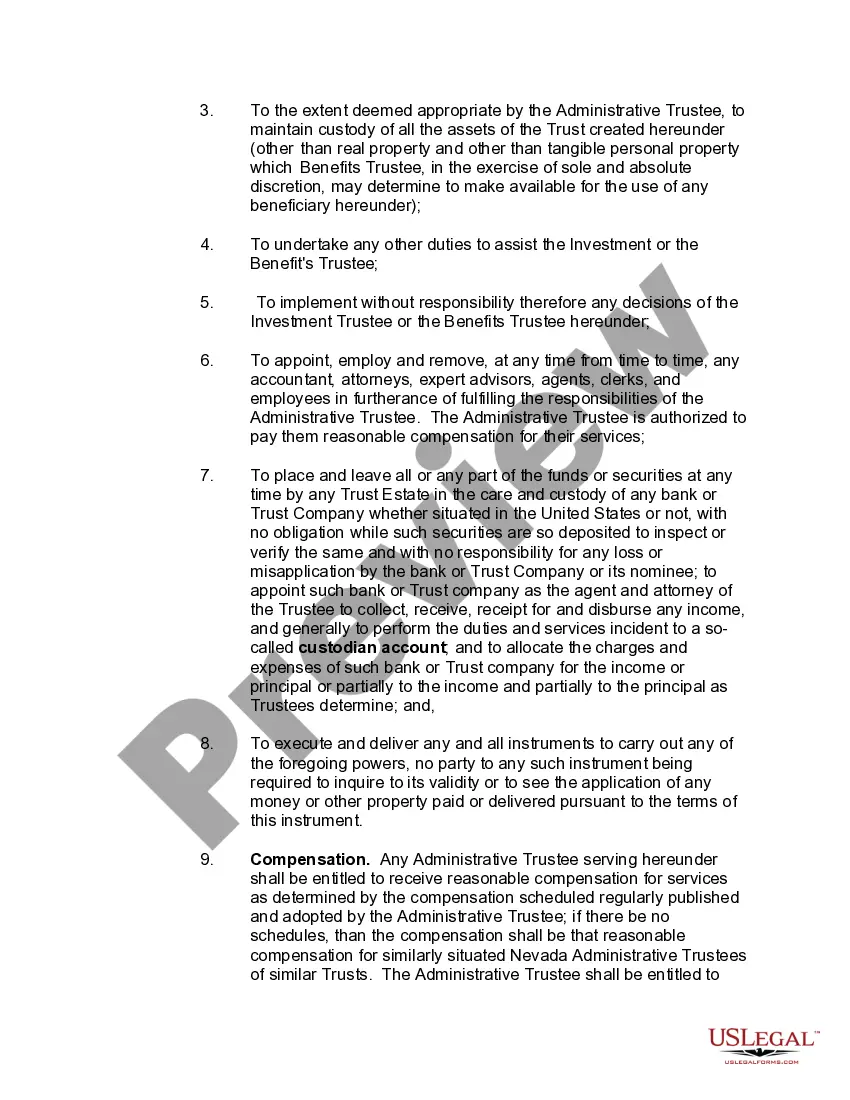
How to fill out Nevada Asset Protection Trust?
- If you're returning to US Legal Forms, log in to your account to access your forms. Ensure your subscription is active; if not, renew it based on your plan.
- For first-time users, start by using the Preview mode to review the form descriptions carefully. Verify that the selected template aligns with your needs and local jurisdiction.
- If there's a mismatch, utilize the Search feature at the top to browse for the correct template that fits your requirements.
- Once the right document is found, proceed to purchase it by clicking on the 'Buy Now' button and select your subscription package. You will need to create an account to access the complete library.
- Complete your transaction by entering your payment details, whether through credit card or PayPal.
- Finally, download the forms to your device. They will also be accessible anytime in the My Forms section of your profile.
With US Legal Forms, you gain access to an extensive library boasting over 85,000 customizable legal forms. Their robust collection ensures you have more options compared to competitors, making your asset protection process smoother.
In conclusion, utilizing US Legal Forms for asset protection with a trust not only simplifies the form-filling process but also provides access to expert assistance for completing documents. Start safeguarding your assets today!
Form popularity
FAQ
To set up a protective trust, you first need to determine your specific goals for asset protection. Then, you should select a reliable trustee to manage the trust according to your wishes. It’s essential to draft a comprehensive trust document outlining the terms and conditions, ensuring it meets legal standards. Utilizing resources from the US Legal Forms site can simplify this process and help you achieve effective asset protection with a trust.
Establishing an asset protection trust involves several key steps. First, you should choose the type of trust that suits your needs, such as a revocable or irrevocable trust. Next, consult with a legal expert, like those available on the US Legal Forms platform, to ensure you meet all legal requirements. Finally, fund the trust with your assets to gain effective asset protection with a trust.
One of the biggest mistakes parents make when setting up a trust fund is not clearly defining the purpose of the trust. Without a clear goal, the trust may not provide the intended asset protection with a trust. Additionally, failing to communicate the trust’s details to beneficiaries can lead to misunderstandings and conflicts. To avoid these issues, it's important to work with a knowledgeable professional who can guide you through the process.
While trusts are designed for protection, certain situations can lead to loss of assets. For example, if the trust is not set up appropriately or if it is attacked by creditors, there could be risks. It's vital to understand how to structure your asset protection with a trust correctly, ensuring you safeguard your wealth effectively.
One significant downside of placing assets in a trust is the potential loss of direct control. Once assets are transferred into a trust, you may not be able to manage them as freely as before. Additionally, if not properly structured, trusts may not offer the anticipated level of asset protection. Getting professional legal advice can help mitigate these concerns.
Asset protection trusts can be a wise decision for individuals seeking to safeguard their wealth. These structures can prevent creditors from accessing your assets in certain situations. However, it’s essential to consider your specific needs and consult professionals. Platforms like uslegalforms can guide you through the process.
Trusts can be effective tools for asset protection when established correctly. They can help segregate your personal assets from your business risks, providing a safety net in case of legal disputes. Many individuals find comfort in knowing that their wealth is secured within the framework of an asset protection with a trust.
An asset protection trust can have several disadvantages. These may include restrictions on your access to the assets and lower flexibility in managing them. Additionally, the setup can be complex and may require ongoing fees. Understanding these factors is essential when considering asset protection with a trust.
The main risk of putting assets in a trust involves potential loss of control over those assets. When you set up an asset protection with a trust, you typically transfer ownership of the assets to the trust, which can limit your direct access. Additional risks include tax implications and the possibility of claims from creditors if the trust is deemed fraudulent.
Yes, a trust can offer a degree of asset protection if you are sued. However, it depends on how the trust is structured and when you created it. A properly designed asset protection trust can help shield your assets from creditors and legal claims. It’s crucial to consult with a legal expert for specific guidance.