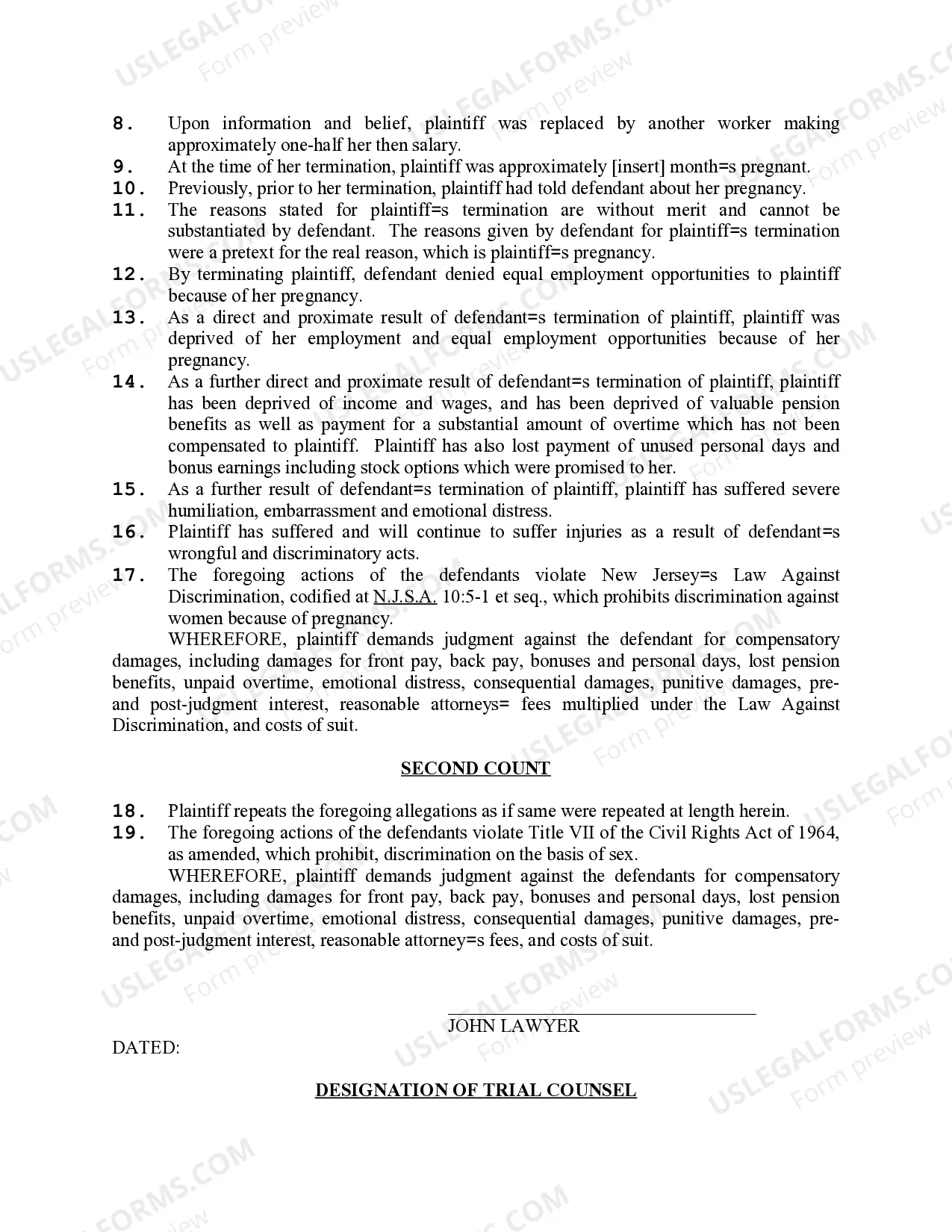
New Jersey Pregnancy For Rent
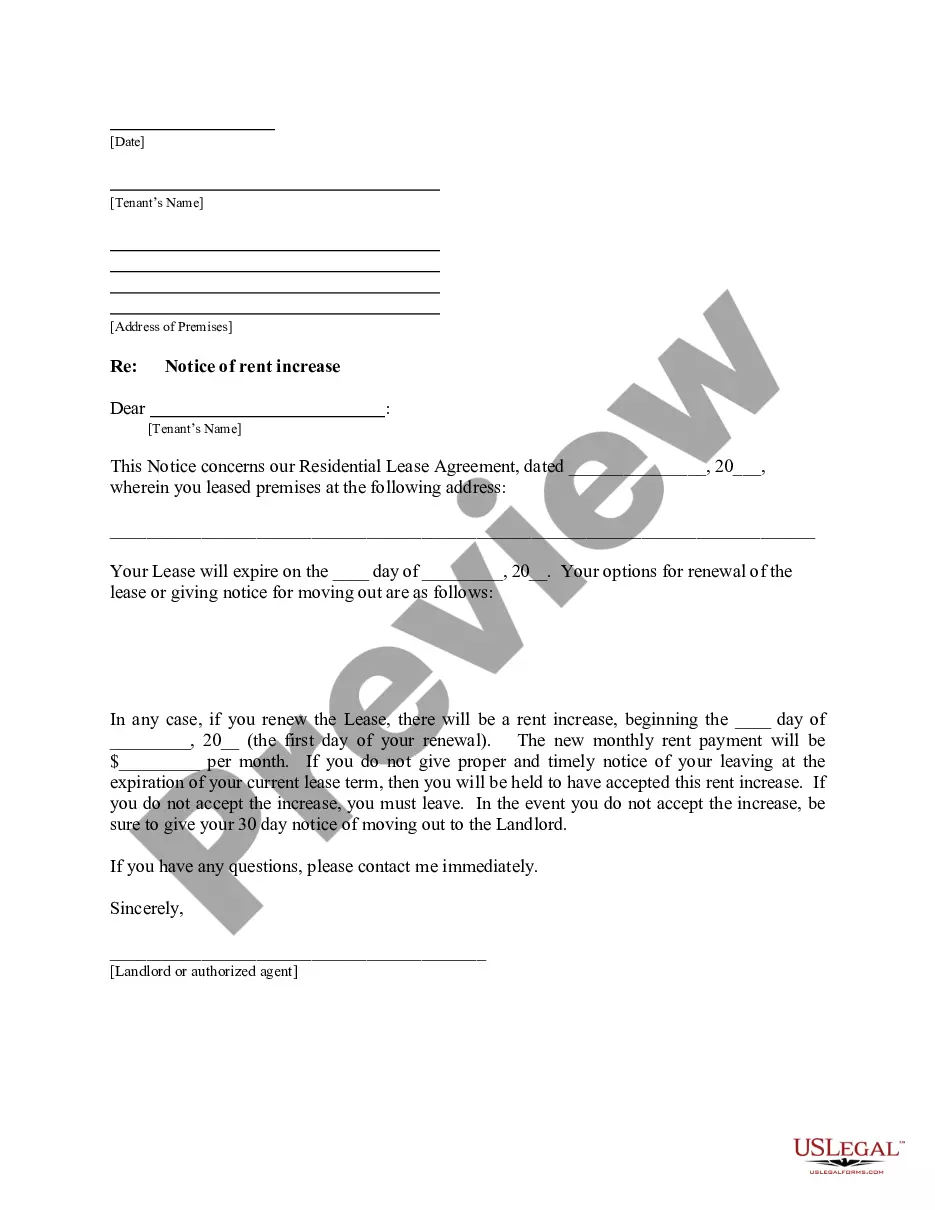
Description
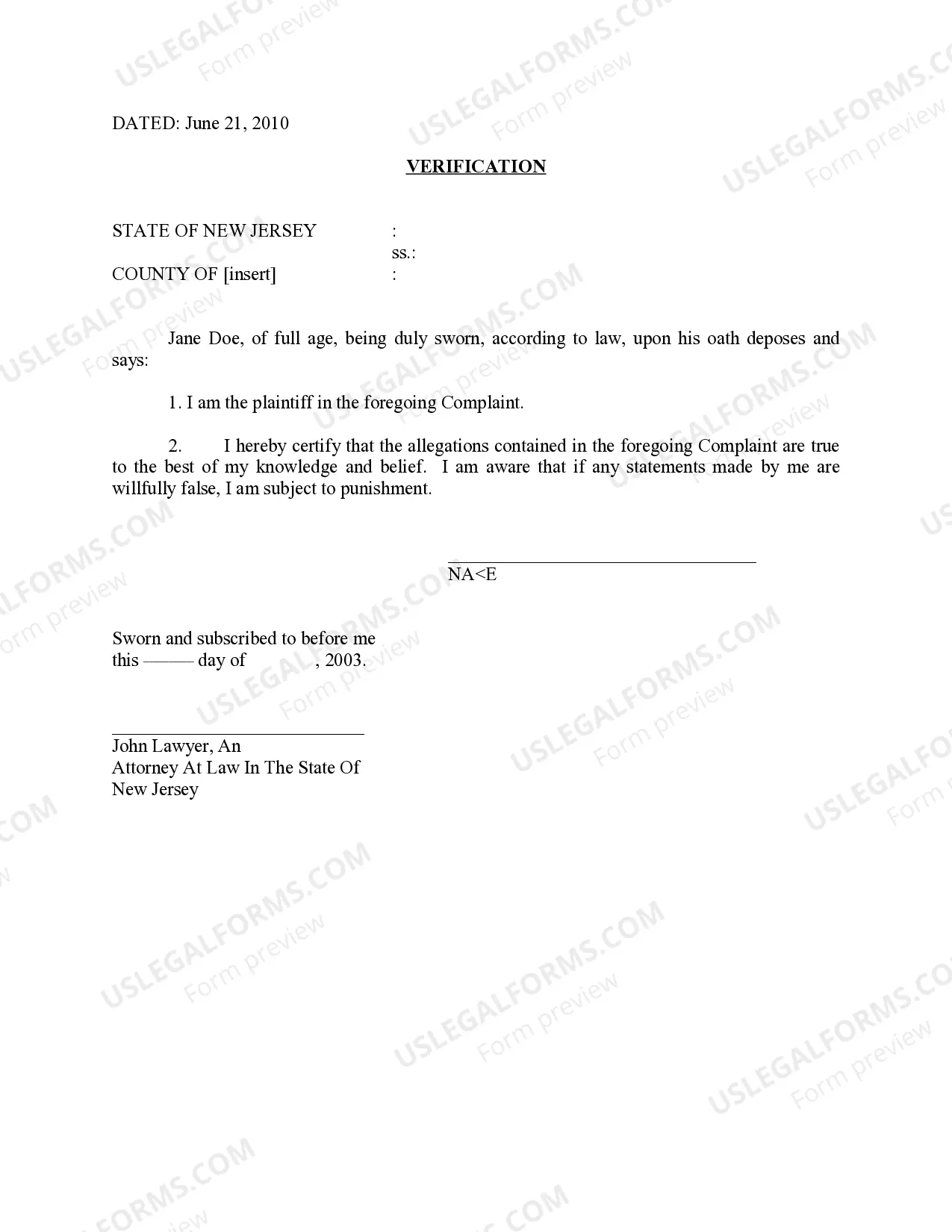


Get your form ready online
Our built-in tools help you complete, sign, share, and store your documents in one place.
Make edits, fill in missing information, and update formatting in US Legal Forms—just like you would in MS Word.
Download a copy, print it, send it by email, or mail it via USPS—whatever works best for your next step.
Sign and collect signatures with our SignNow integration. Send to multiple recipients, set reminders, and more. Go Premium to unlock E-Sign.
If this form requires notarization, complete it online through a secure video call—no need to meet a notary in person or wait for an appointment.
We protect your documents and personal data by following strict security and privacy standards.

Make edits, fill in missing information, and update formatting in US Legal Forms—just like you would in MS Word.

Download a copy, print it, send it by email, or mail it via USPS—whatever works best for your next step.

Sign and collect signatures with our SignNow integration. Send to multiple recipients, set reminders, and more. Go Premium to unlock E-Sign.

If this form requires notarization, complete it online through a secure video call—no need to meet a notary in person or wait for an appointment.

We protect your documents and personal data by following strict security and privacy standards.
Looking for another form?






Form popularity
FAQ
Eligibility for rental assistance in New Jersey often includes various factors such as income level, family size, and specific needs related to pregnancy. Pregnant women may find additional resources available to them as they prepare for their growing families. To qualify, applicants typically need to meet income requirements and demonstrate a need for housing support. It’s essential to explore options that connect with New Jersey pregnancy for rent to secure the assistance needed during this period.
New Jersey offers a range of programs aimed at assisting pregnant mothers. Programs such as NJ FamilyCare provide health coverage to eligible expectant mothers, ensuring they receive necessary medical services. There are also community-based initiatives focused on education and support, including parenting classes and maternal support groups. Engaging in these resources can greatly benefit you during your New Jersey pregnancy for rent.
When you are pregnant, you can access various benefits designed to support you in New Jersey. These benefits may include medical assistance, prenatal care programs, and nutritional support through programs like WIC. Additionally, you may qualify for family leave and short-term disability benefits. Understanding how these benefits relate to New Jersey pregnancy for rent can help ensure you receive the support you need during this important time.
The pregnancy program in New Jersey includes various resources designed to support expectant mothers. These services offer prenatal care, educational classes, and financial assistance programs. Engaging with these resources can help ease the challenges of pregnancy. For a comprehensive overview of available benefits related to New Jersey pregnancy for rent, uslegalforms can help you access important information.
Recently, New Jersey passed legislation that enhances protections for pregnant women in the workplace. This law mandates that employers must provide necessary accommodations without requiring medical justification. Furthermore, it strengthens job security for pregnant employees. If you're interested in understanding how these changes affect you, consider resources available at uslegalforms for assistance with New Jersey pregnancy for rent.
If you are pregnant and unemployed in New Jersey, you may qualify for unemployment benefits or state disability insurance. These benefits provide financial support during your pregnancy period. Familiarizing yourself with the application process can help you secure these funds. To navigate these options effectively, uslegalforms can assist with documentation related to New Jersey pregnancy for rent.
New Jersey's pregnancy law ensures that pregnant employees receive necessary accommodations to support their health and well-being. This includes modifications in lifting, access to rest areas, and more. Employers must comply with these guidelines to create a fair work environment. If you need more information about how this impacts your rights, uslegalforms can offer valuable insights regarding New Jersey pregnancy for rent.
In New Jersey, the law provides for up to 12 weeks of maternity leave under the Family Leave Act. This allows you to take time off to care for your newborn or newly adopted child. During this period, you can focus on your family without the stress of work obligations. For specific benefits related to New Jersey pregnancy for rent, consider exploring the resources available through uslegalforms.
Reasonable accommodations for pregnancy in New Jersey can include allowing pregnant employees to take more frequent breaks, providing seating or modified tasks, or adjusting working hours to fit medical appointments. Employers are obligated to consider these options to support their employees during this significant time. Utilizing platforms like UsLegalForms can help you better understand your rights and the specifics of accommodations available to you related to New Jersey pregnancy for rent.
In New Jersey, reasonable accommodations typically include modifications or adjustments that allow an employee to perform their job effectively. These may involve changes to the work environment, schedules, or duties that do not create substantial hardship for the employer. Understanding your rights can empower you to advocate for necessary adjustments. Resources such as UsLegalForms can guide you through the process of requesting these accommodations.