Nh Hiring Form With Two Points
Description
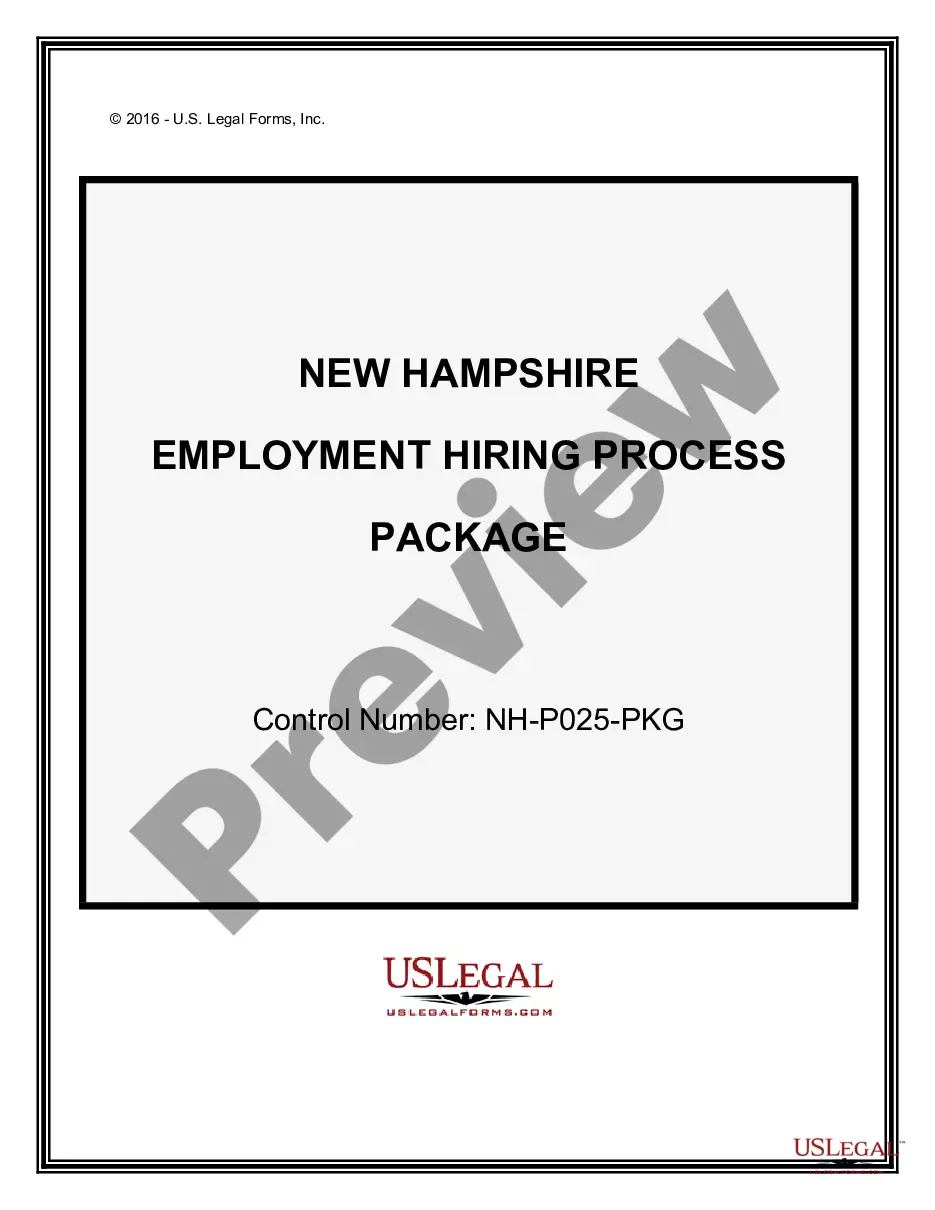
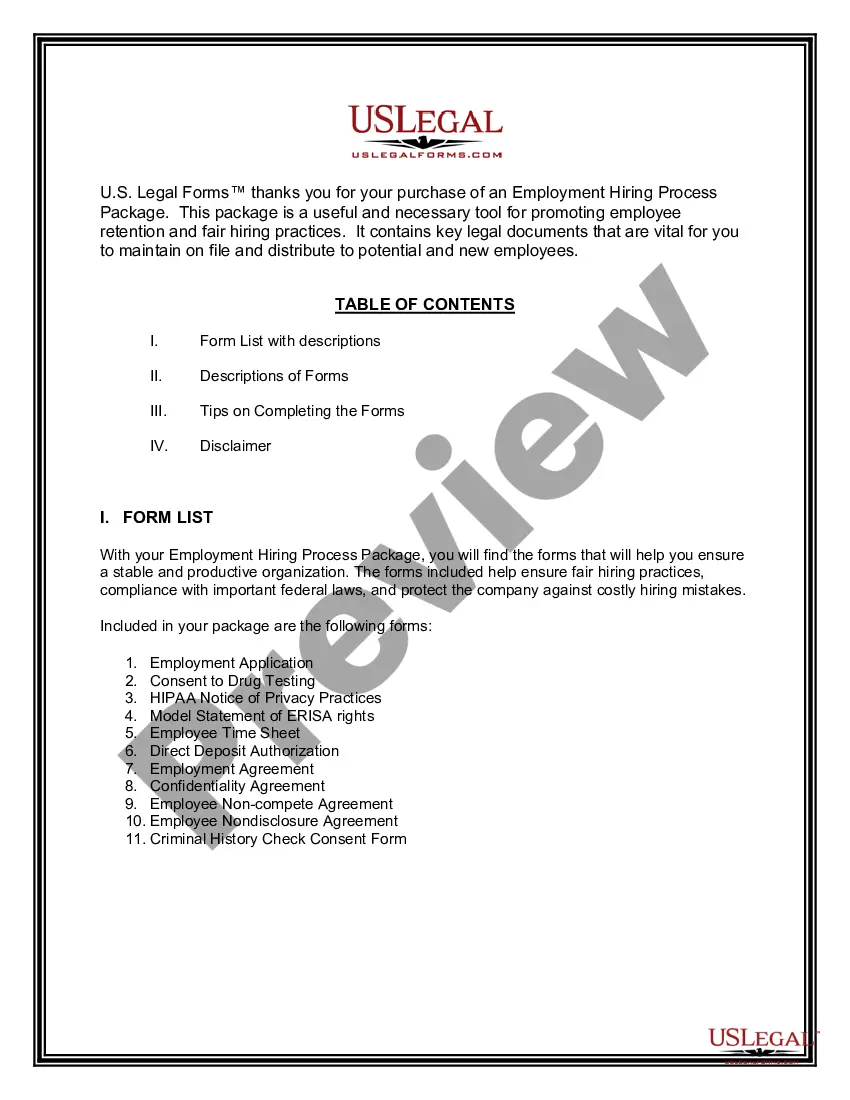
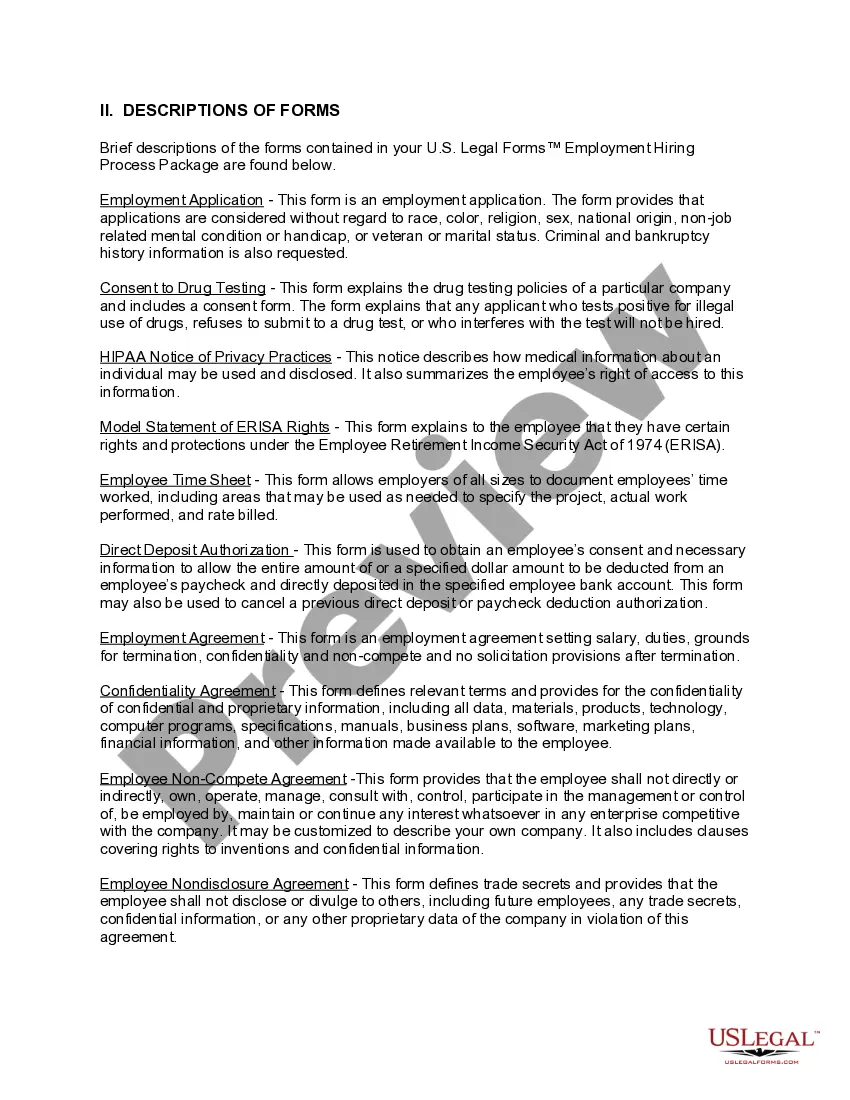
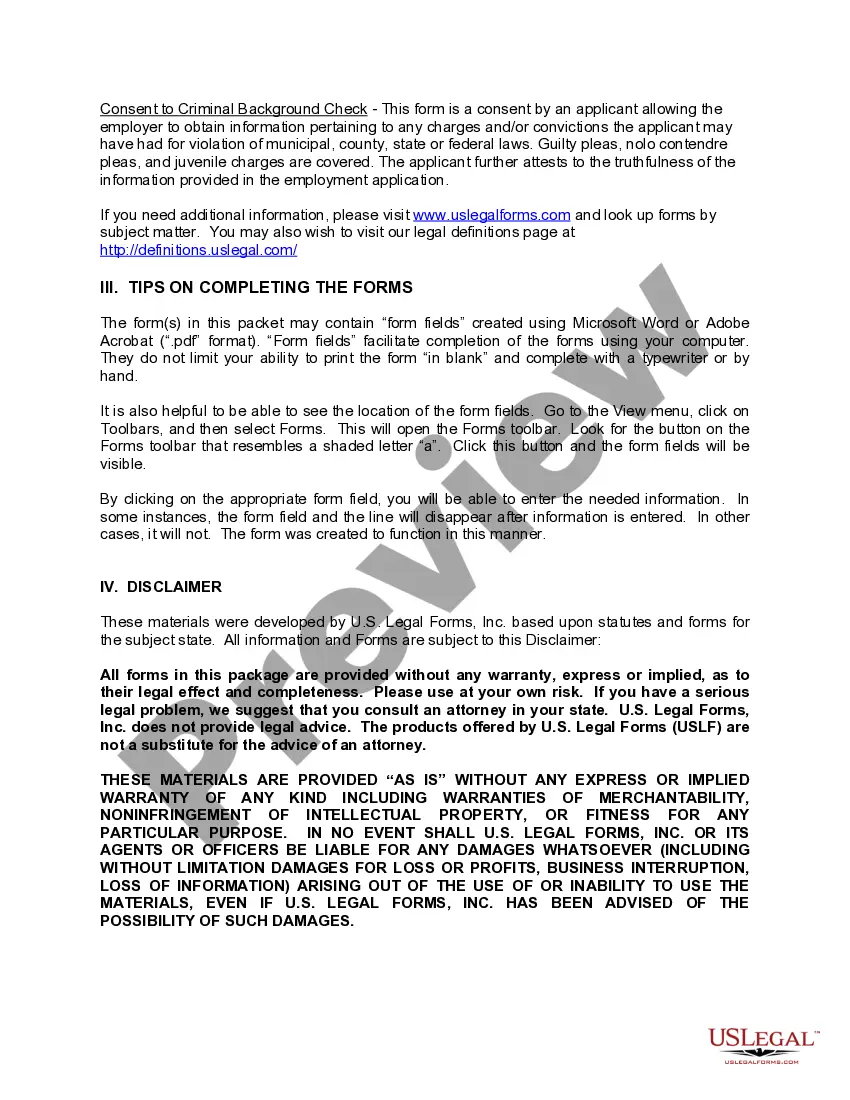
Get your form ready online
Our built-in tools help you complete, sign, share, and store your documents in one place.
Make edits, fill in missing information, and update formatting in US Legal Forms—just like you would in MS Word.
Download a copy, print it, send it by email, or mail it via USPS—whatever works best for your next step.
Sign and collect signatures with our SignNow integration. Send to multiple recipients, set reminders, and more. Go Premium to unlock E-Sign.
If this form requires notarization, complete it online through a secure video call—no need to meet a notary in person or wait for an appointment.
We protect your documents and personal data by following strict security and privacy standards.

Make edits, fill in missing information, and update formatting in US Legal Forms—just like you would in MS Word.

Download a copy, print it, send it by email, or mail it via USPS—whatever works best for your next step.

Sign and collect signatures with our SignNow integration. Send to multiple recipients, set reminders, and more. Go Premium to unlock E-Sign.

If this form requires notarization, complete it online through a secure video call—no need to meet a notary in person or wait for an appointment.

We protect your documents and personal data by following strict security and privacy standards.
Looking for another form?





How to fill out New Hampshire Employment Hiring Process Package?
The Nh Hiring Document Featuring Two Elements you observe on this site is a reusable formal model formulated by experienced attorneys in accordance with federal and local standards.
For over 25 years, US Legal Forms has supplied individuals, organizations, and lawyers with more than 85,000 validated, state-specific documents for any business and personal circumstances. It’s the quickest, easiest, and most reliable method to acquire the forms you require, as the service ensures bank-level data security and anti-malware safeguards.
Subscribe to US Legal Forms to have verified legal templates for every scenario in life at your fingertips.
- Search for the document you require and examine it. Browse through the file you sought and preview it or review the form description to confirm it meets your needs. If it doesn’t, utilize the search feature to find the appropriate one. Click Purchase Now once you have identified the template you need.
- Create an account and sign in. Choose the pricing option that best fits you and establish an account. Use PayPal or a credit card for a swift payment. If you already have an account, sign in and verify your subscription to continue.
- Access the editable template. Choose the format you desire for your Nh Hiring Document Featuring Two Elements (PDF, Word, RTF) and store the sample on your device.
- Fill out and sign the forms. Print the template to fill it out manually. Alternatively, utilize an online multifunctional PDF editor to quickly and accurately complete and sign your document with a legally-binding electronic signature.
- Redownload your forms as needed. Use the same document again whenever you require. Access the My documents section in your profile to redownload any previously acquired forms.
Form popularity
FAQ
The term 'warn' refers to the legal obligation of employers to notify workers before layoffs occur. This notification helps employees prepare for job loss and seek alternative employment options. For businesses looking to manage this process effectively, the NH hiring form with two points is a great tool.
The maximum weekly benefit amount is currently $427; the minimum amount is currently $32. You may receive benefits for a maximum of 26 weeks. (In times of very high unemployment, additional weeks of benefits may be available.)
Your weekly benefit amount is based on how much you earned in the last 15 to 18 months. New Hampshire looks at your ?base period?, which is normally the first 4 of the last 5 completed calendar quarters prior to the effective date of the claim.
Reasons for Disqualification Applicants who meet the state's monetary and non-monetary requirements can still be disqualified for various reasons. Common grounds for disqualification include separation of employment due to: Committing a theft, arson, sabotage or physical assault.
?I am ineligible for unemployment benefits because I was fired.? A former employee is still entitled to receive unemployment benefits unless terminated for ?misconduct associated with employment.? This is interpreted to mean either an intentional violation of company policy or repeated acts of negligence.
Employees who usually work more than 35 hours per week (at all jobs within an establishment) regardless of the number of hours actually worked. Persons who were at work for 35 hours or more during the survey reference week are designated as working full time.