Letter Landlord Building With Tenant
Description


Get your form ready online
Our built-in tools help you complete, sign, share, and store your documents in one place.
Make edits, fill in missing information, and update formatting in US Legal Forms—just like you would in MS Word.
Download a copy, print it, send it by email, or mail it via USPS—whatever works best for your next step.
Sign and collect signatures with our SignNow integration. Send to multiple recipients, set reminders, and more. Go Premium to unlock E-Sign.
If this form requires notarization, complete it online through a secure video call—no need to meet a notary in person or wait for an appointment.
We protect your documents and personal data by following strict security and privacy standards.

Make edits, fill in missing information, and update formatting in US Legal Forms—just like you would in MS Word.

Download a copy, print it, send it by email, or mail it via USPS—whatever works best for your next step.

Sign and collect signatures with our SignNow integration. Send to multiple recipients, set reminders, and more. Go Premium to unlock E-Sign.

If this form requires notarization, complete it online through a secure video call—no need to meet a notary in person or wait for an appointment.

We protect your documents and personal data by following strict security and privacy standards.
Looking for another form?


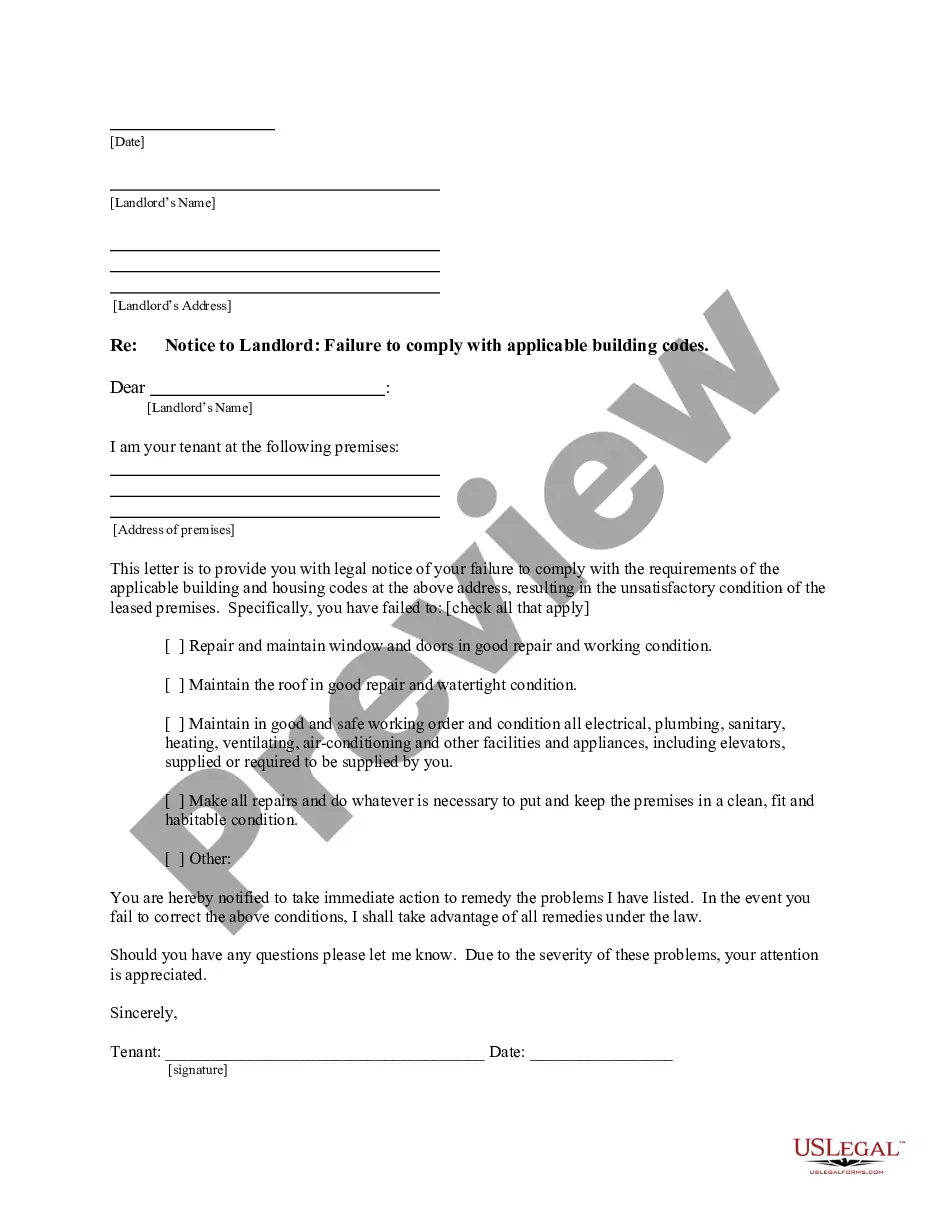
How to fill out North Dakota Letter From Tenant To Landlord For Failure Of Landlord To Comply With Building Codes Affecting Health And Safety Or Resulting In Untenantable Condition - Demand For Remedy?
- Log in to your US Legal Forms account, if you're already a user. Ensure your subscription is active. If it's expired, renew it before proceeding.
- If you're a new user, explore the extensive library. Begin by previewing forms to find the right document that complies with your jurisdiction's requirements.
- Search the library for any additional templates if needed. Use the Search tab to identify forms that match your criteria.
- Once you find the necessary document, click 'Buy Now'. Choose a subscription plan and create an account to gain full access.
- Complete your purchase using a credit card or PayPal. Make sure your payment details are entered correctly.
- Finally, download your completed form and keep it on your device. You can access it later from the 'My Forms' section of your account.
In conclusion, using US Legal Forms not only saves time but provides you with reliable legal documentation. With over 85,000 forms available and expert assistance, you can be confident in your legal communications.
Start streamlining your legal document process today by visiting US Legal Forms!
Form popularity
FAQ
To obtain a letter from your landlord, first, you should reach out to them directly to request the document. Explain why you need the letter, whether it’s for verification of tenancy or another purpose related to your living situation. If your landlord is unresponsive or you encounter difficulties, consider utilizing a platform like US Legal Forms, which provides templates for letters landlords send to tenants. This can simplify the process, ensuring you have the necessary documentation quickly and efficiently.
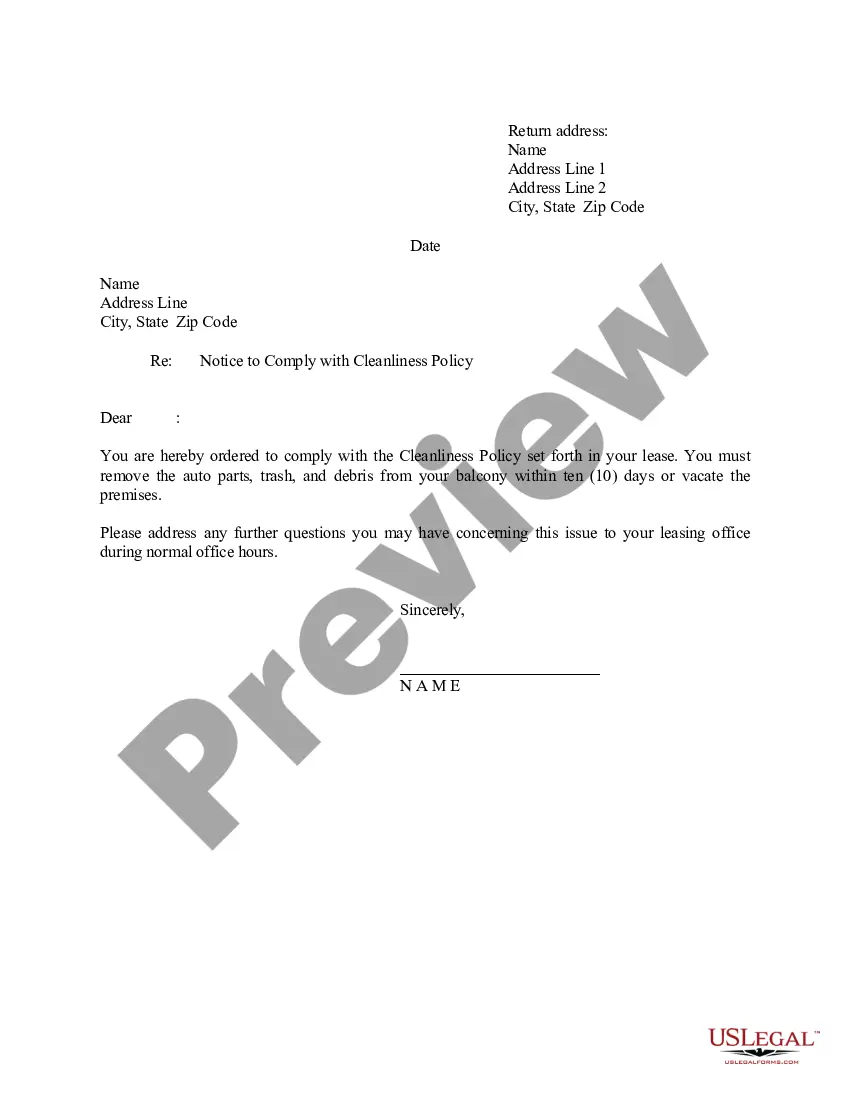
When writing a quick notice for a tenant, be straightforward and ensure all essential information is included. Utilize a letter landlord building with tenant to specify the reason for the notice, the required response time, and any actions needed. Keep the language simple and direct to avoid confusion. Submitting this notice in a timely manner shows professionalism and responsiveness.
To write a letter for your tenant, start with a warm greeting and clear subject. Using a letter landlord building with tenant, cover important points such as updates, notices, or reminders. Be concise and respectful, ensuring that the tone aligns with your relationship. End with an invitation for further communication if the tenant has questions or needs clarification.
A letter to a tenant for a new property manager serves as an introduction and informs the tenant of the management change. Use a letter landlord building with tenant to explain the transition and provide contact information for the new property manager. This letter helps maintain clarity and ensures that tenants know whom to reach for future queries. Keep it friendly and professional to ease any concerns.
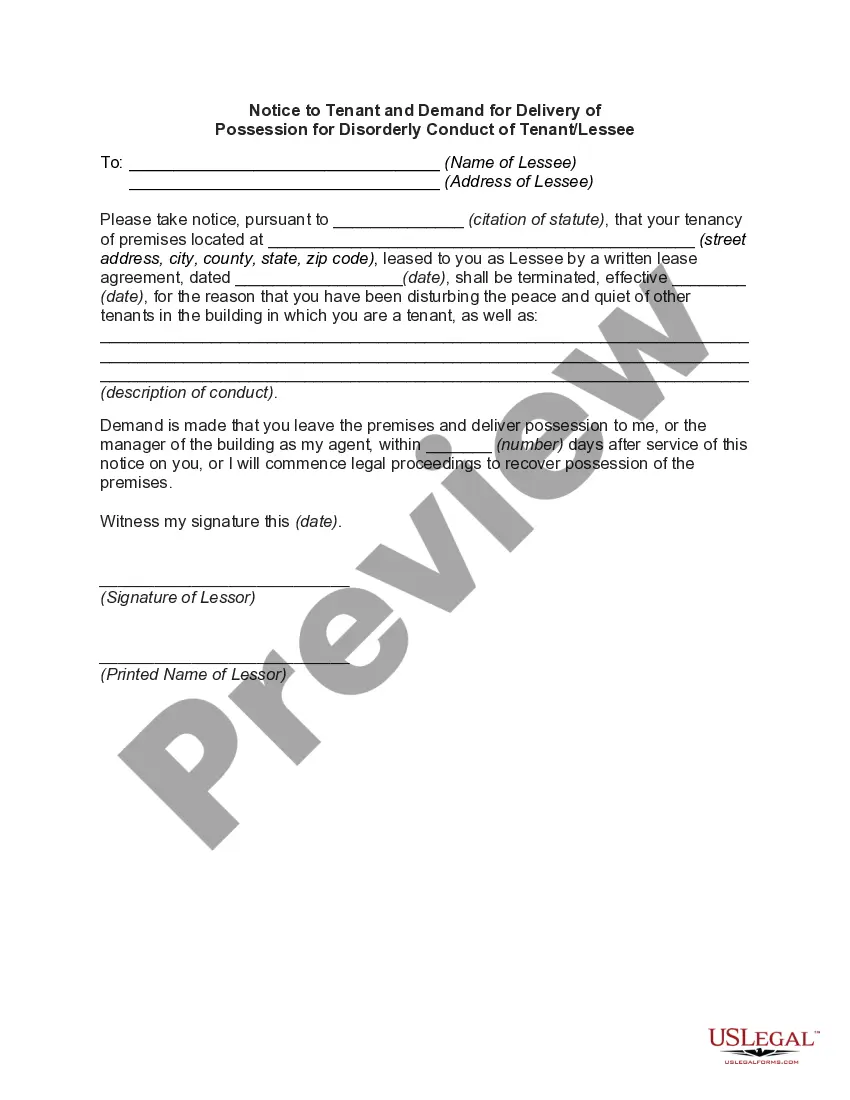
To politely tell a tenant to move out, start by expressing appreciation for their time as your tenant. It is important to communicate directly and clearly, using a letter landlord building with tenant. Clearly state your intentions, provide a reasonable timeline, and offer assistance during their transition. This approach fosters understanding and respects the tenant's situation.
A great tenant reference letter showcases qualities such as punctuality, cleanliness, and a history of positive interactions with neighbors. Including specific accomplishments like consistent on-time rent payments and well-maintained property enhances credibility. It should reflect genuine experiences and provide a balanced view to future landlords. Using templates from platforms like uslegalforms can streamline creating effective letters.
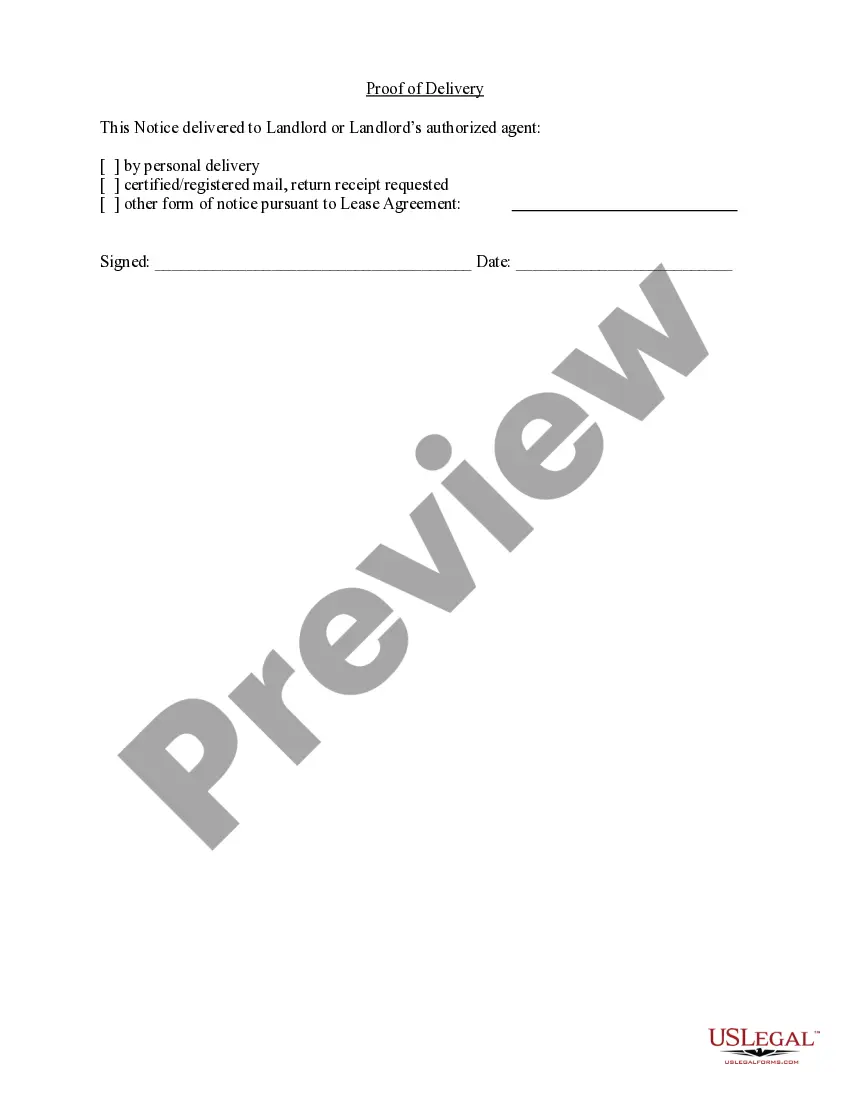
When a landlord needs to write a letter to a tenant to vacate, it is important to include the date the notice is given and the date the tenant must vacate. Clearly outline the reason for the notice, whether it is due to lease violations, property sale, or other reasons. Being straightforward yet courteous enhances professionalism in sensitive situations. Always provide necessary information about final procedures and security deposit refunds.
To write a letter to your landlord, begin by addressing them properly and including your own contact information. Clearly express your purpose, whether it’s to request a repair, discuss a lease issue, or address a concern. Maintain a respectful tone and provide relevant details to ensure clarity. Ending with your contact information allows the landlord to respond easily, fostering better communication.
An effective letter from a tenant to a landlord typically starts with a polite greeting, followed by a clear statement of the issue at hand. For instance, a letter requesting repairs might note specific problems, the urgency of the repairs, and any previous communications on the matter. Including the date you made the request can help track progress. Such letters strengthen communication between the landlord and tenant.
To write a notice from a tenant to a landlord, begin with your contact information, the landlord's information, and the date. Clearly state the purpose of the letter, whether it's to report an issue, request repairs, or provide notice of intent to vacate. Be polite and concise while expressing your needs. Using a structured format can enhance clarity and ensure your message is received positively.