Plaintiff Vs Defendant Or Defendant Vs Plaintiff
Description
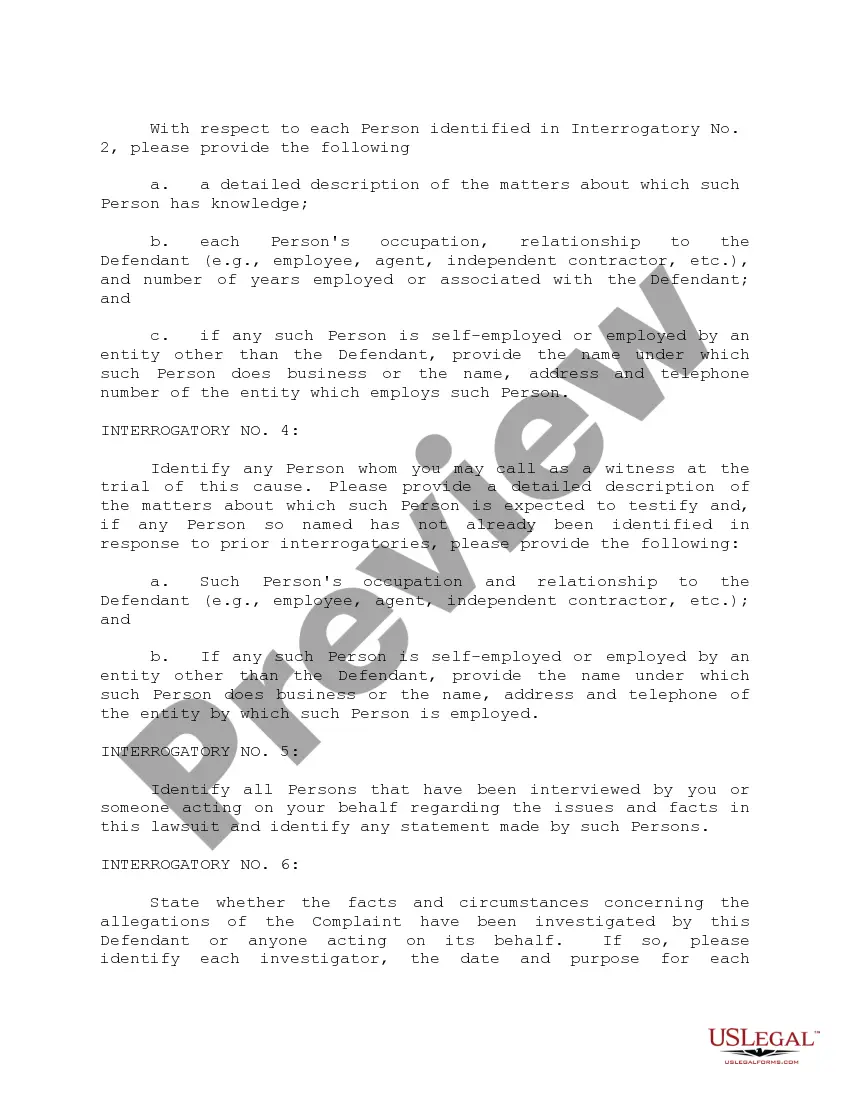
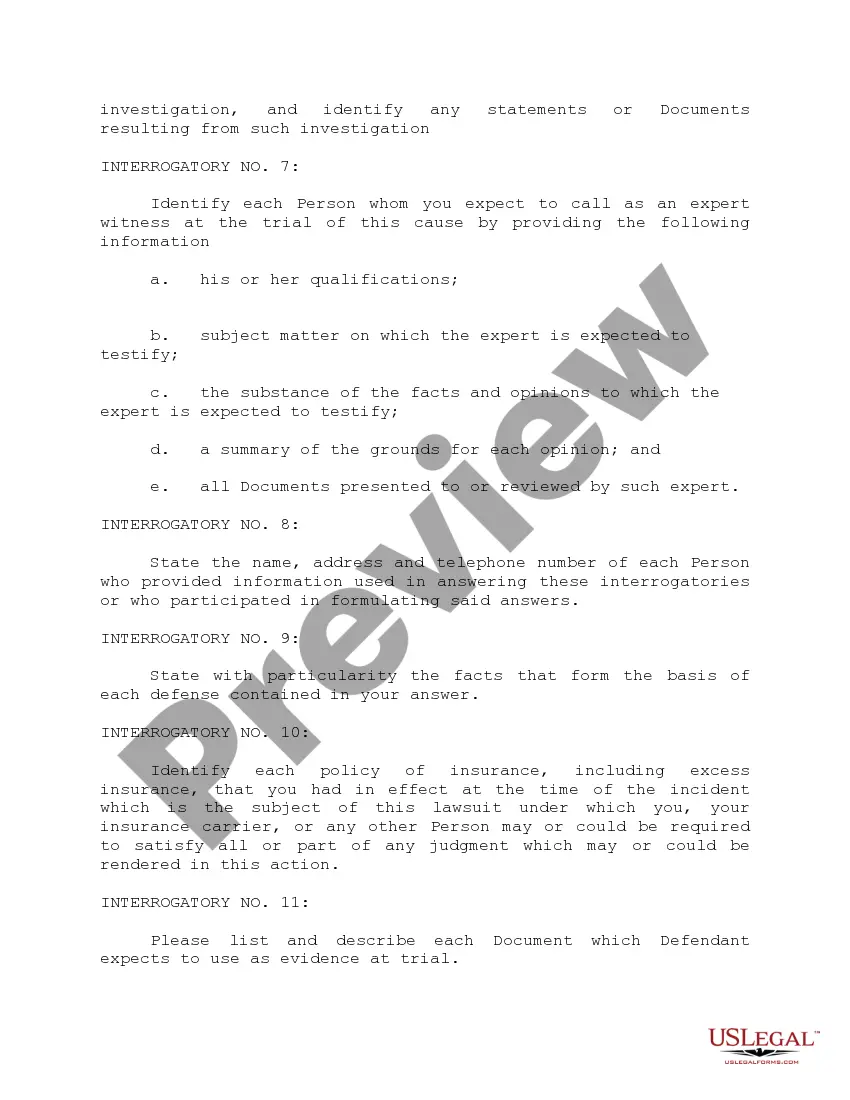
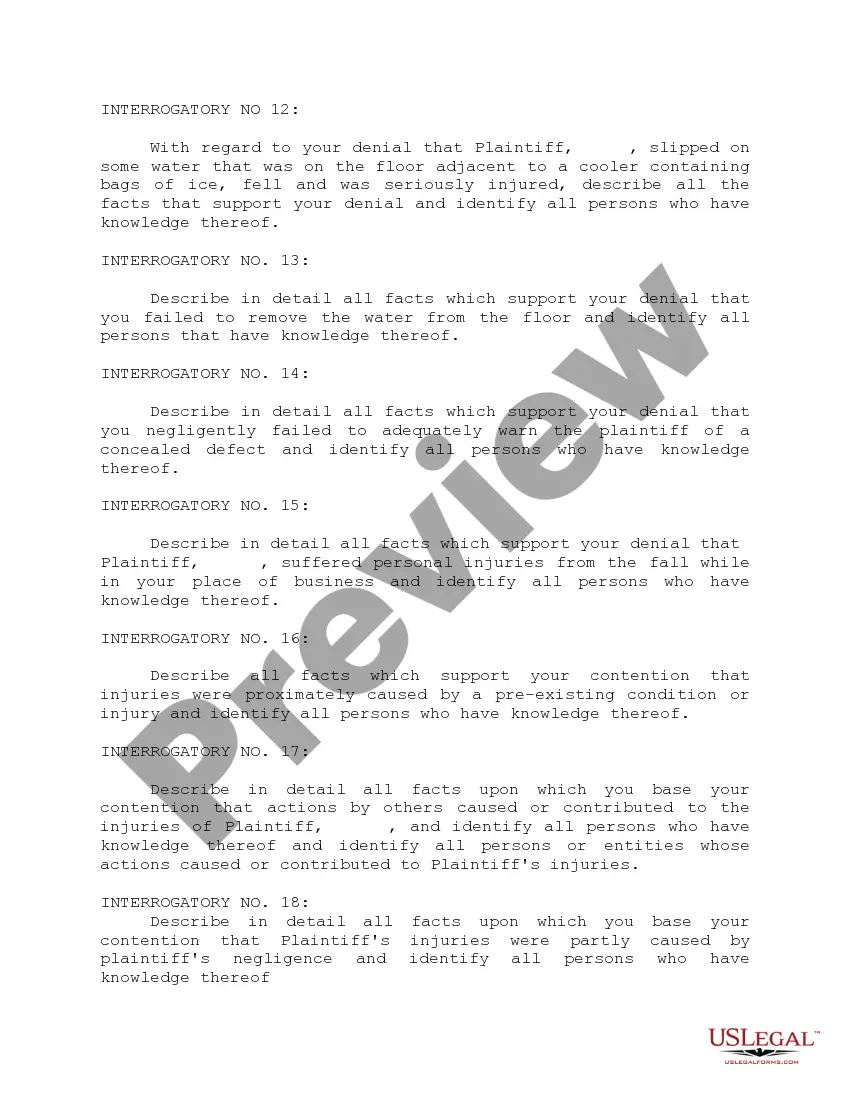
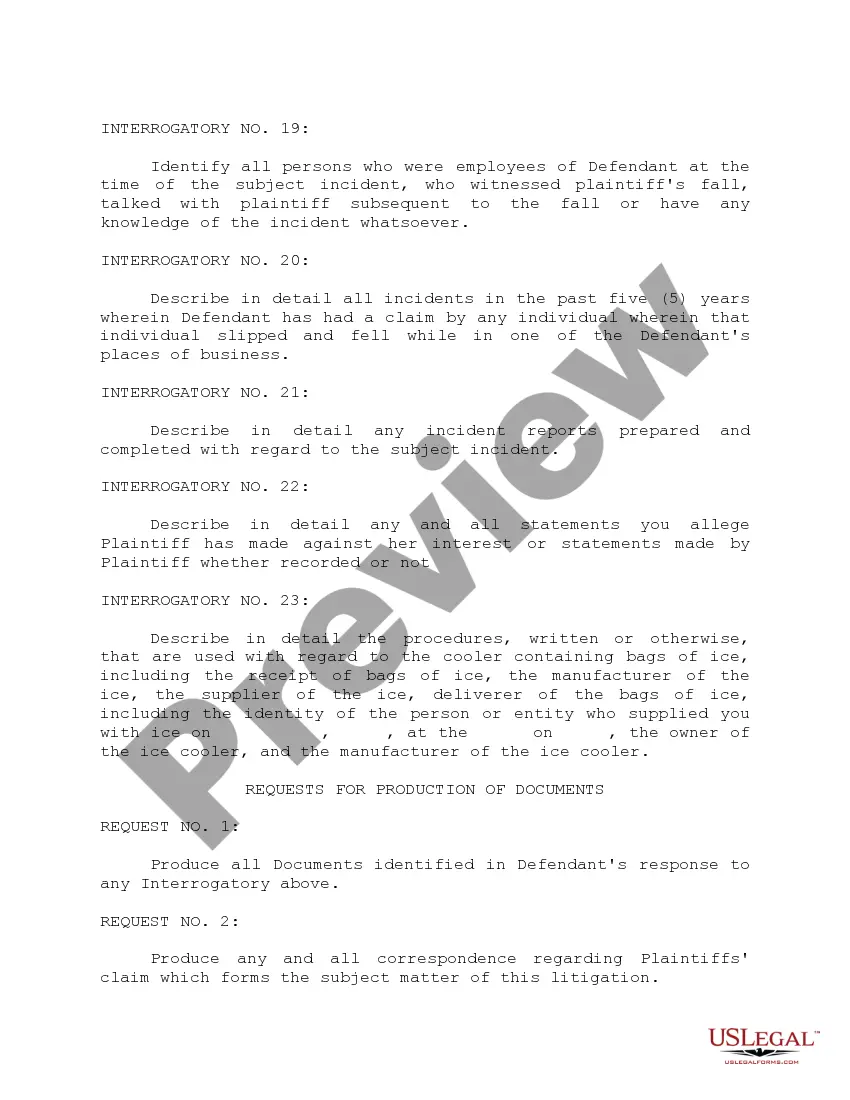


Get your form ready online
Our built-in tools help you complete, sign, share, and store your documents in one place.
Make edits, fill in missing information, and update formatting in US Legal Forms—just like you would in MS Word.
Download a copy, print it, send it by email, or mail it via USPS—whatever works best for your next step.
Sign and collect signatures with our SignNow integration. Send to multiple recipients, set reminders, and more. Go Premium to unlock E-Sign.
If this form requires notarization, complete it online through a secure video call—no need to meet a notary in person or wait for an appointment.
We protect your documents and personal data by following strict security and privacy standards.

Make edits, fill in missing information, and update formatting in US Legal Forms—just like you would in MS Word.

Download a copy, print it, send it by email, or mail it via USPS—whatever works best for your next step.

Sign and collect signatures with our SignNow integration. Send to multiple recipients, set reminders, and more. Go Premium to unlock E-Sign.

If this form requires notarization, complete it online through a secure video call—no need to meet a notary in person or wait for an appointment.

We protect your documents and personal data by following strict security and privacy standards.
Looking for another form?
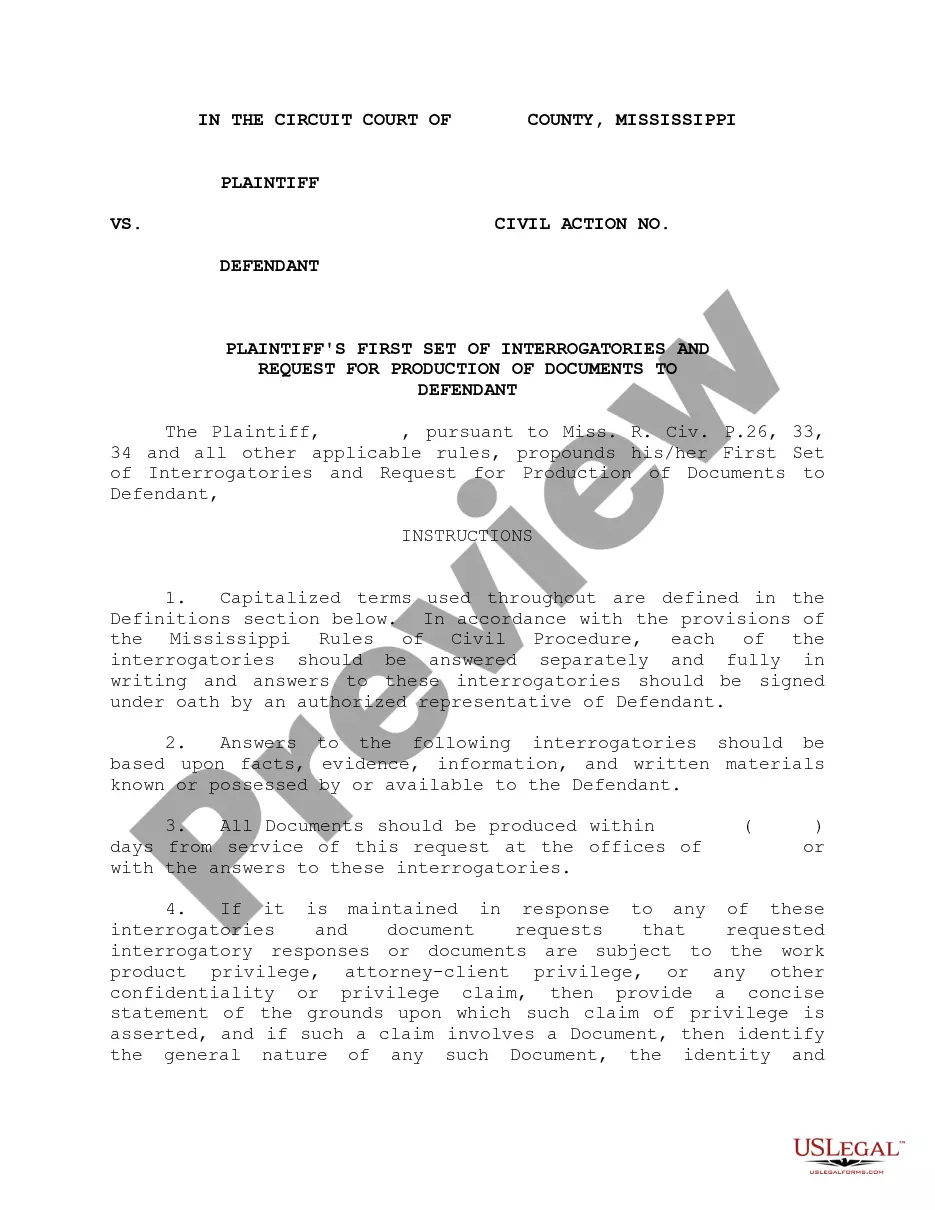
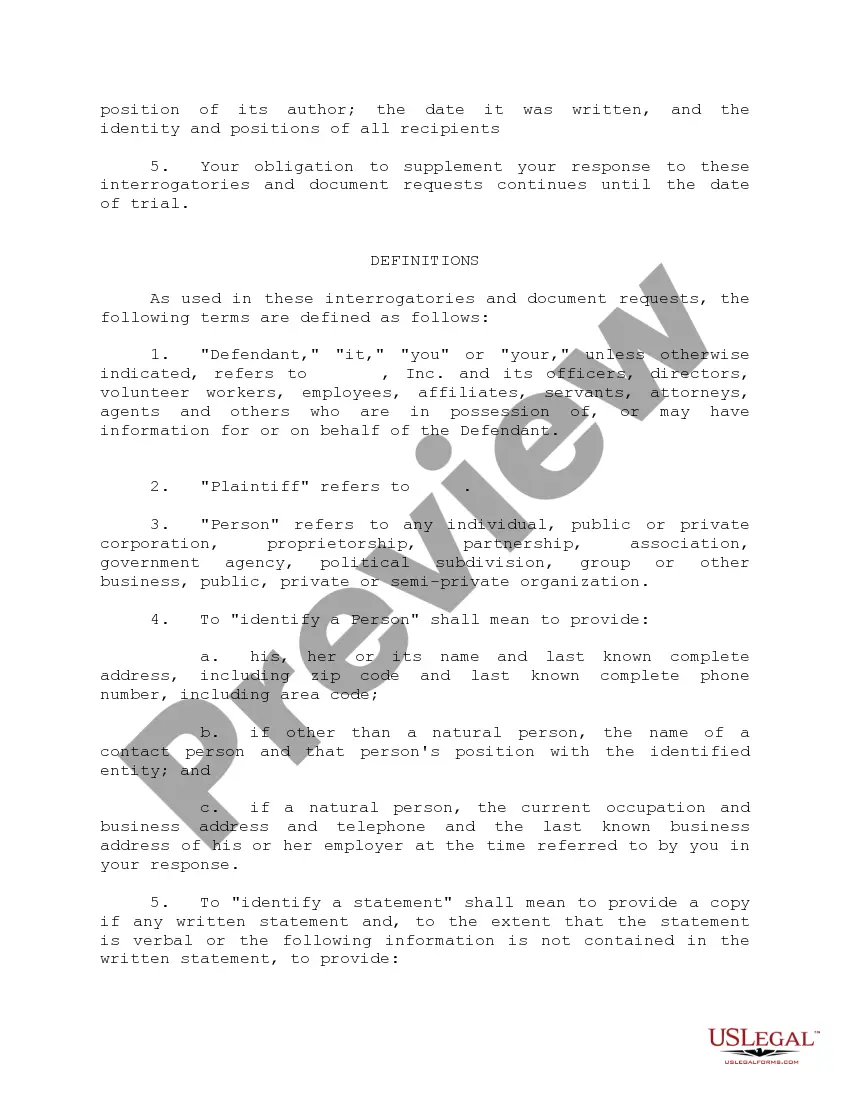
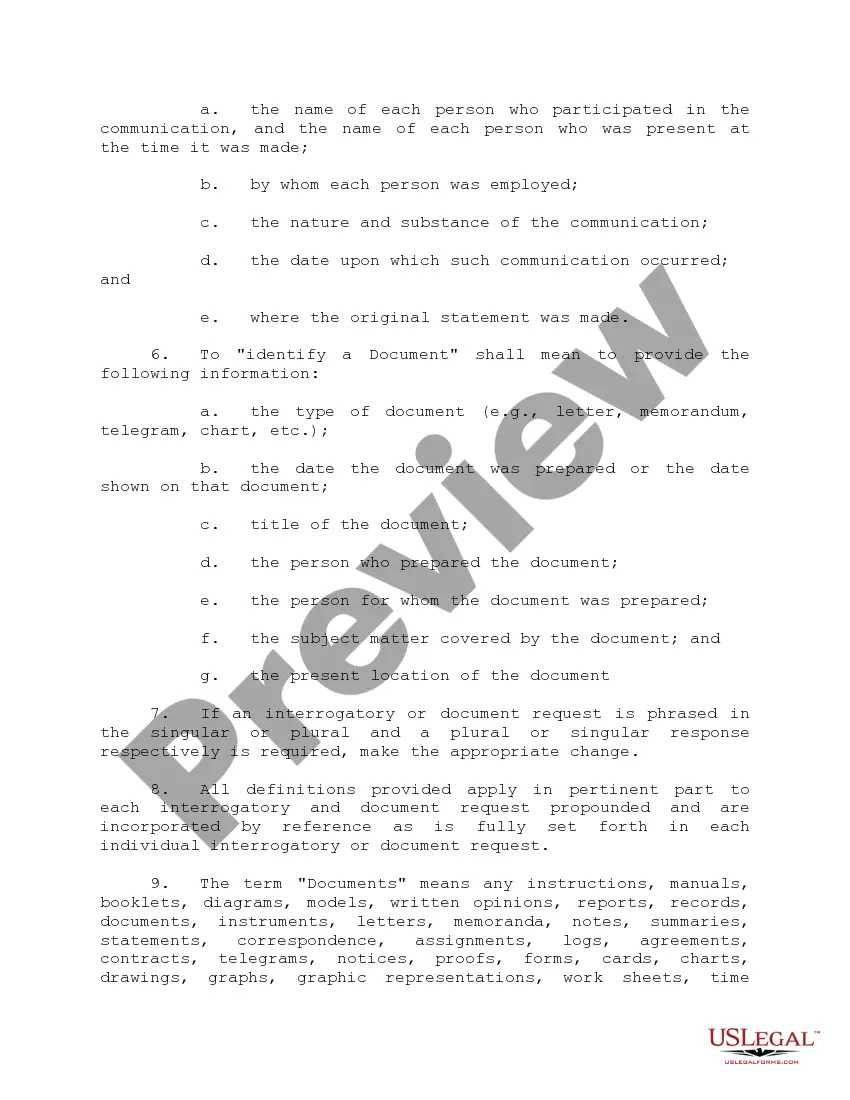
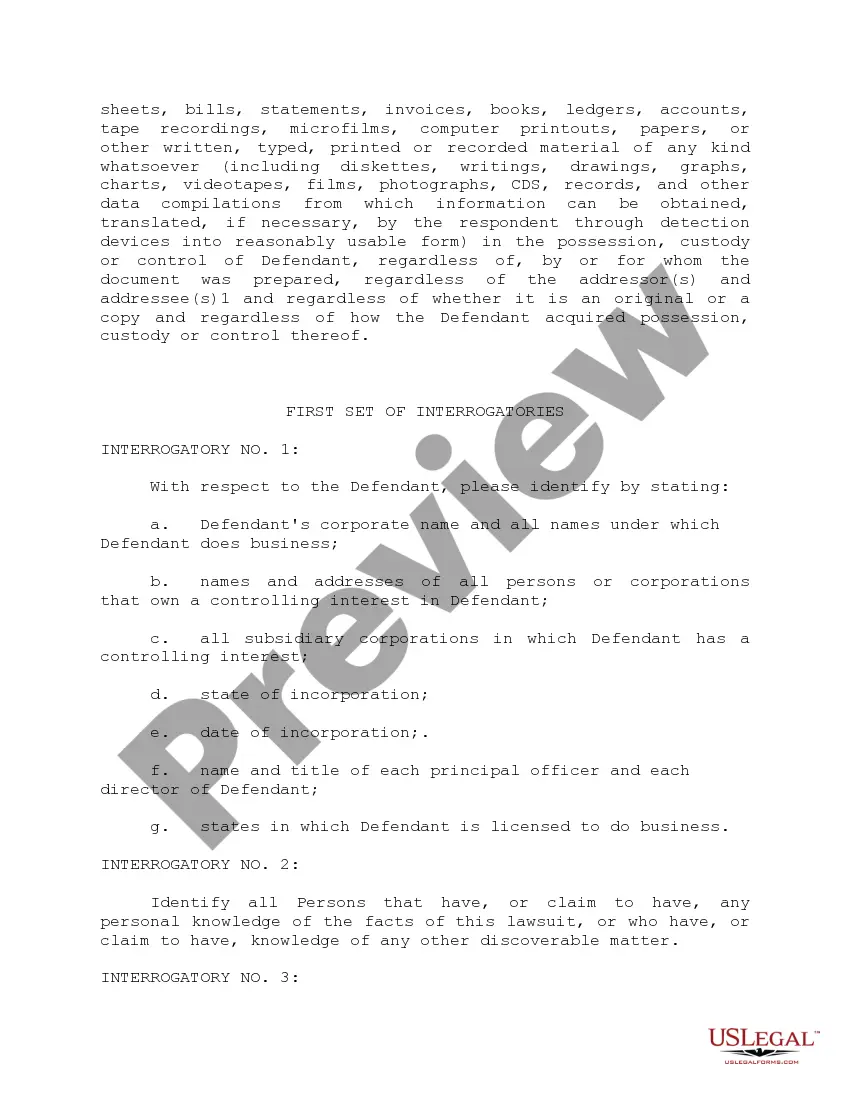
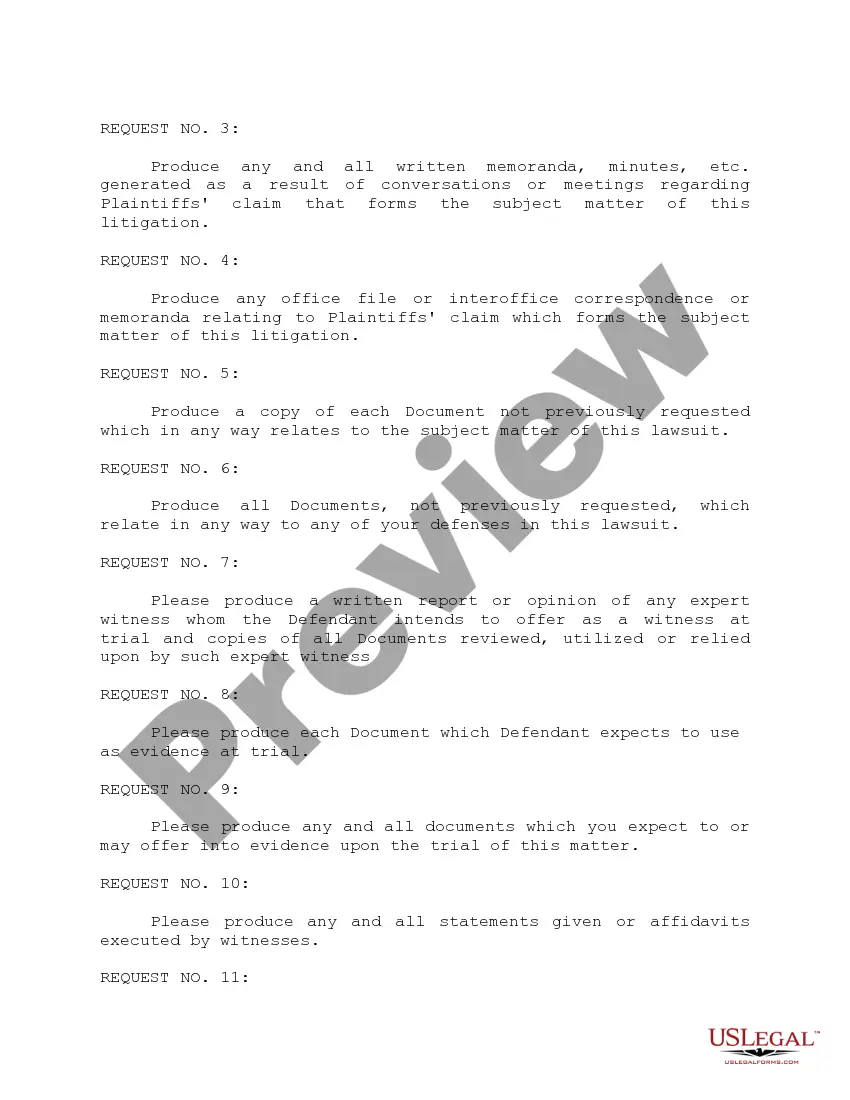
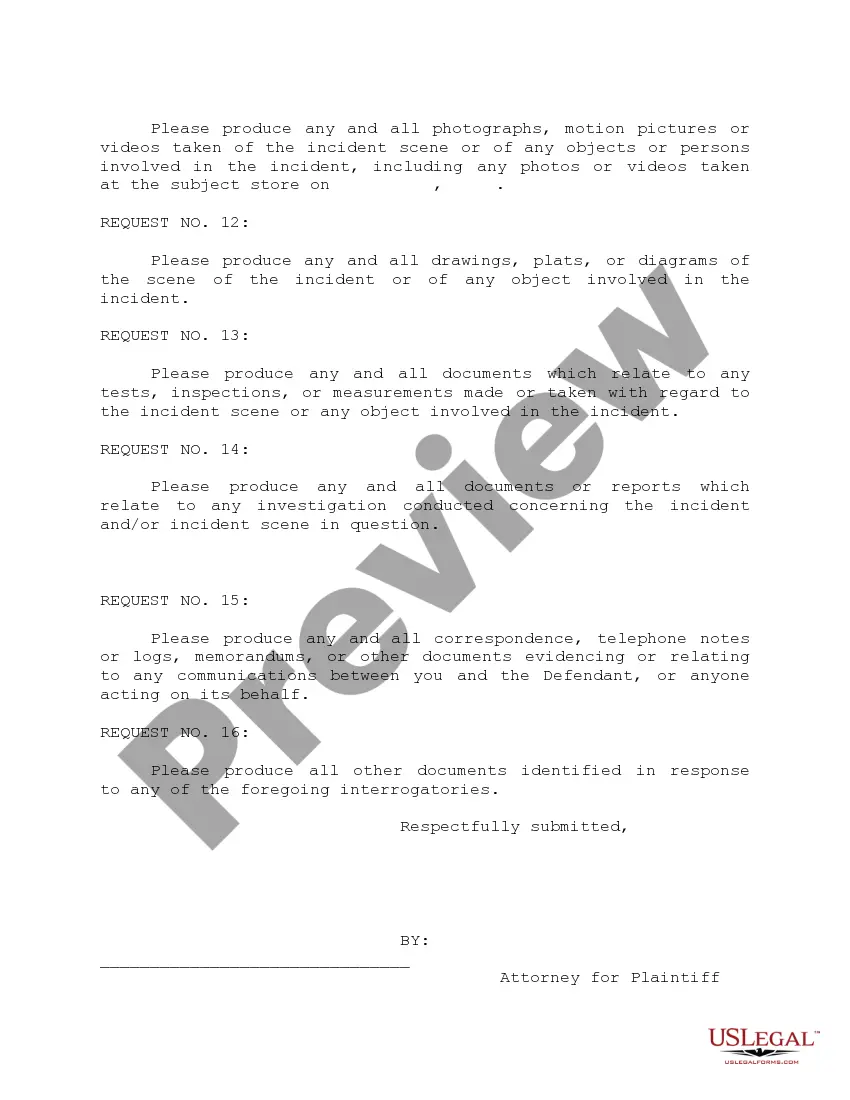
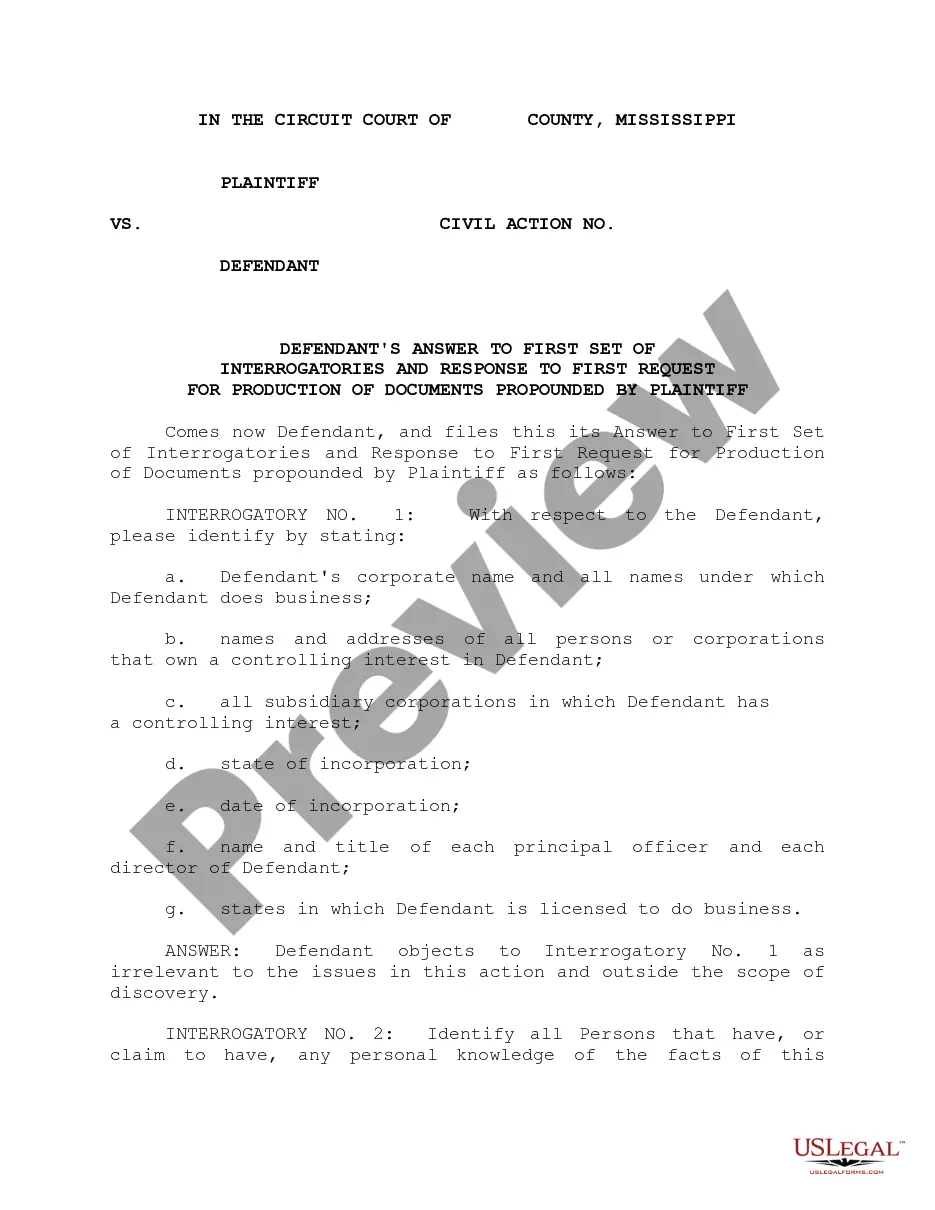
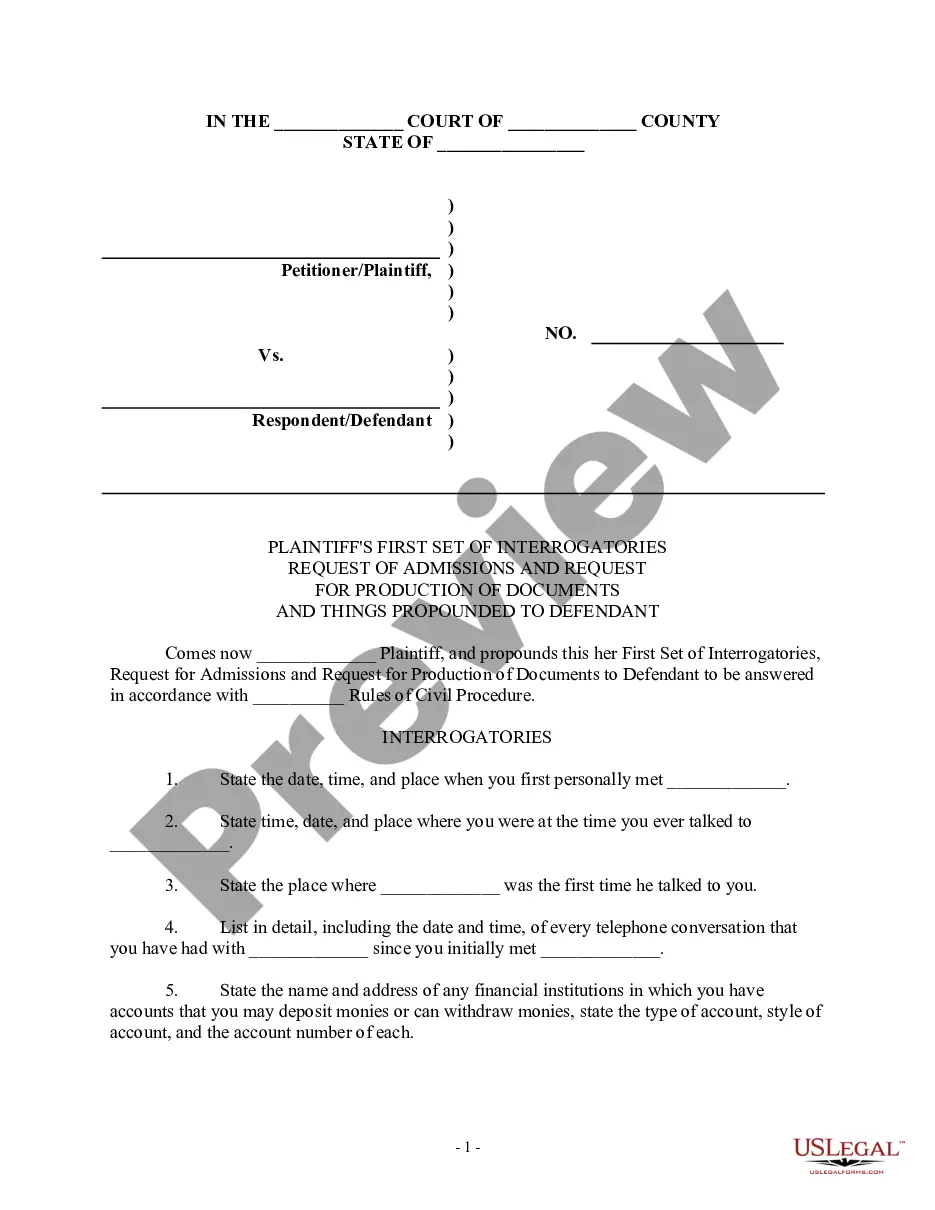
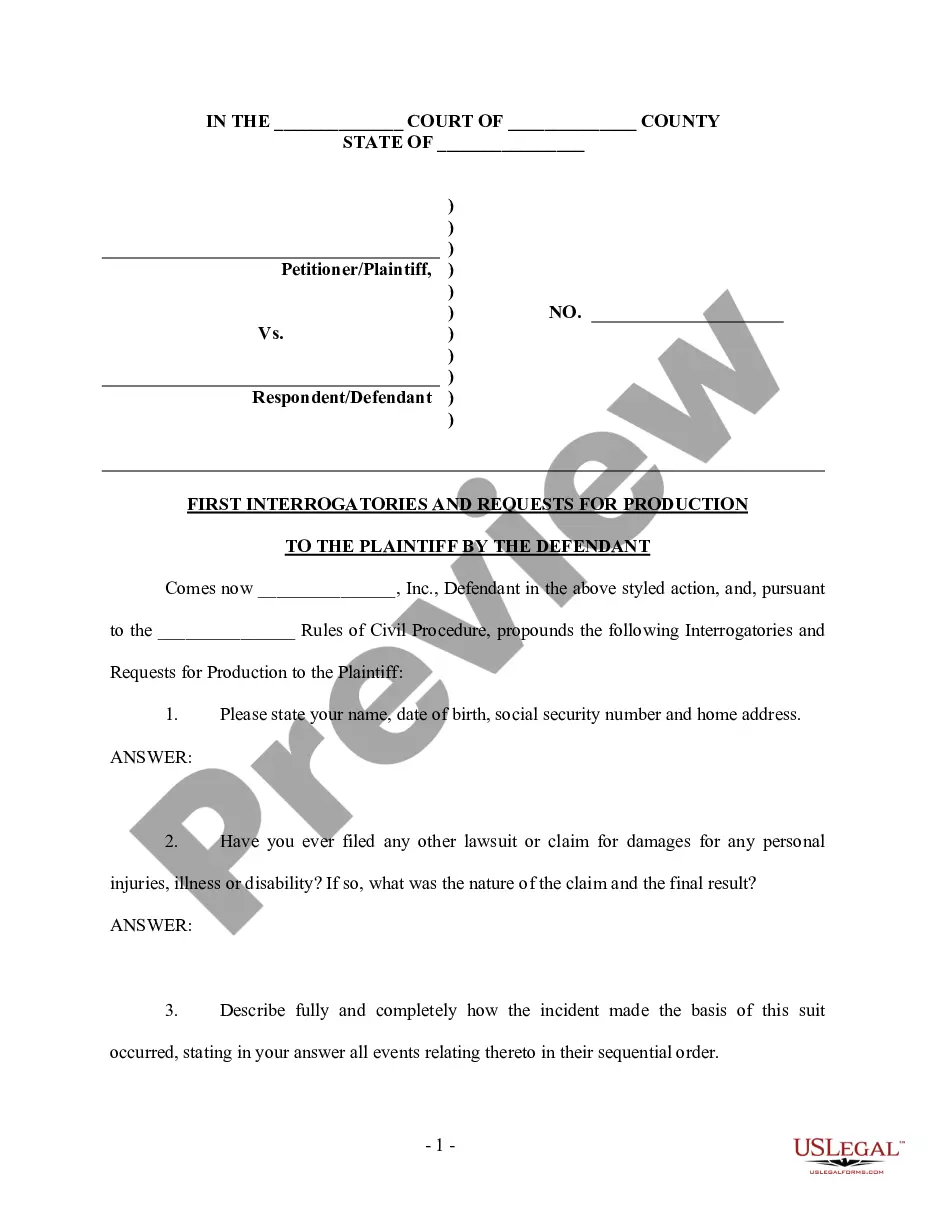
How to fill out Mississippi Plaintiff's First Set Of Interrogatories And Requests For Production Of Documents To Defendant?
It’s clear that you can’t transform into a legal authority overnight, nor can you comprehend how to swiftly prepare Plaintiff Vs Defendant Or Defendant Vs Plaintiff without a specialized background. Crafting legal documents is a lengthy endeavor that necessitates specific training and expertise.
So why not entrust the preparation of the Plaintiff Vs Defendant Or Defendant Vs Plaintiff to the specialists.
With US Legal Forms, one of the largest legal document archives, you can access everything from court paperwork to templates for in-office correspondence. We recognize how vital compliance and adherence to federal and state laws and regulations are.
Set up a free account and choose a subscription plan to buy the template.
Select Buy now. Once the transaction is finalized, you can download the Plaintiff Vs Defendant Or Defendant Vs Plaintiff, fill it out, print it, and send or mail it to the appropriate individuals or organizations.
- That’s why, on our platform, all templates are location-specific and current.
- Here’s commence with our website and obtain the document you need in just a few minutes.
- Locate the document you seek with the search bar at the top of the page.
- View it (if this option is available) and read the accompanying details to ascertain whether Plaintiff Vs Defendant Or Defendant Vs Plaintiff is what you require.
- Initiate your search again if you need any additional form.
Form popularity
FAQ
The correct phrasing depends on the perspective of the case. If you view the situation from the standpoint of the person who filed the lawsuit, it is plaintiff v defendant. However, if you consider it from the defendant's perspective, it is defendant v plaintiff. Clarity in this terminology helps in understanding the dynamics of the case, especially when using resources like USLegalForms for guidance.
Determining whether you are the plaintiff or the defendant depends on your role in the legal case. If you initiate the lawsuit by filing a complaint, you are the plaintiff. Conversely, if you are responding to the lawsuit and defending against the claims made, you are the defendant. Understanding your position in the plaintiff vs defendant scenario is crucial for effectively navigating the legal process.
If you file a lawsuit, you are the plaintiff. This means you are initiating the legal action and asserting your rights against the defendant, who is the party being sued. Knowing whether you are the plaintiff vs defendant helps clarify your position in the case. For those looking to file a lawsuit, USLegalForms offers a variety of resources to guide you through the process.
In a legal case, the plaintiff files first. The plaintiff is the party who brings the lawsuit to court, claiming that they have been wronged and seeking a remedy. Conversely, the defendant is the individual or entity being accused. Understanding the roles of plaintiff vs defendant is crucial for navigating the legal process effectively.
In a court trial, the plaintiff typically presents their case first. This allows the plaintiff to outline their arguments and evidence before the defendant responds. The sequence is crucial in establishing the narrative of the case. Familiarity with the plaintiff vs defendant order can help you better prepare for any legal proceedings.
Winning a defamation case is often considered one of the hardest due to the need to prove falsehood and damages. The burden of proof lies heavily on the plaintiff, making it a challenging endeavor. This complexity highlights the importance of legal expertise in navigating such cases. Understanding the dynamics of plaintiff vs defendant can provide deeper insights into this process.
When writing about 'plaintiff vs defendant,' it's important to maintain clarity and consistency. You should use the full terms when first mentioning them, followed by their abbreviations, 'P' for plaintiff and 'D' for defendant, thereafter. This approach aids in keeping legal documents clear and easy to follow. Tools like US Legal Forms can help you draft these documents correctly.
The format can vary depending on context, but generally, it is 'plaintiff v defendant.' This notation highlights the plaintiff as the party initiating the lawsuit against the defendant. Clarity in terminology helps ensure understanding of the legal roles in a case. When discussing cases, using the correct order reflects the legal framework accurately.
In civil court, the term 'defendant' refers to the individual or party being accused or sued. This person is responsible for responding to the claims made by the plaintiff. It is important to understand the roles in a lawsuit, as the defendant must prepare a defense against the plaintiff's allegations. Knowing this distinction between the plaintiff and defendant is crucial in legal proceedings.