Appeal Letter Sample For College
Description

Get your form ready online
Our built-in tools help you complete, sign, share, and store your documents in one place.
Make edits, fill in missing information, and update formatting in US Legal Forms—just like you would in MS Word.
Download a copy, print it, send it by email, or mail it via USPS—whatever works best for your next step.
Sign and collect signatures with our SignNow integration. Send to multiple recipients, set reminders, and more. Go Premium to unlock E-Sign.
If this form requires notarization, complete it online through a secure video call—no need to meet a notary in person or wait for an appointment.
We protect your documents and personal data by following strict security and privacy standards.

Make edits, fill in missing information, and update formatting in US Legal Forms—just like you would in MS Word.

Download a copy, print it, send it by email, or mail it via USPS—whatever works best for your next step.

Sign and collect signatures with our SignNow integration. Send to multiple recipients, set reminders, and more. Go Premium to unlock E-Sign.

If this form requires notarization, complete it online through a secure video call—no need to meet a notary in person or wait for an appointment.

We protect your documents and personal data by following strict security and privacy standards.
Looking for another form?

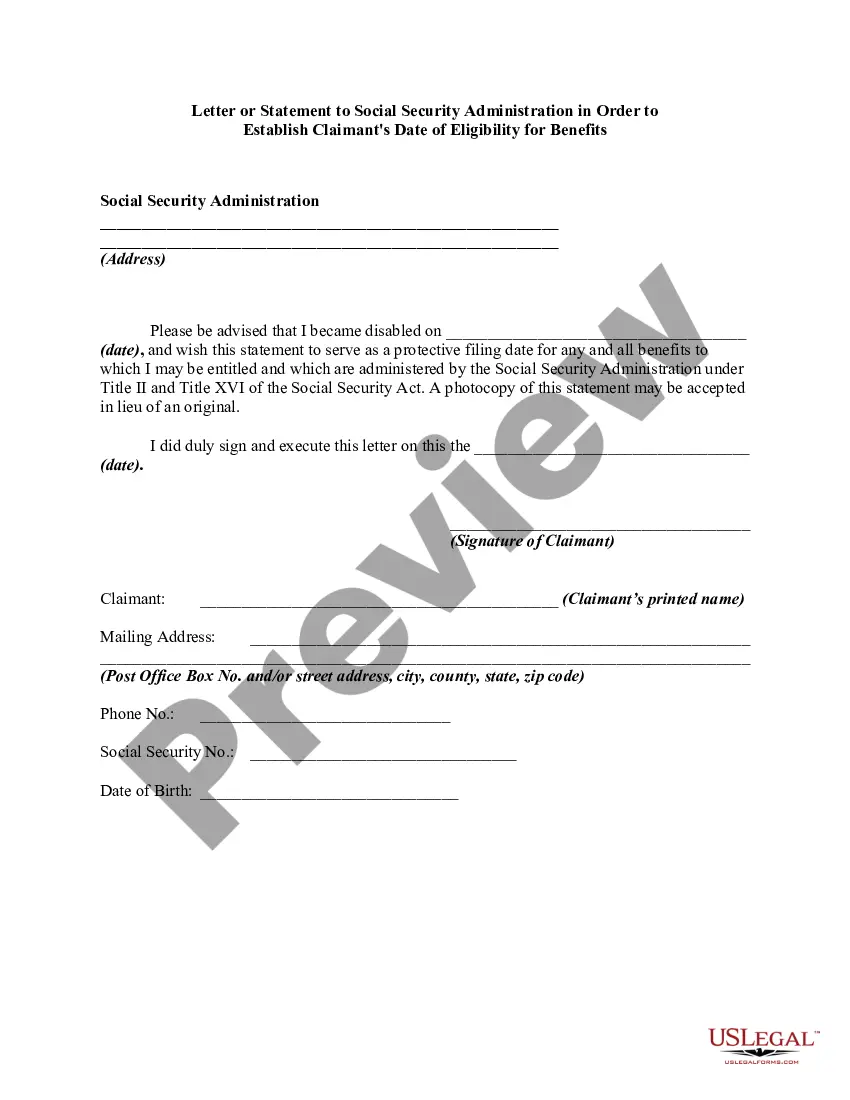





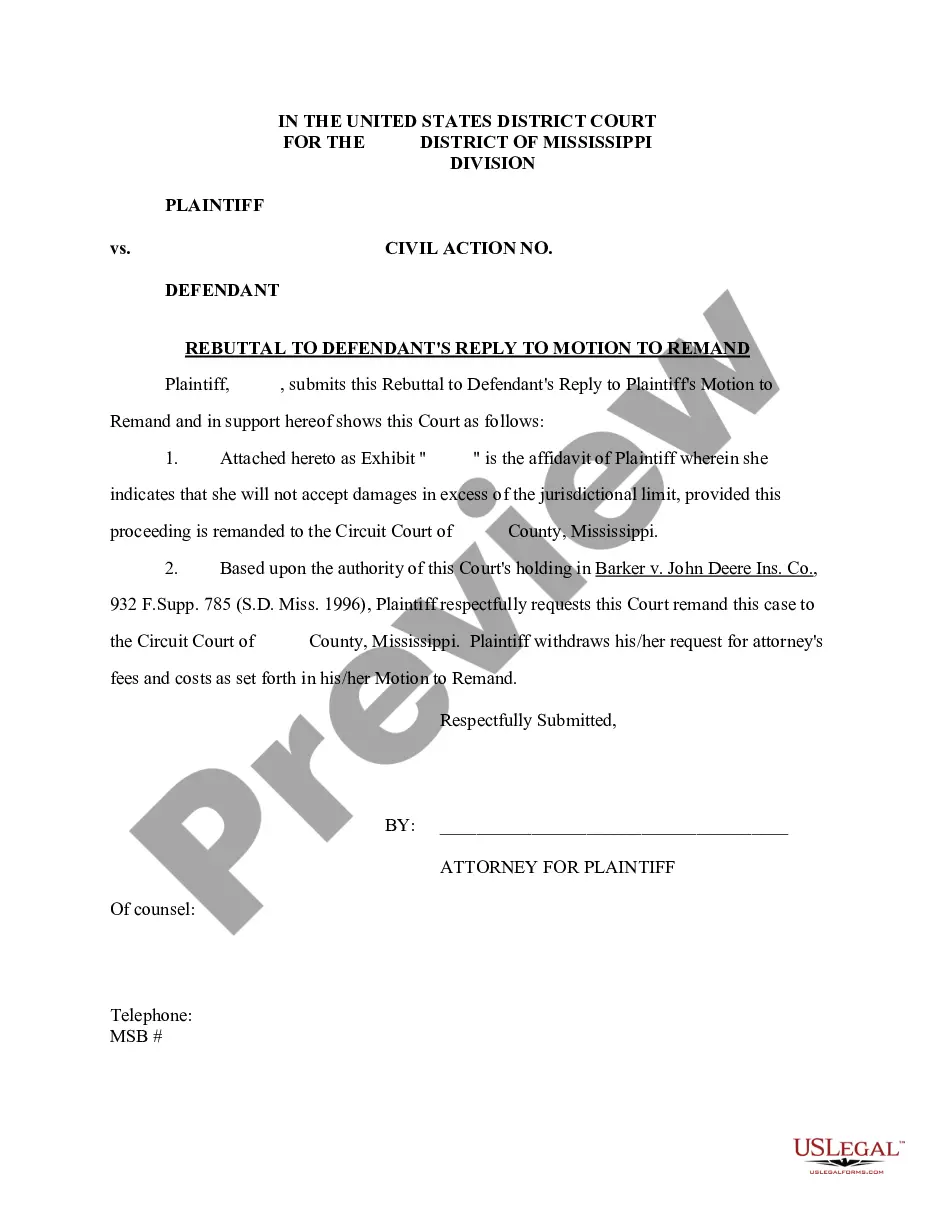
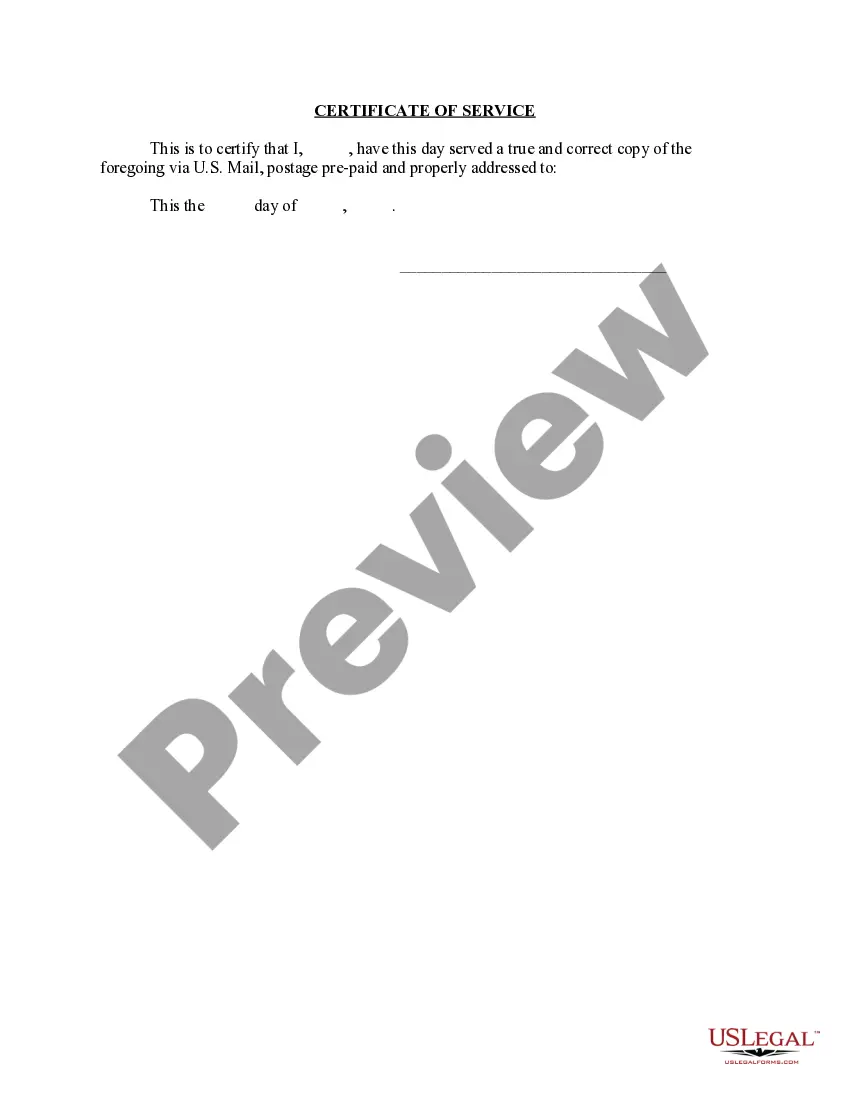
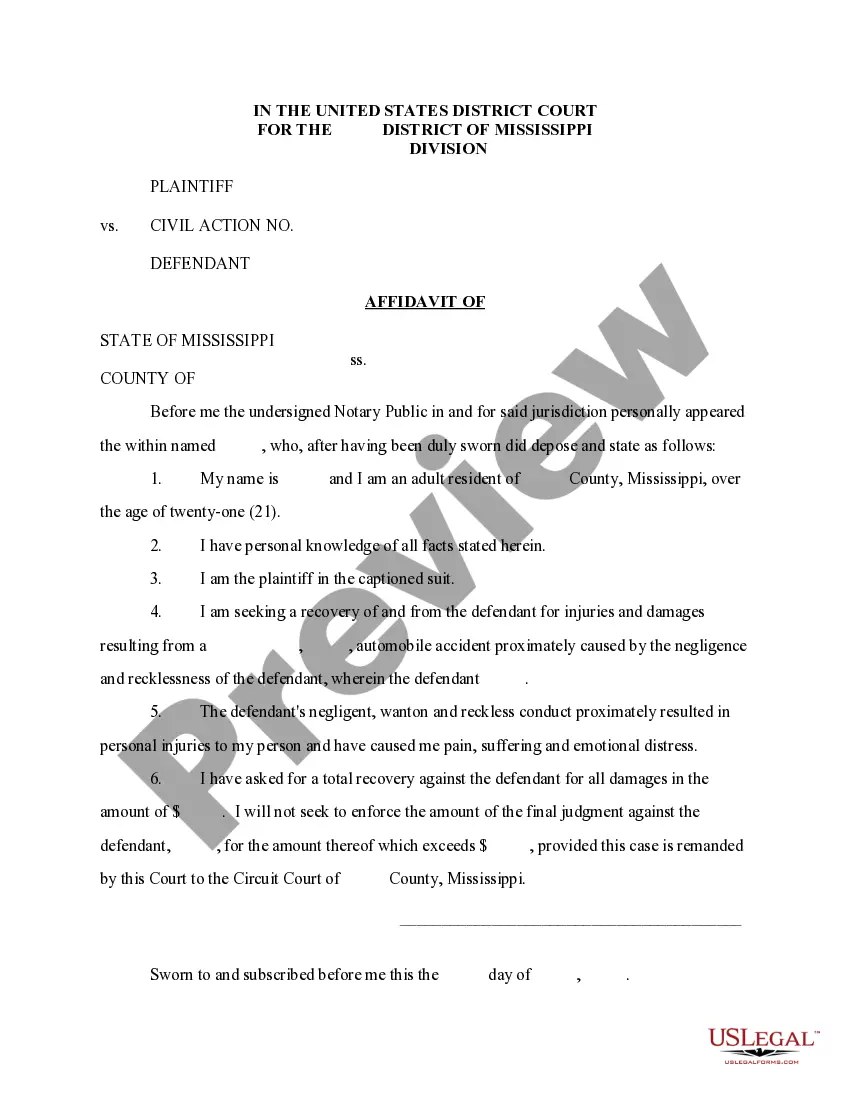
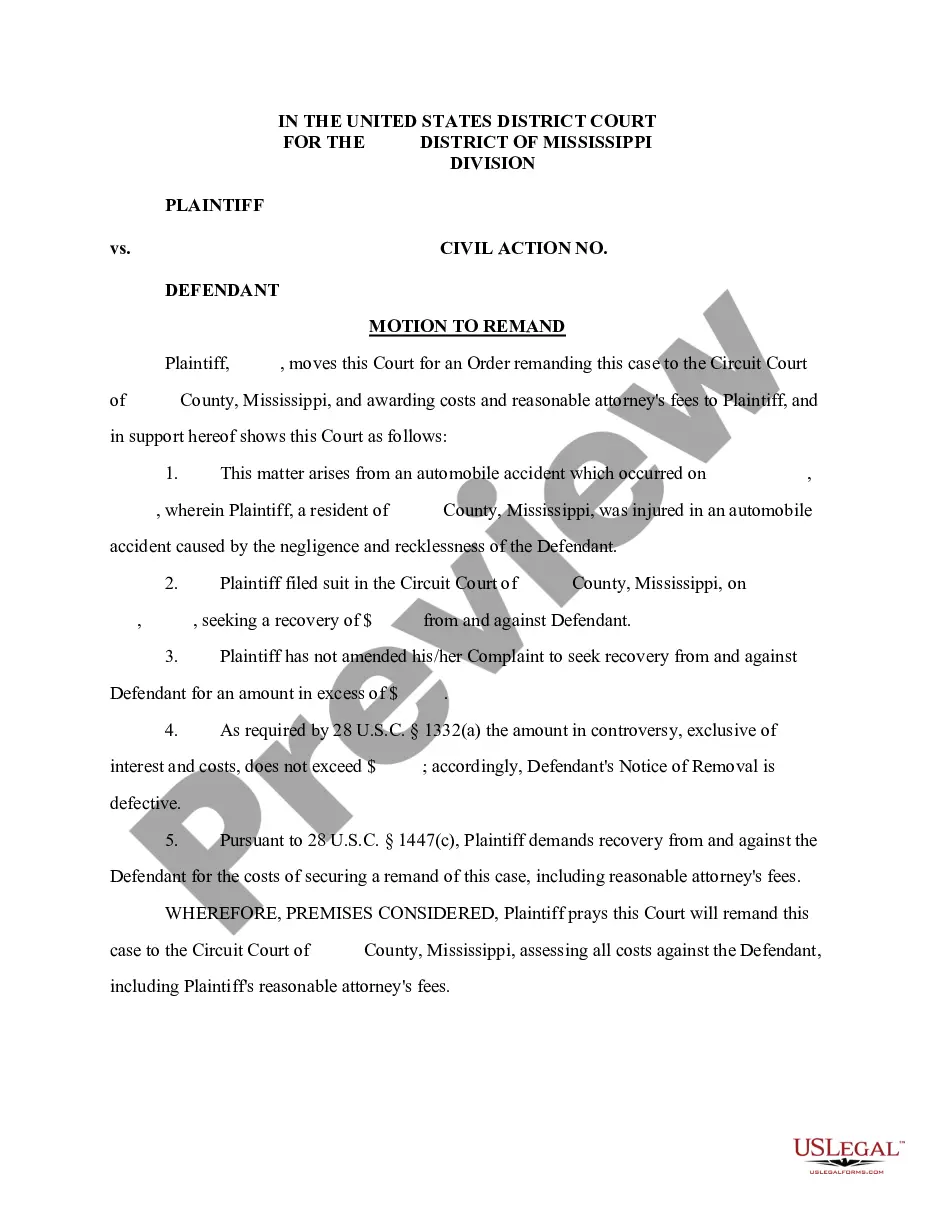
How to fill out Mississippi Rebuttal To Defendant's Reply To Motion To Remand?
It’s clear that you cannot become a legal expert instantly, nor can you understand how to swiftly create an Appeal Letter Sample For College without possessing a specialized background.
Compiling legal documents is a lengthy procedure that necessitates specific education and abilities. So why not entrust the crafting of the Appeal Letter Sample For College to the professionals.
With US Legal Forms, one of the most extensive legal template libraries, you can discover everything from court papers to templates for internal communication.
You can access your documents from the My documents tab anytime. If you’re a current customer, you can simply Log In, and find and download the template from the same tab.
Regardless of the intent of your forms—whether they are financial, legal, or personal—our platform has you covered. Try US Legal Forms today!
- Locate the document you require using the search bar at the top of the page.
- View it (if this option is available) and read the accompanying description to determine if the Appeal Letter Sample For College is what you seek.
- Restart your search if you need a different template.
- Sign up for a free account and select a subscription plan to purchase the form.
- Click Buy now. Once the payment is finalized, you can obtain the Appeal Letter Sample For College, complete it, print it, and send or mail it to the relevant individuals or organizations.
Form popularity
FAQ
Features of a Successful Appeal Letter Address your letter to your admissions representative. Present a legitimate reason for appealing. Be respectful and positive, not angry or whiny. Keep your letter brief and to the point.
Tone. Your appeal letter should be treated as a formal or business letter, with a less conversational tone. You can still be friendly, but don't use slang or other casual types of language that you would only use around your close friends and family. Be direct and clear in why you're appealing their decision.
Writing an Effective Appeal Letter Don't rush. Far too often students do not take the time to write a proper appeal. ... Opening statement. ... Be factual. ... Be specific. ... Documentation. ... Stick to the point. ... Do not try to manipulate the reader. ... How to talk about feelings.
Content and Tone Opening Statement. The first sentence or two should state the purpose of the letter clearly. ... Be Factual. Include factual detail but avoid dramatizing the situation. ... Be Specific. ... Documentation. ... Stick to the Point. ... Do Not Try to Manipulate the Reader. ... How to Talk About Feelings. ... Be Brief.
Valid reasons for an appeal include: medical emergencies. severe health issues. severe personal or family problems. financial or personal catastrophe. return for a second degree or certificate.