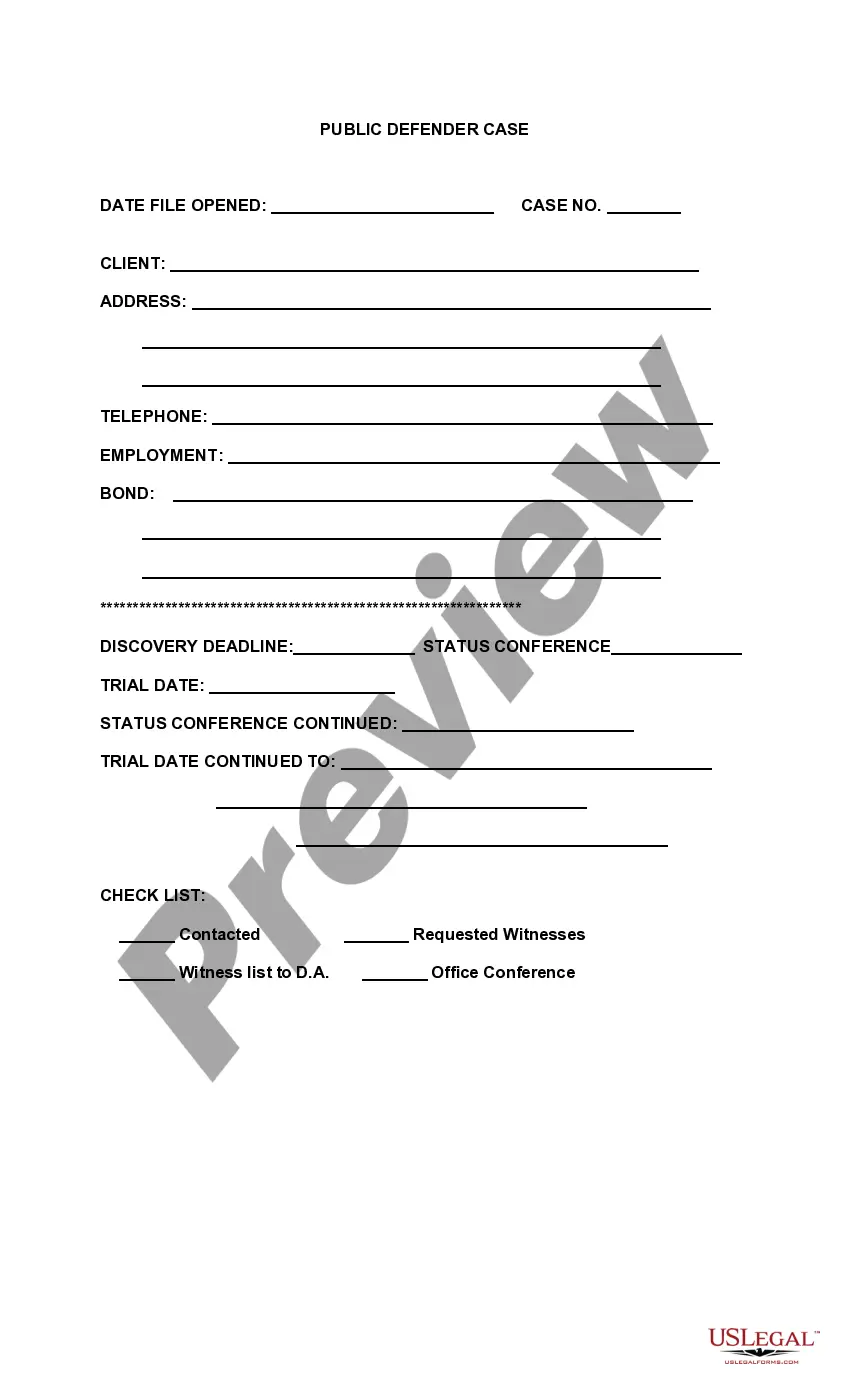
Public Defender For Family Court
Description
Get your form ready online
Our built-in tools help you complete, sign, share, and store your documents in one place.
Make edits, fill in missing information, and update formatting in US Legal Forms—just like you would in MS Word.
Download a copy, print it, send it by email, or mail it via USPS—whatever works best for your next step.
Sign and collect signatures with our SignNow integration. Send to multiple recipients, set reminders, and more. Go Premium to unlock E-Sign.
If this form requires notarization, complete it online through a secure video call—no need to meet a notary in person or wait for an appointment.
We protect your documents and personal data by following strict security and privacy standards.

Make edits, fill in missing information, and update formatting in US Legal Forms—just like you would in MS Word.

Download a copy, print it, send it by email, or mail it via USPS—whatever works best for your next step.

Sign and collect signatures with our SignNow integration. Send to multiple recipients, set reminders, and more. Go Premium to unlock E-Sign.

If this form requires notarization, complete it online through a secure video call—no need to meet a notary in person or wait for an appointment.

We protect your documents and personal data by following strict security and privacy standards.
Looking for another form?

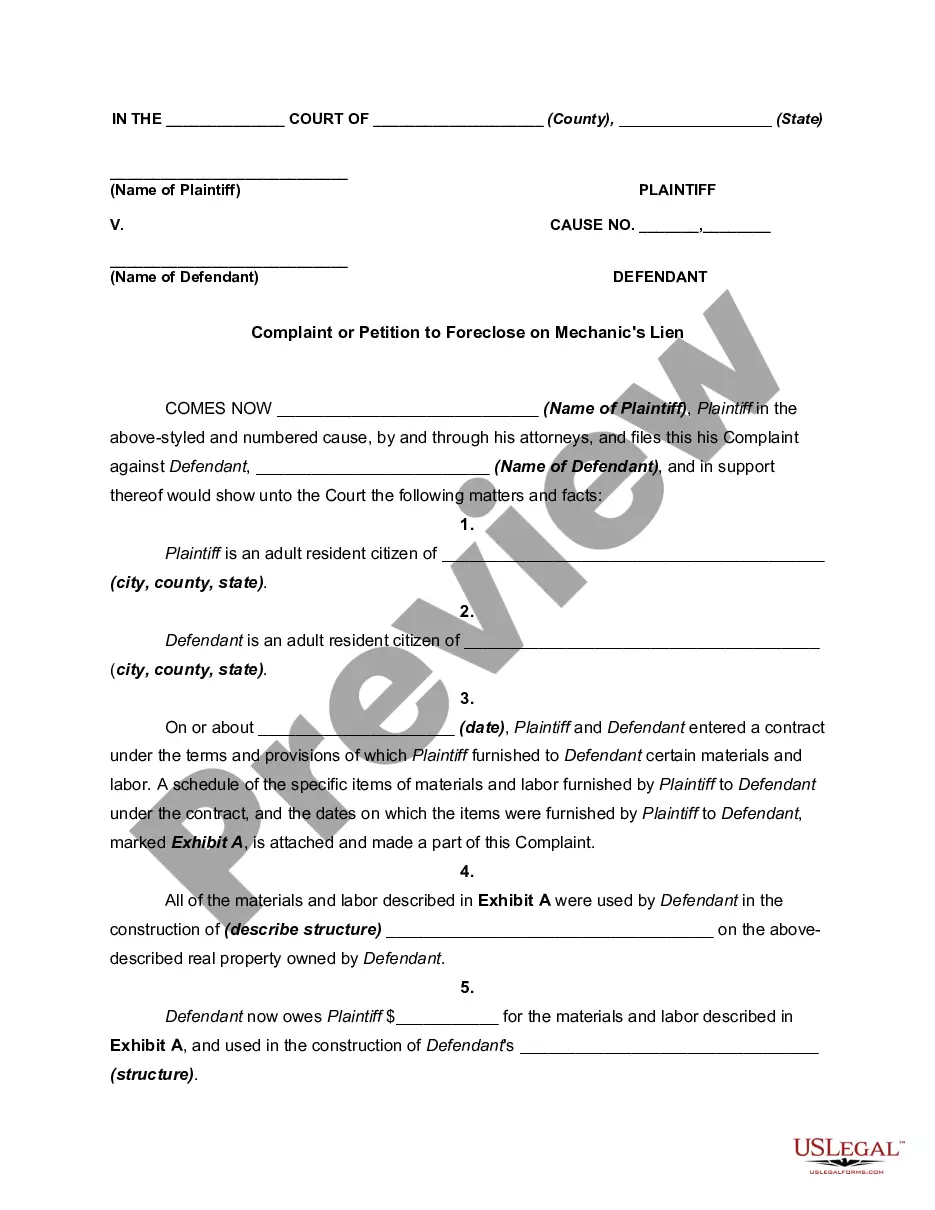

How to fill out Mississippi Public Defender Case?
- If you are a returning user, log in and access your account to download your necessary form template. Ensure your subscription is active; otherwise, renew it as per your plan.
- For new users, begin by previewing the available forms to confirm you have selected the correct document that aligns with your jurisdiction's requirements.
- If your document doesn't fit your needs, utilize the search feature to explore additional options and select the appropriate form that fits your situation.
- Proceed to purchase your chosen document by clicking the Buy Now button and selecting a subscription plan that suits your needs. You will need to create an account to gain full access to the library.
- Complete your purchase by entering your credit card information or using your PayPal account to finalize the subscription.
- After your transaction, download the form onto your device for completion. You can access it anytime in the My Forms section of your profile.
By utilizing US Legal Forms, you gain immediate access to an abundant array of legal resources that empower you to efficiently manage your family court requirements.
Don’t wait—explore US Legal Forms today and streamline your journey through family court with the right documentation at your fingertips!
Form popularity
FAQ
You may not qualify for a public defender for family court if your income exceeds a certain threshold set by the state. Additionally, cases that involve non-criminal matters, such as certain civil disputes, may not be eligible for public defense. It's crucial to check your state's specific guidelines, as these can help clarify eligibility requirements. If you find you do not qualify, exploring resources like US Legal Forms can provide alternative legal support.
While specific win rates for public defenders can vary significantly, many reports suggest that public defenders for family court achieve favorable outcomes in a substantial number of cases. Factors like the complexity of the case, the quality of evidence, and courtroom dynamics play a role in these outcomes. It's important to remember that a successful resolution often depends on cooperation between clients and their legal teams. Engaging with a public defender increases the chances of achieving a better result.
Individuals facing family court proceedings without financial means often benefit most from a public defender for family court. These defenders provide legal representation to those who cannot afford private attorneys, ensuring that everyone has access to justice. Families dealing with issues such as custody, divorce, and support rely on public defenders for effective guidance and advocacy. It's essential for individuals to understand their rights and navigate the complexities of family law.
Public defenders are effective lawyers who can navigate the complexities of family court law. They are dedicated to defending the rights of individuals who cannot afford private counsel. While they may face challenges such as heavy caseloads, many public defenders are passionate about achieving positive results for their clients.
The percentage of cases won by public defenders can vary widely based on the case type and jurisdiction. Generally, many public defenders achieve favorable outcomes for their clients, particularly in family court scenarios. Ultimately, the effectiveness of a public defender often depends on the unique circumstances of each case.
The odds of winning with a public defender for family court largely depend on the facts of the case and the dedication of the attorney. While public defenders handle a high volume of cases, they strive to provide the best possible representation. Your cooperation and the strength of your case are crucial factors.
Many individuals have won their cases with the help of a public defender for family court. While experiences may vary, these defenders are trained professionals who work hard to protect their clients' rights. Success depends on the specifics of each case, but public defenders can be effective advocates.
Yes, public defenders do handle family court cases, especially when it comes to issues like child custody, divorce, and domestic violence. They provide legal representation for individuals who cannot afford private attorneys. If you're navigating family law, a public defender can be a valuable resource.
A public defender may be denied if there is a conflict of interest, if the case does not qualify for public representation, or if the individual has the financial means to hire private counsel. In family court, it is essential to demonstrate your need for a public defender. If you face complicated legal issues, consider seeking guidance on eligibility.
When speaking with your public defender for family court, be honest and open about your situation. Share all relevant details about your case, including any concerns or questions you may have. This information will help your public defender understand your needs and advocate effectively on your behalf. Remember, clear communication is vital for building a strong defense in family court.