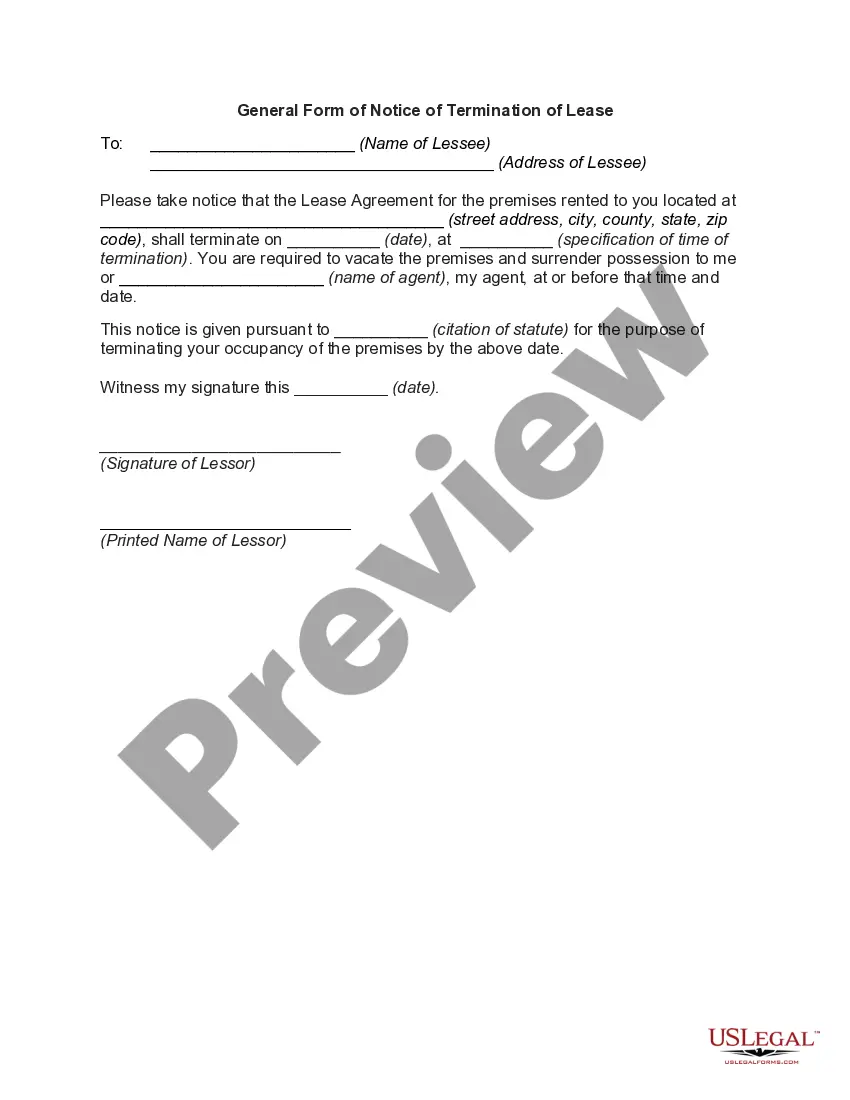
Eviction Notice Format
Description


Get your form ready online
Our built-in tools help you complete, sign, share, and store your documents in one place.
Make edits, fill in missing information, and update formatting in US Legal Forms—just like you would in MS Word.
Download a copy, print it, send it by email, or mail it via USPS—whatever works best for your next step.
Sign and collect signatures with our SignNow integration. Send to multiple recipients, set reminders, and more. Go Premium to unlock E-Sign.
If this form requires notarization, complete it online through a secure video call—no need to meet a notary in person or wait for an appointment.
We protect your documents and personal data by following strict security and privacy standards.

Make edits, fill in missing information, and update formatting in US Legal Forms—just like you would in MS Word.

Download a copy, print it, send it by email, or mail it via USPS—whatever works best for your next step.

Sign and collect signatures with our SignNow integration. Send to multiple recipients, set reminders, and more. Go Premium to unlock E-Sign.

If this form requires notarization, complete it online through a secure video call—no need to meet a notary in person or wait for an appointment.

We protect your documents and personal data by following strict security and privacy standards.
Looking for another form?
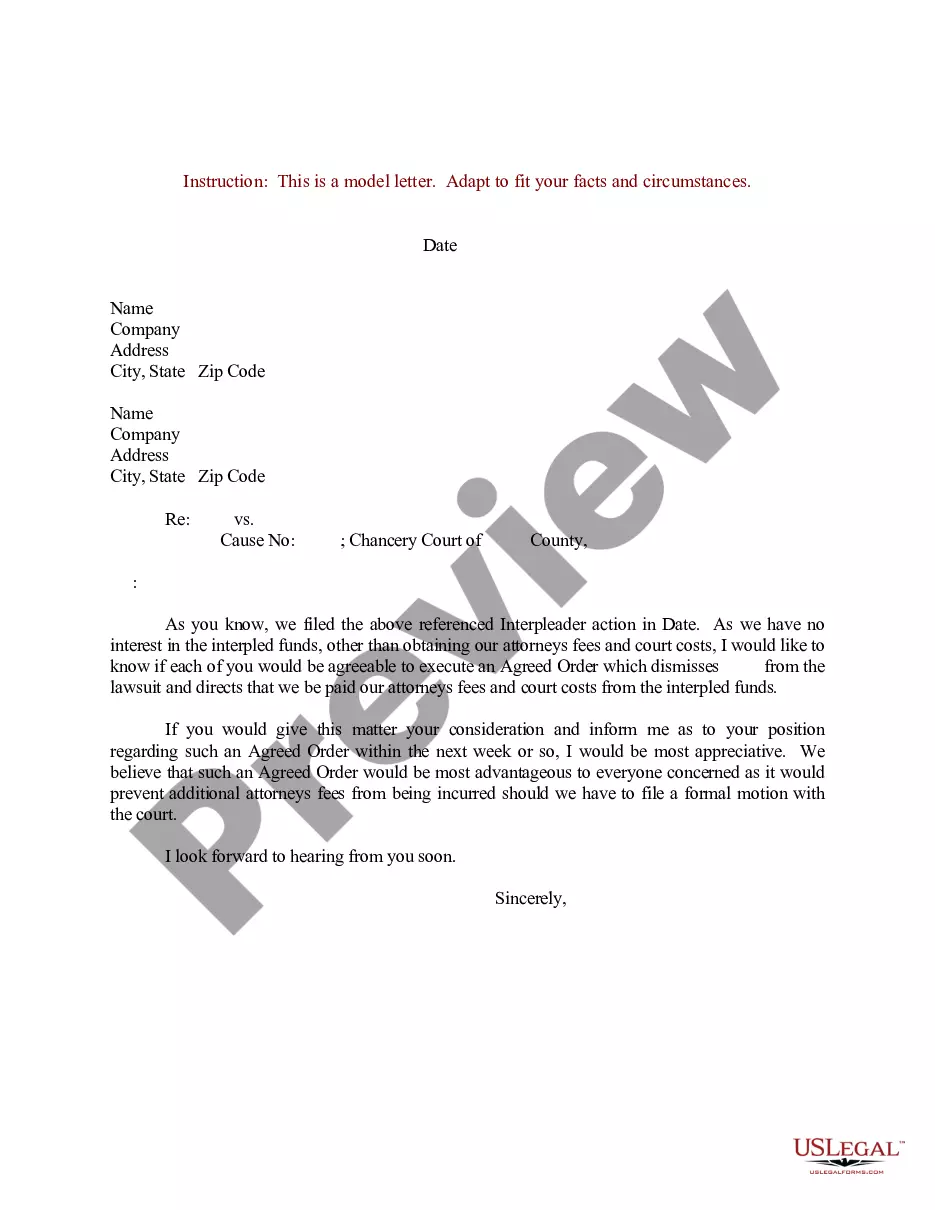
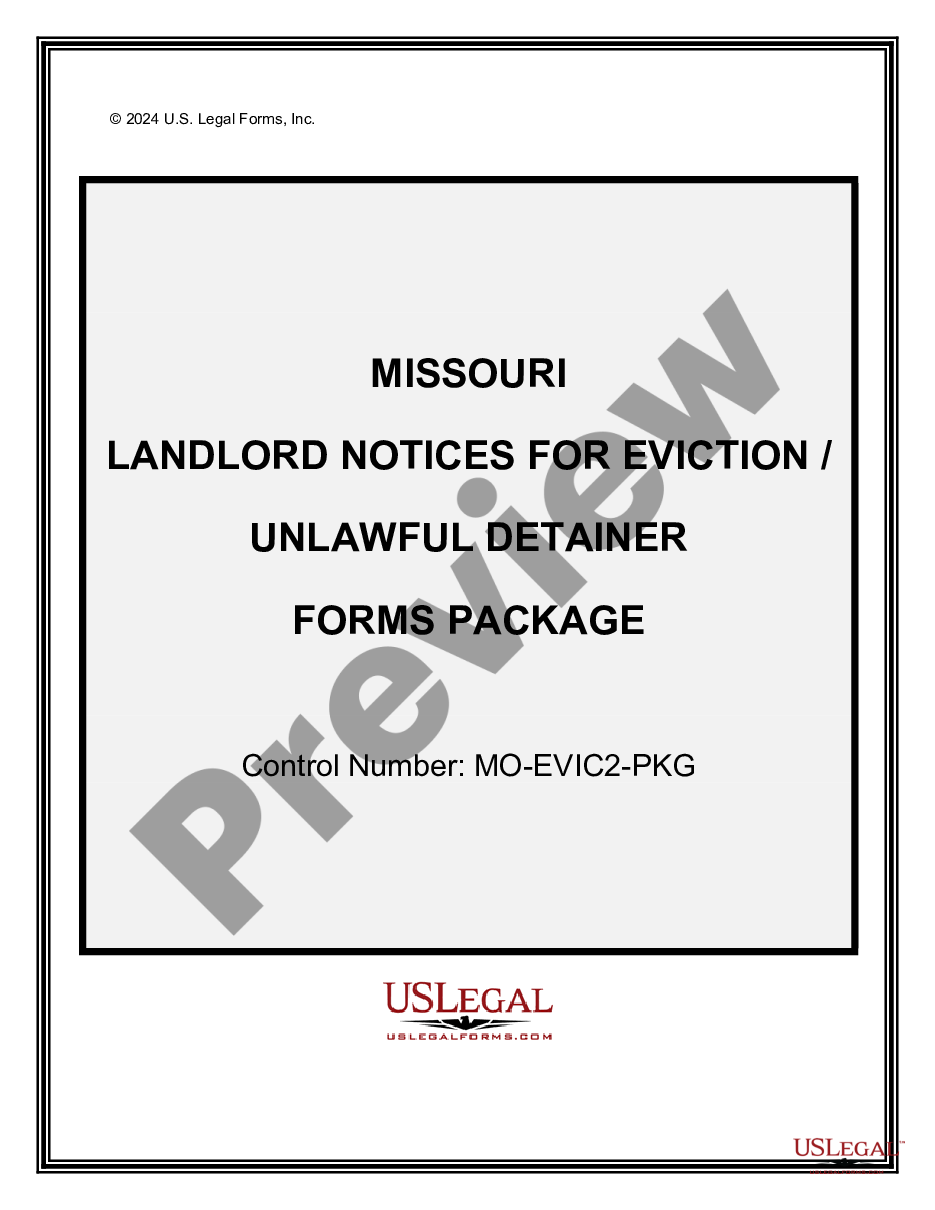
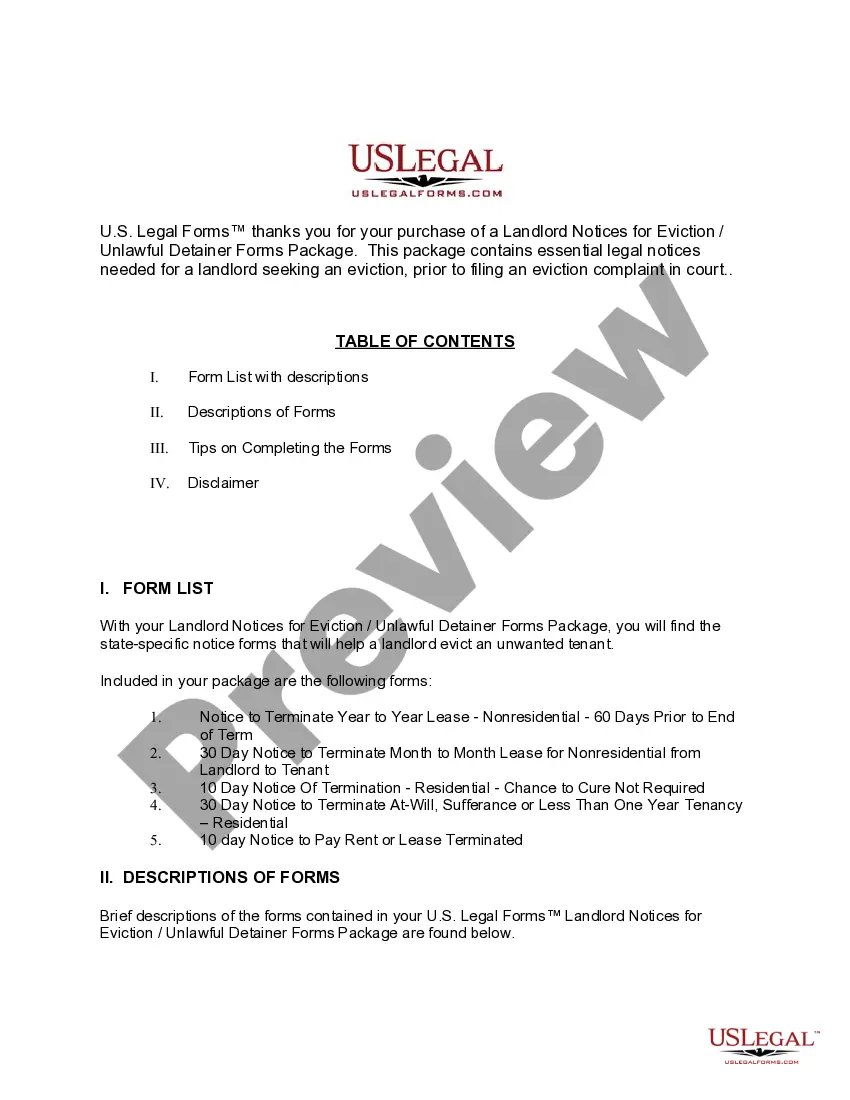
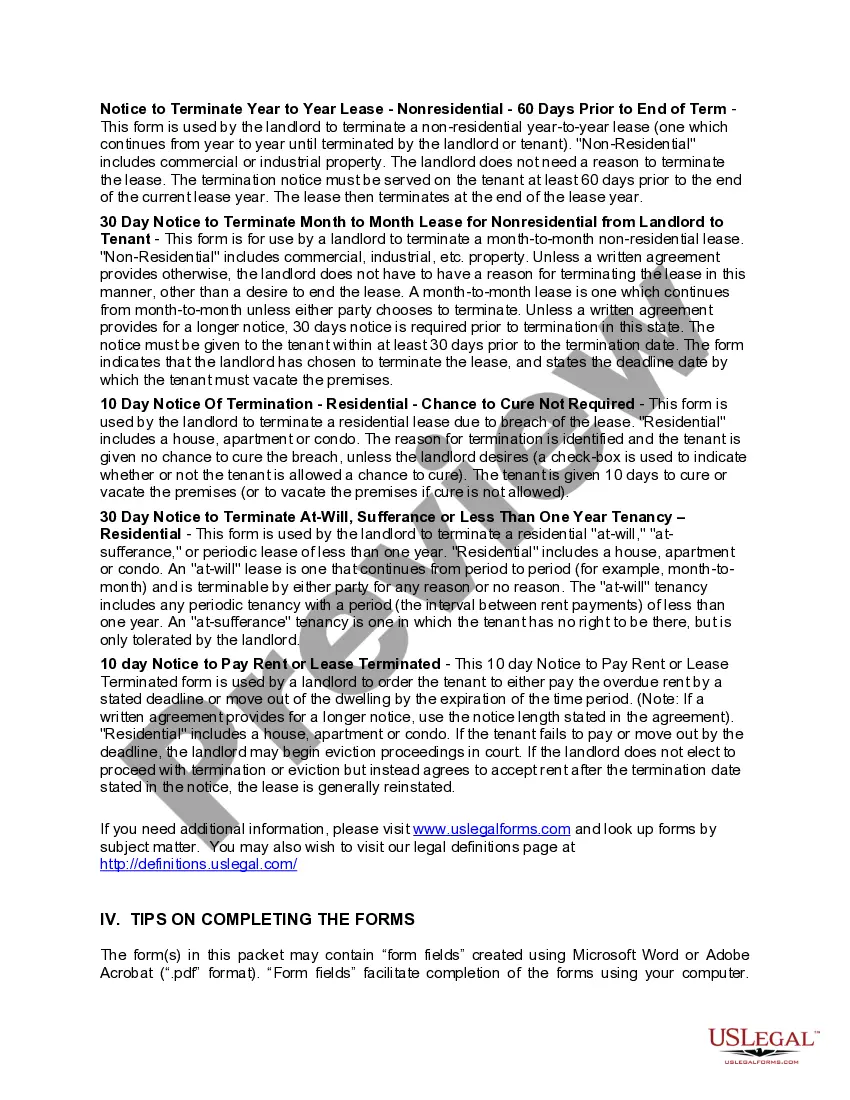
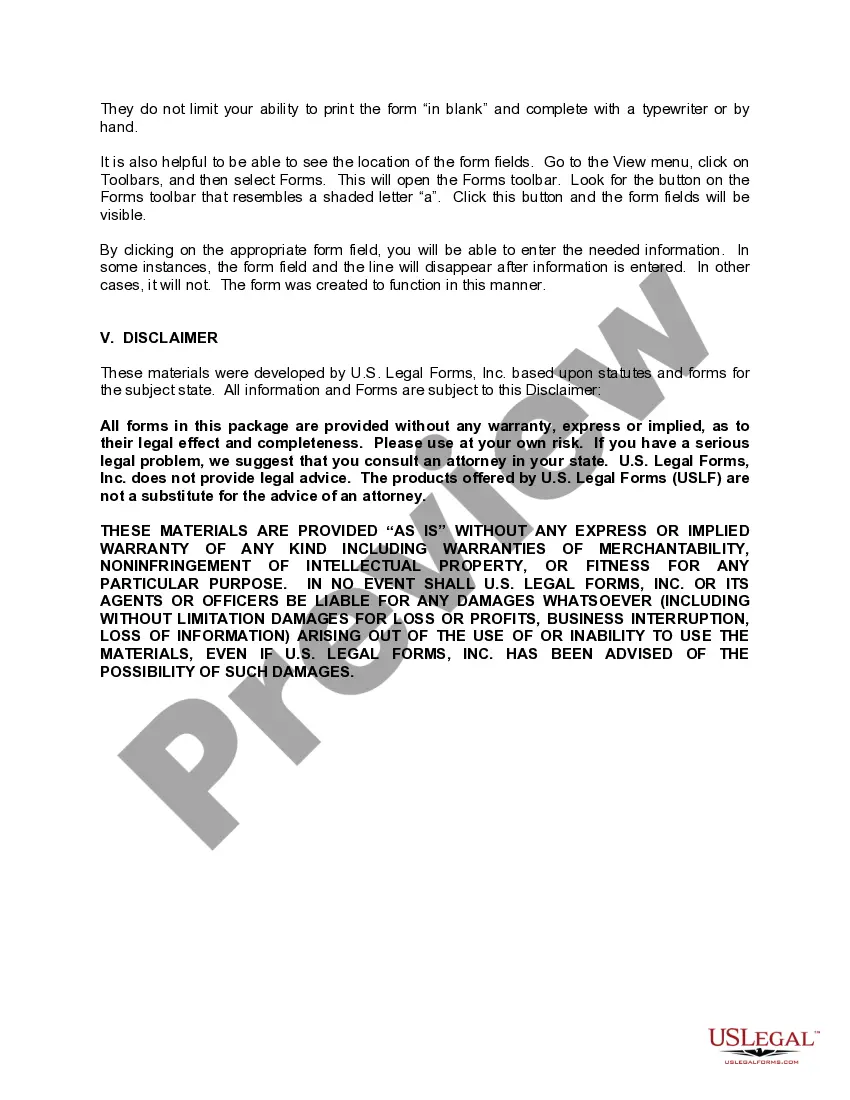
How to fill out Missouri Landlord Notices For Eviction / Unlawful Detainer Forms Package?
- Log in to your US Legal Forms account if you have previously used the service to download the necessary eviction notice format. Ensure that your subscription is active; if not, renew it through your payment plan.
- If you're a new user, start by reviewing the Preview mode and descriptions of available forms to select the eviction notice format that meets your jurisdiction's requirements.
- If the initial template doesn’t fit your needs, utilize the Search tab at the top to explore more options until you find a suitable eviction notice format.
- To acquire your chosen document, click ‘Buy Now’ and select the subscription plan that best aligns with your needs. You'll need to register for an account to gain access to all resources.
- Complete the purchase by inputting your credit card information or utilizing your PayPal account for a smooth transaction.
- After your transaction, download the eviction notice format and save it on your device. For future reference, you can access your documents anytime in the ‘My Forms’ section of your profile.
By following these steps, you can efficiently obtain the eviction notice format tailored to your needs with the assurance of compliance.
US Legal Forms offers a robust library of legal documents, enabling you to navigate the complexities of legal paperwork effortlessly. Start today and ensure your documents are both accurate and legally sound!
Form popularity
FAQ
After an eviction in Illinois, tenants typically have a limited time to retrieve their belongings, often around 7 days. However, this timeframe can fluctuate depending on the specifics of the eviction notice format provided. It’s essential to act quickly to reclaim your possessions and understand your legal rights during this process.
The duration it takes to evict a tenant in Illinois varies based on several factors, including court schedules and tenant responsiveness. Generally, the process can take anywhere from a few weeks to several months once the eviction notice format is served. Understanding these timelines helps landlords plan accordingly and manage their properties more efficiently.
Writing a letter to explain an eviction requires clarity and adherence to legal standards. In your letter, include the tenant's name, address, and a well-structured eviction notice format detailing the reasons for the eviction, relevant dates, and any actions the tenant may take to resolve the issue. This approach maintains transparency and supports effective communication.
No, a landlord cannot legally evict a tenant without going through a court process in Illinois. Even if a rent is overdue, the landlord must first issue an eviction notice format and wait for the tenant's response. If necessary, they can file a lawsuit to begin the official eviction process.
Illinois has established rules that landlords must follow to evict a tenant lawfully. First, they must provide a valid eviction notice format, stating the reason for eviction, and must allow a specific timeframe for the tenant to respond or rectify the situation. If the tenant does not comply, the landlord can proceed with the court process to complete the eviction.
In Illinois, tenants have specific rights that protect them from unfair treatment. These rights include the right to a safe and habitable living space, the right to privacy, and the right to receive proper notice before eviction. Understanding your rights is crucial, especially when drafting an eviction notice format, as it ensures that both landlords and tenants follow legal procedures.
The best way to serve an eviction notice is to deliver it personally to the tenant or send it via certified mail. Using a proper eviction notice format is essential to ensure all required information is included. Additionally, document the delivery method and date for your records. Following these steps provides a clear paper trail and increases the likelihood of a smooth eviction process.
Yes, you can hand write an eviction notice, but it is recommended to use a proper eviction notice format for consistency and clarity. A well-structured notice includes vital information such as the tenant's name, property address, reason for eviction, and the deadline to vacate. A clear and formal notice helps avoid misunderstandings and legal complications later on.
In Vermont, landlords must provide tenants with a written eviction notice format that specifies the reason for eviction and the time for compliance. Following the notice, landlords must file an eviction lawsuit to proceed legally. Vermont law also protects tenants against unlawful evictions, so understanding the rules is crucial for landlords. Adhering to the legal process helps ensure a smooth eviction.
The timeline for evicting a tenant in Kansas can vary but generally takes several weeks to a few months. After serving the eviction notice format, if the tenant does not vacate, you must file a lawsuit. The court process and any appeals filed by the tenant can prolong the eviction. Staying informed about the process helps you manage your timeline effectively.