Quit Claim Deed Form For Ohio

Description
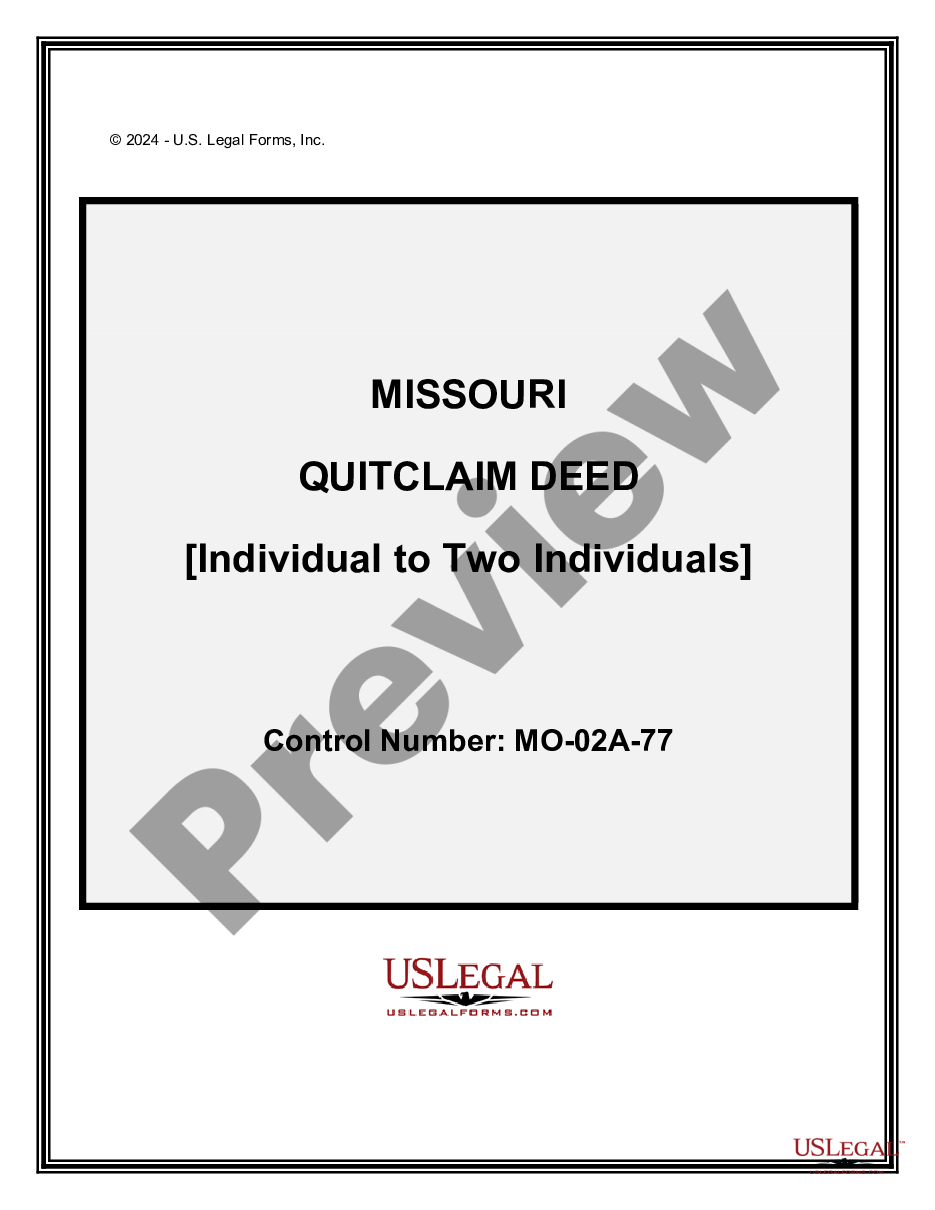
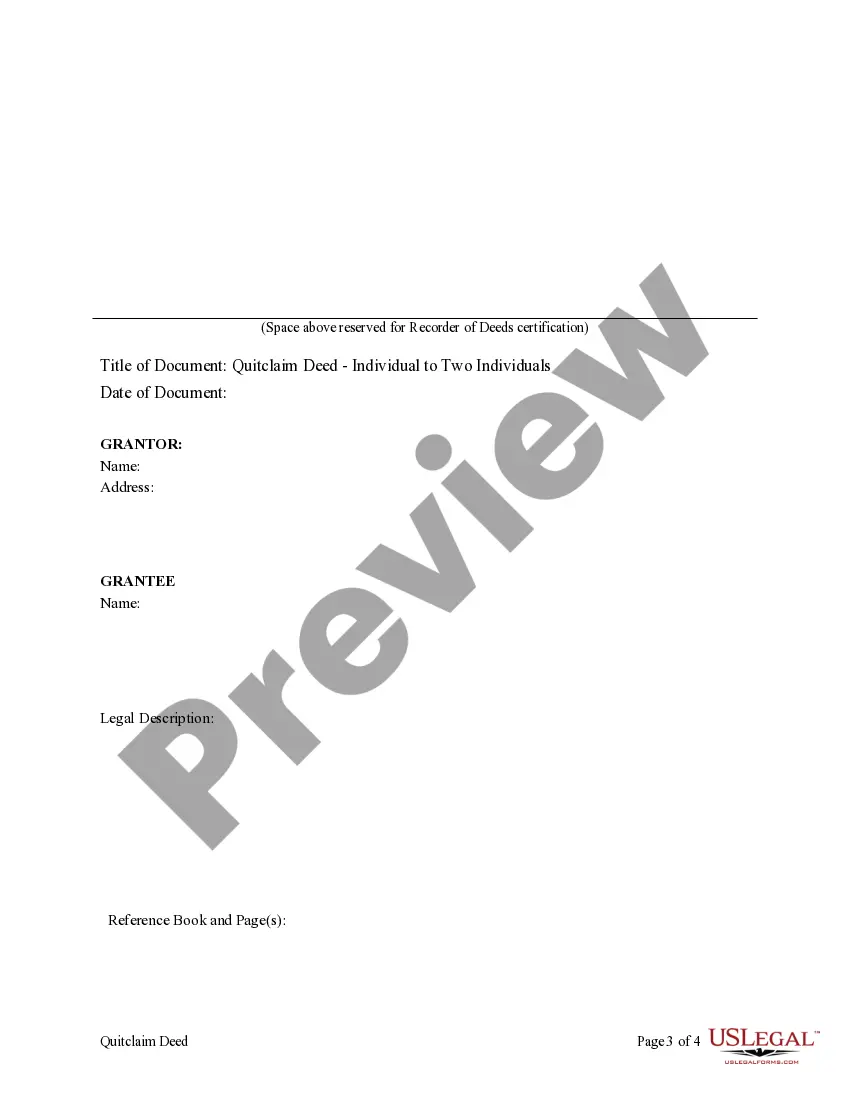
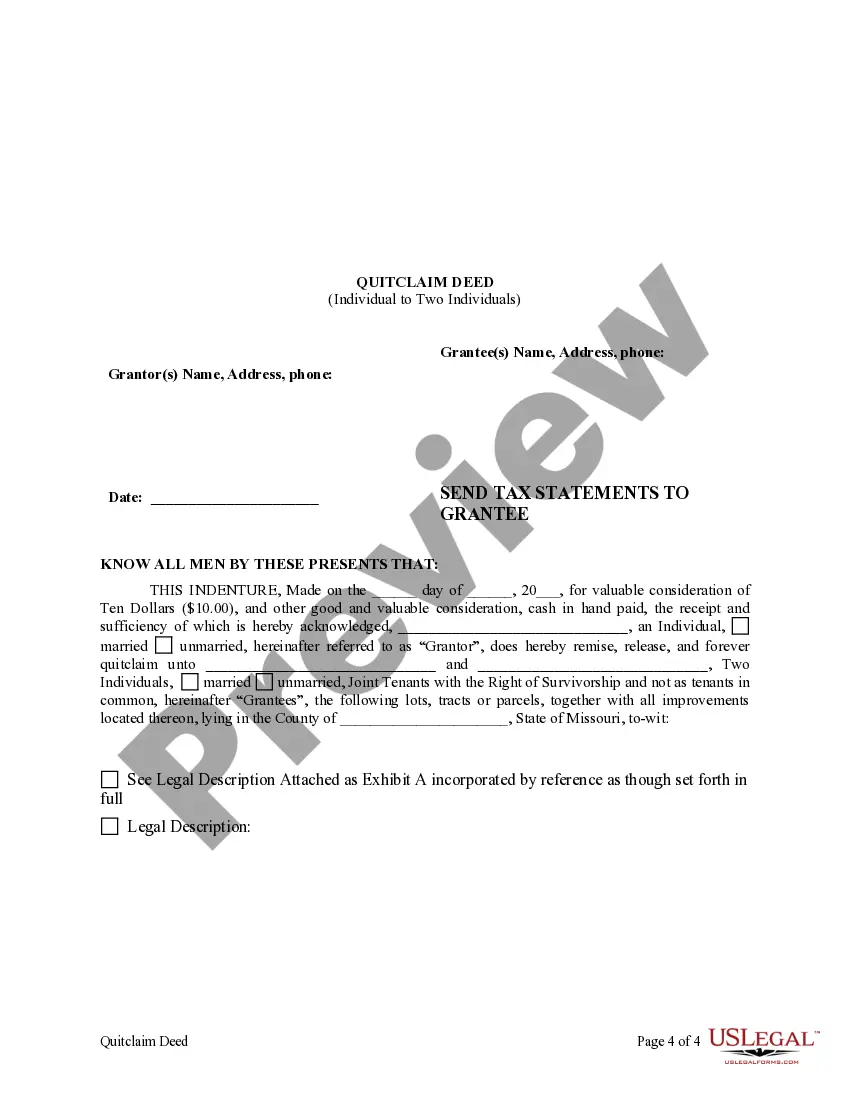



Get your form ready online
Our built-in tools help you complete, sign, share, and store your documents in one place.
Make edits, fill in missing information, and update formatting in US Legal Forms—just like you would in MS Word.
Download a copy, print it, send it by email, or mail it via USPS—whatever works best for your next step.
Sign and collect signatures with our SignNow integration. Send to multiple recipients, set reminders, and more. Go Premium to unlock E-Sign.
If this form requires notarization, complete it online through a secure video call—no need to meet a notary in person or wait for an appointment.
We protect your documents and personal data by following strict security and privacy standards.

Make edits, fill in missing information, and update formatting in US Legal Forms—just like you would in MS Word.

Download a copy, print it, send it by email, or mail it via USPS—whatever works best for your next step.

Sign and collect signatures with our SignNow integration. Send to multiple recipients, set reminders, and more. Go Premium to unlock E-Sign.

If this form requires notarization, complete it online through a secure video call—no need to meet a notary in person or wait for an appointment.

We protect your documents and personal data by following strict security and privacy standards.
Looking for another form?


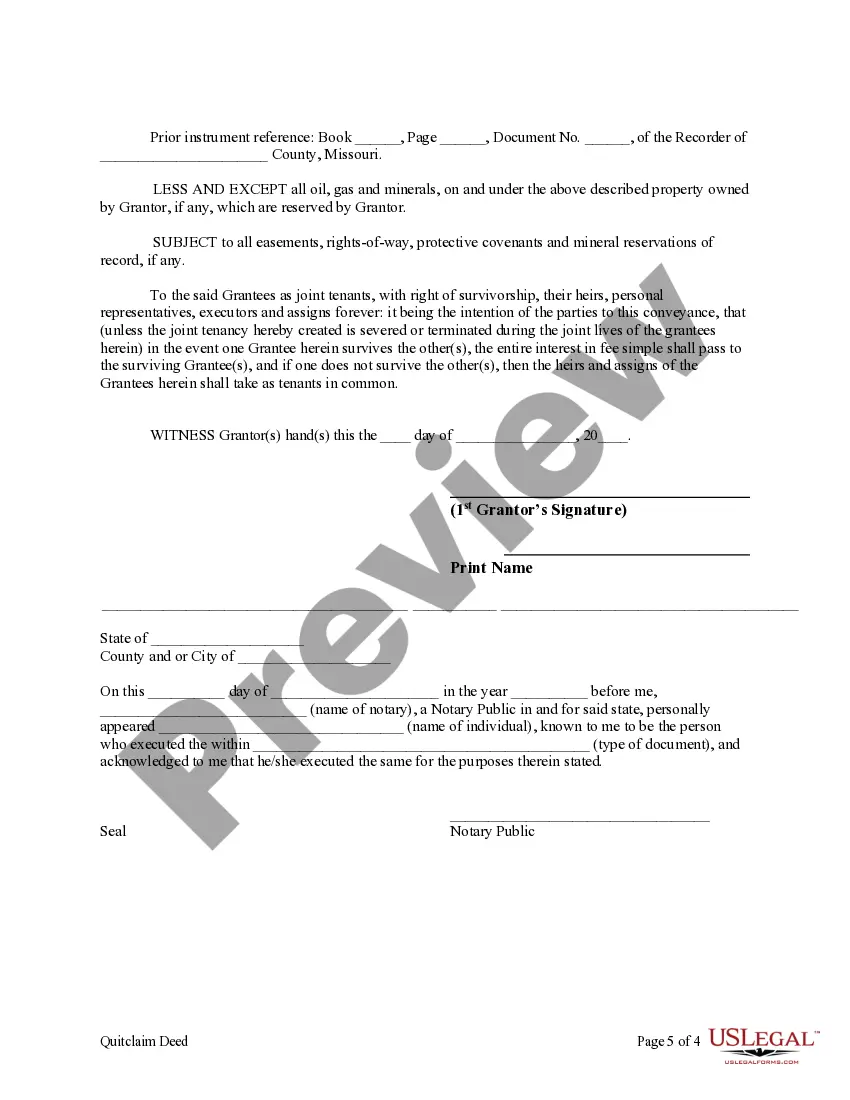
How to fill out Missouri Quitclaim Deed From Individual To Two Individuals In Joint Tenancy?
- If you are a returning user, simply log in to your account and select the quit claim deed form. Ensure your subscription is current to access all features.
- For first-time users, start by checking the Preview mode of the desired form to verify it aligns with your needs and complies with local regulations.
- If adjustments are necessary, utilize the Search functionality to locate an alternative form that fits your criteria.
- Once you've selected the correct document, click on the Buy Now button and choose a suitable subscription plan, ensuring to create an account for full access.
- Complete your purchase by entering your payment information through credit card or PayPal.
- Lastly, download the quit claim deed form to your device, and access it later anytime through the My Forms section.
In conclusion, US Legal Forms offers a streamlined approach to obtaining a quit claim deed form for Ohio, making legal documentation both efficient and accessible.
Start your journey today by visiting US Legal Forms and exploring the vast library of resources at your disposal!
Form popularity
FAQ
Quit claims are often viewed with caution because they offer no guarantee of ownership. Unlike other deed types, the quit claim deed form for Ohio transfers only the interest the grantor has at the time of the transfer, which can lead to unexpected problems. This lack of warranty makes quitclaims risky for buyers, especially when purchasing property. Always consult specialists to ensure you fully understand the implications before proceeding.
To fill out a quit claim deed form for Ohio, start by obtaining the correct form, which is available online or through legal offices. Next, enter the names of the grantor and grantee, along with the property description. Ensure that both parties sign the document in the presence of a notary public. Finally, submit the deed to the county recorder's office to make it legally effective.
You can obtain a quit claim deed form for Ohio from various sources. Many online platforms, including USLegalForms, provide templates that you can easily access and customize. Additionally, check with your local county recorder's office for official forms and local requirements. Utilizing the right forms ensures that all necessary information is included for a smooth transaction.
A quit claim deed is commonly used to transfer property ownership without a sale, often among family members. People typically use it in scenarios like gifting property or clearing up title issues. Understanding the purpose behind the quit claim deed form for Ohio can help you decide if it fits your needs. It simplifies the transfer process compared to other deed types.
Yes, you can complete a quit claim deed yourself in Ohio. It's important to follow the state guidelines for filling out the quit claim deed form for Ohio accurately. However, while this is possible, consider consulting a real estate attorney if you're unsure. This step can help ensure that your deed is valid and recorded properly.
A quitclaim deed form for Ohio carries specific disadvantages that you should consider. One major concern is that it does not guarantee clear title; this means the property could have existing liens or claims that you might unknowingly inherit. Furthermore, if the grantor has any ownership issues, the grantee assumes all risks without recourse. It’s essential to weigh these factors carefully before proceeding.
Yes, you can fill out a quit claim deed form for Ohio yourself. Many people find these forms easy to complete, especially with clear instructions. However, it's important to ensure all information is accurate, as mistakes can lead to complications later. If you're unsure, consider using platforms like USLegalForms for guidance and to access pre-filled templates.
Transferring property to a family member in Ohio involves using a quit claim deed form for Ohio. This straightforward process requires you to accurately fill out the form, sign it, and have it notarized. Once you complete these steps, you must record the deed at your local county recorder's office. This ensures the transfer is legally recognized and documented.
To transfer your house deed to a family member in Ohio, you will need to complete a quit claim deed form for Ohio. This form allows you to convey your interest in the property without making any guarantees about the title. After filling out the form, make sure to sign it in the presence of a notary public. Finally, file the completed deed with the county recorder's office to finalize the transfer.
To file a quitclaim deed in Ohio, first, complete the quit claim deed form for Ohio carefully. Then, submit the form to the local county recorder’s office along with any required fees. Make sure to keep a copy for your records, as it's crucial to maintain proof of your ownership.