Transfer Death Individual With Estate
Description
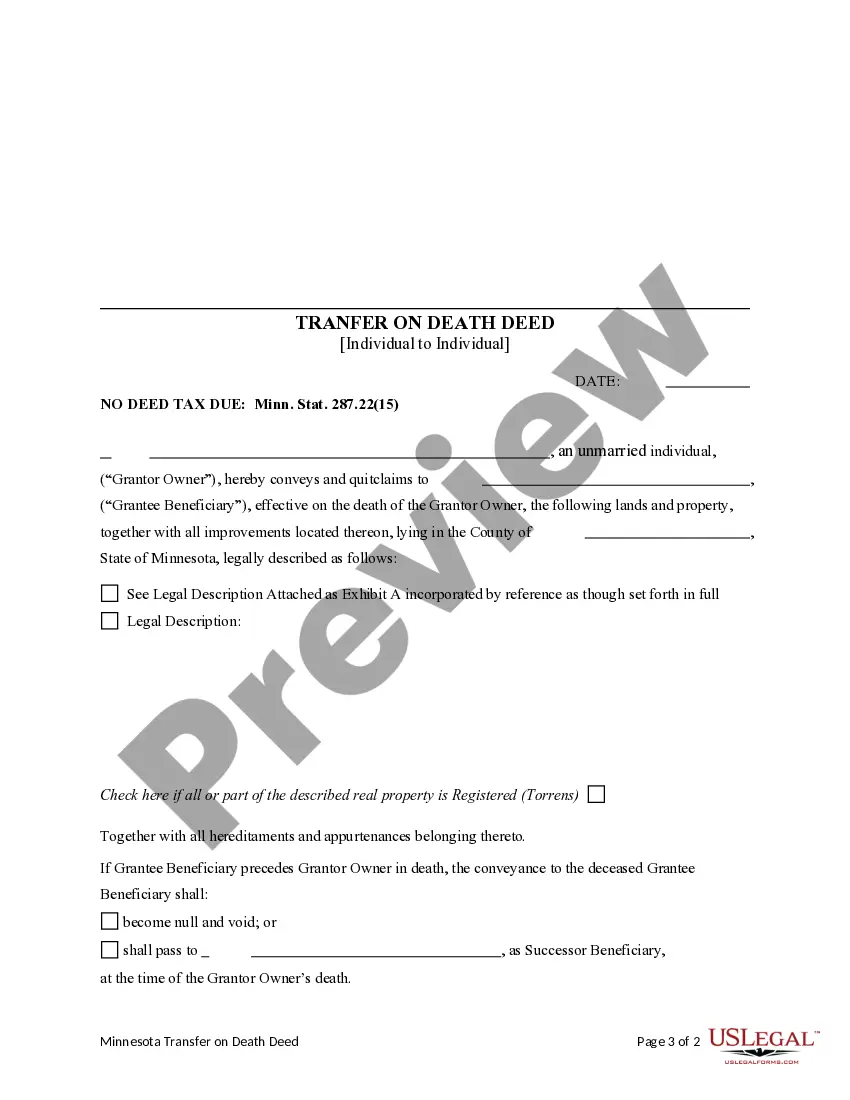
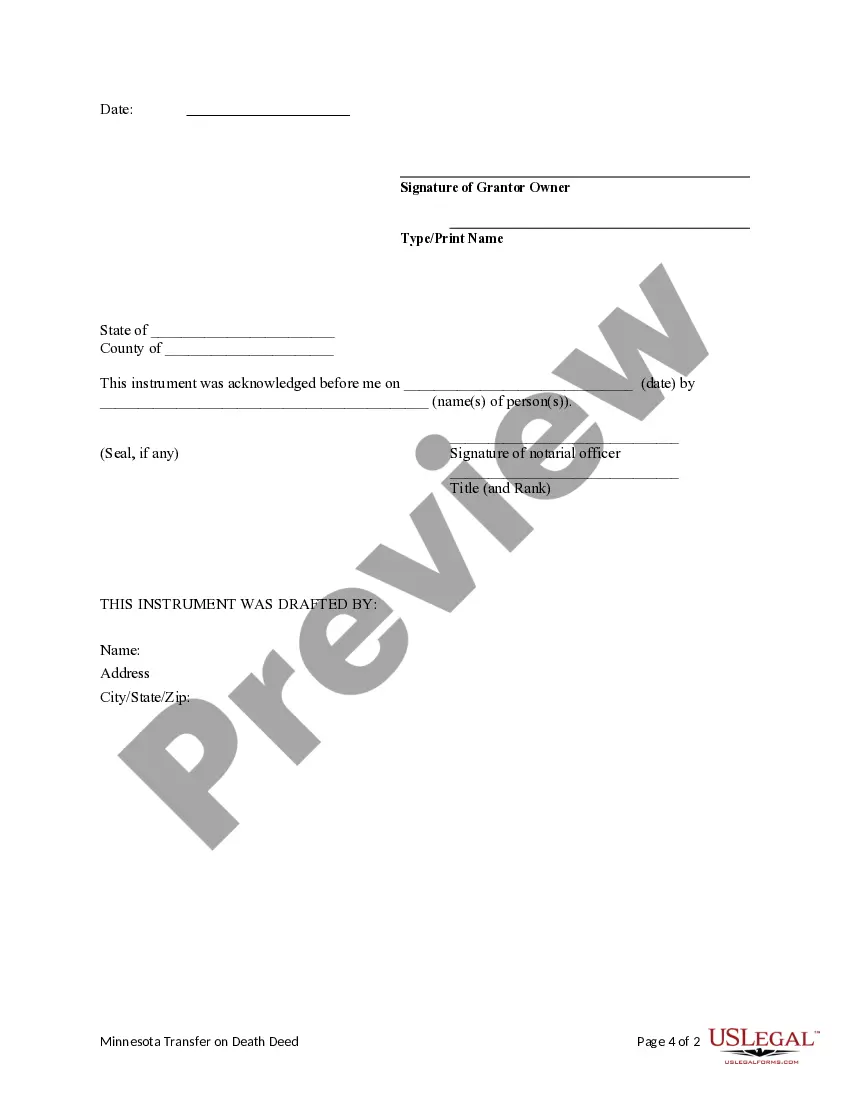

Get your form ready online
Our built-in tools help you complete, sign, share, and store your documents in one place.
Make edits, fill in missing information, and update formatting in US Legal Forms—just like you would in MS Word.
Download a copy, print it, send it by email, or mail it via USPS—whatever works best for your next step.
Sign and collect signatures with our SignNow integration. Send to multiple recipients, set reminders, and more. Go Premium to unlock E-Sign.
If this form requires notarization, complete it online through a secure video call—no need to meet a notary in person or wait for an appointment.
We protect your documents and personal data by following strict security and privacy standards.

Make edits, fill in missing information, and update formatting in US Legal Forms—just like you would in MS Word.

Download a copy, print it, send it by email, or mail it via USPS—whatever works best for your next step.

Sign and collect signatures with our SignNow integration. Send to multiple recipients, set reminders, and more. Go Premium to unlock E-Sign.

If this form requires notarization, complete it online through a secure video call—no need to meet a notary in person or wait for an appointment.

We protect your documents and personal data by following strict security and privacy standards.
Looking for another form?








How to fill out Minnesota Transfer On Death Deed - Individual To Individual?
- If you're an existing user, log in to your account and ensure your subscription is active. Then, download the required form template by clicking the Download button.
- For new users, start by browsing the form library. Use the Preview mode to review form descriptions and ensure they meet your local jurisdiction requirements.
- In case you don’t find the suitable template, utilize the Search tab to locate other relevant forms that fit your needs.
- Once you've selected the appropriate form, click on the Buy Now button and choose a subscription plan that works best for you. You will need to create an account to gain access to the full range of resources.
- Complete your payment through credit card or PayPal to finalize the subscription and purchase of the document.
- Download the form to your device. You can also find it later in the My Forms section of your profile, allowing easy access whenever necessary.
By using US Legal Forms, you benefit from a vast collection of over 85,000 fillable legal templates and the ability to consult premium experts for assistance, ensuring that your documents are accurate and legally compliant.
Don't let legal paperwork overwhelm you—start your journey towards a hassle-free document transfer process today with US Legal Forms!
Form popularity
FAQ
A significant downside of a transfer on death is that it does not provide immediate access to the property for beneficiaries while you are alive. Only upon your passing can the beneficiary take full ownership, which might lead to disputes if expectations are not clear. Consulting with a legal professional can help clarify these limitations and guide you through the process.
The primary disadvantage of transfer on death lies in its lack of flexibility. Should your circumstances change, reversing a transfer on death deed may require legal steps, which can be cumbersome. Additionally, not all assets are eligible for transfer on death designations, so it's important to know what can and cannot be transferred this way.
Transfer on death accounts can be a beneficial option for many individuals. They allow you to transfer death individual with estate easily to the named beneficiary without going through probate. However, it’s essential to review your options carefully and consider potential impacts on your overall estate plan.
The timeline to transfer property after someone dies varies by state, but it generally must be completed within a few months. If you used a transfer on death deed, the beneficiary can typically assume ownership as soon as the death certificate is presented. It’s prudent to act quickly to ensure a smooth transition and to avoid complications.
One major disadvantage of a transfer on death deed is that it may not provide the same level of control over the property after your death. If the beneficiary has financial issues, creditors may lay claim to the property. Additionally, this method does not take effect until your death, meaning you cannot change your mind easily once the transfer is recorded.
The best way to transfer property after death is through a properly executed transfer on death deed or a will. Both methods allow property to bypass probate and directly transfer to the heirs. With uslegalforms, you can access user-friendly templates to create the right documents that meet your needs for transferring death individual with estate.
To claim the estate of a deceased person, you must file a probate petition in the appropriate court. This process involves proving your relationship to the decedent and providing necessary documentation, such as the will and death certificate. Using uslegalforms can simplify this procedure, offering templates that help you navigate the legal requirements efficiently.
Transfer on death accounts are typically not considered part of the estate in probate proceedings. Funds and assets in these accounts move directly to the designated beneficiary upon the account holder's death. This method can effectively simplify your estate management, especially when using resources from uslegalforms to organize your accounts properly.
Passing property to heirs is ideally done through a will or a living trust. By creating a comprehensive estate plan, you can specify how your property should be distributed, avoiding potential disputes. Utilizing uslegalforms can help you draft a clear plan that meets your specific needs for transferring death individual with estate.
The best way to transfer property title between family members is usually through a gift deed or a transfer on death deed. With a transfer on death deed, the property can seamlessly pass to the designated beneficiary upon your death without going through probate. Additionally, using uslegalforms can streamline this process, providing the necessary documents to ensure correct transfer.