Transfer Death Beneficiary With Mortgage
Description
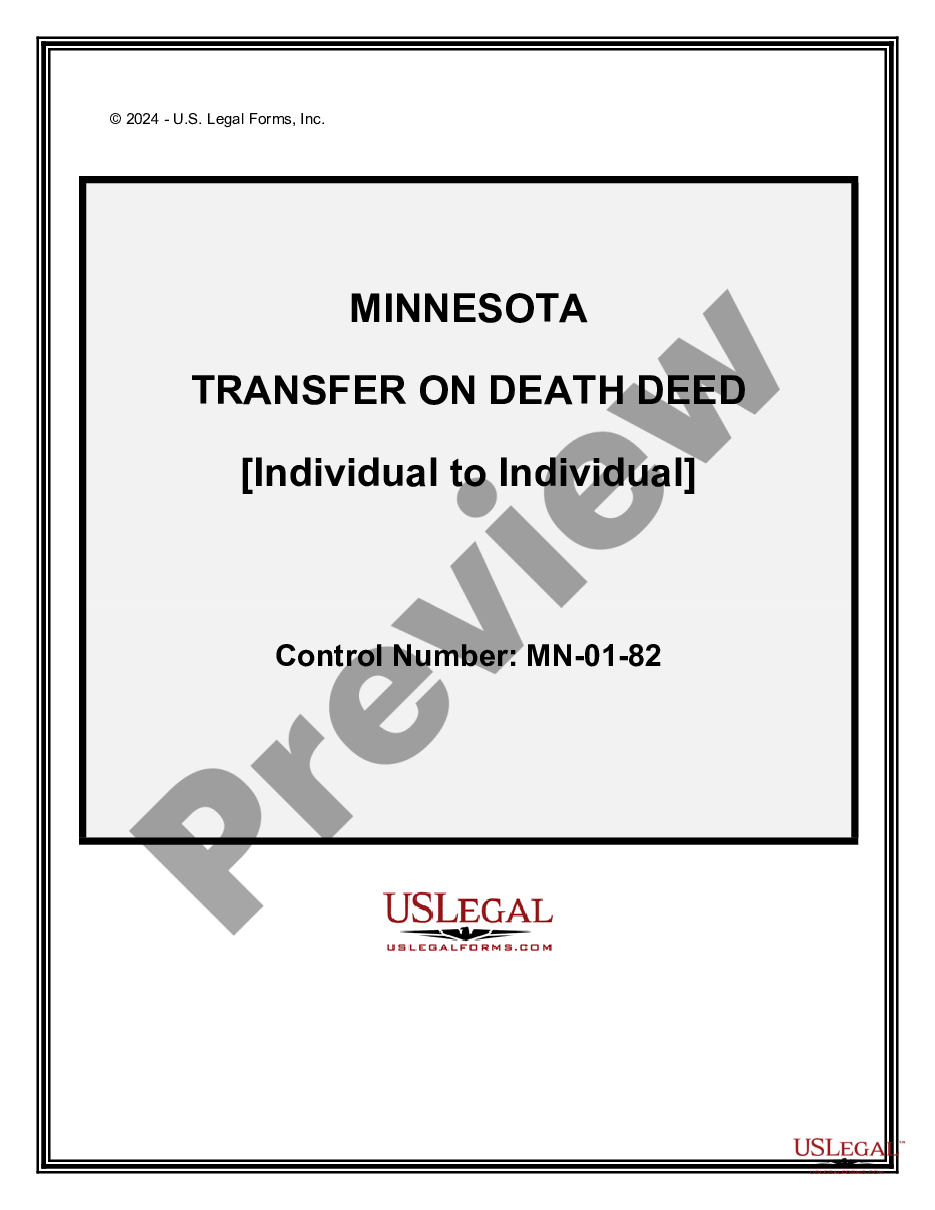
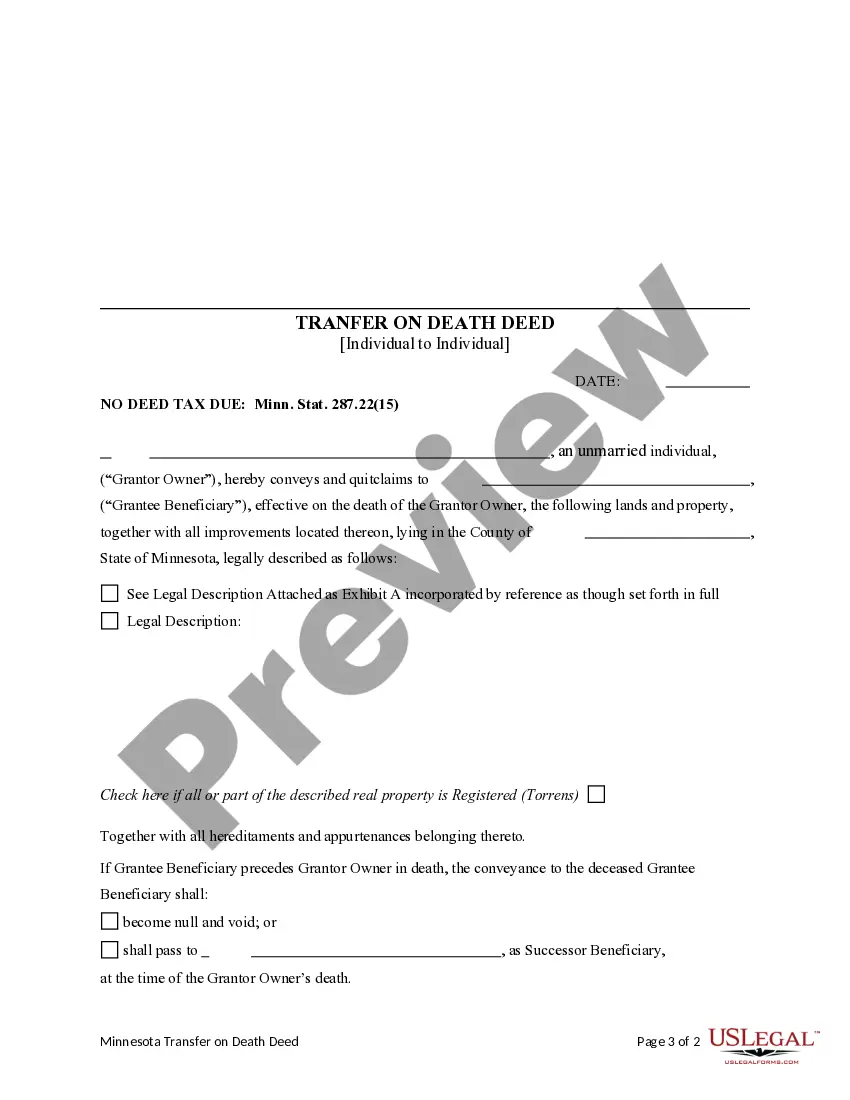
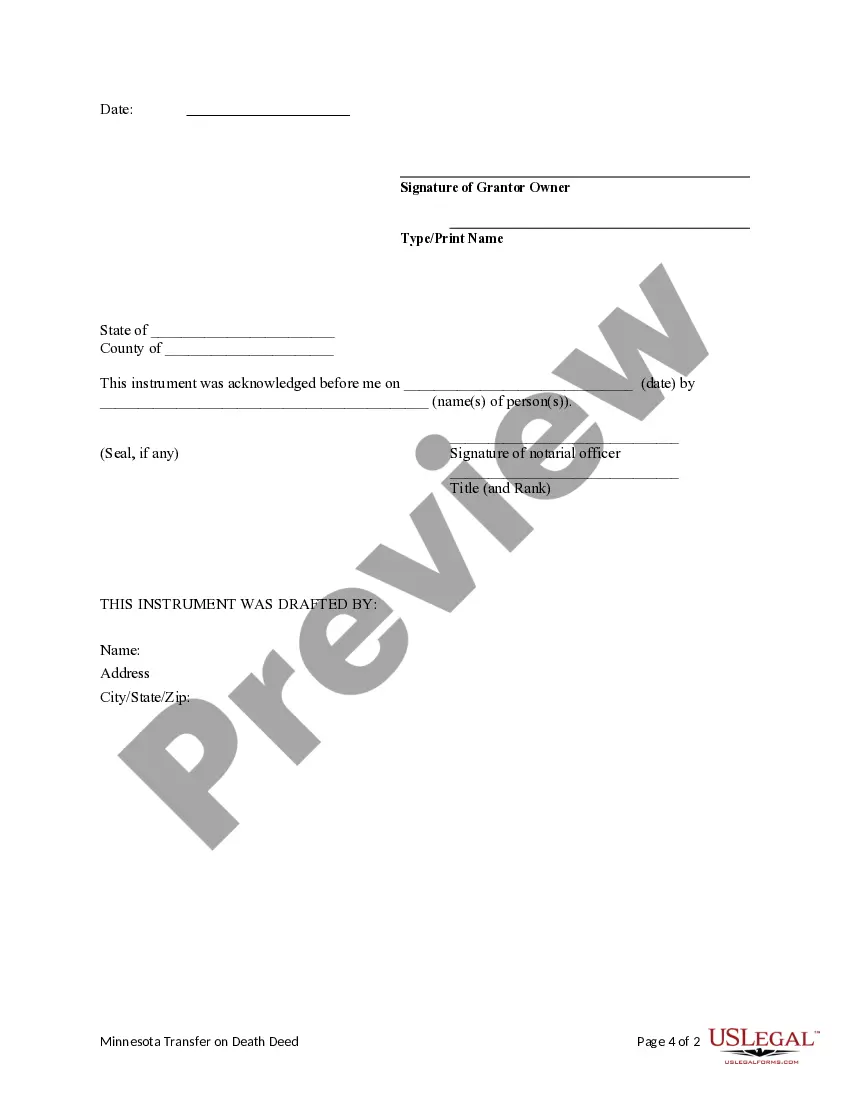

Get your form ready online
Our built-in tools help you complete, sign, share, and store your documents in one place.
Make edits, fill in missing information, and update formatting in US Legal Forms—just like you would in MS Word.
Download a copy, print it, send it by email, or mail it via USPS—whatever works best for your next step.
Sign and collect signatures with our SignNow integration. Send to multiple recipients, set reminders, and more. Go Premium to unlock E-Sign.
If this form requires notarization, complete it online through a secure video call—no need to meet a notary in person or wait for an appointment.
We protect your documents and personal data by following strict security and privacy standards.

Make edits, fill in missing information, and update formatting in US Legal Forms—just like you would in MS Word.

Download a copy, print it, send it by email, or mail it via USPS—whatever works best for your next step.

Sign and collect signatures with our SignNow integration. Send to multiple recipients, set reminders, and more. Go Premium to unlock E-Sign.

If this form requires notarization, complete it online through a secure video call—no need to meet a notary in person or wait for an appointment.

We protect your documents and personal data by following strict security and privacy standards.
Looking for another form?







How to fill out Minnesota Transfer On Death Deed - Individual To Individual?
- Log in to your US Legal Forms account, ensuring your subscription is active. If necessary, renew your plan to maintain access.
- Search for the appropriate form by reviewing the preview and ensuring it aligns with your jurisdiction's requirements.
- If you don't find the needed form, utilize the Search tab to locate the accurate template that fits your situation.
- Purchase the document by clicking the Buy Now button and selecting your desired subscription plan. An account registration may be needed.
- Complete your transaction by entering your payment information via credit card or PayPal.
- Download your template and save it on your device. You can access it later in the My Forms section of your profile.
In conclusion, transferring a death beneficiary with a mortgage doesn't have to be complicated. With the help of US Legal Forms, you're equipped with the tools necessary to navigate this process smoothly.
Start your journey today and ensure your estate is managed according to your wishes!
Form popularity
FAQ
When one person on a mortgage dies, the surviving co-borrower typically assumes full responsibility for the mortgage. This situation can create complications if there are no clear arrangements in place, such as a Transfer Death Beneficiary with Mortgage. It is essential for the surviving borrower to communicate with the lender to understand their options. To simplify this process, consider using platforms like USLegalForms, which can help you navigate the necessary paperwork and legal steps.
Yes, New Jersey allows Transfer on Death deeds as well. These deeds permit you to transfer a death beneficiary with a mortgage directly to your chosen recipient, thus bypassing the lengthy probate process. However, it is crucial to follow the state's specific regulations to ensure the deed's validity.
One downside of a Transfer on Death deed is that it does not protect the property from creditors. In cases where debts exist, those creditors can claim against the property, including any mortgage. Additionally, if the beneficiary is unable to manage the property, it may lead to complications.
The best way to leave property upon death often involves using a Transfer on Death deed. This option allows you to specify a beneficiary who will inherit your property, including any associated mortgage, seamlessly. It minimizes probate issues and ensures a straightforward transition.
Yes, New York State does allow Transfer on Death deeds. This option enables you to transfer a death beneficiary with a mortgage directly, simplifying the process of inheritance. It’s essential to follow the state's guidelines to ensure the deed is valid and meets all legal requirements.
While you can create a Transfer on Death (TOD) deed without a lawyer, consulting with one can help clarify the process. A lawyer can guide you on how to transfer a death beneficiary with a mortgage effectively, ensuring all legalities are met. They can also address any concerns you may have, ensuring your property is transferred as intended.
When someone passes away with an existing mortgage, the debt does not simply vanish. Instead, the mortgage typically transfers to the estate or a designated beneficiary. This is where understanding how to transfer a death beneficiary with a mortgage is crucial. Beneficiaries may choose to keep the home, which requires continuing mortgage payments, or they may decide to sell the property to settle the estate's debts.
Yes, a mortgage can be transferred to another person after death through a process called assumption. If there is a transfer death beneficiary with mortgage, this often eases the transfer. It is advisable to consult with a legal expert to navigate this transfer seamlessly.
A mortgage on a property with a transfer-on-death designation, or tod, remains active upon the owner's passing. The designated beneficiary will inherit the property along with the mortgage obligations. If the beneficiary chooses to keep the property, they will need to continue making mortgage payments.
To transfer ownership of a house with a mortgage after death, first check if a transfer death beneficiary with mortgage is in place. If so, the beneficiary can typically assume the mortgage or refinance. If not, the property may need to go through probate to determine rightful ownership.