Transfer Death Beneficiary Form For Ira
Description
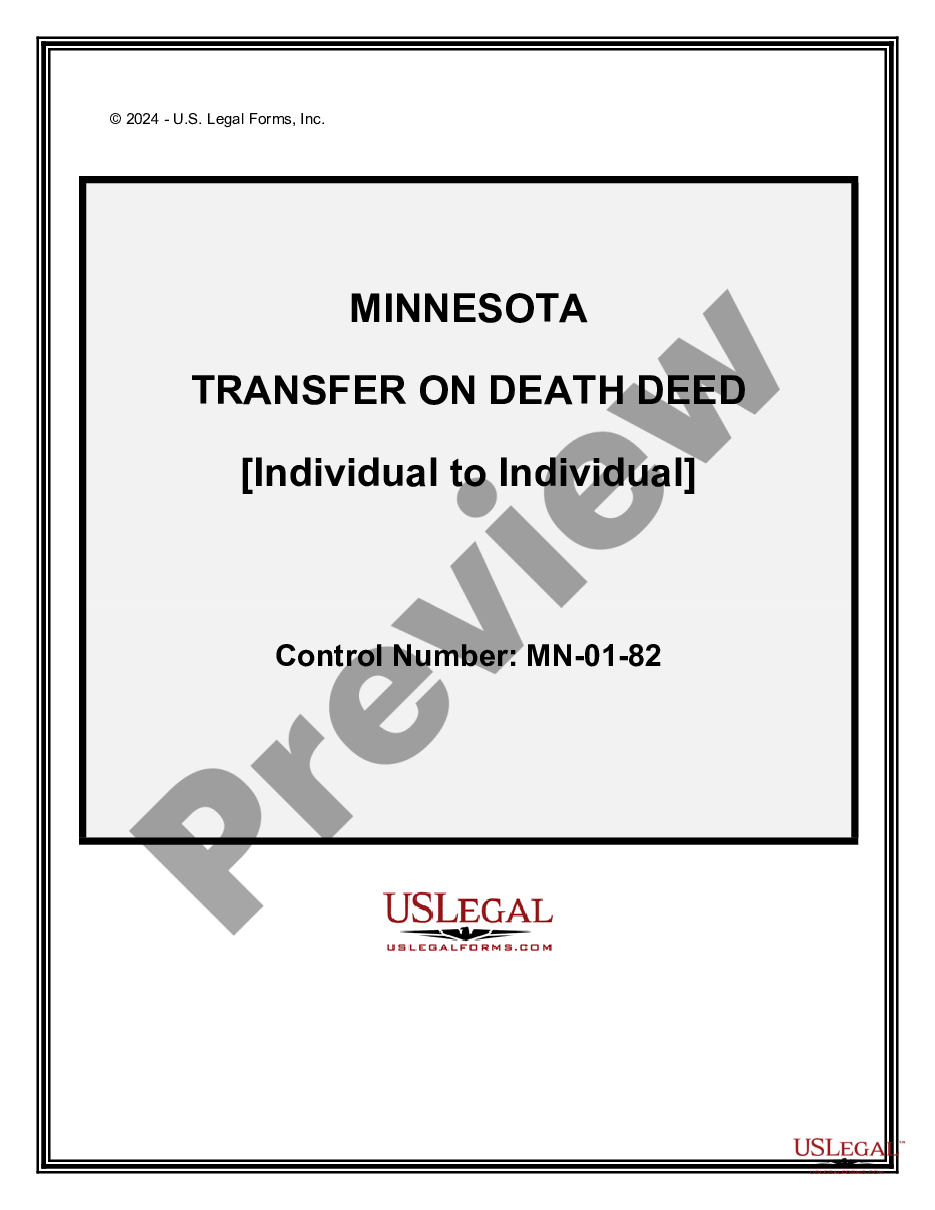
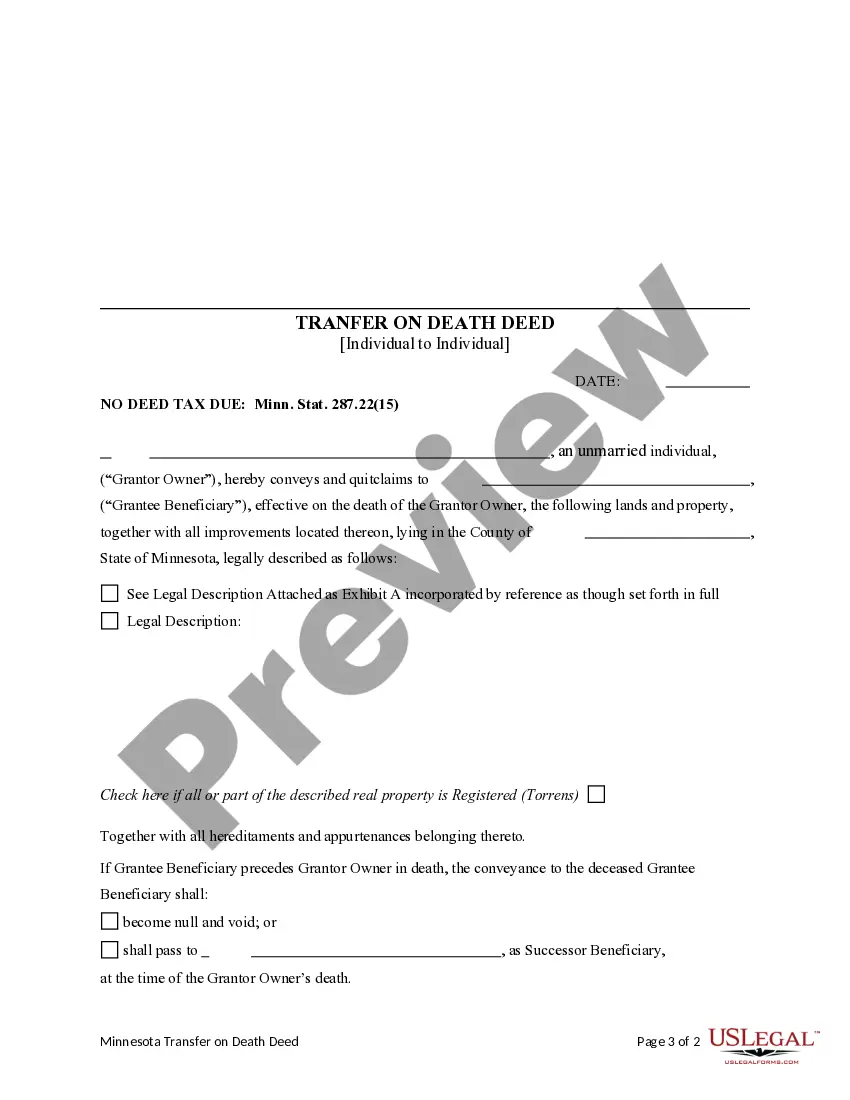
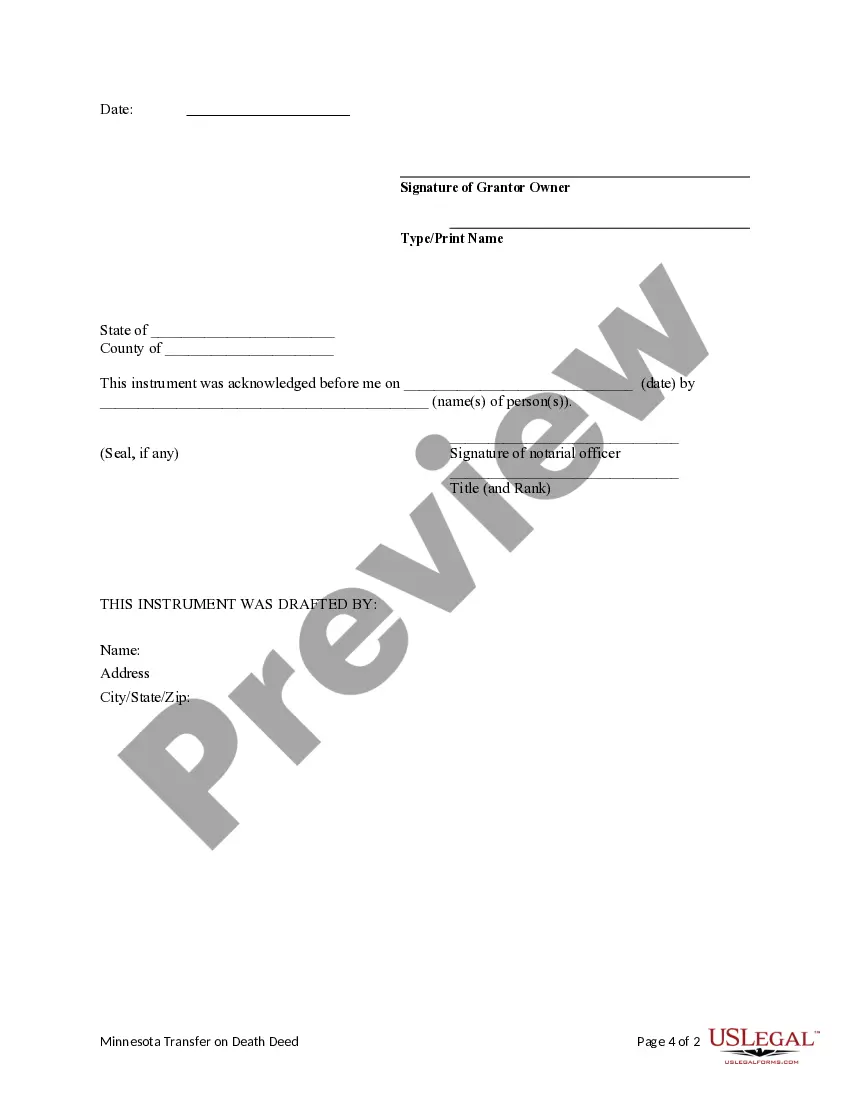


Get your form ready online
Our built-in tools help you complete, sign, share, and store your documents in one place.
Make edits, fill in missing information, and update formatting in US Legal Forms—just like you would in MS Word.
Download a copy, print it, send it by email, or mail it via USPS—whatever works best for your next step.
Sign and collect signatures with our SignNow integration. Send to multiple recipients, set reminders, and more. Go Premium to unlock E-Sign.
If this form requires notarization, complete it online through a secure video call—no need to meet a notary in person or wait for an appointment.
We protect your documents and personal data by following strict security and privacy standards.

Make edits, fill in missing information, and update formatting in US Legal Forms—just like you would in MS Word.

Download a copy, print it, send it by email, or mail it via USPS—whatever works best for your next step.

Sign and collect signatures with our SignNow integration. Send to multiple recipients, set reminders, and more. Go Premium to unlock E-Sign.

If this form requires notarization, complete it online through a secure video call—no need to meet a notary in person or wait for an appointment.

We protect your documents and personal data by following strict security and privacy standards.
Looking for another form?









How to fill out Minnesota Transfer On Death Deed - Individual To Individual?
Dealing with legal documentation and protocols can be a lengthy addition to your schedule. Transfer Death Beneficiary Form For Ira and similar forms typically require you to locate them and comprehend the best method to fill them out correctly. Therefore, whether you are managing financial, legal, or personal issues, having a detailed and accessible online directory of forms readily available will be extremely beneficial.
US Legal Forms is the leading online resource for legal templates, featuring over 85,000 state-specific documents and various tools to help you complete your paperwork seamlessly. Browse the collection of relevant files available to you with just a single click.
US Legal Forms provides state- and county-specific documents accessible at any time for downloading. Safeguard your document management processes with a top-notch service that enables you to prepare any form in minutes without any additional or concealed fees. Simply Log In to your account, find Transfer Death Beneficiary Form For Ira and obtain it immediately from the My documents section. You can also access previously saved documents.
Is it your first experience using US Legal Forms? Sign up and create your account in a few moments, and you will gain access to the form library and Transfer Death Beneficiary Form For Ira. After that, follow the steps below to complete your form.
US Legal Forms has twenty-five years of experience helping users handle their legal documentation. Obtain the form you require today and streamline any procedure without breaking a sweat.
- Ensure you have located the correct form using the Preview feature and reviewing the form details.
- Select Buy Now when you are ready, and choose the monthly subscription plan that fits your needs.
- Click Download and then fill out, sign, and print the form.
Form popularity
FAQ
Yes, a traditional IRA can transfer to beneficiaries upon your death. To ensure a smooth transfer, you need to complete and submit a transfer death beneficiary form for IRA. This form designates who will receive the funds in your IRA account, helping to avoid potential legal complications. Using a reliable platform like US Legal Forms can simplify this process, providing you with the necessary documents and guidance to execute your wishes.
Yes, you will receive a 1099-R for an inherited IRA transfer. This form reports any distributions you take from the inherited IRA, which you must include in your taxable income. It's important to understand how the transfer death beneficiary form for IRA works, as it can impact your tax situation. Always consult with a tax professional to ensure compliance and optimal tax treatment.
To transfer an IRA when someone dies, you must first locate the transfer death beneficiary form for IRA. This form allows you to claim the IRA and direct the assets appropriately. Next, you will need to notify the IRA custodian of the account holder's death and provide the necessary documentation, including a death certificate. Following these steps ensures a smooth transfer process and helps you manage the inherited assets efficiently.
The simplest way to do that is through a direct trustee-to-trustee transfer from one account to the other or between one IRA custodian and another. You also could complete an indirect IRA-to-IRA rollover, where you take a distribution from the inherited assets and then roll those assets into your own existing IRA.
In order to keep the tax benefits of the account, you will need to set up a new Inherited IRA for Benefit of your name. Once the account is created, you may transfer assets from the original account to your beneficiary IRA. While this may seem confusing, a trusted financial advisor can guide you through the process.
Write the names of the first beneficiary(ies) you would like to receive your benefit after you die. You may name an individual(s), entity (such as a charity, business, religious organization, funeral home, etc.), trust, or estate. You may name more than one.
You transfer the assets into an Inherited IRA held in your name. At any time up until 12/31 of the tenth year after the year in which the account holder died, at which point all assets need to be fully distributed.
General Instructions Write only one beneficiary on each line. Make sure that you write the full names of all beneficiaries. For example, if you name you children as beneficiaries, DO NOT merely write ?children? on one of the lines; instead write the full names of each of your children on separate lines.